How to Host a Spanish Tapas Night at Home
The desire to truly capture the spirit of Spain, to replicate those spontaneous, joyful evenings spent hopping from bar to bar, sharing small plates and big laughs, often leads people to wonder how to successfully host a Spanish tapas night at home. It’s a common challenge. You want to move beyond just serving miniature dishes and instead create an atmosphere that truly feels Spanish, not just like a dinner party with tiny portions. This guide cuts through the guesswork, sharing the real methods and mindset that will transform your evening into an authentic Spanish experience, straight from someone who lives and breathes it every day.
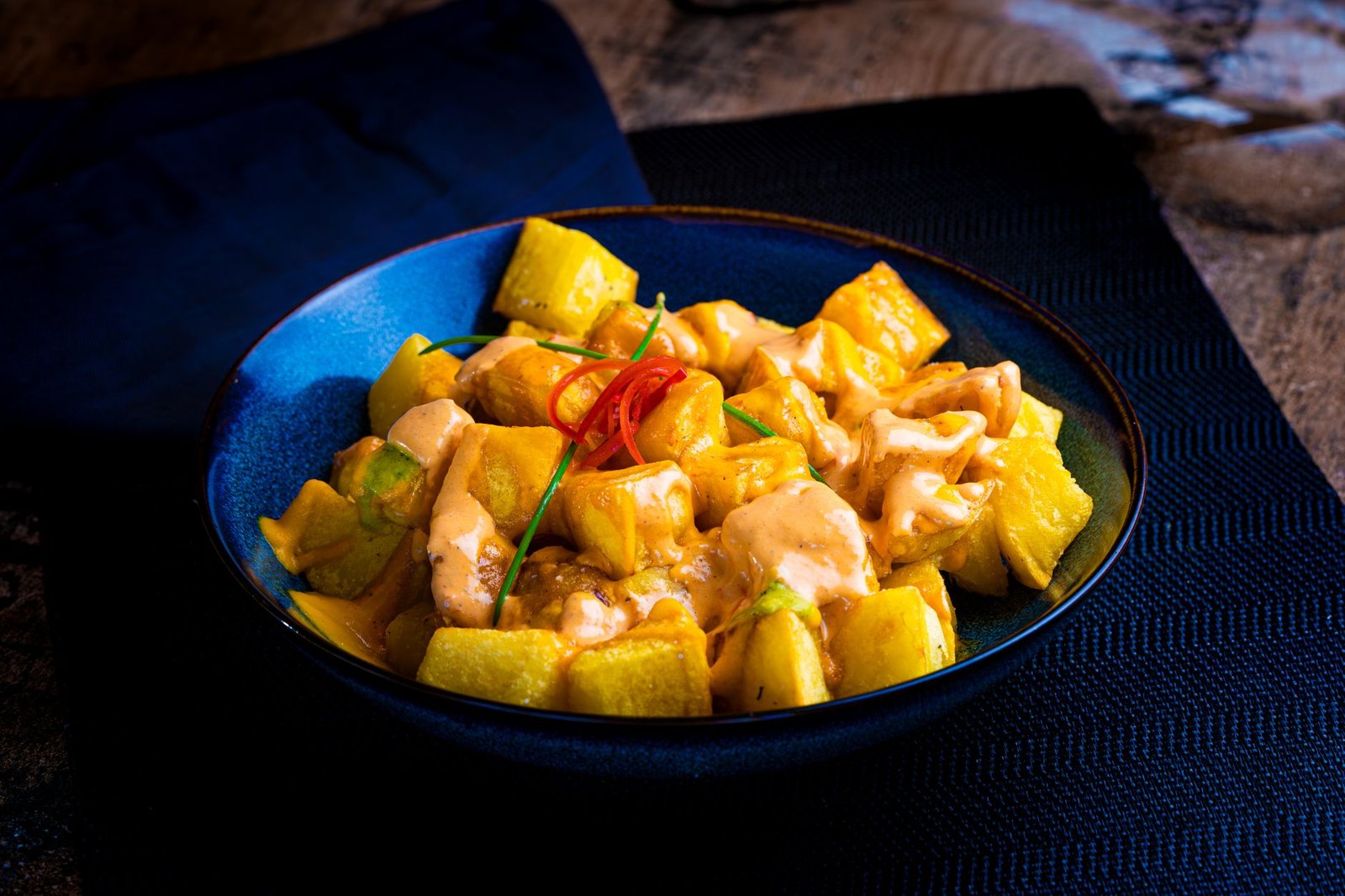
Quick Answer: My secret to hosting a Spanish tapas night at home, like a local.
To host an authentic Spanish tapas night at home, focus on creating a relaxed, social atmosphere where food flows naturally and conversations take center stage. Prioritize 3-5 high-quality, varied dishes – a mix of cold and warm, simple and slightly more involved – alongside good bread, olives, and refreshing non-alcoholic drinks. The key is in the informal presentation and the joy of sharing, rather than a rigid meal structure.
The Tapas Mindset: More Than Just Food on Small Plates
Forget everything you think you know about formal dinner parties when you plan a tapas night. This isn’t about perfectly plated courses or a strict dining schedule; it’s about connection, conversation, and a parade of flavors. In Spain, tapas is a way of life, an excuse to gather, to linger, and to enjoy the simple pleasure of good company over honest, delicious food. You don’t sit down for a tapas meal; you stand, you perch, you move around, you share, and you talk. A lot.
The true spirit of tapas lies in its communal nature. Think less about individual servings and more about a spread that everyone dips into, tries, and discusses. Variety is important, but don’t fall into the trap of trying to make ten different dishes. That’s a recipe for kitchen stress, not Spanish joy. Instead, focus on a manageable number of plates – perhaps three to five core tapas, plus some quality bread, olives, and maybe a platter of cured meats or cheeses. This allows you to prepare everything without becoming overwhelmed, ensuring you’re actually present to enjoy the evening with your guests.
One common misconception is that tapas must be inherently complicated. While some dishes do require a bit more effort, many of Spain’s most beloved tapas are incredibly simple, relying on the exceptional quality of their ingredients. A perfectly ripe tomato, drizzled with good olive oil and a sprinkle of salt on toasted bread, is a tapa in its own right – a testament to the power of fresh, unadulterated flavors. Don’t be afraid to embrace simplicity; it’s often the most authentic path. Remember, the goal is a relaxed vibe, not a Michelin-star kitchen experience.
When you’re designing your menu, consider the balance. You want a mix of textures, temperatures, and flavor profiles. Think about having something crispy, something soft, something savory, and something fresh. This ensures every bite offers a new experience, keeping the conversation and the appetite flowing. And don’t worry about serving everything at once. In Spain, tapas arrive as they’re ready, extending the enjoyment over a longer period. This “flow” is central to the experience and something you can easily recreate at home.
Mastering the Menu: Essential Tapas You Must Include
To bring that authentic Spanish flavor to your home, a few classic tapas are non-negotiable. These are the dishes that encapsulate the heart of Spanish cooking – simple ingredients, bold flavors, and a comforting familiarity. You don’t need to be a professional chef, just someone willing to embrace quality and a few key techniques. Here are my top recommendations, with recipes to get you started.
Patatas Bravas: The Unofficial King of Tapas
This dish might seem simple – fried potatoes with a sauce – but a really good patatas bravas is a revelation. The secret lies in perfectly crispy potatoes and a rich, smoky sauce. There’s an entire guide to it, Patatas Bravas, the Recipe Worth Repeating at Home, but here’s a quick version:
Ingredients:
- 1 kg potatoes (e.g., Maris Piper or Russet), peeled and cut into 2 cm cubes
- 75 ml olive oil (for frying)
- Salt to taste
- For the Bravas Sauce:
- 2 tablespoons olive oil
- 1 large onion, finely chopped
- 3 cloves garlic, minced
- 1 tablespoon sweet paprika (pimentón dulce)
- 1 teaspoon smoked paprika (pimentón ahumado)
- ½ teaspoon hot paprika (pimentón picante) – adjust to your spice preference
- 400 g can crushed tomatoes
- 125 ml vegetable broth
- 1 teaspoon sugar (optional, to balance acidity)
- Salt and black pepper to taste
Instructions:
- Prepare the Bravas Sauce: Heat 2 tablespoons olive oil in a saucepan over medium heat. Add the chopped onion and cook until softened and translucent, about 8-10 minutes. Add the minced garlic and cook for another minute until fragrant.
- Stir in all three paprikas and cook for 30 seconds, stirring constantly, making sure they don’t burn.
- Pour in the crushed tomatoes and vegetable broth. Add the sugar, salt, and pepper. Bring to a simmer, then reduce heat to low and let it cook gently for at least 20-25 minutes, stirring occasionally, until the sauce thickens and flavors meld. You want a consistency that coats the back of a spoon. You can blend it smooth with an immersion blender if you prefer, but I like a little texture.
- Cook the Potatoes: While the sauce simmers, par-boil the potato cubes in salted water for about 5-7 minutes until slightly tender but still firm. Drain them very well and let them steam dry for a few minutes. This helps them crisp up.
- Heat the 75 ml olive oil in a large frying pan over medium-high heat. Add the potatoes in a single layer (work in batches if necessary to avoid overcrowding) and fry, turning occasionally, until golden brown and crispy on all sides, about 10-15 minutes. Season with salt.
- Serve: Arrange the crispy potatoes on a serving dish. Generously spoon the warm bravas sauce over them. Serve immediately.
Tortilla Española: The Iconic Potato Omelette
A true staple, simple yet satisfying. The key is slow cooking and embracing the onion (or not, if you’re a purist, but I always add it).
Ingredients:
- 6 large eggs
- 500 g potatoes, peeled and thinly sliced (about 2-3 mm thick)
- 1 large onion, thinly sliced (optional, but recommended)
- 250 ml olive oil (for frying potatoes and onion)
- Salt to taste
Instructions:
- Heat the olive oil in a large, non-stick frying pan (about 24-26 cm diameter) over medium-low heat. Add the sliced potatoes and onion (if using). The oil should generously cover them.
- Cook slowly, stirring occasionally, until the potatoes are very soft and translucent, almost melting, but not browned, about 20-30 minutes. This slow confit-like cooking is crucial. Season generously with salt during this stage.
- Carefully drain the potatoes and onion, reserving about 2 tablespoons of the olive oil. Let them cool slightly.
- While the potatoes cool, crack the eggs into a large bowl and whisk them well with a pinch of salt. Add the cooled potato and onion mixture to the eggs and mix thoroughly, making sure all the potatoes are coated. Let this mixture rest for 5-10 minutes to allow the flavors to meld and the eggs to absorb some potato starch.
- Heat the reserved 2 tablespoons of olive oil in the same frying pan over medium heat. Pour the egg and potato mixture into the pan, spreading it evenly. Use a spatula to gently shape the edges.
- Cook for about 5-7 minutes until the edges are set and golden. To flip, place a large, flat plate over the pan. Carefully invert the pan, transferring the tortilla onto the plate. Slide the uncooked side of the tortilla back into the pan.
- Cook for another 3-5 minutes, or until the tortilla is golden brown and cooked through but still slightly creamy in the center.
- Slide the tortilla onto a serving plate. Let it cool slightly before slicing into wedges or cubes for tapas. Serve at room temperature.
Pan con Tomate: Pure Simplicity
The essence of Mediterranean flavor, it’s proof that simple is often best.
Ingredients:
- 4 slices rustic bread (e.g., sourdough or country bread), about 2 cm thick
- 2-3 very ripe tomatoes (e.g., Kumato or beefsteak)
- Extra virgin olive oil, high quality
- 1 clove garlic, peeled (optional)
- Flaky sea salt
Instructions:
- Toast the bread slices until golden and crisp.
- Cut the ripe tomatoes in half. Rub the cut side of the tomato vigorously over the toasted bread, squeezing gently to release the pulp and juice, until the bread is thoroughly coated with tomato.
- If using, lightly rub the toasted, tomato-covered bread with the peeled garlic clove for a hint of garlic flavor.
- Drizzle generously with good quality extra virgin olive oil.
- Sprinkle with flaky sea salt. Serve immediately.
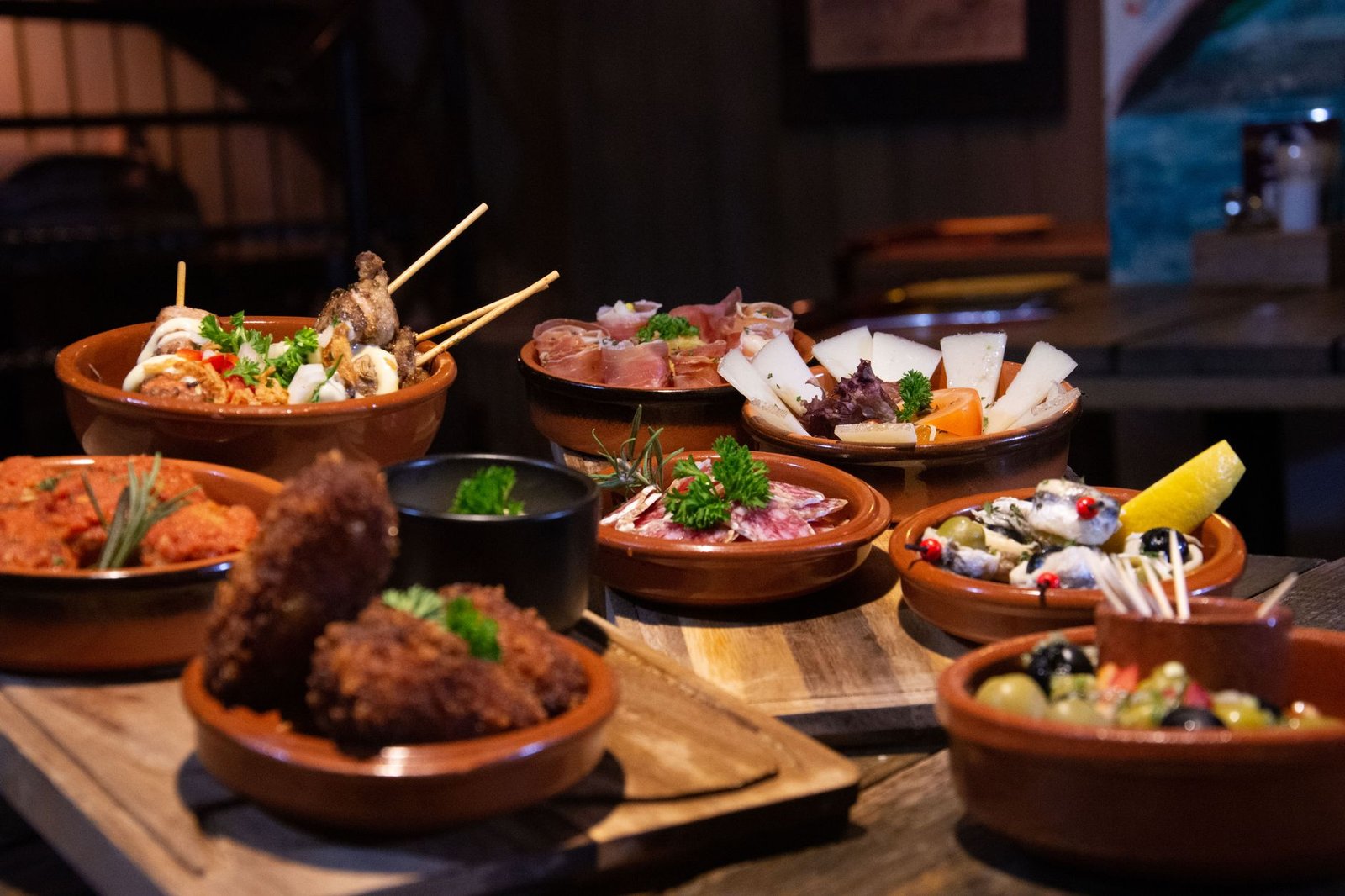
For additional variety, consider a platter of marcona almonds, high-quality anchovies, and a wedge of Manchego cheese, served with a few olives. You could also make some authentic patatas bravas – they require a bit more effort but are always a showstopper.
Beyond the Food: Setting the Scene and Refreshing Drinks
The magic of a Spanish tapas night isn’t just in what you eat, but where and how you eat it. Recreating the atmosphere is key to making your guests feel like they’ve stepped onto a lively street in Seville or a cozy bar in Barcelona. Think casual, communal, and a little bit spontaneous.
Start with the table setting: small plates for everyone, but also plenty of communal dishes in the center for sharing. Don’t worry about matching everything perfectly; a mix of ceramic bowls and rustic platters adds to the authentic, lived-in feel. Forget formal place settings; focus on easy access to the food and plenty of room for conversation. If you have a counter or kitchen island, this can be an ideal spot for guests to gather, stand, and graze, just like in a real tapas bar.
Music is an absolute must. Skip the generic “Spanish lounge” playlists. Instead, look for recordings of traditional Spanish guitar, like Paco de Lucía, or even some contemporary rumba flamenca to get a livelier, more festive feel. The volume should be present but not intrusive – you want it to set the mood, not drown out the chatter. The goal is to create a backdrop that transports your guests without overpowering the main event: the food and company.
Now, let’s talk drinks. Since we’re focusing on a truly authentic experience that avoids alcohol, there are plenty of delightful Spanish options that are just as refreshing and enjoyable. My top recommendations include:
- Agua con Gas y Rodaja de Limón: Sparkling water with a thick slice of fresh lemon is a simple yet incredibly popular drink. It’s clean, crisp, and perfect for cleansing the palate between bites. Serve it chilled, maybe even with some fresh mint.
- Zumo de Naranja Natural: Freshly squeezed orange juice is a breakfast staple, but it’s also wonderfully refreshing throughout the day and pairs beautifully with savory tapas. The quality of Spanish oranges is unmatched; if you can get good, ripe oranges, it makes all the difference.
- Granizado de Limón: A lemon granita, or crushed ice drink, is incredibly popular during the warmer months. It’s essentially finely crushed ice mixed with fresh lemon juice and a touch of sugar. You can make it easily at home by blending ice with lemon juice and simple syrup until slushy.
- Horchata de Chufa: This creamy, sweet, and incredibly refreshing drink from Valencia is made from tigernuts. It’s naturally dairy-free and has a unique, slightly nutty flavor. You can buy good quality horchata in most Spanish delis or even online. Serve it very cold, without ice, in a tall glass.
- Gaseosa: A simple, lightly sweetened sparkling water, often served with a squeeze of lemon or mixed with fruit juice for a light, effervescent refreshment.
Presentation matters for drinks too. Serve them in nice glasses, with plenty of ice (except for horchata), and perhaps some fresh garnishes like lemon slices or mint sprigs. The overall effect should be one of abundant hospitality, where guests feel free to grab another plate, another glass, and simply relax.
The Flow of the Evening: Timing and Logistics
One of the beauties of a tapas night is its flexibility, but a little planning goes a long way in ensuring a smooth and enjoyable experience for you and your guests. The idea is to keep the food flowing without overwhelming the kitchen or turning you into a harried chef. Remember, this is about enjoying your own party!
A key aspect of a truly Spanish tapas experience is that not everything arrives at the table at once. Instead, dishes come out in waves, allowing guests to savor each offering and keeping the conversation lively as new items appear. Start with cold dishes that can be prepared entirely in advance, then introduce warm dishes as the evening progresses. This staggered approach helps manage kitchen stress and ensures everything is served at its best.
Consider the timing for each type of tapa. Your cured meats, cheeses, olives, and pan con tomate can all be set out from the beginning. These are excellent for initial grazing as guests arrive. Then, as people settle in, you can start bringing out the warm dishes like patatas bravas or tortilla Española. If you’re making something like croquetas, they’re best served fresh from the fryer, so plan to do a batch or two during the evening itself.
Here’s a sample prep schedule to help you organize your time:
| Time Before Party | Task | Notes |
|---|---|---|
| 2-3 Days Ahead | Grocery Shopping for all ingredients | Focus on fresh produce, quality olive oil, cured meats. |
| Make Patatas Bravas sauce | Stores well in the fridge. Flavors deepen. | |
| Prepare any non-alcoholic drink bases | e.g., Horchata, lemon syrup for granizado. | |
| Day Before | Chop potatoes & onions for Tortilla Española | Store in cold water or lightly coated in oil in fridge. |
| Prep tomatoes for Pan con Tomate | Wash, dry, but don’t cut until just before serving. | |
| Slice cured meats and cheeses (if not pre-sliced) | Cover tightly and refrigerate. Take out 30 mins before serving. | |
| 3-4 Hours Before | Cook potatoes & onions for Tortilla Española | Let cool, mix with eggs. |
| Par-boil potatoes for Patatas Bravas | Drain and let dry completely. | |
| Set up serving dishes and small plates | Have everything ready to go. | |
| 1-2 Hours Before | Cook Tortilla Española | Can be served warm or at room temperature. |
| Arrange olives, cured meats, cheeses | Garnish with fresh herbs if desired. | |
| Prepare non-alcoholic drinks | Ensure they are chilled and ready. | |
| Just Before/During Party | Fry Patatas Bravas | Serve hot with warmed sauce. |
| Toast bread for Pan con Tomate, assemble | Do this in small batches. | |
| Cook any last-minute hot tapas | e.g., Croquetas (if making fresh). |
Don’t be afraid to enlist help! If friends offer to bring something, suggest they bring a specific non-alcoholic drink or a simple pre-made tapa like a good quality Spanish olive selection. This not only lightens your load but also adds to the communal spirit. The most important thing is for you to be relaxed and enjoy the company, just as you would in Spain.
Where to Source Your Ingredients (and What to Confidently Buy Prepared)
The success of your tapas night hinges significantly on the quality of your ingredients. Spain is a country that reveres its produce, and while you might not have access to a local Spanish market, there are still excellent ways to find what you need. Prioritize quality over quantity; a few stellar ingredients will elevate your experience far more than a multitude of mediocre ones.
When it comes to sourcing, your local market or a good quality supermarket is always the first stop for fresh produce. Look for ripe, flavorful tomatoes, good quality potatoes, and fresh eggs. For specific Spanish items, here’s my guidance:
- Olive Oil: This is non-negotiable. Invest in a high-quality extra virgin olive oil, preferably from Spain. Look for designations like “Aceite de Oliva Virgen Extra” and check the origin. A good olive oil adds depth and authenticity to almost every dish. Expect to pay €10-€20 for a 750ml bottle, but it’s worth it.
- Pimentón (Paprika): Smoked paprika, especially from La Vera, is a game-changer. You’ll need both sweet (dulce) and possibly hot (picante) for your bravas sauce. Ensure it’s Spanish pimentón for that distinct smoky flavor. A tin usually costs around €3-€5.
- Marcona Almonds & Boquerones: Marcona almonds (lightly fried in olive oil and salted) and boquerones en vinagre (white anchovies marinated in vinegar) are both easy to buy pre-made and require zero prep. A 100g bag of marcona almonds runs €4-€7; a small tub of boquerones is €5-€9.
- Cheeses: Manchego is the most famous Spanish cheese and widely available. Look for varying ages – semicurado (semi-cured, 3 months) or curado (cured, 6 months) for different flavor profiles. A wedge typically costs €8-€15 depending on size and age. Other regional cheeses like Idiazábal or Tetilla are also excellent if you can find them.
- Olives: Spain offers an incredible variety. Look for large, fleshy Gordal olives, brine-cured Manzanilla, or the smaller, fruitier Arbequina. Buy them from an olive bar if possible, or in good quality jars. Expect to pay €3-€7 per jar or carton.
- Bread: Seek out a rustic, crusty bread from a local bakery – sourdough or a country loaf works perfectly. It needs to stand up to tomato rubbing and olive oil soaking.
What can you confidently buy prepared? Almost all cured meats and cheeses are best bought pre-sliced and packaged for convenience. Olives are always bought prepared. You can also find good quality jarred roasted piquillo peppers or marinated artichoke hearts that make excellent additions to a spread with minimal effort. While making croquetas from scratch is incredibly rewarding, there are specialty stores or frozen food sections in some supermarkets that offer decent quality frozen croquetas, which can be a time-saver. Just ensure they are made with quality ingredients and preferably specify a Spanish origin.
Don’t feel pressured to make every single item from scratch. The Spanish approach to tapas often involves a mix of bar-made specialties and simple, high-quality store-bought items. It’s about combining good flavors in a relaxed setting, not proving your culinary prowess with every dish. Prioritize the dishes you genuinely enjoy making and buy the rest ready to serve. This balance will keep the experience joyful for everyone, especially for you, the host.
FAQ: My secret to hosting a Spanish tapas night at home, like a local. – Common Questions
How many tapas dishes should I prepare per person?
For a tapas night, aim for 3-5 different dishes per person, assuming these are small, shared portions. If you have substantial dishes like a large tortilla or a generous platter of meats and cheeses, you might need fewer distinct items. The goal is variety and a grazing experience, not individual plate fillings. Remember, you can always replenish or bring out another quick tapa if people are still hungry.
Can I make tapas dishes ahead of time?
Absolutely! Many tapas are perfect for advance preparation. Cold dishes like marinated olives, cured meat and cheese platters, and even the bravas sauce can be made a day or two in advance. Tortilla Española is often served at room temperature and benefits from resting, so you can make it several hours ahead. For hot items like patatas bravas, you can par-boil the potatoes in advance, then crisp them up just before serving.
What if my guests have dietary restrictions (e.g., vegetarian)?
Spanish tapas are incredibly adaptable. Many traditional tapas are naturally vegetarian or can be easily modified. Options include patatas bravas (ensure sauce is vegetarian), pan con tomate, marinated olives, grilled vegetables (verduras a la plancha), garbanzos con espinacas (chickpeas with spinach), or even a simple cheese platter. Clearly label dishes or inform your guests about the ingredients to ensure everyone feels comfortable and can enjoy the meal.
What kind of music should I play to set the Spanish mood?
To truly capture the essence, avoid generic “world music” playlists. Opt for authentic Spanish guitar, such as flamenco guitarists like Paco de Lucía, or more modern rumba flamenca bands like Gipsy Kings (their earlier, more traditional albums). You could also look for playlists featuring rumba catalana. The music should be lively but allow for conversation, creating a warm and festive backdrop to your evening.
Hosting an authentic Spanish tapas night at home is about embracing a philosophy: relaxed enjoyment, shared plates, and lively conversation. It’s less about rigid rules and more about inviting your friends to experience a taste of Spain’s generous hospitality and incredible flavors. By focusing on quality ingredients, a few key dishes, and a convivial atmosphere, you’ll create an evening that feels genuinely Spanish and thoroughly joyful. Dive in, have fun, and maybe even start planning your next Spanish adventure to explore more of the country’s culinary delights, like finding your perfect Spanish tapas order for joyful nights in a real bar.
About Host Spanish Tapas Night At Home
This guide is part of Spain Destination’s library of Spain travel and lifestyle content, written with AI assistance and checked against official sources where possible. See how this site is researched and fact-checked →