El Rocío Pilgrimage Visitor Tips: A First-Timer’s Guide
Some links in this guide are affiliate links — if you book through them we may earn a small commission at no extra cost to you. It never changes what we recommend. Full disclosure.
You’ve heard the tales, seen the photographs of dusty tracks filled with horses and carriages, and perhaps felt a pull towards one of Spain’s most extraordinary cultural and religious events. The El Rocío pilgrimage is an experience unlike any other, a truly immersive journey into Andalusian tradition and profound devotion. But planning your first trip to this monumental gathering requires some solid El Rocío pilgrimage visitor tips to navigate the crowds, the heat, and the unique logistics. It’s not your average weekend getaway, and going in unprepared will lead to frustration, not spiritual enlightenment. So, let’s talk about how you can genuinely experience this incredible event without getting overwhelmed.
Quick Answer
The El Rocío pilgrimage is a massive annual event occurring around Pentecost, involving millions of pilgrims converging on El Rocío town in Huelva. It’s a challenging but deeply rewarding cultural and spiritual experience requiring extensive planning, particularly for accommodation, transport, and managing crowds and heat.
What Exactly *Is* El Rocío and When Does It Happen?
At its heart, El Rocío is a pilgrimage to the Shrine of Nuestra Señora del Rocío (Our Lady of El Rocío) in the tiny hamlet of El Rocío, within the municipality of Almonte, Huelva. This tradition dates back centuries, to the discovery of an image of the Virgin Mary in an oak tree. Over time, it grew into one of the largest Marian pilgrimages in the world, attracting over a million people in some years.
The pilgrimage culminates on Pentecost weekend, which is the 7th Sunday after Easter. This means the exact dates shift each year, typically falling in late May or early June. For example, in 2024, the main events took place from May 17th to 20th, with the highlight, the ‘Salto de la Reja,’ on the morning of May 20th. You’ll need to check the official dates for the specific year you plan to visit, as they are announced well in advance by the Hermandad Matriz de Almonte.
The core of the pilgrimage involves hundreds of ‘Hermandades’ (brotherhoods) – each representing a town or city, some from as far as Barcelona – making their own journey to El Rocío. They travel by foot, on horseback, or in ornately decorated ox-drawn carriages, often for several days, singing, dancing, and camping along the way. These journeys through the stunning Doñana National Park are a spectacle in themselves, filled with camaraderie, flamenco, and deep religious sentiment.
Navigating El Rocío: Essential El Rocío pilgrimage visitor tips for First-Timers
How you choose to experience El Rocío will profoundly shape your trip. This isn’t just about watching; it’s about being part of something immense. You have a few main options, each with its own demands and rewards.
Joining a Hermandad on the Camino (The Walk)
This is the most immersive and authentic way to experience El Rocío, but it’s not for the faint of heart. If you’re considering this, you need to be prepared for a real physical challenge and a significant commitment.
- Skill Level: High endurance and a good level of fitness are absolutely essential. You’ll be walking many kilometers each day, often through sandy, uneven terrain, in potentially very hot weather.
- Gear Required: Sturdy, broken-in walking boots are non-negotiable. Bring several pairs of good quality socks to avoid blisters. A wide-brimmed hat, sunglasses, sun cream, and light, breathable clothing are vital. A comfortable backpack with plenty of water, snacks, and any personal medications is also a must.
- Cost Breakdown: Joining a Hermandad isn’t a simple booking. You’d typically need a personal connection or make arrangements far in advance. Costs vary wildly, but expect contributions for communal food, drink, and transport of supplies, which could range from €100 to €300+ for the journey, excluding your personal gear.
- Honest Tip: Unless you have local friends who are part of a Hermandad and can vouch for you and guide you, this is a very difficult option for a first-time solo visitor. It’s a deeply communal experience, and you need to be integrated. If you do manage it, it’s an unforgettable bond, but be ready for basic conditions – no hot showers, sleeping in tents or under the stars.
Riding on Horseback or in a Carriage
Another traditional way to make the Camino, popular with many Andalusians. This offers a different perspective and connection to the pilgrimage’s roots.
- Skill Level: Experienced riders only for horseback. If you’re in a carriage, you just need to be able to sit comfortably for long periods.
- Gear Required: Full riding attire for horseback (chaps, riding boots, comfortable trousers). For carriages, traditional attire is common (flamenco dresses for women, suits for men).
- Cost Breakdown: Renting a horse for several days can cost upwards of €500-€1000, plus the cost of feed and livery. A place in a private carriage will also come with a significant cost, often similar to walking with a Hermandad for the communal expenses.
- Honest Tip: Like walking, this is best done with an established group. Horse rentals can be tricky to arrange without local knowledge, and riding for days in heat requires genuine equestrian skill and stamina from both rider and horse.
Observing in El Rocío Town
For most first-time visitors, this is the most practical and accessible way to experience the pilgrimage without undertaking the strenuous Camino.
- Skill Level: None required, just a willingness to be immersed in a very crowded, dusty, and hot environment.
- Gear Required: Extremely comfortable walking shoes (you’ll be on your feet for hours), a wide-brimmed hat, sunglasses, sun cream, and light, breathable clothing. Bring a small bag for water and snacks.
- Cost Breakdown: Primarily accommodation, food, and transport. See the sections below for more details.
- Honest Tip: This option allows you to witness the arrival of the Hermandades, the incredible atmosphere, and the central events in the town itself, without the physical demands of the journey. You’ll still get a profound sense of the devotion and festivity.
Getting There and Where to Stay: Logistics and Realities
El Rocío is a small hamlet, and during the pilgrimage, it swells beyond capacity. Planning transport and accommodation requires foresight.
Transport to El Rocío
The nearest major city with an airport is Seville (SVQ), about 80 km away. Huelva is closer, about 50 km, but has fewer direct connections.
- By Bus: This is often your best bet if you’re not part of a private group. The Damas bus company operates services from Seville’s Plaza de Armas station directly to El Rocío. During the pilgrimage, they lay on extra services, but these still get incredibly busy. A one-way ticket costs approximately €10-€15, taking around 1.5 to 2 hours depending on traffic. Book your tickets as far in advance as possible.
- By Car: Generally, I’d say skip it. While you can drive to the vicinity, roads leading into El Rocío itself are often closed to private vehicles during the peak pilgrimage days. You’d end up parking miles away and walking or relying on infrequent shuttles, adding unnecessary stress. If you insist on driving, park in Almonte and take a bus or taxi.
- Taxis/Private Transfers: An option from Seville or Huelva, but expect surge pricing during the pilgrimage. A taxi from Seville could cost €80-€120 one way.
Accommodation Near El Rocío
This is where things get truly challenging, especially if you’re hoping to stay in El Rocío town itself.
- Almonte (15 km): The municipality El Rocío belongs to. Hotels and guesthouses here will be busy but generally more available and cheaper than in El Rocío. Expect prices around €100-€200 per night if booked well in advance. Buses run regularly to El Rocío.
- Matalascañas (20 km): A beach resort town. It offers more hotel options, particularly large resorts. Prices might be a bit lower than Almonte, perhaps €80-€180. You’ll need to factor in bus or taxi costs to El Rocío.
- Huelva (50 km): The provincial capital. A much wider range of hotels, from budget to luxury, typically €60-€150. This means a longer commute each day, but also more flexibility and potentially lower prices.
- Seville (80 km): If you truly cannot find anything, or prefer to base yourself in a larger city, Seville is an option. It would mean long days and early starts/late finishes, but Seville has countless hotels at all price points. A day trip from Seville is perfectly doable.
Wherever you plan to stay, book your accommodation as soon as the pilgrimage dates are confirmed for the year you intend to visit. Seriously, as soon as possible. You can compare hotel prices on Booking.com, but be prepared for limited availability and inflated rates if you leave it late.
What to Expect in El Rocío Town & Practicalities
Once you’re in El Rocío, prepare for an assault on your senses. The town transforms into a bustling, dusty, and utterly captivating hub of activity.
The streets, made of sand, are thronged with people, horses, and carriages. The air is thick with dust, the smell of horses, incense, and fried food. There’s constant singing, clapping, and the general clamor of a million people celebrating. It’s hot, usually 30°C+, and shade can be scarce. Hydration is key. Buy large bottles of water and carry them with you.
Key Events and Atmosphere
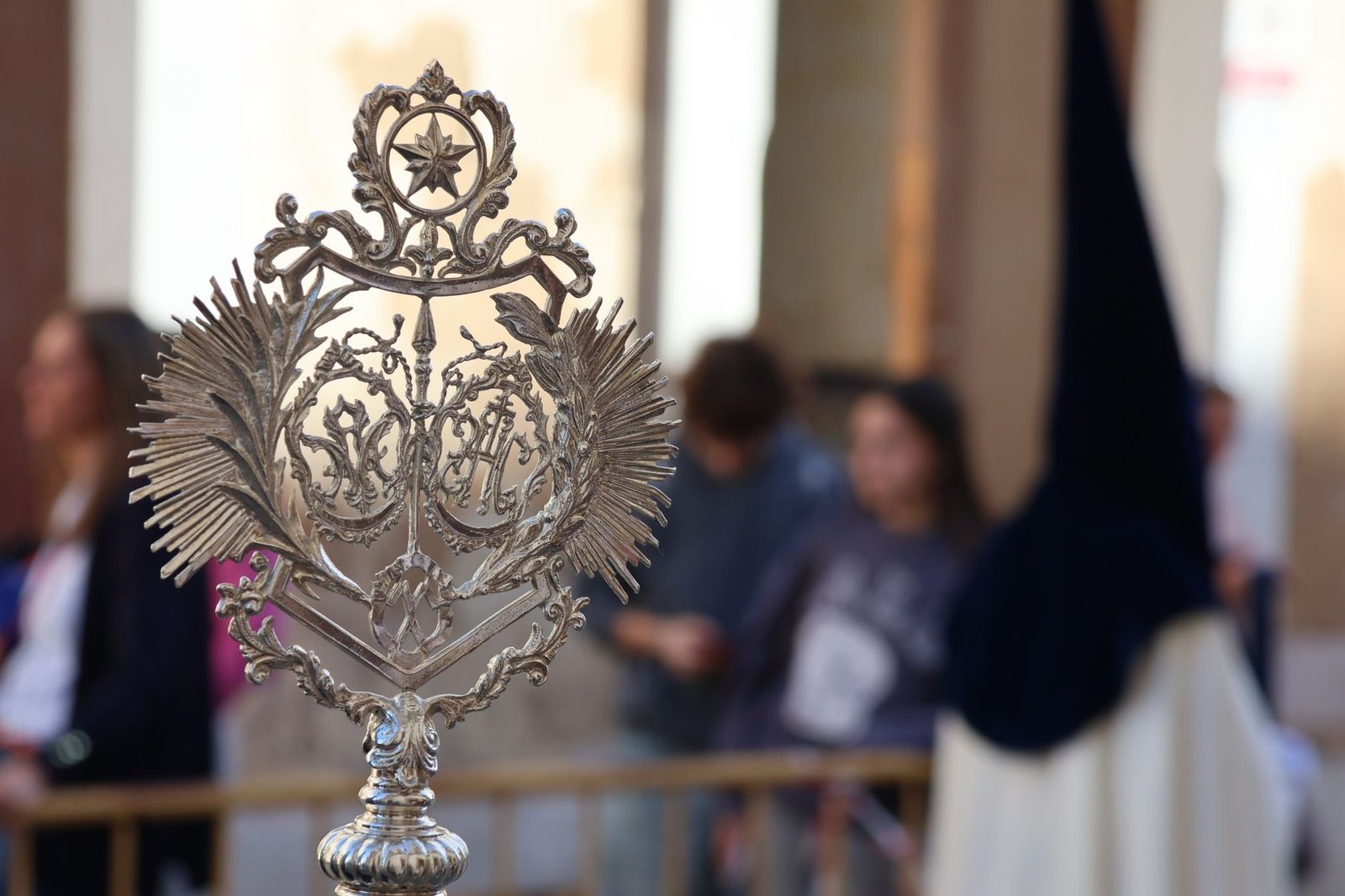
The peak of the pilgrimage builds over the weekend. On Saturday and Sunday, Hermandades arrive one by one, presenting their ‘simpecado’ (a banner or standard depicting the Virgin) at the Ermita (Shrine). This is a great time to witness the arrivals, the traditional dress, and the sheer number of groups.
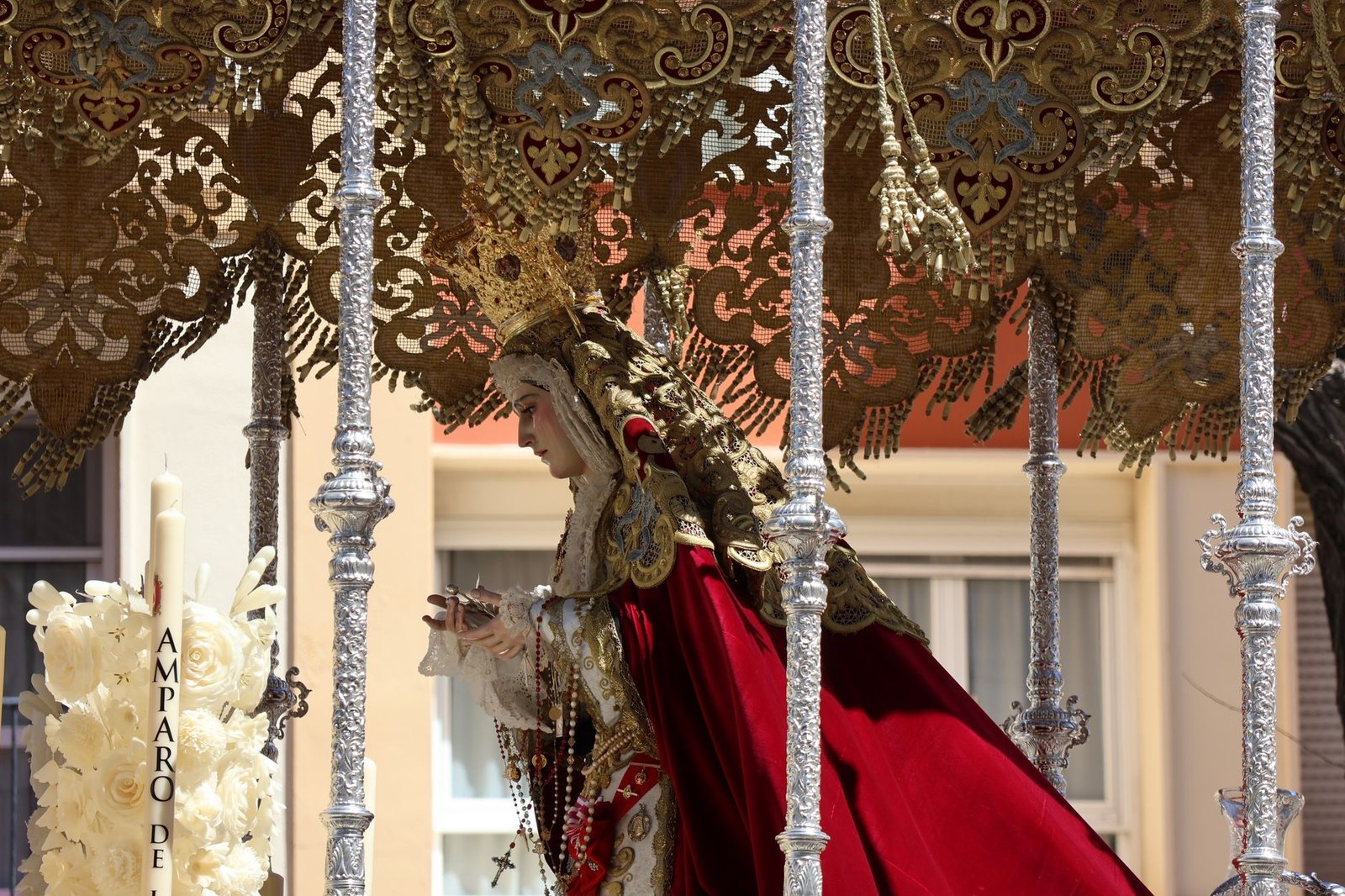
The absolute highlight is the “Salto de la Reja” (the jumping of the fence), which happens in the very early hours of Monday morning, usually between 2 AM and 4 AM, though the exact moment is unpredictable. The Huelva brotherhood tradition is to “jump the fence” surrounding the sanctuary to be the first to carry the Virgen del Rocío out of the Ermita and through the streets of the town. This is an incredibly intense, chaotic, and emotionally charged event. If you want to witness it, you’ll need to stake out a spot hours in advance and be prepared for massive crowds and a significant physical push. For those who aren’t comfortable in dense, pushing crowds, it’s probably best to watch from a distance or on the large screens often set up in the town.
Food, Drink, and Amenities
You’ll find plenty of temporary food stalls and pop-up bars selling typical Andalusian fare: montaditos (small sandwiches), grilled meats, fried fish, and plenty of cold soft drinks to beat the heat. Prices are generally reasonable, with a montadito costing €3-€5, and a cold drink €2-€4. However, don’t expect gourmet dining. It’s hearty, functional food to keep pilgrims going. Bringing your own snacks can be a good idea, especially if you have specific dietary needs. If that style of cooking wins you over, a hands-on Andalusian cooking class in Malaga is the easiest way to bring it home with you.
Public toilet facilities are set up but can be very basic and get extremely busy. Carry hand sanitizer.
Recommended Items & Costs
Here’s a breakdown of some essential items and their estimated costs:
| Item | Estimated Cost (EUR) | Notes |
|---|---|---|
| Bus (Seville-El Rocío, return) | €20-€30 | Book in advance with Damas |
| Basic Meal (tapas/montadito) | €8-€15 per meal | Expect street food prices |
| Water (per day) | €5-€10 | Crucial for hydration; buy in bulk |
| Sun Hat & Sunglasses | €10-€30 | Wide brim for sun protection |
| Accommodation (nearby town) | €100-€200+ per night | Book early; prices vary wildly |
| Guided Tour (optional) | €80-€150+ | Consider book a guided tour on Viator for easier logistics |
| Hand Sanitizer | €3-€5 | Absolutely essential |
Dos and Don’ts
- DO:
- Hydrate constantly. Carry water.
- Wear comfortable, closed-toe shoes that you don’t mind getting dusty.
- Protect yourself from the sun with a hat, sunglasses, and high-SPF sun cream.
- Be respectful. This is a deeply religious event for many, even if it feels festive.
- Embrace the dust, the crowds, and the atmosphere.
- Try some of the local food and drink.
- Carry cash; not all vendors will accept cards.
- DON’T:
- Wear your best clothes – they will get dirty.
- Expect personal space or quiet moments during peak times.
- Disrupt processions or try to push through crowds disrespectfully.
- Underestimate the heat or the physical demands.
- Bring young children unless you have extensive local support – it’s not ideal for them.
Making the Most of Your Visit: Insider Tips
To truly appreciate El Rocío, a bit of strategic thinking goes a long way:
Arrive Early: If you’re observing, aim to be in El Rocío by Friday or Saturday to see the initial arrivals of the Hermandades, which are slightly less overwhelming than Sunday’s rush. Sunday is the busiest day before the Monday morning climax.
Consider a Day Trip: For many, a day trip from Seville or Huelva is the most practical way to experience the event. This avoids the accommodation nightmare and allows you to retreat to comfort after a full day of immersion. You can still witness much of the spectacle.
Find a Good Viewing Spot: If you want to see the processions without being crushed, look for slightly elevated positions or try to find a spot along the main routes early. The area around the Ermita is always the most congested.
Embrace the Spirit: Even if you’re not religious, try to connect with the devotion and camaraderie. The singing, the shared meals, the sense of community – these are powerful elements of the experience. It’s a very different vibe from, say, a city break in Barcelona.
Learn Basic Spanish Phrases: While many will speak some English, a few phrases like “Agua, por favor” (Water, please), “Gracias” (Thank you), and “Hola” (Hello) will go a long way in making connections and navigating simple transactions. If you’re inspired by Andalusian culture, why not explore something else typically Spanish, like how to make authentic Patatas Bravas?
FAQ: El Rocío Pilgrimage – Common Questions
When is the best time to visit El Rocío?
If you want to experience the pilgrimage in its full glory, you must visit during Pentecost weekend, typically late May or early June. If you’re interested in the town itself without the crowds and chaos, any other time of year is quiet and peaceful, but you won’t see the pilgrimage.
Can I participate in the pilgrimage if I’m not religious?
Absolutely. Many people, both Spanish and international, come for the cultural experience and the incredible atmosphere. Just be respectful of the religious devotion of others, especially near the Ermita and during solemn moments.
Is El Rocío suitable for families with young children?
The main pilgrimage weekend is extremely crowded, dusty, hot, and often quite chaotic. This makes it very challenging for small children and pushchairs. It’s generally best to avoid bringing very young kids during the main events unless you are part of a local family with extensive support and knowledge.
What should I wear?
Comfortable, light-colored, breathable clothing (linen, cotton) is essential. A wide-brimmed hat, sunglasses, and sturdy, closed-toe walking shoes are an absolute must. If you’re invited to participate with a brotherhood, traditional attire (flamenco dress for women, suits for men) is often expected for specific events.
Are there toilets and facilities available?
Yes, temporary public toilets are set up throughout the town. However, they can be very basic, become very busy, and sometimes run out of supplies. It’s always wise to carry your own toilet paper and hand sanitizer.
The El Rocío pilgrimage is not a vacation; it’s an adventure. It demands patience, flexibility, and a willingness to step outside your comfort zone. But for those who embrace its unique challenges, it offers a profoundly moving glimpse into the heart of Andalusian culture and faith. Start planning early, be prepared, and you’ll come away with memories that will last a lifetime. For more insights into Spanish life and culture, head over to our Blog.