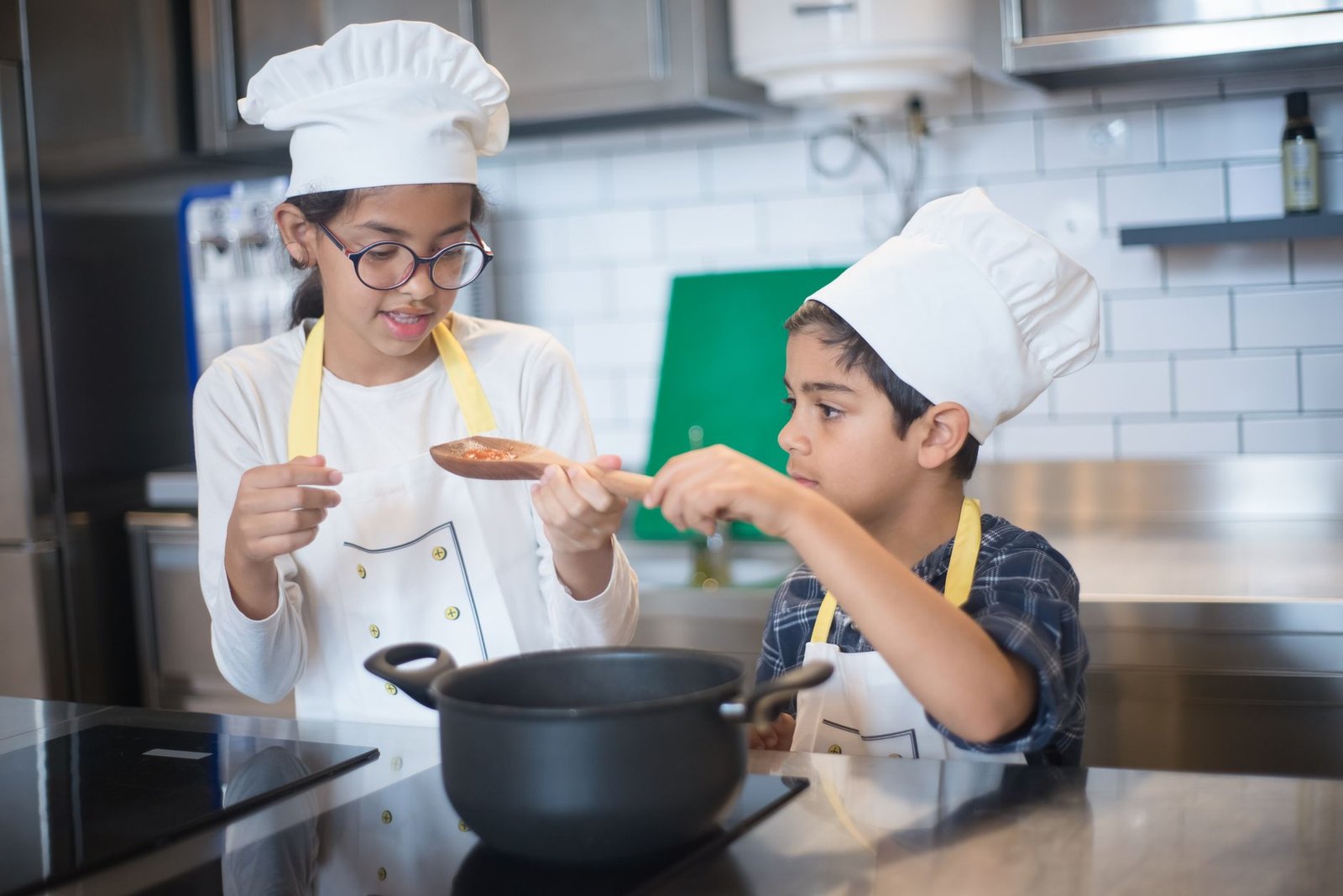
A Malaga Cooking Class Worth Building Your Trip Around
Some links in this guide are affiliate links — if you book through them we may earn a small commission at no extra cost to you. It never changes what we recommend. Full disclosure.
Thinking about how to truly experience Spain beyond the typical tourist trails? Taking a malaga cooking class andalusian food is the one thing you absolutely need to do to get under the skin of the local culture and bring a piece of Andalusia home with you. It’s not just about eating a delicious meal; it’s about understanding the ingredients, the history, and the people behind the plates.
This article contains affiliate links. If you book through one, Spain Destination may earn a small commission at no extra cost to you. See the full affiliate disclosure →
Quick Answer: Malaga Cooking Classes
A Malaga cooking class offers a hands-on, immersive experience where you learn to prepare traditional Andalusian dishes using fresh, local ingredients. These classes typically last 3-4 hours, cost between €60 and €120, and culminate in sharing the meal you’ve created, providing a direct link to Spain’s culinary heart. Many menus in these classes nod to the espeto tradition on Malaga’s beaches, where sardines are grilled on skewers over open fires.
Why a Malaga Cooking Class is Worth Your Time and Money
You might think, “I can just eat at restaurants,” and yes, Malaga has an incredible dining scene. But a cooking class offers something entirely different. It’s an investment in an experience that truly connects you with the essence of this southern Spanish region. You don’t just consume a meal; you create it, guided by local experts who often share personal anecdotes and family secrets.
For me, the value isn’t just in the recipes you learn, though those are certainly a bonus. It’s in the process: understanding why certain ingredients are paired, learning simple yet effective techniques, and discovering the stories behind each dish. You’ll gain practical skills you can use in your own kitchen for years to come, long after your tan has faded.
Beyond the skillet and cutting board, these classes are social hubs. You’ll likely share a table with fellow travelers from across the globe, all united by a common interest in food. It’s a wonderful way to meet people and swap stories, making new friends over a shared pot of paella. The atmosphere is usually relaxed, supportive, and full of laughter.
My honest opinion? A cooking class is absolutely worth the expense for an interactive, memorable experience. It goes far beyond typical sightseeing, giving you a tangible skill and a deeper appreciation for Spanish life.
- Cultural Immersion: Learn about local customs, traditions, and the role of food in Spanish family life directly from a local.
- Practical Skills: Acquire new cooking techniques and recipes that you can easily replicate back home.
- Fresh Ingredients: Gain insight into regional produce, how to select it, and why seasonality matters in Spanish cuisine.
- Social Connection: Enjoy a shared activity with other travelers and bond over the joy of creating and eating delicious food.
- Unique Souvenir: Take home not just memories, but a new set of skills and a recipe booklet to keep the Spanish flavors alive.
What to Expect from Your Malaga Cooking Class Andalusian Food Experience
When you book a malaga cooking class andalusian food, you’re signing up for an immersive journey, not just a quick demo. Most classes follow a similar, engaging flow, designed to give you a full understanding of the culinary process. You’ll often start with an introduction to the day’s menu and ingredients, followed by the hands-on preparation.
A common class structure might look like this:
- Welcome and Briefing: Your instructor will greet you, explain the dishes you’ll be preparing, and run through the star ingredients.
- Ingredient Preparation: This is where you get your hands dirty! Chopping, dicing, peeling – all under expert guidance. You’ll learn about the quality of Spanish produce, like the sweet red peppers or the ripe tomatoes that form the base of so many dishes.
- Hands-On Cooking: The main event. You’ll work together, often in pairs or small groups, to cook each component of the meal. Imagine stirring a simmering pot of rice for paella or carefully turning a tortilla de patatas.
- Shared Meal: The best part! Sit down with your classmates and instructor to enjoy the fruits of your labor. This is often accompanied by refreshing non-alcoholic beverages, allowing the food itself to be the star.
The dishes you’ll tackle are typically classic Andalusian staples, chosen for their accessibility and iconic flavors. Expect to learn:
- Gazpacho or Salmorejo: Two refreshing, cold tomato-based soups, perfect for Malaga’s warm climate — see our full gazpacho recipe if you want to make it at home too. You’ll discover the secret to their silky texture.
- Tortilla de Patatas (Spanish Omelette): A deceptively simple dish that requires a good technique to get that perfect, golden exterior and moist interior.
- Gambas al Pil Pil: Sizzling prawns cooked quickly in garlic, olive oil, and a touch of chili. A quick and flavorful tapas dish.
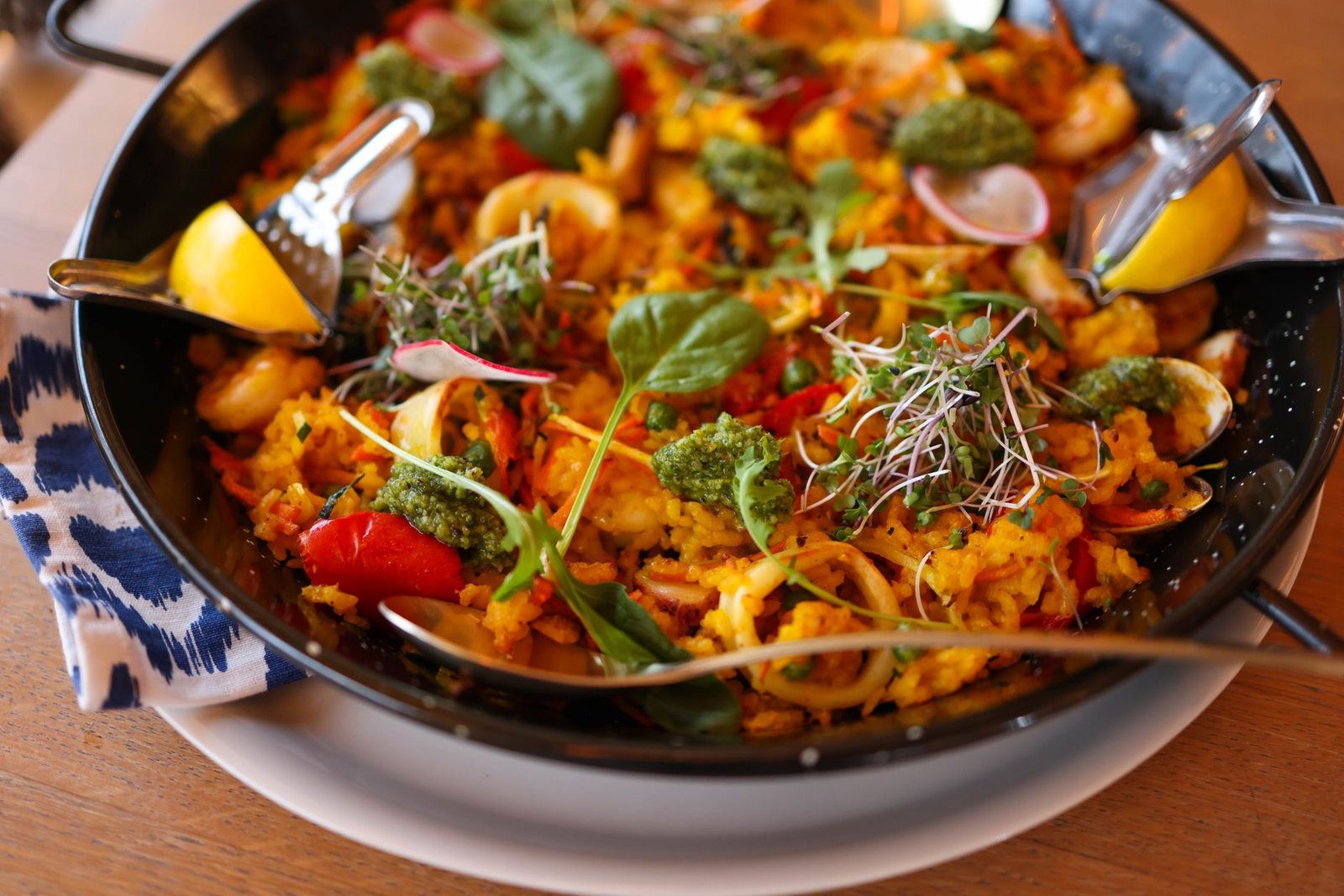
- Paella (or Arroz Caldoso): While Valencia is the home of paella, Andalusian versions, particularly seafood paella or a hearty arroz caldoso (soupy rice), are popular and delicious. You’ll learn the importance of sofrito and the correct rice-to-liquid ratio.
- Flan or Natillas: A creamy, sweet custard dessert, offering a lighter finish to your meal.
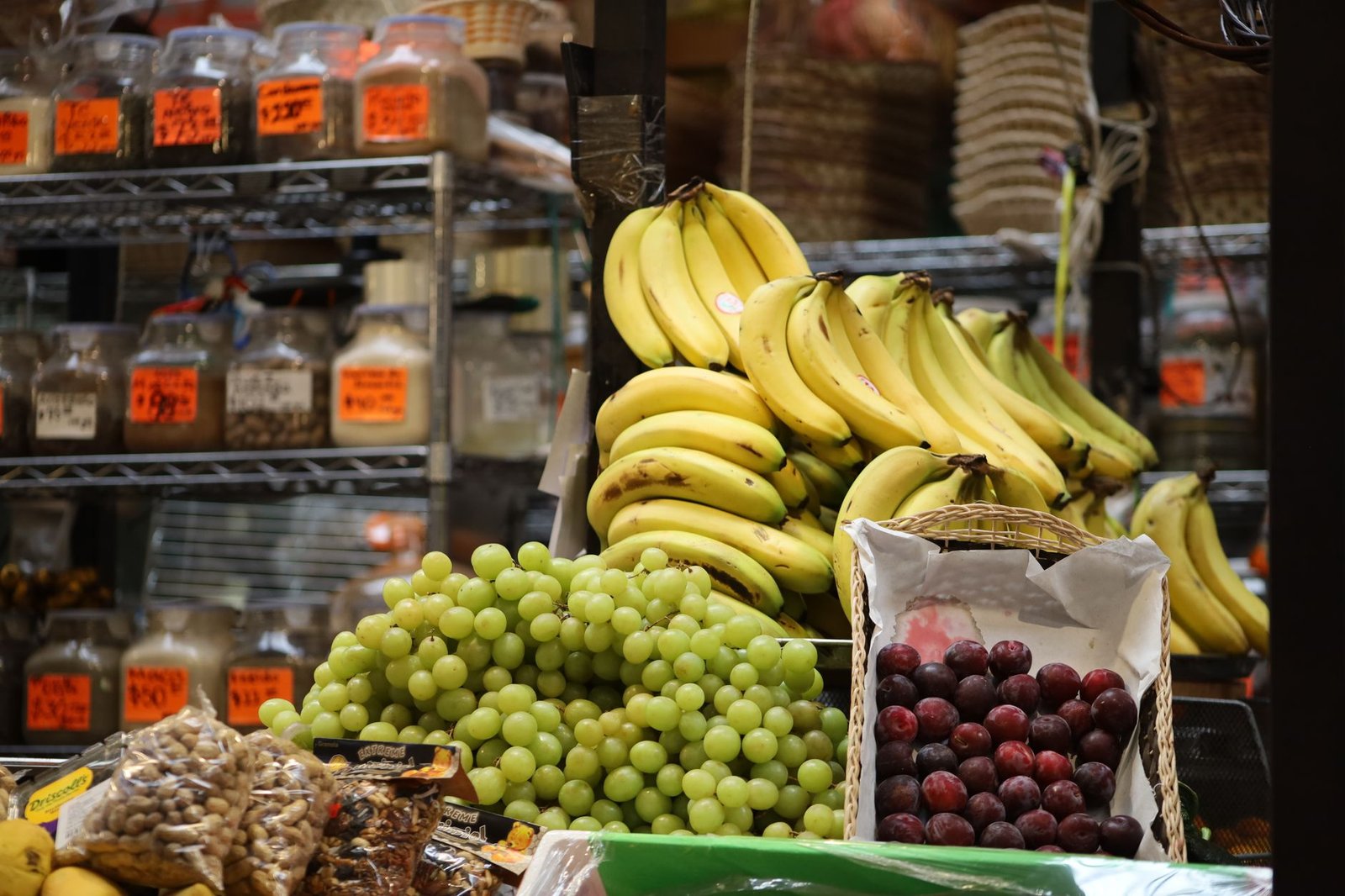
The ingredients used will always be fresh, seasonal, and locally sourced. Many schools even offer an optional market tour add-on, often beginning at the famous Atarazanas Market, where you’ll learn how to select the best produce, seafood, and cured products. This adds another layer to the experience, typically extending the class duration from 3-4 hours to 5-6 hours in total.
Costs for these classes typically range from €60 to €120 for a standard hands-on session. If you opt for a class that includes a market visit, expect prices to be higher, usually between €130 and €180. These prices generally include all ingredients, tuition, your meal, and often a recipe booklet to take home. It’s a comprehensive package. To ensure you get a spot, especially during peak travel times, it’s wise to book a guided tour on Viator well in advance.
Choosing the Right Malaga Cooking Class for You
With several excellent options available, finding the perfect Malaga cooking class involves considering your preferences for class style, menu, and group size. You want an experience that matches your interests and comfort level.
First, think about the type of cuisine you’re most interested in mastering. Some classes focus solely on tapas, giving you a whirlwind tour of several small dishes. Others dedicate their time to a signature dish like paella or offer a full-course meal with a starter, main, and dessert. If you have a specific dish in mind, look for classes that highlight it.
Next, consider the group size. Do you prefer an intimate setting where you get more one-on-one attention from the instructor? Or do you thrive in a larger, more energetic environment? Smaller classes, typically 6-10 people, often allow for more personalized instruction and easier interaction. Larger sessions might be more affordable and still offer a great experience, though you might share tasks more. My advice? Opt for a class with a smaller group if you really want to dive deep into techniques.
The location of the cooking school can also play a role. Many are centrally located, making them easy to access from most hotels. Some might be in specific districts like Soho or close to the Atarazanas Market, which could influence your decision if you plan to combine it with other activities.
If you have dietary requirements or allergies, it’s crucial to check with the school before booking. Most reputable establishments are accommodating if informed in advance, offering alternatives or adjusting recipes. Don’t assume; always confirm.
Finally, always look at reviews and what’s included in the price. A good class will have experienced, passionate instructors and clearly outline what you’ll be cooking and what’s covered. Here’s a quick comparison of typical class offerings:
| Class Type | Duration | Typical Price Range | What’s Included |
|---|---|---|---|
| Tapas Masterclass | 2.5 – 3 hours | €60 – €85 | 3-5 tapas dishes, ingredients, instruction, shared meal, recipe cards. |
| Paella & Andalusian Rice | 3 – 3.5 hours | €75 – €100 | 1 main rice dish (paella/arroz caldoso), 1 starter, ingredients, instruction, shared meal, recipe cards. |
| Full Andalusian Meal | 3.5 – 4 hours | €90 – €120 | Starter, main course, dessert, ingredients, instruction, shared meal, recipe cards. |
| Market & Cook Experience | 5 – 6 hours | €130 – €180 | Market tour, 3-4 dishes, ingredients, instruction, shared meal, recipe cards. |
Beyond the Kitchen: Malaga’s Culinary Scene
While a cooking class gives you a hands-on culinary education, Malaga itself is a playground for food enthusiasts. Your learning shouldn’t stop when you leave the kitchen. The city’s food scene is vibrant, offering countless opportunities to taste, observe, and engage with Andalusian culture. In fact, the food scene is one of the main reasons Málaga wins for first-timers in this Málaga vs Alicante comparison.
A non-negotiable stop for any food lover is the Atarazanas Market. Open Monday to Saturday, usually from 8am to 2pm (some stalls might stay open slightly longer, but most activity winds down by early afternoon), this bustling market is a sensory experience. Even if you don’t take a class that includes a market visit, make sure you dedicate an hour or two. You’ll see rows of fresh fish caught that morning, mountains of seasonal fruits and vegetables (Malaga is known for its tropical produce like mangoes and avocados), cured meats, cheeses, and spices. It’s a fantastic place to pick up some local olives, nuts, or a block of turrón (nougat) to snack on. You can also grab a quick bite at one of the small bars inside, sampling a “ración” of fried fish or a simple yet delicious “bocadillo” (sandwich).
Beyond the market, make sure to explore Malaga’s local specialities. Grab a rich, thick hot chocolate with crispy churros at Casa Aranda (open daily, typically from 7am to 1pm and 5pm to 9pm, though hours can vary slightly by season) or sample a “Pitufo” (a small, toasted breakfast roll with various fillings) at a local cafe. Seek out “Tortas Locas” from a pastelería – these brightly colored, custard-filled pastries are a Malaga institution. Embrace the Spanish meal times: a light “desayuno” (breakfast), a substantial “almuerzo” (lunch) typically between 2pm and 4pm, a “merienda” (afternoon snack), and a later “cena” (dinner) starting around 8:30pm or 9pm. Understanding this rhythm helps you plan your day and truly experience the local lifestyle. For more ideas on how to navigate the region, you might find our guide to 7 Days Andalusia By Car helpful.
Practical Tips for Your Culinary Adventure
To make the most of your Malaga cooking class and your broader culinary exploration, a little preparation goes a long way. These practical tips will help ensure a smooth and enjoyable experience:
- Book in Advance: Especially during peak season (spring, summer, and autumn), cooking classes can fill up quickly. Secure your spot at least a few weeks ahead of time to avoid disappointment.
- Dress Comfortably: You’ll be standing, chopping, and cooking, so wear comfortable shoes and clothes you don’t mind getting a little flour or tomato splash on. Aprons are usually provided.
- Hydrate: Cooking can be warm work, and Malaga is often sunny. Ensure you drink plenty of water throughout the class.
- Ask Questions: Your instructor is a wealth of knowledge. Don’t be shy; ask about ingredients, techniques, Spanish culture, or recommendations for other places to eat.
- Bring a Camera (Discreetly): You’ll want to capture the memories. However, be mindful of your classmates and the instructor. Ask permission before taking photos of people, and don’t let photography distract from the cooking process.
- Prepare for Spanish Meal Times: Remember that lunch and dinner are eaten later in Spain. Plan your snacks accordingly so you’re not ravenous before your shared meal in class.
Consider combining your cooking class with a stay in a centrally located accommodation. Being close to the market, your cooking school, and other attractions means less travel time and more time for exploring. You can check current hotel prices for Malaga to find options that fit your budget and preferred location.
FAQ: Malaga Cooking Class – Common Questions
Is a Malaga cooking class suitable for beginners?
Absolutely. Most classes cater to all skill levels, with patient instructors guiding you through each step. You don’t need any prior cooking experience; enthusiasm and a willingness to learn are your best assets.
What typical dishes will I learn to make?
You can expect to learn staples like gazpacho or salmorejo, a classic Spanish tortilla de patatas, a rice dish (like paella or arroz caldoso), and perhaps a regional dessert such as flan. Menus vary by school and seasonality, so always check the specific class description for details.
Do I need to bring any special equipment?
No, all necessary ingredients, cooking utensils, and aprons are provided by the cooking school. Just bring your enthusiasm and an appetite!
Can I take the recipes home with me?
Yes, nearly all reputable cooking classes provide a recipe booklet or digital recipes for the dishes you’ve prepared. This ensures you can recreate the authentic Andalusian flavors in your own kitchen long after your trip.
A Malaga cooking class offers much more than just a meal; it’s a profound dive into Andalusian culture, a chance to learn new skills, and an opportunity to connect with fellow travelers and local experts. It’s an interactive, educational, and delicious way to make your visit truly memorable. Don’t miss out on this unique experience that will leave you with practical knowledge and a deeper appreciation for Spain’s culinary heritage. For more insights and tips on exploring Spain, be sure to check out our Blog.