Málaga vs Alicante: Which Is Better for a Week? (Honest Comparison)
Some links in this guide are affiliate links — if you book through them we may earn a small commission at no extra cost to you. It never changes what we recommend. Full disclosure.
Thinking about Malaga vs Alicante for your trip? Short answer: pick Malaga if you want culture, food, and easy day trips to Granada and Ronda. Pick Alicante if you want quieter beaches, lower prices, and a calmer pace. Two different coasts, two different trips. Here is exactly which one fits yours.
This is a no-fluff comparison from someone who’d rather you pick the right city than just any city. By the end, you’ll know exactly which one matches the trip you actually want.
This article contains affiliate links. If you book through one, Spain Destination may earn a small commission at no extra cost to you. See the full affiliate disclosure →
The Quick Answer
So, Málaga or Alicante? For a first trip to Spain, Málaga wins: more culture, a bigger food scene, and world-class day trips like Granada and Ronda. If beaches, lower prices, and a calmer local feel matter more to you, Alicante is the smarter pick.
- Pick Málaga if you want culture, food, big-city energy, easy day trips to white villages and Granada, and don’t mind it being busier and a touch pricier.
- Pick Alicante if you want quieter beaches, a calmer pace, cheaper prices, easier-to-reach coves, and a more “local Spanish” feel without the international tourist crowds.
If you don’t know which of those describes you yet, keep reading.
Málaga vs Alicante at a Glance
The cost figures below are typical prices observed on the ground, not quoted from a single official source; they’ll shift with season and where exactly you’re spending.
| Category | Málaga | Alicante | Winner |
|---|---|---|---|
| Weather | Warmest winters in mainland Spain | Slightly drier, near-identical summers | Tie (Málaga in winter) |
| Beaches | Dark-sand city beach, best coves 1h away | Pale sand in the centre, spectacular coves within 40 min | Alicante |
| Food | Espetos, fried fish, big tapas scene | Real paella country, free tapas in old-school bars | Tie |
| Cost per day (per person) | €110–150 | €80–115 | Alicante |
| Nightlife | Big, varied, runs late year-round | Smaller, cheaper, more local | Málaga |
| Day trips | Granada, Ronda, Córdoba, Seville | Valencia, Guadalest, Tabarca Island | Málaga |
| Airport access | 15 min by train, €2 | 20 min by bus, €4 | Málaga |
Location and Getting There
Both cities have international airports with cheap European flights.
Málaga (AGP) is on the Costa del Sol, in Andalusia. The airport is 15 minutes from the city centre by direct train (€2). It’s a major hub flights from London, Berlin, Paris, etc. are frequent and competitive.
Alicante (ALC) is on the Costa Blanca, in the Valencia region. The airport is 20 minutes from the city by bus (€4). Slightly fewer flight options than Málaga but still well-connected, and prices are often lower. If you base yourself in Alicante, the orange groves inland make an easy, underrated day trip – see our guide to visiting Valencia’s orange groves.
Winner: Málaga, narrowly, for connectivity. Alicante’s airport experience is actually easier and less chaotic, though.
The Cities Themselves
Málaga
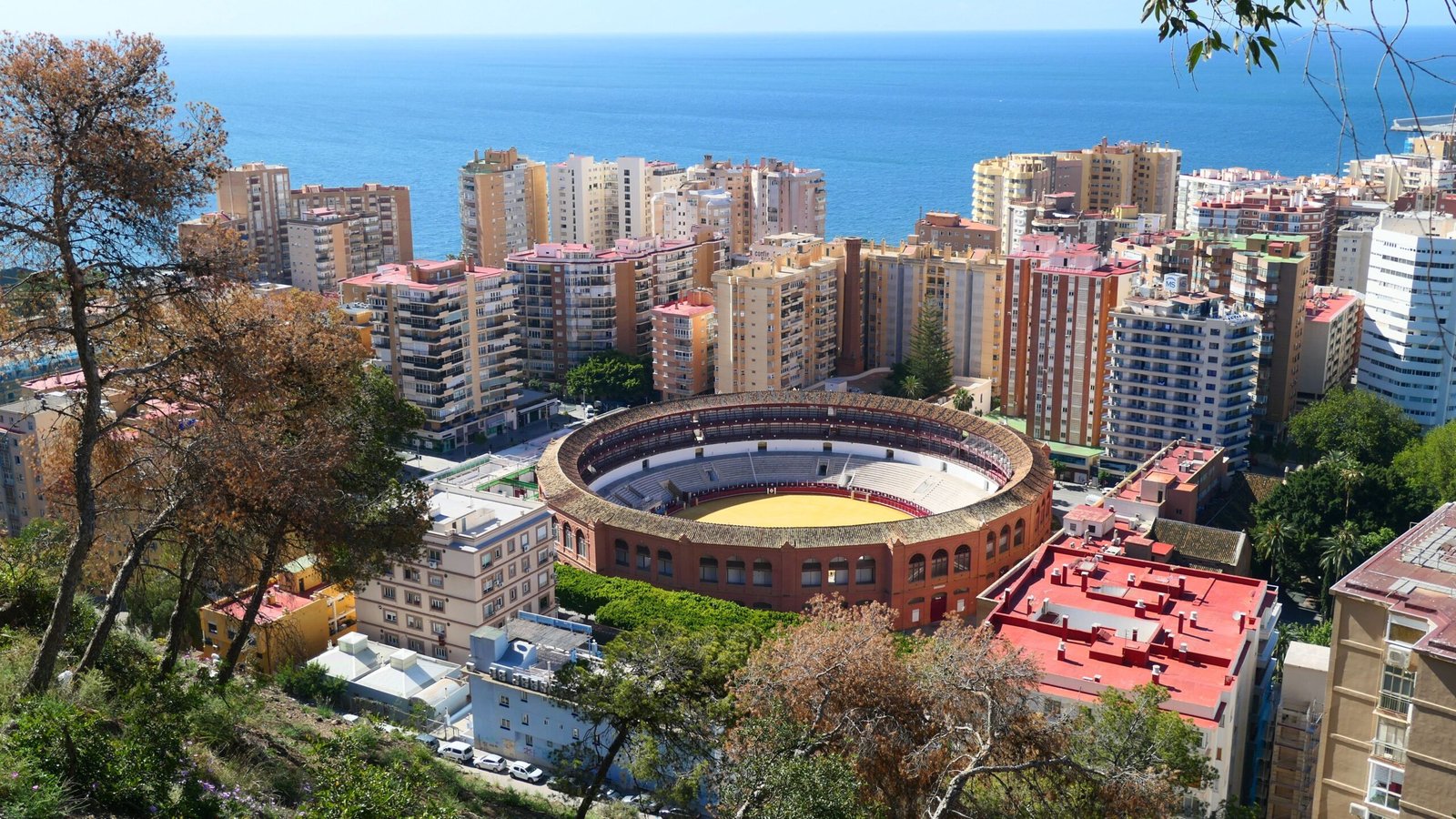
A real city. Population around 580,000, a working port, a serious art scene (Picasso was born here, there’s a whole museum), Roman ruins, a Moorish fortress (the Alcazaba) on a hill above the centre, and a restored historic quarter that’s all marble streets, tapas bars, and rooftop terraces.
The vibe is cosmopolitan and energetic. People dress up to go out. There’s nightlife, a contemporary art museum (Centre Pompidou Málaga), and proper culture beyond just the beach.
Alicante
Smaller (around 340,000) and more relaxed. The centre is dominated by the Santa Bárbara castle on Mount Benacantil, with views over the whole bay. The old town (El Barrio) is small but charming pastel houses, narrow lanes, and tapas spots that feel less performative than Málaga’s.
The vibe is mellow and Spanish. Less international gloss, more local life. You’ll hear more Spanish in restaurants and less English.
Winner depends on what you want. Málaga for culture and stimulation. Alicante for calm and authenticity.
Beaches
This is the big one, and most people get it wrong.
Málaga’s Beaches
Málaga city’s main beach (La Malagueta) is fine palm trees, dark sand, lively chiringuitos (beach restaurants), but it’s a city beach. Trains and roads run nearby. For better beaches, you head out of town: Nerja (an hour east, beautiful coves), Marbella (an hour west, fancier), or Maro for proper turquoise water.
The Costa del Sol’s beaches are mostly dark, grey-gold sand. Not ugly, but not the postcard.
Alicante’s Beaches
Alicante city has Postiguet beach right in the centre bigger, paler sand, walkable from your hotel. Then within 20–40 minutes by tram or car you have San Juan beach (long, wide, white sand), and further north into the Costa Blanca, genuinely spectacular coves: Calpe, Altea, Moraira, Jávea. The famous Playa de la Granadella near Jávea is one of the best beaches in mainland Spain.
The water is also typically clearer and a more vivid blue than the Costa del Sol.
Winner: Alicante, by a clear margin, for beach quality.
Food
Málaga
Andalusian cuisine, which means: espetos (sardines grilled on skewers over an open fire on the beach eat them at Pedregalejo), pescaíto frito (fried fish), gazpacho, and a strong tapas culture. Tapas in Málaga are often paid rather than free, but the quality is high. Average tapas dinner: €25–35 per person.
Alicante
Valencian cuisine, which means: this is paella country. The real, proper paella rice-forward, not the tourist version. Also arroz a banda, fideuà (pasta paella), and seafood rice dishes. Tapas are often free with drinks here in old-school bars, which is a delight. Average dinner: €18–28 per person.
Winner: Alicante for value and free tapas, Málaga for variety and food scene. Depends on whether you came to eat paella or explore.
Day Trips
This is where Málaga genuinely runs away with it.
From Málaga
- Granada (1h 30min by train) – the Alhambra. Non-negotiable Spain.
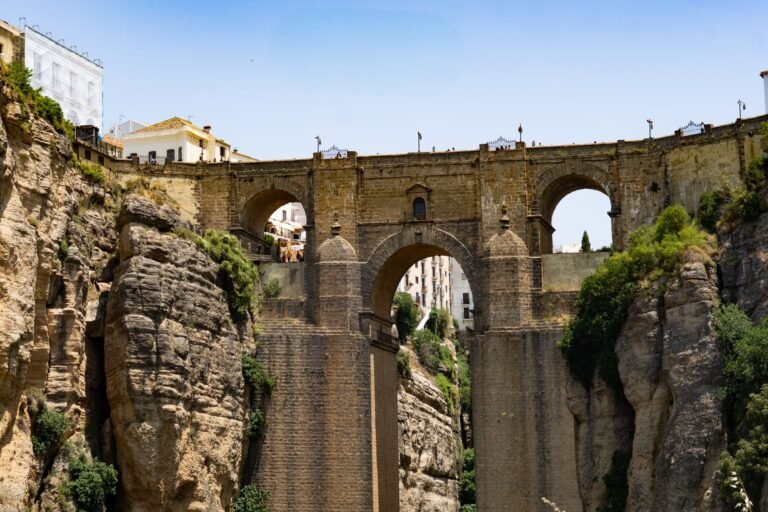
- Ronda (2h by car or bus) – dramatic cliff-top town
- Córdoba (1h by AVE train) – the Mezquita
- Seville (2h 30min by train) – the soul of Andalusia
- White villages (Frigiliana, Mijas, Júzcar) – half-day trips
- Gibraltar (1h 30min) – for the novelty
- Marbella (1h by bus) – upscale coast, old town, and beach clubs
From Alicante
- Valencia (1h 30min by train) – gorgeous, paella’s birthplace
- Guadalest (1h by car) – stunning mountain village
- Calpe and Peñón de Ifach (40 min)
- Tabarca Island (1h by boat) – Spain’s smallest inhabited island
- Elche (20 min) – UNESCO palm grove
Winner: Málaga, clearly. Alicante’s day trips are nice; Málaga’s are world-class.
Prices
For a week in mid-season (May, June, September), based on typical prices observed on the ground rather than a single quoted source:
| Category | Málaga | Alicante |
|---|---|---|
| Hotel (3-star central) | €90–130/night | €70–110/night |
| Dinner for two | €50–70 | €35–55 |
| Beach club bed | €25–40 | €15–30 |
| Tapas + drink | €4–7 | €2.50–5 |
| Coffee | €1.80 | €1.40 |
Winner: Alicante, noticeably cheaper across the board. A week in Alicante can cost 25–30% less than the same week in Málaga.
Nightlife
Málaga has the bigger scene by far. The streets around Plaza de la Merced and Calle Larios stay busy past midnight, there are rooftop terraces with Alcazaba views, live flamenco venues in the old town, and clubs near the port that run until 6am in summer. People dress up for the evening here, so pack accordingly.
Alicante’s evenings centre on El Barrio, the old quarter below the castle, where terraces fill up from 10pm and the crowd is mostly Spanish. Bigger summer venues cluster around the port. It’s a smaller, cheaper scene than Málaga’s, and it winds down noticeably earlier outside July and August. If those hours still feel confusing on your first trip, our guide to when Spanish nightlife actually begins breaks down the real local timing.
Winner: Málaga for scale and variety. Alicante if you prefer a relaxed evening over a big night out.
Weather
Both are warm. Both get serious summer heat. The differences are subtle:
- Málaga averages slightly warmer winters (good for December – February)
- Alicante has slightly less rain annually (one of the driest cities in Europe)
- Both hit 30–35°C in July and August
For a winter sun escape, Málaga edges it. For summer, they’re almost identical.
So Which One Should You Pick?
Pick Málaga if:
- This is your first deep trip to Spain
- You want Granada/Seville/Córdoba within reach
- You love art, museums, and city culture
- You want nightlife and a buzzing centre
- Budget isn’t the main driver
Pick Alicante if:
- You’re prioritising beach time
- You want a calmer, less touristy feel
- You love paella and proper Valencian food
- You’re travelling on a tighter budget
- You’ve already done the big Andalusian sights
Pick Both (the smart move):
A week split four days Málaga / three days Alicante (or vice versa) is genuinely doable, they’re 5 hours apart by train, or you can fly in to one and out of the other. This gives you culture and beaches, and most travellers who do it say it’s the perfect combination. If the Canaries are more your speed than the mainland, our Tenerife vs Gran Canaria comparison walks through the same kind of island decision.
FAQ: Málaga or Alicante
Is Málaga or Alicante better for families?
Alicante, for most families. Postiguet beach is walkable from the centre, San Juan is a short tram ride away, the pace is calmer, and your money goes further. Málaga suits families who care more about museums and day trips than sand time.
Which is cheaper, Málaga or Alicante?
Alicante, clearly. Budget €80–115 per person per day there against €110–150 in Málaga. Hotels, dinners, and beach extras all run roughly 25–30% cheaper on the Costa Blanca side.
Málaga or Alicante in October?
Both are still warm in October, with the sea around 21–22°C. I’d lean Málaga: it holds its warmth slightly longer into autumn, and it’s the ideal month for Granada and Ronda day trips without the summer crowds.
Is Málaga or Alicante better in winter?
Málaga. It has the warmest winter averages in mainland Spain, and enough museums, food, and day trips to fill a week even when it’s not beach weather. Alicante gets quiet in winter, sometimes too quiet.
Can you do both Málaga and Alicante in one week?
Yes. Fly into one and out of the other, split the week four days and three days, and connect the two by train in about five hours. It’s the smart answer if the Málaga or Alicante question has no clear winner for you.
Final Verdict
If a knife was at my throat: Málaga for a first-timer, Alicante for a returning traveller who already knows Spain and wants something quieter.
Either way, you’re picking between two genuinely great cities, there’s no wrong answer here, only a more-right one for the specific trip you want.