Tenerife vs Gran Canaria: Which Island Is Better?
Some links in this guide are affiliate links — if you book through them we may earn a small commission at no extra cost to you. It never changes what we recommend. Full disclosure.
Two volcanic islands, 60km apart, both selling the same promise: year-round sun, black-and-gold beaches, and an easy flight from the UK. If you’ve narrowed a Canary Islands trip down to Tenerife vs Gran Canaria, you’re picking between two places that look similar from a brochure and feel genuinely different on the ground.
This is a no-fluff comparison built on real transit times, real prices, and what each island actually does better. By the end, you’ll know which one fits the trip you’re actually planning.
This article contains affiliate links. If you book through one, Spain Destination may earn a small commission at no extra cost to you. See the full affiliate disclosure →
The Quick Answer
So, Tenerife or Gran Canaria? Tenerife wins for a first trip: it’s the bigger island, Mount Teide gives it more dramatic, varied landscape, and its tourist infrastructure in the south is slightly more established. Gran Canaria wins if you want a real capital city to anchor the trip (Las Palmas is considerably bigger than Santa Cruz de Tenerife) plus one of Europe’s best-known nightlife districts.
- Pick Tenerife if you want Mount Teide, more dramatic scenery packed into one island, and don’t mind picking the right airport (there are two).
- Pick Gran Canaria if you want a genuine city (Las Palmas), one of Europe’s best urban beaches, and a famous, varied nightlife scene.
If you’re still not sure which describes your trip, keep reading.
Tenerife vs Gran Canaria at a Glance
The figures below are typical prices and times observed on the ground, not quoted from a single official source; they’ll shift with season and exactly where you’re staying.
| Category | Tenerife | Gran Canaria | Winner |
|---|---|---|---|
| Size / population | Larger, around 974,000 | Smaller, around 850,000-880,000 | Tenerife (scale) |
| Capital city | Santa Cruz, around 211,500 | Las Palmas, around 384,000 | Gran Canaria |
| Beaches | Mostly natural black volcanic sand, plus imported golden sand in the main resorts | Natural golden dune sand (Maspalomas) and a top-rated urban beach (Las Canteras) | Gran Canaria |
| Landscape | Mount Teide, Spain’s highest peak, plus Masca’s cliffside village | Roque Nublo and the Maspalomas dune reserve | Tenerife |
| Nightlife | Veronicas Strip, concentrated party scene | Yumbo Centrum (LGBT-flagship) plus separate Las Palmas city nightlife | Gran Canaria (variety) |
| Airport access | Two airports; south one (TFS) is 15-20 min from the resorts | One airport, 20-25 min from either resort zone | Gran Canaria (simpler) |
| Weather | North/south split either side of Teide | Same north/south split, smaller scale | Tie |
Location and Getting There
Both islands have their own international airport with direct flights from most of Western Europe, but the setup isn’t identical.
Tenerife has two airports, which trips people up. Tenerife South (TFS, Reina Sofía) is the one that matters for almost every visitor, 15-20 minutes from Costa Adeje and Playa de las Américas by taxi (around €25-42) or about 40 minutes by bus (around €3.70). Tenerife North (TFN, Los Rodeos) serves Puerto de la Cruz and Santa Cruz instead, further from the main resort strip.
Gran Canaria has a single airport (LPA) for the whole island. To Las Palmas and Las Canteras it’s 20-25 minutes by taxi (around €40) or roughly 30 minutes by the number 60 bus (around €2.95). To Maspalomas and Playa del Inglés in the south it’s a similar 20-25 minutes by taxi (€40-55) or 45-60 minutes by bus (€3.50).
Winner: Gran Canaria, for simplicity. One airport serving both resort zones beats having to work out which of Tenerife’s two you actually need.
The Islands Themselves
Tenerife
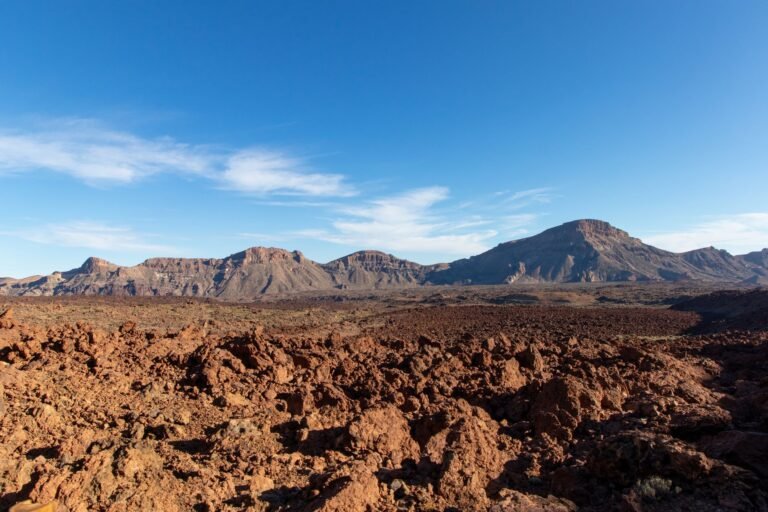
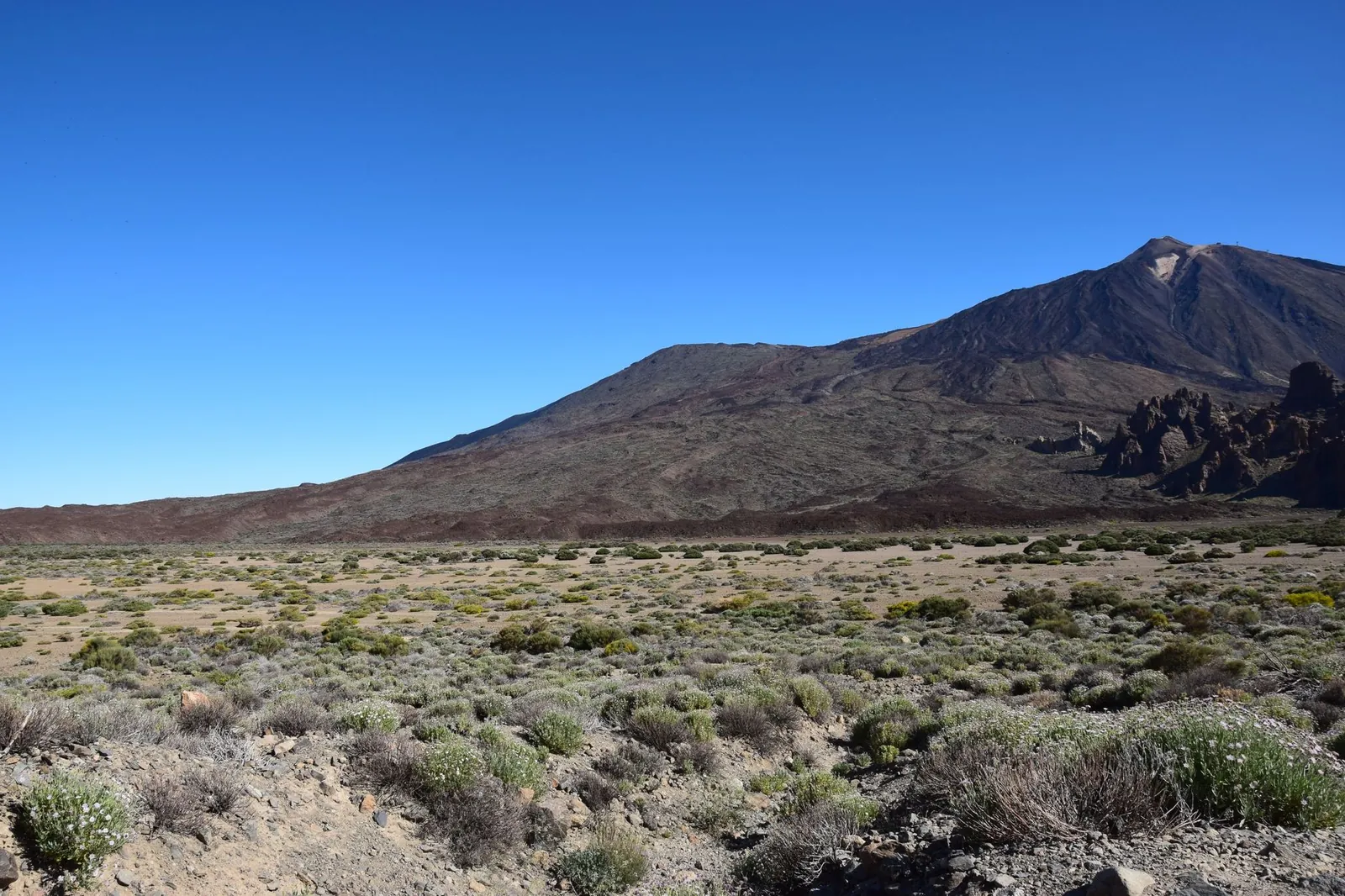
The biggest and most-visited of the Canary Islands, built around Mount Teide, a volcano that’s also mainland Spain’s and the Atlantic’s highest peak. The volcanic trails around it give the island a genuinely dramatic core most beach destinations don’t have. Beyond the volcano, Masca is a whitewashed village wedged into a ravine in the Teno massif, and La Laguna’s old town is a UNESCO World Heritage site.
The vibe shifts hard depending on where you are. The south (Costa Adeje, Playa de las Américas) is purpose-built resort territory. The north (Puerto de la Cruz, La Laguna) feels older and more local.
Gran Canaria
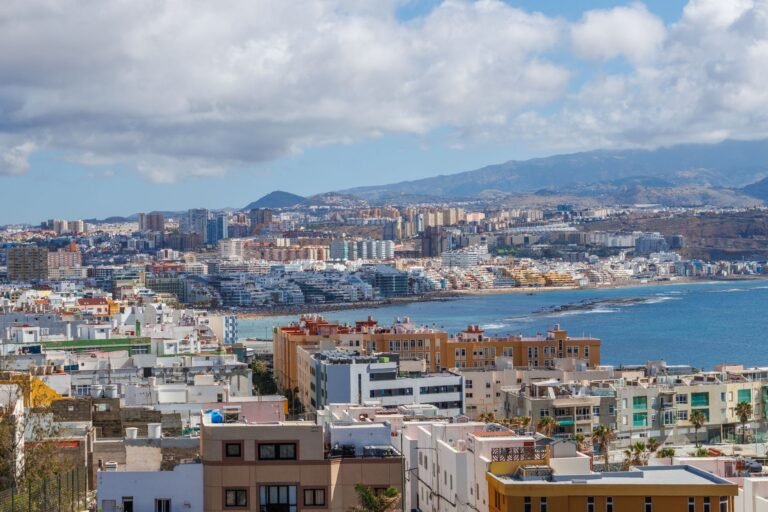
Smaller than Tenerife but with the bigger capital: Las Palmas (around 384,000 people) is a real working city, not a resort town, with Vegueta’s old quarter, museums, and cobbled streets going back to the 15th century. Puerto de Mogán, on the island’s southwest coast, is built around canals and is nicknamed the “Venice of the South.”
The same north/south split exists here too, just compressed into a smaller island: Las Palmas in the northeast feels like a city with a beach attached, while Maspalomas in the south is the purpose-built resort zone.
Winner depends on what you want from the “island” part of the trip. Tenerife for a bigger, wilder landscape built around one volcano. Gran Canaria if you actually want a city to walk around, not just a resort strip.
Beaches
This is where the two islands genuinely diverge, and it comes down to sand, not sun.
Tenerife’s Beaches
Most of Tenerife’s natural beaches are black volcanic sand, Playa Jardín in Puerto de la Cruz is the clearest example. The island’s most photographed golden beach, Playa de las Teresitas near Santa Cruz, isn’t natural at all: around 270,000 tons of sand were shipped in from the Western Sahara in the 1970s. The big resort beaches in the south, including Playa de las Américas, are also imported golden sand laid over the island’s natural black base.
Gran Canaria’s Beaches
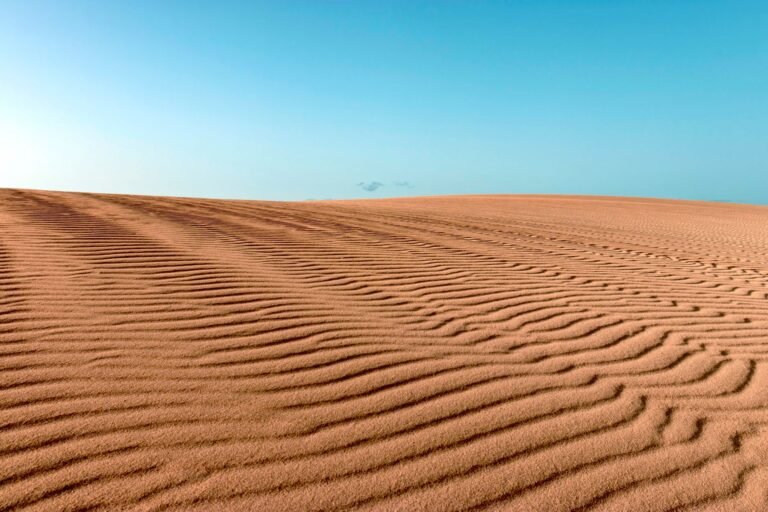
Playa de Maspalomas and the dunes behind it are the real thing: a genuine geological formation of wind-blown fossilised shell and coral sand, old enough to have been declared a Natural Reserve in 1987. In Las Palmas, Las Canteras is a long, calm urban beach regularly ranked among the best city beaches in Europe, walkable straight from the old town.
Winner: Gran Canaria, for authenticity. Tenerife’s golden beaches look the part but are engineered; Gran Canaria’s dune landscape and city beach are both the real, natural article.
Food
Tenerife
Classic Canarian cooking: papas arrugadas (wrinkled potatoes) with mojo sauce, gofio (toasted grain flour), and local goat cheese. The south’s resort strip has the usual international options alongside it; the north and Santa Cruz lean more traditionally Canarian.
Gran Canaria
The same Canarian staples, papas arrugadas and mojo turn up on both islands; this is one dish family, not a rivalry. The real difference is variety: Las Palmas, being the bigger city, has more restaurant density and range than any single town on Tenerife.
Winner: Tie on the food itself, both islands cook the same Canarian dishes. Gran Canaria edges it slightly on restaurant variety, simply because Las Palmas is the bigger city.
Day Trips
Both islands pack real day trips into a small area, but Tenerife has the one genuinely unmissable one.
From Tenerife
- Mount Teide cable car – around €40 one-way or from €43 return (non-resident), to the edge of Spain’s highest summit
- Masca village (around 1h by car) – the cliffside village in the Teno massif
- La Gomera (ferry from Los Cristianos, 50 minutes, from around €40-50 one-way) – a whole different island for the day
- Anaga Rural Park (under 1h from Santa Cruz) – ancient laurel forest and coastal cliffs
- La Laguna’s old town (half-day) – UNESCO-listed, easy from the north
From Gran Canaria
- Roque Nublo (around 55 min drive, plus a roughly 1h15 round-trip hike) – the island’s volcanic rock landmark
- Puerto de Mogán (under 1h from Maspalomas) – canals and a Saturday market
- Agaete (around 1h) – black-sand natural pools and the ferry port to Tenerife
- Fataga (around 50 min) – a palm-filled mountain village
- Las Palmas and Vegueta (half-day, if based in the south) – the old town and Las Canteras beach
Winner: Tenerife, narrowly. Both islands have strong day trips, but the Teide cable car and a full day on a different island (La Gomera) are a step up from anything a day trip on Gran Canaria offers.
Prices
For a week in the resort zones, based on typical prices observed on the ground rather than a single quoted source:
| Category | Tenerife | Gran Canaria |
|---|---|---|
| Hotel (3-star, high season) | €110-190/night (south), €85-140 (north) | From around €110/night |
| Dinner for two | €30-50 (south), €25-40 (north) | Broadly similar to Tenerife |
| Tapas (per portion) | €5-13 | €5-13 |
| Coffee | Around €1.50-2 | Around €1.50-2 |
Winner: Tie. Neither island has a decisive price edge; the bigger factor is which resort town you pick, not which island it’s on. If budget is the deciding factor, compare specific hotels rather than assuming one island is cheaper.
Nightlife
Tenerife’s nightlife is concentrated almost entirely in one place: the Veronicas Strip in Playa de las Américas, widely considered the loudest, densest party zone in the Canary Islands. It skews young and loud, and it runs late.
Gran Canaria splits its nightlife two ways. Yumbo Centrum in Maspalomas is one of Europe’s best-known LGBT nightlife hubs, more than 30 venues, and it hosts a 10-day Gay Pride every May that’s among the largest in Europe. Separately, Las Palmas has its own city nightlife split between the modern Santa Catalina area and the older Vegueta and Triana district.
Winner: Gran Canaria for variety and a genuinely famous scene. Tenerife if pure party-strip concentration is what you’re after.
Weather
Both islands run the same trick: a volcanic spine splits each one into a wetter, cooler north and a hot, dry south.
- Tenerife’s south (Costa Adeje) gets around 100-200mm of rain a year and runs 2-5°C warmer than the north; Teide is the literal dividing line
- Gran Canaria has the same shape on a smaller scale: the south is hottest and driest, the northeast milder and wetter
- Both sit in the low-to-mid 20s°C (°C) most of the year, which is the whole appeal
Island-to-island, they’re genuinely too close to call. The real weather decision is north versus south within whichever island you pick, not Tenerife versus Gran Canaria.
So Which One Should You Pick?
Pick Tenerife if:
- You want Mount Teide and the most dramatic landscape in the Canaries
- A full-on party strip is exactly what you’re looking for
- You like the idea of a day trip to a whole different island (La Gomera)
- You don’t mind double-checking which of the two airports you need
- Scale matters to you; it’s the bigger island by population and by landscape
Pick Gran Canaria if:
- You want a real city (Las Palmas) attached to your beach holiday
- Natural, authentic beaches matter more to you than golden sand
- You want nightlife variety, including one of Europe’s best-known LGBT scenes
- One airport serving the whole island sounds easier than two
- You’d rather walk a historic old town than drive to one
Pick Both (the smart move):
Unlike most comparisons on this site, this one is a genuine island-hop, not a long drive. The Fred Olsen ferry between Santa Cruz de Tenerife and Agaete takes around 1h20-1h30 and starts from roughly €49 one-way, with 6-8 sailings a day. Binter Canarias flies the same route in about 30 minutes, with fares from around €47 one-way. A week split four-and-three between the two islands is genuinely easy to pull off. If dunes and desert landscapes interest you more than this ferry route, Fuerteventura – the quieter, flatter Canary Island – is worth a look: see our guide to walking its sand dunes.
FAQ: Tenerife or Gran Canaria
Is Tenerife or Gran Canaria better for families?
Both work well; it depends more on the resort town than the island. Tenerife’s south has more large purpose-built family resorts and Siam Park. Gran Canaria’s Maspalomas offers the same resort-style setup plus an easy, flat urban beach (Las Canteras) if you’re based near Las Palmas instead.
Which is cheaper, Tenerife or Gran Canaria?
Neither, reliably. Headline hotel and dinner prices land in the same broad range on both islands; the resort town you choose moves the number more than the island does. Don’t pick an island on price alone.
When is the best time to visit, Tenerife or Gran Canaria?
January, for both. That’s the heart of UK winter-sun booking season for either island, and both hold warm, dry weather in their southern resort zones right through winter. Book a few months ahead if you want a January week on either one.
Is Tenerife or Gran Canaria better in winter?
Both, about equally. The south of either island holds warm, dry conditions through the winter months, since the real weather divide is north versus south within each island, not between the two of them.
Can you visit both Tenerife and Gran Canaria in one trip?
Yes, more easily than most two-destination trips in Spain. A ferry (around 1h20-1h30) or a short flight (around 30 minutes) connects them several times a day. If the Tenerife or Gran Canaria question doesn’t have a clear winner for you, splitting the week is the easiest fix on this list.
Final Verdict
If you can only book one: Tenerife, for a first Canary Islands trip. It’s the bigger, more dramatic island, and Mount Teide alone is worth the flight. Pick Gran Canaria instead if you’ve already done the “big volcano” island on a previous trip and want more city, more authentic beaches, and a livelier night out this time.
Both are genuinely good Canary Islands trips, and the ferry between them means you don’t have to fully commit to just one.