Papas Arrugadas from Gran Canaria: Recipe and Origins
Some links in this guide are affiliate links — if you book through them we may earn a small commission at no extra cost to you. It never changes what we recommend. Full disclosure.
When people imagine Canary Island food, often they picture fresh seafood, maybe tropical fruits, or perhaps even something exotic from its trade history. But for anyone who has truly spent time on Gran Canaria, they know the island’s heart, its true culinary soul, beats to the rhythm of papas arrugadas Gran Canaria. This isn’t just a side dish; it’s a foundational experience, a culinary embrace that tells you you’re really here, really living the island life. It’s the taste of the Atlantic, the volcanic soil, and generations of simple, perfect cooking, utterly distinctive and deeply comforting.
This article contains affiliate links. If you book through one, Spain Destination may earn a small commission at no extra cost to you. See the full affiliate disclosure →
Quick Answer: Papas Arrugadas on Gran Canaria
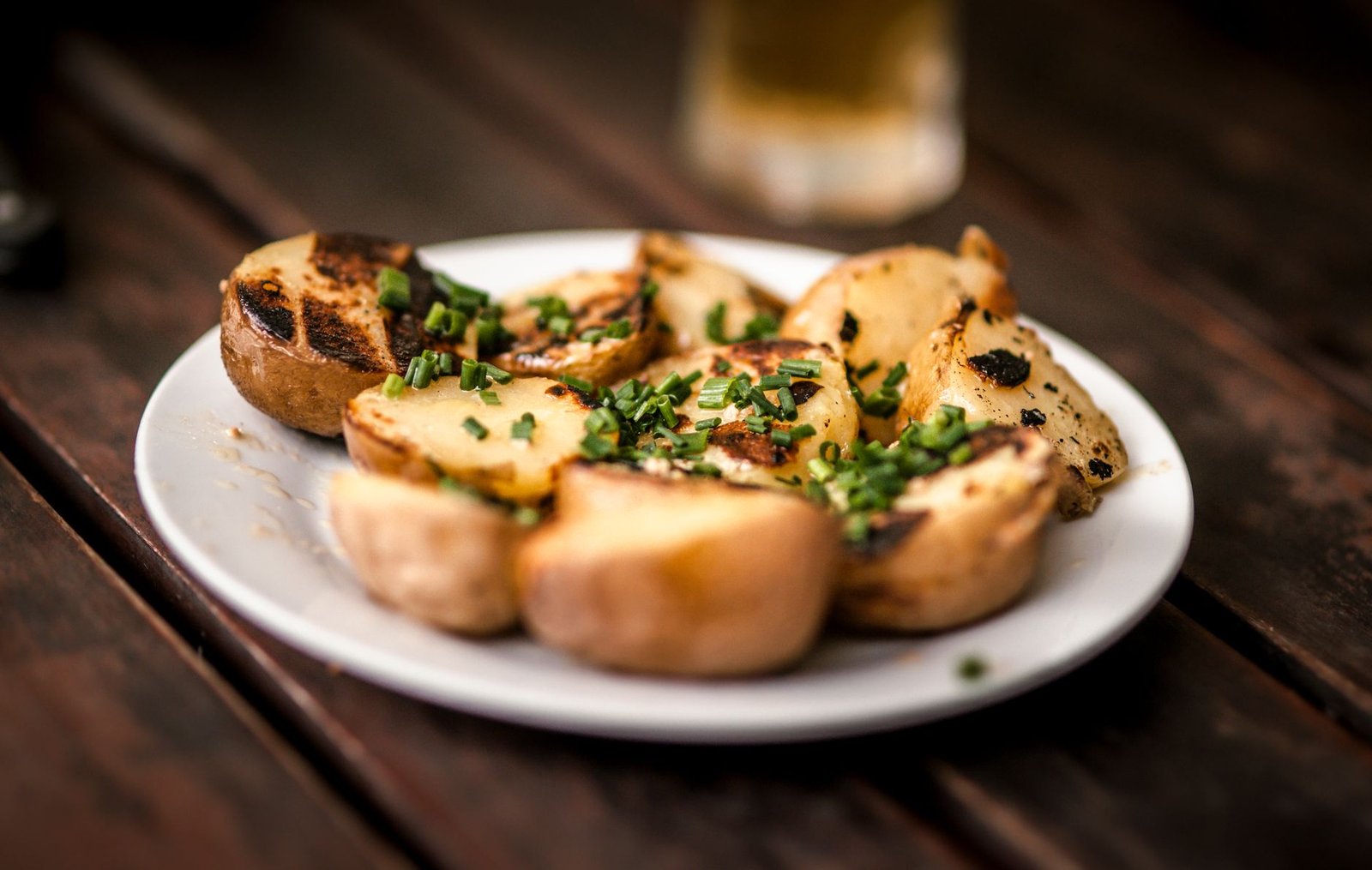
Papas arrugadas, or “wrinkled potatoes,” are small, unpeeled Canarian potatoes boiled in extremely salty water until they soften and develop a distinctive salty, crusted skin. They are typically served with various mojo sauces (mojo rojo and mojo verde are the most common), making them a staple accompaniment to almost any meal on Gran Canaria, from fresh fish to grilled meats, or simply enjoyed on their own as a delicious tapa.
The Soul of the Canaries: What Makes Papas Arrugadas So Special?
Imagine a potato. Now forget everything you know about it. Papas arrugadas are not your average boiled spud. They are small, often misshapen, and cooked in a way that feels ancient, almost elemental. The magic lies in the method: traditional sea salt, lots of it, and just enough water to barely cover the potatoes. As the water evaporates, the salt crystals adhere to the skin, creating that characteristic “wrinkled” texture and an intensely savoury flavour that somehow isn’t overwhelming, but rather deeply satisfying.
These potatoes aren’t just food; they’re a part of the cultural fabric. They speak of a time when resources were few, and ingenuity was paramount. The volcanic soil of the Canary Islands, particularly in areas like La Aldea de San Nicolás or Telde on Gran Canaria, produces potatoes with a unique flavour and texture, often sweeter and denser than mainland varieties. While you can find papas arrugadas throughout the Canary archipelago, Gran Canaria puts its own stamp on them, ensuring they appear on nearly every menu, from humble beach kiosks to upscale restaurants.
What makes them truly irresistible is their versatility. They’re a counterpoint to the richness of grilled fish, a hearty companion to stewed meats, and a simple pleasure when dipped into a vibrant mojo. The texture is key: a slight firmness beneath the salty, chewy skin, giving way to a soft, floury interior. You’ll find yourself reaching for one after another, the small size making them deceptively easy to devour.
I find myself constantly recommending them to friends visiting for the first time. Don’t think of them as merely a side dish. Treat them as an essential part of your culinary exploration. Forget about peeling them; that salty, wrinkly skin is where all the flavour is concentrated. It’s part of the authentic experience. Plus, they’re surprisingly filling, making them a great option for a light lunch if you pair them with a fresh salad.
Your Kitchen, Gran Canaria Style: The Authentic Papas Arrugadas Recipe
Ready to bring a slice of Gran Canaria into your own home? This is how you make authentic papas arrugadas. It’s simpler than you might think, but the details make all the difference.
Ingredients:
- 1 kg small new potatoes (ideally a Canarian variety if you can find them, otherwise firm new potatoes work well)
- 250g coarse sea salt (yes, that much!)
- Water (just enough to cover the potatoes)
Equipment:
- Large, heavy-bottomed pot with a lid
- Colander
- Clean kitchen towel
Cooking Steps:
- Wash the Potatoes: Thoroughly scrub your potatoes under cold running water. Do not peel them. You want all that earthy goodness and, more importantly, the skin to wrinkle beautifully.
- Prepare the Pot: Place the clean potatoes in your large pot. Add the coarse sea salt.
- Add Water: Pour in just enough cold water to barely cover the potatoes. This is crucial. Too much water will dilute the salt too much, and they won’t wrinkle properly.
- Boil: Bring the water to a rolling boil over high heat. Once boiling, reduce the heat to medium-low, cover the pot, and let the potatoes simmer gently for about 20-30 minutes. The cooking time will depend on the size of your potatoes. You want them tender when pierced with a knife, but not falling apart.
- Evaporate the Water: Once the potatoes are tender, drain off any remaining water (there shouldn’t be much). Return the pot to the stove over medium heat, uncovered, for about 5-10 minutes. This is where the magic happens. The residual heat and salt will dry out the potato skins, creating that characteristic wrinkled, salty crust. Gently shake the pot occasionally to prevent sticking and ensure even drying. You’ll see the white salt residue forming on the skins.
- Serve Immediately: Remove from heat and transfer the potatoes to a serving dish. Cover them with a clean kitchen towel for a few minutes before serving. This allows them to steam slightly and helps the skins develop that perfect texture.
Serve them warm, piled high, with generous bowls of mojo rojo and mojo verde. This recipe truly captures the essence of a Gran Canarian meal. You’ll impress yourself and anyone you share them with.
Beyond the Potato: Mojo Sauces, The Perfect Companions
Papas arrugadas are good on their own, but they become exceptional with mojo. These vibrant, flavourful sauces are the essential accompaniment. There are two main types you’ll encounter everywhere on Gran Canaria: mojo rojo (red) and mojo verde (green).
Mojo Rojo (Red Mojo)
This is the spicier, more robust of the two, typically made with red peppers or chillies. It’s fantastic with meat and, of course, the potatoes.
Ingredients:
- 2-3 small dried red chillies (like ñoras or pimientos de la Vera, or simply dried cayenne peppers), rehydrated
- 4-5 cloves garlic, peeled
- 1 teaspoon cumin seeds (or ½ teaspoon ground cumin)
- 1 teaspoon sweet paprika (pimentón dulce)
- 100 ml extra virgin olive oil
- 50 ml red wine vinegar
- 1 slice stale white bread (about 25g), crust removed
- Salt to taste
Steps:
- If using dried chillies, rehydrate them by soaking in hot water for 15-20 minutes until soft. Remove seeds and stems, reserving some soaking water.
- In a food processor or mortar and pestle, combine the rehydrated chillies, garlic, cumin, and paprika. Grind or blend until a coarse paste forms.
- Add the stale bread and blend again until incorporated.
- Slowly drizzle in the olive oil and red wine vinegar while blending, until the sauce emulsifies and reaches your desired consistency. If it’s too thick, add a little of the chilli soaking water.
- Season with salt to taste. It should be punchy and bright.
Mojo Verde (Green Mojo)
Lighter and fresher, mojo verde is perfect with fish. Its herbaceous notes come from coriander or parsley.
Ingredients:
- 1 large bunch fresh coriander (cilantro) or parsley, roughly chopped (about 50g)
- 4-5 cloves garlic, peeled
- 1 teaspoon cumin seeds (or ½ teaspoon ground cumin)
- 100 ml extra virgin olive oil
- 50 ml white wine vinegar
- Salt to taste
Steps:
- In a food processor or mortar and pestle, combine the coriander/parsley, garlic, and cumin.
- Blend until a paste forms.
- Slowly drizzle in the olive oil and white wine vinegar while blending, until smooth and emulsified.
- Season with salt to taste.
These two sauces are the perfect counterpoint to the salty potatoes. Each offers a different flavour profile, allowing you to tailor every bite. You’ll find that having both on the table is the standard way to enjoy your potatoes here, and for good reason.
Finding the Best Papas Arrugadas on Gran Canaria
You can find papas arrugadas almost anywhere on Gran Canaria, from the smallest bar to the most elegant restaurant. However, some places just do them better. Look for establishments that pride themselves on local, fresh ingredients, especially those a little off the main tourist drags. If dunes and desert landscapes are more your pace than volcanic peaks, the neighbouring island of Fuerteventura delivers that – see our guide to walking the Fuerteventura sand dunes.
Here are a few spots where you’re likely to find a truly satisfying plate:
- El Churrasco, Las Palmas de Gran Canaria: While known for its excellent grilled meats, their papas arrugadas are consistently superb. You’ll find them as a staple side. A generous portion typically costs around €4.50-€6.00. Located at Calle Olof Palme, 33, it’s open for lunch and dinner (typically 13:00-16:00 and 20:00-23:30, closed Sundays).
- La Taberna del Pirata, Arguineguín: For a more traditional, coastal feel, this spot in the fishing village of Arguineguín serves fantastic seafood alongside perfectly prepared potatoes and robust mojo. A plate costs around €5.00-€7.00. Open daily from 12:00-22:00. It’s a bit of a drive from Las Palmas, but worth it if you’re in the south.
- Casa Brito, Arucas: If you’re exploring the north and visiting the stunning church in Arucas, Casa Brito is a local favourite. Their focus on quality local produce extends to their potatoes. Expect to pay around €5.50 for a serving. They are usually open 13:00-16:00 and 20:00-23:00, closed Mondays.
- Any ‘Guachinche’ Style Spot: While more common on Tenerife, Gran Canaria has its own versions of rustic, family-run eateries that specialize in local cuisine. Ask locals for their favourite “comida casera” (homemade food) places – these are often where you’ll find the most authentic and flavourful versions, sometimes for as little as €3.00 a plate.
When selecting a place, observe what the locals are eating. If you see plenty of plates with the tell-tale wrinkly potatoes and vibrant mojos, you’re likely in the right spot. Don’t be shy about ordering a couple of portions for the table, as they disappear quickly! If you’re looking to explore more of what the islands have to offer, you can book a guided tour on Viator to discover other culinary delights and natural wonders. For lodging during your stay, you can check current hotel prices for Gran Canaria to find the perfect base for your Gran Canaria adventure.
Here’s a quick guide to what to expect when ordering papas arrugadas:
| Restaurant Type | Typical Price (per portion) | Common Service | Best For |
|---|---|---|---|
| Traditional Canarian Restaurant | €4.50 – €7.00 | Served as a side with main dishes; sometimes as a tapa. | Authentic flavours, a full meal experience. |
| Beachside Kiosk / Chiringuito | €3.50 – €5.00 | Often served as a light snack or tapa. | Casual dining, fresh air, quick bite. |
| Modern Tapas Bar | €5.00 – €8.00 | Elevated presentation, creative variations on mojo. | Trendy atmosphere, quality ingredients. |
| Local ‘Guachinche’ | €3.00 – €4.50 | Rustic, homemade style, large portions. | Deeply authentic, local atmosphere, incredible value. |
A Taste of Home: Integrating Papas Arrugadas into Your Spanish Experience
Papas arrugadas are more than just a dish; they’re a way of life on Gran Canaria. You’ll see them at family gatherings, festive occasions, and as part of the daily rhythm. They represent the simplicity and richness of island living, where incredible flavour comes from humble ingredients and time-honored techniques.
When you’re dining out, don’t hesitate to order them with anything. They pair exceptionally well with the freshest catch of the day, like a perfectly grilled vieja (parrotfish) or a tender sama (sea bream). They also cut through the richness of a good pork dish, like carne de cabra (goat meat stew), balancing the flavours beautifully. It’s truly rare to have a meal in a traditional Canarian restaurant without them making an appearance.
Beyond the main course, think about integrating them into your day. A small plate of papas arrugadas with a generous dollop of mojo makes for an ideal mid-afternoon snack, especially after a morning spent exploring the dunes of Maspalomas or the historic streets of Vegueta. They’re hearty enough to keep you going but light enough not to spoil your appetite for dinner. Just as a visit to Andalusia would feel incomplete without experiencing a Malaga cooking class focused on Andalusian food, your Gran Canaria trip wouldn’t be complete without genuinely embracing the papas arrugadas.
Don’t be afraid to try different mojos. Some restaurants will offer variations, perhaps a mojo picón (a very spicy red mojo) or a softer, sweeter version. Experiment to find your favourite, but always remember the classic mojo rojo and mojo verde are the bedrock. These potatoes are a testament to how Spain’s diverse regions celebrate their unique produce and culinary heritage. Embrace them, enjoy them, and let them be a delicious, salty reminder of your time on this incredible island. And if you’re still weighing Gran Canaria against its biggest rival, our Tenerife vs Gran Canaria comparison covers the practical differences.
FAQ: Falling for papas arrugadas Gran Canaria, a taste of home. – Common Questions
What kind of potatoes are best for papas arrugadas?
The best potatoes are small, firm, waxy new potatoes, ideally native Canarian varieties like “papa bonita” or “negra.” If you can’t find these, any small new potato that holds its shape well when boiled will work beautifully. Avoid large, starchy potatoes as they tend to fall apart and don’t develop the same desirable texture and flavour under the salty crust.
Can I make papas arrugadas without the very salty water?
Technically, you can boil potatoes with less salt, but they won’t be authentic papas arrugadas. The high concentration of salt is what draws out moisture, wrinkles the skin, and infuses the potatoes with their distinctive flavour. Without it, you’ll just have boiled potatoes, which isn’t the same experience at all. Don’t worry about them being too salty to eat; the method ensures the salt primarily coats the skin, creating a delicious crust rather than making the entire potato unpalatably salty.
How should I store leftover papas arrugadas and mojo sauce?
Leftover papas arrugadas are best enjoyed within a day or two. Store them in an airtight container in the refrigerator. Reheat gently in a dry pan or microwave, though the skin might lose some of its crispness. Mojo sauces keep very well. Store both mojo rojo and mojo verde in separate airtight jars in the refrigerator for up to a week. The olive oil acts as a natural preservative. Make sure the sauces are completely cooled before storing.
Are papas arrugadas suitable for vegetarians and vegans?
Absolutely! Papas arrugadas themselves are naturally vegetarian and vegan, being simply potatoes cooked with salt. The classic mojo sauces (mojo rojo and mojo verde) are also entirely plant-based, made with peppers, garlic, herbs, vinegar, and olive oil. This makes papas arrugadas with mojo an excellent and satisfying option for anyone following a vegetarian or vegan diet while visiting Gran Canaria or preparing the dish at home.
Falling for papas arrugadas is like falling for Gran Canaria itself: it’s an experience rooted in simplicity, tradition, and profound satisfaction. This isn’t just a potato dish; it’s a direct link to the island’s soul, a taste of its history, and a warm embrace from its people. Whether you prepare them yourself, recreating the island’s magic in your kitchen, or seek out the best plates in a bustling local eatery, you’re not just eating; you’re participating in a beloved tradition. Make sure these salty, comforting potatoes are a highlight of your culinary journey through the Canary Islands, just as exploring the Galicia coastal road trip itinerary offers a deep dive into another facet of Spain’s diverse charm.
About Papas Arrugadas Gran Canaria
This guide is part of Spain Destination’s library of Spain travel and lifestyle content, written with AI assistance and checked against official sources where possible. See how this site is researched and fact-checked →