Sacromonte Cave Flamenco in Granada: What to Expect
Some links in this guide are affiliate links — if you book through them we may earn a small commission at no extra cost to you. It never changes what we recommend. Full disclosure.
The first truth you need to accept about `sacromonte cave flamenco granada` is that it’s not always the polished, grand spectacle many imagine when they hear the word “flamenco.” Instead, it’s often raw, intensely personal, and deeply rooted in the history of Granada’s Roma community, a far cry from a sterile stage show. Most people expect glitz and glamour, but the reality is a direct connection to a centuries-old tradition, unfolding in the intimate, unpretentious setting of a whitewashed cave. This guide cuts through the tourist gloss to show you how to experience the true soul of Sacromonte flamenco, understanding its origins, choosing the right venue, and navigating the practicalities to ensure you leave with a genuine appreciation for this powerful art form.
This article contains affiliate links. If you book through one, Spain Destination may earn a small commission at no extra cost to you. See the full affiliate disclosure →
Quick Answer: Sacromonte Cave Flamenco
Sacromonte cave flamenco offers an intensely intimate and historically significant performance experience, distinct from typical flamenco shows found elsewhere. Located in the unique cave dwellings of Granada’s Sacromonte neighborhood, these shows, particularly the traditional zambra gitana, provide a raw, passionate glimpse into the Roma cultural heritage through song, dance, and guitar. Expect an unpolished, authentic encounter in a small, often crowded space, with prices typically ranging from €25 to €40 for a performance, or €50 to €70 if a basic dinner is included, with evening shows generally starting around 9:00 PM or 10:30 PM.
The Raw Heart of Flamenco: What Makes Sacromonte Different?
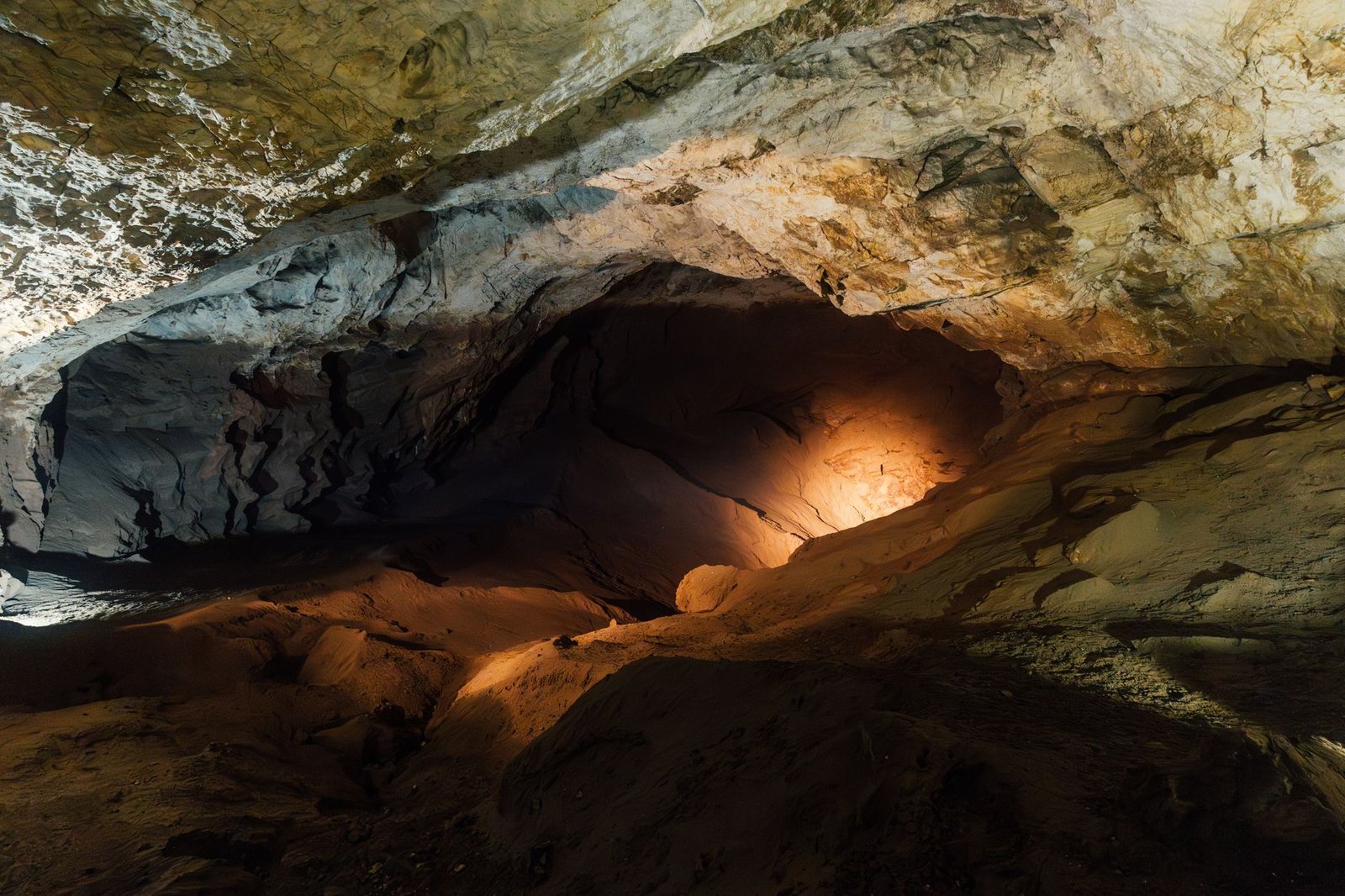
Sacromonte isn’t just a district on a map; it’s a place where history, landscape, and human spirit have merged into something truly unique. For centuries, this hillside has been home to Granada’s Roma community, who carved their homes directly into the earth. It was in these very caves that a distinct form of flamenco, known as the zambra gitana, evolved. Unlike the formalized flamenco styles you might see in larger theatres across Andalusia, the zambra is a direct descendant of the traditional Roma wedding ceremonies.
When you step into a Sacromonte cave for a performance, you’re not just buying a ticket to a show; you’re entering a space that has witnessed generations of joy, sorrow, and celebration expressed through cante (song), baile (dance), and toque (guitar). The intimacy is striking: you’ll often be sitting just a metre or two from the performers, feeling the stomp of the dancer’s feet vibrate through the packed earth floor, seeing the sweat on their brows, and hearing the raw emotion in their voices without amplification. There’s no grand stage, no elaborate lighting beyond a few simple bulbs, and definitely no distance between you and the artistry. This isn’t about perfection; it’s about passion, improvisation, and connection. The artists often come from families who have performed in these caves for generations, carrying the tradition not as a learned skill, but as an inherited essence. It’s a powerful experience, sometimes startling in its intensity, but always honest.
The focus here is less on choreographed routines and more on the feeling, the ‘duende,’ that elusive spirit of flamenco. The atmosphere is often one of shared experience, where the performers feed off the energy of the audience, and vice-versa. You might find a dancer improvise a move, a singer alter a verse, or a guitarist extend a melody based on the collective mood. This live, unscripted element is what makes Sacromonte flamenco so compelling and so authentically rooted in its origins.
Choosing Your Cave: Venues, Prices, and Real Expectations
With several cave venues offering flamenco in Sacromonte, choosing the right one can feel a bit overwhelming. The key is to understand that while they all offer the fundamental Sacromonte experience, there are subtle differences in size, reputation, and included extras. Here’s a breakdown of some prominent options, along with what you should honestly expect.
Most shows in Sacromonte will cost between €25 and €40 for the performance only. If you opt for a package that includes a basic dinner, expect to pay €50 to €70. Drinks are often extra, or a single drink might be included. Performances usually run for about 60 to 75 minutes. The typical start times are 9:00 PM and 10:30 PM, though some venues might have an earlier 7:30 PM show, especially in peak season.
Here are some of the better-known caves:
- Cueva de la Rocío: One of the oldest and most established Zambra houses. Known for its strong family tradition and lively atmosphere. They often include a basic dinner option. Prices typically start around €35 for the show and a drink, or €65-€70 for dinner and show.
- Cueva de los Tarantos: Another historic venue, offering a slightly larger cave space but still maintaining intimacy. They have regular performances and are often recommended for first-timers due to their consistent quality. Expect show-only tickets around €30-€35.
- Zambra María la Canastera: Named after a legendary flamenco artist, this cave is also renowned for its traditional approach. It’s smaller and often feels even more personal. Prices are usually in the €30-€40 range for the show and a drink.
- Venta El Gallo: This venue is a bit larger and often caters to tour groups, but still offers good quality flamenco. It’s a safer bet if you prefer a slightly more organized experience. Prices vary, often around €30-€40 for the show, or higher with dinner packages.
Table: Sacromonte Cave Flamenco Venue Comparison
| Venue Name | Typical Price Range (Show Only) | Key Feature/Vibe | Typical Start Times |
|---|---|---|---|
| Cueva de la Rocío | €35 – €40 | Historic, strong family tradition, lively | 9:00 PM, 10:30 PM |
| Cueva de los Tarantos | €30 – €35 | Established, consistent quality, slightly larger cave | 9:00 PM, 10:30 PM |
| Zambra María la Canastera | €30 – €40 | Very intimate, traditional, personal feel | 9:00 PM, 10:30 PM |
| Venta El Gallo | €30 – €40 | Larger capacity, good for groups, reliable performances | 7:30 PM, 9:00 PM, 10:30 PM |
Honest Tips:
- Book Ahead: Especially in peak season (spring, autumn) or on weekends, shows can sell out. Book at least a few days in advance. Many hotels can help with this, or you can book directly online. You can also book a guided tour on Viator that includes the show and transportation.
- Dinner Expectations: If you choose a dinner package, understand that the food is usually simple Andalusian fare, not gourmet dining. The focus is always on the flamenco. Don’t expect a culinary revelation; view it as a convenient way to get a meal before the main event.
- Seating: Seating in the caves is often basic – stools or benches are common. If you have mobility issues, confirm seating arrangements when booking. Most places operate on a first-come, first-served basis for seating within a section, so arriving 15-20 minutes early helps you get a better view.
- Authenticity: All the above-mentioned venues strive for authenticity. Be wary of aggressive touts in Plaza Nueva or near the Albaicín offering deals that seem too good to be true, or claiming their venue is the “only real one.”
Getting There and Back: Logistics for Your Sacromonte Night
Sacromonte is a hillside neighborhood, and while it offers stunning views and unique atmosphere, getting there and back, especially at night, requires a bit of planning. You have a few solid options, each with its own advantages.
Walking:
This is arguably the most atmospheric way to arrive, allowing you to soak in the evening air and the views. From Plaza Nueva or the lower Albaicín (like Carrera del Darro), it’s about a 20-30 minute uphill walk to the main cave areas. The path follows the Darro River initially and then winds up into the Sacromonte streets. It’s steep in parts, with cobblestone paths, so comfortable, closed-toe shoes are essential – leave the high heels at home. The path isn’t perfectly lit everywhere, but it’s generally safe. I always recommend going with someone if you choose to walk late at night, and sticking to the well-trodden paths where others are also heading to shows. Remember, the way back will be downhill but still require careful footing in the dark.
Bus:
The urban bus system in Granada is excellent, and the C34 mini-bus route specifically serves Sacromonte. It departs from Plaza Nueva (and other points in the city center) and winds its way up through the Albaicín and into Sacromonte, stopping near most of the main cave venues. Buses typically run every 20-30 minutes. A single ticket costs €1.60, confirmed on the city’s mobility authority site, if you pay cash to the driver. If you plan to use the bus more often, consider getting a Bonobus card, which makes each journey cheaper (around €0.40). The last buses usually run around 11:00 PM or midnight, depending on the day, so check the schedule carefully if you’re attending a late show. This is often the most practical and affordable option for many visitors. You can check specific timings at the bus stops or online.
Taxi:
For convenience and peace of mind, especially after a late show, a taxi is a great option. Taxis are readily available from most central locations in Granada, and they can drop you directly at your chosen cave or very close to it. The ride from the city center to Sacromonte usually costs between €8 and €12, depending on the exact starting point and traffic. After the show, most cave venues can call a taxi for you, or you can often find them waiting near the main show areas. This is particularly recommended if you are a larger group or prefer not to navigate the uneven paths in the dark.
Important practical considerations for your visit:
- Footwear: Absolutely wear comfortable, sturdy shoes. The cobblestones and inclines are no joke. Even if you take a bus or taxi, you’ll likely do some walking. This is true for much of Spain; for example, if you were considering hiking Alpujarras, good shoes are even more critical.
- Layer Up: Even if the day is warm, evenings on the hillside can get cool, especially inside the caves, which maintain a constant temperature. A light jacket or a shawl is a good idea.
- Photography: Some venues permit photography without flash, others strictly prohibit it to protect the artists and maintain the atmosphere. Always ask or look for signs. If allowed, be respectful and discreet.
- Cash: While most venues accept cards, having some cash (Euros) for drinks or tips can be handy, especially in smaller establishments.
Beyond Sacromonte Cave Flamenco Granada: Sacromonte by Day and Night
While the allure of Sacromonte at night is undeniable, focusing solely on the evening flamenco means missing out on the other facets of this compelling neighborhood. Sacromonte has a distinct character during the day, offering historical insights, unique architecture, and some of the best viewpoints in Granada.
Sacromonte by Day:
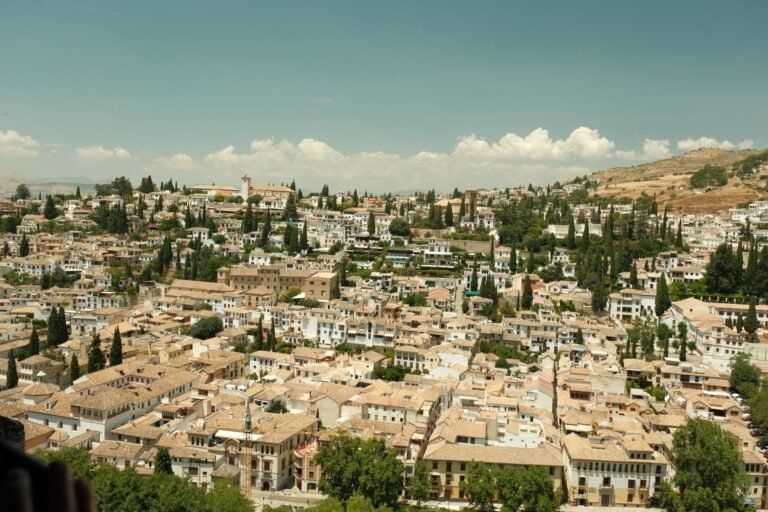
Take a walk through Sacromonte during daylight hours to truly appreciate its unique landscape and history. The whitewashed cave houses, often adorned with colorful geraniums, cling to the hillside, giving you a real sense of how people have lived here for centuries. The views are a major draw; from various points, you can look across to the magnificent Alhambra, the winding streets of the Albaicín, and the sprawling city below. The Mirador de San Nicolás, though technically in the Albaicín, offers an iconic view that many pair with a visit to Sacromonte. Further up into Sacromonte itself, you’ll find less crowded spots that offer equally compelling perspectives.
A must-visit during the day is the Museo Cuevas del Sacromonte. This open-air museum provides an authentic recreation of several cave dwellings, showcasing how the Roma community and other residents lived, worked, and created art. It’s an invaluable insight into their culture, crafts, and daily life. Entry costs €5 per person and it opens 10:00 AM to 8:00 PM, both confirmed on the museum’s own site; check there for seasonal variations before you go. It takes about an hour to explore thoroughly and offers context that deepens your understanding of the flamenco you might see later. The museum also offers some of the best direct views of the Alhambra and the Valparaíso valley.
Further up the hill, you can visit the Abadía del Sacromonte, a significant religious site with a rich history, including its own caves where early Christians are said to have worshipped. It’s a longer, steeper walk, but offers historical depth and even more expansive views. Entry for a guided tour is around €5, with specific tour times. This gives you a broader perspective on the area’s spiritual and cultural layers.
Sacromonte by Night (beyond the show):
Even without a flamenco show, Sacromonte has a special atmosphere as dusk settles. The lights of the Alhambra begin to twinkle, and the city below transforms. Many of the cave bars and small restaurants open, offering a chance to sit outside, enjoy a simple meal, and listen to the faint sounds of flamenco drifting from the caves. It’s less about grand nightlife and more about quiet contemplation and absorbing the unique ambiance. While I cannot recommend specific establishments that serve alcohol, there are many spots where you can enjoy local tapas and soft drinks, taking in the evening air and views. Consider simply walking the lit paths, taking in the panoramic vistas, and perhaps finding a peaceful spot to just sit and observe the city lights below. It’s a different kind of magic.
- Explore the Museum: Don’t skip the Museo Cuevas del Sacromonte. It provides crucial context for the cave culture. Open 10:00 AM – 6:00 PM, €5 entry.
- Walk the Vereda de Enmedio: This path offers stunning views of the Alhambra and is great for a daytime stroll.
- Visit the Abadía: For history buffs and panoramic views, the Abbey is worth the climb. Guided tours are often the only way to see inside, costing around €5.
- Enjoy the Views: Find a quiet spot to observe the sunset over the Alhambra and Albaicín – moments you will cherish.
The Downside and How to Avoid Disappointment
While Sacromonte flamenco is an experience I truly believe in, it’s important to approach it with realistic expectations to avoid disappointment. Not every show will be a transcendent, life-changing event, and some aspects might not align with what you envision.
Tourist Traps and Aggressive Touts: Like any popular tourist area, Sacromonte has its share of less-than-authentic experiences. Be wary of overly persistent touts, especially around Plaza Nueva and Carrera del Darro, who might try to steer you towards venues with high prices and low quality. A clear sign of a place to avoid is one that offers “free” transport or drinks but then pressures you heavily for additional purchases or tips, or where the performance feels rushed and uninspired. Researching and booking known venues in advance, as discussed earlier, is your best defense. Also, avoid places that seem empty just before showtime unless they are extremely small; a good, reputable venue will usually have a decent crowd.
Managing High Expectations: Many visitors arrive expecting a polished, theatrical production with elaborate costumes and a grand stage. Sacromonte flamenco, particularly the zambra, is typically raw, intimate, and improvisational. The costumes are often traditional but not necessarily extravagant. The space is a cave, which means basic seating and lighting. If you’re looking for a broadway-style show, Sacromonte might not be what you expect. It’s about feeling the passion and the history, not about perfectly choreographed routines. Embrace the unvarnished reality, and you’ll find the deeper beauty.
Comfort Levels: Cave interiors can be humid or feel a bit cramped, depending on the venue and the number of people. Seating is often basic – stools or simple benches. It can get warm with many people inside, or cool depending on the season, as mentioned before. If you require specific seating or have accessibility concerns, inquire when booking. The acoustics are natural to the cave, which means it can be very loud and intense when the performers are in full flow, a distinct difference from a concert hall where sound is carefully managed.
Dinner Quality: If you choose a package that includes dinner, set your culinary expectations appropriately. The food is typically simple, mass-produced Andalusian fare aimed at filling you before the show, not providing a gourmet experience. It will be edible and serve its purpose, but it won’t be the highlight of your evening. For a truly memorable meal, eat at a well-regarded restaurant in the Albaicín or city center before or after the show. Granada offers many fantastic places for authentic cuisine; for example, if you love specific local dishes, exploring places known for a good authentic Ajoblanco Malagueño recipe will be a more rewarding food experience.
Language Barrier: While flamenco transcends language, don’t expect extensive explanations in English or any other language during the performance itself. The introduction might be multilingual, but the songs (cante) are in Spanish, often with regional accents. The emotions conveyed through the music and dance are universal, though, so a deep understanding of the lyrics isn’t essential to appreciate the art.
By understanding these potential downsides and adjusting your expectations, you’re far more likely to have a genuinely enriching experience in Sacromonte. Approach it with an open mind, ready to accept the experience for what it is – a profound, authentic glimpse into a cherished cultural tradition – and you won’t be disappointed. Consider looking at hotel prices on Booking.com in the city center for easier access to all of Granada’s offerings.
FAQ: Finding the soul of Sacromonte cave flamenco in Granada – Common Questions
Is Sacromonte flamenco suitable for children?
Yes, Sacromonte flamenco can be a memorable cultural experience for children, but there are a few considerations. The shows are typically late, often starting at 9:00 PM or later, which might be past a younger child’s bedtime. The performance can be intense and loud, which might overwhelm very young children. However, older children (ages 8+) who have an interest in music and dance often find it captivating. Some venues may offer slight discounts for children. It’s wise to choose an earlier show if available and prepare them for an intimate, passionate, and sometimes loud experience rather than a quiet concert.
Do I need to book in advance?
Absolutely, booking in advance is strongly recommended, especially during peak tourist seasons (spring, autumn, and holidays like Semana Santa), and on weekends. The cave venues are small and have limited capacity, meaning they can sell out quickly. Booking a few days to a week ahead ensures you secure a spot at your preferred venue and showtime. You can often book directly through the venue’s website, through your hotel, or via reputable online tour operators. Turning up without a reservation, particularly for a popular show, often leads to disappointment.
What’s the difference between a zambra and regular flamenco?
The zambra gitana is a specific style of flamenco deeply rooted in the Roma community of Sacromonte, historically originating from their wedding celebrations. It is typically more intimate, improvisational, and performed in a cave setting. The focus is often on the female dancer (bailaora), with less emphasis on the male dancer, and traditional elements like specific hand movements and castanets. “Regular” or generalized flamenco can encompass many styles (e.g., Bulerías, Soleá, Alegrías) performed in a variety of settings, from grand theaters to tablaos, and may be more choreographed and diverse in its presentation, often featuring a more balanced ensemble of male and female performers.
Can I just walk into a show without a reservation?
While it’s technically possible, I strongly advise against trying to walk into a Sacromonte flamenco show without a reservation, especially if you have a specific venue or time in mind. Most reputable cave venues prioritize guests who have booked in advance. If a show is full, you will be turned away. In the busy seasons, waiting lists are rare, and shows often sell out completely. While you might get lucky at a less popular venue or a later show, it’s not a reliable strategy for experiencing the best of what Sacromonte offers.
Experiencing Sacromonte flamenco is truly about embracing the unfiltered soul of Granada’s Roma heritage, connecting directly with a powerful, living tradition. It’s a journey into the heart of a culture that has expressed itself through rhythm and emotion for centuries, asking only for your presence and an open mind in return. To continue exploring Spain’s rich traditions, delve into our guide on Semana Santa Seville Firsttimer Guide for another profound cultural experience. Wondering whether to split your time with Seville instead? Our Seville vs Granada guide breaks down the real differences.
About Sacromonte Cave Flamenco Granada
This guide is part of Spain Destination’s library of Spain travel and lifestyle content, written with AI assistance and checked against official sources where possible. See how this site is researched and fact-checked →