Best Neighborhoods Granada: Where to Stay for Your Trip
Deciding on the best neighborhoods Granada for your trip depends entirely on what you’re looking for. This isn’t a city that fits one mold, and where you plant yourself significantly shapes your experience. Are you chasing ancient history and iconic views? Or perhaps a buzzing food scene and street art? Maybe sheer convenience is your priority. Granada offers distinct vibes, each with its own pros and cons for travelers.
Quick Answer: these neighborhoods For Most Travelers
For most first-time visitors seeking a balance of history, atmosphere, and accessibility, I recommend either the Albaicín or Realejo. The Albaicín delivers postcard Alhambra views and a labyrinthine Moorish experience. Realejo, meanwhile, offers a bohemian edge with fantastic tapas and easier walking, while still being close to the main attractions.
Granada’s Layout: Getting Your Bearings
Granada isn’t a sprawling metropolis; its core is quite compact and largely walkable, though “walkable” often means “hilly.” The city centers around the Genil River, with the imposing Alhambra complex perched on Sabika hill to the south-east. To its north, across the Darro River, rises the Albaicín, another ancient hill. The flat, modern city center sits between these two historic areas. Understanding this geography is key to picking the best neighborhoods Granada has to offer for your stay. You’ll spend a lot of time on your feet, so factor in elevation changes, especially if you have mobility concerns.
The Albaicín: Ancient Labyrinth and Alhambra Grandeur
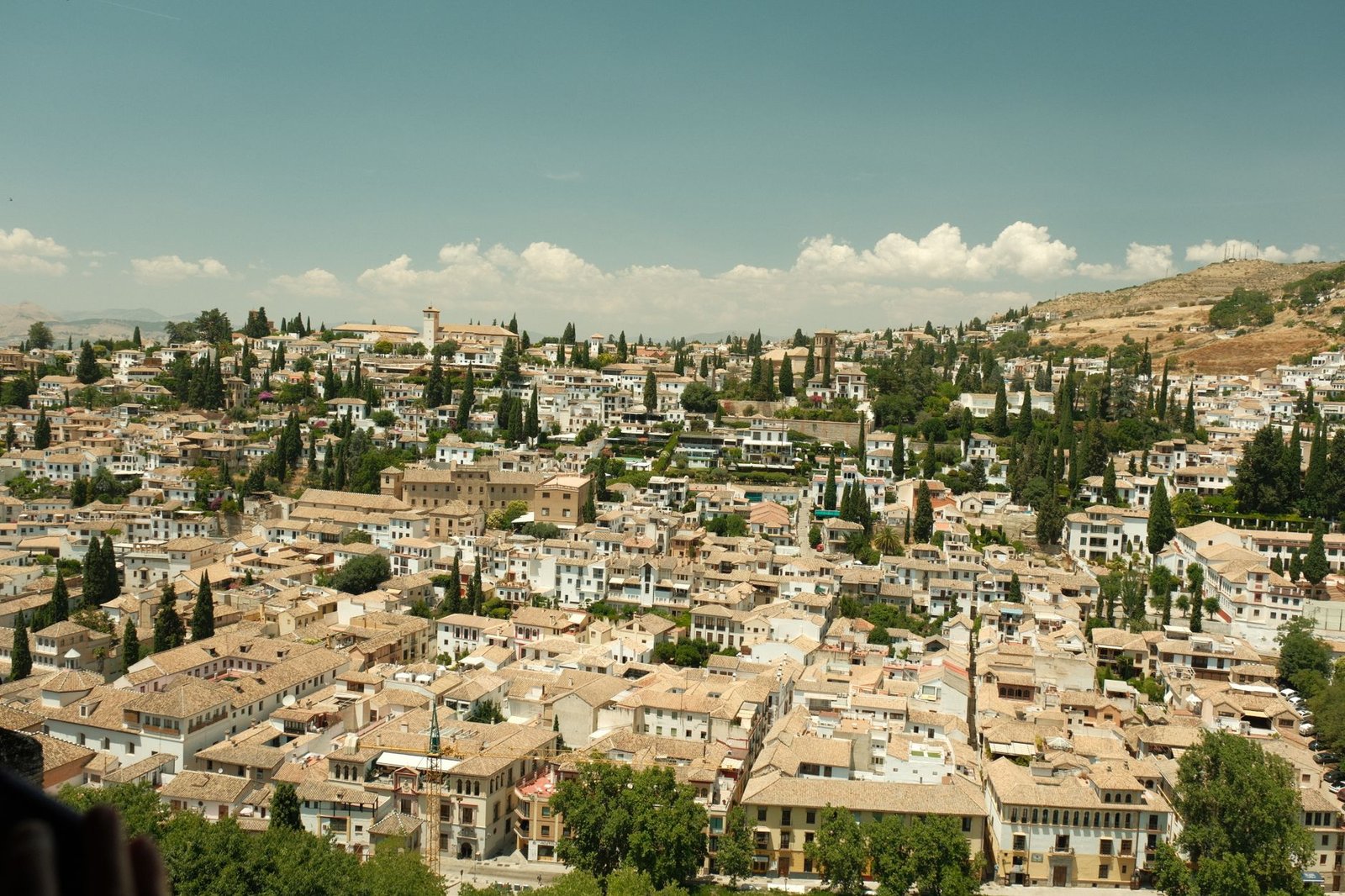
If you close your eyes and picture Granada, you’re likely seeing the Albaicín. This is the old Moorish quarter, a designated UNESCO World Heritage site since 1984, predating the Alhambra’s final construction. Its streets are a tangle of cobblestone alleyways, white-washed houses, and hidden plazas. Every turn feels like stepping back centuries. It’s undeniably historic and beautiful, truly one of these neighborhoods for atmosphere.
What to Expect in the Albaicín
Staying here means embracing the past. You’ll wake to birdsong and the distant chime of church bells, not traffic. The views of the Alhambra, especially at sunset, are legendary. Yes, I’m talking about the Mirador de San Nicolás. Is it overrated? A little. It’s absolutely packed, often with guitarists playing for tips and hawkers selling trinkets. Go once for the view, but then find a quieter spot. Several smaller miradores offer similar vistas with fewer crowds, like the Mirador de San Cristóbal or the viewpoint by Mezquita Mayor de Granada.
You’ll find authentic Moroccan tea houses (teterías) serving mint tea and pastries, traditional taverns, and small craft shops. Many of the buildings are beautifully restored, housing boutique hotels or private apartments. But be warned: the Albaicín is steep. Seriously steep. Getting around often involves significant uphill climbs, and cars are largely restricted. The C31 and C32 minibuses are your friends here, running frequently and navigating the narrow lanes with surprising agility.
Pros of Staying in the Albaicín
- Unbeatable historical atmosphere and charm.
- Iconic Alhambra views from many accommodations and viewpoints.
- Quiet evenings, free from heavy city traffic.
- Unique dining experiences in historic settings.
Cons of Staying in the Albaicín
- Very hilly and physically demanding, not ideal for those with mobility issues or heavy luggage.
- Limited vehicular access; taxis can only drop you at certain points.
- Fewer modern conveniences (large supermarkets, pharmacies) compared to Centro.
- Can feel a bit isolated from the main hustle and bustle if you want to be in the thick of it.
My take: The Albaicín is worth the effort if you want to immerse yourself in history and don’t mind a workout. It’s one of the best neighborhoods Granada has for a truly romantic or contemplative stay. Budget around €100-€200 per night for a decent double room in a mid-range guesthouse. An Alhambra ticket costs €22.27, confirmed on the Patronato’s own site (book months ahead, seriously). A simple meal with a drink might run you €15-€25.
Realejo: Bohemian Soul and Tapas Heaven
Just south of the city center, nestled against the foot of the Alhambra hill, lies Realejo, the old Jewish Quarter. This neighborhood offers a distinctly different, yet equally captivating, feel from the Albaicín. It’s less touristy, more residential, and buzzes with an authentic, youthful energy. Realejo has become synonymous with Granada’s street art scene, independent boutiques, and, crucially, some of the city’s finest tapas bars. This is arguably one of the best neighborhoods Granada offers for foodies and those seeking an authentic, lively experience.
What to Expect in Realejo
Realejo’s streets are wider and generally less steep than the Albaicín, making it more manageable for walking. You’ll find colorful murals adorning walls, particularly works by the renowned local artist ‘El Niño de las Pinturas’. Spend an afternoon wandering, ducking into small art galleries, or simply soaking in the atmosphere in a sunny plaza. Plaza del Campo del Príncipe is a central hub, ringed with restaurants and perfect for people-watching.
The culinary scene here is exceptional. Granada is famous for its free tapas culture: order a drink (€2.50-€4 for a soft drink or coffee) and you get a small dish of food for free. Realejo elevates this tradition. You’ll find bars specializing in seafood, traditional Spanish fare, or modern twists. It’s easy to hop from one bar to another, enjoying a progressive dinner of small bites. This is easily one of these neighborhoods for a lively night out that won’t break the bank.
Pros of Staying in Realejo
- Fantastic tapas scene and diverse dining options.
- Lively and authentic atmosphere, less tourist-centric than Albaicín.
- Walkable to both the Alhambra (uphill, but direct) and the city center.
- Interesting street art and independent shops.
- Generally less hilly than the Albaicín, easier to navigate.
Cons of Staying in Realejo
- Can be noisy at night, especially near popular plazas and bars.
- Fewer “grand view” hotels compared to Albaicín.
- Some areas can feel a bit gritty, though generally safe.
My take: Realejo is my top pick for most travelers. It offers a genuine slice of Granadino life, fantastic food, and good access to everything. Expect to pay €80-€180 per night for a mid-range apartment or hotel. A flamenco show at a local tablao might cost €25-€35, including a drink. This neighborhood truly hits the sweet spot when considering the best neighborhoods Granada has for a balanced trip.
Centro (City Center): Convenience and Modern Amenities
The Centro is the beating heart of modern Granada, stretching from the Cathedral and Royal Chapel up towards Gran Vía de Colón. This is where you’ll find major department stores like El Corte Inglés, bustling shopping streets, and the city’s main administrative buildings. It’s flat, easy to navigate, and serves as a major transportation hub. If your priority is ease of access, shopping, and proximity to all public transport links, then the Centro is among the best neighborhoods Granada offers.
What to Expect in Centro
Here, you’re close to iconic landmarks such as the Granada Cathedral (entry €7, or €10 during special exhibitions, confirmed on the archdiocese’s own ticketing site) and the Royal Chapel, where Catholic Monarchs Ferdinand and Isabella are entombed (check the archdiocese’s site for the current combined-ticket price, since no standalone Royal Chapel figure is published). The Alcaicería, the old Arab silk market, is nearby – expect touristy shops selling souvenirs, but it’s still fun to walk through. Gran Vía de Colón is the main artery, lined with hotels, banks, and cafes. You’ll find a wide range of restaurants, from fast food chains to more upscale dining, and plenty of bars.
Staying in Centro means you’re within a 10-15 minute walk of almost everything, and local buses connect you efficiently to the Albaicín (C31, C32), Sacromonte (C34), and the Alhambra (C30). This is the place to be if you prioritize comfortable, large hotels with amenities like gyms and concierge services. For many, it’s the most practical of these neighborhoods for a short stay.
Pros of Staying in Centro
- Excellent access to public transport (local buses, intercity buses, train station).
- Wide variety of accommodation, from budget hostels to luxury hotels.
- Abundant shopping opportunities.
- Flat streets, easy walking for everyone.
- Close to major attractions like the Cathedral and Royal Chapel.
Cons of Staying in Centro
- Can feel less atmospheric and “authentic” than the historic quarters.
- Busy and noisy, especially on main thoroughfares.
- Fewer independent shops and more chain stores.
- Limited free parking, if any.
My take: The Centro is a solid, practical choice. It’s the most comfortable option if you have mobility issues or plan on taking many day trips. It’s less “Granada” than other areas, but highly functional. Mid-range hotels here might cost €90-€200 per night. A local bus ticket is €1.60, confirmed on the city’s mobility authority site. If you value convenience above all else, Centro is one of these neighborhoods can offer.
Sacromonte: Flamenco, Cave Houses, and Gypsy Roots
Perched on Valparaíso hill, across the Darro River from the Albaicín, Sacromonte is famed for its cave houses (cuevas) and as the traditional home of Granada’s Romani (Gypsy) community. This is where flamenco runs deep, often performed in intimate cave venues. It offers a truly unique cultural experience, distinct from any other of the best neighborhoods Granada has.
What to Expect in Sacromonte
The landscape of Sacromonte is dramatic, with caves carved into the hillside, many still inhabited. Some have been converted into museums (Museo Cuevas del Sacromonte, entry €5), restaurants, or live flamenco tablaos. The views from here, especially of the Alhambra and the Albaicín across the valley, are different but equally impressive. It’s wilder, more rugged. Expect to see donkeys, prickly pears, and a more bohemian, artistic vibe.
Evenings come alive with flamenco shows. Many tablaos offer dinner and a show, though I recommend eating elsewhere first and just having a drink with the performance. Expect to pay €25-€40 for a show. Sacromonte is certainly not the most convenient place to stay, being a fair walk uphill from the city center, but the C34 minibus connects it to Plaza Nueva.
Pros of Staying in Sacromonte
- Unique cultural immersion, especially for flamenco enthusiasts.
- Opportunity to stay in a traditional cave house.
- Stunning, panoramic views (different perspective from Albaicín).
- Authentic local feel, away from mass tourism.
Cons of Staying in Sacromonte
- Quite a trek from the city center; very hilly.
- Limited dining and shopping options within the neighborhood itself.
- Fewer accommodation choices, often more specialized B&Bs.
- Can feel isolated after dark; less general foot traffic.
My take: Sacromonte is a specialist choice. Don’t book your entire trip here unless your primary goal is to experience flamenco and cave life. It’s fantastic for a single night or an intense cultural dive, but probably not one of these neighborhoods for a first-timer’s full stay. A cave B&B might cost €70-€150 per night, but options are fewer.
Zaidín & Genil: Residential and Budget-Friendly (Skip It)
These districts lie south of the main city center, beyond the Genil River. They are primarily residential, modern, and lack the historical character that draws most visitors to Granada. You’ll find supermarkets, modern apartment blocks, and local businesses catering to residents. While they offer cheaper accommodation options (think larger, newer hotels or budget Airbnbs), they’re further out from the main attractions. If you’re looking for the best neighborhoods Granada has for a typical tourist experience, you can confidently skip these.
My take: Only consider Zaidín or Genil if budget is your absolute top priority and you don’t mind relying heavily on public transport (bus tickets €1.60) or long walks to get anywhere of interest. The time and transport costs saved by staying closer to the action usually outweigh the minor accommodation savings.
Cost Breakdown: A Granada Stay Budget (2024-2025 Estimates)
Here’s a realistic look at daily costs in Granada, helping you plan which of these neighborhoods fits your budget.
| Category | Budget Traveler | Mid-Range Traveler | Splurge Traveler |
|---|---|---|---|
| Accommodation (Per Night) | €50-€80 (Hostel/Basic Guesthouse) | €90-€180 (3-4* Hotel/Apartment) | €200-€400+ (Luxury Hotel/Boutique) |
| Food (Per Day) | €20-€35 (Tapas only, market, picnic) | €40-€70 (Tapas, 1 sit-down meal) | €80-€150+ (Fine dining, multiple meals) |
| Transport (Per Day) | €3-€5 (2-3 bus rides) | €5-€10 (Buses, occasional taxi) | €10-€25 (Taxis as needed) |
| Attractions (Per Day) | €0-€10 (Free walks, few paid sites) | €20-€30 (Alhambra, 1-2 other sites) | €40-€60+ (Alhambra, flamenco, multiple museums) |
| Daily Total (Estimate) | €73-€125 | €155-€290 | €330-€635+ |
Note: These are per person estimates, excluding international flights. Alhambra tickets are a one-time cost, but significant.
Granada Neighborhood Comparison: Which Is For You?
To help you decide on these neighborhoods for your specific travel style, here’s a quick comparison:
- Albaicín:
- Atmosphere: Ancient, romantic, quiet.
- Accessibility: Very hilly, restricted vehicle access.
- Nightlife: Low-key bars, teterías.
- Food: Traditional Spanish, Moroccan.
- Cost: Mid-range to splurge for views.
- Ideal for: History buffs, couples, photographers, those seeking peace.
- Realejo:
- Atmosphere: Bohemian, lively, authentic.
- Accessibility: Walkable, less hilly than Albaicín.
- Nightlife: Excellent tapas bars, local pubs.
- Food: Top-notch tapas, diverse options.
- Cost: Mid-range.
- Ideal for: Foodies, solo travelers, groups, those wanting a local feel.
- Centro:
- Atmosphere: Bustling, modern, convenient.
- Accessibility: Flat, excellent transport links.
- Nightlife: Commercial bars, clubs, theatres.
- Food: Wide range, from chains to fine dining.
- Cost: Budget to splurge.
- Ideal for: First-timers, shoppers, those with mobility issues, business travelers.
- Sacromonte:
- Atmosphere: Unique, cultural, rugged.
- Accessibility: Very hilly, isolated, relies on specific bus route.
- Nightlife: Flamenco shows in cave venues.
- Food: Limited, some traditional fare.
- Cost: Mid-range (for specialized accommodation/shows).
- Ideal for: Cultural explorers, flamenco enthusiasts, adventurous travelers.
Is It Worth It / Who Should Skip It?
Each neighborhood in Granada offers a distinct flavor, and understanding these differences helps in choosing among these neighborhoods for your particular travel style.
- Albaicín: Worth it if you dream of waking up to Alhambra views and losing yourself in ancient streets. Skip it if you have bad knees, struggle with hills, or prefer modern convenience over historical immersion. Also, if you plan to go out late every night, the walk back up can be a deterrent.
- Realejo: Worth it if you’re a foodie who loves free tapas, enjoys street art, and wants a lively, authentic neighborhood feel. Skip it if you absolutely require quiet evenings or are looking for a super-polished, luxury experience.
- Centro: Worth it if convenience, shopping, and easy access to transport are your top priorities. It’s also great for families with young children or those who need flat walks. Skip it if you’re chasing that specific “Andalusian charm” or want to avoid chain stores and crowded main streets. It doesn’t offer the unique atmosphere of the other historic quarters.
- Sacromonte: Worth it for a specific, deep dive into Romani culture and flamenco, particularly if you want to stay in a unique cave house. Skip it if your time is limited, if you prefer to be close to a wide range of restaurants, or if you’re not specifically interested in its niche offerings. It’s not a general recommendation for where to base your entire trip, but a fascinating area to visit.
Practical Logistics for Your Granada Trip
Choosing among these neighborhoods is only part of the puzzle. Here’s what else you need to know to make your trip smooth.
How to Get There
- By Air: Granada has a small airport (GRX), mostly serving domestic flights within Spain. For international travelers, Málaga Airport (AGP) is often a better bet with more direct routes. From Málaga, you can take a direct bus (ALSA, approx. 1.5-2 hours, €12-€15) or a train (requires a change in Antequera, can be longer and more expensive). For more on comparing cities in the region, you might find our guide on Malaga Vs Alicante useful.
- By Train: High-speed AVE trains connect Granada with Madrid (approx. 3.5 hours, €40-€70 depending on booking time) and Seville (approx. 2.5 hours, €30-€60). The train station is just north of the city center.
- By Bus: Granada’s bus station offers extensive connections throughout Spain. It’s budget-friendly and efficient for reaching other Andalusian cities.
- By Car: While a car is excellent for exploring a wider area like on a 7 Days Andalusia By Car itinerary, driving and parking in Granada itself is a nightmare. Traffic is restricted in many historic areas (Albaicín, Realejo, Centro) and finding affordable parking is a challenge. If you rent a car, park it in a paid underground lot (e.g., Parking San Agustín, Parking Triunfo) on the outskirts of the central zone and rely on walking or buses.
When to Go
Spring (April-May) and Fall (September-October) offer the best weather: warm, sunny days and comfortable evenings. Temperatures average 20-25°C. These are also peak seasons, so expect crowds and higher prices for these neighborhoods.
Summer (June-August) is brutally hot. Temperatures frequently hit 35-40°C. While Granada is less humid than Seville, it’s still intense. If you visit in summer, plan activities for early mornings and late evenings, and embrace siestas. You can compare this to what to expect in Seville In July, for example.
Winter (November-March) is cooler, sometimes rainy, but still pleasant compared to northern Europe. Skiing in the Sierra Nevada is just an hour away. Crowds are thinner, and prices for hotels in these neighborhoods are lower, but some attractions may have reduced hours.
What to Book Ahead
- Alhambra Tickets: This is non-negotiable. Book your Alhambra tickets *at least* 2-3 months in advance directly from the official Patronato de la Alhambra y Generalife website. Do not rely on third-party tours unless you absolutely have to; they’re more expensive. If you wait, you will likely miss out on visiting the Nasrid Palaces, the highlight of the complex.
- Accommodation: Especially if traveling during peak season or a local festival, book your hotel or apartment well in advance. This ensures you get your preferred spot in these neighborhoods and avoid last-minute price hikes.
- Flamenco Shows: If there’s a specific tablao you want to see, book ahead, particularly for weekend performances.
Final Thoughts on these neighborhoods
Choosing where to stay in Granada truly defines your trip. Whether it’s the ancient allure of the Albaicín, the bohemian pulse of Realejo, the practical comforts of the Centro, or the unique cultural depth of Sacromonte, each of the best neighborhoods Granada offers a distinct experience. Reflect on your priorities: do you crave history, food, convenience, or culture? Once you know that, picking your perfect home base in this incredible city becomes much clearer.
For more detailed guides and inspiration for your Spanish adventures, be sure to explore more of our content on find more guides for your Spain trip. If you have any specific questions, don’t hesitate to contact us.
If you’re visiting in the colder months, it’s worth knowing Sierra Nevada’s ski slopes are less than an hour from the city center.