First-Timer’s Guide Las Fallas Valencia: Essential Tips
Some links in this guide are affiliate links — if you book through them we may earn a small commission at no extra cost to you. It never changes what we recommend. Full disclosure.
If you’re looking for a comprehensive first-timer’s guide las fallas valencia, you’ve landed in the right place. The single most important piece of advice I can give you right away, before you read another word, is this: book your accommodation months, even a year, in advance. Seriously, this festival is massive, and Valencia fills up completely. Trying to find a place to stay last minute is a fast track to disappointment and vastly inflated prices. Lock down your bed first, then plan the rest.

This article contains affiliate links. If you book through one, Spain Destination may earn a small commission at no extra cost to you. See the full affiliate disclosure →
Quick Answer: What is Las Fallas?
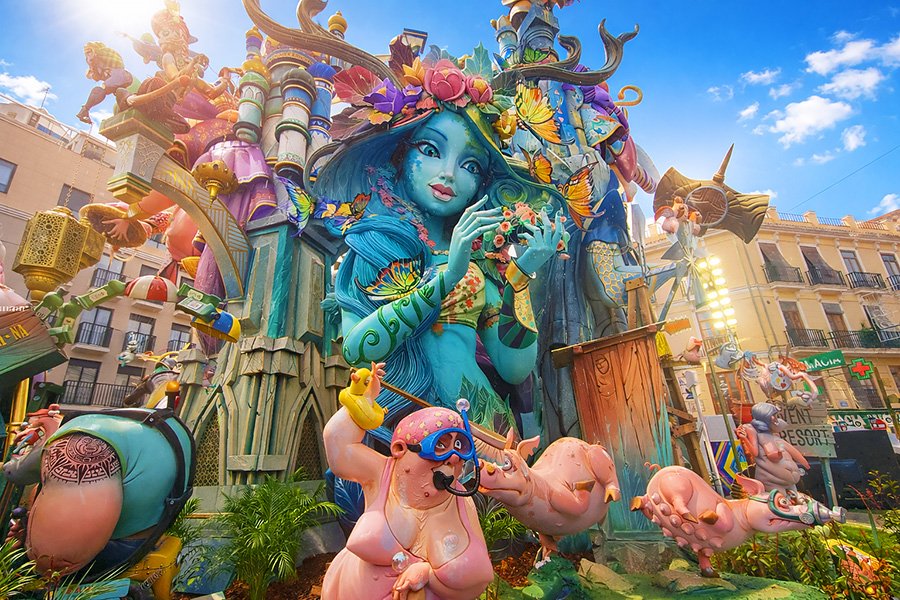
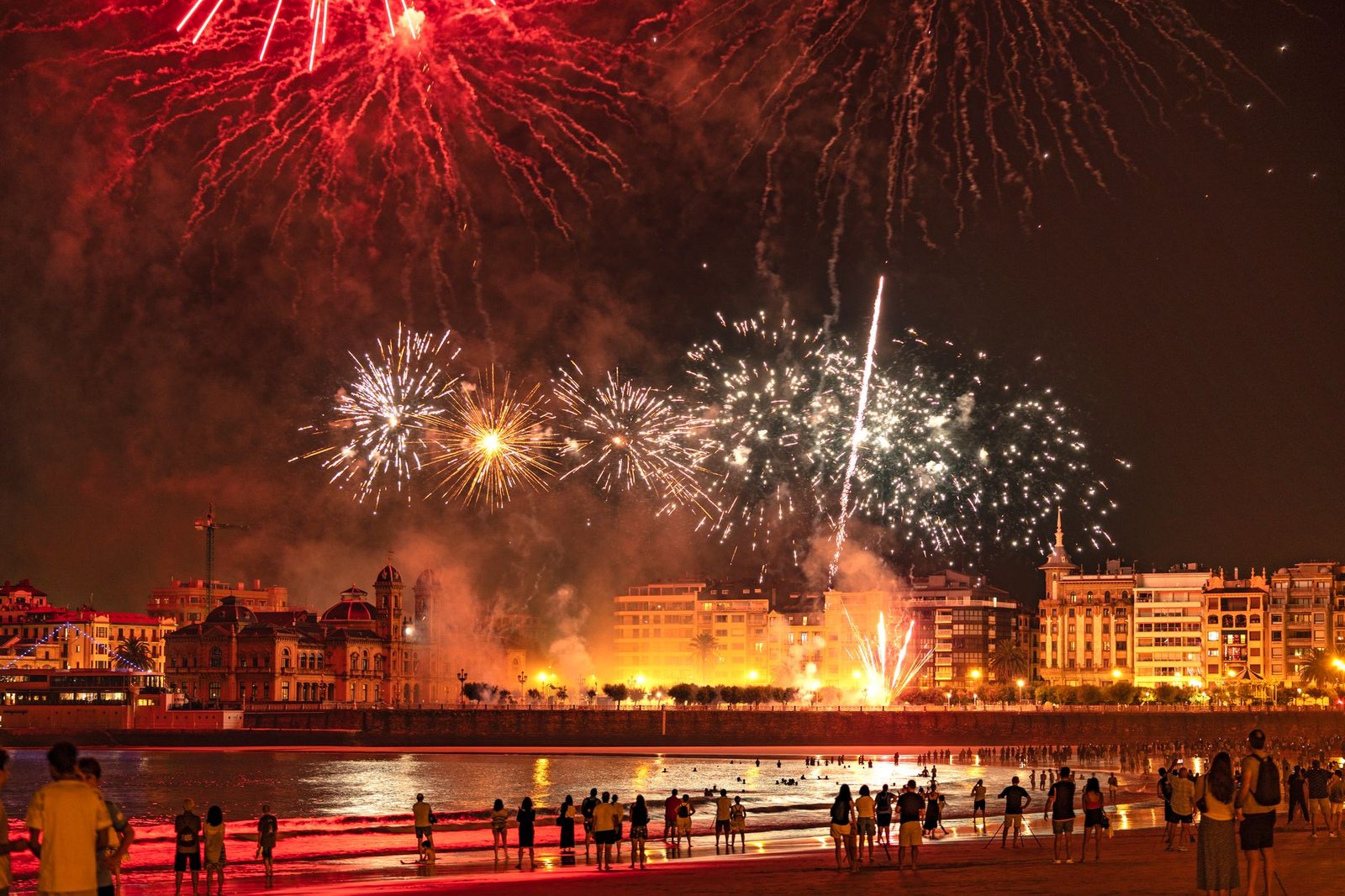
Las Fallas is Valencia’s electrifying, explosive, and ephemeral springtime festival held every March, culminating from the 15th to the 19th. It’s an annual celebration honoring Saint Joseph, transforming the city into an open-air art gallery of colossal, satirical papier-mâché sculptures (fallas) that are ultimately consumed by fire in a spectacular purging ritual. Think fireworks, parades, traditional music, and general joyful chaos.
When to Go: Timing Your Las Fallas Experience
Las Fallas officially runs from March 1st to March 19th each year, but for a true first-timer, the sweet spot for experiencing the main events is definitely from March 15th to the 19th. Arriving earlier, say on the 10th or 12th, gives you a chance to see some of the smaller fallas being erected, get acquainted with the city before the biggest crowds descend, and witness the daily mascletà building in intensity. However, if your time is limited, focus on those final five days.
The festival dates are fixed, so planning is straightforward. What’s not straightforward is securing your spot. Prices for flights and accommodation skyrocket during these dates. Expect to pay anywhere from €150-€400 per night for even a modest hotel room if you book six months out. If you leave it to a few weeks before, those prices could easily double or triple, and availability will be close to zero. Consider staying just outside the city center, perhaps in neighborhoods like Benimaclet or Ruzafa (which is also known for its spectacular light displays), but be prepared for longer walks or slightly more crowded metro rides to the heart of the action. This careful planning is essential for a smooth first-timer’s guide las fallas valencia experience.
If you’re on a tighter budget, look into options like hostels or even airbnbs in surrounding towns like Sagunto or Requena, though you’ll then need to factor in train or bus travel time and costs daily. While it might save you some euros on accommodation, you’ll sacrifice spontaneity and convenience, especially for late-night events like the Nit del Foc or the Cremà.
Here’s a rough guide to the key dates and what happens:
- March 1st-14th: Mascletàs and smaller events begin. Daily gunpowder shows in Plaza del Ayuntamiento at 2 PM. Fallas are still being constructed.
- March 15th: La Plantà. This is the day when all the fallas, big and small, must be fully erected and ready for judging by 8 AM. It’s fascinating to see the final stages of installation.
- March 16th-18th: Exhibitions, parades, and fireworks. The ninots (figures) from the main fallas are on display, and evening fireworks are a major draw.
- March 17th-18th: Ofrenda de Flores. The Flower Offering to the Virgin Mary, a deeply moving and visually impressive parade where thousands of falleros and falleras (festival participants) in traditional dress bring flowers to adorn a giant wooden effigy of the Virgin in Plaza de la Virgen.
- March 18th: La Nit del Foc (The Night of Fire). The biggest fireworks display of the entire festival, usually starting around 1 AM, often near the Alameda bridge. Expect massive crowds.
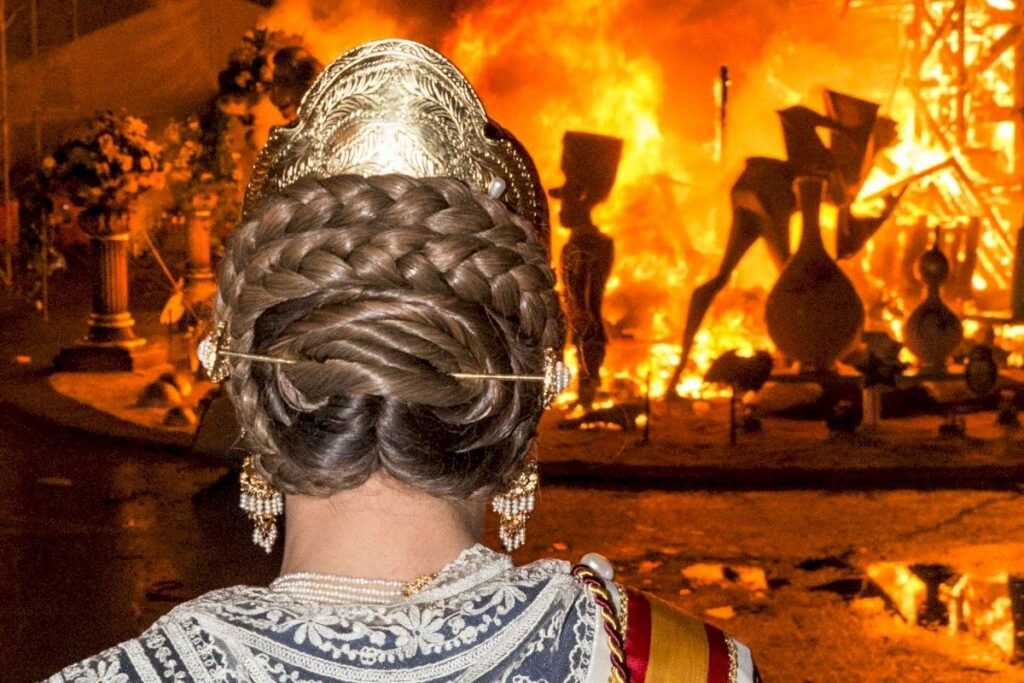
- March 19th: La Cremà (The Burning). The grand finale. All fallas are set alight and burned throughout the city, starting with the children’s fallas around 8 PM, then the smaller adult fallas around 10 PM, and finally the main Fallas in Plaza del Ayuntamiento and Plaza de la Merced around 11 PM or midnight.
To truly get the feel of the festival, I recommend arriving by the evening of March 14th if possible. This gives you a full day to explore the Plantà, then two days of the Ofrenda, the Nit del Foc, and finally, the unforgettable Cremà. You can book a guided tour to navigate Las Fallas to help navigate the chaos and understand the traditions, which can be incredibly helpful for a first-timer.
Navigating the Crowds and Getting Around Valencia During Las Fallas
Valencia during Las Fallas transforms into a pedestrian-heavy zone. Many streets, especially in the city center (Ciutat Vella), Ensanche, and Ruzafa, are closed to vehicle traffic. This means walking is your primary mode of transport. Wear comfortable shoes – you will easily log 20,000 steps a day, if not more. Seriously, those fancy sandals can wait.
The metro and bus systems are operational, but they get extremely crowded. Metro lines run extended hours, sometimes even all night, during the peak days of the festival (March 16th-19th), which is a huge advantage for getting to and from further-out districts or your accommodation. A ten-trip ‘Bonobus’ card costs around €8.50-€10, depending on the zones, and is a good value if you plan on using public transport. You can buy these at metro stations and some tobacco shops (estancos).
However, during major events like the mascletà in Plaza del Ayuntamiento or the Nit del Foc, certain metro stations close temporarily due to crowd control. Always check official announcements or the EMT Valencia app for real-time information. Trying to catch a bus near Plaza del Ayuntamiento during the Mascletà is usually a lost cause; it’s best to walk to a station a few stops away.
Taxis and ride-sharing services like Cabify or Free Now are available, but surge pricing will be in full effect, and getting one to pick you up in a pedestrianized zone can be a real headache. Expect waits of 30 minutes to an hour, and fares that are 2-3 times higher than usual. If you absolutely need a taxi, try heading to a major street that’s still open to traffic and standing at a designated taxi stand. Planning your day with plenty of buffer time is key. Don’t expect to rush from one event to another across town in 15 minutes.
Safety is generally good, but with such large crowds, pickpocketing is a known issue. Keep your wallet in a front pocket, use an anti-theft bag, and be aware of your surroundings, especially in dense areas or on crowded public transport. Avoid carrying large amounts of cash. While the fireworks are spectacular, remember that you’ll see and hear a lot of firecrackers being let off by individuals, sometimes quite close to you. If you have sensitive ears, consider bringing earplugs, especially for the Mascletà.
The Main Events: Mascletà, Plantà, and Cremà Explained
These are the pillars of Las Fallas, the experiences you absolutely cannot miss. Understanding them will enhance your enjoyment tenfold.
The Mascletà
Every day at 2 PM, from March 1st to 19th, the Plaza del Ayuntamiento becomes the stage for the Mascletà. This isn’t a visual fireworks display in the traditional sense; it’s an auditory experience. It’s about rhythm, sound, and vibration. Picture thousands of firecrackers synchronized to create an escalating wall of sound that culminates in a deafening, chest-rattling finale known as the ‘terremoto’ (earthquake). The ground literally shakes beneath your feet. It lasts about 5-7 minutes. If you want to experience the true essence of Fallas, stand in the plaza and let the sound wash over you.
Cost: Free to watch from the plaza. However, if you want a balcony view (recommended for those with very young children or limited mobility), you can book a spot at one of the surrounding buildings. These typically range from €30-€80 per person, often including a drink or small snack. Book these well in advance through tour operators or directly with participating businesses. Is it worth it? For a one-time experience, yes, for a clearer view and less intense crowd. But for the raw, visceral feeling, being in the plaza is the ultimate way.
La Plantà
March 15th is when all the fallas must be “planted” – fully assembled and unveiled. The larger fallas, especially the “Falla Grande” (main falla) in Plaza del Ayuntamiento and other special category fallas, often take weeks to construct. Seeing the final touches being applied and the last ‘ninots’ (figures) hoisted into place on March 14th is a sight itself. By the morning of the 15th, the city is transformed. This is the best day to walk around and admire the sheer artistry and scale of these sculptures before they meet their fiery end. Pick up a “mapa fallero” (fallas map) from a newsstand or tourist office to locate the main ones.
Cost: Free. Just walk around and enjoy. The “Special Category” fallas are the largest and most elaborate, often located in areas like Plaza del Pilar, Na Jordana, Convento Jerusalén, and Plaza de la Merced. You can spend an entire day just wandering from falla to falla.
La Cremà
This is the grand finale on March 19th, when all the fallas are ceremonially burned. It’s a bittersweet moment, seeing months of work go up in smoke. It begins with the smaller children’s fallas around 8 PM, followed by the regular fallas around 10 PM. The highlight is the burning of the main Falla in Plaza del Ayuntamiento, usually around 11 PM or midnight, followed by the burning of the winning Special Category Falla. Find a spot for a smaller falla somewhere in a side street for a more intimate experience. For the main fallas, arrive hours in advance to secure a decent view, or again, consider a balcony booking if available.
Cost: Free. Getting a good vantage point for the main Cremà is incredibly challenging due to the crowds. For the main falla, consider the square itself if you’re brave enough to be packed in, or try to get a view from a side street further back. Many local families will find a spot near their neighborhood falla, making it a community event. It’s an incredibly moving experience to witness. This is a crucial element of any first-timer’s guide las fallas valencia.

Beyond the Big Fires: Light Displays, Ninot Exhibition, and Fallas Museum
Las Fallas isn’t just about gunpowder and burning sculptures. There’s so much more to see and do.
Illuminated Streets of Ruzafa
Head to the Ruzafa district (Russafa in Valencian) after dark. Certain streets, particularly Carrer Sueca, Carrer Cuba, and Carrer Literat Azorín, are adorned with elaborate, multi-story light installations. These aren’t just strings of lights; they are architectural marvels choreographed to music, creating an immersive, almost otherworldly experience. The light shows usually start around 8 PM and run until past midnight. It gets incredibly crowded, so prepare to shuffle along with thousands of others.
Cost: Free. Just show up and be ready for crowds. The best time to go is usually before 9 PM or after 11 PM to avoid the absolute peak. The streets are pedestrian-only, so you’ll need to walk from the nearest metro stop (Bailén or Xàtiva, then about a 15-minute walk).
Exposición del Ninot (Ninot Exhibition)
Before the festival starts in earnest, from early February until March 14th, you can visit the Exposición del Ninot. This exhibition displays one ‘ninot’ (figure) from each falla, chosen by its respective Falla commission to be potentially saved from the flames. Visitors vote for their favorite, and the winning ninot is granted ‘indult’ (pardoned) and goes on permanent display at the Fallas Museum. It’s a fantastic way to see the intricate detail and satirical themes up close without the crushing crowds.
Location: Ciudad de las Artes y las Ciencias (City of Arts and Sciences), specifically the Museo de las Ciencias Príncipe Felipe.
Opening Hours: Typically 10 AM to 8 PM daily.
Entry Cost: Around €3 for adults, €1.50 for children/seniors.
Worth it? Absolutely. It’s calm, educational, and offers a unique insight into the craftsmanship.
Museo Fallero (Fallas Museum)
This museum houses the ‘ninots indultats’ – the pardoned figures – from past Fallas festivals. It’s a fascinating journey through the history of the festival, showcasing the changing styles and political/social commentary embedded in the art. You’ll see figures dating back decades, each with its own story.
Location: Plaza Monteolivete, 4. It’s a bit outside the city center, but easily reachable by bus or a pleasant walk through the Turia Gardens.
Opening Hours: Tuesday to Saturday, 10 AM to 7 PM; Sundays and holidays, 10 AM to 2 PM. Closed Mondays.
Entry Cost: Around €2 for adults, €1 for children/seniors.
Worth it? Definitely. It’s a calm antidote to the festival’s chaos and helps you appreciate the art form on a deeper level. You can learn so much about the tradition here.
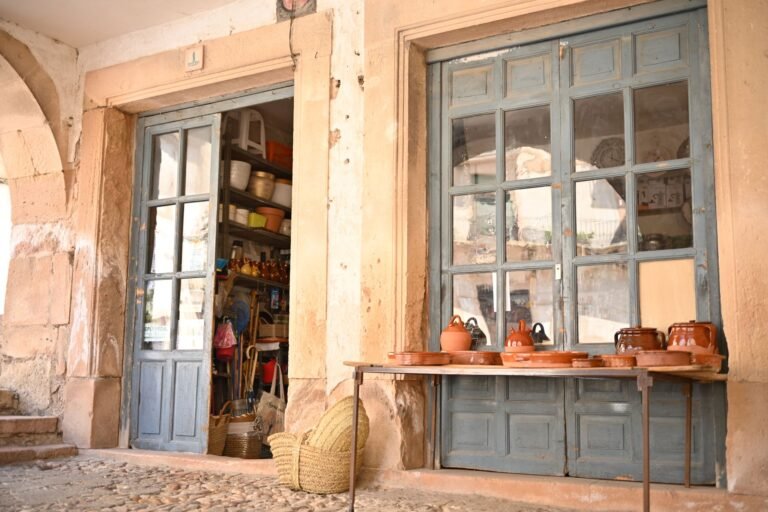
For those interested in exploring more of Spain’s cultural heritage, consider checking out the unique Ubeda Pottery Workshops, offering a different kind of artistic immersion.
Food and Practicalities for a First-Timer’s Guide Las Fallas Valencia
Las Fallas is an endurance event, and you’ll need fuel! While Valencia is famous for its paella, during the festival, you’ll find an abundance of street food that’s easy to grab and eat on the go. Spring fairs elsewhere in Spain run on a similar all-day-into-night rhythm – if Malaga’s Feria is next on your list, our first-timer guide covers what to expect.
What to Eat:
- Buñuelos de Calabaza: These deep-fried pumpkin fritters are the undisputed king of Fallas street food. Served hot and dusted with sugar, they are a must-try. Expect to pay €3-€5 for a plate of 3-5 buñuelos. Look for the temporary stalls (churrerías) set up everywhere.
- Churros con Chocolate: Another classic fried dough pastry, often served with a thick, rich hot chocolate for dipping. A portion of churros costs around €3-€4.
- Porras: Similar to churros but thicker and often straighter. Great for soaking up that rich chocolate.
- Paella: While you won’t find many authentic paella restaurants operating at peak capacity during the festival, some will offer takeaway portions. For a sit-down meal, you’ll need to book well in advance. Consider seeking out a restaurant a little further from the absolute core tourist zones for a more genuine experience.
- Horchata and Fartons: Valencia’s signature non-alcoholic drink, horchata, made from tigernuts, is refreshing and subtly sweet. Paired with fartons, long, glazed pastries perfect for dipping, it’s a delightful afternoon treat. A glass of horchata and a couple of fartons will cost around €4-€6.
Budget Tips:
Beyond accommodation, food and activities can add up. Here’s a rough daily budget:
| Category | Low Budget (per day) | Mid-Range Budget (per day) |
|---|---|---|
| Food (street food, basic meals) | €20-€30 | €40-€60 |
| Transport (metro/bus pass, occasional taxi) | €5-€10 | €10-€20 |
| Activities (museums, exhibition) | €5-€10 | €10-€20 |
| Souvenirs/Miscellaneous | €5-€15 | €15-€30 |
| Total (excl. accommodation) | €35-€65 | €75-€130 |
Remember these are estimates. If you book balcony seats for the Mascletà or Cremà, that will significantly increase your daily spend for those specific days. Plan to spend more on March 18th (Nit del Foc) and 19th (Cremà) as there’s more demand for food and last-minute amenities. Always carry some smaller denomination notes (€5, €10, €20) as many street vendors might not have change for large bills, and card machines can be unreliable in outdoor settings.
Essential Packing List:
- Comfortable Walking Shoes: This is non-negotiable.
- Layers of Clothing: March weather can be unpredictable. Warm sunny days (18-22°C) can turn into chilly evenings (8-12°C).
- Earplugs: For the Mascletà, fireworks, and general firecracker noise, especially if you’re sensitive to sound.
- Small Backpack/Crossbody Bag: Keep your essentials secure and close to your body to deter pickpockets.
- Portable Phone Charger: You’ll be using your phone a lot for photos, maps, and checking schedules, and outlets are scarce.
- Water Bottle: Stay hydrated. You can refill it at public fountains or cafes.
- Sunscreen and Hat: If the sun is out, it can be strong, especially after long hours outdoors.
Finally, embrace the chaos! Las Fallas is a sensory overload in the best possible way. It’s loud, crowded, and at times overwhelming, but it’s an experience unlike any other. Keep an open mind, go with the flow, and let the energy of Valencia sweep you up. For a complete first-timer’s guide las fallas valencia, don’t forget to research the smaller, local fallas committees, as they often have their own unique events and a more intimate atmosphere than the major city-wide spectacles. Once the fireworks are over, the orange groves just outside the city make a calm contrast – see our guide to visiting them.
Spain’s festival calendar keeps going after March – see our guides to San Fermin in Pamplona and La Tomatina for what comes next.
FAQ: First-Timer’s Guide Las Fallas Valencia – Common Questions
Is Las Fallas suitable for families with young children?
Yes, but with caveats. Children will love the colorful fallas and the lively atmosphere. However, the crowds can be immense and overwhelming, especially for small children, and the noise from the mascletà and general firecrackers can be very loud. Consider bringing noise-canceling headphones, and plan to view major events from a distance or book balcony seats for a less intense experience. Also, factor in plenty of rest time. The children’s fallas and the Ninot Exhibition are particularly child-friendly.
What are the best areas to stay in Valencia during Las Fallas?
For ease of access to the main events, staying in the Ciutat Vella (Old Town), Ensanche, or Ruzafa is ideal, but these areas are the most expensive and book up fastest. Benimaclet offers a slightly more residential feel with good metro links. For more budget-friendly options, consider neighborhoods a bit further out like Patraix or Campanar, and rely on the metro, which runs extended hours during the festival. Wherever you stay, remember to book far in advance.
How do I find out about the official schedule of events?
The official schedule is usually published by the Junta Central Fallera a few weeks before the festival. You can find it on the official Valencia tourism website or by searching for “Programa Fallas Valencia” online. Local newsstands will also sell small programs (programas falleros) in early March. Look for updated information on the EMT Valencia (bus) and MetroValencia apps for public transport changes and station closures.
Can I see all the major Fallas on foot?
You can certainly see many of the main “Special Category” fallas on foot if you dedicate a full day and are prepared for extensive walking. The Ciutat Vella and Ensanche districts host a high concentration of the larger fallas. Pick up a falla map (mapa fallero) from a tourist office or newsstand (kiosko) to plan your route. Expect to walk several kilometers, navigating crowds and closed streets. It’s a great way to discover the city, but prioritize which ones you want to see most.
Planning your first trip to Las Fallas requires some forethought, but the reward is an unforgettable experience unlike any other festival in Spain. To continue exploring the diverse landscapes and adventures Spain offers, check out our guide on a Galicia Coastal Road Trip Itinerary for a completely different kind of Spanish escape.