Visiting Valencia’s Orange Groves: A Practical Guide
Some links in this guide are affiliate links — if you book through them we may earn a small commission at no extra cost to you. It never changes what we recommend. Full disclosure.
Many people arrive in Valencia drawn by its impressive architecture, the sandy beaches, or the promise of incredible paella, and while those elements are certainly compelling, for me, the true, enduring spirit of the region lives just beyond the city’s limits. A valencia orange groves visit isn’t just about fruit; it’s an immersion into the history, the scent, and the very soul of this sun-drenched land. You might expect a quick photo opportunity among the trees, but what you’ll uncover is a profound connection to how life has thrived here for centuries, how the land shapes the culture, and why these golden fruits are so much more than just a sweet snack. This guide will help you experience the beating heart of Valencia’s citrus country, showing you the real stories behind the groves.
This article contains affiliate links. If you book through one, Spain Destination may earn a small commission at no extra cost to you. See the full affiliate disclosure →
Quick Answer: Valencia Orange Grove Experiences
Visiting Valencia’s orange groves typically involves a guided tour of a working farm, an experience lasting around 2-3 hours where you’ll delve into the region’s rich cultivation history, taste various fresh oranges and local derivatives, and often get to participate in seasonal picking, with adult entry prices generally starting from €30 per person.
Choosing Your Orange Grove Experience: What’s Available?
When planning your orange grove experience, you’ll generally choose between a half-day farm tour, often including transport from Valencia and lasting about 4-5 hours, or a direct farm visit where you arrange your own travel and spend roughly 2-3 hours on site, with tours like those at Huerto Ribera offering a detailed dive into citrus farming. The choice depends on how much you want to handle logistics yourself and your budget.
Most visitors opt for a guided tour that includes transportation from a central point in Valencia city. These tours simplify your day significantly, taking you directly to a family-run farm, often in the nearby Ribera Alta or Camp de Túria regions. You’ll find options for small group tours that depart from Plaza de Toros or Estación del Norte around 9:00 AM or 2:00 PM. The cost for these integrated tours typically ranges from €45 to €70 per person, covering round-trip transport and the guided farm experience.
Alternatively, if you have access to a rental car and prefer flexibility, you can book a direct visit with a specific farm. This is often a more intimate way to experience the groves. One of the most well-known and respected operations is Huerto Ribera in Carcaixent. They offer guided tours directly on their farm, focusing on sustainable practices and the history of orange cultivation in Valencia. You pay for the tour on arrival, usually around €30-€35 for adults, and children under 12 often pay a reduced rate of €15-€20. Booking directly with the farm requires you to check their specific opening hours and tour availability, which can vary. Many farms require a minimum group size, so pre-booking is almost always essential.
Here’s a comparison of typical visit options:
| Option | Travel | Duration | Typical Cost (Adult) | Key Inclusions |
|---|---|---|---|---|
| Full Tour Package (e.g., via Viator) | Included return transport from Valencia city center | 4-5 hours total | €45 – €70 | Transport, guided farm tour, tasting, sometimes a snack |
| Direct Farm Visit (Self-Drive) | Your own transport (rental car recommended) | 2-3 hours on farm | €30 – €35 | Guided farm tour, tasting, often seasonal picking |
Remember that while a full tour package might seem more expensive initially, it often saves you the hassle and cost of car rental, fuel, and navigating unfamiliar country roads. To compare various tour options and find one that suits your schedule, you can check available Valencia tours from reputable providers.
The Rhythms of the Grove: When to Visit for the Best Experience
For the most vibrant experience, plan your visit to the orange groves between late October and May, which is the main harvest season, ensuring you see trees laden with ripe fruit and possibly partake in picking, though tours operate year-round with varying focuses. This period offers the most visual splendor and tactile engagement.
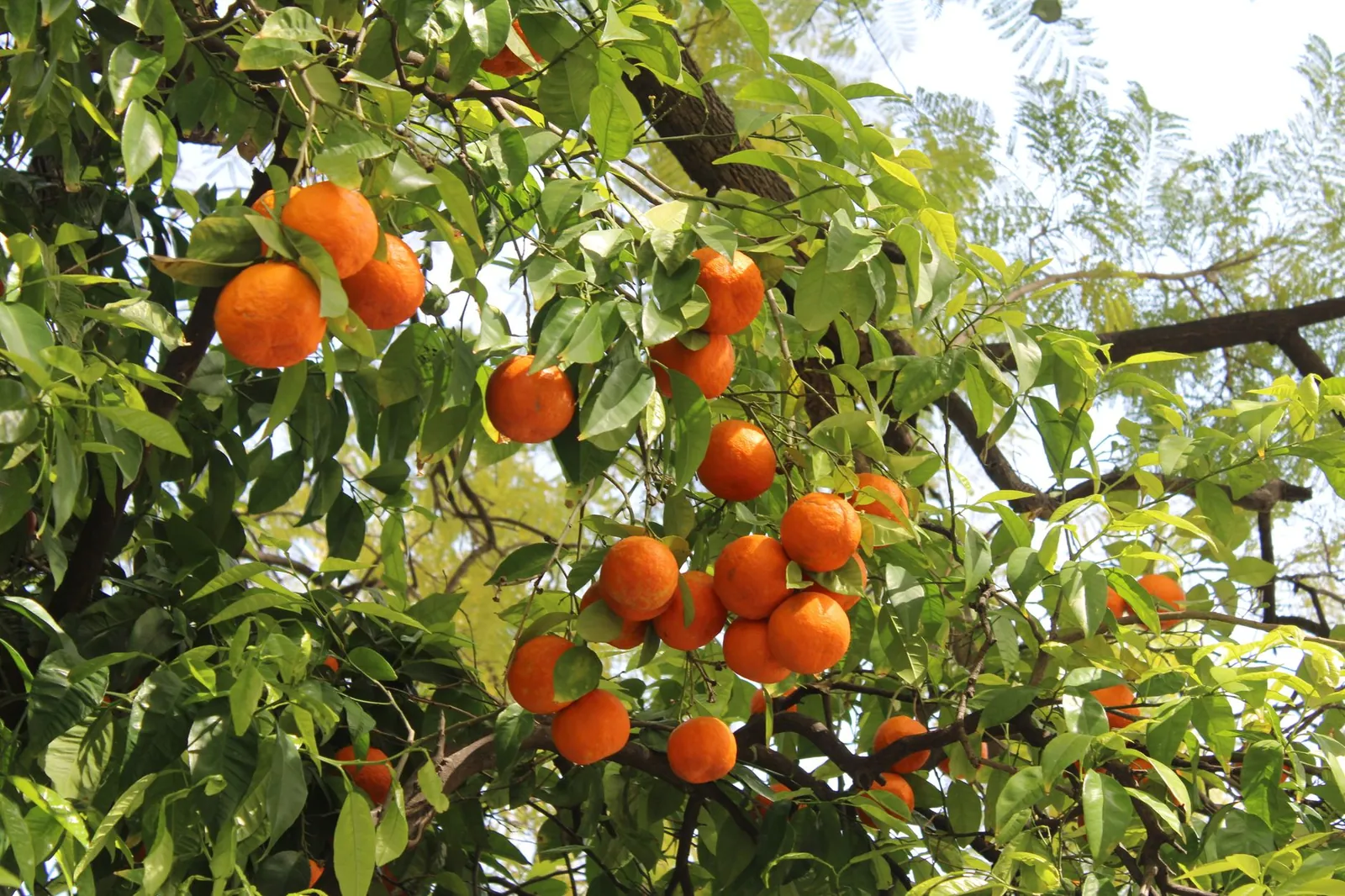
During the peak season, from late October through May, the groves are truly a sight to behold. The trees burst with glossy green leaves and heavy, golden fruit, creating a striking contrast that feels uniquely Valencian. This is when many farms offer hands-on picking experiences as part of their tours. You get to step into the groves, learn the techniques, and pluck oranges directly from the branch, tasting them fresh from the sun. The air fills with the sweet, clean scent of citrus blossoms and ripe fruit – it’s an olfactory experience as much as a visual one.
Even outside the main harvest, the groves offer something special. In spring (March-April), you might witness the “azahar” – the orange blossom season. The trees explode with delicate white flowers, filling the air with an intoxicating fragrance. While there won’t be fruit to pick, it’s a beautiful time to appreciate the life cycle of the trees and understand the source of the region’s famous scent. In summer, the trees are green and lush, with developing fruit. The tours during this time often focus more on cultivation techniques, the history of irrigation, and the future of sustainable farming, rather than picking.
Here’s a seasonal breakdown:
- Late October – February: Peak harvest for Navel and other early-season varieties. Trees are full of fruit. Ideal for picking experiences.
- March – May: Late harvest for some varieties, but also the peak of orange blossom (azahar). A fantastic time for aroma and seeing both fruit and flowers.
- June – September: Green season. Fruit is developing. Tours focus on growth cycles, history, and irrigation systems. The weather will be warmer, so plan for earlier morning visits.
My advice is to aim for late autumn through spring if your schedule allows. There’s a particular magic in walking among the trees when they’re heavy with their golden bounty. Many farms, such as the aforementioned Huerto Ribera, adapt their tours to the season, so you’ll always gain valuable insight, but the full sensory experience is amplified during harvest.
Beyond the Fruit: What a Real Grove Visit Entails
A true visit to a Valencian orange grove goes beyond merely seeing the trees; it involves learning the region’s 800-year citrus history, engaging in hands-on picking during season, and tasting various orange varieties and derived products, typically over a 2-hour guided session. You’re there to understand the culture as much as the fruit itself.
When you arrive at a working orange farm, you’re not just stepping onto a plot of land; you’re entering a living history book. Most tours start with an introduction to the farm and the legacy of orange cultivation in Valencia. You’ll learn about the introduction of citrus by the Arabs centuries ago, the intricate irrigation systems they developed – many still in use today – and how this fruit became a cornerstone of the Valencian economy and identity. It’s a compelling story that connects you to the land in a way that simply admiring the fruit in a market can’t.
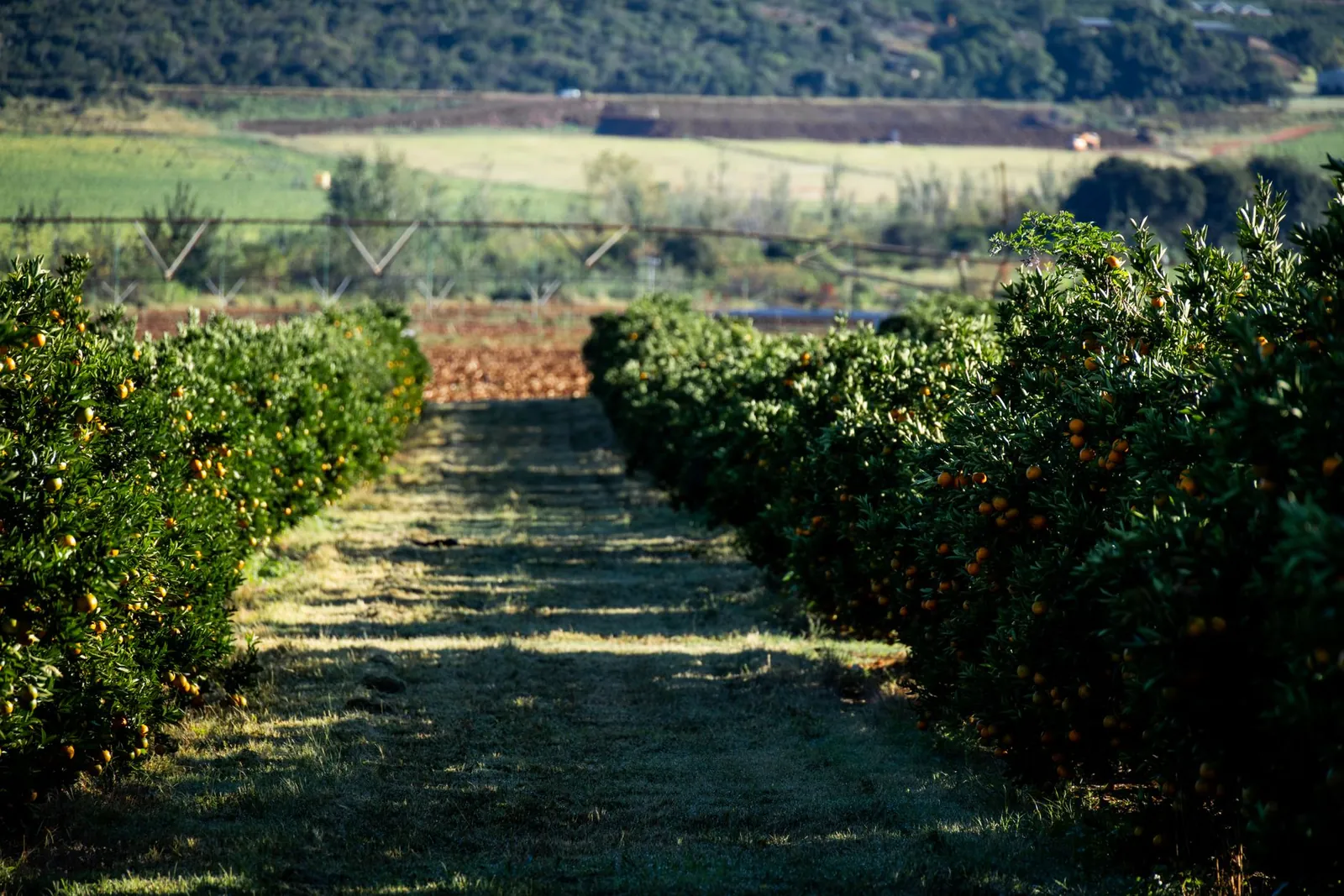
Next, you’ll walk through the groves themselves. This is your chance to appreciate the scale and beauty of the orchards. Your guide, often a member of the farming family, will explain the different varieties of oranges and mandarins, how they’re cared for, and the challenges of modern agriculture. You’ll see the delicate blossoms, the green fruit, and the ripe oranges, depending on the season. If it’s harvest time, you’ll typically be invited to pick your own oranges. It’s a simple act, but there’s a genuine satisfaction in plucking a perfect orange from the tree, smelling its zest, and peeling it right there.
The tasting portion is always a highlight. This isn’t just about trying a few slices; it’s an education in flavor. You’ll sample different varieties – perhaps a sweet Navel, a slightly tart Valencia Late, or a juicy blood orange – and learn to distinguish their nuances. Many farms also offer tastings of products made from their oranges, such as fresh juice, marmalade, or even traditional sweets. This deep dive into the flavors truly brings home the versatility and value of the fruit.
Beyond the agricultural aspects, these visits offer a glimpse into the rhythm of rural Valencian life. You see the dedication of the farmers, the tools they use, and the traditional methods still employed alongside modern techniques. It’s a reminder that Spain’s beauty isn’t just in its grand monuments but in its enduring connection to the land and the people who work it. It reminds me of the enduring connection to nature you find walking Spain’s olive groves in other parts of the country.
Practicalities and Planning Your Trip
To reach most orange groves outside Valencia city, you’ll typically need to arrange transport via car rental or a pre-booked tour, as public transport options are limited, with entry fees for a guided farm visit generally starting at €35 per adult. Ensuring you plan your travel in advance will make your day seamless.
Transportation: If you opt for a tour that includes transport, you’ll be picked up from a designated meeting point in Valencia. If you’re driving yourself, be aware that many farms are located down small, sometimes unpaved, country roads. Using Google Maps or Waze is essential, but also be prepared for potentially narrow turns. Driving from central Valencia to areas like Carcaixent or Cullera, where many groves are found, takes approximately 30-50 minutes, depending on traffic and the specific farm location.
Public transport to the specific farms is generally not practical. While regional trains (Cercanías) run to towns like Carcaixent (around €4-€6 one way from Valencia’s Estación del Norte, taking about 45 minutes), you would then need a taxi from the station to the farm, which can add significant cost and complexity, potentially another €15-€20 each way. Renting a car for the day is often the most convenient option if you’re not on an organized tour, giving you the freedom to explore at your own pace. You can often find decent daily rates for small cars starting from €25-€40.
Booking: Always book your orange grove visit in advance. Especially during peak season (November-May), tours can fill up quickly. Most farms have online booking systems or require an email/phone call. Spontaneous visits are rarely possible, as these are working farms, not always set up for walk-ins. Check their official websites for specific opening hours, which can vary by day and season. Some farms close for a midday siesta, so confirming your arrival time is critical.
What to Bring: Consider these essentials for your visit:
- Comfortable Walking Shoes: You’ll be walking on uneven terrain in the groves.
- Sun Protection: A hat, sunglasses, and sunscreen are crucial, even in winter, as the Valencian sun can be strong.
- Water Bottle: Stay hydrated, especially if visiting during warmer months.
- Camera: The groves are incredibly photogenic, with the golden fruit against the green leaves.
- Small Bag/Backpack: To carry any oranges you pick or local products you might purchase.
- Cash/Card: For farm shop purchases or additional snacks.
Accessibility: Most orange groves are working agricultural spaces, which means paths can be unpaved, uneven, and sometimes muddy after rain. If you have mobility concerns, it’s best to contact the specific farm directly to inquire about their accessibility. Some newer facilities or visitor centers might be wheelchair-friendly, but the actual grove paths may not be.
Why Valencia Orange Groves Visit Matters
For me, visiting a Valencian orange grove isn’t just an activity; it’s a vital connection to the land and the agricultural soul of Spain, offering a tangible understanding of local life that a museum simply can’t provide, making the experience invaluable for grasping Valencian culture. It’s an honest, humbling look at a core part of this region.
Experiences like these are what truly deepen your appreciation for the country. It’s easy to get caught up in the big cities, the famous monuments, the well-trodden paths. But when you step into an orange grove, you’re touching something fundamental. You’re seeing the hands-on work that has sustained families and communities for generations. You’re understanding the effort behind the food that graces tables across Spain and beyond.
This isn’t a manufactured tourist attraction; it’s a working farm opening its doors, sharing its legacy. The farmers you meet are real people, passionate about their land and their produce. Their stories are genuine, and their knowledge is encyclopedic. It’s a quiet form of education, far removed from any classroom, that leaves you with a lasting impression. You feel the warmth of the sun on your skin, the scent of the oranges, the texture of the leaves – it’s a full sensory immersion into Valencian identity.
It’s an experience I would always recommend over a generic city tour if you have to choose one or the other for a half-day outing. It provides a contrast to the urban energy of Valencia and offers a perspective on the region that few other activities can. It’s a reminder that Spain, in all its complexity, is deeply rooted in its land, its agriculture, and the simple, enduring beauty of its natural resources. If you’ve enjoyed the Seville orange tree charm, then seeing the groves where they’re grown here in Valencia will complete the picture.
Common Questions About Valencia Oranges
Can you pick oranges in Valencia?
Yes, absolutely. During the main harvest season, typically from late October through May, many orange grove tours specifically include a guided opportunity for visitors to pick their own oranges directly from the trees. This hands-on activity is often a highlight of the visit and allows you to enjoy the freshest possible fruit.
How far are the orange groves from Valencia city?
Most commercial orange groves that offer tours are located in the agricultural areas surrounding Valencia city, such as Ribera Alta or Camp de Túria. These areas are generally within a 30-minute to 1-hour drive from the city center, making them easily accessible for a half-day excursion, especially if you join a tour with included transportation.
What’s the best time of year for orange groves?
The best time to visit the orange groves for seeing fruit on the trees and possibly picking is between late October and May, which aligns with the primary harvesting season. If you are interested in seeing the fragrant orange blossoms (azahar), late March to April is ideal, though there will be less ripe fruit.
Are orange grove tours suitable for children?
Yes, orange grove tours are generally very suitable and enjoyable for children. The hands-on experience of picking fruit, learning about farming, and tasting fresh oranges appeals to their curiosity. Many farms offer reduced prices for children, and the outdoor setting provides ample space for them to explore. It’s a wonderful educational experience for the whole family.
Stepping into a Valencian orange grove is far more than just a passing acquaintance with a fruit; it’s a moment of quiet connection to Spain’s deep agricultural history and the enduring spirit of its land. You leave with the scent of citrus on your hands and a clearer understanding of the dedication that nourishes this corner of the world, a feeling I find truly rewarding. If you’re looking for another authentic cultural experience rooted in Valencian traditions, understanding the local context for Las Fallas in Valencia offers a similarly rich insight into the region’s soul.
About Valencia Orange Groves Visit
This guide is part of Spain Destination’s library of Spain travel and lifestyle content, written with AI assistance and checked against official sources where possible. See how this site is researched and fact-checked →