Pescaito Frito: Cadiz’s Fried Fish, Made in Your Kitchen
Some links in this guide are affiliate links — if you book through them we may earn a small commission at no extra cost to you. It never changes what we recommend. Full disclosure.
You’ve been to Andalucía, haven’t you? You sat at a chiringuito by the sea, the sun warm on your skin, a cool glass of limonada in hand. Then came that plate: a glistening pile of perfectly golden-fried fish, crispy, light, and seasoned just right. Maybe it was tiny boquerones, delicate calamares, or succulent bacalao. You took a bite and thought, “I need to learn how to make this at home.” You’re not alone. Many try, but replicating that authentic taste can be tricky. Don’t worry, you absolutely can master the authentic pescaito frito recipe right in your own kitchen. This guide walks you through it, from choosing the freshest fish to achieving that irresistible crunch without a hint of greasiness. Let’s get frying!
This article contains affiliate links. If you book through one, Spain Destination may earn a small commission at no extra cost to you. See the full affiliate disclosure →
Quick Answer
To master the recipe, you need super fresh, small fish, a light dusting of flour, high-quality olive oil, and the correct frying temperature. The key is minimal seasoning and frying in small batches to ensure crispiness without excess oil.
What Exactly is Pescaito Frito? Your Introduction to Andalucía’s Fried Fish Culture
When you hear “pescaito frito,” you’re not just hearing about fried fish; you’re hearing about a culinary institution deeply ingrained in the culture of Andalucía, Spain’s southernmost region. This isn’t your standard fish and chips. Pescaito frito is lighter, often uses smaller, whole fish, and emphasizes the natural flavour of the seafood. It’s a staple in coastal cities like Cádiz, Málaga, and Seville, served everywhere from humble tascas to upscale restaurants.
The term “pescaito” itself is an Andalusian diminutive of “pescado” (fish), often referring to the smaller fish traditionally used. You’ll typically find a mix on a platter, reflecting the daily catch. Common types include: For the sweet course after all that fried fish, the egg-yolk yemas of Ronda are the traditional answer.
- Boquerones: These tiny anchovies are perhaps the most iconic. Fried whole, they’re eaten head and all (though some prefer to remove the head and gut first).
- Calamares: Not just any calamari, but often small, tender rings or strips of squid, fried quickly until tender inside and crisp outside.
- Chanquetes: These are very small, translucent fish, sometimes called “whitebait.” Their availability can be seasonal and regulated, making them a special treat.
- Gambas rebozadas: While not strictly “pescaito,” battered shrimp are often served alongside.
- Pescadilla: Small hake, often cut into pieces.
- Adobo: This isn’t a type of fish, but a preparation. Fish (often dogfish or cazón) is marinated in a mixture of vinegar, garlic, oregano, and cumin before being floured and fried. It has a distinctive tangy flavour.
The beauty of pescaito frito lies in its simplicity. It’s about letting the fresh, quality ingredients shine. The secret is usually a very thin coating of flour, often a specific type like chickpea flour (harina de garbanzo) or a mix, which gives it a unique crispness. Forget thick batters; this is about a delicate crunch that gives way to tender, moist fish. If you’re visiting Andalucía, you’ll find incredible examples. For instance, in Cádiz, head to La Freiduría Las Flores, a classic spot in the Mercado Central, where they’ve been perfecting it for generations. A generous cone of mixed pescaito will set you back around €8-12, depending on the day’s catch. Trust me, it’s worth seeking out.
Mastering Pescaito Frito Recipe: Ingredients and Sourcing
The foundation of an truly the recipe is fresh fish. You can’t fake freshness, and any shortcuts here will compromise the final result. If your fish isn’t top-notch, even the best technique won’t save it. So, let’s talk about sourcing and what you’ll need.
Choosing Your Fish
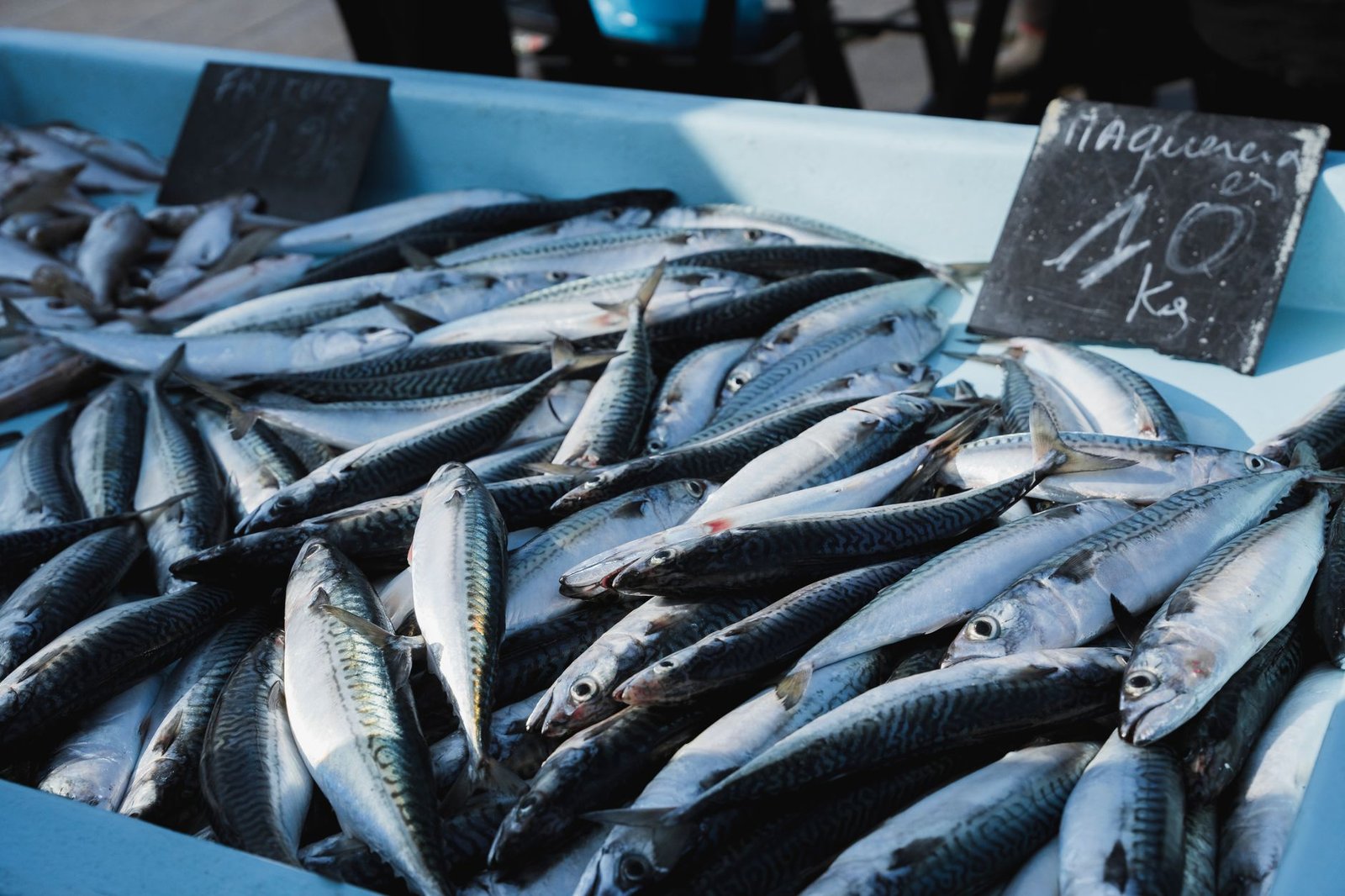
Head to your local fishmonger or market. Look for fish that:
- Smells like the sea, not “fishy”: A strong, unpleasant smell means it’s not fresh.
- Has clear, bright eyes: Cloudy or sunken eyes are a red flag.
- Has bright red gills: Pale or brownish gills indicate older fish.
- Has firm, shiny flesh: It should spring back when gently pressed.
For your first attempt, I recommend starting with boquerones or small calamari. They are forgiving and deliver that classic experience. If you can’t find boquerones, small sardines or smelt can be good substitutes, though not traditionally “pescaito frito.”
Ingredients List (Serves 4)
- 500g fresh Boquerones (small anchovies), or a mix of small fish like Calamari rings/strips, small Pescadilla pieces. Ask your fishmonger to clean and gut them, leaving them whole. If doing it yourself, use kitchen shears to snip off the head and gut, then rinse thoroughly.
- 100g Harina de Trigo (wheat flour) or Harina de Garbanzo (chickpea flour). A 50/50 mix is also excellent. The chickpea flour adds a unique crispness and flavour.
- 1 teaspoon fine sea salt.
- 500ml-1 Litre high-quality Extra Virgin Olive Oil for frying. This isn’t the time to skimp. Spanish EVOO is perfect. You need enough to submerge the fish.
- Lemon wedges, for serving.
Cost Breakdown for Ingredients (Approximate)
| Item | Typical Cost (EUR) |
|---|---|
| Fresh Boquerones (500g) | €4 – €7 |
| Fresh Calamari (500g) | €8 – €12 |
| Olive Oil (1 Litre, good quality) | €6 – €12 |
| Flour (500g) | €0.50 – €1.50 |
| Lemons (2-3) | €1 – €2 |
| Total Estimated Cost (excl. oil) | €6.50 – €22.50 |
This cost table gives you an idea. The main variable is the fish itself, depending on type and seasonality.
Pescaito Frito Recipe: Step-by-Step at Home
Now for the fun part! This process is simple but requires attention to detail. Don’t rush it.
Preparation Steps:
- Clean and Dry the Fish: If your fishmonger hasn’t done it, clean and gut the boquerones (or other small fish). This is crucial: once cleaned, rinse the fish under cold water and then, and this is critical, dry them *exceptionally well*. Lay them out on paper towels, then pat them with more paper towels. Any excess moisture will make your oil splatter and prevent crispness. You want them bone dry.
- Season Lightly: Place the dry fish in a large bowl. Sprinkle with the teaspoon of fine sea salt. Toss gently to coat evenly. Remember, the fish itself should be the star, so don’t over-season.
- Flour the Fish: In a shallow dish or a large, sturdy plastic bag, combine your chosen flour (wheat, chickpea, or mix). Add the fish in small batches (this is important!). Toss or shake to coat the fish lightly and evenly.
- Remove Excess Flour: This is a key step. Place the floured fish in a fine-mesh sieve or colander and shake vigorously over a sink or waste bin. You want to remove as much excess flour as possible. The goal is a very thin, almost invisible coating. Too much flour leads to a heavy, pasty crust, not the delicate crunch you’re after.
Frying Steps:
- Heat the Oil: Pour the olive oil into a deep, heavy-bottomed pan or a large cast-iron skillet. You need enough oil so that the fish can be mostly, if not fully, submerged. Heat the oil over medium-high heat until it reaches approximately 175-180°C (350-356°F). If you don’t have a thermometer, drop a tiny pinch of flour into the oil; it should sizzle immediately but not burn. The oil should be shimmering but not smoking.
- Fry in Batches: Gently add a single layer of fish to the hot oil. Do not overcrowd the pan. Overcrowding will lower the oil temperature too quickly, leading to soggy, greasy fish. Fry just enough fish so they aren’t touching each other.
- Cook Until Golden: Fry the fish for 2-4 minutes, depending on size, until they are beautifully golden brown and crispy. They cook quickly! Use a slotted spoon or spider skimmer to gently turn them if needed for even cooking.
- Drain: Once golden and crispy, remove the fish with your slotted spoon and transfer them immediately to a plate lined with several layers of paper towels. This helps drain any excess oil.
- Repeat: Continue frying the remaining fish in small batches, ensuring the oil temperature returns to optimum between batches. Don’t let the oil get too cool.
Serving:
Serve the pescaito frito immediately, while it’s still hot and crispy. A generous squeeze of fresh lemon juice is essential. That’s it! No fancy sauces needed. This is the truly authentic experience.
Perfect Pairings & Essential Sides: Elevate Your Pescaito Experience
Pescaito frito is a dish that shines brightest with simple, complementary pairings. You won’t find it smothered in heavy sauces or accompanied by elaborate side dishes. The Spanish way is all about enhancing, not overshadowing, the star of the show.
Drinks
- Cold Mosto: This is the classic, quintessential pairing at any Andalusian chiringuito. Mosto (grape juice) is crisp enough to cut through the richness of the fried fish and cleanse the palate, and it’s what locals order alongside pescaito frito as often as anything else.
- Ice-Cold Soft Drink: A super cold soft drink or sparkling water is another fantastic choice. Its refreshing chill is a perfect counterpoint to the fried fish.
- Sparkling Lemonade: A light, crisp limonada works wonderfully alongside the fish, especially in the summer heat.
Sides
- Fresh Lemon Wedges: Non-negotiable! A squeeze of fresh lemon juice brightens the flavour and adds a crucial acidic counterpoint.
- Simple Green Salad: A basic salad of lettuce, tomato, and onion, dressed simply with good olive oil, vinegar, and salt, is often served. It provides a refreshing contrast to the richness of the fried fish.
- Pipirrana: Especially in areas like Jaén or Málaga, a pipirrana might accompany it. This is a refreshing salad made from finely diced tomatoes, green peppers, onion, and cucumber, dressed with olive oil and sherry vinegar.
- Bread: A crusty baguette or local bread is always present at Spanish tables, perfect for soaking up any olive oil remnants (though if done right, there won’t be much!) or just munching alongside. A fresh barra de pan (baguette) usually costs €1-1.50.
You won’t typically see chips (fries) with pescaito frito in Spain. If you want another fried potato dish, I strongly recommend you learn how to make Patatas Bravas authentic for a truly Spanish side.
Common Mistakes to Avoid and Expert Tips
Even though the recipe is straightforward, there are a few common pitfalls that can turn your crispy dreams into a greasy nightmare. Pay attention to these details, and you’ll be golden.
Mistakes to Avoid:
- Not Drying the Fish Properly: This is arguably the biggest mistake. Wet fish lowers the oil temperature dramatically, creates steam (leading to soggy fish), and causes serious oil splattering. Seriously, get those fish bone dry.
- Overcrowding the Pan: It’s tempting to try and fry everything at once, but resist! This is another fast track to lower oil temperature, less crispy fish, and uneven cooking. Fry in small batches. It takes a little longer, but the results are worth it.
- Using the Wrong Oil or Not Enough: Don’t use a flavourless vegetable oil if you want an authentic taste. Extra virgin olive oil is traditional and lends its characteristic flavour. Make sure you use enough oil so the fish can swim freely; shallow frying often leads to uneven cooking.
- Oil Temperature Too Low or Too High: If the oil is too cold, the fish will absorb too much oil and become greasy. If it’s too hot, the outside will burn before the inside cooks, or it will cook too quickly without achieving that deep golden hue. Aim for 175-180°C (350-356°F). A kitchen thermometer is your friend here.
- Too Much Flour: A thick layer of flour results in a heavy, claggy coating rather than a light, crispy one. Shake off all excess flour!
- Not Serving Immediately: Pescaito frito is meant to be eaten fresh out of the fryer. As it sits, it loses its crispness.
Expert Tips for Success:
- Use a Large, Wide Pan: This gives you more surface area for frying in batches and helps maintain oil temperature. A heavy-bottomed pan ensures even heat distribution.
- Ventilation is Key: Frying fish creates a lot of smell. Open windows, turn on your extractor fan, or even consider frying outside if you have the setup.
- Don’t Be Afraid of the Oil: Good olive oil, heated correctly, won’t make your fish greasy. The fish cooks so quickly that it forms a barrier and doesn’t absorb much oil.
- Season Appropriately: A simple sprinkle of fine sea salt before flouring is usually all you need. You want the flavour of the sea to shine.
- Consider a Food Tour: If you’re ever in Andalucía and want to delve deeper into the region’s cuisine, you could always book an Andalusian food tour on Viator. They often include tastings of local specialities like pescaito frito and provide fascinating cultural insights.
Malaga’s food scene goes well beyond fried fish – a hands-on cooking class in Malaga is the fastest way to learn the rest of it.
FAQ: Pescaito Frito – Common Questions
What’s the best oil for pescaito frito?
High-quality extra virgin olive oil is traditionally used and recommended for its flavour and stability at high temperatures. While you can use other high-smoke-point oils like sunflower or grapeseed, olive oil adds an authentic, subtle fruity note that is quintessential to the dish.
Can I use frozen fish for pescaito frito?
While technically possible, I strongly advise against it for an authentic experience. Frozen fish, especially smaller varieties, often releases too much water when thawed, making it difficult to get that perfectly crisp, non-greasy texture. Fresh fish is paramount for this recipe.
What’s the main difference between pescaito frito and British fish and chips?
The differences are significant. Pescaito frito typically uses smaller, often whole fish, with a very light dusting of flour. Fish and chips usually feature larger fillets (like cod or haddock) in a thick, often beer-based, batter. Pescaito frito is served with lemon, while fish and chips come with salt, vinegar, and sometimes mushy peas or tartare sauce. They are distinct culinary traditions.
How do I get my fish crispy without it being greasy?
Several factors contribute: ensuring the fish is bone dry before flouring, using very hot oil (175-180°C), frying in small batches to maintain oil temperature, and immediately draining the cooked fish on paper towels. The goal is to cook the fish quickly so it forms a crisp crust before absorbing oil.
Can I prepare the fish in advance?
You can clean and dry the fish a few hours in advance, keeping it covered in the refrigerator. However, it’s best to flour the fish just before frying and to fry and serve it immediately for the absolute best texture and flavour. Pescaito frito does not reheat well.
So, there you have it. The secret to that incredible, light, and crispy fried fish you remember from Andalucía is no longer a secret. With fresh ingredients, a little care in preparation, and careful frying technique, you can bring the sunshine and flavour of the Spanish coast right into your own home. Trust me, once you master the recipe, it will become a favourite. And if you’re looking for another classic Spanish dish to perfect, why not check out our guide on how to make Patatas Bravas authentic?