Step into the Triana Seville neighborhood daily life
Some links in this guide are affiliate links — if you book through them we may earn a small commission at no extra cost to you. It never changes what we recommend. Full disclosure.
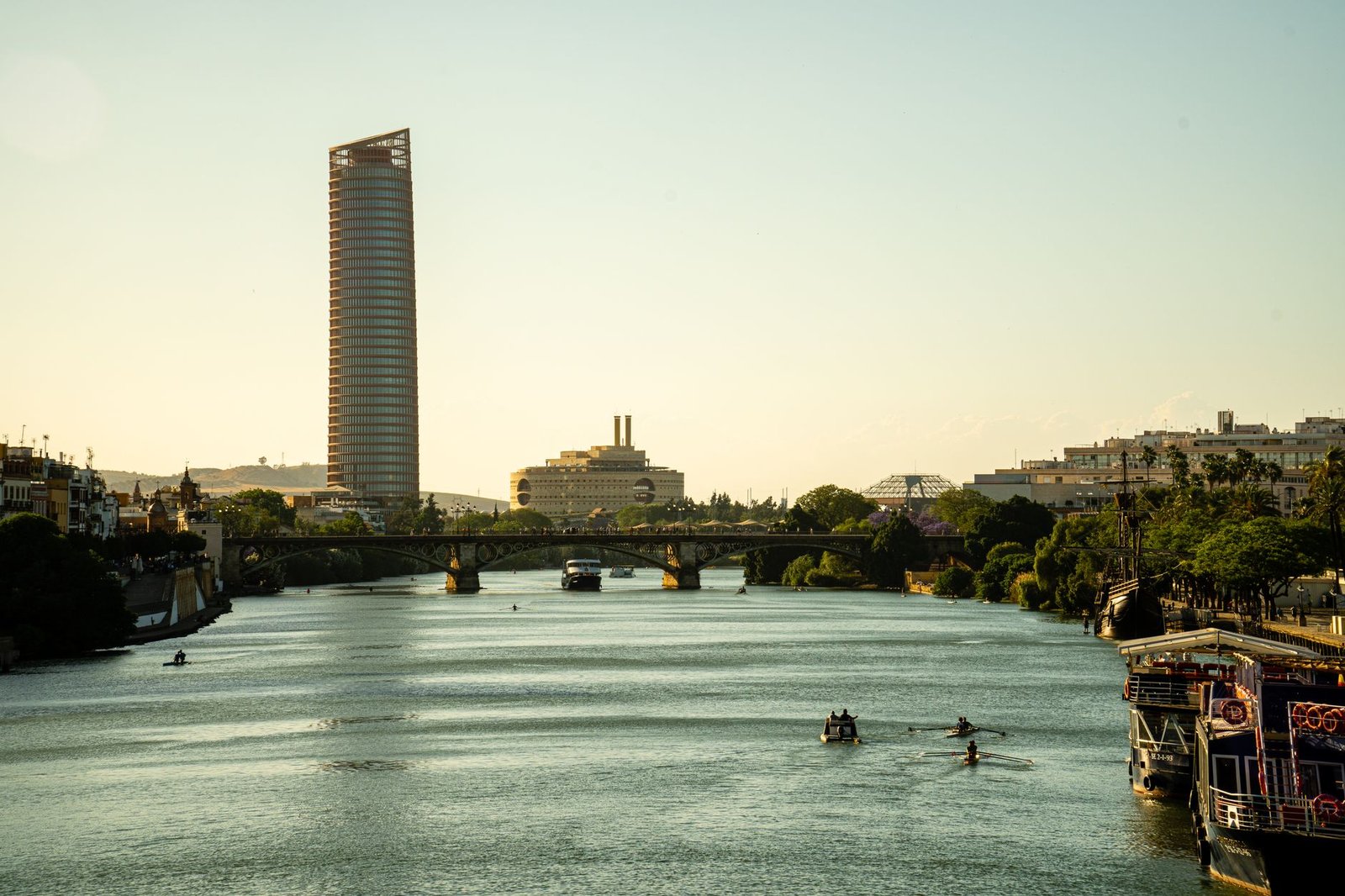
Many visitors to Seville stick to the historic center, ticking off the Cathedral, Alcázar, and Plaza de España before moving on. But if you truly want to step into the triana seville neighborhood daily life, you need to cross the river, over the iconic Puente de Triana, and immerse yourself in the district that considers itself a city apart. Triana isn’t just a postcard view; it’s a living, breathing part of the city, fiercely independent and wonderfully authentic. This guide will walk you through the real Triana, from its morning market bustle to the quiet corners where local traditions thrive, showing you exactly how to experience it like a local, not just a passing guest.
This article contains affiliate links. If you book through one, Spain Destination may earn a small commission at no extra cost to you. See the full affiliate disclosure →
Quick Answer: Triana’s Authentic Charm
Triana is Seville’s historic, artisan neighborhood situated on the west bank of the Guadalquivir River, known for its strong identity, deep roots in ceramics and flamenco, and vibrant local life centered around its bustling market and riverfront. It offers a genuine glimpse into Sevillian culture away from the most heavily touristed areas, inviting you to slow down, observe, and participate in its daily rhythms, which often revolve around food, community, and traditional crafts. Cross the bridge in late winter and the scent of Seville’s orange blossoms follows you along the river.
El Mercado de Triana: The Pulsating Heart of Local Life
There’s no better place to start your exploration of Triana’s daily pulse than at the Mercado de Triana. This isn’t just any market; it’s a social hub, a culinary institution, and a window into the local way of eating and living. Nestled beneath the bridge that connects Triana to the rest of Seville, on Plaza del Altozano, its location is steeped in history, built directly over the ruins of the Castillo de San Jorge, the former seat of the Spanish Inquisition. You can even visit a small museum dedicated to the castle’s history within the market complex itself, offering a sobering contrast to the vibrant commerce above.
The market’s energy is palpable from early morning. It operates Monday to Saturday from 9:00 to 14:30 and then reopens from 17:00 to 20:30, though many fresh produce and fish stalls close after the morning rush. On Sundays, it’s open from 9:00 to 14:30. My advice? Go early, around 9:30 or 10:00, to see it at its most active, with locals haggling for the freshest catch, the aroma of ripe fruit mingling with cured ham, and the constant hum of conversation.
You’ll find everything here: mountains of sun-ripened tomatoes, glistening olives in every shade, rows of cured meats, and a bewildering variety of fresh seafood caught off the nearby Atlantic coast. Don’t just look; engage. Point to what you want, ask for a recommendation. The stallholders are often multi-generational families and appreciate the interaction.
Beyond the raw ingredients, the market is also home to several excellent small eateries and tapas bars. These are not fancy restaurants; they are simple, honest places where the focus is on the quality of the ingredients and traditional preparation. A few to seek out:
- Bar La Muralla: Tucked away inside, this tiny bar serves up some of the most authentic fried fish and seafood in the neighborhood. Expect to stand, elbow-to-elbow with locals, and pay around €3.50 for a generous plate of perfectly fried ‘pescaíto’. Their ‘tortillitas de camarones’ (shrimp fritters) are a must-try — here’s how to make them at home.
- El Patio Triana: If you’re looking for a slightly more seated experience with fresh fish, this spot is reliable. You can pick your fish from the display and have it cooked to order. A plate of grilled prawns might cost you €12-€18, depending on the day’s market price.
- La Casa Fundida: A cheese lover’s dream, offering an incredible selection of Spanish and international cheeses, often with samples. Pick up some ‘queso de oveja’ (sheep’s cheese) or ‘queso de cabra’ (goat’s cheese) for a picnic later. Prices vary greatly, but a decent wedge of local cheese could be €5-€10.
- Mercado Gourmet Lonja del Barranco: While technically just outside Triana, right across the bridge, this is a more modern, upscale food hall. It’s a good option if you’re looking for a wider variety of prepared foods and craft items, but for the true Triana market experience, stick to the main Mercado.
The market is more than just a place to buy food; it’s a social occasion. Observe the locals sipping coffee at the small bar counters, chatting with their neighbors, and stocking up for the day’s meals. It’s a sensory explosion, and spending an hour or two here, tasting and watching, is a direct conduit into the everyday routine of Triana.
Triana’s Artistic Soul: Ceramics and Traditional Crafts
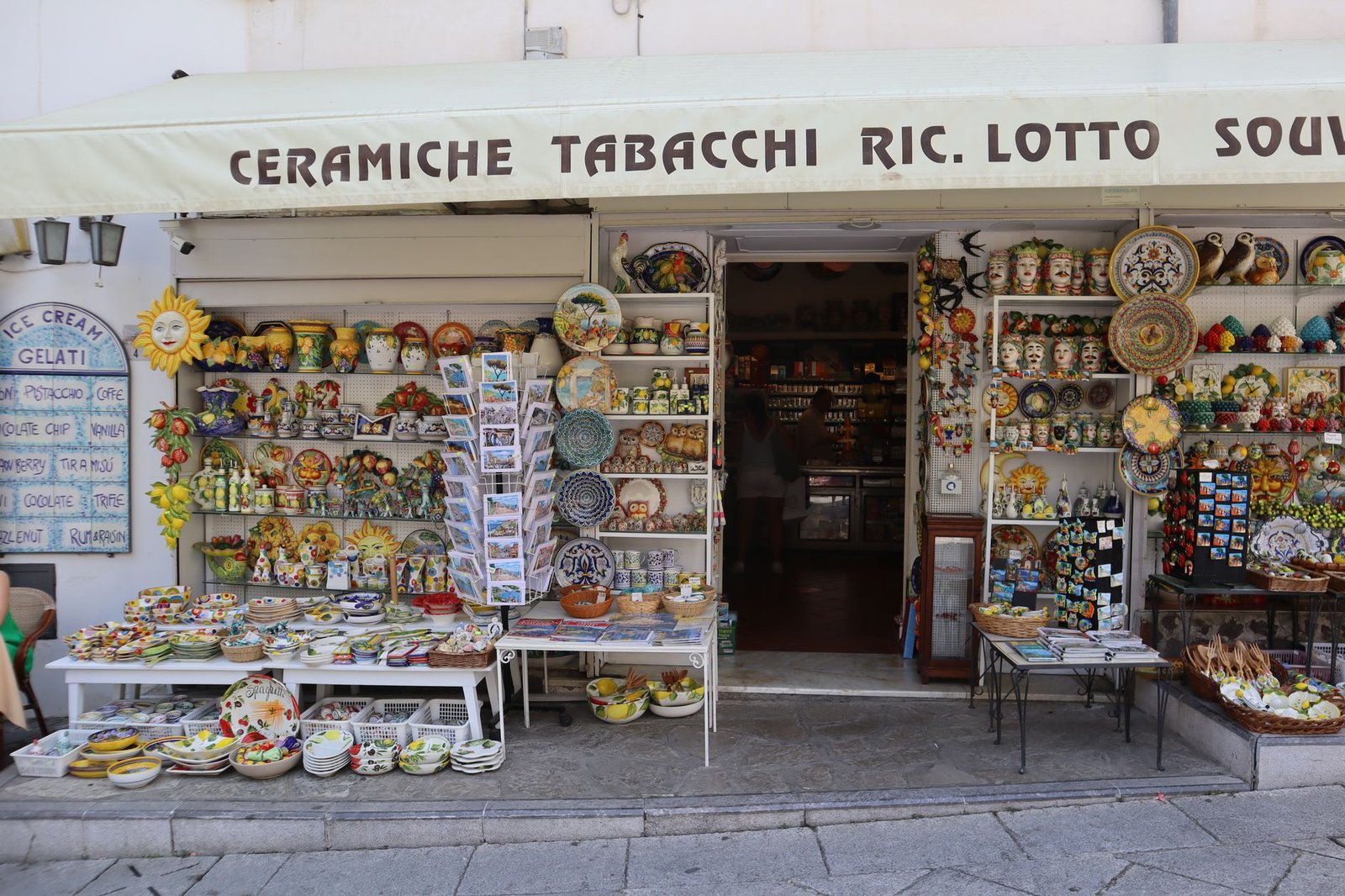
Triana’s identity is inextricably linked to its ceramic tradition. For centuries, the rich clay deposits from the Guadalquivir riverbed fueled a thriving pottery industry, giving the neighborhood its distinct visual character and artistic soul. Walk through Triana and you’ll see ceramic tiles everywhere: adorning house facades, adorning street signs, in patios, and even as benches in plazas. This isn’t just decoration; it’s history, artistry, and an ongoing craft.
To really appreciate this heritage, you need to visit the Centro Cerámica Triana (Ceramics Center Triana) on Calle Antillano Campos, 12. This contemporary museum is built on the site of the former Santa Ana pottery factory, preserving kilns, wells, and workshops from centuries past. It’s an engaging and educational visit, showcasing the techniques, designs, and social history of Triana’s potters. Entry costs €2.10, and it’s open Tuesday to Saturday from 10:00 to 14:00 and 17:00 to 20:00, and Sundays from 10:00 to 15:00. It’s absolutely worth the small fee to understand the foundations of what you see on the streets.
Once you’ve got a handle on the history, head out to explore the workshops and shops that still carry on the tradition. The heart of the ceramic district is around Calle Alfarería and Calle Antillano Campos. Here, you’ll find smaller, family-run studios alongside larger, established shops. Some of these workshops allow you to peer in and even watch artisans at work, painting intricate designs by hand onto tiles or shaping clay on a potter’s wheel.
- Cerámica Ruíz (Calle Antillano Campos, 12): Directly next to the Ceramics Center, this shop offers a wide array of hand-painted tiles, plates, and decorative items. You can find everything from traditional Sevillian patterns to more contemporary designs. A single hand-painted tile (like a ‘azulejo’) typically starts around €10-€15, while a small decorative dish might be €25-€50.
- Cerámica Santa Ana (Calle San Jorge, 31): One of the oldest and most respected ceramic shops in Triana, known for its quality and classic designs. They have an extensive collection, from large murals to smaller souvenir items. This is the place for authentic pieces that will last.
- Cerámica Montalván (Calle Alfarería, 19): Another historic workshop, this one has been in the same family for generations. Their focus is often on traditional, often religious, iconography and custom pieces.
When you’re buying ceramics, look for the quality of the glaze, the precision of the hand-painting, and the weight of the piece. Avoid anything that looks mass-produced or too perfectly uniform; the beauty of Triana ceramics is in their handmade nature. These aren’t just souvenirs; they’re pieces of Triana’s soul, crafted with skill and passed down through generations. A truly authentic piece might cost a little more, but it’s an investment in a centuries-old craft and a tangible memory of your time here. Remember that the downside of this genuine artisan craft is that shop hours can sometimes be a bit flexible, especially in the smaller studios. If a specific shop is important to you, check online or call ahead.
Beyond the Postcard: Squares, Streets, and Local Hangouts
While the Puente de Triana and the Mercado are clear draws, the real magic of Triana unfolds as you wander its less-frequented streets and plazas. This is where you witness the true the neighborhood, away from the immediate tourist gaze. The neighborhood’s layout is a mix of narrow, winding alleys and broader, tree-lined avenues, each with its own character.
Start your deeper dive from the Plaza de Altozano, where the iconic bridge meets Triana. This plaza is a buzzing confluence of people, buskers, and views of the Guadalquivir. While it’s a great starting point, don’t linger too long if you want to escape the more touristed zones. Head instead down Calle San Jacinto, Triana’s main commercial thoroughfare. It’s not full of high-end boutiques, but rather everyday shops, pharmacies, and local cafés. It offers a glimpse into where locals do their daily errands. Grab a coffee and a tostada at a traditional ‘cafetería’ like Horno San Buenaventura (Calle San Jacinto, 16) for about €3.50, and watch the world go by.
One of Triana’s real delights is its riverfront along Calle Betis. While it can get busy in the evenings with restaurants and people strolling, during the day, it offers unparalleled views of Seville’s historic center. A walk here in the late afternoon, as the sun begins to dip and cast a golden glow on the Giralda, is truly special. You’ll find people fishing, rowing boats passing by, and families enjoying the cooler air. Yes, some of the restaurants here cater more to visitors, so if you’re looking for genuine local food, you might want to venture a few blocks inland.
For a quieter experience, seek out Triana’s inner plazas. Plaza del Santísimo Cristo de las Tres Caídas, for instance, is a lovely, tree-shaded square with benches and a church that is central to Triana’s Semana Santa processions. It’s a place where children play after school, and older residents gather to chat. These are the spots where you can truly observe and absorb. Another delightful area is around Plaza de Cuba, a more modern but still very local square, especially in the mornings, where you’ll find residents walking their dogs or stopping for a quick churros breakfast.
If you need some green space, Triana has that too. The Parque de los Príncipes, though a bit further south, is a large, well-maintained park popular with local families for picnics, playgrounds, and a leisurely stroll. It’s a testament to the fact that Triana is a fully functional neighborhood, not just a historic district.
Understanding the local rhythms is key to experiencing Triana authentically. Here’s a rough breakdown of a typical day:
| Time Block | Activity in Triana | Observation & Tips |
|---|---|---|
| 8:00 – 10:00 | Breakfast & Market Rush | Locals grabbing coffee and tostadas, Mercado de Triana opening. Go now for fresh produce and less crowded stalls. |
| 10:00 – 14:00 | Shopping & Errands | Shops on Calle San Jacinto are busy. Ceramic workshops are active. Good time for museum visits like Centro Cerámica Triana. |
| 14:00 – 16:00 | Lunch & Early Siesta | Restaurants fill up. Many smaller shops close for the afternoon. Time to enjoy a leisurely ‘almuerzo’. |
| 16:00 – 18:00 | Siesta & Quiet Hours | Neighborhood quietens significantly. Best for river walks or exploring parks like Parque de los Príncipes. |
| 18:00 – 20:00 | Afternoon Stroll & Aperitivo | Shops reopen. Locals come out for a walk, meet friends, enjoy an ‘aperitivo’ (small snack before dinner). Calle Betis views are lovely. |
| 20:00 onwards | Dinner & Evening Social | Restaurants get busy around 21:00-22:00. Flamenco venues might start later. Plaza de Altozano and Calle Betis become livelier. |
Embrace the later meal times and the slower pace of the afternoon. This is how Triana lives, and part of stepping into its daily rhythm means adapting to it.
Flamenco’s Deep Roots: Avoiding the Tourist Traps
Triana is often called the birthplace of flamenco, or at least one of its most important cradles. The raw, passionate art form developed here in the crucible of its Romani communities, giving it a profound and authentic character. While Seville offers countless flamenco shows, many of the highly advertised ‘tablaos’ in the city center are designed for visitors, offering polished performances that, while impressive, might lack the spontaneous ‘duende’ (soul) that defines true flamenco.
If you want to experience flamenco as locals do in Triana, you need to seek out the ‘peñas flamencas’. These are cultural associations, often humble and unassuming, where aficionados gather to practice, perform, and share their love for flamenco. They aren’t always nightly shows; performances are often less frequent, sometimes spontaneous, and usually on specific evenings, but they offer an intimacy and authenticity that larger venues simply cannot replicate. The atmosphere is less about spectacle and more about emotion, history, and community. You won’t find flashy costumes or elaborate staging; you’ll find raw talent and deep feeling.
- Peña Flamenca de Triana (Calle Castilla, 20): This is perhaps the most well-known and respected ‘peña’ within Triana itself. Check their website or social media for their performance schedule, as it varies. When they do host shows, they’re usually on a specific night of the week, often with a nominal contribution fee of around €10-€20 for non-members, which goes directly to the artists. The space is small, simple, and the focus is entirely on the music and dance.
- Casa La Teatro de Triana (Calle Pureza, 76): While this is a dedicated flamenco venue, it often hosts more traditional and less commercial performances than some of the larger tablaos. They aim to keep the spirit of Triana flamenco alive. Check their program for specific artist lineups and timings. Prices can range from €20-€35 depending on the artist and show.
- Centre de la Guitarra Flamenca ‘Gerardo Núñez’ (Calle Pajonal, 4): While not a ‘peña’ in the traditional sense, this center is dedicated to the flamenco guitar. They sometimes host intimate concerts or masterclasses, which can be an incredible way to experience the depth of flamenco music up close. Consult their schedule for current events.
Tips for an authentic flamenco experience:
- Don’t expect a show: At a ‘peña’, it’s more a gathering. There might be breaks, people might talk quietly, and the flow is less rigid than a formal performance. Embrace the informality.
- Arrive early: Seating is often limited, and you’ll want to get a good spot.
- Listen and observe: Flamenco isn’t just about the music; it’s about the ‘duende’ – the emotional intensity, the connection between the singer (cantaor), dancer (bailaor/a), and guitarist (tocaor). Watch their expressions, their footwork, the hand claps (palmas) of the audience.
- Silence during performance: While the atmosphere can be informal, during a performance, it’s customary to be respectful and silent, especially during the more intense moments.
Be aware that these experiences are not always easy to find or book online. Sometimes, you need to ask locally, check posters, or simply walk by the ‘peñas’ to see if there’s a gathering. This is part of the authentic discovery of Triana’s flamenco heartbeat. While you won’t find any recommendations for consuming alcohol here, a traditional coffee or even just water is perfectly fine while you immerse yourself in the art.
Getting Around Triana and Where to Stay
Navigating Triana is part of the experience, and thankfully, it’s a neighborhood best explored on foot. Its compact size means you can walk from one end to the other without too much effort, allowing you to stumble upon unexpected plazas and colorful ceramic facades. From the historic center of Seville, simply crossing the Puente de Triana (Isabel II Bridge) brings you directly into the heart of the neighborhood at Plaza del Altozano.
If you prefer not to walk, or if you’re coming from further afield within Seville, Triana is well-connected by public transport:
- Bus: Several bus lines serve Triana, including lines C3, 40, and 43. A single bus ticket costs €1.40 and can be purchased directly from the driver (exact change is appreciated). Key stops include Plaza de Altozano and along Calle San Jacinto.
- Metro: Triana has its own metro station, “Plaza de Cuba,” located at the southern end of the neighborhood. This is convenient if you’re coming from other parts of Seville that are on the metro line, such as Parque de los Príncipes or even the Nervión district.
- Bicycle: Seville is a very bike-friendly city, and there are several Sevici (public bike share) stations throughout Triana. A short-term subscription for Sevici is around €13 for 3 days, allowing unlimited 30-minute rides.
When considering where to stay, Triana offers a different vibe than the historic center. It has fewer large, international hotel chains and more boutique hotels, guesthouses, and apartment rentals. This is a plus if you’re looking for a more local, less tourist-centric base.
- Budget-Friendly: Hostal Triana (Calle Castilla, 68) offers clean, basic rooms with prices often starting around €45-€60 per night for a double, depending on the season. It’s well-located for exploring the market and ceramic shops.
- Mid-Range: Hotel Monte Triana (Calle Clara de Jesús Montero, 24) provides comfortable rooms with modern amenities, often including a small rooftop pool (check seasonal availability). Prices typically range from €80-€130. It’s a bit further inland, offering a quieter stay.
- Boutique/Apartments: Many charming apartments are available for rent, particularly around the areas closer to the river and the main squares. These offer more space and the chance to live like a local. Search on Booking.com to compare hotel prices in Triana.
An honest word: While Triana is generally quieter than the central areas of Seville, certain spots can get lively and even noisy, particularly on Friday and Saturday evenings. The area immediately around Plaza de Altozano and parts of Calle Betis can be busy with people dining and socializing late into the night. If you’re a light sleeper or prefer absolute tranquility, look for accommodation a few blocks inland from the river, away from the main thoroughfares. Otherwise, embrace the lively atmosphere; it’s part of Triana’s charm.
If you feel overwhelmed by where to start, or if you prefer a structured introduction to the neighborhood, you can always book a guided tour on Viator that focuses specifically on Triana. Many local guides offer walking tours that delve into the history, ceramics, and flamenco heritage, providing context you might miss on your own. Just be sure to pick one that emphasizes culture and local life, rather than just sightseeing.
FAQ: Step into the neighborhood – Common Questions
Is Triana safe for visitors?
Yes, Triana is generally very safe for visitors, even at night. Like any urban area, basic precautions apply: be aware of your belongings in crowded places like the Mercado de Triana, and avoid walking alone down dimly lit, deserted streets late at night, especially in very quiet residential areas. The main thoroughfares and riverfront areas are well-lit and frequented by locals and visitors alike until late.
What’s the best time of day to visit Triana?
For a real sense of local life, morning is ideal. Head to the Mercado de Triana between 9:00 and 11:00 for the market bustle and a breakfast ‘tostada’. Late afternoon, around 17:00-19:00, is perfect for a stroll along Calle Betis to enjoy the river views, explore the ceramic shops before they close, and catch the soft evening light on the city. Evenings bring a different energy, with locals enjoying dinner or seeking out flamenco.
Are there any specific cultural customs to be aware of in Triana?
When entering smaller shops, cafés, or family-run businesses, a friendly “¡Buenos días!” (good morning) or “¡Buenas tardes!” (good afternoon/evening) goes a long way. People in Triana appreciate politeness and a genuine attempt to engage. Also, remember that meal times are later than in many other countries: lunch often starts around 14:00-15:00, and dinner rarely before 21:00. Adapting to this schedule will help you blend in.
How long should I spend exploring Triana?
To genuinely absorb the local atmosphere and experience its daily life, I’d recommend dedicating at least half a day, preferably a full day. This allows you to visit the market, explore the ceramic studios, wander the quieter backstreets, enjoy a leisurely lunch, and perhaps catch a genuine flamenco moment or an evening stroll along the river. Don’t rush it; the true essence of Triana is in its unhurried, authentic pace.
Triana is a special part of Seville, a neighborhood with its own proud heart beating to a different rhythm. It offers an experience that goes beyond the typical tourist checklist, inviting you to slow down, observe, and genuinely connect with daily life as it unfolds. From the chatter of the market to the quiet concentration of a ceramicist’s studio, Triana shows you a side of Andalusia that is both traditional and utterly alive. If you’re captivated by the authentic spirit of Seville and want to delve deeper into its most profound traditions, consider exploring our Semana Santa Seville Firsttimer Guide for another perspective on the city’s deep-rooted culture.
About Triana Seville Neighborhood
This guide is part of Spain Destination’s library of Spain travel and lifestyle content, written with AI assistance and checked against official sources where possible. See how this site is researched and fact-checked →