Sierra de Aracena slow travel: finding peace in its pace
Some links in this guide are affiliate links — if you book through them we may earn a small commission at no extra cost to you. It never changes what we recommend. Full disclosure.
If you’re tired of travel that feels like a race against the clock, constantly ticking off sights without really seeing them, then the sierra de aracena slow travel experience is exactly what you need to recalibrate your approach to Spain. Countless visitors rush through this country, missing the gentle rhythm that makes daily life here so rich. The Sierra de Aracena offers the perfect antidote: a chance to genuinely connect with the land, its people, and its timeless traditions. This guide isn’t about ticking boxes; it’s about helping you breathe deeply, observe closely, and savor every moment in one of Andalucía’s most understated, yet profoundly rewarding, regions.
This article contains affiliate links. If you book through one, Spain Destination may earn a small commission at no extra cost to you. See the full affiliate disclosure →
Quick Answer: this region
this region means immersing yourself in the natural parks, historic towns, and renowned gastronomy of this northern Huelva province, taking time to appreciate its distinct pace rather than rushing through main attractions. It involves extended stays, deeper engagement with local customs, immersing yourself in the local food culture, and spending ample time walking its cork oak forests and whitewashed villages.
Aracena Town: Savoring the Heartbeat of the Sierra
Aracena is the natural hub of the Sierra de Aracena and Picos de Aroche Natural Park, but don’t just see it as a stopover. The town itself deserves exploration at a leisurely pace. Your main draws will be the Castillo de Aracena and the Gruta de las Maravillas, but how you experience them makes all the difference.
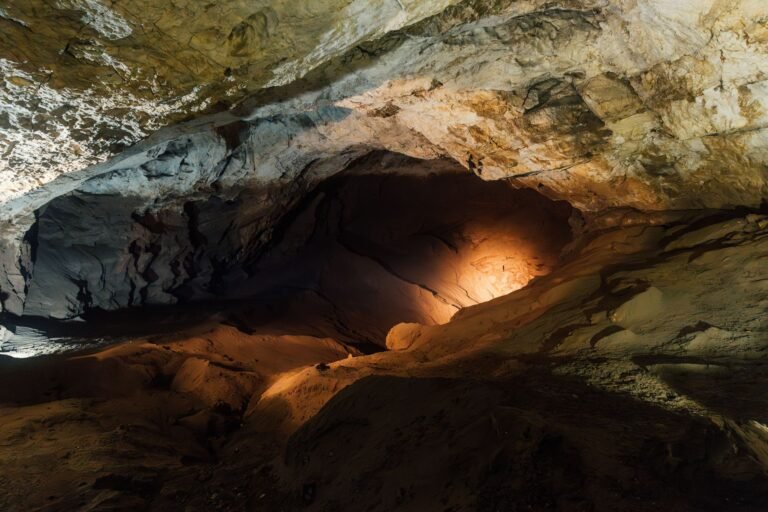
The Gruta de las Maravillas (Cave of Wonders) is truly spectacular – an underground world of stalactites, stalagmites, and crystal-clear lakes. It’s popular for good reason, which means you need to plan to avoid feeling rushed. Tickets cost €10.50 for adults and €7.50 for children (6-12 years). You absolutely must book your tickets online in advance through the official Aracena tourism website; walk-up tickets are rarely available, especially during peak season or holidays like Semana Santa. Tours are guided, last about 45 minutes, and depart every 15-20 minutes. The cave maintains a constant temperature of around 16-19°C, so bring a light jacket even in summer. To truly experience it slowly, aim for the first morning slot at 10:00 or a late afternoon slot around 17:00, which tend to have slightly fewer people. Arrive 15 minutes early to collect your tickets.
Perched above the town is the Castillo de Aracena, a complex that includes the Moorish castle ruins and the Iglesia Prioral de Nuestra Señora del Mayor Dolor. The views from here are expansive, offering a panorama of the town and the rolling hills of the dehesa. Entry to the church and bell tower is €2.00, and it’s worth it for the perspective. There’s no set closing time for the exterior castle grounds, making it ideal for a sunset stroll when the light softens and the crowds dissipate. You can spend an hour simply sitting on a bench, observing the town below. The church itself is typically open for visits from 10:00 to 14:00 and 16:00 to 18:00, Monday to Saturday, but confirm locally as religious sites often have variable schedules.
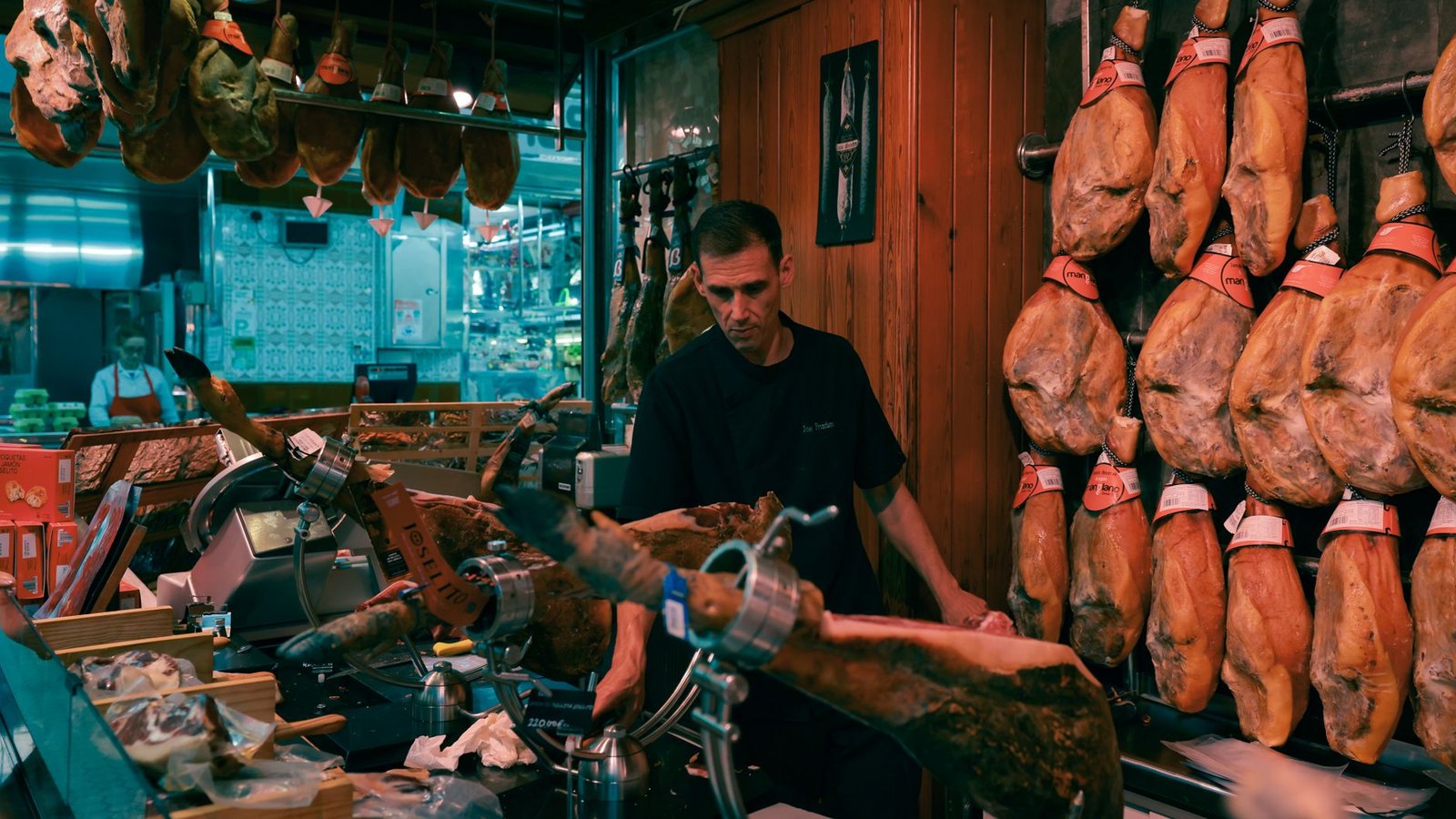
Beyond these landmarks, spend time walking the narrow, cobbled streets of Aracena. Notice the regional architecture, the tiled house numbers, and the small plazas. The Museo del Jamón (€3.50 entry, open 10:00-14:00 and 16:00-18:00 daily) offers an excellent, detailed look into the region’s most famous product – it’s a good primer before you dive into the real thing. Don’t just rush past these details; they are the fabric of the place.
| Attraction | Adult Entry Cost | Typical Opening Hours | Notes for Slow Travel |
|---|---|---|---|
| Gruta de las Maravillas | €10.50 | 10:00-13:30, 15:00-18:00 | Book online well in advance. Aim for first/last tours. |
| Castillo de Aracena (Church/Bell Tower) | €2.00 | 10:00-14:00, 16:00-18:00 (church) | Exterior always accessible. Sunset views from grounds. |
| Museo del Jamón | €3.50 | 10:00-14:00, 16:00-18:00 | Comprehensive overview of Iberian ham production. |
The Dehesa and Its Trails: Hiking Through the Home of Jamón
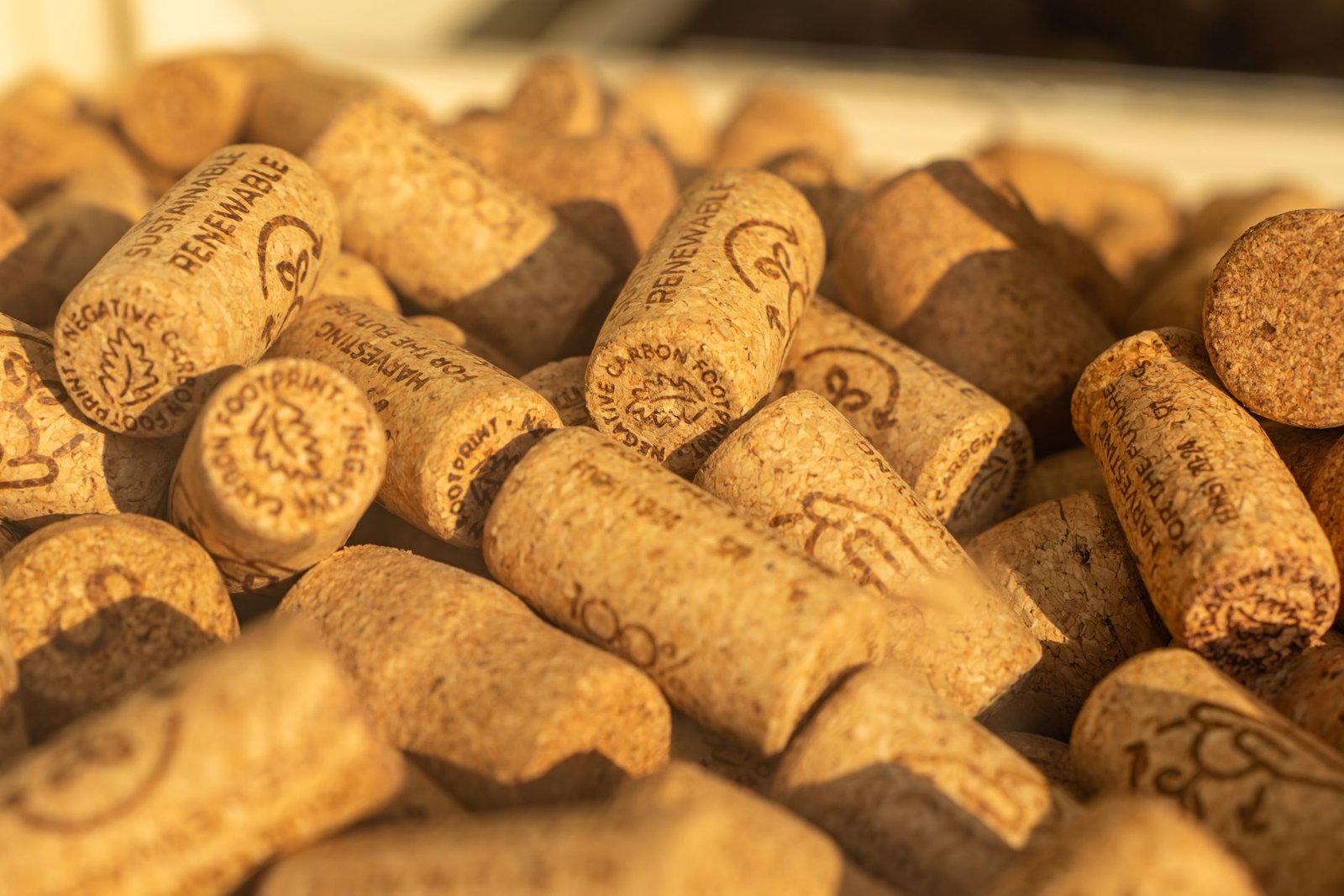
The Sierra de Aracena is defined by its dehesa landscape: undulating hills covered in cork oaks, holm oaks, and pastures where Iberian pigs roam freely. This isn’t just a pretty view; it’s an active ecosystem and the foundation of the region’s culinary fame. Slow travel here means getting out into it. Forget the car for a while and hit the trails.
There are numerous well-marked hiking trails suitable for various fitness levels. Most are circular and connect the whitewashed villages. You don’t need highly specialized gear for most, but sturdy walking shoes, layers of clothing (it can be cooler under the canopy), water, and a small snack are essential. The trails are generally free to access, and maps are available at local tourism offices or through apps like Wikiloc.
Here are a few recommended routes for different experiences:
- Sendero del Agua (Aracena): This is an easy 6 km circular route starting near the Gruta, following ancient water channels. It offers a gentle introduction to the dehesa, taking about 1.5-2 hours. You’ll pass old mills and get a good sense of the local flora.
- Linares de la Sierra to Aracena: A moderate 10 km linear trail (you’ll need to arrange transport back or do a round trip) that connects two beautiful villages. It takes around 3-4 hours one way, offering excellent views and a chance to see pigs foraging in the wild.
- Cortegana Castle Loop: Around 8 km, this moderate trail circles the impressive Castillo de Cortegana and offers views across the surrounding countryside. It takes about 2.5 hours. Combine it with a visit to the castle itself.
- Jabugo to Galaroza: For a slightly longer, more immersive experience, this roughly 12 km route takes you through prime jamón country. Allow 4-5 hours. You’ll likely encounter pigs, cork harvesters (depending on the season), and quiet moments of reflection.
Expect to walk through private estates where pigs are grazing – it’s part of the experience. Always stay on marked paths, close any gates you open, and respect the natural environment. The best times for hiking are spring (April-May) when the fields are green and dotted with wildflowers, and autumn (October-November) when the temperatures are mild and the oaks are dropping their acorns for the pigs. Summer can be very hot, making mid-day hikes uncomfortable.
Feasting on Flavor: Sierra de Aracena’s Food Culture
You cannot come to the Sierra de Aracena and not engage with its food culture. This isn’t just about eating; it’s about understanding a centuries-old tradition, a specific agricultural method, and a unique way of life shaped by the dehesa landscape around you.
The region is also famous for its wild mushrooms (setas), especially in autumn. You’ll find incredible mushroom dishes in local restaurants during this season. Look for dishes with ‘gurumelos’ (Amanita ponderosa), a prized local fungus, often served simply sautéed with garlic and a drizzle of local olive oil.
For a true slow food experience, visit the Mercado de Abastos de Aracena (Aracena Market), open generally from 9:00 to 14:00, Monday to Saturday. Here, you can buy fresh local produce, cheeses, and seasonal vegetables directly from producers. Pack a picnic with local bread, cheese, and olives, and head out to one of the many designated picnic areas (like those near the Embalse de Aracena) for an unhurried lunch surrounded by nature. This is a far richer experience than a hurried restaurant meal. If you’re looking for a hearty Andalusian dish, remember that authentic gazpacho recipe is also a regional highlight, often made with local tomatoes and cucumbers.
Beyond Aracena: Discovering the Whitewashed Villages
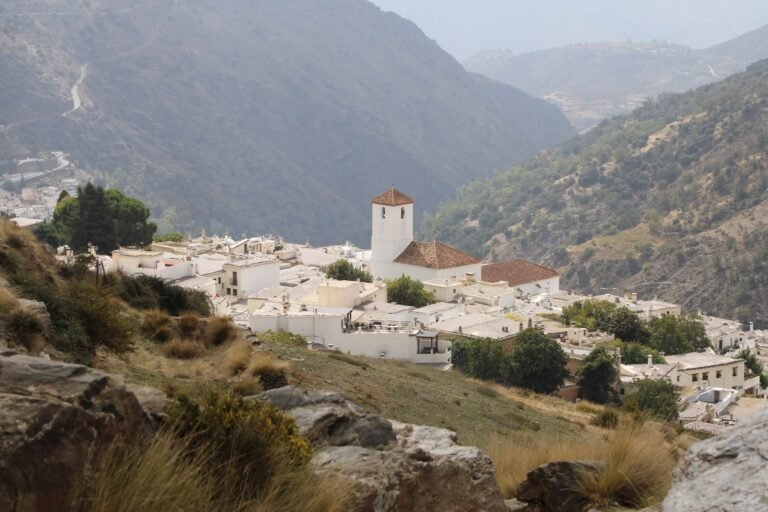
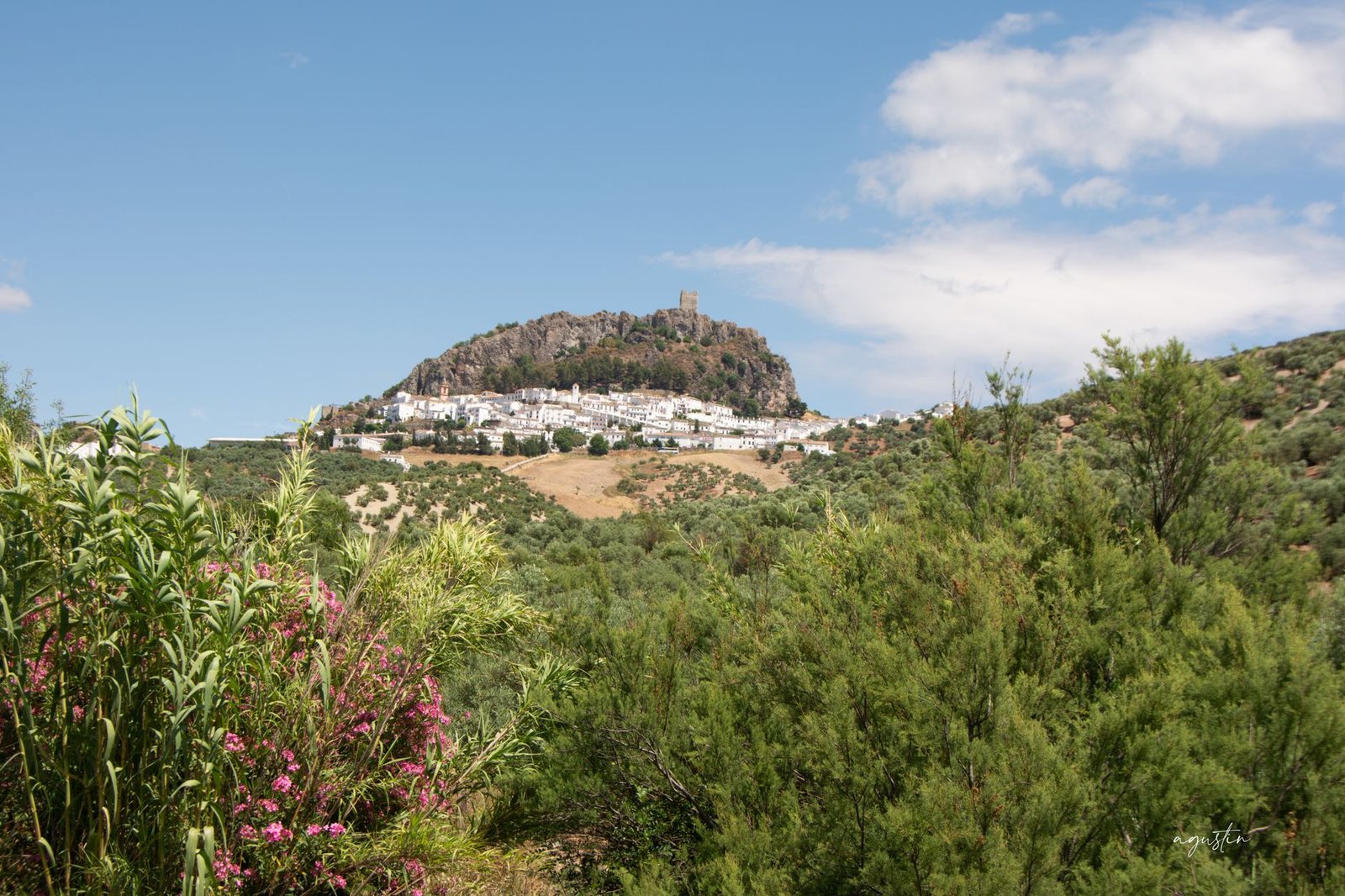
While Aracena is the largest town, the true soul of the sierra lies in its smaller, quieter villages, each with its own character. These are places to wander, to sit in the main plaza with a coffee, and to simply observe life unfolding at its own speed. A key aspect of this region is not just being in the region, but moving through it at its natural cadence. You’ll want to avoid packing too many into one day.
Alájar: A village crowned by the Peña de Arias Montano, a rock outcrop with a hermitage and absolutely staggering views. Getting there involves a steep but rewarding climb, accessible by car or a dedicated hiking path. The village itself is small, with narrow streets and traditional houses. The hermitage is open roughly 10:00-14:00 and 16:00-18:00, but the viewpoint is always accessible. It’s a fantastic spot for quiet contemplation. Grab a coffee at one of the small bars in the plaza below the Peña before heading up.
Linares de la Sierra: Perhaps the most authentically preserved village, famous for its ‘llanos’ – beautifully cobbled stone mosaics in front of each house, depicting symbols and patterns. There are no major attractions here, which is precisely the point. Just wander, admire the unique cobblestone work, and feel the tranquility. You might visit the small public washing place, a testament to simpler times. This is an ideal place to just be present. The hiking trail from Linares to Aracena is also a highlight.
Cortegana: Dominated by its magnificent medieval castle, the Castillo de Cortegana, which is exceptionally well-preserved and offers a fantastic insight into defensive architecture. Entry is €3.50, and it’s open Tuesday-Sunday, 10:00-14:00 and 16:00-18:00. The village also hosts a popular medieval festival, “Jornadas Medievales,” usually in August, transforming the town into a historical spectacle. If you visit then, you’ll need to check current hotel prices for Aracena and book months in advance. Outside of festival times, Cortegana is a peaceful place to explore the castle and its surrounding streets.
Jabugo: A quiet hillside village and, historically, the best-known name in Spain’s Iberian ham industry – the curing houses here shaped the region’s economy for generations. The village itself is worth a wander for its steep streets and views over the dehesa; several of the historic bodegas (drying rooms) offer tours of the curing process for those curious about the industry.
Don’t try to visit all these in one day. Pick one or two, allow ample time for exploration, and factor in travel time between them. Distances are short (10-20 km between most), but the roads are winding. For flexibility, a car is highly recommended for exploring these villages independently.
Practicalities for a Tranquil Sierra de Aracena Stay
To truly embrace slow travel in the Sierra de Aracena, some practical considerations will enhance your experience. This isn’t a destination for a quick, unplanned dash.
Accommodation: Your Base for Relaxation
Forget generic chain hotels. For an authentic slow travel experience, consider rural guesthouses (casas rurales) or boutique hotels. Many offer traditional architecture, local breakfasts, and a connection to the environment. In Aracena, Hotel Sierra de Aracena offers comfortable stays with a central location, typically €70-€100 per night. For something smaller and more intimate, look at options in villages like Alájar or Linares de la Sierra, where a guesthouse might cost €60-€90. Always check for places with good reviews and consider booking directly with the establishment if possible after doing your initial research; it often supports local businesses more directly.
Getting Around: Embrace the Journey
A rental car is almost essential for true slow travel here. While buses connect some of the larger towns like Aracena to Seville, they don’t offer the flexibility to stop at viewpoints, explore smaller villages, or access trailheads. Rental cars at Seville Airport (SVQ) start from around €30-€50 per day, depending on the season and car size. The roads are generally well-maintained but winding, so allow extra time for travel. Parking is usually free in the smaller villages, though can be tighter in Aracena’s core. Alternatively, book a guided tour on Viator for specific excursions if you prefer not to drive, but this will limit your spontaneous explorations.
Best Time to Visit: Timing is Everything
For slow travel, timing is crucial to avoid crowds and enjoy the mild weather.
- Spring (March-May): The dehesa is lush and green, wildflowers bloom, and temperatures are pleasantly mild (18-25°C). Ideal for hiking and enjoying the outdoors before the summer heat.
- Autumn (October-November): Cooler temperatures (15-22°C) make hiking comfortable, and this is prime mushroom season, meaning unique culinary experiences. The pigs are also enjoying their ‘montanera’ feeding on acorns.
- Winter (December-February): Quieter, cooler (8-15°C), and can be damp, but still excellent for cozy stays, walks, and enjoying hearty local food by a fireplace.
- Summer (June-September): Very hot (30-40°C), especially in July and August. While the mornings and evenings are pleasant, mid-day activities can be challenging. Stick to shaded activities or siestas during these months.
What to Pack: Prepared for the Pace
For a comfortable slow travel experience:
- Sturdy walking shoes or light hiking boots for trails and cobbled streets.
- Layers of clothing – mornings can be cool, days warm, evenings cool again.
- A light jacket or sweater, even in spring/autumn, especially for the Gruta.
- A reusable water bottle to stay hydrated.
- A small backpack for day trips, snacks, and water.
- Sunscreen and a hat, year-round.
- A Spanish phrasebook or translation app – English is not widely spoken outside of tourist information offices.
- Cash (Euros) for smaller purchases in villages, although cards are accepted in most main establishments.
Embrace the unexpected siestas, the late dining hours, and the calm rhythm. This isn’t a place for rigid itineraries. Let the Sierra de Aracena reveal itself to you, one quiet moment at a time.
FAQ: this region – Common Questions
How many days do you need for slow travel in Sierra de Aracena?
To truly embrace slow travel, dedicate a minimum of 3-4 full days, or ideally 5-7 days, to the Sierra de Aracena. This allows you to explore Aracena town, hike several trails, visit multiple villages without rushing, and genuinely immerse yourself in the local food culture and relaxed pace. Anything less will feel like a hurried overview rather than a deep experience.
Is Sierra de Aracena worth visiting compared to other Andalusian regions?
Absolutely, but it offers a different kind of experience than coastal areas or major cities. Sierra de Aracena is exceptionally worth visiting if you seek tranquility, authentic rural culture, superb regional gastronomy, and beautiful natural landscapes for hiking. If you’re looking to escape crowds and connect with a more traditional Spain, it stands out as a unique and rewarding destination.
What are the best ways to get around Sierra de Aracena without a car?
While a car offers the most flexibility for slow travel, you can get around without one, albeit with limitations. Buses connect Aracena with Seville and some of the larger villages, but schedules can be infrequent. Taxis are available in Aracena but can be expensive for inter-village travel. For true slow travel, you could base yourself in Aracena and explore its immediate surroundings on foot, or use local bus services for day trips to very nearby villages, but deep exploration of the park and its various trails would be challenging without personal transport.
When is mushroom season in Sierra de Aracena?
Autumn (October-November) is peak season for wild mushroom foraging, when local restaurants feature dishes with gurumelos and other prized fungi. It’s also one of the most beautiful times to hike the dehesa, with mild temperatures and the oaks dropping their acorns.
The Sierra de Aracena rewards those who are willing to slow down, to look closer, and to listen to the quiet rhythms of rural Spain. It’s a place where the landscape, the food, and the culture are intertwined in a way that truly nourishes the spirit. Give it your time, and you’ll find an unforgettable piece of Andalucía that stays with you long after you leave.
About Sierra De Aracena Slow Travel
This guide is part of Spain Destination’s library of Spain travel and lifestyle content, written with AI assistance and checked against official sources where possible. See how this site is researched and fact-checked →