Galicia’s Green Villages: A Regional Guide
Some links in this guide are affiliate links — if you book through them we may earn a small commission at no extra cost to you. It never changes what we recommend. Full disclosure.
While many dream of sun-drenched beaches and ancient Moorish palaces when they think of Spain, the country’s true, enduring soul often reveals itself in the tranquil embrace of its Galicia green villages. This is where the stereotypes fade, replaced by a lush, Atlantic-kissed reality that’s worlds away from the southern heat. You might assume Spain is all sun and siestas, but here, the air is often crisp, the landscapes are verdant, and life moves at a rhythm dictated by ancient traditions and close-knit communities. This northwestern corner of Spain captures hearts, offering an experience deeply rooted in nature, history, and an incredibly distinct culture. This guide will show you how to truly connect with the authentic spirit of Galicia, detailing where to go, what to experience, and how to embrace a side of Spain you never knew existed.
This article contains affiliate links. If you book through one, Spain Destination may earn a small commission at no extra cost to you. See the full affiliate disclosure →
Quick Answer: My Galicia Green Villages Journey Captures the Soul of Spain.
Venturing into Galicia’s green villages offers a refreshing contrast to Spain’s more arid regions, revealing a landscape of ancient forests, river valleys, and stone hamlets where Celtic heritage thrives, traditional gastronomy takes center stage, and a deep connection to nature defines daily life.
Why Galicia’s Inland is Different (and Why You’ll Love It)
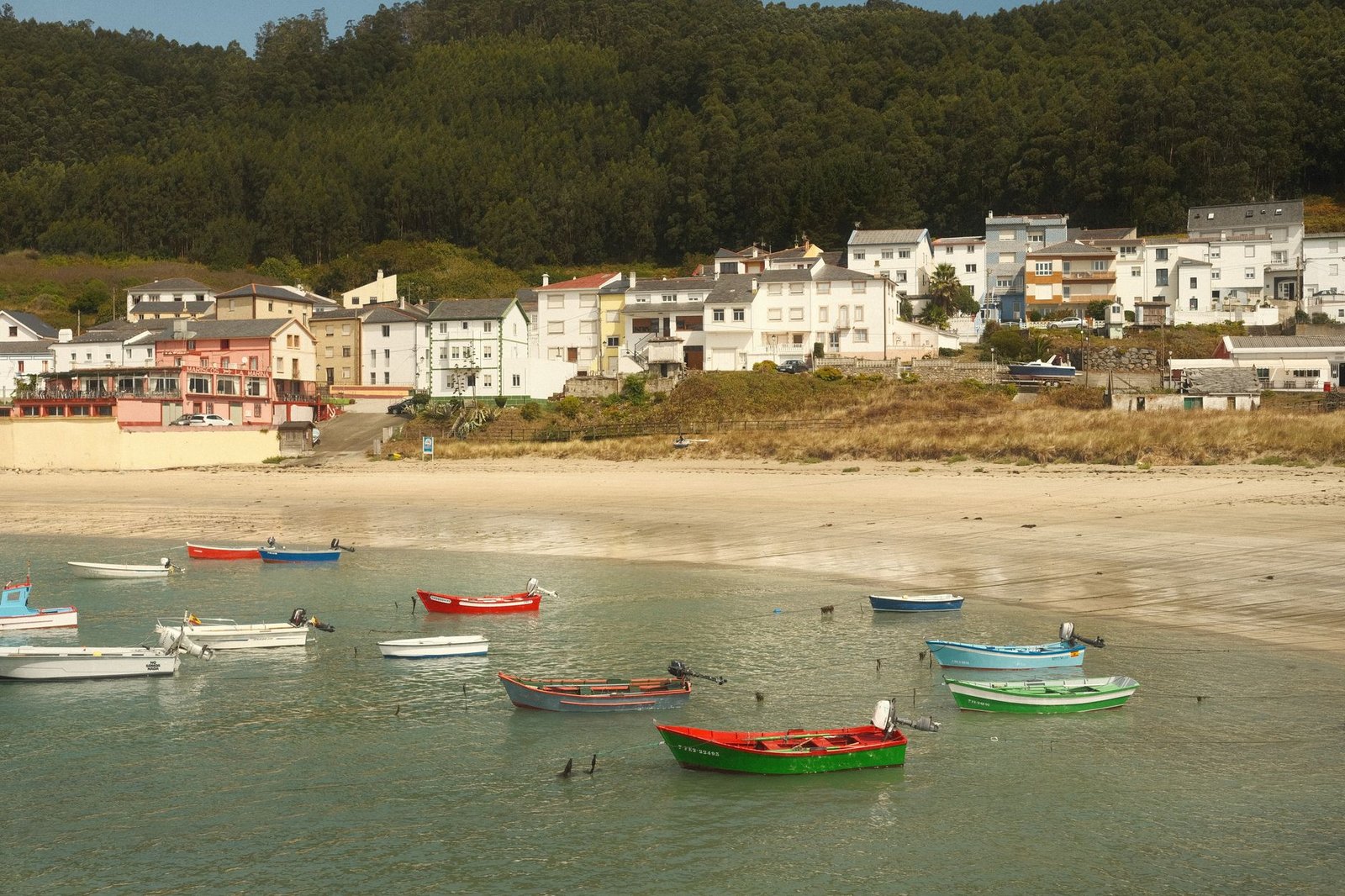
Forget the image of whitewashed villages clinging to sun-baked hillsides; Galicia’s interior offers something profoundly different. Here, the dominant colors are fifty shades of green, the air carries the scent of damp earth and eucalyptus, and the architecture speaks of sturdy granite and slate. This isn’t the Spain of flamenco and bullfighting; it’s a land shaped by the Atlantic, by abundant rainfall, and by a strong, resilient culture that has maintained its unique identity for centuries. The weather here is a key differentiator – it’s often cooler, with more frequent rain showers, especially from October to April. Don’t let that deter you; it’s precisely this moisture that paints the landscape in such brilliant hues and keeps the rivers flowing. Pack layers, a good waterproof jacket, and comfortable walking shoes, and you’ll be well-prepared to explore. It is a world away from the stone plazas of the quiet medieval towns of Castile, and that contrast is exactly why both are worth seeing.
You’ll quickly notice the pace of life slows down dramatically once you leave the larger cities. People here value their traditions, their food, and their connection to the land. You’ll hear Gallego spoken, a Romance language related to Portuguese, alongside Castilian Spanish. The folklore is rich with myths of witches (meigas) and mythical creatures, and the local music features bagpipes (gaitas), a clear echo of the region’s Celtic past. This isn’t just a place to visit; it’s a place to experience a different rhythm, to feel the history under your feet, and to savor honest, unpretentious hospitality.
The geography itself contributes to this distinct character. Deep river canyons like the Ribeira Sacra carve through ancient forests, creating dramatic scenery perfect for exploration. The coast, while famous, is just one facet; the true green heart lies inland, where small farms dot the landscape, and communities are built around centuries-old churches and town squares. This is where you connect with a Spain that feels both ancient and deeply alive, a place that rewards slow travel and genuine curiosity. It’s an opportunity to see how generations have lived in harmony with their environment, building strong, self-sufficient communities. You’ll leave feeling not just refreshed, but genuinely touched by the warmth and authenticity of this corner of Spain.
Three Must-Visit Green Villages and What to Do There
To truly understand the essence of inland Galicia, you need to step into its villages. Each one offers a distinct flavor, a unique story, and plenty of opportunities to engage with local life. Here are three I consistently recommend, along with practical details to help you plan your visit:
Allariz: Medieval Charm and Modern Sustainability
Allariz, located about 20 kilometers southeast of Ourense, is a beautifully preserved medieval town that has earned accolades for its sustainable tourism and quality of life. Its historic center is a joy to wander through, with cobbled streets, stone houses, and tranquil squares. The municipality has done an excellent job of restoring its heritage while integrating modern eco-conscious initiatives.
- What to See:
- Historic Quarter: Spend hours simply strolling. Look for the Romanesque churches of Santo Estevo and Santiago, and the Puente Romano (Roman Bridge) over the Arnoia River. Many of the old buildings now house artisan workshops and small boutiques.
- Festival Internacional de Jardines (International Garden Festival): From May to October, this annual event transforms an area by the river into a collection of imaginative themed gardens. Entry costs €3.50, and it’s a delightful way to spend an hour or two. Check their website for exact opening times, usually 10:00 to 20:00 daily during the festival period.
- Museo do Coiro (Leather Museum): Housed in a beautifully restored old tannery by the river, this museum explores the town’s traditional leather industry. It offers a glimpse into a craft that shaped Allariz. Entry is around €2.00, open Tuesday to Sunday, 11:00-14:00 and 16:00-19:00 (hours can vary seasonally, so confirm locally).
- Practical Tips: Parking can be found at the edge of the historic center, usually free. Allariz is very walkable, but some streets are steep. Allow at least half a day to fully explore, or a full day if you include the garden festival and a leisurely meal.
Mondoñedo: A Cathedral City with a Royal Past
set in the interior of Lugo province, Mondoñedo is one of Galicia’s former “Seven Kingdoms” capitals and has an impressive cathedral, a testament to its historical significance. This isn’t a bustling city; it retains a quiet, dignified atmosphere, inviting you to slow down and absorb its rich past.
- What to See:
- Catedral de Mondoñedo: A UNESCO World Heritage site as part of the Northern Route of the Camino de Santiago, this cathedral dominates the main square. Its Romanesque façade and rose window are striking. You can visit the cathedral for free during services, or explore the interior and its museum for a small fee, typically €4.00-€5.00. Opening hours are generally 10:00-13:30 and 16:00-19:00, but always check the specific day’s schedule as it varies for religious sites.
- Centro Histórico: Wander through the winding streets around the cathedral, passing by the Obispo’s Palace and traditional Galician houses. Look for the fountain of “Os Oito Caños” (The Eight Spouts) in the Praciña da Fonte.
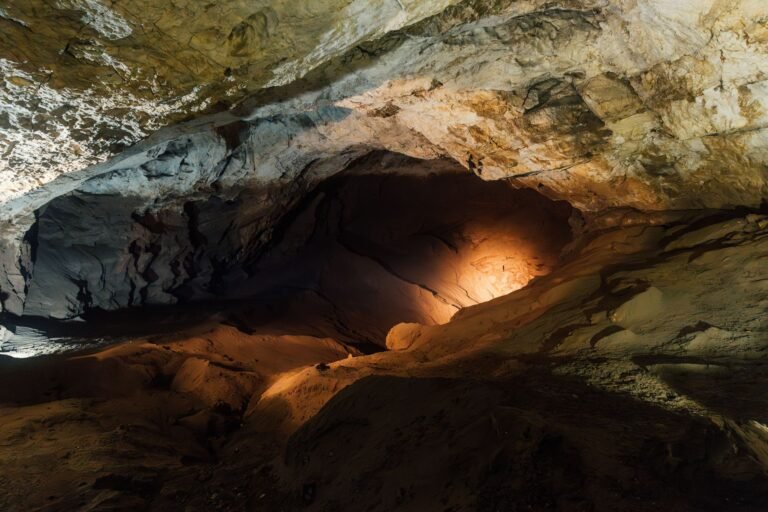
- Cova do Rei Cintolo: Just a short drive (about 5 km) from Mondoñedo, this is Galicia’s longest cave system, offering guided tours that take you through impressive formations. Tours are usually around €10.00-€12.00 per person and last about an hour. You must book in advance, especially during peak season, as group sizes are limited. Comfortable shoes and a light jacket are recommended as it stays cool inside. Check the specific tour schedule with the Mondoñedo tourist office.
- Practical Tips: Mondoñedo is relatively small and easily explored on foot. There are public parking areas around the town center. If you’re visiting the cave, ensure you have appropriate footwear – it can be damp and uneven.
Ribadavia: Medieval Jewish Quarter and River Life
In the heart of the Ribeiro region, Ribadavia is a town rich in history, particularly known for its medieval Jewish quarter and its castle ruins overlooking the Avia River. It offers a fascinating blend of historical architecture and a lively local atmosphere.
- What to See:
- Judiaría (Jewish Quarter): This is the soul of Ribadavia. Wander through the narrow, cobbled alleys, where you’ll find beautifully restored stone houses, many dating back to the 13th century. Look for traditional motifs and symbols carved into doorways. The “Sefardí” bread shop here is renowned for its specific unleavened bread.
- Castelo dos Sarmiento: Explore the ruins of the Sarmiento family castle, which offers panoramic views over the town and the Avia River. The grounds are often open to explore for free during daylight hours. During the Medieval Festival (Festa da Istoria) in late August, the castle becomes a focal point for reenactments and markets.
- Ponte Romana (Roman Bridge): While partially rebuilt, this bridge spanning the Avia River is a scenic spot and offers a pleasant walk along the riverbanks.
- Practical Tips: Ribadavia’s old town has some steep inclines and uneven surfaces, so wear sensible shoes. Parking is available on the outskirts of the historic center. If you plan to visit during the Festa da Istoria (usually the last Saturday of August), book accommodation far in advance, as the town becomes extremely busy. During this festival, many shops and restaurants only accept payment in “maravedís,” the local currency you exchange at designated points.
Eating Local: Real Galician Flavors
Galician cuisine is hearty, flavorful, and deeply rooted in its land and sea. In these green villages, you’ll find incredible quality ingredients transformed into comforting, authentic dishes. You won’t find flashy restaurants for the most part, but rather welcoming eateries focused on tradition and fresh produce. Forget any preconceived notions of Spanish food being spicy; Galician flavors are generally milder, relying on the quality of the main ingredients.
One dish you simply must try is Pulpo a Feira (fair-style octopus). This isn’t just a dish; it’s an institution. Tender boiled octopus, sliced and served on a wooden plate, dusted with paprika, coarse salt, and drizzled with olive oil. It’s often prepared by a pulpeira at markets or special events. A typical plate costs around €12-€18 depending on the size. Another staple is Empanada Gallega, a savory pie with a flaky crust, typically filled with tuna, cod, meat, or vegetables like mussels and onions. It’s perfect for a quick lunch or snack, with a generous slice costing €3-€5. You’ll find it in bakeries (panaderías) and often as a starter in restaurants.
For something truly warming, especially if the weather is cool, seek out Caldo Gallego. This is a rich, hearty soup made with collard greens (or turnip greens), potatoes, white beans, and sometimes pork shoulder or chorizo. It’s soul-food in a bowl, often served as a first course for €6-€8. And don’t miss the Pimientos de Padrón. These small green peppers are fried in olive oil and sprinkled with coarse salt. The fun part? “Uns pican e outros non” – “Some are hot and some are not!” A plate to share costs around €5-€7. For dairy lovers, Queso Tetilla, a mild, creamy cow’s milk cheese shaped like a breast, is a gentle delight, often served simply with bread. You can buy a whole cheese at local markets for €8-€15, or a serving at a restaurant for €4-€6.
To truly experience Galician food culture, visit a local market. In larger towns like Ourense or Lugo, these markets are bustling with fresh produce, seafood, meats, and cheeses. Even smaller villages will have regular market days where you can see and taste local specialties. It’s a great way to interact with the community and understand the agricultural richness of the region.
Here’s a small sample of what you might find at a typical market in a Galician village:
| Item | Average Price (per kg/unit) | Availability |
|---|---|---|
| Queso Tetilla (whole) | €10 – €15 | Year-round |
| Pimientos de Padrón | €3 – €5 | Summer/Early Autumn |
| Empanada (slice) | €3 – €5 | Year-round |
| Local Honey | €7 – €12 | Year-round |
| Artisan Bread (loaf) | €2 – €4 | Daily |
Eating in Galicia is about savoring the genuine taste of a place, cooked with care and simplicity. You’ll find that many restaurants offer a “Menú del Día” (Menu of the Day) at lunchtime, typically for €12-€18, which includes two courses, bread, and dessert, offering incredible value.
Navigating the Verdant Landscape: Practical Tips
Getting around Galicia’s green heart requires a bit of planning, but it’s entirely manageable. While public transport connects the larger towns, a car offers the most flexibility to explore the smaller villages and natural sites.
If you’re flying into Galicia, the main airports are Santiago de Compostela (SCQ), A Coruña (LCG), and Vigo (VGO). Santiago is usually the most convenient and offers the best car rental options. Renting a car upon arrival is highly recommended. Roads are generally well-maintained, though some routes to smaller hamlets can be narrow and winding. GPS navigation works well, but having a paper map as a backup is always a good idea in rural areas where phone signal can be patchy. Allow extra time for travel between destinations, as the scenic routes often encourage slower driving.
Accommodation in the green villages ranges from likeable rural guesthouses (casas rurales) to small family-run hotels. These are not typically large, chain establishments. You’ll often find yourself staying in beautifully restored stone houses, sometimes on working farms. For the best selection and prices, particularly during summer (July and August) or around major festivals like the Festa da Istoria in Ribadavia, book well in advance. Consider looking at check current hotel prices for Galicia for a range of options, filtering by “rural properties.” Expect to pay €60-€100 per night for a comfortable double room in a quality casa rural, though prices can fluctuate. Many include breakfast, which often features delicious local products.
Driving Distances & Times (Approximate):
- Santiago de Compostela to Allariz: ~1 hour 20 minutes (110 km)
- Santiago de Compostela to Mondoñedo: ~1 hour 15 minutes (90 km)
- Santiago de Compostela to Ribadavia: ~1 hour (80 km)
- Allariz to Ribadavia: ~30 minutes (35 km)
- Mondoñedo to Lugo: ~40 minutes (50 km)
When packing, remember Galicia’s climate. Even in summer, evenings can be cool, and rain is always a possibility. Layers are your best friend. A good quality waterproof and windproof jacket is essential, as are comfortable walking shoes or light hiking boots for exploring villages and trails. Don’t forget sunscreen and a hat, even on cloudy days, as the sun can still be strong. Cash is useful for small purchases in very rural areas, though most establishments accept card payments. If rain does roll in, it’s not a reason to cut the trip short – see our guide to Galicia’s rainy season.
Beyond Galicia Green Villages: Activities in the Green Heart
Your journey through Galicia’s interior isn’t just about the villages; it’s also about immersing yourself in the stunning natural surroundings and unique activities this region offers. This is where the landscape itself becomes the main attraction, inviting you to explore, connect, and breathe deeply.
One of the most spectacular areas for outdoor activities is the Ribeira Sacra, a dramatic landscape where the Sil and Miño rivers have carved deep canyons through ancient forests. This region is famous for its terraced vineyards, clinging precariously to steep slopes. While the region is renowned for its specific agricultural products, the landscape itself is the star. Hiking here is a must. The paths range from easy riverside strolls to more challenging routes up the canyon sides, offering incredible viewpoints (miradores). A good starting point is the area around the Monasterio de Santo Estevo de Ribas de Sil, where several well-marked trails begin. For example, the “PR-G 177: Sendeiro das Grutas de Santa Mariña” is a moderate loop of about 8 kilometers that takes around 2.5-3 hours, offering views of the Sil Canyon. No specialized gear is required beyond sturdy hiking shoes and appropriate layered clothing. These trails are generally free to access. If you enjoy exploring unique natural formations, you might also be interested in the diverse terrain of El Torcal Antequera Hiking Trails, showcasing a different side of Spain’s varied landscapes.
Another wonderful way to experience the Ribeira Sacra is by boat. Catamaran tours run along the Sil Canyon, departing from various points such as Ponte do Sil or Abeleda. These tours offer a different perspective of the dramatic cliffs and terraced slopes. Prices are typically €12-€15 for an hour-long trip. It’s advisable to book these tours in advance, especially in summer, as they can fill up quickly. Check with the Ribeira Sacra tourist information centers for the latest schedules and departure points.
Beyond the canyons, Galicia is also known for its thermal springs. The city of Ourense, often referred to as the “Thermal Capital” of Galicia, is an excellent base for this. Along the Miño River, you’ll find several open-air thermal baths.
- Termas de Outariz: This large complex offers several pools, both hot and cold, in a beautifully landscaped setting. Entry is around €5.70 for a two-hour session. They provide changing rooms and lockers. Open daily, usually 10:00-22:00.
- Burgas de Canedo: These are free, natural hot springs right by the river, offering a more rustic experience. They can get busy, especially on weekends. No facilities beyond the pools themselves. Open 24/7.
Bringing your own towel and flip-flops is essential for these thermal experiences. The water temperature can reach over 40°C in some pools, so ease in gradually.
Finally, consider engaging with local artisans. Many small workshops in these villages preserve traditional crafts, from pottery to weaving to wooden carvings. While there might not be large, organized tours, keeping an eye out for “Artasanía” signs will often lead you to a local craftsman’s studio. Sometimes, you can even observe them at work and purchase unique, handmade souvenirs directly. This is a far more authentic experience than buying mass-produced items and supports the local economy directly.
FAQ: My Galicia Green Villages Journey Captures the Soul of Spain. – Common Questions
Is Galicia suitable for a family trip with children?
Absolutely, yes. Galicia’s green villages offer plenty for families. Children often love exploring the medieval streets, spotting castles, and running freely in the natural landscapes. Many rural accommodations are family-friendly, and the cuisine is generally very accessible for younger palates. Activities like the International Garden Festival in Allariz or boat trips in the Ribeira Sacra are often big hits. The slower pace of life is also ideal for families looking to relax and spend quality time together away from crowded tourist spots.
What is the best time of year to visit Galicia’s interior?
The best time to visit Galicia’s interior depends on your preferences. Spring (April-June) brings lush green landscapes, comfortable temperatures (15-20°C), and fewer crowds, though expect occasional rain. Summer (July-August) is warmer (20-28°C) and sees more visitors, especially during local festivals; it’s the best time for outdoor activities like hiking and enjoying the thermal springs. Autumn (September-October) offers beautiful fall foliage and a calmer atmosphere, with temperatures similar to spring. Winter (November-March) can be cold and wet, but it’s ideal for cozy stays by a fireplace and experiencing the region’s raw natural beauty without any crowds.
How many days should I allocate for a trip to the green villages?
To truly savor the experience and not feel rushed, I recommend allocating at least 5-7 days for a trip focusing on Galicia’s green villages. This gives you enough time to explore two or three distinct villages in depth, immerse yourself in the local culture, enjoy some hiking or a boat trip, and fully appreciate the slow pace of life. A shorter trip (3-4 days) would require you to choose just one or two main areas, while a longer trip (10+ days) would allow you to combine the green villages with some coastal exploration or further adventures into the Ribeira Sacra.
Are the green villages accessible by public transport?
While larger towns like Ourense, Lugo, and Santiago de Compostela are well-connected by train and bus, reaching the smaller green villages can be challenging with public transport alone. There are regional bus services, but schedules are often infrequent, especially on weekends, and many scenic spots are not directly accessible. For the flexibility to explore at your own pace, stop at viewpoints, and reach more secluded spots, renting a car is strongly advised. This is particularly true if you plan to venture into areas like the Ribeira Sacra or visit multiple small villages in a single day.
Exploring the green villages of Galicia is an invitation to slow down, to listen to the whispers of ancient forests, and to taste the genuine flavors of a land deeply connected to its roots. It’s an experience that offers a profound contrast to the typical Spanish postcard, revealing a country of astonishing diversity and enduring spirit. You’ll leave not just with memories, but with a piece of Galicia’s quiet resilience and profound beauty etched into your heart. For more insights into planning your Spanish adventures, make sure to visit our Blog.
About Galicia Green Villages
This guide is part of Spain Destination’s library of Spain travel and lifestyle content, written with AI assistance and checked against official sources where possible. See how this site is researched and fact-checked →