Valldemossa: Mallorca Village Guide
Some links in this guide are affiliate links — if you book through them we may earn a small commission at no extra cost to you. It never changes what we recommend. Full disclosure.
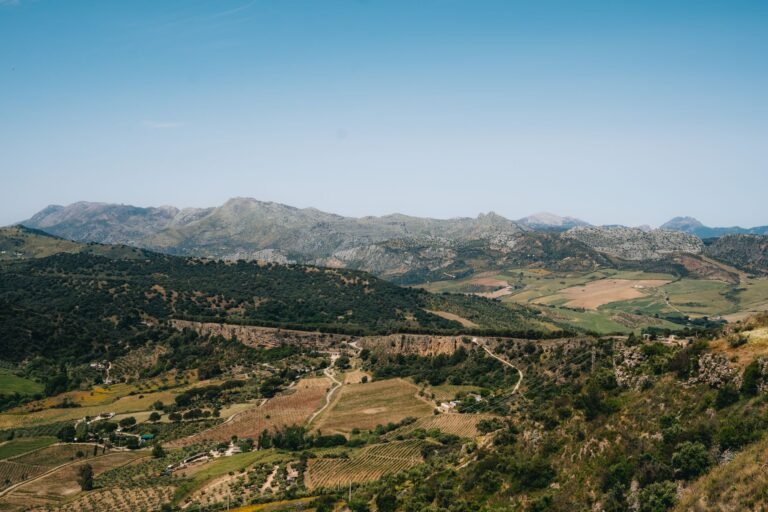
When you picture Mallorca, your mind probably jumps straight to sun-drenched beaches and turquoise waters. And yes, the island certainly delivers on that front. But to truly know Mallorca, to understand its soul beyond the coastlines, you need to venture inland, up into the rugged embrace of the Serra de Tramuntana mountains. That’s where you’ll find places like Valldemossa, a truly special valldemossa mallorca village retreat that stands in gentle contrast to the island’s bustling shores. This isn’t just another pretty village; it’s a living piece of history, where every cobbled street and stone façade whispers stories of centuries past, offering a glimpse into a quieter, more authentic Majorcan way of life that I’ve come to appreciate deeply over my years living in Spain. Here, you’ll discover how to experience this mountain haven, from its historic monastery to its sweet treats, ensuring your visit is as rewarding as it is relaxing.
Quick Answer: Valldemossa Mallorca
Valldemossa is a historic mountain village nestled in the Serra de Tramuntana mountains of Mallorca, known for its Real Cartuja (Royal Carthusian Monastery), its connection to Frédéric Chopin and George Sand, and its beautifully preserved stone houses. It offers visitors a deep dive into traditional Majorcan life, surrounded by stunning natural landscapes, and is a perfect escape from the island’s busier coastal areas for those seeking cultural depth and natural beauty.
The Real Cartuja de Valldemossa: History and Intrigue
The heart of Valldemossa, both geographically and historically, is the Real Cartuja. This former Carthusian monastery, founded in the early 15th century, holds centuries of stories within its walls. It’s most famous for being the winter residence of Polish composer Frédéric Chopin and French writer George Sand in 1838-39. Their stay, though brief and challenging due to Chopin’s illness and the island’s conservative views on their unmarried status, resulted in some of Chopin’s most profound compositions and Sand’s memoir, “A Winter in Mallorca,” which offers an unfiltered, if somewhat critical, account of island life at the time.
Visiting the Cartuja today is a step back in time. Your entry ticket, which typically costs around €12 per adult, grants you access to several key areas. You can explore the old monastery pharmacy, which has been preserved much as it was, complete with ancient remedies and ceramic jars. The Prior’s Cell is another highlight, showcasing the living quarters of the monastery’s head, giving you a sense of monastic life. What many visitors come for, however, are the cells where Chopin and Sand resided. Here, you’ll find Chopin’s original Pleyel piano and personal belongings, alongside Sand’s writings. It’s a truly moving experience to stand in the room where such creative minds once worked. The Cartuja also houses a municipal museum, displaying a collection of historical artifacts, local art, and a print shop that dates back to the 16th century.
Don’t skip the beautiful gardens that surround the Cartuja, offering peaceful walking paths and views of the valley. Allow yourself at least 1.5 to 2 hours to fully explore the monastery and its grounds. The Cartuja is generally open from 10:00 to 17:00 or 18:00, depending on the season, but it’s always a good idea to check their official website for the most up-to-date schedule, especially if you’re visiting during public holidays or outside the peak summer months. It’s a place where history feels incredibly close, and it serves as a powerful reminder of Valldemossa’s unique place in European cultural heritage.
Wandering the Cobbled Streets: Life in the Village
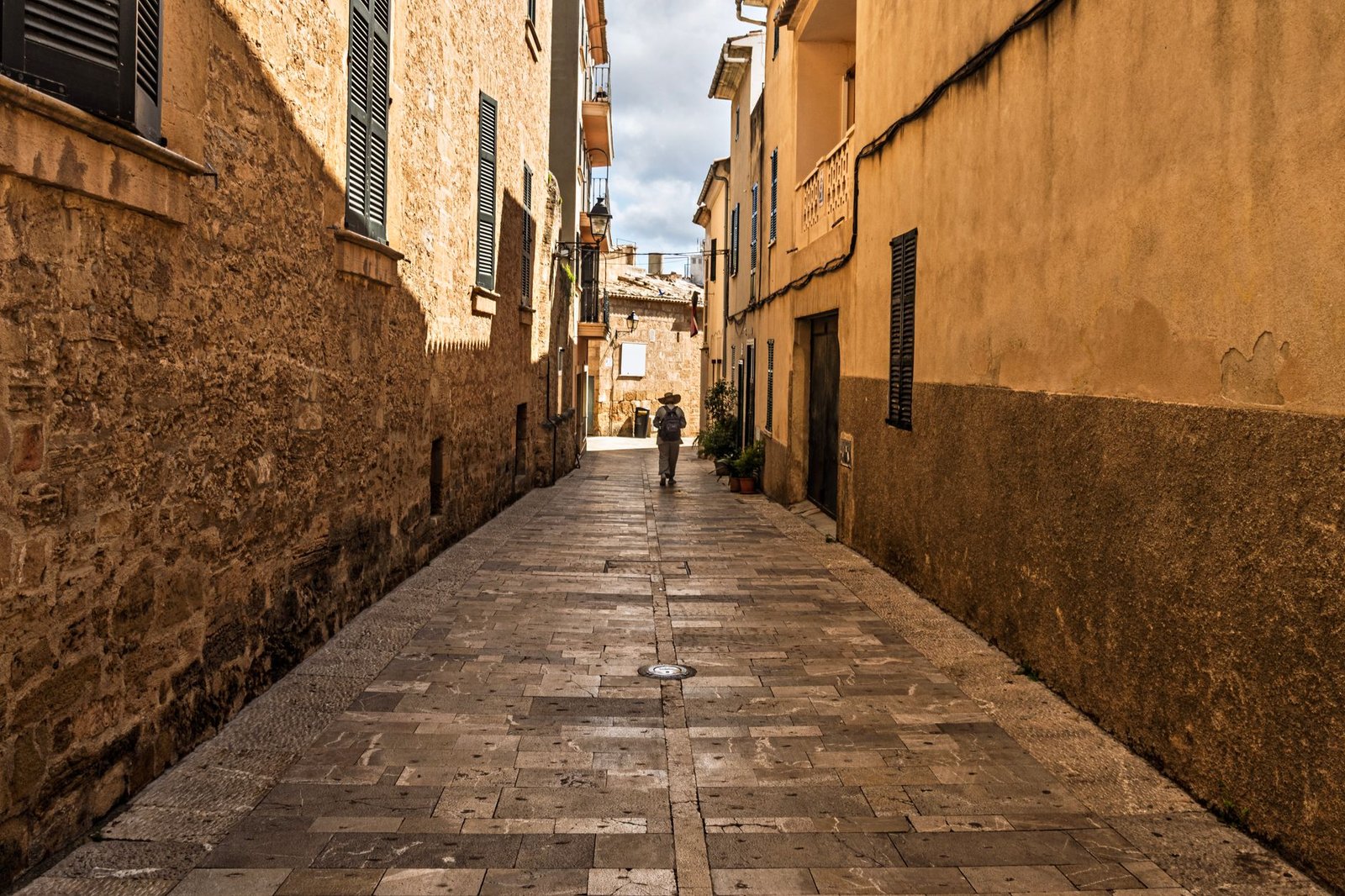
Beyond the grandeur of the Cartuja, Valldemossa truly shines in its winding, cobbled streets. This is where the everyday life of the village unfolds, where traditional Majorcan architecture meets a deep reverence for local history and customs. The homes here are almost universally built from stone, their terracotta roofs contrasting beautifully with the deep green of the surrounding mountains and the vibrant splashes of greenery that adorn every doorway and window box. The villagers take immense pride in their floral displays, and you’ll see geraniums, bougainvillea, and petunias cascading from every available ledge, transforming the village into a living canvas.
As you wander, you’ll notice small ceramic plaques featuring the image of Santa Catalina Thomàs, Mallorca’s only saint, adorning the entrance of nearly every house. Born in Valldemossa in 1531, she is deeply revered, and these tiles are a testament to the villagers’ devotion and their enduring connection to their past. Following these tiny tributes can be a pleasant way to discover new alleys and viewpoints. Take your time to get lost; the village is small enough that you’ll always find your way back to the main square, Plaça de Ramon Llull, which serves as a central meeting point and often hosts local markets or gatherings.
Don’t rush your stroll through the pedestrian-friendly centre. Pop into the small artisan shops that line some of the narrower streets. You’ll find handmade ceramics, local textiles, and traditional Mallorcan souvenirs that go beyond mass-produced items. This is also the place to try a local specialty: the coca de patata. This sweet, light potato bun is a Valldemossa staple, perfect with a coffee or a glass of fresh orange juice. You can find them in nearly every bakery (forn) in the village, often still warm from the oven. It’s a simple pleasure, but one that truly connects you to the everyday rhythm of this remarkable place.
Getting to Valldemossa: Routes, Parking, and Practicalities
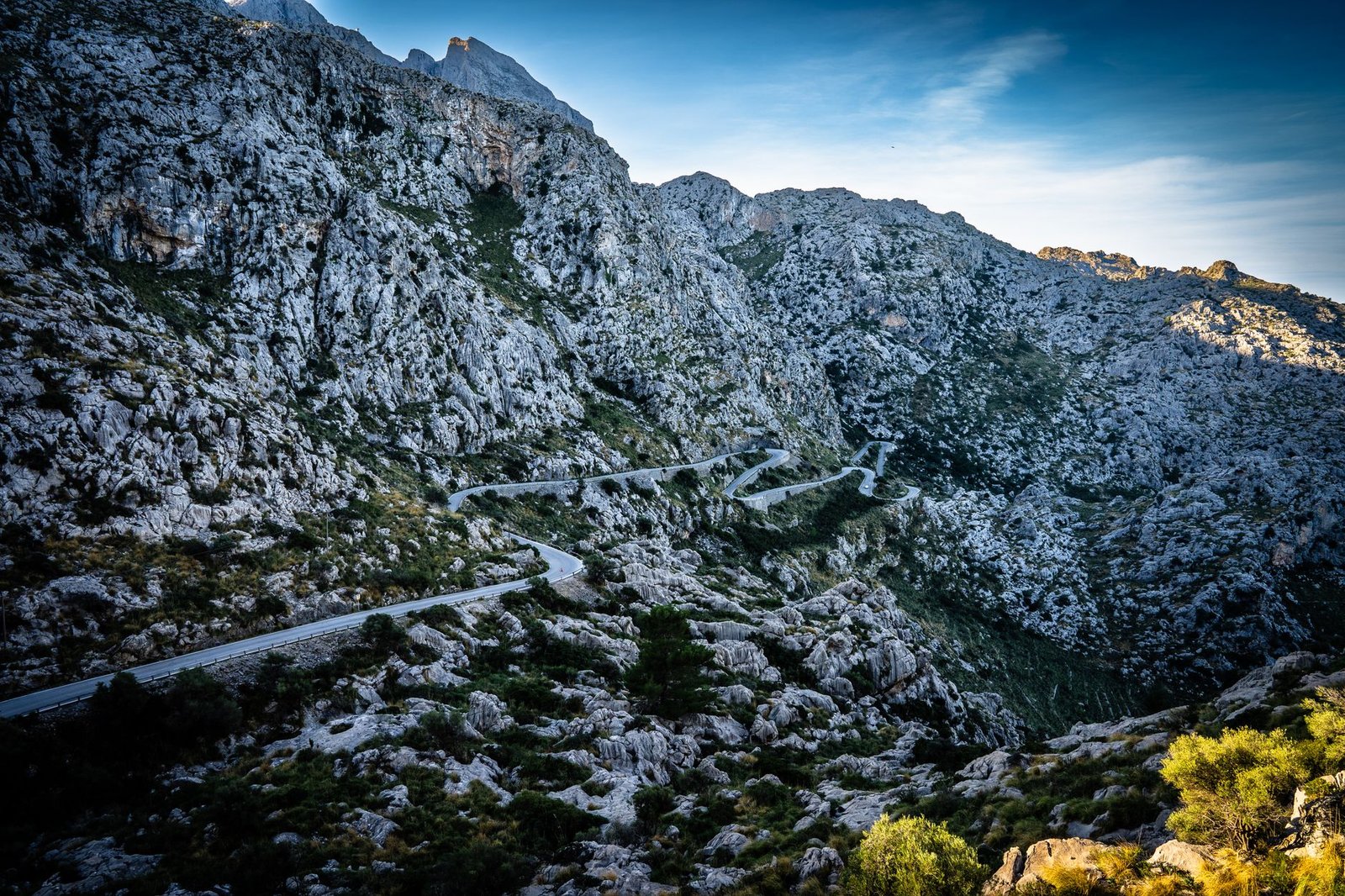
Reaching Valldemossa is part of the experience, as the journey itself offers increasingly spectacular views of the Serra de Tramuntana. The village is approximately 17 kilometres northwest of Palma, the island’s capital. You have a few options for getting there, each with its own advantages.
By Car: This is the most flexible option, allowing you to stop at various viewpoints along the way. The drive from Palma takes about 30-40 minutes via the Ma-1110 road. While the drive is relatively straightforward, the roads leading into Valldemossa can be winding and narrow in places, so drive with care. Parking is the main challenge. Valldemossa has a large paid car park (Aparcament Municipal) at the entrance of the village, which is your best bet. Prices are typically around €1.50 per hour, with daily maximums of about €10-€12. During peak season (June-August), especially on weekends, this car park can fill up quickly, so arriving earlier in the morning (before 10:00) or later in the afternoon (after 16:00) is advisable to secure a spot. Street parking within the village is virtually non-existent for visitors and often restricted to residents.
By Bus: For a stress-free journey, consider taking the public bus. The TIB (Transport de les Illes Balears) bus line 203 runs regularly from Palma’s Plaça d’Espanya bus station directly to Valldemossa. The journey takes approximately 30 minutes. The bus drops you off at the main entrance to the village, just a short walk from the centre and the Cartuja. A single ticket typically costs around €2.70-€3.50, depending on whether you use a public transport card or pay cash on board. Buses are clean and reliable, offering a comfortable ride with good views. Check the TIB website for the most current timetables, as frequency can vary by season.
Here’s a sample bus schedule for weekdays from Palma to Valldemossa (always verify current times online):
| Departure Palma (Plaça d’Espanya) | Arrival Valldemossa | Approx. Journey Time |
|---|---|---|
| 08:30 | 09:00 | 30 minutes |
| 09:45 | 10:15 | 30 minutes |
| 11:00 | 11:30 | 30 minutes |
| 12:30 | 13:00 | 30 minutes |
| 14:00 | 14:30 | 30 minutes |
| 15:15 | 15:45 | 30 minutes |
Valldemossa itself is entirely walkable, so once you’ve arrived, you won’t need any further transport to explore the village’s main attractions. Wear comfortable shoes, as the cobblestones can be uneven, and there are some gentle inclines.
Beyond the Village: Natural Beauty and Day Trips
While Valldemossa itself offers plenty to see and experience, its location in the Serra de Tramuntana means you’re perfectly positioned to explore some of Mallorca’s most impressive natural landscapes and other nearby villages. This region is a designated UNESCO World Heritage site, celebrated for its unique agricultural landscapes and ancient dry-stone terraces.
One of the most rewarding excursions from Valldemossa is to the **Mirador de sa Foradada**. This viewpoint, easily accessible by a short drive (about 15 minutes) or a longer walk from Valldemossa, offers unparalleled views of the iconic rock formation with a hole in its centre. It’s particularly popular for sunsets, when the sky often erupts in colours over the Mediterranean Sea. There’s a small kiosk here selling refreshments, making it a pleasant spot to pause and soak in the panorama.
For those who love to hike, the mountains surrounding Valldemossa are crisscrossed with trails. One of the most historically significant is the **Archduke Ludwig Salvator’s Path (Camí de s’Arxiduc)**. This path, built at the behest of the Archduke in the late 19th century, offers incredible coastal views from high above the sea. The full loop can be challenging, requiring a good level of fitness and proper hiking shoes, taking anywhere from 4 to 6 hours. However, even shorter sections provide rewarding vistas. You’ll need appropriate gear: sturdy walking shoes, plenty of water (at least 2 litres per person for longer hikes), sun protection, and a map or GPS device as some sections can be less clearly marked. Always let someone know your route if you plan a longer trek. No specific permits are generally required for day hikes, and the cost is simply your personal preparation.
Another must-visit village nearby is **Deià**, just a 15-minute drive further along the mountain road (Ma-10). Deià is another stone village, perhaps even more intimately woven into the landscape, known for its artistic community and its relaxed atmosphere. It’s smaller than Valldemossa but equally captivating, with its own beautiful church and panoramic views. From Deià, you can also consider venturing down to Cala Deià, a small, rocky cove (though a steep walk) offering refreshing dips in clear waters. If you’re looking for more secluded coastal spots on the island, you might find inspiration in exploring more of Mallorca Secret Coves To Visit to uncover some real hidden jewels.
These nearby excursions truly complement a visit to Valldemossa, allowing you to experience the diverse natural and cultural heritage of this part of Mallorca. Whether you’re seeking panoramic viewpoints, strenuous hikes, or simply more charming villages, the area delivers.
Where to Eat and Stay in Valldemossa: Savoring Local Flavors and Restful Nights
When it comes to experiencing Valldemossa, taking your time to enjoy its culinary offerings and finding a comfortable place to rest are key components. The village, while small, provides some wonderful options, all emphasizing local ingredients and authentic Majorcan traditions. Remember, this is a place for simple, honest food, not elaborate dining experiences.
For eating, beyond the ubiquitous and delicious coca de patata, you’ll find several modest cafés and restaurants scattered around the main squares and side streets. Most places serve traditional Majorcan fare, which means fresh produce, good quality bread, and often dishes centered around vegetables, fish, or pork. Expect dishes like Pa amb Oli (bread with olive oil, tomato, and often cheese or cured meats), tumbet (a vegetable casserole similar to ratatouille), or simple grilled fish. A typical lunch at a casual eatery might cost you anywhere from €15 to €25 per person, including a main course and a non-alcoholic drink. For a lighter snack, a coca de patata and a coffee will be around €4-€6. I recommend trying:
- Any forn (bakery) for a warm coca de patata.
- Cafés around Plaça de Ramon Llull for people-watching and a light meal.
- Local restaurants serving simple, fresh Mediterranean dishes.
- Places offering homemade aioli with fresh bread.
When it comes to staying, Valldemossa has a selection of hotels and guesthouses that range from historic boutique properties to more modest, family-run establishments. Staying overnight allows you to experience the village after the day-trippers have left, when its true quiet and charm settle in. Prices for a double room in a mid-range hotel typically start from €100-€150 per night outside of peak season, escalating to €200-€300 or more in summer, especially for properties with mountain views or special amenities. Many of these accommodations are housed in beautifully restored stone buildings, maintaining the village’s architectural integrity.
Options include:
- Boutique Hotels: Often in renovated historical buildings, offering a unique character and personalized service. Expect amenities like small courtyards or terraces.
- Rural Guesthouses (Agroturismos/Fincas): A bit outside the main village, these properties are often working farms or country estates converted into lodging, providing a more immersive rural experience with gardens and pools.
- Apartments: For longer stays or those seeking self-catering options, private apartment rentals are available.
- Hostals: Simpler, more budget-friendly options, usually family-run.
Booking well in advance, especially if you plan to visit during the summer months (June-August) or major local festivals, is highly advisable. Valldemossa’s accommodation capacity is limited, and the most sought-after places fill up quickly. Always compare hotel prices on Booking.com to ensure you’re getting the best value for your stay. Staying overnight truly lets you absorb the atmosphere, waking up to the sound of church bells and the smell of fresh bread, rather than feeling rushed on a day trip.
FAQ: Valldemossa Mallorca village retreat, my cherished island find. – Common Questions
Is Valldemossa worth visiting?
Absolutely, Valldemossa is undeniably worth visiting, especially if you have an interest in history, culture, and natural beauty beyond Mallorca’s beaches. It offers a unique glimpse into traditional Majorcan life, with its stunning mountain setting, the historic Real Cartuja, and a peaceful atmosphere that contrasts sharply with the island’s coastal resorts. It’s an essential stop for anyone wanting to experience the authentic soul of the Serra de Tramuntana.
How long should I spend in Valldemossa?
For a thorough visit to the village itself and the Real Cartuja, plan for at least 3 to 4 hours. This allows enough time to explore the monastery, wander the charming streets, enjoy a coca de patata, and browse local shops at a relaxed pace. If you wish to include a short hike in the surrounding mountains or visit a nearby viewpoint like Mirador de sa Foradada, a full day (6-8 hours) is recommended. Overnight stays offer the deepest experience, letting you enjoy the village’s quiet evenings.
What is Valldemossa known for?
Valldemossa is primarily known for its Real Cartuja (Royal Carthusian Monastery), which famously hosted Frédéric Chopin and George Sand during a winter stay in 1838-1839. Beyond this historical connection, it is celebrated for its well-preserved traditional stone architecture, its designation as part of the UNESCO World Heritage Serra de Tramuntana, and its strong cultural identity, particularly its devotion to Mallorca’s only saint, Santa Catalina Thomàs.
What else can I do near Valldemossa?
Near Valldemossa, you can explore the Mirador de sa Foradada for spectacular sunset views, especially of the distinctive rock formation. The village of Deià, another captivating mountain settlement with an artistic heritage, is a short drive away. For active visitors, the Serra de Tramuntana offers numerous hiking trails, including sections of the Archduke Ludwig Salvator’s Path, providing incredible views over the Mediterranean. These activities make for excellent extensions to your Valldemossa visit.
Stepping into Valldemossa is like entering a tranquil storybook, where time seems to slow down and every corner reveals another layer of Majorcan tradition and natural beauty. It’s a place that asks you to simply be present, to wander, to taste, and to breathe in the unique mountain air. After years of living here, I can confidently say that places like Valldemossa are why I fell in love with Spain, offering a depth of experience that is truly special. If you’re looking to peel back the layers of Spain and discover the authentic heart of Mallorca, a visit here will not disappoint. You can always check our Spain travel blog for more inspiration and practical tips on where to go next.
About the Author
After 15 years living and traveling across Spain, Caro knows this country in a way most travel writers never will. She’s not here to sell you a polished version of Spain, she’s here to show you the real one. Every guide on this site comes from her own experience: the restaurants she eats at, the routes she walks, the festivals she’s actually attended. She writes to cut through the noise and give you what actually matters. Learn more about Caro →