Mallorca or Menorca for Hiking: Which Island Wins
Some links in this guide are affiliate links — if you book through them we may earn a small commission at no extra cost to you. It never changes what we recommend. Full disclosure.
Navigating the options for an island escape can be tricky, especially when you’re asking yourself whether Mallorca or Menorca for hiking is the better fit for your walking boots. These two Balearic Islands offer genuinely distinct hiking, from rugged peaks to gentle coastlines. This guide will cut through the noise, giving you a clear, honest perspective on what each island genuinely offers the hiker, ensuring you pick the adventure that truly speaks to you.
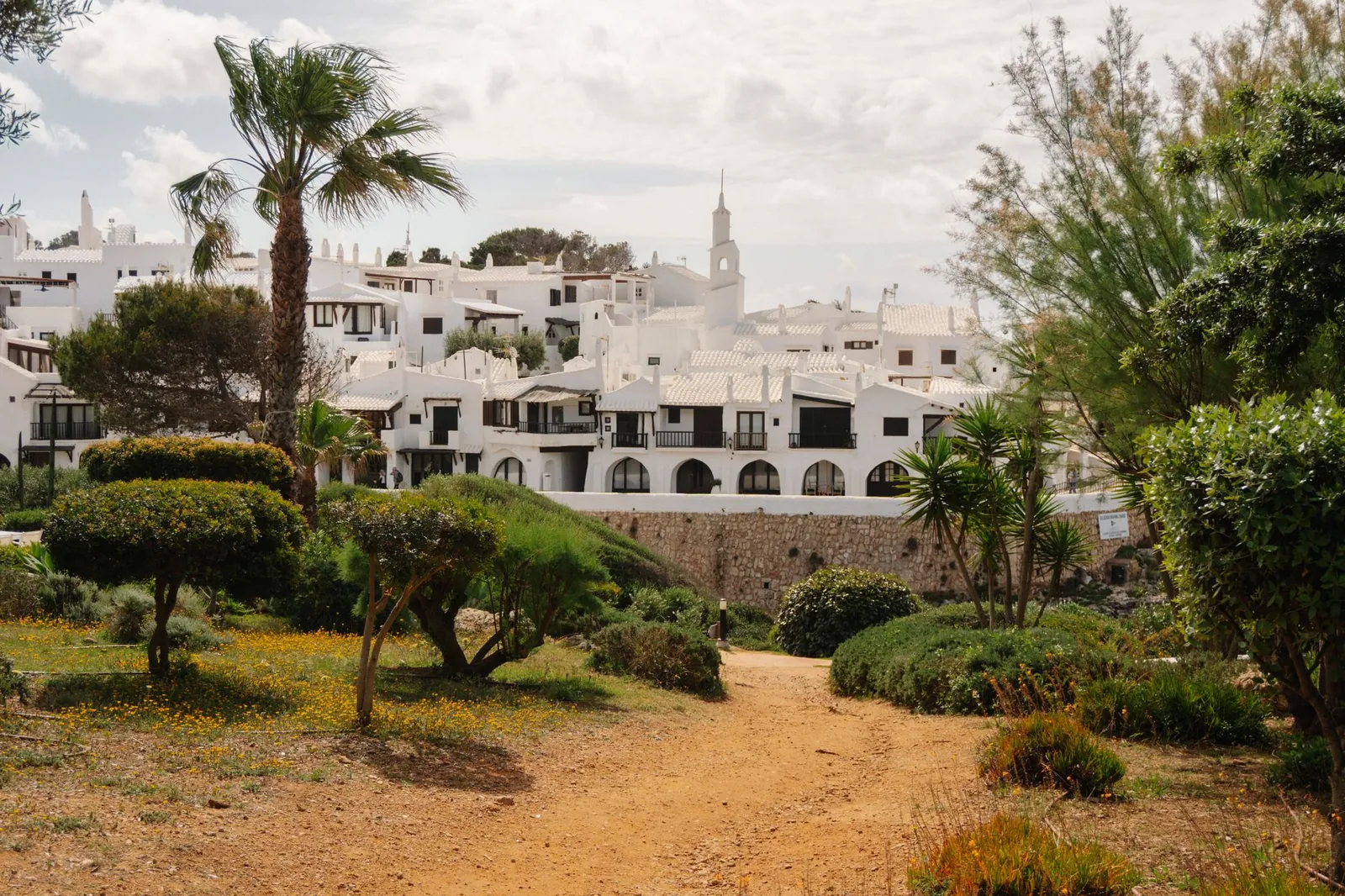
This article contains affiliate links. If you book through one, Spain Destination may earn a small commission at no extra cost to you. See the full affiliate disclosure →
Quick Answer: Choosing Your Hiking Island
For hikers seeking challenging mountain terrain with dramatic ascents and multi-day routes, Mallorca is the clear winner, boasting the formidable Serra de Tramuntana; however, if your preference leans towards historical, coastal paths with gentle gradients and a quieter pace, Menorca, with its circumnavigating Cami de Cavalls, offers an equally rewarding experience across its 185 kilometers.
Mallorca: The Serra de Tramuntana’s Rugged Embrace
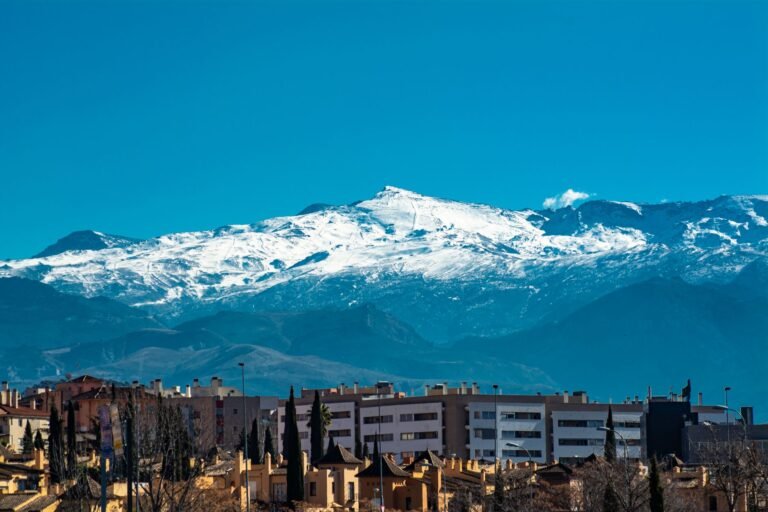
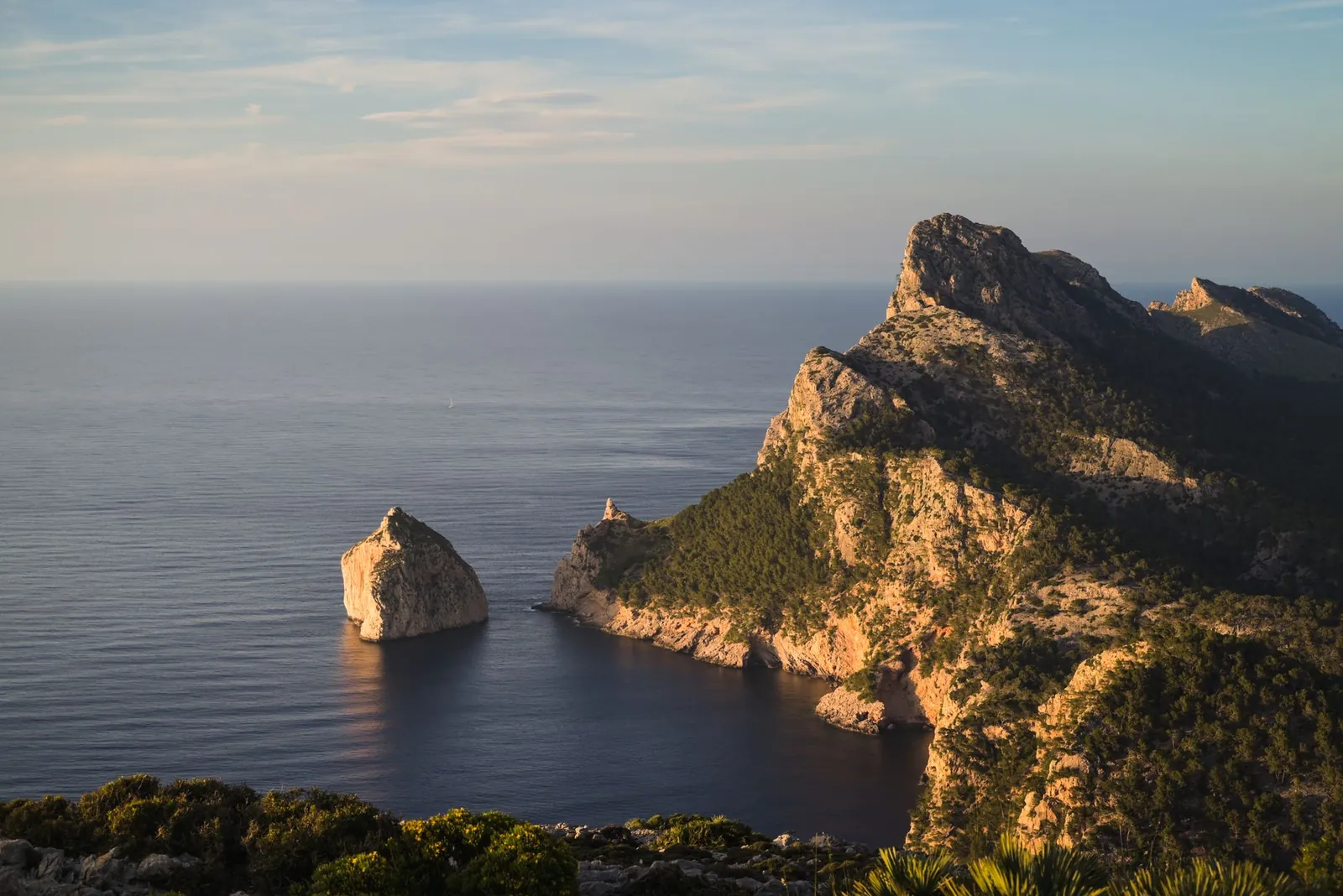
Mallorca’s hiking terrain is dominated by the Serra de Tramuntana, a UNESCO World Heritage site featuring peaks over 1,000 meters and requiring good fitness for trails like the GR221, which takes about 8-10 days to complete in its entirety. This mountain range, stretching along the island’s northwest coast, is a labyrinth of ancient paths, terraced olive groves, and dramatic limestone cliffs plunging into the sea. The GR221, known as the ‘Dry Stone Route’, is the star here, offering over 140 kilometers of well-marked, though sometimes demanding, trekking.
You’ll find sections of the GR221 that stand out for their raw beauty and challenge. The stretch from Valldemossa to Deià, for example, is around 4-5 hours and climbs through pine forests and offers staggering views of the Mediterranean. It’s a route that truly gets you into the heart of the Tramuntana. Another fantastic option, albeit a more strenuous one, is the hike to Puig de Massanella, one of the highest peaks accessible to hikers, which can take 6-8 hours return from the Lluc Monastery. This route involves significant elevation gain, often over 800 meters, and requires a good head for heights and sturdy knees for the descent.
When you’re tackling Mallorca’s mountains, sturdy, ankle-supporting hiking boots are non-negotiable. The terrain is often rocky and uneven, and scree slopes are not uncommon. Layers of clothing are also essential; even on a warm day, temperatures can drop significantly at higher elevations or in shaded valleys. Always carry at least 2-3 liters of water, especially outside of villages, as water sources are scarce. While the rewards are immense – panoramic vistas, ancient villages like Valldemossa nestled in the hills, and a profound sense of accomplishment – it’s honest to say that some popular sections, especially near Sóller or Deià, can get busy during peak season (April-May, September-October). If you prefer to explore Mallorca’s dramatic landscapes with a local guide, you can discover available tours to help you navigate the trails.
The downsides? Beyond the crowds in certain spots, some trails are quite exposed to the sun, meaning summer hiking (June-August) is only advisable for early morning starts or shorter, shaded routes. Waymarking on some older sections can sometimes be less clear than on the main GR221, so always carry a map and GPS. However, for those who crave the physical challenge and the grandeur of mountainous landscapes, Mallorca’s Serra de Tramuntana is an experience you won’t forget.
Menorca: The Cami de Cavalls’ Coastal Serenity
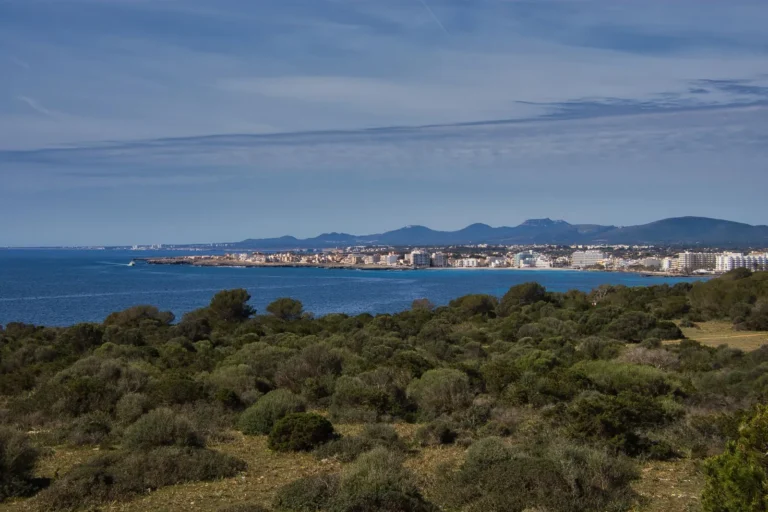
Menorca’s primary hiking draw is the Cami de Cavalls (GR223), a historic path circumnavigating the island over approximately 185 kilometers, which can be walked in manageable 3-5 hour sections suitable for most fitness levels. This ancient bridleway, originally used for military surveillance and coastal defense, offers a completely different hiking experience from Mallorca. Here, the emphasis is on gentle coastal walks, sandy coves, fragrant pine forests, and a constant connection to the turquoise Mediterranean.
The Cami de Cavalls is divided into 20 well-marked stages, each varying in length from 5 to 13 kilometers. This modular structure makes it incredibly accessible; you can choose a section that perfectly matches your energy level and time constraints. For instance, the section from Cala Galdana to Cala Mitjana, around 4.5 kilometers, takes about 1.5 hours and leads you to some of Menorca’s most idyllic beaches. The path is generally well-maintained, often sandy or stony, but rarely involves steep climbs. You’ll encounter watchtowers, prehistoric sites, and farmland, offering glimpses into Menorca’s history and natural beauty at every turn.
One of the beauties of the Cami de Cavalls is its variety. The northern sections, exposed to the tramontana wind, are wilder and rockier, with red earth and dark cliffs, such as the route from Cavalleria Lighthouse to Binimel·là, which can take 2-3 hours and covers about 7 kilometers. The southern sections, on the other hand, are softer, characterized by white sand beaches and gentle slopes, like the stage from Cala en Porter to Sant Tomàs, a 10.8 km walk that takes around 3-4 hours. This contrast within the single trail gives Menorca a subtle depth that some might overlook.
While the Cami de Cavalls lacks the dramatic elevation changes of Mallorca, it does present its own set of considerations. Shade is often limited, especially on southern stretches, making sun protection absolutely vital. Carrying ample water is crucial, as you won’t always find refreshment points between towns. The path is generally easy to follow, marked with clear wooden posts, but wearing sturdy trainers or light hiking shoes is still recommended over flip-flops, due to uneven surfaces and occasional rocky stretches. If your idea of a perfect hike involves stopping for a swim in a secluded cove and perhaps even enjoying a slice of Menorca Mahón cheese afterwards, then this island truly delivers.
Difficulty & Skill Level: Which Island Challenges You More?
For significant elevation gain and technical terrain, Mallorca presents a greater challenge with trails reaching expert difficulty, whereas Menorca’s trails rarely exceed moderate difficulty, featuring gentler gradients and well-maintained paths. This distinction is the core of choosing between the two islands for your hiking adventure. Mallorca’s Serra de Tramuntana offers routes with over 1,000 meters of cumulative ascent and descent in a single day, such as the climb to Puig Tomir or the demanding Torrent de Pareis gorge walk, which involves scrambling and riverbed navigation.
On Mallorca, trails often demand a good level of fitness, experience with rocky terrain, and sometimes a head for heights. The GR221, while generally well-trodden, has sections with significant climbs and descents that will test your endurance. For example, the stage from Esporles to Banyalbufar is about 14 kilometers, taking 5-6 hours with over 600 meters of ascent. You’ll encounter steep, switchback trails, often with loose scree, requiring careful footing and concentration. Expert hikers will find multi-day hut-to-hut treks and more technical scrambling routes that offer a true mountaineering feel.
Menorca, in stark contrast, is ideal for those who prefer a more relaxed pace. The Cami de Cavalls rarely climbs more than a few hundred meters in a day, and most ascents are gradual. The terrain is a mix of sandy paths, dirt tracks, and rocky sections, but nothing that typically requires specialized equipment beyond comfortable footwear. An intermediate hiker might find the longer 10-12 km sections satisfying, while beginners will appreciate the numerous shorter, flatter stages that allow for an enjoyable walk without excessive strain. You won’t find significant scrambling or high-altitude exposure here, which makes it perfect for families, casual walkers, or those simply looking to enjoy the scenery without pushing physical limits too hard.
To put it plainly: if you’re looking to challenge your physical limits, train for a multi-day trek, or experience true mountain hiking, Mallorca is your destination. If you want pleasant walks, beautiful scenery, and a chance to explore at your own pace without extreme exertion, Menorca is undoubtedly the better choice. Gear-wise, this means serious hiking boots and possibly trekking poles for Mallorca, versus comfortable walking shoes or sturdy trainers for Menorca.
Best Time to Hike & Practical Logistics
The optimal time for hiking on either island is generally spring (April-May) or autumn (September-October), when temperatures range from 18-25°C, making conditions ideal before summer heat or winter rains arrive. These shoulder seasons offer pleasant weather, fewer crowds, and the islands are at their most verdant in spring or bathed in warm, golden light in autumn. Summers (June-August) are incredibly hot, often exceeding 30°C, making hiking strenuous and potentially dangerous due to heatstroke, especially on exposed trails without shade. Winters (November-March) can bring rain, strong winds, and cooler temperatures, although many coastal paths remain perfectly hikable on clear days.
When planning your trip, consider accommodation. On Mallorca, especially if you’re doing the GR221, booking refuges (mountain huts) weeks or even months in advance is essential, as they have limited capacity (typically 20-50 beds) and are very popular. Prices for a dormitory bed range from €15-€25 per night, and some offer meals. In Menorca, the Cami de Cavalls connects many towns and resorts, so you’ll stay in hotels or apartments, with prices varying widely but expect €60-€150+ per night for a decent room. For both islands, finding comfortable places to stay requires early planning, especially outside peak season to get better value.
Transport is another key consideration. Mallorca has a decent public bus network connecting major towns and trailheads, though some more remote starting points require a car. Renting a car on Mallorca gives you maximum flexibility but can be expensive, ranging from €25-€60 per day depending on the season and car type. Menorca’s bus network is less extensive for reaching all Cami de Cavalls sections, so a rental car is highly recommended there if you want to hop between stages easily. For longer routes, arranging a taxi transfer back to your starting point is also an option, with prices generally from €20-€50 depending on distance.
Always pack plenty of water, high-energy snacks, a map (physical and/or digital), a fully charged phone, and a small first-aid kit. Even on Menorca’s gentler paths, a twisted ankle can happen. Information on trail conditions and official routes can often be found on local tourism websites or the Balearic Islands’ government portals, like Spain.info, which can provide general guidance.
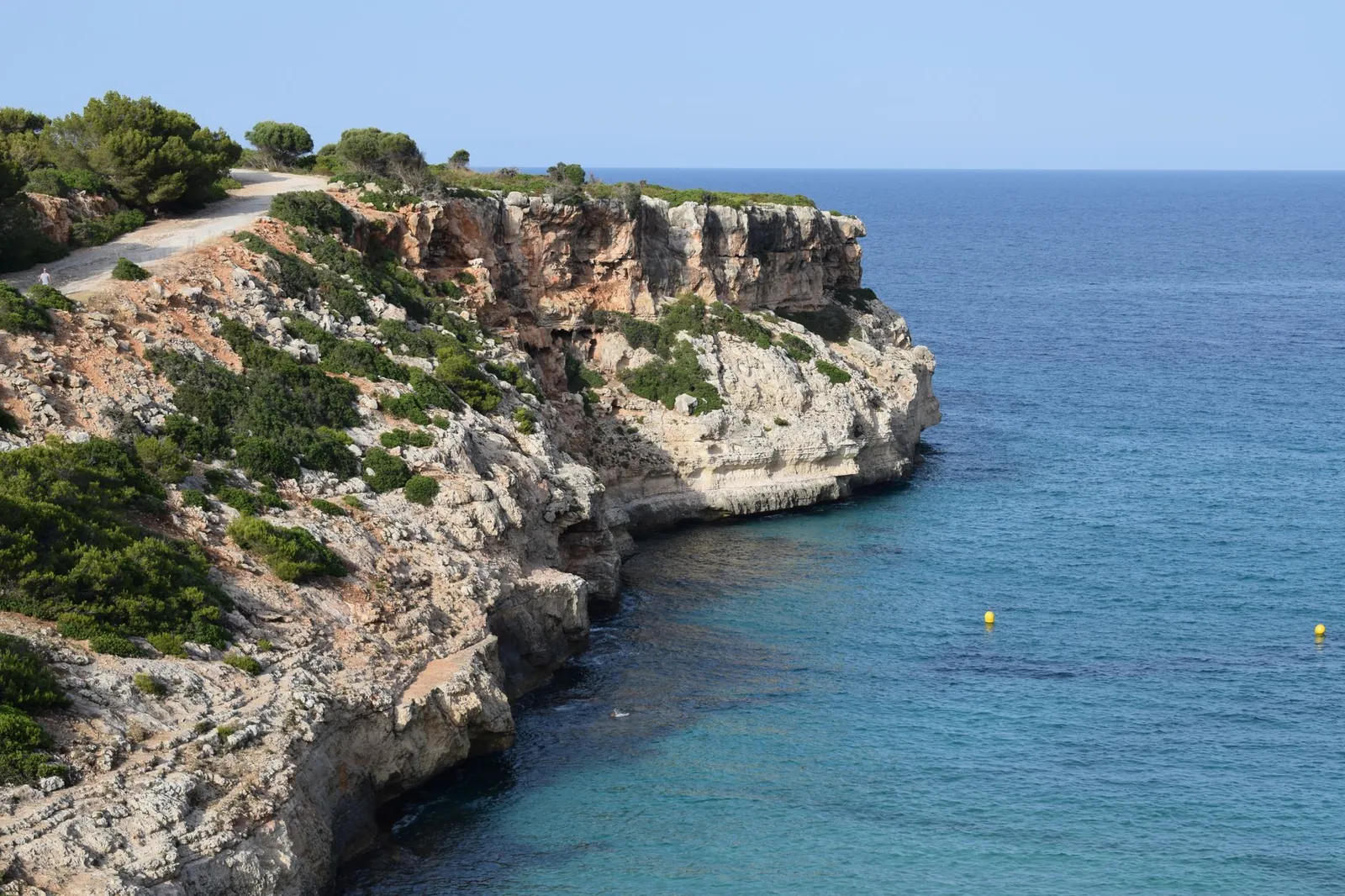
| Trail Section / Item | Mallorca (GR221 example) | Menorca (GR223 example) |
|---|---|---|
| Typical Daily Hike Time | 5-8 hours | 3-5 hours |
| Elevation Gain (daily) | 300-800m+ | 50-200m |
| Refuge Stay (per night) | €15-€25 (dormitory, booking essential) | N/A (hotels/apartments in towns) |
| Packed Lunch Supplies | €5-€10 from local shops | €5-€10 from local shops |
| Bus Fare (inter-town) | €3-€10 depending on distance | €2-€7 depending on distance |
| Trail Markers | Good, but some sections require careful navigation | Excellent, well-signed and frequent |
| Required Fitness Level | Moderate to High | Low to Moderate |
Which Island Wins for Your Hiking Style? My Honest Opinion
If you seek strenuous, multi-day mountain treks with significant elevation and dramatic vistas, Mallorca is undeniably your better choice, offering a true challenge; for relaxed coastal strolls, historical paths, and a quieter experience, Menorca clearly comes out on top. It boils down to your personal hiking philosophy. Mallorca offers the rugged beauty of the Serra de Tramuntana, a landscape that demands respect and rewards effort with some of the most spectacular views in the Mediterranean. You’ll push your limits, navigate challenging terrain, and truly feel the satisfaction of a mountain conquest. This is for the serious hiker, the one who packs poles and relishes a good climb.
Menorca, on the other hand, is for the explorer who values tranquility, history, and the simple pleasure of walking beside the sea. The Cami de Cavalls offers an immersive experience into the island’s natural parks, historic sites, and countless coves, all at a manageable pace. You can dip your toes in the sea after a walk, enjoy a leisurely lunch in a seaside town, and feel completely refreshed. If you’re seeking a more gentle connection with nature, perhaps some family walks, or a less physically demanding escape, Menorca will deliver beyond your expectations. It provides a different kind of satisfaction – one of discovery and peaceful immersion, which is why I often recommend it for a more laid-back hiking holiday. If your ultimate goal is to explore the variety these islands offer, considering the best time to visit Mallorca could also help tailor your trip perfectly.
Ultimately, both islands offer incredible ways to connect with nature on foot. However, they cater to distinct types of hikers. Don’t try to force a mountain adventure onto Menorca’s gentle paths, nor expect easy coastal strolls everywhere in Mallorca’s peaks. Understand what you truly want from your hiking holiday, and the right island will reveal itself.
Common Questions About Balearic Island Hiking
Is Mallorca good for beginner hikers?
Yes, Mallorca offers many accessible trails in areas like Parc Natural de Mondragó or coastal walks near Port de Sóller, providing a gentler introduction to hiking alongside its more challenging mountain routes. These easier paths often have minimal elevation gain and are well-maintained, perfect for those new to hiking or families.
Can you hike the Cami de Cavalls independently?
Absolutely, the Cami de Cavalls on Menorca is perfectly suited for independent hiking, with clear signage (wooden posts with GR223 markers), regular access points, and towns along the route for accommodation and supplies. Many people choose to walk individual sections, using public transport or taxis to get to and from trailheads.
What gear do I need for hiking in the Balearics?
For any significant hike, bring sturdy walking shoes or boots, plenty of water (at least 2 liters per person for a half-day hike), sun protection (hat, sunglasses, sunscreen), layers of clothing, and a small first-aid kit; trekking poles are beneficial for mountainous Mallorca trails, especially for descents, but not strictly necessary for Menorca.
Are there guided hiking tours available on the islands?
Yes, both Mallorca and Menorca have local companies offering guided hiking tours, ranging from half-day excursions to multi-day treks, which can be a good option if you prefer not to navigate independently or want expert local insights into the flora, fauna, and history. Prices usually start from €40-€60 for a half-day tour, often including transport to the trailhead.
Choosing between Mallorca and Menorca for your hiking adventure really comes down to the kind of experience you’re chasing. Mallorca promises the thrill of challenging mountain trails and breathtaking panoramas, demanding effort but delivering immense reward. Menorca offers a slower, more contemplative journey along its ancient coastal paths, perfect for quiet exploration and connecting with the island’s serene beauty. Both islands invite you to explore their natural wonders on foot, and whichever you choose, you’re sure to find a route that fills your spirit with the unique magic of the Balearics. For more detailed insights into Mallorca’s coastal beauty, you might want to explore Mallorca’s quieter coves after your trek.
About Mallorca Or Menorca For Hiking
This guide is part of Spain Destination’s library of Spain travel and lifestyle content, written with AI assistance and checked against official sources where possible. See how this site is researched and fact-checked →