Ibiza, Mallorca, or Menorca: Which Balearic Island Fits You?
Some links in this guide are affiliate links — if you book through them we may earn a small commission at no extra cost to you. It never changes what we recommend. Full disclosure.
If you’re dreaming of a Balearic escape, you’re likely weighing up your options between Ibiza, Mallorca and Menorca. The key thing to understand immediately is that while these three islands share the same Balearic Sea, they each offer a profoundly different experience. Your ideal trip depends entirely on your priorities, whether that’s dancing until dawn, cycling through mountains, or discovering pristine coves.
Quick Answer: Discovering the Balearics
Ibiza is your go-to for world-renowned nightlife and beach clubs, mixed with surprisingly quiet northern villages. Mallorca offers a diverse landscape for active holidays and cultural exploration, from its dramatic Tramuntana mountains to historical Palma. Menorca, in contrast, delivers a truly calm experience, focusing on unspoiled nature, protected beaches, and a slow pace of life. Menorca also feeds you well; its PDO Mahón cheese alone justifies a stop at a local farm shop.
If you’ve already ruled out Ibiza and are deciding specifically between the other two, this head-to-head Mallorca vs Menorca comparison goes deeper on that exact choice than this three-way overview can.
Ibiza: More Than Just the Beat
When you hear Ibiza, your mind probably jumps straight to superclubs and all-night sessions, and you wouldn’t be wrong. But stepping beyond that, the island reveals a different side, one of tranquil coves, authentic local markets, and a surprising amount of history. If your idea of a good time involves thumping music and grand productions, then clubs like Pacha and Amnesia are certainly where you’ll spend your evenings – expect a real premium for entry during peak season (July – August) and for big-name DJ nights, and check each club’s own site for current cover charges and opening times rather than assuming a published figure. The island’s slower side shows up best at places like the Las Dalias hippy market in San Carlos.
However, dismissing Ibiza as solely a party island is a mistake. On the quieter north side, you’ll find places like Sant Joan de Labritja, a small village that feels miles away from the buzz of Sant Antoni, with a well-known Sunday market offering local produce, handicrafts, and a more relaxed atmosphere – check current days and hours before planning around it, since village markets shift seasonally. For a cultural fix, Dalt Vila, Ibiza’s fortified Old Town, is a UNESCO World Heritage site and offers incredible views. Wander its cobbled streets, explore the cathedral, and enjoy a meal at one of the many restaurants within the walls. There’s no entry fee for the town itself, though individual museums inside it charge their own small fee – check current prices directly. For the bigger regional picture before you pick one, see our guide to what sets the Balearic Islands apart.
Transport on Ibiza can add up. Taxis are plentiful but pricier for late-night club runs than for a daytime ride; renting a scooter is the common alternative if you’re confident navigating, and the local bus service is the cheapest option but runs less frequently after hours. A genuine downside to Ibiza is the cost during summer – everything from food to accommodation sees a significant price hike, and dining can range from a casual lunch to a proper splurge-dinner price depending on where you sit down. If you’re planning a trip, booking flights and accommodation well in advance is a smart move.
- Club Entry: real premium during peak season and for name DJs – check each venue’s current cover charge.
- Getting around after dark: taxis cost more than daytime fares; a scooter or the bus are the cheaper alternatives.
- Sant Joan Market: Sundays, free entry – confirm current hours before you go.
- Dalt Vila Exploration: free to wander; individual museums inside charge their own small fee.
Mallorca: The Island for Active Explorers and Relaxed Beach Days
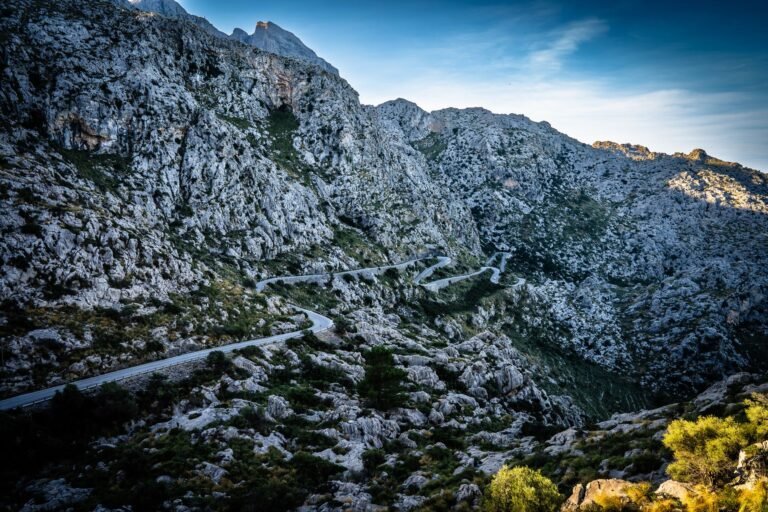
Mallorca, the largest of the Balearic Islands, is a study in contrasts. While it has its fair share of lively resorts, the true essence of Mallorca lies in its diverse geography. If your aim is to unwind, this island provides endless opportunities, whether you’re hiking in the mountains, exploring ancient towns, or simply lounging on a quiet beach. The Serra de Tramuntana mountain range, a UNESCO World Heritage site, dominates the northwest coast. Here, you’ll find some of the most dramatic landscapes in the Mediterranean, perfect for cycling, hiking, and rock climbing. A popular hiking route is the GR221, known as the Dry Stone Route, offering multi-day treks through olive groves and traditional villages.
Villages like Valldemossa and Deià are postcard-worthy, with stone houses, narrow streets, and rich cultural histories. In Valldemossa, visit the Royal Carthusian Monastery, which hosted Chopin and George Sand – check the monastery’s own site for current entry price and opening hours, which shift between summer and winter. For beach lovers, Mallorca offers everything from long sandy stretches like Es Trenc (free to the beach itself; nearby parking is paid) to secluded coves. Palma, the island’s capital, is a city break in itself. You absolutely must see La Seu, the Gothic Cathedral, an architectural marvel – check current entry price and hours directly, since they differ between weekdays and Saturdays and change seasonally. Don’t forget to sample some local delights in Palma; try an authentic ‘pa amb oli’ (bread with olive oil and toppings) at a traditional restaurant. Beyond the villages, the island hides small swimming spots that don’t show up on most maps worth the detour if you have a car and a free afternoon.
One potential downside to Mallorca is that if you want to explore beyond the main resorts and Palma, a rental car is almost essential. Bus services connect major towns but reaching some of the more isolated coves or mountain trailheads can be tricky without your own wheels. Car rental prices vary hugely by season – book ahead for summer, when both price and availability tighten. Taxis are available but become expensive quickly over longer distances, such as Palma to Deià. A guided day tour is worth comparing against a rental car for specific excursions if you’d rather not drive yourself.
- La Seu Cathedral and Valldemossa Monastery: both charge entry – check current prices and hours, which vary by day and season.
- Es Trenc: free beach access, paid parking nearby.
- Car Rental: book ahead for summer, when rates rise and availability tightens.
- Pa amb Oli: inexpensive, widely available at traditional restaurants.
Menorca: Recharging in Unspoiled Nature
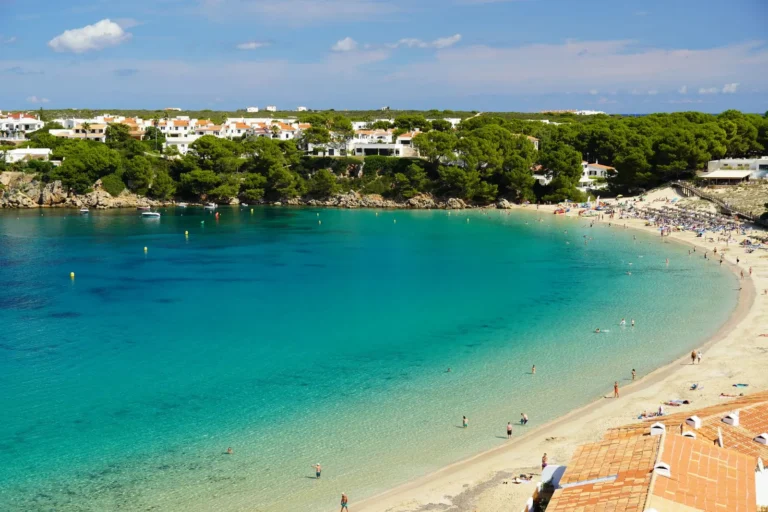
Menorca is the antithesis of its louder sibling, Ibiza. If your mission is to recharge, disconnect, and immerse yourself in nature, this is your island. It’s a UNESCO Biosphere Reserve, meaning its natural beauty is fiercely protected, resulting in an abundance of pristine beaches and a slower pace of life. The island’s coastline is dotted with over 100 calas (coves), many accessible only by foot or boat, preserving their untouched feel. Cala Macarella and its smaller sibling, Macarelleta, are famous for their turquoise waters and white sands, though they can get busy in peak season – going early morning or late afternoon helps. A seasonal bus from Ciutadella is the usual way in if you don’t have a car; check current fares and schedules before you go.
The entire circumference of Menorca is traced by the Camí de Cavalls, an ancient bridle path covering 185 kilometers. This trail is an absolute highlight for walkers and cyclists, offering stunning coastal views and access to countless secluded beaches. You can tackle sections of it, from easy strolls to more challenging hikes, with no entry fee. Just make sure you have appropriate footwear and plenty of water. Bike rental is widely available in both main towns at a daily rate – compare a couple of operators before booking.
Ciutadella and Mahón are the two main towns, each with its own character. Ciutadella, on the west coast, has an appealing old town with narrow streets and a scenic harbour. Mahón, the capital, features one of the largest natural harbours in the world, and a harbour boat trip is a popular way to see it from the water – operators post current prices on-site. Dining on Menorca tends to be more understated than Mallorca or Ibiza, focusing on fresh seafood and local produce, and the island is generally less expensive than Ibiza for accommodation, though prices still rise in July and August.
One important consideration for Menorca is that its public transport network is less extensive than Mallorca’s. While buses connect the main towns and some popular beaches, reaching the truly remote calas or certain sections of the Camí de Cavalls often requires a car or a taxi – taxi fares between the airport and Ciutadella add up quickly, so a rental car is usually the better value if you’re exploring beyond the main towns. For accommodation, compare current rates directly on Booking.com for Menorca to find options that suit your budget and dates.
- Cala Macarella and Macarelleta: free, but go early or late in peak season to avoid the crowds.
- Camí de Cavalls: free, sections rated easy to challenging.
- Bike Rental: widely available in Ciutadella and Mahón; compare current daily rates.
- Airport to Ciutadella: taxi fares add up – a rental car is usually better value for a multi-day stay.
Getting Between the Islands
Connecting the Balearic Islands is relatively straightforward, but requires a bit of planning, especially during peak season. You have two main options: ferries or inter-island flights. The choice often comes down to cost, time, and whether you need to transport a rental car.
Ferries are operated by companies like Balearia and Trasmediterránea. They connect all three islands, with frequent services between Ibiza and Mallorca, and Mallorca and Menorca. Direct ferries between Ibiza and Menorca are less common and often require a stopover in Mallorca. Ferry prices vary widely based on the route, time of year, and whether you’re bringing a vehicle – a fast ferry between Palma (Mallorca) and Ciutadella (Menorca) is the quickest inter-island hop, at under two hours; Ibiza to Mallorca takes noticeably longer. Check current fares and schedules directly with the ferry operator for your dates, since both shift seasonally and bringing a car adds a separate cost.
Inter-island flights are faster, especially for longer distances or if you’re short on time. Airlines like Air Europa or Vueling operate routes between the islands, each taking well under an hour in the air. While quicker, remember to factor in airport transfer times and check-in procedures, which can add significant time to your journey, potentially negating some of the speed benefit over a fast ferry if the ports are more convenient for where you’re staying.
My advice: for travel between Mallorca and Menorca, the ferry is often the most convenient option, especially if you plan to explore with a car. For Ibiza to Mallorca, consider a flight for speed, unless you enjoy the sea journey. Booking any inter-island transport in advance, particularly in summer, is non-negotiable to secure better prices and availability. If you’d rather cycle than island-hop, the mainland has a quieter route of its own – see our Girona greenways cycling guide.
| Route | Typical mode | Roughly how long |
|---|---|---|
| Mallorca (Palma) to Menorca (Ciutadella) | Fast ferry | Under 2 hours |
| Mallorca (Palma) to Menorca (Mahón) | Flight | Under 1 hour in the air |
| Ibiza to Mallorca (Palma) | Ferry | A few hours, longer than the Mallorca – Menorca hop |
| Ibiza to Mallorca (Palma) | Flight | Under 1 hour in the air |
Fares on every route above move with season and how far ahead you book – check current prices directly with the ferry operator or airline rather than relying on a published figure.
Practicalities for Your Balearic Adventure
Planning a trip to the Balearics involves more than just picking an island. To make the most of your adventure, consider these practical tips, from budgeting to the best time to visit.
When to Visit: The shoulder seasons (May-June and September-October) are generally the sweet spot. The weather is warm and pleasant, ideal for outdoor activities and beach days, but the crowds are thinner and prices for accommodation and flights are lower than in the peak summer months of July and August. If you visit in July or August, be prepared for high temperatures (often above 30°C), crowded beaches, and significantly higher costs across the board. During the winter months (November-April), many tourist-focused businesses close, and the islands become very quiet. While you’ll find great deals, you might miss out on certain activities or dining options.
Budgeting Tips:
- Accommodation: Book well in advance, especially for summer. Consider staying slightly outside main towns for better value.
- Food: Eating at local ‘menu del día’ lunch spots costs noticeably less than ordering the same meal at dinner. Supermarkets are your friend for picnic supplies.
- Transport: Renting a car offers flexibility and can be cost-effective for groups, but factor in fuel and parking. For shorter trips, local buses are always the cheapest option.
- Activities: Look for free activities like hiking the Camí de Cavalls or exploring Dalt Vila. Many beaches are free to access.
- Avoid Peak Season: The biggest budget saver is simply avoiding July and August if your schedule allows.
What to Pack:
- Sun Protection: High SPF sunscreen, a wide-brimmed hat, and sunglasses are essential, even in shoulder seasons.
- Swimwear: You’ll spend a lot of time near or in the water.
- Comfortable Footwear: For exploring towns, hiking trails, or dancing the night away. Sandals for the beach, sturdy shoes for walks.
- Light Clothing: Breathable fabrics like cotton and linen are best for the warm climate.
- Reusable Water Bottle: Stay hydrated and reduce plastic waste. Tap water is generally safe to drink, though bottled water is preferred by many.
- Small Backpack: For day trips to carry water, snacks, and essentials.
Each island offers a distinctly different vibe. Ibiza provides the energy, Mallorca delivers activity and variety, and Menorca invites deep relaxation. Choose the one that aligns best with your travel style, or better yet, plan an island-hopping adventure to experience all three. And if it’s really just Mallorca-or-Menorca you’re torn on, the dedicated comparison is the faster read.
FAQ: Ibiza, Mallorca, or Menorca
Is it easy to travel between Ibiza, Mallorca, and Menorca?
Yes, it’s quite easy to travel between these islands using a combination of inter-island flights and ferries. Flights are faster but require airport transfers, while ferries offer a more scenic journey, often allowing you to bring a vehicle, though they take longer.
Which island is best for families with children?
Menorca is generally considered the best for families, offering calm, shallow beaches and a relaxed atmosphere. Mallorca also has many family-friendly resorts and activities, particularly in its eastern and northern coastal areas. Ibiza can be family-friendly too, especially in the quieter north, but its party reputation can sometimes overshadow this aspect.
Do I need a rental car on all three islands?
While public transport exists on all islands, a rental car provides the most freedom, especially for exploring Mallorca’s mountains, Menorca’s secluded calas, or Ibiza’s quieter corners. On Menorca and Mallorca, a car is highly recommended for independent exploration. On Ibiza, buses can cover main routes, but a car or scooter opens up more options.
What are the typical food costs on the Balearic Islands?
A ‘menu del día’ lunch is the cheapest sit-down option on all three islands, with dinner costing more and fine dining more again. Ibiza tends to run the most expensive of the three, followed by Mallorca, then Menorca – supermarkets are the budget-friendly fallback for self-catering on any of them. Check current restaurant prices directly rather than assuming a published figure, since they move with season.
The Balearic Islands offer a diverse spectrum of experiences, whether you’re seeking high-energy entertainment, adventurous exploration, or pure tranquility. By understanding what each island truly offers and planning your logistics carefully, you can craft a memorable trip that perfectly suits your desires. For more detailed insights into authentic Spanish experiences, make sure to visit our Blog.