Andalusia 12 Day Itinerary: The Complete Route Guide
Some links in this guide are affiliate links — if you book through them we may earn a small commission at no extra cost to you. It never changes what we recommend. Full disclosure.
Planning an unforgettable journey through Andalusia can feel like a daunting task, especially when you’re trying to pack in the absolute best this incredible region has to offer. You want to see the iconic sights, savor the local flavors, and truly feel the rhythm of southern Spain, all without feeling rushed or overwhelmed. That’s exactly what this comprehensive andalusia 12 day itinerary is for, designed to give you a deep dive into its culture, history, and daily life. Forget generic itineraries; this is your guide to experiencing Andalusia at a local pace, ensuring you make the most of every moment. Only got a week? Our 7-day Andalusia road trip covers the same core route at a faster pace.
This article contains affiliate links. If you book through one, Spain Destination may earn a small commission at no extra cost to you. See the full affiliate disclosure →
Quick Answer
A well-planned 12-day route through Andalusia typically focuses on Seville, Cordoba, Granada, and a scenic stop like Ronda or Málaga, utilizing high-speed trains and buses for efficient travel between key cities, allowing you to immerse yourself in history, culture, and cuisine. If your dates land in early May, Cordoba’s Cruces de Mayo festival is worth building the itinerary around. If you’re flying in or out via Madrid, its Sunday-only El Rastro market is worth a stop – see our guide to El Rastro.
If you have an extra day around Madrid before or after this route, a day trip to Toledo is the classic add-on – see our day trip to Toledo logistics guide for the Cathedral’s real access cutoff and current transport costs.
Seville: Days 1-3 of Your Andalusian Adventure
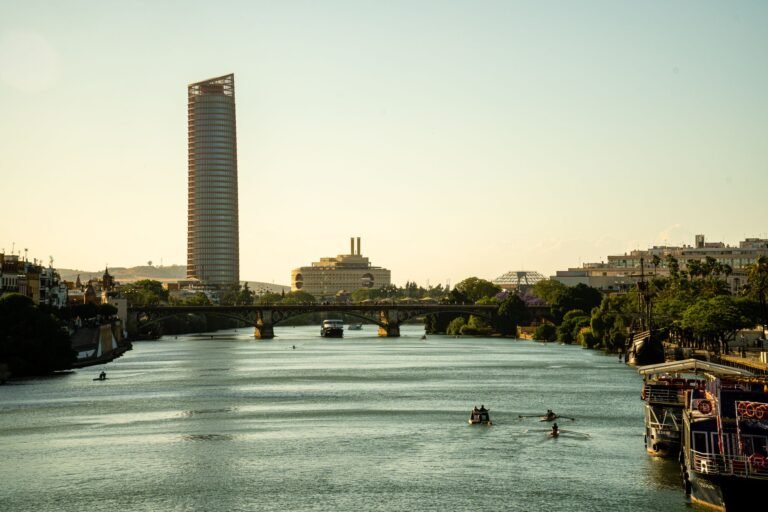
Welcome to Seville, the heart of Andalusia and a place that will immediately capture your imagination. Three days here is a good start, but trust me, you could easily spend a week and still find new corners to explore. Arriving at Seville Airport (SVQ), you can take the EA Airport Bus directly to Plaza de Armas or San Bernardo for around €4, taking about 35-40 minutes. Taxis cost a flat rate of €22-25 depending on the time of day.
Day 1: Royal Grandeur and Rooftop Views
Start your exploration at the Real Alcázar de Sevilla. This palace complex is a masterpiece, a mix of Moorish and Christian architecture. You absolutely must book your tickets online weeks, if not months, in advance at realalcazarsevilla.org – adult entry is €15.50, confirmed on the Alcazar’s own site. Seriously, don’t just show up; the queues are immense. Allocate at least 3 hours here. Afterwards, climb the Giralda tower at Seville Cathedral. Entry to the cathedral and Giralda is typically €12 (also best booked online). The views from the top are incredible, offering a panoramic perspective of the city. For dinner, head to Triana, across the Puente de Isabel II. Explore Calle San Jacinto and find a spot for some classic tapas. Expect to pay €15-€25 per person for a good meal with several small plates.
Day 2: Barrio and Modern Marvels
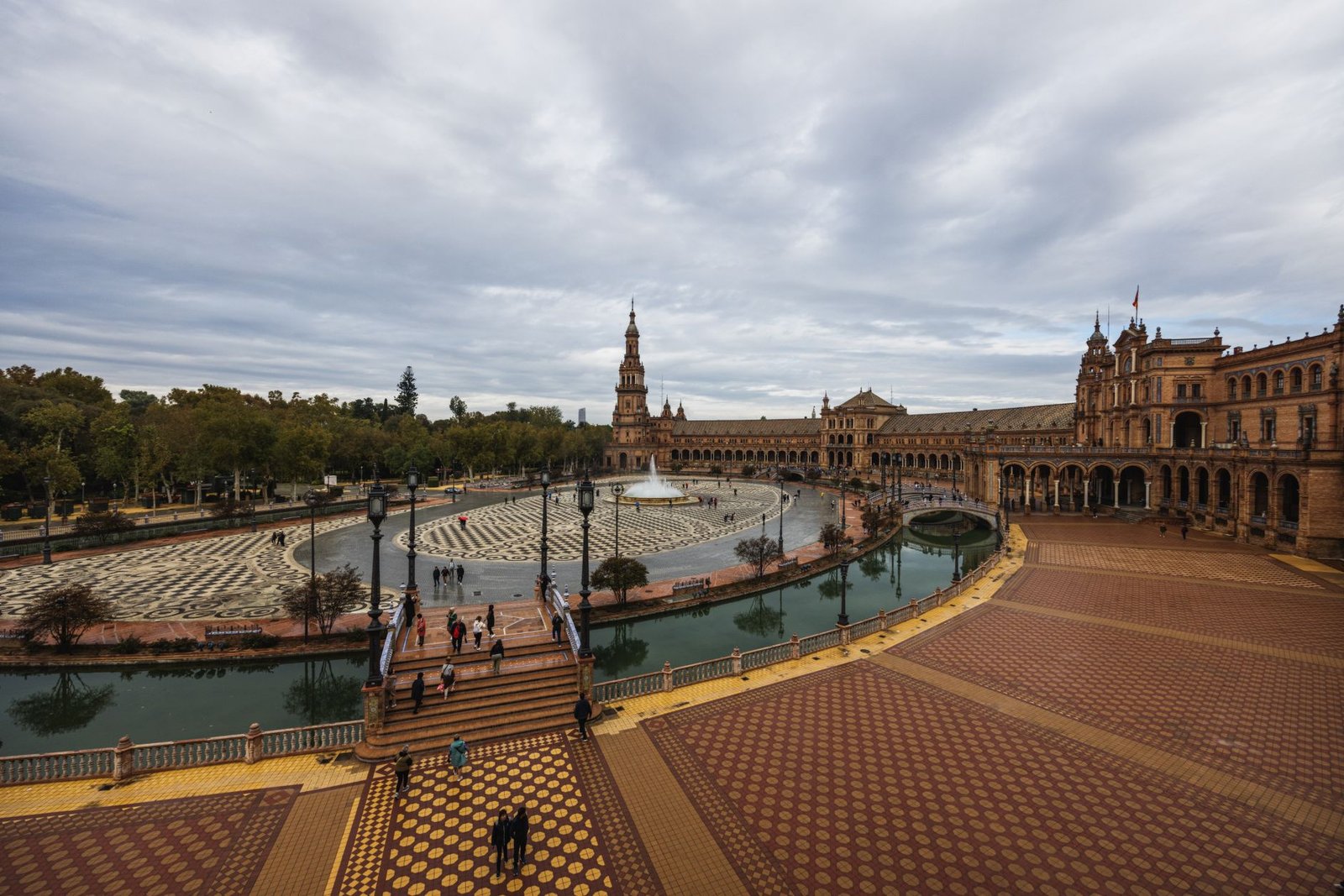
Dedicate your morning to exploring the narrow, winding streets of the Santa Cruz quarter, the old Jewish quarter. It’s easy to get lost, but that’s part of its charm. Duck into courtyards, discover hidden plazas. In the afternoon, head to the Plaza de España in María Luisa Park. It’s one of the most magnificent plazas in Spain, built for the Ibero-American Exposition of 1929. You can even rent a small rowboat on the canal for about €6 for 30 minutes. As the sun sets, walk over to the Metropol Parasol, affectionately known as ‘Las Setas’ (The Mushrooms). An elevator takes you to the top walkway for €10, offering stunning sunset views over the city. It’s worth it for the unique architecture and changing light. Afterwards, explore the Alameda de Hércules for a different kind of nightlife; it’s full of buzzing eateries and locals enjoying the evening air.
Day 3: Art, Flavor, and Flamenco (Optional)
For a dose of art, visit the Museo de Bellas Artes de Sevilla (Museum of Fine Arts). Entry is just €1.50 for non-EU citizens, making it an incredible value. It houses an impressive collection of Spanish art, particularly from the Baroque period. For lunch, seek out traditional Sevillian dishes. Try ‘espinacas con garbanzos’ (spinach with chickpeas) or ‘pringá’ (a rich spread made from stewed meats). If you’re interested in Flamenco, research a reputable ‘tablao’ (flamenco venue) for an authentic experience. Look for places like Casa de la Memoria or El Palacio Andaluz. Expect to pay €20-€40 for a show. Remember, this is a cultural performance, not just entertainment, so choose wisely.
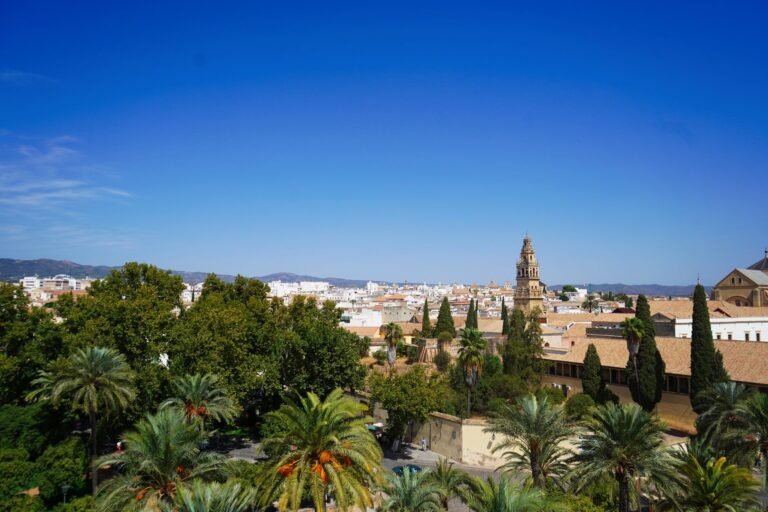
Cordoba: Days 4-5 of History and Patios
From Seville, take the high-speed AVE train to Cordoba. The journey is a swift 45 minutes and costs approximately €20-€35 if booked a few weeks ahead via Renfe. The train station is a short bus ride or a 15-minute walk from the city center.
Day 4: The Mezquita and Jewish Quarter
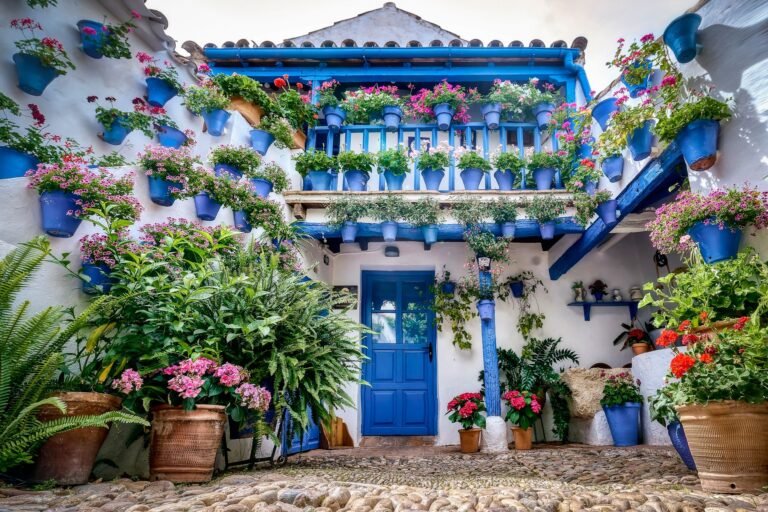
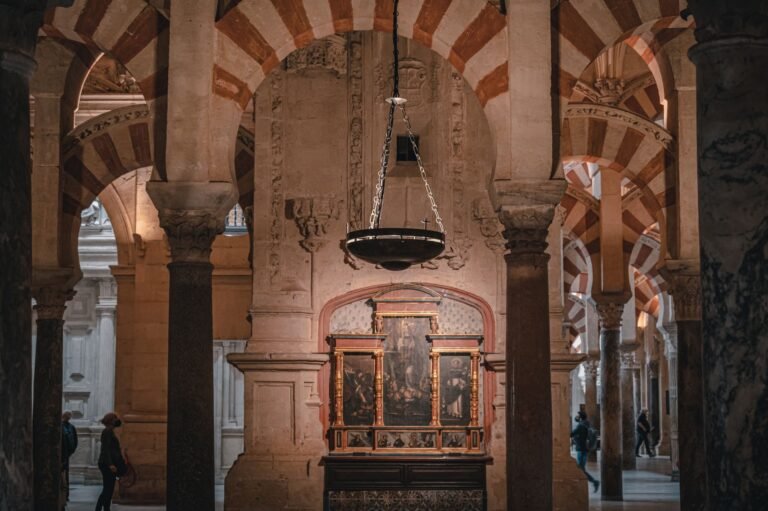
Cordoba’s crown jewel is undoubtedly the Mezquita-Cathedral. This architectural marvel, a former mosque converted into a cathedral, is unlike anything you’ve seen. Get there early (9:00 AM) to beat the crowds; entry is €13. Allocate at least 2-3 hours. After immersing yourself in its history, wander through the nearby Judería (Jewish Quarter). Its narrow, winding streets, whitewashed houses, and flower-filled patios are a delight. Find the Calleja de las Flores for a classic Cordoban photo opportunity. For lunch, you must try ‘salmorejo’ – a thick, cold tomato soup, unique to Cordoba. Many small restaurants in the Judería will serve a delicious version.
Day 5: Patios, Roman Bridge, and Alcázar de los Reyes Cristianos
Cordoba is famous for its patios, especially during the Patio Festival in May. Even outside of May, many private patios are open to visitors for a small fee (€2-€5) or are visible from the street. Just stroll and keep an eye out for open gates. Afterwards, walk across the Roman Bridge (Puente Romano) for views back at the Mezquita. At the end of the bridge, you’ll find the Torre de la Calahorra, which houses a small museum (€4.50 entry) with historical dioramas. In the afternoon, visit the Jardines del Alcázar de los Reyes Cristianos. While not as grand as Seville’s, its gardens are truly stunning, especially the fountains and reflecting pools. The palace interior is currently closed to visitors; the gardens are sold bundled with the Baños del Alcázar Califal for €7.50 at the ticket office (€7.16 online), confirmed on the city council’s official ticketing site. Expect to spend 1.5-2 hours. For dinner, try ‘salmorejo’ – a thick, chilled tomato and bread soup, richer and creamier than gazpacho. It’s a Cordoban specialty.
Granada: Days 6-8
From Cordoba, you can take a direct train or bus to Granada. Buses are often cheaper and more frequent, costing around €15-€25 for a 2.5-hour journey. The bus station is outside the city center, so you’ll need a local bus (line LAC or SN1) or taxi (€8-€10) to your accommodation.
Day 6: Alhambra Masterpiece
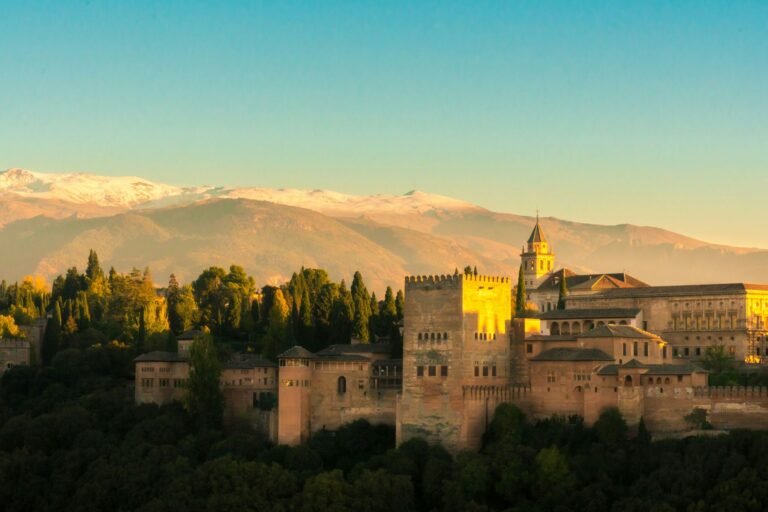
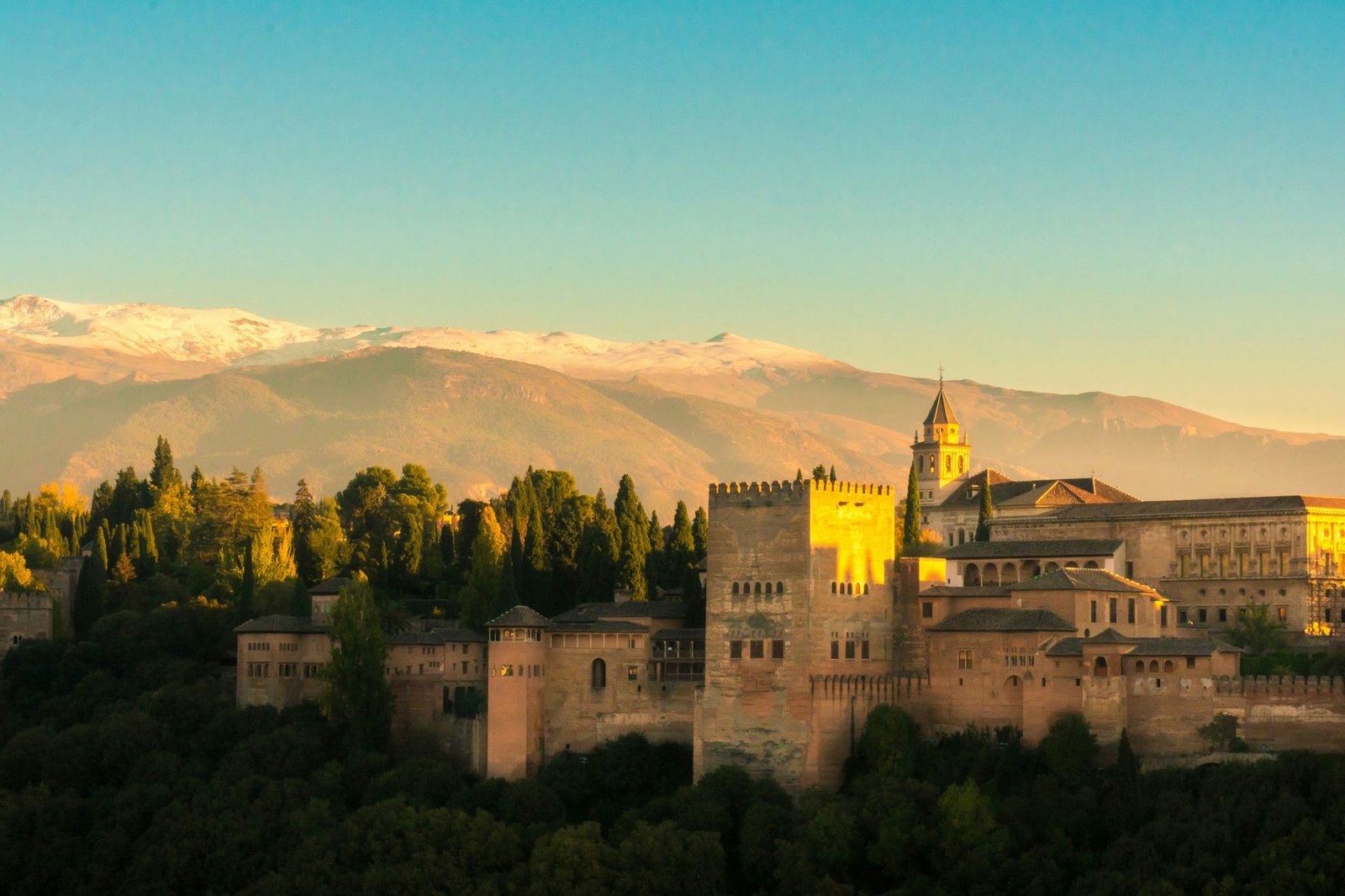
Today is all about the Alhambra. This is not just a palace; it’s a city within a city, a testament to Nasrid architecture and Islamic art. You absolutely, unequivocally, MUST book your tickets at least 2-3 months in advance via alhambra-patronato.es. Adult general entry is €22.27, confirmed on the Patronato’s own site. There are limited tickets, and they sell out quickly. Choose an early morning slot (8:30 AM) to avoid the worst of the heat and crowds, especially for the Nasrid Palaces, which have a strict entry time. Allocate at least 4-5 hours to explore the Nasrid Palaces, the Generalife gardens, and the Alcazaba fortress. It’s a lot of walking, so wear comfortable shoes. For lunch, after the Alhambra, descend into the city and find a place offering Granada’s unique tapas culture – where many places still give you a free tapa with every drink order. It’s a budget-friendly way to eat!
Consider enhancing your visit with a knowledgeable guide. You can book a guided tour on Viator for the Alhambra to truly understand its history and intricacies, often including skip-the-line access.
Day 7: Albayzín, Sacromonte, and Sunset Views
Spend your morning exploring the Albayzín, the old Arab quarter, which directly faces the Alhambra across the Darro Valley. It’s a UNESCO World Heritage site, with narrow, cobbled streets and whitewashed houses. Climb up to the Mirador de San Nicolás for the most iconic views of the Alhambra, especially at sunset. Be aware it gets very crowded. Afterwards, venture into Sacromonte, the traditional Roma quarter, known for its cave dwellings and flamenco heritage. While some caves are private homes, others host shows or are open as museums. For lunch, try a ‘pionono’, a small, sweet pastry from Santa Fe, just outside Granada, or enjoy more tapas in the Realejo district.
Day 8: Science Park and Local Markets
If you need a break from historical sites, Granada’s Parque de las Ciencias (Science Park) is fantastic, especially if you’re traveling with curious minds. Entry is €7 for the museum, €4 for the Biodome. It’s an interactive museum with a focus on science, technology, and the environment. Alternatively, explore the Alcaicería, the old silk market, though today it’s mostly souvenir shops, it still holds some of that old souk atmosphere. Visit the Mercado de San Agustín for a glimpse into daily life, where locals buy fresh produce, cured meats, and cheeses. It’s a great spot for a simple, authentic lunch from one of the market stalls.
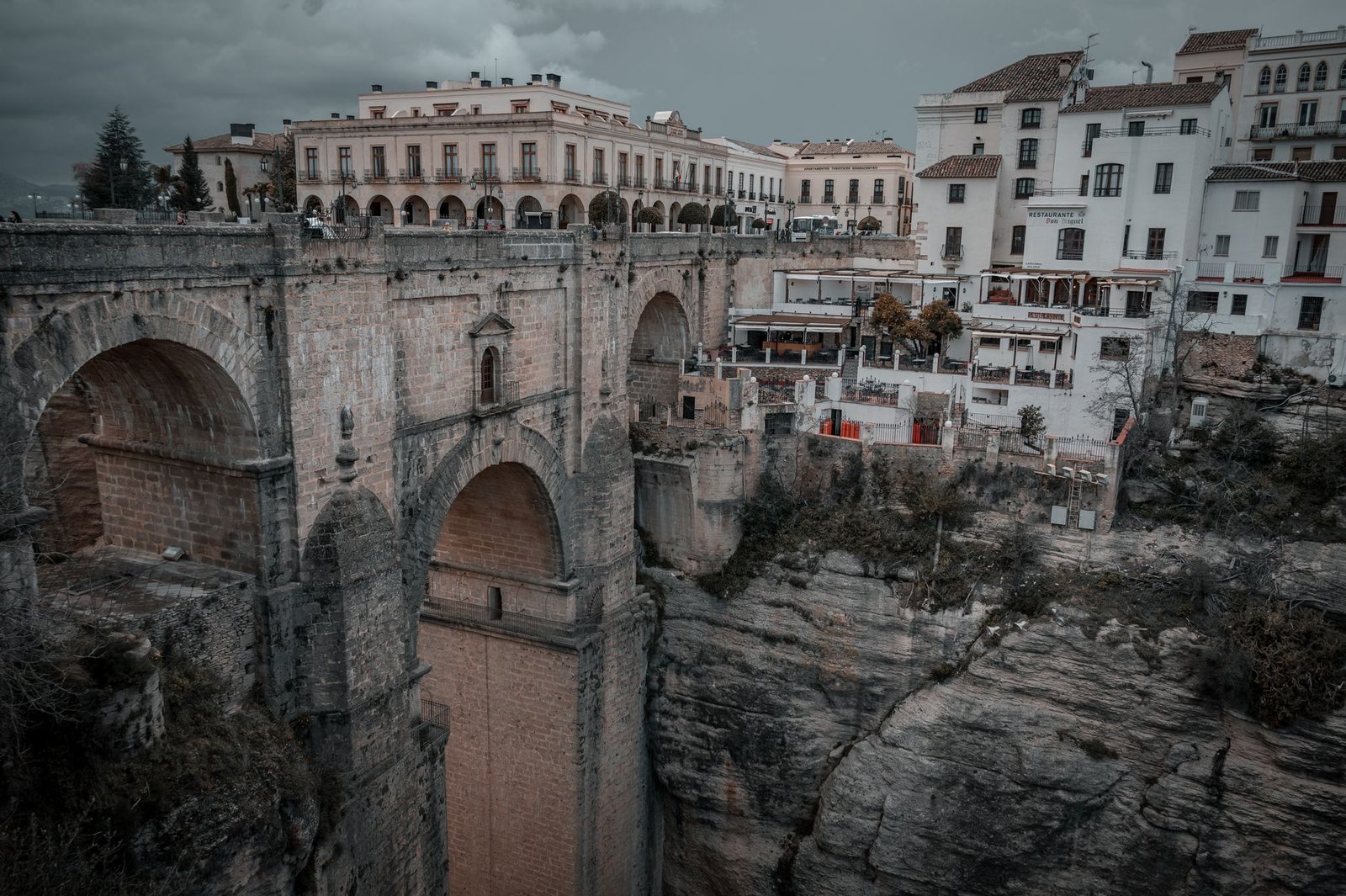
Ronda & White Villages: Days 9-10 of Dramatic Landscapes
From Granada, take a bus to Ronda. The journey is about 3 hours and costs around €12-€18. Ronda’s bus station is centrally located.
Day 9: Ronda’s Iconic Gorge and Bridges
Ronda is one of Andalusia’s most dramatically located towns, split in half by the El Tajo gorge. Your first stop should be the Puente Nuevo, the ‘New Bridge’, which spans the gorge connecting the old and new towns. The views are incredible from several vantage points: from the Mirador de Aldehuela, from the Jardines de Cuenca, and crucially, from the bottom of the gorge itself (access via a path near Plaza de María Auxiliadora – it’s steep!). You can visit the bullring, one of Spain’s oldest and most respected, though I recommend focusing on its historical significance and views rather than supporting the practice of bullfighting itself. Entry to the bullring and museum is €8. For lunch, enjoy local specialties in the old town, perhaps ‘rabo de toro’ (oxtail stew) – a classic Andalusian dish.
Day 10: White Village Serenity (Day Trip from Ronda)
Today, immerse yourself in the authentic Andalusian ‘pueblos blancos’ (white villages). The most practical way to do this from Ronda is by bus or, ideally, by renting a car for the day (€40-€60 plus fuel). If taking the bus, Setenil de las Bodegas is a unique option, just 30 minutes from Ronda, famous for its houses built into rock overhangs. Buses are infrequent, so check times carefully. Grazalema is another beautiful option, often requiring a connection. Exploring these villages is about wandering, enjoying the tranquility, and soaking in the traditional architecture. Have lunch at a local venta (countryside restaurant) for hearty, traditional food. If you’re interested in exploring these areas without a car, check out our guide on White Villages Andalusia Without A Car. Return to Ronda for the evening.
- Bus to Setenil de las Bodegas: approx. €3-€4 one way, 30 min.
- Car rental (1 day): €40-€60 + fuel (€15-€20 for a small circuit).
- Main sights in Setenil: Cuevas del Sol, Torreón del Homenaje.
Málaga: Days 11-12 for Coastal Culture and Departure
From Ronda, take a bus to Málaga. The journey is approximately 2 hours and costs around €10-€15. Málaga’s bus station is a short walk or local bus ride to the city center. If you only have a single day to spend here, see our day in Malaga logistics guide for verified hours and costs.
Day 11: Picasso, Alcazaba, and Modern Marina
Málaga, the birthplace of Pablo Picasso, offers a refreshing coastal vibe with plenty of culture. Start at the Picasso Museum Málaga (€12 entry), housing a significant collection of his works. Afterwards, climb up to the Alcazaba, a well-preserved Moorish fortress palace, offering fantastic city views. Entry is €3.50, or combine it with the Gibralfaro Castle for €5.50. Adjacent to the Alcazaba, you’ll find the Roman Theatre, which is free to explore. For the afternoon, stroll along Muelle Uno, the modern port area, filled with shops, restaurants, and a pleasant promenade. It’s a great spot for people-watching and enjoying the sea breeze. For dinner, embrace Málaga’s seafood tradition – ‘espetos de sardinas’ (sardines grilled on a skewer over an open fire) are a must-try, especially in the El Palo neighborhood. If the city wins you over and you’re tempted to give it a full week, read my honest take on Málaga vs Alicante for a week before you commit.
Day 12: Beach Time, Food Markets, and Departure
Depending on your flight schedule, spend your morning relaxing on Malagueta Beach, just a short walk from the city center. It’s a convenient city beach for a final dose of sun. Alternatively, explore the Mercado Central de Atarazanas, a bustling food market where you can grab some fresh fruit, local cheeses, or a quick, affordable lunch from one of the market bars. It’s a great place to pick up some last-minute edible souvenirs. Head to Málaga Airport (AGP) via the C1 Cercanías train from Málaga Centro Alameda station (€1.80, 12 minutes) or a taxi (€20-€25). This marks the end of your andalusia 12 day itinerary, hopefully leaving you with incredible memories.
Sample Budget Breakdown (per person, per day, excluding accommodation)
Here’s a rough idea of what to expect for daily expenses during your trip. Accommodation costs can vary greatly, but you can check current hotel prices for Andalusia to find options that fit your budget.
| Category | Budget Traveller (€) | Mid-Range Traveller (€) |
|---|---|---|
| Food (Breakfast, Lunch, Dinner, Snacks) | 30 – 45 | 50 – 80 |
| Attractions & Activities | 15 – 25 | 25 – 40 |
| Local Transport (Buses/Trams) | 5 – 10 | 5 – 10 |
| Inter-city Transport (Train/Bus) | 10 – 20 | 20 – 40 |
| Miscellaneous (Souvenirs, Coffee, etc.) | 5 – 15 | 15 – 25 |
| Daily Total (approx.) | 65 – 115 | 115 – 195 |
Note: These are estimates. Prices can fluctuate based on season, specific choices, and how far in advance you book.
FAQ: Planning Your Andalusia Trip – Common Questions
What is the best time of year to visit Andalusia?
The best times to visit Andalusia are spring (April-May) and autumn (September-October). Temperatures are pleasant, typically 20-28°C, and the crowds are generally lighter than in the peak summer months. Summers (June-August) can be extremely hot, with temperatures often exceeding 35-40°C, especially inland, making sightseeing uncomfortable.
Is it necessary to rent a car for this 12-day route?
For the main cities (Seville, Cordoba, Granada, Málaga), a car is not necessary and often a hindrance due to pedestrianized centers and limited parking. High-speed trains (AVE) and intercity buses are efficient and comfortable for travel between these hubs. A car can be beneficial for exploring the white villages around Ronda or if you plan extensive excursions into the countryside, but for this specific route, public transport is perfectly adequate.
How much should I budget for a 12-day trip to Andalusia?
Excluding flights, a mid-range budget for 12 days in Andalusia could be around €100-€150 per person per day for accommodation, food, attractions, and local transport. This means a total of approximately €1200-€1800 per person. Budget travelers could manage on €70-€90 per day by staying in hostels, eating tapas, and prioritizing free activities. Luxury travel could easily exceed €250+ per day.
What are the must-try foods in Andalusia (excluding alcohol)?
Andalusia is a culinary delight! You must try ‘gazpacho’ or ‘salmorejo’ (cold tomato soups), ‘espinacas con garbanzos’ (spinach with chickpeas), ‘rabo de toro’ (oxtail stew), ‘espetos de sardinas’ (grilled sardines in Málaga), and of course, a variety of small plates. For sweets, look for ‘piononos’ in Granada or ‘tortas de aceite’ (olive oil tortas) from Seville. And plenty of fresh citrus fruits!
Are there any specific cultural etiquette tips I should know?
Punctuality is generally more relaxed in Spain; don’t be surprised if things start a bit late. When dining, wait for the host to seat you, and it’s common to tip around 5-10% if service was good, though it’s not strictly mandatory. A simple “Hola” (hello) and “Gracias” (thank you) go a long way. Dining often happens later than in many other countries, with lunch typically from 2 PM to 4 PM and dinner starting around 9 PM or 10 PM. Enjoy the slower pace!
There you have it – a comprehensive 12-day journey that truly allows you to experience the essence of Andalusia. This region offers so much, from its grand historical sites to its everyday street life. By following this route and my insider tips, you’re set for an incredible adventure, blending iconic sights with genuine local experiences. If you’re pondering which of the many fantastic coastal areas to visit, you might find our Cadiz vs Malaga beaches comparison helpful for your next trip planning.