Madrid’s El Rastro Sunday Market: What to Expect
Some links in this guide are affiliate links — if you book through them we may earn a small commission at no extra cost to you. It never changes what we recommend. Full disclosure.
Sunday mornings in Madrid can feel like the city is still sleepy, but if you know where to go, a different kind of energy takes over. The Madrid El Rastro Sunday market is exactly that: a vibrant, bustling experience where the city’s heart truly beats with a different rhythm each week. It’s easy to assume El Rastro is just another large flea market, full of dusty junk and tourist traps, but in reality, it’s a centuries-old tradition, a social institution, and a place where you can find everything from antique treasures to everyday essentials. This guide will walk you through how to truly experience El Rastro, from finding your way through the crowds to discovering its hidden corners, making sure you feel like a local navigating its lively chaos.
This article contains affiliate links. If you book through one, Spain Destination may earn a small commission at no extra cost to you. See the full affiliate disclosure →
Quick Answer: Madrid’s El Rastro Market
Madrid’s El Rastro is a massive open-air flea market held every Sunday and on public holidays, typically from 9:00 to 15:00, primarily along Ribera de Curtidores street and surrounding squares in the La Latina neighborhood. It attracts thousands of visitors weekly, offering a vast array of goods from antiques and artisan crafts to clothing and everyday items, making it an essential Madrid experience.
Getting There and When to Go: Timing is Everything for El Rastro
El Rastro market runs every Sunday and on public holidays from 9:00 until roughly 15:00, with the peak crowds gathering between 11:00 and 13:00. To truly enjoy the market without feeling overwhelmed, you should plan to arrive early, ideally before 10:00, to experience a calmer atmosphere and easier browsing. Later in the morning, the market becomes incredibly busy, which can be part of its appeal for some, but less so for serious shoppers or those with mobility considerations.
The market primarily spans Calle Ribera de Curtidores, extending into the surrounding plazas like Plaza de Cascorro, Plaza del Campillo Nuevo, and Plaza de General Vara del Rey. Understanding its layout is key; Ribera de Curtidores is the main artery, lined with more traditional antique shops and stalls selling a mix of old and new, while the side streets and squares often specialize in particular items.
Public transport is by far the best way to reach El Rastro, as parking in the area is nearly impossible and certainly not worth the stress on a Sunday morning. Here are your best metro options:
- La Latina (Line 5): This is perhaps the most direct route, dropping you right into the heart of the action around Plaza de Cascorro. It’s perfect if you want to start exploring immediately.
- Tirso de Molina (Line 1): A good option for approaching the northern end of Ribera de Curtidores.
- Puerta de Toledo (Line 5): This stop is convenient for the southern end of the market, especially if you plan to explore the antiques section first or arrive by bus from other parts of the city.
- Embajadores (Line 3 or Cercanías C5): Another viable option for the southern market entrance, also connecting to the Cercanías commuter train network if you’re coming from outside central Madrid.
Remember that metro stations like La Latina can get incredibly crowded as closing time approaches, so factor that into your departure plan. A single metro ticket is a flat €1.50 regardless of zones travelled, confirmed on the Comunidad de Madrid’s own fare page, or you can use a Consorcio Regional de Transportes de Madrid card for more cost-effective travel if you’re staying longer. Check current Madrid hotel availability before you finalize your dates, especially if your visit lands on a Sunday.
When you’re mapping out your visit, think about starting at one end and working your way through. Many people begin at the Plaza de Cascorro and move down Ribera de Curtidores, but starting from Puerta de Toledo and heading north can also give you a different perspective and help you beat some of the crowds. Don’t be afraid to wander off the main street into the side alleys and squares; that’s where some of the most interesting finds often lie. Just be prepared for uneven cobblestones and keep an eye on your step.
If you’ve got a free day beyond El Rastro, Segovia makes an easy day trip from Madrid – see our day trip to Segovia logistics guide for the Alcazar’s real access cutoff and current transport costs.
Navigating the Chaos and Finding Your Treasures
Navigating El Rastro effectively means embracing the crowds and understanding the market’s loose organization, which primarily separates newer, mass-produced items from genuine antiques and specialty stalls. The main artery, Ribera de Curtidores, is a dense mix, but specific plazas tend to specialize: Plaza de General Vara del Rey often has more vintage clothing and accessories, while Plaza del Campillo Nuevo del Mundo leans towards art, paintings, and some artisanal goods. It’s worth remembering that prices can vary wildly, so a keen eye and a bit of patience are essential for securing a good deal.
What can you expect to find? Almost anything you can imagine, and many things you can’t. If you’re looking for genuine antiques, focus your search around the upper end of Ribera de Curtidores, near Plaza de Cascorro, and especially the antique shops that line the street behind the stalls. These permanent shops often spill their wares out onto the pavement on Sundays. For a different market experience entirely, you might consider visiting Las Dalias market in Ibiza, which offers a distinctly Balearic vibe.
Here’s a breakdown of what you’ll typically encounter:
- Antiques and Vintage Items: Look for old typewriters, antique furniture, vintage cameras, period clothing, and retro decorations. Many of these are found in the fixed shops along Ribera de Curtidores or in the specific antique areas.
- Art and Crafts: You’ll see original paintings, prints, sculptures, and handmade jewelry. Plaza del Campillo Nuevo del Mundo is a good starting point for these.
- Clothing and Accessories: From new fashion to second-hand gems, scarves, hats, and leather goods are plentiful.
- Books and Comics: Stalls specializing in used books, rare editions, and comic books are scattered throughout, particularly in side streets.
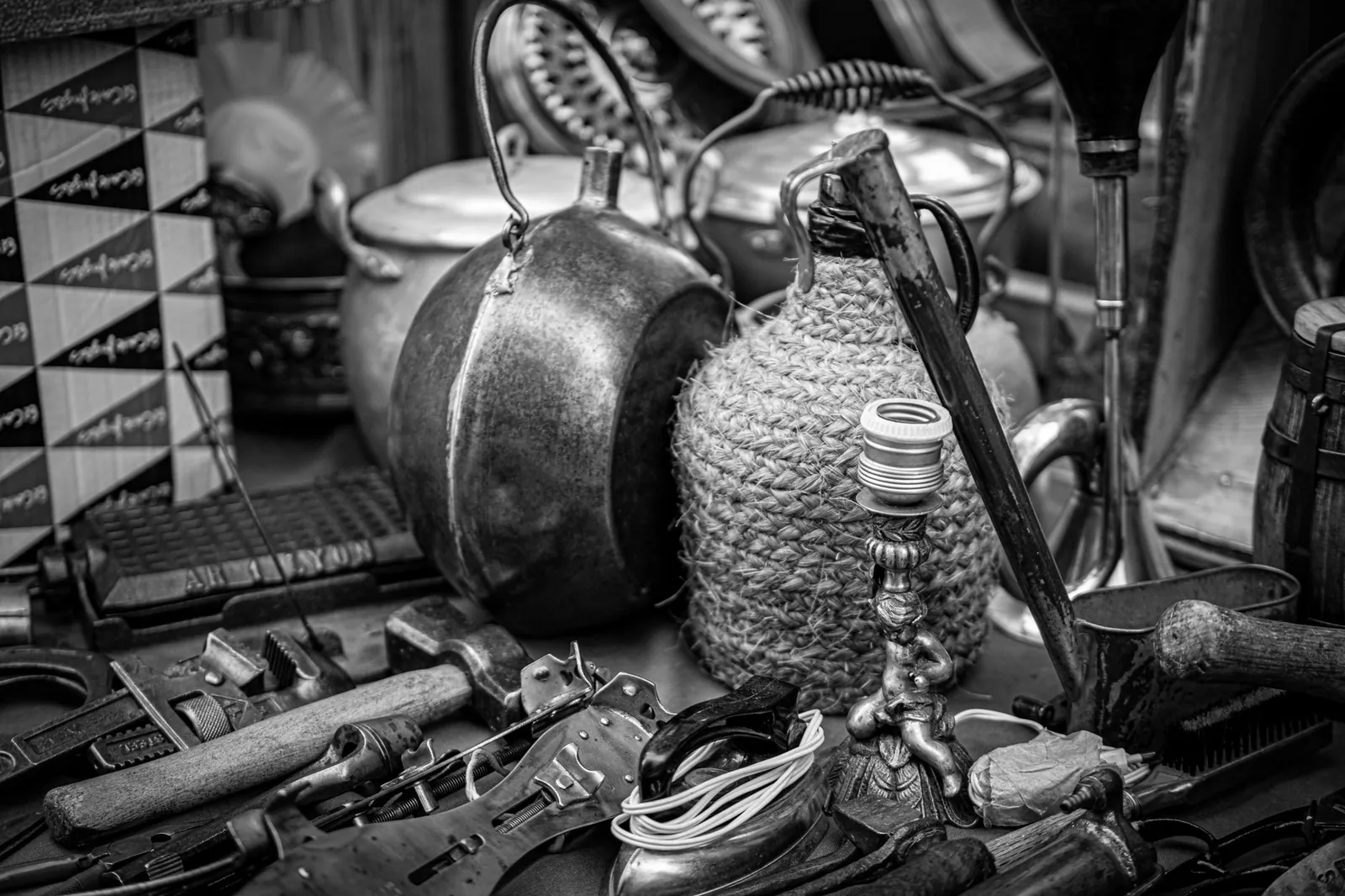
- Household Goods and Decor: Expect everything from kitchenware and lamps to small decorative items and curious bric-a-brac.
- Collectibles: Stamps, coins, old postcards, vinyl records, and other specific collector’s items can be found if you search carefully.
Don’t be afraid to get lost in the side streets; sometimes, the best discoveries are made by simply wandering off the main path. Calle San Cayetano, for example, is famous for its flower stalls, a burst of color and fragrance that’s a welcome contrast to the general hubbub. Remember that many items might not have price tags, so be prepared to ask “Cuánto cuesta?” (How much does it cost?). While haggling isn’t as prevalent as in some other markets around the world, a polite offer slightly below the asking price for non-fixed-price items, especially for multiple purchases, is often accepted.
Eating at El Rastro: Beyond the Bargains
A visit to El Rastro isn’t complete without diving into the local food scene, and the surrounding La Latina neighborhood is one of Madrid’s best for traditional tapas and classic Spanish fare. While you won’t find many food stalls directly within the market’s busiest sections, the streets immediately adjacent are dotted with bars and restaurants that have been serving hungry market-goers for decades. You should plan on spending at least €15-€25 per person for a decent tapas lunch or a traditional sit-down meal, though a quick sandwich and coffee can cost as little as €5-€8.
After navigating the crowds and rummaging through stalls, there’s nothing better than finding a spot to relax and refuel. Many traditional bars offer “raciones” (larger plates for sharing) and “pinchos” (small snacks, often served on a slice of bread). The beauty of eating around El Rastro is that you’re experiencing Madrid’s genuine culinary culture, away from many of the more tourist-focused establishments. If you’re looking for more authentic places to eat in the city, consider exploring Where Madrid Actually Eats, Not Where Tourists Do.
Here are some reliable places and types of food to look for:
- Bar Santurce (Plaza General Vara del Rey, 10): Known for its fried seafood, especially fresh “boquerones” (anchovies) and “calamares” (squid). It’s small, often crowded, but the quality speaks for itself. Expect to pay around €10-€15 for a generous ración.
- La Paloma (Calle Toledo, 93): A classic spot for traditional Madrileño dishes. Their “callos a la madrileña” (Madrid-style tripe stew) or “cocido madrileño” (chickpea stew) are hearty choices, perfect for cooler Sundays. Main dishes average €15-€20.
- El Viajero (Plaza de la Cebada, 11): While not strictly traditional, this place offers a fantastic rooftop terrace with views over La Latina, perfect for a drink and some more modern tapas after the market. Prices are a bit higher for the view, with tapas around €5-€10 each.
- Bocadillos de Calamares: You’ll find bars offering these iconic fried calamari sandwiches everywhere. It’s a quick, satisfying, and very Madrileño snack. A good bocadillo will cost around €3.50-€5.
- Churros con Chocolate: If you started early, a stop for churros and thick, hot chocolate is a must. Cafeterías around La Latina or near Plaza Mayor often serve them.
Many of the bars around Calle Cava Baja and Calle Cava Alta, just a short walk from the market, are also excellent choices for tapas. These streets are historical and full of character, and while they can get busy, the atmosphere is electric. Just be ready to stand, as many traditional tapas bars don’t have much seating. It’s all part of the experience!
Money, Haggling, and Keeping Your Valuables Safe
When you’re diving into the El Rastro experience, cash is king, especially for smaller purchases and at the more impromptu stalls. While some permanent shops and larger vendors might accept card payments, many market traders operate on a cash-only basis, so ensure you have at least €50-€100 in smaller denominations before you arrive. ATM availability is limited within the immediate market area and can come with long queues or high fees.
Haggling, or “regatear” in Spanish, is generally acceptable, though not expected for every item. For unique antiques, larger purchases, or when buying multiple items from the same vendor, a polite attempt to negotiate a slightly lower price is perfectly fine. Don’t be aggressive or lowball excessively; aim for a respectful negotiation. For everyday items or items with clear price tags, haggling is less common and might be seen as rude. A good rule of thumb is to aim for a 10-15% reduction if you feel the price is too high or if you’re making a bundled purchase.
Safety at El Rastro is a serious consideration. The market’s immense popularity and dense crowds, especially between 11:00 and 13:00, make it a prime target for pickpockets. You absolutely need to be vigilant. Madrid’s police are present, but prevention is your best defense. The market is not dangerous in terms of violent crime, but petty theft is a real concern.
Here’s how to protect your belongings:
- Secure your wallet: Keep it in a front pocket, a zipped inside jacket pocket, or a secure money belt. Never in a back pocket.
- Wear your bag correctly: A cross-body bag worn on your front, with the zipper facing you, is ideal. Backpacks are easy targets; if you must wear one, keep it on your front in crowded areas.
- Be aware of distractions: Pickpockets often work in teams, using distractions like bumping into you, spilling something, or creating a commotion. Always be alert to your surroundings.
- Limit what you carry: Only bring essential documents and the amount of cash you anticipate needing. Leave your passport and extra credit cards locked securely at your accommodation.
- Hold onto purchases: Once you buy something, secure it immediately. Don’t let new bags dangle openly or be easily snatched.
It’s worth mentioning that while vigilance is key, these precautions apply to any large, crowded event or tourist spot in major cities worldwide, not just El Rastro. A little common sense goes a long way in ensuring your day remains enjoyable and worry-free. Just stay smart and keep your wits about you as you navigate the lively throngs.
Beyond the Main Drag: Other Spots to Explore Near El Rastro
While El Rastro itself can easily consume an entire Sunday morning, the surrounding area, particularly La Latina, offers plenty more to explore once you’ve finished your market browsing. This part of Madrid is steeped in history and character, with narrow, winding streets, historic churches, and charming plazas that invite you to wander. Extending your visit beyond the market not only helps to disperse the crowds but also gives you a deeper feel for authentic Madrileño life.
For those interested in architecture and quiet contemplation, the area around the market holds some gems. Consider a stroll through the nearby Plaza de la Paja, one of the oldest squares in Madrid, surrounded by beautiful old mansions and the Capilla del Obispo. It offers a wonderful contrast to the market’s hustle. You might also find peace in the calm of Madrid’s private courtyards, a unique aspect of the city’s architecture.
Here’s a table outlining some notable nearby attractions and their typical operating hours or accessibility on a Sunday:
| Location/Attraction | Type | Approximate Sunday Hours/Access | Notes |
|---|---|---|---|
| Colegiata de San Isidro (C/ Toledo, 37) | Historic Church | 8:30 – 14:00 and 18:00 – 20:45 on Sundays (hours vary by day, confirmed via the church’s published schedule) | Stunning Baroque architecture, former cathedral of Madrid. Free entry. |
| Iglesia de San Pedro el Viejo (C/ del Nuncio, 13) | Historic Church | Typically open for mass, check local schedule | One of Madrid’s oldest churches, often quieter. |
| Jardín del Príncipe de Anglona (Plaza de la Paja) | Historic Garden | 10:00 – 22:00 in summer (March-September), 10:00 – 18:30 in winter, confirmed on the Ayuntamiento de Madrid’s own site | A small, elegant 18th-century garden, perfect for a moment of calm. Free. |
| Puerta de Toledo | Historic Monument | Always accessible | A neoclassical triumphal arch marking the old city entrance. Great photo opportunity. |
| Museo de San Isidro (Plaza de San Andrés, 2) | City History Museum | 10:00 – 20:00 (10:00 – 19:00 mid-June to mid-September), confirmed on the Ayuntamiento de Madrid’s own site (free entry) | Dedicated to the patron saint of Madrid and the city’s origins. |
After immersing yourself in the market and its immediate surroundings, you could consider a leisurely walk towards the Royal Palace or Almudena Cathedral, both within reasonable walking distance. This allows you to transition from the chaotic energy of the market to the grandeur of Madrid’s historical core. Or, if you’re interested in another unique Spanish village experience, you might enjoy reading about Falling for Setenil de las Bodegas village, a rock-carved gem.
If you’ve got an extra day in Madrid, Toledo is the other classic day trip from the city – see our day trip to Toledo logistics guide for the Cathedral’s real access cutoff and current transport costs.
Many of the antique shops along Ribera de Curtidores are also open on Sundays, even those not directly participating in the street stalls, offering a more curated shopping experience away from the direct market crowds. It’s worth popping into some of these permanent establishments for higher-quality furniture, art, and collectible items that require more careful consideration. The market truly transforms the entire neighborhood, making Sunday mornings in La Latina a complete cultural immersion.
Common Questions About Madrid’s Sunday Market
What is El Rastro and what can I buy there?
El Rastro is Madrid’s largest and most famous open-air flea market, operating every Sunday and on public holidays. You can buy almost anything imaginable, from genuine antiques, vintage clothing, and handmade crafts to books, electronics, and household goods. It’s a place for browsing, discovery, and sometimes, unexpected treasures.
What are the best hours to visit El Rastro?
El Rastro officially operates from 9:00 to 15:00. The best time to visit depends on your preference: arrive before 10:00 for fewer crowds and easier browsing, or embrace the lively, more crowded atmosphere between 11:00 and 13:00 for the full chaotic experience. Early arrival is recommended for serious antique hunting.
Is haggling common at El Rastro?
Haggling is generally acceptable at El Rastro, particularly for larger items, antiques, or when making multiple purchases from the same vendor. For smaller, everyday items or those with clear price tags, it’s less common. Always be polite and respectful in your negotiations, aiming for a modest reduction rather than an aggressive lowball offer.
How do I stay safe from pickpockets at the market?
Due to the dense crowds, pickpockets are a concern at El Rastro. To stay safe, keep your wallet in a front or inside zipped pocket, wear cross-body bags on your front, and be aware of your surroundings, especially during peak hours. Avoid carrying excessive cash or valuable documents, and always secure your purchases immediately.
Experiencing El Rastro isn’t just about the things you might buy; it’s about soaking in a piece of Madrid’s history, culture, and vibrant Sunday morning ritual. It’s a loud, often chaotic, but undeniably authentic slice of city life that you won’t find anywhere else. From the aroma of street food wafting from nearby bars to the murmur of countless conversations and the thrill of spotting a unique find, it’s a sensory overload that becomes a cherished memory. Dive in, keep your wits about you, and let the market show you a Madrid full of surprises.
About Madrid El Rastro Sunday Market
This guide is part of Spain Destination’s library of Spain travel and lifestyle content, written with AI assistance and checked against official sources where possible. See how this site is researched and fact-checked →