Setenil de las Bodegas: The Rock-Carved Village Guide
Some links in this guide are affiliate links — if you book through them we may earn a small commission at no extra cost to you. It never changes what we recommend. Full disclosure.
Falling for setenil de las bodegas village is inevitable the moment you see its houses literally carved into and under colossal rock formations. Forget everything you think you know about Spanish villages; Setenil will completely redefine what a home can be, making you wonder how these ingenious structures have stood for centuries.

Quick Answer: the village’s Unique Appeal
Setenil de las Bodegas is famous for its dwellings built directly into the rock face of the Trejo River gorge, creating streets where the natural rock forms the ceiling of houses and businesses. This unusual architectural style offers visitors a cool, shaded experience and a visually striking landscape unlike anywhere else in Andalucía.
Exploring the village’s Unforgettable Streets
When you arrive in Setenil, the first thing you need to do is ditch any preconceptions of a typical Spanish pueblo blanco. Setenil isn’t just white; it’s a deep grey-brown, seamlessly blending into the colossal rock that defines its existence. The village is split by the Guadalporcún River, which has carved out the dramatic gorge, leaving behind the overhangs that residents have ingeniously used as natural roofs for their homes and businesses. This is where the magic truly unfolds, particularly on its most celebrated streets.
Your walking tour should start at the heart of this geological marvel: Calle Cuevas del Sol and Calle Cuevas de la Sombra. Calle Cuevas del Sol, as its name suggests (“Caves of the Sun”), is bathed in natural light for much of the day. Here, you’ll find a lively strip of restaurants and cafes, their terraces spilling out under the rocky canopy. Imagine sipping a café con leche or enjoying a plate of local charcuterie with a massive rock forming your ceiling – it’s an experience that feels both ancient and utterly modern. The rock isn’t just a backdrop; it’s an active part of the street, with light fixtures, signs, and even potted plants affixed directly to it.
Just across the river, you’ll find Calle Cuevas de la Sombra (“Caves of the Shadow”). This street offers a stark contrast. The rock overhang here is much deeper, casting the entire street into a perpetual twilight, even on the brightest days. It’s noticeably cooler, and the atmosphere feels more intimate, almost secretive. Wander through these narrow passages, and you’ll understand the practical genius behind this design: natural air conditioning in the scorching Andalusian summers, and insulation from the winter chill. Take your time to appreciate the small details: the wooden doors, the flowerpots clinging to the white walls, the occasional glimpses into the lives of the people who call this unique place home.
Beyond these iconic streets, don’t miss the chance to climb up to the Mirador del Carmen or Mirador de Lizón for truly panoramic views of the entire village. From these vantage points, you can fully grasp how the village is nestled within the landscape, a natural extension of the rock itself. It’s a bit of a steep walk, but the reward is immense – a full appreciation of how the white houses are literally squeezed between the river and the cliffs. These climbs are well worth the effort, offering photo opportunities that truly capture the essence of Setenil. The sense of scale you get from above, seeing houses peeking out from under the stone, is truly something to behold.
Make sure to spend at least 3-4 hours just wandering the streets. While the main ‘cave’ streets are the draw, the higher, more traditional white streets also offer lovely views and a glimpse into the more conventional side of this extraordinary village. You’ll find small plazas, a few local shops, and the occasional burst of bougainvillea against the whitewash.
- Must-See Streets:
- Calle Cuevas del Sol: Lively, well-lit, many restaurants.
- Calle Cuevas de la Sombra: Shaded, cool, more intimate.
- Calle Herrería: Another street with rock overhangs, less crowded.
- Best Viewpoints:
- Mirador del Carmen: Offers fantastic views over the village and river. Free entry.
- Mirador de Lizón: Another excellent vantage point, easily accessible by foot. Free entry.
- Castillo de Setenil (Torreón): Climb to the top for a broader panorama. Entry is €1.50, open 10:30 AM – 2:00 PM and 4:00 PM – 6:00 PM (winter) / 10:30 AM – 2:30 PM and 4:00 PM – 7:00 PM (summer), but check locally as times can vary.
Where to Eat in the village: Taste the Local Flavors
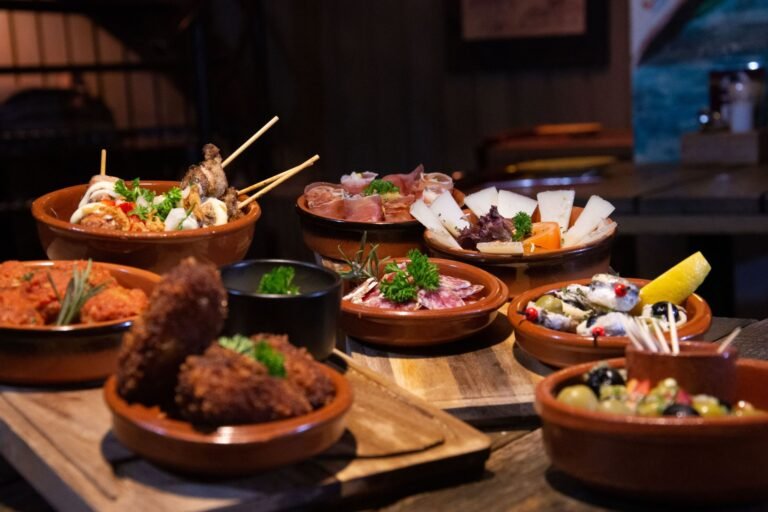
Eating in Setenil de las Bodegas is an integral part of the experience. The village takes pride in its local produce, especially its ‘chacina’ (cured pork products), olives, and olive oil. You’ll find a number of eateries lining Calle Cuevas del Sol, and while many cater to tourists, some offer genuinely authentic flavors. My advice? Look for the places where local families are gathered, especially during lunch hours (typically 2:00 PM to 4:00 PM).
A personal favorite for a hearty, authentic meal is Restaurante El Balcón de Setenil (Av. de Andalucía, 30). While not directly under the rock, its terrace offers incredible views over the gorge, and the food is consistently excellent. They specialize in local stews like ‘sopa de espárragos’ (asparagus soup) and their ‘carne de caza’ (game meats) if available. Expect to pay around €18-€25 for a main course. Their opening hours are usually 1:00 PM to 4:00 PM and 7:00 PM to 10:00 PM, though they might close earlier on quieter evenings, so consider calling ahead for dinner.
For a quintessential Setenil experience right under the rock, try Bar Frasquito or Mesón La Brasa on Calle Cuevas del Sol. They serve up classic Andalusian fare: fried eggs with peppers, local cheeses, and excellent ‘tapas’. A plate of ‘revuelto de espárragos’ (scrambled eggs with wild asparagus) is a must-try when in season. Prices for tapas generally range from €3-€5, while raciones (larger plates) are about €8-€15. These places are usually open from 11:00 AM until late evening, though kitchens might close for a siesta break between 4:00 PM and 7:00 PM.
Don’t leave without trying some local olive oil. Many small shops sell bottles from nearby mills. Look for ‘Aceite de Oliva Virgen Extra’ (Extra Virgin Olive Oil) – it’s a staple of the Andalusian diet and a fantastic souvenir. For a quick snack, grab some freshly baked bread from a local bakery; the bread here is robust and perfect for dipping in that golden oil.
Here’s a sample breakdown of a typical lunch at a good local spot:
| Item | Description | Approximate Price (EUR) |
|---|---|---|
| Pan con Aceite | Local bread with Setenil’s own extra virgin olive oil | €2.50 |
| Ración de Queso Payoyo | Plate of local goat cheese from Grazalema mountains | €9.00 |
| Revuelto de Espárragos | Scrambled eggs with wild asparagus (seasonal) | €9.00 |
| Queso de Cabra Local | Local goat cheese with olives | €8.00 |
| Café con Leche | Coffee with milk | €1.80 |
Remember that many establishments will offer a ‘Menu del Día’ (Menu of the Day) during lunchtime, usually from 1:30 PM to 3:30 PM, which typically includes two courses, bread, and a soft drink for around €12-€18. This is often the best value and a great way to sample different dishes.
Your Day-Trip Logistics to the village: Getting There and Around
Planning your visit to the village requires a bit of foresight, as its unique location means access can be a little trickier than more open towns. Setenil is perfectly positioned for a day trip from several major Andalusian cities, but a car truly gives you the most flexibility. It also pairs naturally with the other peaceful white villages of Andalusia if you are building a longer route.
By Car: This is, without a doubt, the recommended way to reach Setenil. The village is about 15 km (9 miles) from Ronda, a scenic drive that takes around 20-25 minutes. From Málaga, it’s approximately 95 km (60 miles), a journey of about 1 hour and 15 minutes to 1 hour and 30 minutes, mostly on good, winding roads through the countryside. From Seville, it’s about 130 km (80 miles), taking around 1 hour and 45 minutes. The advantage of having your own vehicle is that you can explore the surrounding white villages (like Olvera, Zahara de la Sierra) at your own pace.
Parking in Setenil: This can be a challenge, especially on weekends and public holidays. The village’s narrow, winding streets aren’t designed for heavy traffic or abundant parking. Your best bet is to find parking at the top of the village, near the Mirador del Carmen or the main road leading into town, and then walk down. There’s a small parking area (Parking de la Villa) near the town hall, but it fills up very quickly. Alternatively, there are often unofficial parking spots along the access roads leading into Setenil. Be prepared to pay a few euros to a local directing traffic or for a street parking spot. Set the expectation now: you will walk, and it will be uphill at some point. Embrace it!
By Public Transport:
- From Ronda: There are typically 2-3 buses daily from Ronda to Setenil de las Bodegas, operated by Los Amarillos or similar local companies. The journey takes about 30 minutes and costs approximately €3.50 one way. However, bus schedules are limited and can change, so you absolutely must check the latest times at Ronda bus station (Estación de Autobuses de Ronda) or online beforehand. The last bus back to Ronda can be quite early, potentially cutting short your visit.
- From Málaga or Seville: Public transport is less direct and more time-consuming. You would typically need to take a bus or train to Ronda first, and then transfer to a local bus for Setenil. This often involves long waits and significantly extends travel time, making it less practical for a day trip. If you are not driving, considering booking a guided tour on Viator can be a great option for convenience, as they handle all the transport and typically combine Setenil with other nearby attractions like Ronda.
Once you’re in Setenil, getting around is entirely on foot. The most iconic streets, Calle Cuevas del Sol and Calle Cuevas de la Sombra, are flat and easy to navigate. However, exploring the rest of the village involves steep climbs and descents. Wear comfortable walking shoes – sneakers are much better than sandals here. You’ll be grateful for good grip as you navigate the sometimes uneven cobblestones and steep paths. The compact size of the village means everything is within walking distance, but be ready for a workout!
Experiencing Daily Life and Local Crafts in the village
Beyond its eye-catching geology, Setenil offers a genuine slice of Andalusian rural life. This isn’t just a place for tourists to gawk at rocks; it’s a living, breathing community. Taking time to observe and engage with the everyday rhythm here adds a deeper layer to your visit. The pace is unhurried, reflecting the generations who have adapted their lives to this unique environment.
One of the easiest ways to connect with local life is through its food culture. Setenil is renowned for its ‘chacina,’ which refers to all sorts of cured pork products. You’ll find small butcher shops (carnicerías) scattered throughout the village, often identifiable by the hams hanging in their windows. Step inside and browse the local cheeses and cured goods on display. These are not merely snacks; they are expressions of a deeply ingrained agricultural tradition, benefiting from the region’s climate and natural feed. This appreciation for quality ingredients extends to the village’s superb olive oil, an essential part of the Mediterranean diet. You can learn more about the healthy traditions surrounding this golden liquid in our article on health benefits of Andalusian olive oil.
Look out for local bakeries, too. ‘Pan de Setenil’ is famous in the region – a dense, crusty bread, often baked in traditional wood-fired ovens. It’s the perfect accompaniment to the local cured meats and cheeses. Grabbing a warm loaf or a ‘bollo’ (a sweet bread roll) makes for an authentic breakfast or a delightful snack while exploring.
While Setenil isn’t a major hub for crafts, you’ll still find artisans working on smaller scales. Keep an eye out for shops selling handmade ceramics, often with traditional Andalusian patterns, or small leather goods. These aren’t mass-produced souvenirs but items crafted with care, reflecting local styles and materials. Engaging with the shopkeepers, even with a few words of Spanish, can be rewarding, offering insight into their trade and the village’s heritage.
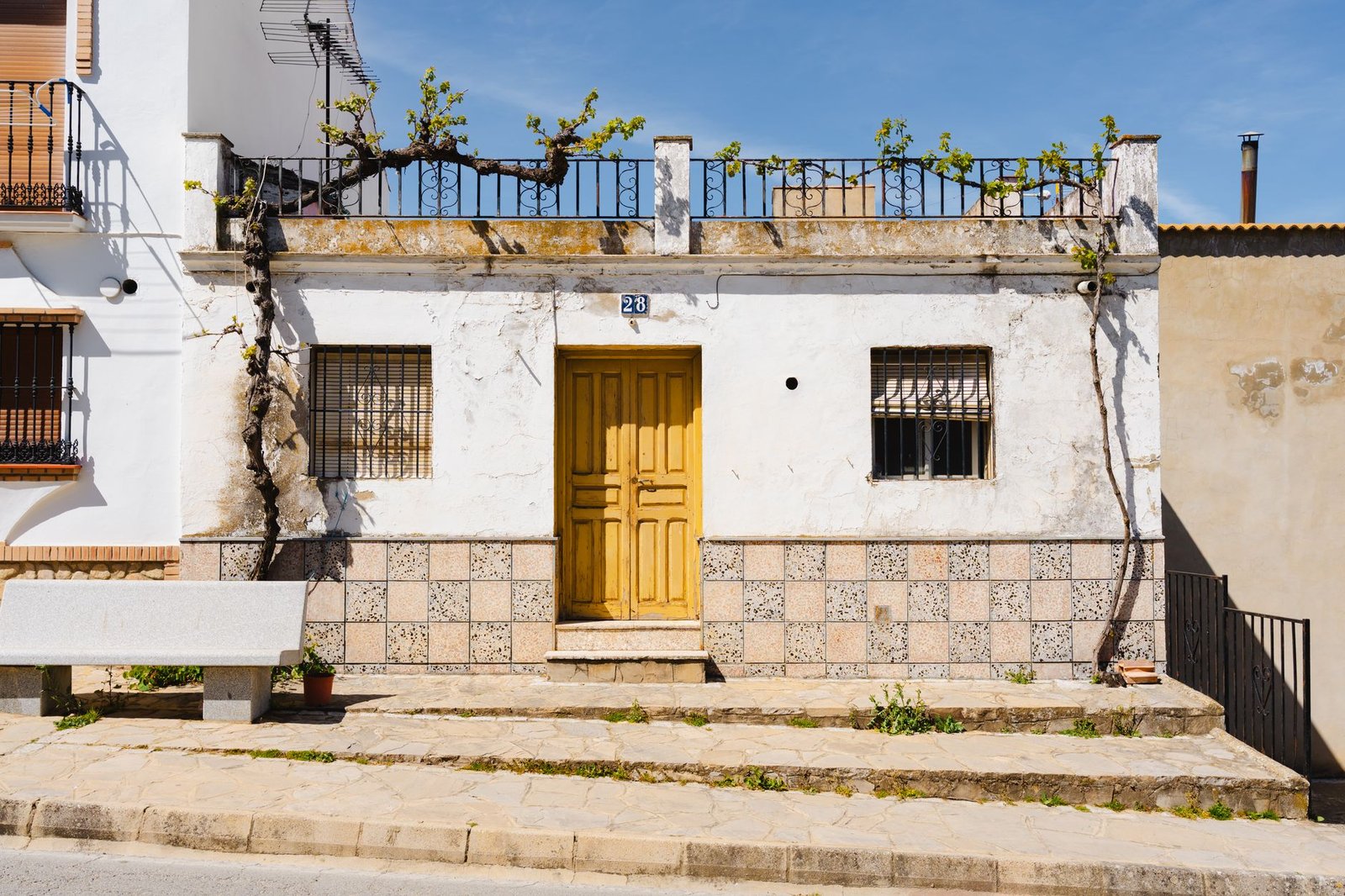
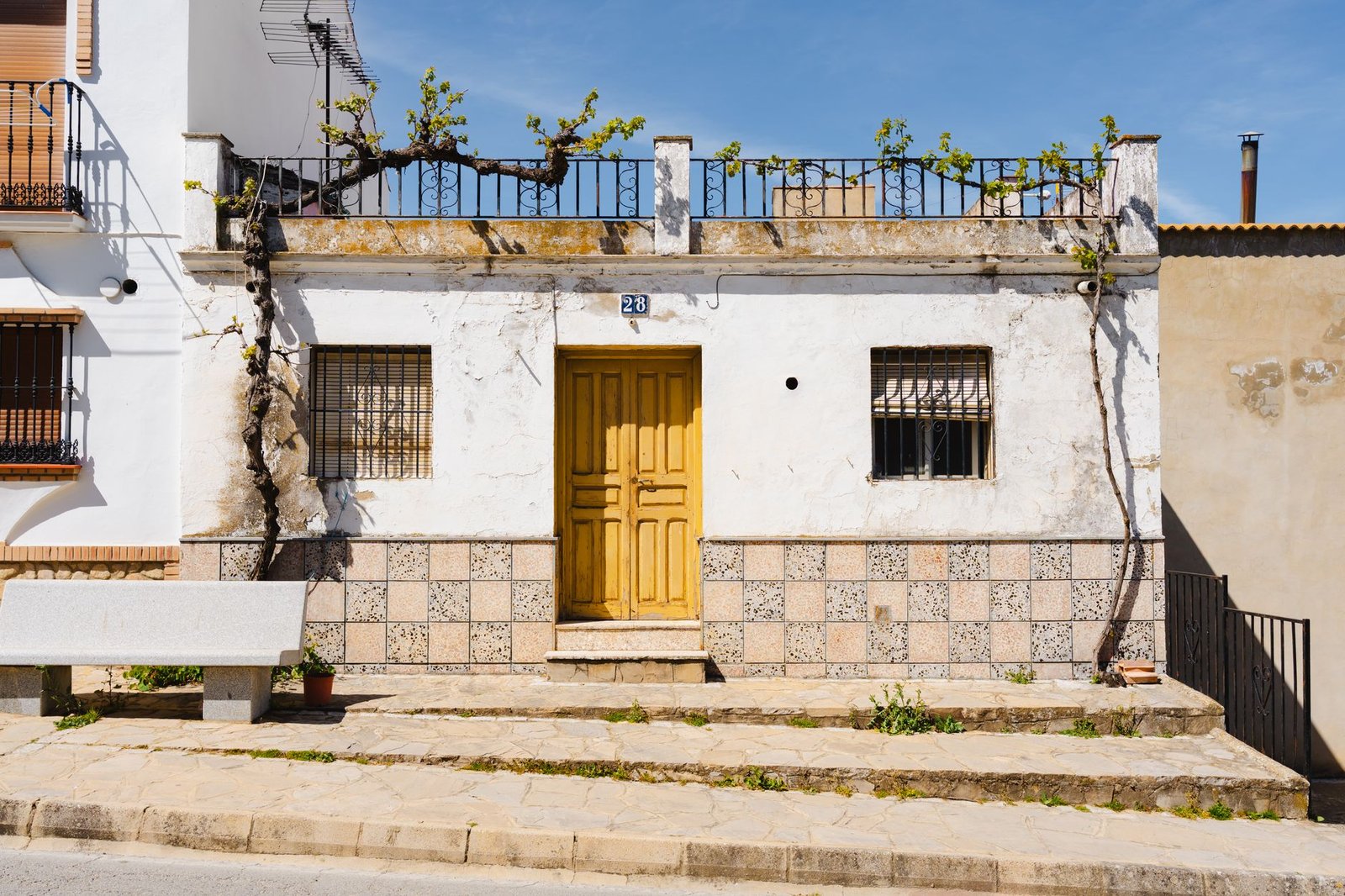
Don’t forget to explore the upper parts of the village, away from the river. Here, you’ll find more traditional white houses, some with small gardens or balconies adorned with flowers. These streets offer a quieter perspective, where you can hear the sounds of daily life – children playing, neighbors chatting, the gentle clatter from a kitchen. This offers a different kind of beauty, a glimpse into the everyday charm that persists even in such an extraordinary setting. A peaceful walk through these areas allows you to truly feel the heartbeat of Setenil and appreciate how the residents blend modern life with their ancient surroundings.
If your visit coincides with a local market day (ask at the tourist office for exact timings), you’ll experience an even livelier aspect of local commerce. Farmers and vendors from the surrounding areas come to sell fresh produce, cheeses, and other regional specialties. It’s a wonderful opportunity to see where locals shop and to pick up some fresh, seasonal ingredients yourself.
Staying in the village: Practical Accommodation Advice
While many visitors come to the village as a day trip, spending a night or two offers a truly immersive experience, allowing you to enjoy the quiet evenings when the day-trippers have departed. The accommodation options here are as unique as the village itself, with many places cleverly integrated into the rock formations.
The most sought-after experience is staying in a ‘casa cueva’ (cave house). These aren’t primitive dwellings but rather comfortable, modern apartments or guesthouses built within the natural caves, offering a distinctly different ambiance. Imagine waking up with a natural rock wall forming one side of your bedroom! These unique properties often boast a wonderfully consistent cool temperature, a real blessing during the hot Andalusian summers. However, they can sometimes feel a bit darker than conventional rooms, so manage your expectations if you prefer lots of natural light. Prices for a cave house rental typically range from €80 to €150 per night, depending on size, amenities, and season. They tend to book up quickly, especially on weekends and during peak season (spring and autumn), so advance booking is highly recommended.
If a cave house isn’t your preference, there are also several charming guesthouses (casas rurales or hostales) located in the more conventional white houses in the upper parts of the village. These often offer fantastic views from their balconies or terraces. A standard double room in a guesthouse might cost between €60 and €100 per night. These options often provide a more traditional Spanish village feel, with bright rooms and open windows. Examples include Hostal El Almendral or Hotel Villa de Setenil, both offering comfortable stays with good access to the village’s attractions.
When choosing where to stay, consider accessibility. Setenil is built on a steep gradient, and many accommodations require navigating stairs or inclines. If you have mobility issues, look for places closer to the river level on Calle Cuevas del Sol or ensure your chosen accommodation has easy access. Always check the exact location and reviews regarding accessibility before booking.
For the best selection and to compare hotel prices on Booking.com, you should certainly plan your stay well in advance. This is especially true if you are visiting during a local festival or a popular time like Semana Santa or the summer months. Staying overnight allows you to experience Setenil at dawn, when the streets are empty and the light is soft, or at dusk, when the illuminated rocks create a truly magical scene. You’ll find a different kind of tranquility once the daytime crowds dissipate, making it a truly unforgettable experience.
A few local recommendations for where to search:
- Casa Rural Las Cuevas de Setenil: Often available as an entire apartment carved into the rock. Great for couples or small families.
- Apartamentos La Casa de la Abuela: Offers multiple units, some with rock features, located centrally.
- Hotel El Almendral: A more traditional hotel experience with good amenities, usually with lovely views from higher up.
- Hostal Ciudad de Setenil: A practical and well-located option for those looking for a comfortable base without the ‘cave house’ experience.
No matter where you choose to rest your head, waking up in the village feels like stepping into a storybook. It’s an experience that truly connects you to the ancient landscape and the enduring spirit of Andalucía.
FAQ: Falling for the village, a rock-carved gem – Common Questions
What is the best time of year to visit the village?
The ideal time to visit the village is during spring (April-May) or autumn (September-October). Temperatures are pleasant, typically ranging from 18°C to 25°C, making it perfect for walking and exploring. You avoid the intense summer heat, which can reach 35°C+, and the cooler, wetter winter months. Spring also brings wildflowers to the surrounding countryside.
How much time should I allocate for visiting Setenil de las Bodegas?
For a comfortable and thorough visit, I recommend allocating a minimum of 3-4 hours if you’re on a day trip. This allows you enough time to explore the main streets, climb to a viewpoint, enjoy a meal or coffee, and browse a few shops. If you choose to stay overnight, you’ll have ample time to soak in the atmosphere and explore at a more relaxed pace.
Is the village suitable for people with limited mobility?
the village can be challenging for those with limited mobility. While Calle Cuevas del Sol and Calle Cuevas de la Sombra are relatively flat, much of the rest of the village involves steep, uneven cobblestone streets and many stairs to access viewpoints and upper areas. Parking can also be a distance from the main attractions. If mobility is a concern, plan to stick to the flatter, river-level areas.
Are there any hiking opportunities near the village?
Yes, absolutely! Setenil is located within a region known for its stunning natural beauty, part of the Sierra de Grazalema Natural Park. There are several trails around the village itself that offer beautiful views of the surrounding olive groves and dramatic landscape. For more extensive options, you’re just a short drive from numerous Sierra Grazalema hiking trails, ranging from easy riverside walks to more challenging mountain treks. The ‘Ruta de los Molinos’ (Route of the Mills) is a popular local choice, offering a scenic walk along the riverbanks.
the village isn’t just a place you visit; it’s an experience that carves itself into your memory, much like its houses are carved into the rock. This unique corner of Andalucía truly encapsulates the ingenuity and resilience of Spanish life, reminding you that sometimes the most extraordinary beauty comes from living in harmony with the natural world. It’s a place that will make you fall even deeper in love with Spain, urging you to explore more of its unexpected wonders, perhaps even the secluded beauty of Cordoba’s hidden patios.