Yes, this Almeria desert landscape is really Spain!
Some links in this guide are affiliate links — if you book through them we may earn a small commission at no extra cost to you. It never changes what we recommend. Full disclosure.
Get ready for a reality check, because the rugged, dramatic expanse of the almeria desert landscape is absolutely, unequivocally, Spain! Forget everything you think you know about sunny beaches and olive groves for a moment, because Almería’s Tabernas Desert is a cinematic masterpiece, a geological wonder, and a genuinely unforgettable corner of Andalusia that you simply must experience. This isn’t just a place to see; it’s a place to feel the grit under your boots, the sun on your skin, and the echo of history in the wind-carved canyons.

This article contains affiliate links. If you book through one, Spain Destination may earn a small commission at no extra cost to you. See the full affiliate disclosure →
Quick Answer: Is Almeria Desert Landscape worth visiting?
Absolutely, visiting the landscape is worth every moment, especially if you’re keen on unique natural beauty, film history, and adventurous exploration. It offers a stark contrast to Spain’s typical coastal image, providing an immersive experience in Europe’s only true desert with plenty of accessible attractions.
Stepping onto the Set: The Unique Allure of Almería’s Desert
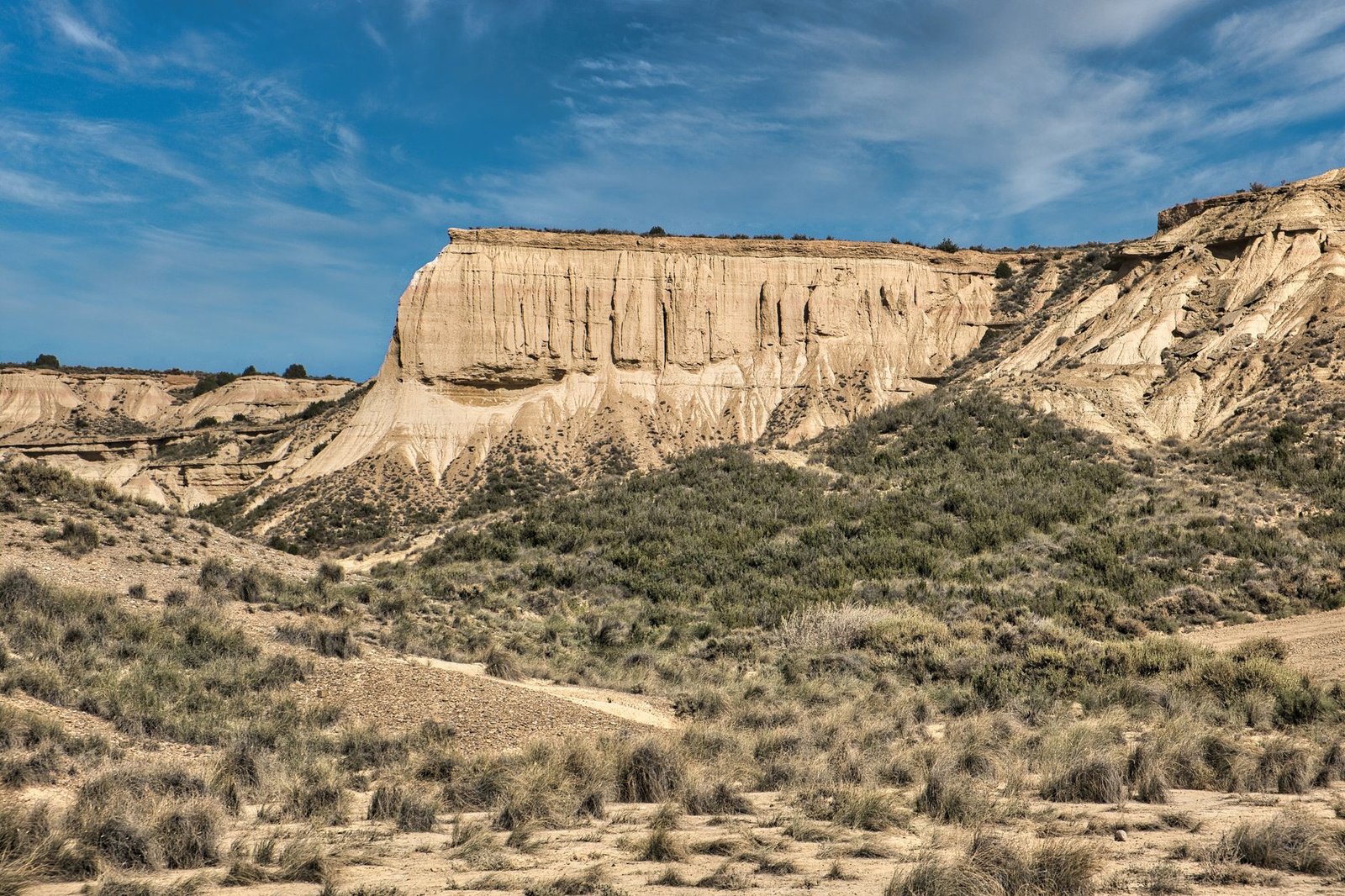
You’ve seen this place before, even if you don’t know it. The Tabernas Desert, nestled in the province of Almería, is Europe’s only true desert. Its stark, lunar-like terrain, deeply sculpted by erosion over millennia, has been the backdrop for hundreds of films, earning it the nickname “Europe’s Hollywood.” From classic Spaghetti Westerns directed by Sergio Leone to blockbusters like ‘Indiana Jones and the Last Crusade’ and TV series such as ‘Game of Thrones,’ the Tabernas has played host to legends. This unique geological formation isn’t just visually striking; it tells a story of an ancient sea, powerful tectonic shifts, and relentless erosion that has carved out these badlands, ravines, and dry riverbeds, known locally as “ramblas.”
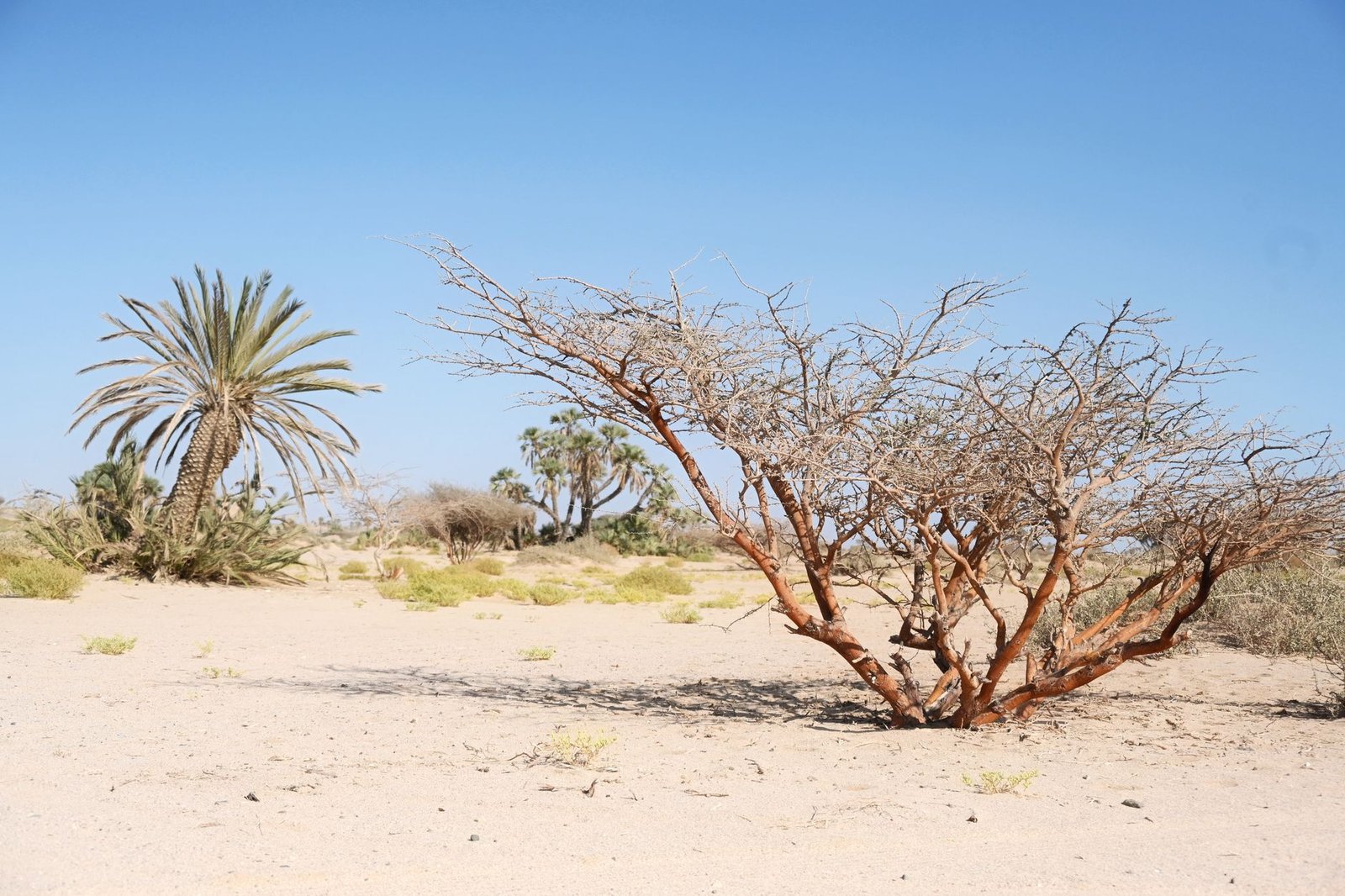
What makes the landscape so special for a visitor like you is this dual identity: a natural wonder and a living film set. You’re not just observing; you’re walking through history, both natural and cinematic. The climate here is extreme, with scorching summers and surprisingly cold nights, and very little rainfall, creating the arid environment that makes it a true desert. Don’t expect lush greenery; this landscape is defined by its resilience, its muted colours of ochre, grey, and rust, and the vast, open skies above.
This region’s past is as dry and unyielding as its landscape. Historically, it was a challenging place to live, prompting many to emigrate. Today, however, its very harshness has become its appeal, attracting tourists, scientists, and filmmakers alike. The local culture has adapted to these conditions, with a focus on hardy agriculture in the more fertile areas and a deep respect for water. When you visit, you’ll sense this connection to the land, an appreciation for the resources and the enduring spirit of the people who call this place home. It’s a powerful experience that leaves a lasting impression, long after the desert dust has settled from your boots.
Oasys MiniHollywood: Your Ticket to the Wild West (and Beyond!)
If you’re going to explore the landscape, a visit to Oasys MiniHollywood is an absolute must-do. This isn’t just a theme park; it’s one of the original film sets, lovingly preserved and expanded to offer a full day of entertainment. What started as the set for Sergio Leone’s ‘For a Few Dollars More’ has evolved into a fantastic attraction for all ages, combining Wild West shows with a zoo and a swimming pool area.
What to Expect & How to Make the Most of Your Visit:
- The Western Town: Step into a meticulously recreated Western town. You’ll see saloons, a sheriff’s office, a barber shop, and even a bank. Regular live shows, including cowboy duels, can-can dancers, and bank robberies, bring the town to life. Shows typically run throughout the day from 11:00 to 18:00, with specific times usually posted at the entrance or on their website.
- The Zoological Reserve: This isn’t just a small collection of animals; it’s a dedicated zoological park with over 800 animals from 200 different species. You’ll find everything from giraffes and zebras to white tigers and bears, all living in large, natural enclosures designed to mimic their native habitats. Plan at least 2-3 hours to walk through this area properly.
- The Aquatic Zone: During the hotter months (typically June to September), the aquatic zone with its pools and slides offers a welcome respite. It’s well-maintained and perfect for cooling off after exploring the desert and the park. Make sure to pack your swimwear and a towel if you plan to use it.
- Restaurants and Shops: Several themed restaurants and cafes are available, offering a range of food from burgers and hot dogs to more traditional Spanish fare. Expect to pay around €12-€18 for a main meal. Souvenir shops sell cowboy hats, themed merchandise, and local crafts.
Prices and Opening Hours:
Entry to Oasys MiniHollywood (includes all attractions):
Adults (12+ years): €28.90
Children (4-11 years): €22.90
Children (0-3 years): Free
Parking: €3.00 per vehicle.
Opening hours vary seasonally, so always check their official website before you go. Generally, they open from 10:00 to 18:00 or 19:00, with extended hours in peak summer. During off-peak seasons (winter months), they may be closed on certain weekdays, so plan carefully.
Honest Tip: Go early! Especially in summer, arriving right at opening allows you to enjoy the Western shows and explore the zoo before the midday heat becomes too intense. Wear comfortable shoes, a wide-brimmed hat, and bring plenty of water. While there are water fountains and shops, having your own reusable bottle is smart. For a slightly different but equally authentic film experience, you could also consider Fort Bravo, another active film set nearby, which offers a more raw, less polished cowboy town feel for about €18-€20 entry. It’s smaller, but the stunt shows are fantastic and it feels like stepping straight onto a movie set.
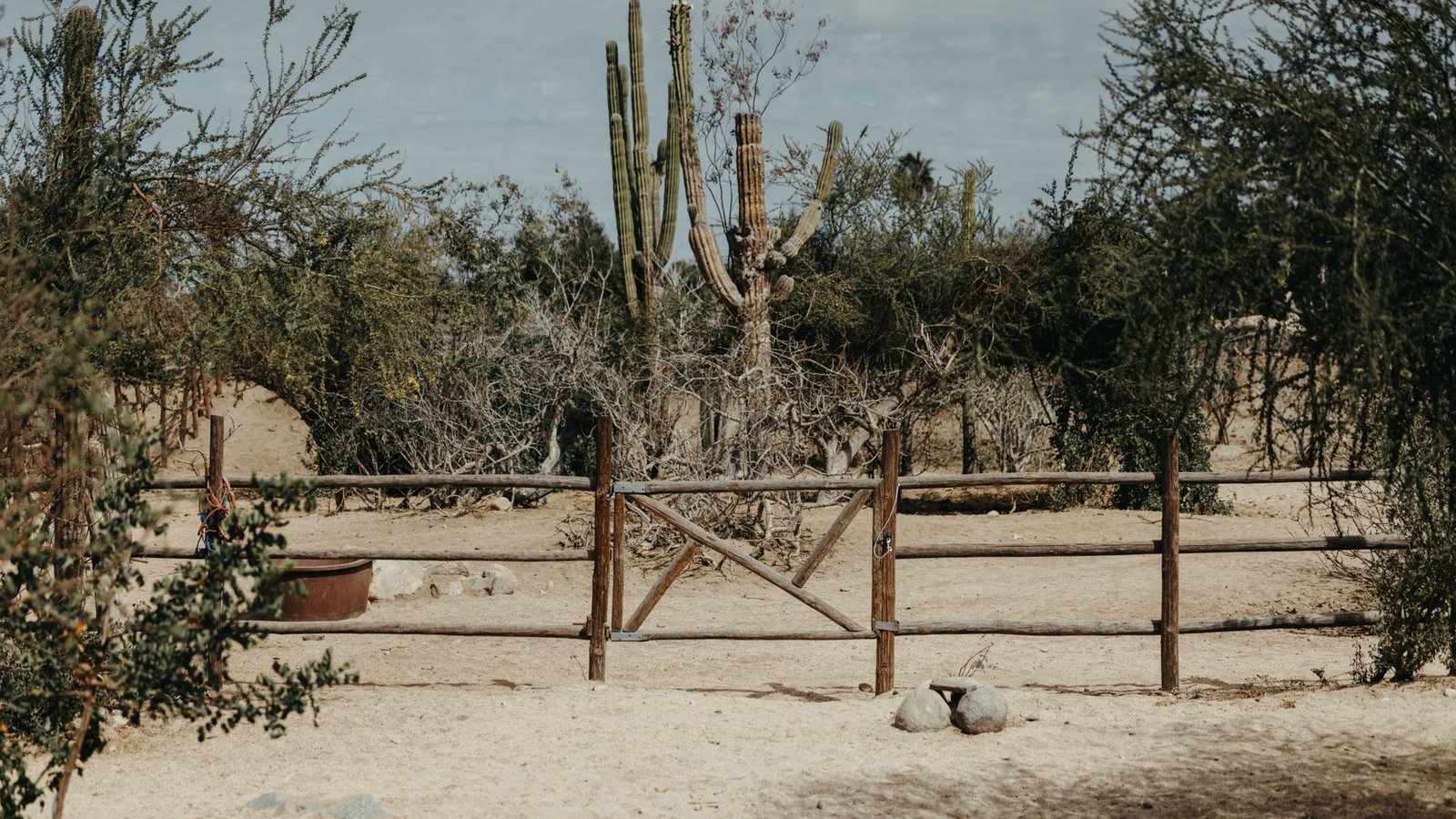

Exploring the Tabernas Desert Natural Park: Beyond the Studios
While the film sets are a huge draw, the true heart of the landscape lies in the Tabernas Desert Natural Park itself. This is where you can truly appreciate the geological majesty and stark beauty of Europe’s desert. It’s a vast expanse of badlands, ravines, and dry riverbeds, offering an array of activities for the more adventurous traveller. You won’t find marked trails everywhere, but with a good map and a sense of direction, the possibilities for exploration are plentiful.
Activities for the Explorer:
- Hiking and Walking: The best way to experience the desert’s unique geology is on foot. You can follow the “ramblas” (dry riverbeds) which act as natural pathways through the canyons. A popular route is through the Rambla de Búho, which offers stunning views and fascinating geological formations. There are no official marked hiking trails as such within the core desert, so you’ll need to be self-sufficient. Start early to avoid the midday sun and carry ample water. The skill level required is moderate; you’ll need good balance for uneven terrain.
- 4×4 Guided Tours: If you prefer to cover more ground or want an expert guide to point out film locations and geological features, booking a 4×4 tour is a fantastic option. These tours can take you deep into areas inaccessible by regular car, providing insights into the desert’s ecosystem and its cinematic history. Prices range from €40-€70 per person for a 2-3 hour tour. You can book a guided tour on Viator that often includes pick-up from nearby towns.
- Photography: This landscape is a photographer’s dream. The changing light throughout the day, especially at sunrise and sunset, creates incredible colours and shadows that enhance the dramatic contours of the badlands. Look for unique rock formations and the hardy desert flora that clings to life.
Accessing the Park: The Tabernas Desert is easily accessible by car from Almería city (about a 30-minute drive). The main roads like the A-92 and local AL-3101 offer scenic drives into the heart of the desert. There are several viewpoints along these roads where you can pull over and take in the panoramic vistas.
Downside to Consider: The biggest challenge here is the heat, especially from June to September, where temperatures can soar above 40°C. There is very little shade, and cellular reception can be patchy in remote areas. Always inform someone of your route if you’re venturing off-road or on longer hikes. This isn’t a place for spontaneous, unprepared wandering. Plan your hydration meticulously.
What to Bring:
- Minimum 3 litres of water per person for a half-day hike.
- Sunscreen (high SPF, reapply often).
- Wide-brimmed hat and sunglasses.
- Lightweight, long-sleeved clothing to protect from the sun.
- Sturdy hiking boots or shoes with good ankle support.
- A map (physical or downloaded offline) and a compass/GPS device.
- Snacks high in energy.
- First-aid kit with blister treatment.
The Tabernas Desert isn’t just a place to see; it’s a place to feel the vastness and the quiet power of nature. It requires respect and preparation, but the rewards are immense: an unparalleled sense of solitude and a deep appreciation for the raw beauty of our planet. This is an adventure that offers a completely different side of Spain, far removed from the usual tourist trails.
Practicalities for Your Almeria Desert Landscape Adventure
Planning your visit to Almeria Desert Landscape requires a bit of foresight to ensure a comfortable and enjoyable experience. This isn’t a city break; it’s an immersive dive into a unique environment. Here’s what you need to know about getting there, where to stay, and the best time to visit.
Getting There:
The most practical way to reach the Tabernas Desert is by car. Almería city has an airport (ALC) with connections to several major European cities and other Spanish destinations. You can rent a car directly from the airport. The drive from Almería city to Tabernas takes about 30 minutes via the A-92. Public transport options are very limited; there are occasional bus services to the town of Tabernas, but you’ll struggle to reach the desert attractions without your own vehicle or a pre-booked tour.
Rental Car Prices (estimated daily):
| Car Type | Low Season (EUR) | High Season (EUR) |
|---|---|---|
| Economy (e.g., Fiat 500) | €25 – €40 | €45 – €70 |
| Compact (e.g., Ford Focus) | €35 – €55 | €60 – €90 |
| SUV (e.g., Nissan Qashqai) | €50 – €80 | €85 – €130 |
These prices exclude fuel and full insurance, which you should always consider.
When to Visit:
Timing is crucial. The best seasons to visit the Tabernas Desert are spring (April-May) and autumn (October-November). During these months, temperatures are pleasant, typically ranging from 20°C to 30°C, making outdoor activities much more comfortable. Winter (December-March) can be surprisingly cold, especially at night, with temperatures dropping close to freezing, but daytime temperatures are often mild and sunny, around 15°C. Summer (June-September) should be approached with caution; daily highs often exceed 40°C, making hiking and extended outdoor exploration difficult and potentially dangerous. If you visit in summer, stick to early mornings or late afternoons, and make ample use of the aquatic zone at Oasys MiniHollywood.
Where to Stay:
You have a few options for accommodation, depending on your preference:
- Tabernas Town: Staying in the small, authentic town of Tabernas itself puts you right on the doorstep of the desert. It offers a few traditional guesthouses and small hotels (e.g., Hotel Jorge, Hostal Rural Alba) where you can experience genuine local life. Prices usually range from €50-€90 per night for a double room.
- Almería City: If you prefer more choice in restaurants, shops, and a livelier atmosphere, Almería city is a great base. It’s only a short drive to the desert, and you’ll have access to a wider range of hotels, from budget-friendly hostels to mid-range and boutique options. Prices vary widely, but expect €70-€150 for a decent hotel.
- Rural Fincas/Cottages: For a truly immersive experience, look for a rural finca or cottage in the surrounding countryside. These often offer peace, quiet, and stunning views of the desert landscape. They can be found on platforms like Airbnb or through local rural tourism websites. Prices vary significantly based on size and amenities, from €80 to €200+ per night.
You can check current hotel prices for Almeria to find the best fit for your budget and style. Wherever you choose to stay, remember to book in advance, especially during peak seasons or when special events are happening in the region. Getting your practicalities sorted ensures you can fully immerse yourself in the awe-inspiring experience of the Almería desert without any unnecessary worries.
Savouring the Local Flavours: Eating in Almería
While the desert might be sparse, the culinary landscape of Almería province is anything but! This region, often overlooked by food tourists, boasts a truly authentic and unpretentious food culture that reflects its land and sea. Forget elaborate dishes; here, it’s about fresh ingredients, simple preparations, and bold flavours. You’ll find a delightful array of tapas, much like in Granada, often served free with a drink, but don’t let that distract you from the main dishes.
What You Absolutely Must Try:
- Pescado Frito (Fried Fish): Almería is a coastal province, and its seafood is exceptional. Head to the city’s port area or any seaside town like Roquetas de Mar or Mojácar for the freshest catch. Expect perfectly fried anchovies (boquerones), sardines (sardinas), red mullet (salmonetes), and squid (calamares). It’s simple, light, and utterly delicious.
- Guiso de Trigo: This hearty wheat stew is a desert specialty, perfect for cooler evenings. It’s made with wheat, chickpeas, beans, local vegetables, and often pork or sausage. It’s a filling and flavourful dish that speaks to the agricultural heritage of the region.
- Cherigan: Unique to Almería, the Cherigan is essentially a long, toasted slice of bread, typically served with various toppings like alioli, cheese, ham, or local cured meats. It’s a popular tapa and a satisfying snack.
- Migas: Another staple of inland Almería, migas are made from fried breadcrumbs, often served with peppers, fried eggs, and sometimes even melon. It’s a rustic, peasant dish that is surprisingly comforting and delicious, especially after a long day of exploring.
- Gachas: Don’t confuse these with sweet breakfast oats! Almerían gachas are savoury, thick porridges made from flour, usually served with fried fish, peppers, or vegetables. A truly traditional dish you won’t find just anywhere.
- Tomate de La Cañada: Almería is a huge agricultural producer, and its “Tomate de La Cañada” is famous throughout Spain for its intense flavour and quality. Even though it’s cultivated in greenhouses, it’s a testament to the local farming ingenuity. Enjoy it simply, with a drizzle of local olive oil and a pinch of salt.
Where to Eat:
In Almería city, wander through the streets around the Mercado Central or Calle Real for authentic tapas bars. For a more formal meal, head towards the port. In the town of Tabernas, you’ll find a few traditional restaurants that serve hearty local fare, perfect after a day in the desert. Look for places popular with locals – a good indicator of quality and authenticity. The prices for tapas are usually very reasonable, often free with a drink for around €2-€3. A main meal in a traditional restaurant might cost €15-€25.
Eating in Almería is an adventure for your taste buds, a reflection of the hard work and ingenuity of its people. Don’t be afraid to try something new, and let the local flavours tell you another story of this extraordinary corner of Spain. While in Andalusia, you might also be keen to try other regional sweet treats, like learning how to make an Authentic Piononos Santa Fe Recipe for something completely different.
FAQ: Yes, Almeria Desert Landscape is really Spain! – Common Questions
Can you visit the Almeria desert on your own?
Yes, you can absolutely visit the Tabernas Desert on your own with a rental car, which is the most recommended way to explore. While some areas are open for self-guided exploration, it’s crucial to be well-prepared with water, appropriate clothing, a map, and informing someone of your plans, as conditions can be harsh and signage limited in remote areas. For deeper insights or access to specific film locations, a guided 4×4 tour is highly beneficial.
Is the Almeria desert safe for tourists?
The Almeria desert is generally safe for tourists, but its safety depends heavily on your preparation and respect for the environment. The primary risks are related to the extreme climate – heatstroke in summer, dehydration, and getting lost in less-frequented areas. Stick to known attractions like Oasys MiniHollywood, or book a guided tour for off-road excursions. Always carry plenty of water, wear sun protection, and ensure your phone is charged. Isolated incidents of petty theft are rare but possible, so always secure your valuables.
How far is Almeria desert from Malaga?
The Tabernas Desert is approximately 200 kilometres (about 125 miles) east of Malaga city. The drive typically takes around 2 hours and 15 minutes to 2 hours and 45 minutes, depending on traffic and your exact destination within the desert. The route primarily follows the A-7 motorway along the coast, offering scenic views for much of the journey.
What movies were filmed in the Almeria desert?
Hundreds of films have been shot in the Almeria desert, particularly the Tabernas area. It famously served as the primary location for many Spaghetti Westerns, including Sergio Leone’s “Dollars Trilogy” starring Clint Eastwood (‘A Fistful of Dollars’, ‘For a Few Dollars More’, ‘The Good, the Bad and the Ugly’). Other notable productions include ‘Lawrence of Arabia’, ‘Conan the Barbarian’, ‘Indiana Jones and the Last Crusade’, ‘Exodus: Gods and Kings’, and even episodes of the TV series ‘Game of Thrones’.
The Tabernas Desert of Almería offers an adventure like no other in Spain, a raw and unforgettable landscape that leaves you feeling small against the grandeur of nature and the echoes of cinematic history. It’s a powerful reminder that Spain is a country of incredible diversity, full of surprises waiting to be discovered, whether you’re navigating its arid canyons or savoring its coastal seafood. Your journey into this sun-baked expanse will undoubtedly be a highlight of your Spanish explorations, giving you stories to tell for years to come.