Ubrique’s Leather Craft Workshops: A Visitor’s Guide
Some links in this guide are affiliate links — if you book through them we may earn a small commission at no extra cost to you. It never changes what we recommend. Full disclosure.
Most visitors to Spain are searching for the sun-drenched beaches, the buzz of Barcelona, or the grandeur of Granada’s Alhambra. They often overlook the smaller towns, the places where ancient traditions still hum with life, but if you want to touch Spain’s true artisanal spirit, diving into one of Ubrique’s leather craft workshops is an experience few get to have. This isn’t just about making something beautiful; it’s about connecting with a legacy that defines a region, understanding the dedication behind every stitch, and seeing firsthand why this corner of Andalucía is renowned globally for its leather.
This article contains affiliate links. If you book through one, Spain Destination may earn a small commission at no extra cost to you. See the full affiliate disclosure →
Quick Answer: Ubrique’s Leather Craft Workshops
Participating in an Ubrique leather craft workshop offers a direct, hands-on connection to centuries of world-class leatherworking tradition in the heart of Andalucía, allowing you to learn basic techniques and create your own leather piece under expert guidance, typically costing €50-€700 depending on duration and intensity.
Why Ubrique is the Unrivaled Capital of Leather Craft
Ubrique isn’t just another town in Andalucía; it’s the undisputed epicenter of fine leather goods, a place where the very air seems to carry the scent of cured hides and meticulous craftsmanship. For centuries, this small town, nestled in the Sierra de Grazalema Natural Park, has perfected the art of leatherworking. What makes Ubrique so special? It’s a combination of history, inherited skill, and a relentless dedication to quality that has earned it the moniker “the leather capital of Spain.”
The tradition here goes back to Roman times, but it truly blossomed with the arrival of the Moors, who brought advanced tanning techniques and intricate designs. Over generations, these skills were passed down, evolving and refining. The result is a unique artisan ecosystem where families have dedicated their lives to this craft. You’re not just looking at a leather product; you’re seeing the culmination of hundreds of years of knowledge, trial, and error.
The “Marca Ubrique” isn’t an official certification you’ll see on every item, but it’s a reputation, a promise of exceptional quality, known and respected within the industry worldwide. Many of the most prestigious international luxury brands covertly source their leather goods or components directly from workshops here. They come to Ubrique because the precision, the material selection, and the finishing are simply unparalleled. When you visit, you’ll notice the absence of flashy storefronts proclaiming this connection; discretion is part of the tradition here, but the proof is in the palpable quality of every item you encounter.
What differentiates Ubrique from other artisan towns in Spain or even elsewhere in Europe is this ingrained, collective mastery. It’s not just a few talented individuals; it’s the entire community, where the local school system often includes vocational training in leatherwork, ensuring the next generation continues the legacy. They understand leather’s nuances, how it behaves, how to treat it, cut it, stitch it, and shape it into something both beautiful and durable. This isn’t mass production; it’s a blend of industrial efficiency with handcrafted precision. You’ll find workshops that specialize in specific types of leather or techniques, from intricate embossing to delicate saddle stitching. This deep specialization contributes to the overall high standard, making a visit to Ubrique a truly enlightening experience for anyone interested in genuine craftsmanship.
This dedication to the craft goes far beyond merely producing items. It’s a way of life. The artisans here don’t just work with leather; they live and breathe it, understanding its history, its future, and its potential. When you participate in a workshop, you’re not just learning a skill; you’re getting a glimpse into this profound connection, into the heart of a community built around a single, enduring passion.
Finding Your Perfect Leather Workshop Experience
So, you’re in Ubrique, ready to dive into the world of leather. How do you choose the right workshop? The key is knowing what you’re looking for, as options range from a short, introductory session to multi-day intensive courses. Most experiences cater to beginners, focusing on core techniques and creating a simple, functional item you can take home.
One of the most established institutions is the Escuela de Artesanía de la Piel de Ubrique (Ubrique Leather Craft School). While primarily a vocational training center for aspiring professionals, they occasionally offer shorter introductory workshops or can point you towards artisans who do. Contacting them directly is a good first step, especially if you’re looking for something beyond a basic taster. Their courses, if available to the public for short durations, are usually more comprehensive and might run for several days, costing anywhere from €250 to €700, including all materials. These are perfect for someone genuinely interested in acquiring foundational skills.
For a more immediate, hands-on experience, many smaller ateliers scattered throughout the town offer single-session workshops. These are usually run by independent artisans or small family businesses who open their doors to visitors for a few hours. These workshops often focus on making a specific item like a cardholder, a small wallet, a key ring, or a simple belt. Prices for these introductory sessions typically range from €50 to €150 per person, varying by the length of the session (usually 2-4 hours) and the complexity of the item you’ll create.
Booking in advance is crucial, especially if you’re visiting during peak tourist season (spring and autumn) or looking for a workshop with English-speaking instructors. Ubrique is a working town, not a sprawling tourist hub, so spontaneous walk-ins might be disappointed. I recommend reaching out via email or phone a few weeks before your trip. Most workshops operate with small group sizes, often no more than 4-6 participants, ensuring personalized attention. If you’re traveling as a larger group, it’s even more important to arrange things well ahead of time.
Here are some types of workshops you might find:
- The Quick Taster: A 2-hour session, usually focusing on one very simple item like a key fob or a leather bracelet. Great for a fun, casual introduction. Expect to pay around €50-€75.
- The Core Craft: A 3-4 hour session where you’ll learn basic cutting, stitching, and finishing techniques to create a cardholder or small pouch. This is often the most popular option for visitors. Prices are typically €80-€150.
- The Artisan Project: A full-day or multi-day workshop (1-3 days) that allows you to delve deeper into specific techniques, potentially creating a wallet, small bag, or belt from start to finish. These require more commitment and a higher budget, often €250-€700.
- Specialized Skills: Less common for casual visitors, but some artisans offer workshops on specific techniques like leather carving, embossing, or pattern making. These usually require prior experience.
When inquiring, don’t hesitate to ask about the specific project you’ll be working on, the tools you’ll use, and the materials included. Transparency is key, and a good artisan will be happy to explain everything.
For convenience, you can also book a guided tour on Viator, which sometimes includes workshop experiences or connects you with local artisans who offer them. Just be sure to read the descriptions carefully to understand what’s covered.
What to Expect: A Hands-On Guide to Your Workshop
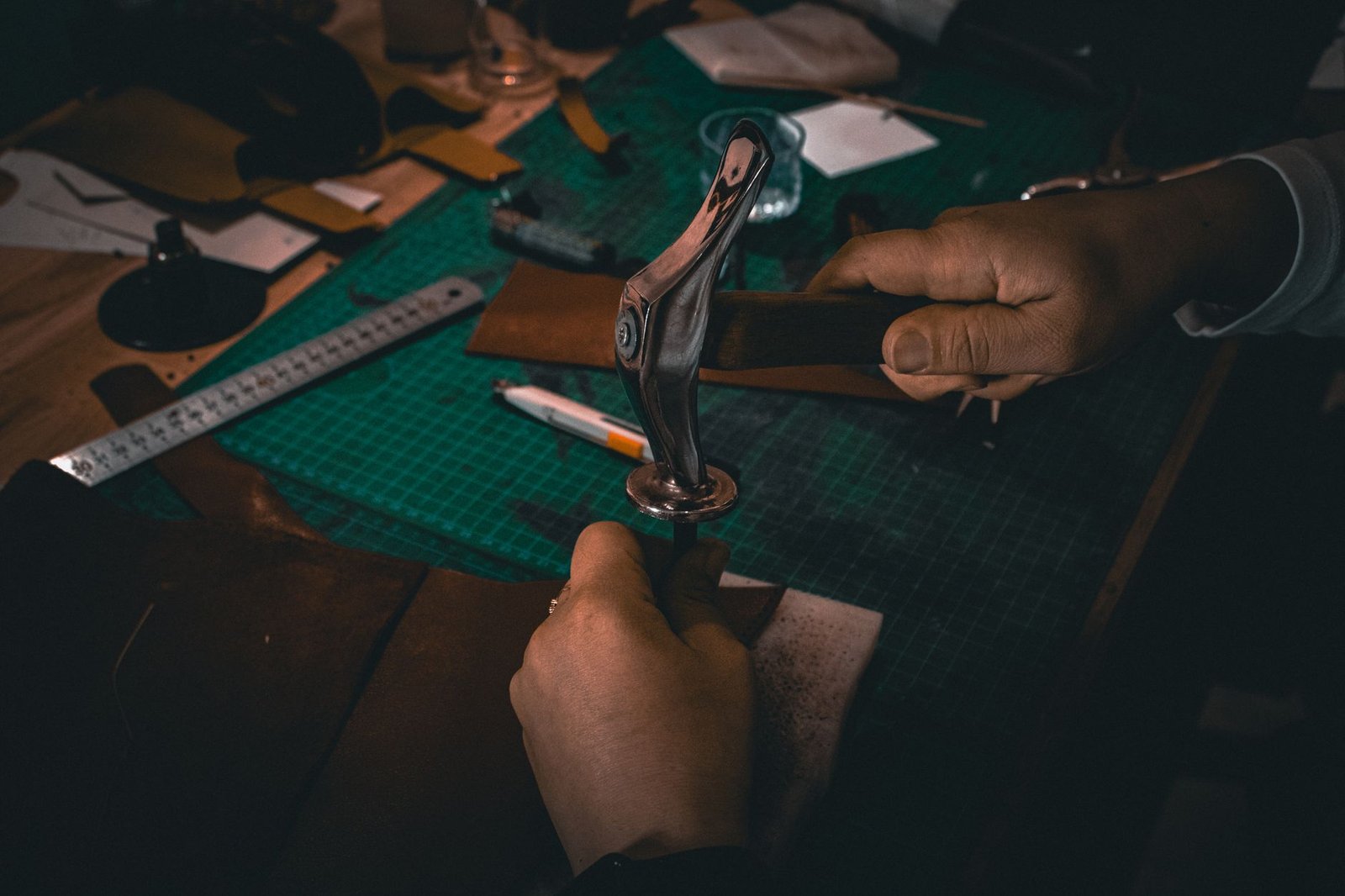
Stepping into a leather workshop in Ubrique is an immediate sensory experience. The rich scent of leather, the rhythmic tap of hammers, the sight of tools neatly arranged – it all tells you you’re in a place of purpose and tradition. Most workshops, regardless of duration, follow a similar progression, designed to introduce you to the craft in an accessible way.
Your session will typically begin with an introduction from the artisan. They might share a bit about Ubrique’s leather history, the types of leather you’ll be using, and the tools at hand. This isn’t just a lecture; it’s a way to set the stage and connect you to the legacy of the place. You’ll likely be working with high-quality local leather, often calfskin or goat leather, chosen for its pliability and durability, perfect for small projects. You won’t be handling exotic leathers here; the focus is on the traditional, sustainable materials that define the region.
Then come the tools. You’ll get familiar with a range of specialized implements, some of which look straight out of a bygone era, yet are still perfectly suited for the task:
- Leather knives and cutters: For precise shaping and trimming. The artisan will show you how to handle these safely.
- Awls: Sharp, pointed tools used for piercing holes, especially for hand-stitching.
- Mallets: Used in conjunction with various punches to create holes or set hardware.
- Punches: For creating uniform stitching holes or decorative patterns.
- Edge bevelers and burnishers: To create smooth, finished edges that are both aesthetically pleasing and durable.
- Stitching ponies or clamps: Devices to hold your leather securely while you stitch.
- Waxed thread and needles: For strong, durable hand-stitching.
Don’t worry about needing prior experience; these workshops are explicitly designed for novices. The artisan will guide you through each step, demonstrating techniques clearly and offering individual assistance. You’ll learn how to lay out a pattern, cut leather precisely, prepare edges, punch stitching holes, and perform a traditional saddle stitch – a robust and beautiful method where two needles work through the same holes from opposite directions.
The project itself is usually a small, achievable item. Imagine leaving with a perfectly crafted leather cardholder you made yourself, or a custom key fob, or even a simple belt. The satisfaction of holding something you created, knowing you applied techniques passed down through generations, is immense. It’s a tangible memory, far more meaningful than any souvenir you could buy.
Language can sometimes be a consideration. While many artisans understand basic English, especially in workshops catering to tourists, some might primarily speak Spanish. Don’t let this deter you. The craft itself often transcends language, and demonstrations are usually clear enough to follow. If you’re concerned, ask about language capabilities when booking. Sometimes, a bilingual assistant might be present, or the artisan will have visual aids to help bridge any communication gaps.
Most importantly, come ready to learn, be patient with yourself, and enjoy the process. It’s about slowing down, focusing on the details, and appreciating the material. It’s an immersive experience that tells you a story about Spain, one stitch at a time. This hands-on engagement is a powerful way to connect with local culture, much like learning to cook an Authentic Ajoblanco Malagueño Recipe or understanding the intricacies of Semana Santa in Seville – it offers a deeper appreciation that goes beyond mere observation.
Beyond the Workshop: Exploring Ubrique’s Leather Culture
While the workshops are the main draw, Ubrique itself is a testament to its leather legacy, and it’s well worth exploring before or after your crafting session. This isn’t just a place where leather is made; it’s a place where leather is lived.
Your first stop beyond the workshop should be the Museo de la Piel de Ubrique (Leather Museum). Housed in the former convent of Capuchinos, this museum tells the comprehensive story of leather in the region. It’s open Tuesday to Saturday from 10:00 to 14:00 and 16:00 to 18:00, and Sundays from 10:00 to 14:00 (always double-check these times, as they can shift seasonally). Entry is a modest €3-€5. Inside, you’ll see historical tools, examples of different leatherworking techniques, and a display of finished products ranging from saddles to fine handbags. It really puts the craft into perspective and helps you understand the historical significance of what you just experienced in your workshop.
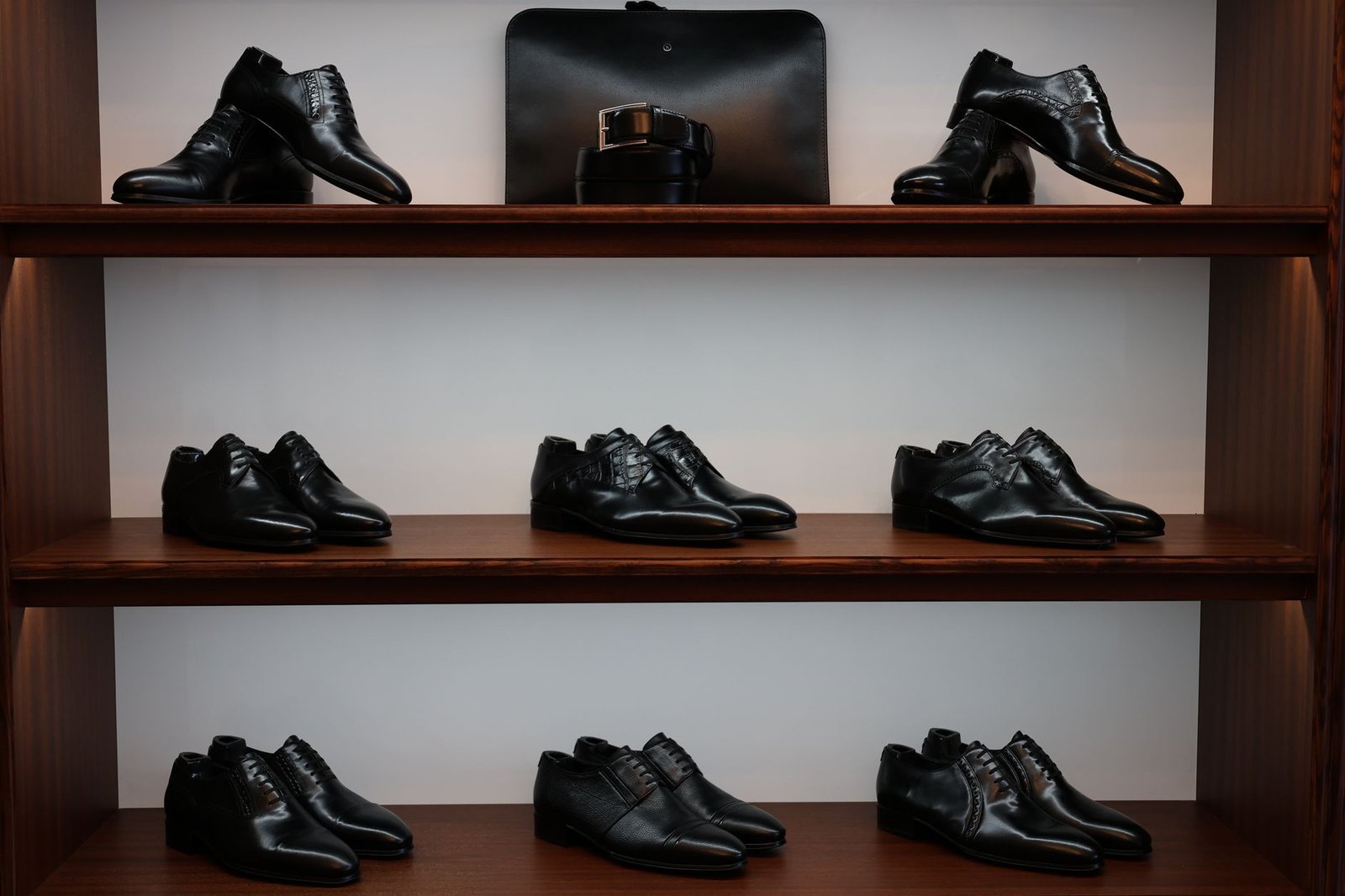
After immersing yourself in history, it’s time to see the contemporary craft in action. Ubrique is dotted with small shops and ateliers where you can buy genuine Ubrique leather goods directly from the artisans or from reputable local retailers. These are not tourist traps; they are places where quality is paramount. Look for shops like ‘Piel de Ubrique’ or those with an artisan’s name attached. You’ll find everything from wallets and belts to bags, briefcases, and equestrian equipment. The quality is evident in the stitching, the feel of the leather, and the overall finish. Expect to pay a fair price for genuine handcrafted items – a quality leather wallet might be €60-€150, while a well-made handbag could range from €200 to €800, depending on size and complexity. This is an investment, not a cheap souvenir.
How do you distinguish genuine craft from mass-produced items? It comes down to detail. Look closely at the stitching: is it even and consistent? Examine the edges: are they smoothly finished and burnished, not just cut? Feel the leather: does it have a natural texture and suppleness? Don’t be afraid to ask about the origin of the leather or the artisan who made the piece. The true craftspeople are proud to share their knowledge.
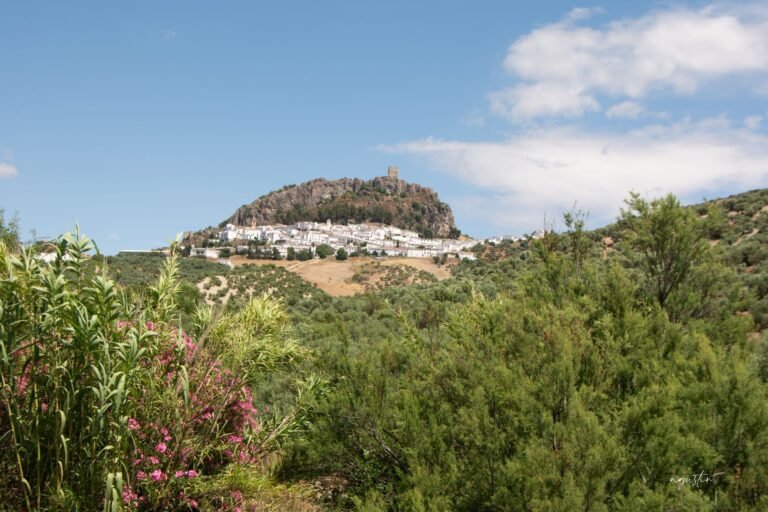
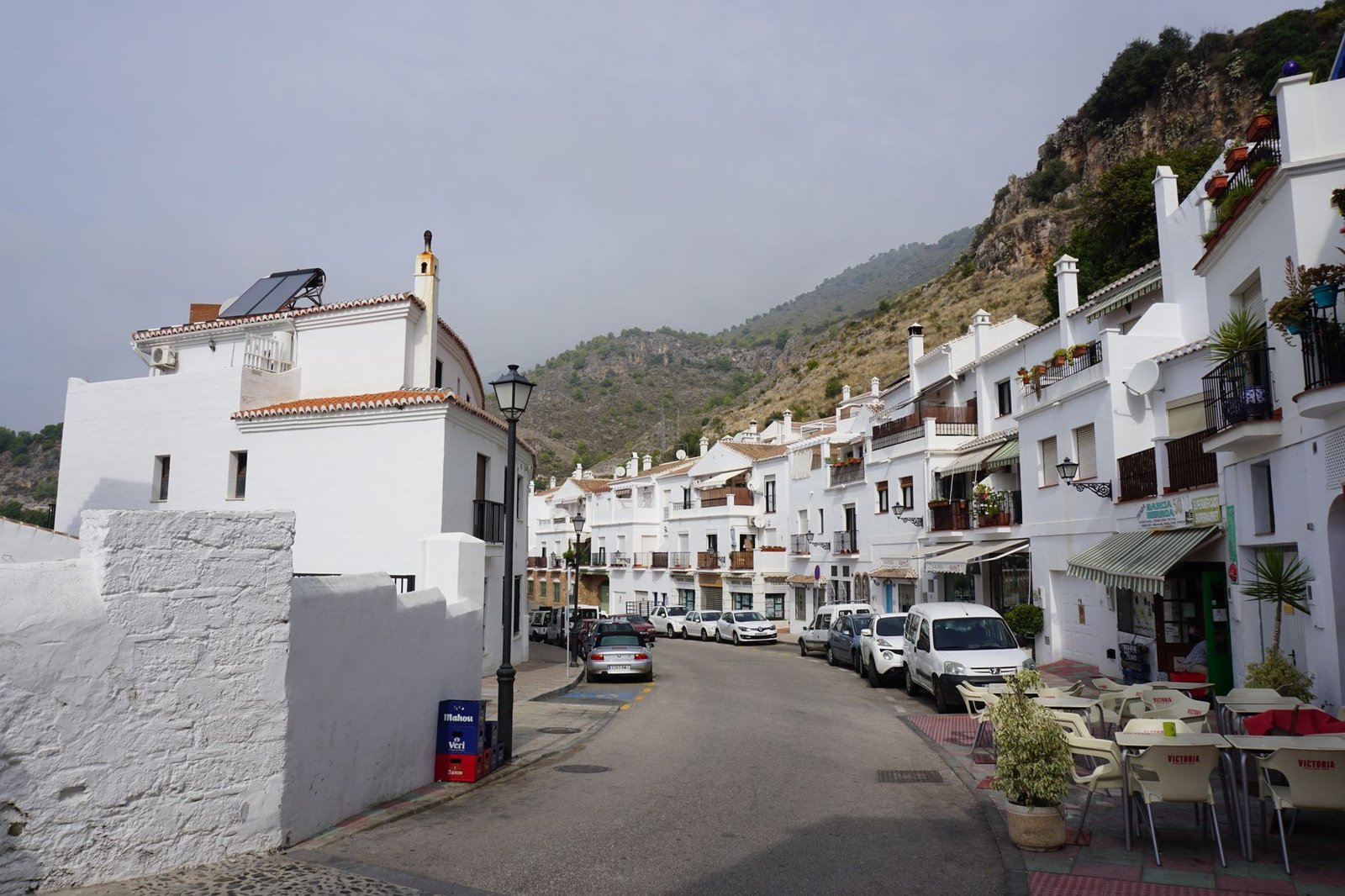
Beyond leather, Ubrique itself is a charming town worth a stroll. Its white-washed houses cling to the hillside, offering stunning views of the surrounding Sierra de Grazalema Natural Park. Take a walk through the older parts of town, explore the narrow, winding streets, and soak in the atmosphere. For something different, consider a gentle walk or hike in the nearby natural park, perhaps one that hints at the landscapes you’d find on a Beginner’s Hiking Guide to the Alpujarras. The natural beauty provides a stark contrast to the industriousness of the leather workshops, showing you another facet of Andalucía.
When hunger strikes, Ubrique offers authentic Andalusian cuisine. Look for local restaurants serving traditional dishes like ‘sopa de espárragos’ (asparagus soup), ‘revuelto de tagarninas’ (scrambled eggs with thistle), or hearty stews. A typical lunch or dinner at a local restaurant will cost you around €15-€25 per person. It’s honest, delicious food that fuels the hard work of the local artisans.
Ubrique is a destination that rewards curiosity and a desire for authenticity. It offers a glimpse into a Spain that often remains unseen by those who stick to the major cities, a Spain defined by skilled hands and enduring traditions.
Practicalities: Getting There, Staying, and Navigating Ubrique
Visiting Ubrique and fully engaging with its leather culture requires a bit of planning, especially regarding transport and accommodation. It’s a small town in a mountainous region, so accessibility isn’t as straightforward as getting to Seville or Málaga.
Getting There
By Car: This is by far the most recommended way to reach Ubrique. The drive itself is scenic, winding through the ‘Pueblos Blancos’ (White Villages) route. Ubrique is approximately:
| Origin City | Distance (approx.) | Driving Time (approx.) |
|---|---|---|
| Ronda | 30 km | 40-50 minutes |
| Jerez de la Frontera | 70 km | 1 hour 15 minutes |
| Málaga | 130 km | 1 hour 45 minutes |
| Seville | 120 km | 1 hour 30 minutes |
Parking in Ubrique can be a challenge in the historic center, but there are several public parking areas on the outskirts of the town or near the main roads entering it. Look for signs pointing to “Público” or underground car parks. Often, your accommodation might offer parking, which is a significant bonus.
By Bus: Public transport is less convenient but possible. Ubrique is connected by bus routes to larger towns like Ronda and Jerez de la Frontera. For example, a bus from Ronda usually costs around €5-€8 and takes about an hour. However, bus schedules are limited, especially on weekends and public holidays. You’ll need to check specific timings with companies like Los Amarillos or Avanza (depending on your origin) well in advance. This option is suitable if you’re not planning extensive exploration beyond the town center or are happy with taxi services for local movement.
Staying in Ubrique
Ubrique has a range of accommodation options, primarily small, family-run hotels and guesthouses. You won’t find large chain hotels here, which contributes to the town’s authentic feel. Expect a comfortable, clean room, often with traditional Andalusian décor.
- Hotels: Prices for a double room in a mid-range hotel usually range from €60-€100 per night. Many offer breakfast included.
- Rural Guesthouses (Casas Rurales): If you prefer something more rustic, there are charming guesthouses both within Ubrique and in the surrounding countryside, often with beautiful views. Prices are comparable to hotels.
- Apartments: A few self-catering apartments are available, which can be a good option for longer stays or for groups.
Booking ahead, especially during spring and autumn when the weather is pleasant and the town is more active, is always a sensible choice. You can check current hotel prices for Ubrique to find options that suit your budget and preferences.
Best Time to Visit
The ideal times to visit Ubrique are spring (April to June) and autumn (September to October). The weather is pleasant, perfect for walking and exploring, and the workshops are fully operational. Summers (July and August) can be very hot, sometimes exceeding 35°C (95°F), which can make outdoor activities less enjoyable. Winters are mild but can be rainy.
Navigating and Downsides
Once in Ubrique, the town center is easily walkable, though be prepared for some hills! Many artisan shops and workshops are concentrated around the main square and adjacent streets. However, one potential downside is the “siesta” culture. Many smaller shops and even some workshops close for a few hours in the afternoon, typically between 14:00 and 17:00. Plan your day accordingly, perhaps using this time for lunch or a visit to the museum.
Another point to consider is that while the main language is Spanish, you’ll often find shopkeepers and artisans who speak some English, especially if they regularly interact with international visitors. However, learning a few basic Spanish phrases will always enhance your experience.
Ubrique might not be on every tourist’s radar, but for those who seek authentic experiences, genuine craftsmanship, and a deeper connection to local culture, it offers an incredibly rewarding journey. It’s a place that asks you to slow down, appreciate the skill, and perhaps even discover a hidden talent of your own.
FAQ: Ubrique’s leather craft workshops let you touch Spain’s soul. – Common Questions
Is Ubrique only for professional leatherworkers?
No, absolutely not. While Ubrique is a hub for professional leather production and training, many local artisans and even the larger craft school offer introductory workshops specifically designed for beginners and tourists. These focus on basic techniques and creating simple items, making the experience accessible to everyone, regardless of prior skill.
How long do the leather workshops typically last and what do they cost?
Introductory workshops usually range from 2 to 4 hours, and you can expect to pay between €50 and €150 per person, which generally includes all materials. More intensive, multi-day courses can last 1 to 3 days and cost from €250 to €700, offering a deeper dive into the craft.
Do I need to book a leather workshop in advance?
Yes, it’s highly recommended to book your workshop in advance. Ubrique is a working town, and many workshops are small and run by individual artisans. Spaces are limited, and booking a few weeks ahead, especially during peak seasons like spring or autumn, ensures you secure your spot and that the artisan can prepare for your visit.
What can I expect to make in an Ubrique leather workshop?
In most introductory workshops, you’ll make a small, practical item such as a leather cardholder, a key fob, a small pouch, or a simple belt. The goal is to teach you fundamental techniques like cutting, punching, stitching, and edge finishing on a manageable project that you can proudly take home.
Ubrique offers a rare chance to connect with an enduring Spanish tradition. It’s a place where you don’t just observe culture, you participate in it, crafting a tangible memory with your own hands. The dedication to quality, the rich history, and the genuine warmth of the artisans make this a profoundly rewarding experience, far richer than any typical souvenir shop. For more authentic experiences that delve into the heart of Spain, continue exploring our Spain Destination blog.
About Ubrique Leather Craft Workshops
This guide is part of Spain Destination’s library of Spain travel and lifestyle content, written with AI assistance and checked against official sources where possible. See how this site is researched and fact-checked →