Ajoblanco: Malaga’s Cold Soup That Predates Gazpacho
Some links in this guide are affiliate links — if you book through them we may earn a small commission at no extra cost to you. It never changes what we recommend. Full disclosure.
Authentic ajoblanco malagueño isn’t the tourist-menu gazpacho variant most visitors assume it is – it’s Málaga’s own dish, older than gazpacho itself, made with almonds and garlic instead of tomatoes. The version served at beachfront restaurants rarely resembles what people actually eat at home here.
This is the real recipe: a chilled, creamy almond soup that’s cooled down Málaga’s summers for centuries, garnished with grapes instead of croutons. Forget the tourist menu – this is how it’s actually made.

Quick Answer
The authentic ajoblanco malagueño recipe is a traditional, cold almond and garlic soup originating from Málaga, Andalusia. It’s a deliciously refreshing, creamy, and dairy-free dish, perfect for hot weather, typically made with blanched almonds, garlic, stale bread, olive oil, vinegar, and water, then garnished with green grapes. It is also a staple in many cooking classes in Malaga, where you can learn it from locals before trying it at home.
Málaga Beyond the Beach: Why You Need to Visit
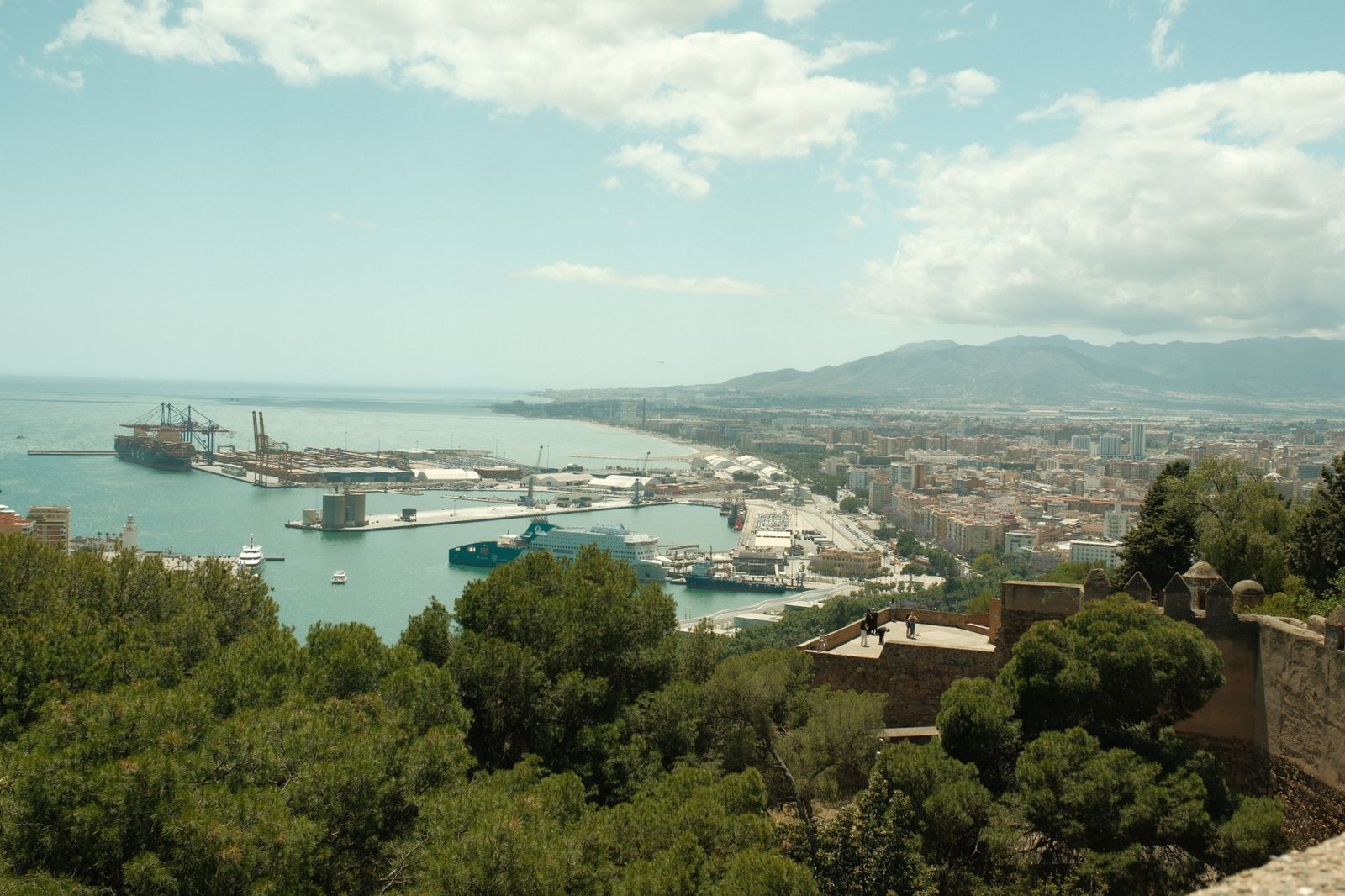
Málaga often gets pigeonholed as just a gateway to the Costa del Sol, a place you fly into before heading to fancier resorts. But that’s a mistake. The city itself is a treasure trove, a dynamic blend of ancient history, modern art, and genuine Andalusian character. You’ve got Roman ruins rubbing shoulders with contemporary art galleries, medieval fortresses overlooking a bustling port, and streets filled with the scent of orange blossoms and fried fish.
Yes, it’s a popular destination, and that comes with its downsides. In peak summer months, especially July and August, the city center and the main beaches like Malagueta can feel very crowded. Temperatures often soar into the mid-30s Celsius (90s Fahrenheit), sometimes higher, making midday exploration a sweaty affair. The beaches are lovely for a dip, but don’t expect secluded coves; these are urban beaches, lively and popular. Despite the crowds, Málaga manages to retain a distinct identity that sets it apart from many other Spanish coastal cities.
Getting here is straightforward. Málaga-Costa del Sol Airport (AGP) is one of Spain’s busiest, with direct flights from across Europe. If you’re coming from other parts of Spain, the high-speed AVE train connects Málaga to Madrid in about 2.5-3 hours, with tickets typically costing €40-€80 if booked in advance. From Seville, the train takes around 2 hours and costs €25-€40. Once you’re here, you’ll find a city that encourages exploration, whether on foot or using its efficient public transport.
Most of the major historical and cultural sites, like the Alcazaba and Picasso Museum, open around 10:00 and close between 18:00 and 20:00, often with extended hours in summer. Note that many museums close on Mondays. Plan your visits to avoid the hottest parts of the day, perhaps enjoying a long lunch or siesta from 14:00-17:00, just like the locals do.
Taste of Andalusia: Your Authentic Ajoblanco Malagueño Recipe
If you ask any Malagueño what epitomizes summer refreshment, ajoblanco will be high on their list. Often called “white gazpacho,” this ancient soup predates the arrival of tomatoes in Europe, making it one of Andalusia’s original chilled soups. It’s simple, elegant, and profoundly satisfying. Don’t be fooled by its humble ingredients; the combination creates a complex, creamy, and utterly unique flavour. Making your own authentic ajoblanco malagueño recipe at home is remarkably easy and will transport you straight to a sun-drenched terrace in southern Spain.
Ingredients:
- 200g blanched raw almonds (not roasted or salted)
- 1-2 cloves garlic (start with one, add more if you like a stronger kick)
- 100g stale white bread (crusts removed), torn into pieces
- 100ml good quality extra virgin olive oil (this makes a huge difference!)
- 50ml sherry vinegar (or white wine vinegar if sherry isn’t available)
- 750ml-1 litre very cold water (adjust to desired consistency)
- Salt to taste (around 1 teaspoon to start)
- For garnish: About 200g green seedless grapes, halved, or thinly sliced melon, or a few drops of olive oil.
Cooking Steps:
- Prepare the Bread: Place the torn pieces of stale bread in a bowl and cover them with a little cold water. Let them soak for about 10-15 minutes until soft. Squeeze out any excess water before adding to the blender.
- Blend the Base: In a powerful blender, combine the blanched almonds, garlic cloves, and the squeezed stale bread. Blend until you have a coarse paste. If your blender struggles, add a splash of the cold water to help it along.
- Emulsify the Oil: With the blender running on a low setting, slowly drizzle in the extra virgin olive oil. This step is crucial for achieving that characteristic creamy texture. It should emulsify, thickening the mixture slightly.
- Add Liquids and Seasoning: Now, gradually add 750ml of the very cold water and the sherry vinegar. Blend again until the soup is incredibly smooth. The mixture should be almost white and uniform.
- Season and Adjust: Taste the ajoblanco and add salt as needed. This is where you can adjust the consistency too; if you prefer it thinner, add more cold water, blending well after each addition. You’re aiming for a consistency similar to thin cream.
- Chill Thoroughly: Pour the ajoblanco into a non-reactive container (glass or ceramic) and cover it. Refrigerate for at least 2-3 hours, or even better, overnight. Serving it properly chilled is essential for its refreshing quality.
- Serve: Before serving, give the ajoblanco a good stir. Ladle into individual bowls. The traditional garnish is halved green grapes, which add a lovely burst of sweetness and acidity that complements the soup perfectly. Some people also enjoy it with a few drops of olive oil or extra slivers of toasted almonds.
This soup is a fantastic starter or a light lunch on its own. It’s naturally vegan and gluten-free (if you use gluten-free bread), making it a versatile option for many dietary needs. The key is using quality ingredients, especially the olive oil, and ensuring it’s served ice cold. Once you’ve mastered this authentic ajoblanco malagueño recipe, you’ll have a taste of Málaga at your fingertips, no matter where you are.
What to Do in Málaga After You’ve Eaten All The Ajoblanco
Once you’ve savoured your homemade ajoblanco, or tasted it at a local taberna, it’s time to explore Málaga’s other delights. This city offers a surprising depth of culture and activities beyond its beaches. I’d say focus on these for a true taste of the city:
- Picasso Museum Málaga: Housed in the beautiful Palacio de Buenavista, this museum is a must-see for art lovers. It showcases a diverse collection of Pablo Picasso’s works, from his early sketches to his later Cubist masterpieces. An adult ticket costs around €12-€15. Plan for 1.5 to 2 hours here. It can get busy, so consider booking your tickets online in advance, especially during high season.
- Alcazaba and Roman Theatre: These two historical sites are right next to each other and offer a fascinating glimpse into Málaga’s past. The Alcazaba, a Moorish fortress-palace, is a labyrinth of courtyards, gardens, and defensive walls, offering stunning views over the city and port. Entry is €3.50. The Roman Theatre, discovered accidentally in the 1950s, is free to explore from the outside. You can get a combined ticket for the Alcazaba and Gibralfaro Castle (the fortress overlooking the Alcazaba) for €5.50. Allow 2-3 hours for a leisurely visit to both the Alcazaba and the Roman Theatre. The walk up to Gibralfaro is steep but offers unparalleled panoramic views; wear comfortable shoes.
- Malagueta Beach: While I mentioned it can be crowded, it’s still a classic Málaga experience. Located just a short walk from the city centre, it’s convenient for a quick swim or to relax on the sand. Access is free, but renting a sunbed and umbrella will cost you about €6-€8 for the day. Expect a lively atmosphere, particularly in summer.
- Mercado Central de Atarazanas: This bustling market is where Málaga truly comes alive. Housed in a stunning 19th-century iron building (with a beautiful stained-glass window at one end), it’s the perfect place to immerse yourself in local life. You’ll find fresh produce, seafood, meats, cheeses, and spices. There are also small tapas bars inside where you can grab a ‘pitufo’ (a small toasted sandwich) and a coffee for around €3-€4, or fresh seafood tapas. It’s open Monday to Saturday, typically from 08:00 to 14:00. Go in the morning for the best buzz.
- Calle Larios: Málaga’s main shopping street is an architectural marvel in itself, particularly known for its elegant design and the famous Christmas lights display. Even if you’re not in the mood to shop, it’s a great place for a stroll, people-watching, and soaking in the city’s atmosphere. Prices for goods vary widely, from high-street brands to more exclusive boutiques.
For those who prefer a guided experience to get a deeper understanding of the city’s history and culture, you might consider booking a guided tour. You can book a guided tour on Viator to explore specific themes like Picasso’s Málaga or a food walking tour, ensuring you don’t miss any key insights.
Where to Stay & What to Expect: Málaga Accommodation & Budget
Málaga offers a wide range of accommodation options, from budget-friendly hostels to luxurious boutique hotels. Your choice of neighbourhood can significantly impact your experience.
- Centro Histórico (Historic Centre): This is the heart of the action, close to all the main sights, restaurants, and nightlife. It’s incredibly convenient but can be noisy, especially on weekend nights. Expect higher prices here.
- Soho (Arts District): Just south of the Alameda Principal, Soho is known for its street art, independent shops, and cool eateries. It’s a bit quieter than the historic centre but still very central and has a great vibe.
- La Malagueta: If beach access is your top priority, La Malagueta is the neighbourhood for you. It’s slightly east of the city centre, a pleasant walk along the promenade, and offers hotels with sea views. It tends to be a bit pricier.
Book well in advance, particularly if you’re travelling during peak season (July-August, Easter, Christmas, and the Málaga Fair in August). Prices can skyrocket, and the best places get snapped up quickly. To give you an idea of daily expenses:
| Category | Hostel (dorm) | Mid-range Hotel | Boutique Hotel |
|---|---|---|---|
| Price per night | €20-€40 | €80-€150 | €150-€300+ |
| Food (per day) | €30 (basic tapas, market) | €50-€70 (restaurants, good meals) | €80+ (finer dining, diverse meals) |
| Activities (per day) | €10-€20 (museums, free sights) | €20-€40 (multiple paid attractions, tours) | €30-€60 (premium experiences, longer tours) |
| Transport (per day) | €5 (bus/walk) | €5-€10 (bus/occasional taxi) | €10-€20 (taxis, more frequent rides) |
These are just averages; you can certainly spend less by cooking some meals yourself if staying in an apartment, or more if you’re indulging in luxury. For comparing prices and finding the best deals across various accommodation types, I recommend you compare hotel prices on Booking.com.
Getting Around Málaga: Public Transport & Walking
Málaga is an incredibly walkable city, especially the historic centre. Many of the main attractions are within a 15-20 minute stroll of each other, making it easy to explore on foot and stumble upon unexpected plazas or small shops. However, when your feet get tired, or you want to venture further afield, the city’s public transport system is efficient and affordable.
- Buses (EMT): The red city buses cover virtually every corner of Málaga. A single ticket costs €1.40. If you plan to use the bus frequently, consider buying a “Tarjeta Bus” (Bus Card). This rechargeable card costs €0.30 for the card itself and then you load it with credit. A 10-trip card costs €8.30, making each journey just €0.83. You can buy the card and top it up directly on any bus, and multiple people can use the same card, making it very convenient for groups.
- Metro: Málaga has two metro lines (L1 and L2) which are useful for reaching areas outside the immediate city centre, such as the university campus or the Palacio de los Deportes. A single ticket costs €1.35. The metro is modern, clean, and a good option for avoiding traffic.
- Taxis and Ride-Sharing: Taxis are readily available throughout the city and at designated stands. They are metered, and prices are reasonable. A typical ride from Málaga-Costa del Sol Airport (AGP) to the city centre will cost between €20-€25, taking about 15-20 minutes depending on traffic. Ride-sharing apps like Uber and Cabify also operate in Málaga and can be a convenient alternative.
- Scooters and Bikes: Electric scooters are a common sight in Málaga, offered by various companies via apps. They can be a fun way to zip around, but be mindful of pedestrian zones and local regulations regarding where you can ride and park. Rentals typically cost around €0.15-€0.20 per minute. Traditional bike rentals are also an option, with prices varying from €10-€20 for a half-day.
For most visitors staying within the central area, walking will be your primary mode of transport. For longer distances or a quick trip to the beach, the bus is usually the best bet.
About the Author
Caro has spent 15 years exploring Spain, from hidden villages in Andalusia to the windswept coasts of Galicia. She writes Spain Destination to share what she’s actually learned living here, one guide at a time. Read more about Caro →
FAQ: Málaga – Common Questions
Is Málaga expensive for tourists?
Compared to many major European cities, Málaga is generally quite affordable, especially outside of the peak summer season. You can find good value for money on food, drinks, and accommodation. For instance, a coffee and toast might cost €3-€5, a generous tapas meal for one around €10-€15, and a mid-range hotel room between €80-€150 per night. Prices do increase significantly in July and August.
What is the best time of year to visit Málaga?
The shoulder seasons, particularly spring (April-May) and autumn (September-October), are often considered the best times to visit Málaga. The weather is pleasantly warm (typically 20-28°C), the city is less crowded than in summer, and you can enjoy both the city sights and beach activities comfortably. Summers (July-August) can be extremely hot (30-40°C) and very busy, while winters (November-March) are mild and pleasant but cooler (12-18°C) with occasional rain.
What is Ajoblanco made of?
Ajoblanco is primarily made from blanched raw almonds, garlic, stale white bread (soaked in water), good quality extra virgin olive oil, sherry vinegar, very cold water, and salt. It is traditionally garnished with green seedless grapes, but sometimes also with a drizzle of olive oil or slivers of toasted almonds.
Is Ajoblanco similar to Gazpacho?
Both ajoblanco and gazpacho are traditional cold soups from Andalusia and are incredibly refreshing. However, they are quite different. Ajoblanco is a ‘white’ soup, deriving its creamy texture and flavour from almonds, garlic, and bread. Gazpacho, on the other hand, is a ‘red’ soup, made primarily from tomatoes, bell peppers, cucumber, and onion, giving it a tangier, more vegetable-forward taste. While both are served chilled, their flavour profiles are distinct.
How far is Málaga city centre from the airport?
Málaga-Costa del Sol Airport (AGP) is conveniently located just 8-10 km southwest of the city centre. A taxi or ride-share will take approximately 15-20 minutes, costing around €20-€25. The C1 commuter train line (Cercanías) provides an even quicker and cheaper option, reaching the Málaga Centro Alameda station in about 12 minutes for just €1.80.
Málaga truly offers a deep, satisfying taste of Andalusia, blending history, culture, and incredible food. By trying the authentic ajoblanco malagueño recipe, you’re not just eating; you’re participating in a tradition, connecting with the city’s soul, and escaping the usual tourist path. So go on, explore the city, enjoy the sunshine, and when you’re ready for another culinary adventure, why not try this authentic pescaito frito recipe to complete your Málaga experience?