Your Semana Santa Seville First-Timer Guide: What to Expect
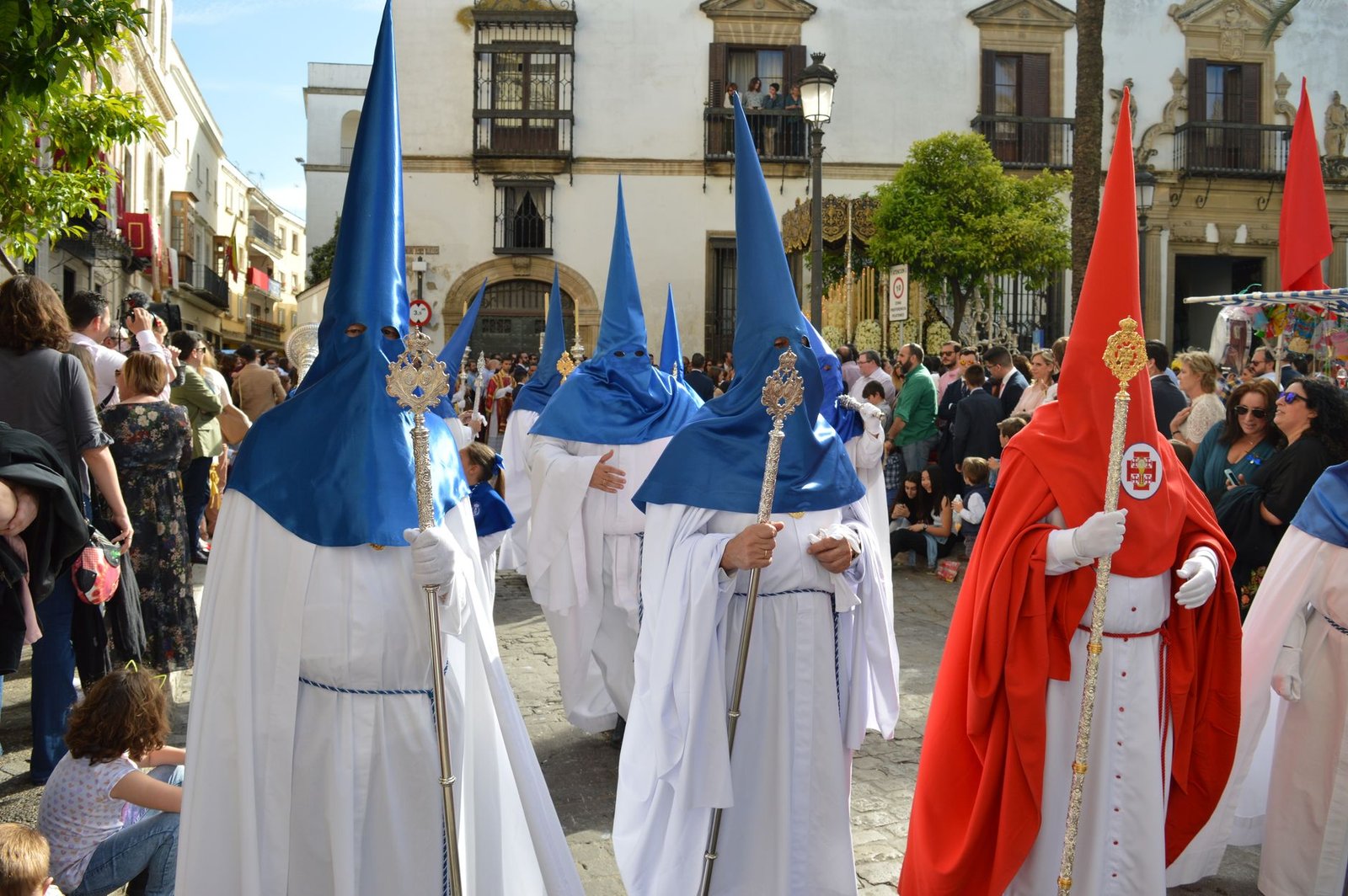
Semana Santa in Seville is overwhelming the first time: thousands of people, narrow streets, processions starting before dawn, and no single clear schedule to follow.
But it’s worth every minute of the chaos. This guide cuts through the confusion: when to arrive, where to stand, what to actually expect minute by minute, and how to enjoy it instead of just surviving it.
Quick Answer
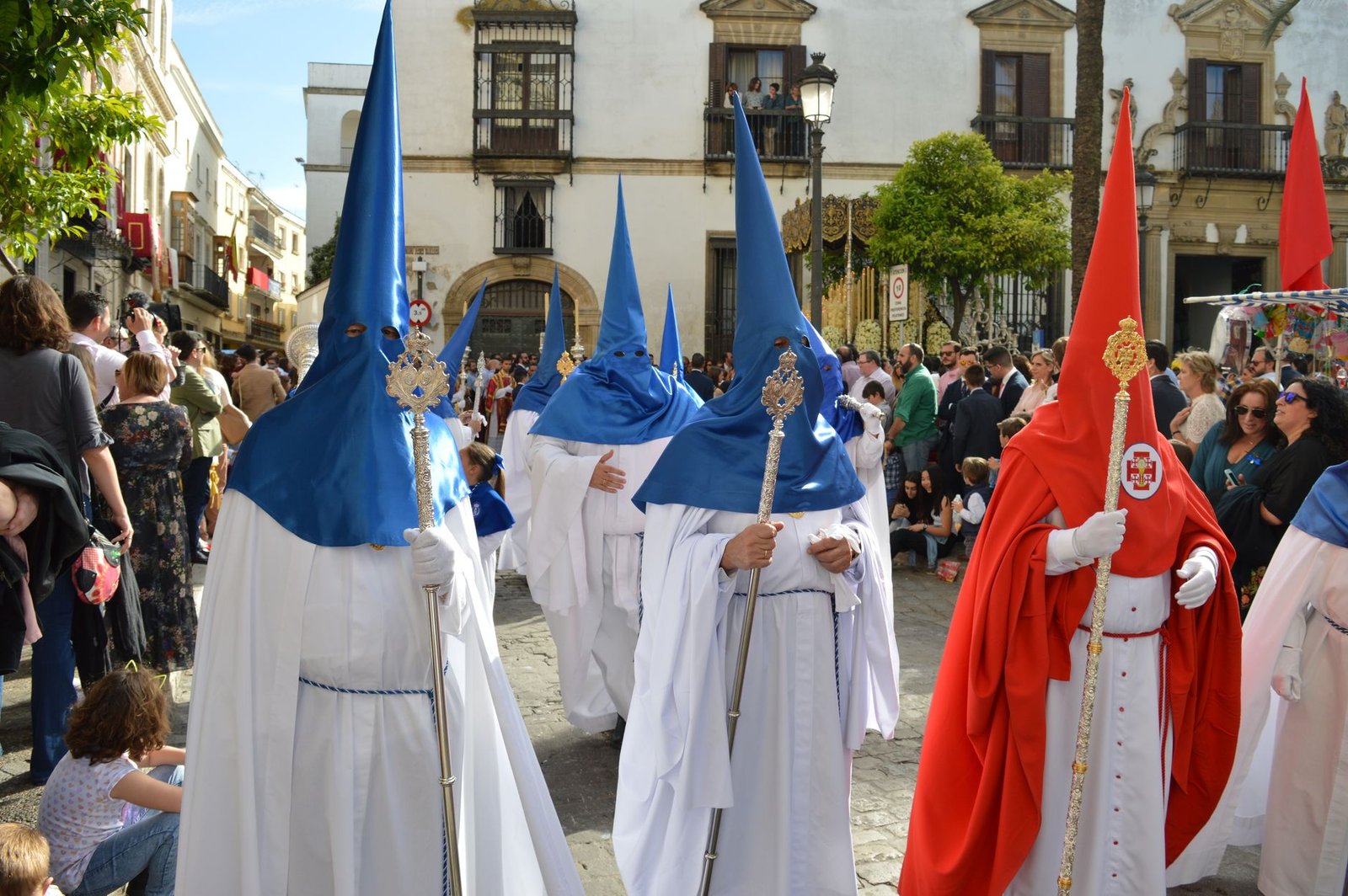
Semana Santa in Seville typically takes place between March 25th and April 9th, with the main processions happening on Maundy Thursday and Good Friday. It’s essential to book your accommodation and popular tourist attractions well in advance to avoid high prices and availability issues. For example, a hotel room in the city center can cost between 80 EUR to 150 EUR per night, depending on the rating and amenities. You should also consider purchasing a guided tour, which can cost around 30 EUR to 50 EUR per person, to get a deeper understanding of the event’s history and significance. The same booking rule applies to evening plans, since the best flamenco shows in Seville also sell out around Holy Week.
Detailed Guide
To make the most of your experience, it’s crucial to understand the schedule of events. The processions usually start early in the morning and continue throughout the day, with some breaks in between. You can grab a bite to eat at a local café or restaurant, where you can try some traditional Spanish dishes like tortilla de patatas bravas recipe or gazpacho, which can cost between 5 EUR to 10 EUR per serving. Don’t forget to try some local drinks, like a granizado (Spanish slushie), which is a refreshing summer treat, costing around 2 EUR to 3 EUR per glass.
Tips and Tricks
Attending Semana Santa in Seville can be a fantastic experience, but it’s essential to be prepared. Wear comfortable shoes, as you’ll be standing and walking for long periods, and consider bringing a portable charger for your phone or camera, as you’ll likely take plenty of photos. Additionally, be respectful of the local customs and traditions, and try to learn some basic Spanish phrases, like “gracias” (thank you) and “¿dónde está…?” (where is…?).
Semana Santa isn’t the only festival worth timing a trip around – see our guides to Feria de Abril a few weeks later, or, further afield, La Tomatina in August.
About the Author
Caro is a traveler who’s called Spain home for 15 years. She’s eaten in countless village kitchens, walked routes others miss, and experienced Spanish festivals from the inside out. Spain Destination exists because honest, ground-level travel guides didn’t, so she started writing them. About Caro →
FAQ
Q: What is the best time to attend Semana Santa in Seville? A: The best time to attend Semana Santa in Seville is during the main processions on Maundy Thursday and Good Friday, but be prepared for large crowds and higher prices. Q: How much does a guided tour cost? A: A guided tour can cost around 30 EUR to 50 EUR per person, depending on the length and type of tour. Q: What should I wear to the processions? A: Wear comfortable shoes and dress modestly, as you’ll be attending a religious event. Avoid wearing revealing clothing or accessories that may be considered disrespectful. Q: Can I take photos during the processions? A: Yes, you can take photos during the processions, but be respectful of the participants and the local customs. Avoid using flash or disrupting the event in any way. Q: How far in advance should I book my accommodation? A: It’s recommended to book your accommodation at least 2-3 months in advance, as prices tend to increase closer to the event dates. The city center is around 10-15 kilometers from the airport, and you can take a taxi or bus, which can cost between 20 EUR to 30 EUR, depending on the traffic and time of day.
By following these tips and guidelines, you’ll be well-prepared for an unforgettable experience at Semana Santa in Seville. Don’t forget to explore the city’s hidden gems, like the Plaza de España, which is around 3 kilometers from the city center, and the Parque de María Luisa, which is a beautiful park with gardens and fountains. With its rich history, stunning architecture, and vibrant culture, Seville is a city that has something to offer for everyone. Whether you’re interested in history, Basque Country food tour, or entertainment, you’ll find plenty of options to choose from, and with some planning and insider knowledge, you’ll be able to make the most of your trip.