Feria de Abril Seville Tips: A Local’s Guide to Fiesta
Some links in this guide are affiliate links — if you book through them we may earn a small commission at no extra cost to you. It never changes what we recommend. Full disclosure.
Navigating the spectacle that is Seville’s Feria de Abril can feel overwhelming, especially for first-timers. But with these feria de abril seville tips, you’ll soon understand the most crucial advice: approach it as a guest at a colossal, open-air private party. It’s not just a public festival; it’s a temporary city built for celebration, and knowing how to respectfully participate makes all the difference.
This article contains affiliate links. If you book through one, Spain Destination may earn a small commission at no extra cost to you. See the full affiliate disclosure →
Quick Answer: What is Feria de Abril?
The Feria de Abril is Seville’s grand spring festival, typically held two weeks after Semana Santa. It’s a week-long celebration of Andalusian culture, transforming an entire fairground into a temporary town of traditional tents (casetas), where locals gather to eat, dance sevillanas, and socialize, complemented by elaborate horse parades and a large amusement park.
Understanding the Real de la Feria and the Dates
The Feria de Abril takes place in the Real de la Feria, a dedicated fairground south-west of the city center, specifically in the Los Remedios district. This isn’t just any field; it’s meticulously prepared, with rows of temporary streets named after famous bullfighters, all leading towards the iconic portada – the grand, illuminated entrance gate that changes design each year.
The timing of Feria de Abril is directly tied to Easter. It officially begins on the Saturday night, known as the “Alumbrado,” when the portada and thousands of lights across the fairground are switched on, usually around midnight. The celebration then continues non-stop until the following Saturday night, concluding with a grand fireworks display over the Guadalquivir River. For instance, if Easter falls in early April, the Feria might start in late April; if Easter is in mid-April, Feria could stretch into early May. Always check the exact dates for the year you plan to visit, as they shift annually.
Getting to the Real is straightforward but can involve crowds. Walking from areas like Triana or Los Remedios is feasible, often taking 15-30 minutes depending on your starting point. Public transport, specifically city buses (TUSSAM), runs dedicated routes directly to the Feria grounds, with services operating almost 24 hours a day during the festival. A single bus ticket costs around €1.40. Taxis are another option, but be prepared for queues and surge pricing during peak hours, especially late at night after the casetas close or after the fireworks on the final Saturday. Expect a taxi ride from the city center to cost anywhere from €8 to €15, depending on traffic and exact destination.
The best time to experience the Feria atmosphere can depend on what you’re looking for. During the day, particularly from around 13:00 to 19:00, you’ll see the elegant “Paseo de Caballos” – the horse parade. This is when the fairground is at its most traditional, filled with riders and carriages. In the evenings, from 20:00 onwards, the casetas come alive with music and dancing, continuing well into the early morning hours, often past 4:00. If you have limited time, aim for a late afternoon visit to catch both the horses and the beginning of the evening festivities.
Dressing the Part: Embrace Andalusian Style
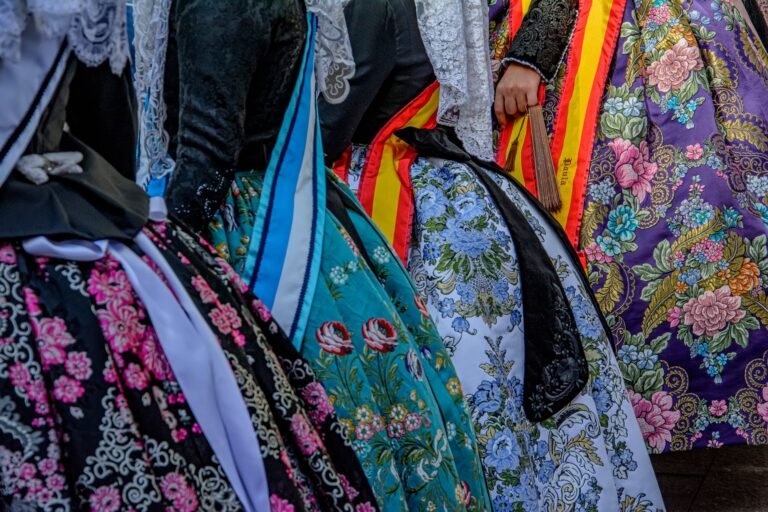
One of the most visually striking aspects of Feria de Abril is the attire. This is not a casual event; locals dress to impress. For women, the traditional costume is the “traje de gitana” or “traje de flamenca,” a long, fitted dress with ruffles (volantes) at the sleeves and hem, often paired with a mantón de Manila (embroidered shawl), specific jewelry, and flowers in the hair. For men, the traditional dress during the daytime Paseo de Caballos is the “traje de corto,” an equestrian suit consisting of tailored trousers, a short jacket, a wide-brimmed hat (sombrero cordobés), and boots. In the evenings, men typically wear suits, or at least a smart shirt and trousers.
You don’t need to purchase a full traje de gitana, which can cost hundreds or even thousands of euros, to enjoy the Feria. However, making an effort with your outfit shows respect and will significantly enhance your experience. For women, a nice dress (floral patterns are popular), a stylish scarf, or a simple flower in your hair can help you blend in. Avoid shorts, t-shirts, and overly casual footwear. For men, a shirt with a collar and smart trousers are appropriate. Leave the sneakers and flip-flops at your accommodation.
If you’re truly interested in experiencing the full transformation, there are places in Seville where you can rent a traje de gitana. Shops like “Erre que Erre” or “Flamenca Pol Núñez” (though primarily for purchase) might offer rentals or direct you to rental services. Expect rental prices to range from €80 to €200 for the week, often including some accessories. It’s advisable to book well in advance, months before the Feria, as demand is incredibly high. Dressing the part pairs well with seeing the real thing; Seville’s flamenco scene beyond the tourist shows is at its best during Feria week.
The best place to truly appreciate the fashion is during the Paseo de Caballos, the daily parade of horses and carriages that winds through the fairground streets from around 13:00 to 19:00. This is a spectacle of elegance and tradition, where riders and their horses, often decorated themselves, showcase the iconic Andalusian equestrian culture. Seeing dozens of intricately dressed women riding side-saddle, or families in their traditional carriages, is an unforgettable sight. You can simply stand along any of the main avenues within the Real de la Feria to watch this parade unfold.
Remember that comfortable shoes are essential, even if they’re not the most glamorous. You’ll be doing a lot of walking, often on dusty or uneven ground. Many women bring a pair of flat shoes to change into later in the evening.
Navigating the Casetas: Your Entry Point to the Fiesta
The casetas are the heart of the Feria. These are not just tents; they are temporary homes, gathering places for families, friends, and organizations, each decorated in traditional style. There are over a thousand casetas at the Feria, but critically, most of them are private. This is where many visitors make their biggest mistake, expecting a public festival experience like Oktoberfest. Malaga runs its own spring fair on a similar pattern – if you’re a first-timer there too, our Malaga Feria first-timer guide covers what to expect.
Private casetas belong to “socios” (members) who pay annual fees. Entry is by invitation only. If you don’t know a local family or organization, gaining entry can be challenging. However, it’s not impossible. A friendly smile and polite request might work, especially during quieter daytime hours. If you strike up a conversation with locals outside a caseta, you might even get an invite. It’s all about connection and respect.
But what if you don’t know anyone? Don’t despair! There are a handful of public casetas, run by the city council or political parties, that are open to everyone. These are typically larger and less intimate but offer a genuine taste of the Feria atmosphere, complete with live sevillanas music and dancing. Look for:
- Casetas del Distrito: There’s one for each Seville district. These are explicitly public.
- Casetas de Partidos Políticos: Major political parties often have public casetas.
- Casetas Sindicales: Union-run casetas also tend to be open to all.
- Caseta Municipal: The largest public caseta, usually located close to the portada, offering live music and a lively environment.
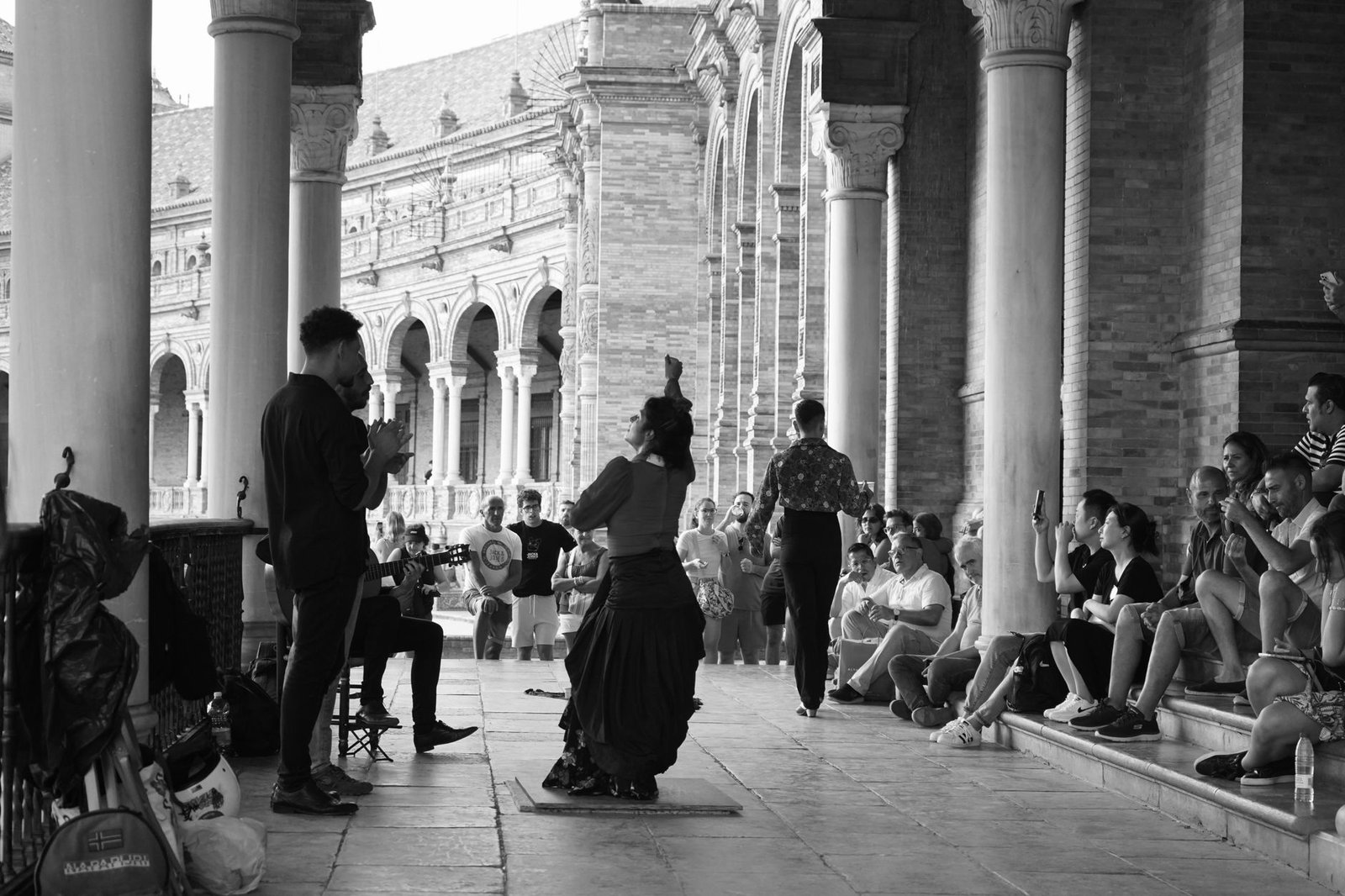
Finding these can be a bit of a treasure hunt, as their exact locations change or aren’t always prominently signposted for tourists. Ask locals at the information points near the portada or even fellow visitors for directions to “casetas públicas.” The atmosphere inside any caseta, public or private, is one of continuous celebration. You’ll hear the rhythmic clapping and intricate guitar melodies of sevillanas, and you’ll see couples (and often groups of women) dancing with impressive grace. Even if you don’t know the steps, watching is a joy, and many locals are happy to share basic steps if you express interest.
Inside the casetas, you’ll find food available for purchase. While I can’t discuss typical beverages, you can certainly enjoy traditional Sevillian fare. Expect a range of small dishes (tapas and raciones) like fried fish (pescaíto frito), cured ham (jamón serrano), olives, cheeses, and various stews. Prices for raciones can range from €10 to €20, while tapas might be €3-€7. It’s a great opportunity to sample authentic local flavors. Cash is king in many casetas, though some larger ones might accept card payments. Always carry some small denominations of euros.
If you’re looking for structured entry or a deeper dive, you could consider book a guided tour on Viator. Some tours specifically aim to introduce visitors to the Feria’s traditions, potentially facilitating entry into public casetas or providing context you might miss otherwise.
Beyond the Casetas: Family Fun and Fairground Magic
While the casetas are the heart of tradition, the Feria also offers a huge, buzzing amusement park known as “Calle del Infierno” (Hell Street). This area is a complete contrast to the traditional side, filled with thrilling rides, games of skill, and countless food stalls. It’s especially popular with families and younger crowds, particularly in the evenings after the traditional horse parade ends.
Here you’ll find everything from classic carousels for the little ones to exhilarating rollercoasters for adrenaline junkies. Ride tickets typically cost between €3.50 and €6.00 per ride. There are also numerous stalls offering fairground games where you can try your luck at winning prizes, usually costing a few euros per go. The Calle del Infierno operates mostly from late afternoon until the early hours of the morning, often past 2:00 or 3:00. This is where you can find quick, casual food options like churros con chocolate, delicious buñuelos (fried dough pastries), and various snacks. A portion of churros might cost €4-€6. It’s a fantastic spot for a change of pace and a lively, noisy experience.
Consider dedicating a separate visit to the Calle del Infierno if you’re traveling with children or simply enjoy fairground entertainment. It’s far from the quiet contemplation of the caseta area, but it offers a different, equally authentic facet of the Feria experience. During the day, it’s quieter, making it easier to navigate with strollers, but the full energy kicks in after sunset.
Essential Feria De Abril Seville for a Smooth Experience
Making the most of Feria de Abril requires some foresight and adherence to local customs. Here are some indispensable the fair to ensure your visit is enjoyable and respectful.
- Footwear is Key: You will walk extensively on dusty, uneven terrain. Even if you’re dressed elegantly, prioritize comfortable, closed-toe shoes. Many women wear traditional espadrilles or low-heeled wedges. Forget stilettos.
- Sun Protection: Seville in April can be very warm, with temperatures often reaching 25-30°C. A hat, sunglasses, and high-factor sunscreen are non-negotiable, especially if you’re planning to be out during the daytime.
- Cash is Important: While some larger casetas and the Calle del Infierno stalls might accept cards, many smaller casetas and vendors prefer cash. Have plenty of small euro denominations on hand for food, rides, and taxis.
- Patience and Politeness: The Feria is crowded. Be prepared for queues for buses, taxis, and even some public casetas. A friendly attitude goes a long way. Remember, you are a guest in a local tradition.
- Transport Timing: Buses run frequently, but late nights (after 2:00) will see significant queues at bus stops and taxi ranks. Plan your departure time or consider a longer walk. Booking accommodation within walking distance of the Real de la Feria (like in Los Remedios or Triana) can be a wise move. You can check current hotel prices for Seville well in advance, as prices escalate during Feria week.
- Learn Basic Sevillanas: While not essential, knowing a few basic steps or at least understanding the rhythm of sevillanas will deepen your appreciation. Many dance schools offer crash courses in the weeks leading up to Feria.
- Respect the Dress Code: While you don’t need a full flamenco outfit, making an effort with smart casual or semi-formal attire shows respect for the tradition and the locals who put so much into their appearance.
- Stay Hydrated: With the warm weather and constant activity, it’s easy to get dehydrated. Carry a water bottle and refill it whenever possible.
Here’s a quick look at typical costs you might encounter:
| Item | Estimated Cost (EUR) | Notes |
|---|---|---|
| Bus Ticket (single) | €1.40 | TUSSAM dedicated routes |
| Taxi (city center to Feria) | €8 – €15 | Expect queues and surge pricing |
| Ración (food plate in caseta) | €10 – €20 | e.g., fried fish, ham, cheese |
| Tapa (small food portion) | €3 – €7 | Varies by item and caseta |
| Churros con chocolate | €4 – €6 | Portion at Calle del Infierno |
| Amusement Ride | €3.50 – €6.00 | Per ride in Calle del Infierno |
| Flamenca Dress Rental | €80 – €200 | For the week, accessories often extra |
| Hotel Room (per night) | €150 – €500+ | Varies wildly by quality and booking time |
Remember that Seville transforms for Feria, so planning your stay and understanding these practicalities is crucial for an enjoyable experience. For other unique Andalusian experiences, consider exploring the 7 Days Andalusia By Car itinerary to see more of this incredible region.
About Feria De Abril Seville
This guide is part of Spain Destination’s library of Spain travel and lifestyle content, written with AI assistance and checked against official sources where possible. See how this site is researched and fact-checked →
FAQ: Feria De Abril Seville – Common Questions
When is Feria de Abril Seville held each year?
The Feria de Abril typically begins two weeks after Easter Sunday, running for one full week from Saturday to Saturday. The specific dates shift annually, so always check the official Seville tourism board calendar for the precise schedule of the year you plan to visit.
What should I wear to Feria de Abril Seville?
For women, a nice dress (floral patterns are popular) with comfortable shoes and a flower in your hair is appropriate. Men should opt for smart trousers and a collared shirt. Avoid very casual clothing like shorts, t-shirts, and sneakers, especially if you plan to visit casetas.
Can anyone enter a caseta at the Feria?
Most casetas are private and require an invitation or knowing a member. However, there are several public casetas, such as the Caseta Municipal and the Casetas del Distrito, which are open to everyone. Ask locals for directions to these public options to experience the traditional atmosphere.
What’s the best way to get to the Feria grounds?
The most convenient options are dedicated public buses (TUSSAM) that run frequently to the Real de la Feria, or walking if your accommodation is in nearby districts like Triana or Los Remedios. Taxis are also available but can be expensive and involve long queues during peak times.
Feria de Abril is a truly unique celebration, offering a deep dive into Sevillian culture and an unforgettable experience if you go in with the right expectations and a respectful attitude. It’s a spirited expression of local pride and tradition, a chance to witness the city at its most jubilant. Don’t be afraid to put yourself out there, enjoy the music, try the local snacks, and soak in the festive atmosphere.