How to Pintxos-Crawl Your Way Through the Basque Country
Some links in this guide are affiliate links — if you book through them we may earn a small commission at no extra cost to you. It never changes what we recommend. Full disclosure.
Planning your ultimate basque country food tour itinerary means getting ready for one of Europe’s most unique gastronomic experiences. Forget everything you think you know about Spanish food; the Basque Country operates on its own delicious rules. The one thing you need to know immediately is that this isn’t just about eating – it’s about a deep cultural immersion that prioritizes fresh ingredients, innovative techniques, and communal dining. You’ll be standing at counters, exploring markets, and maybe even cooking your own meals alongside locals.
Quick Answer: Discover Your Ultimate Tour
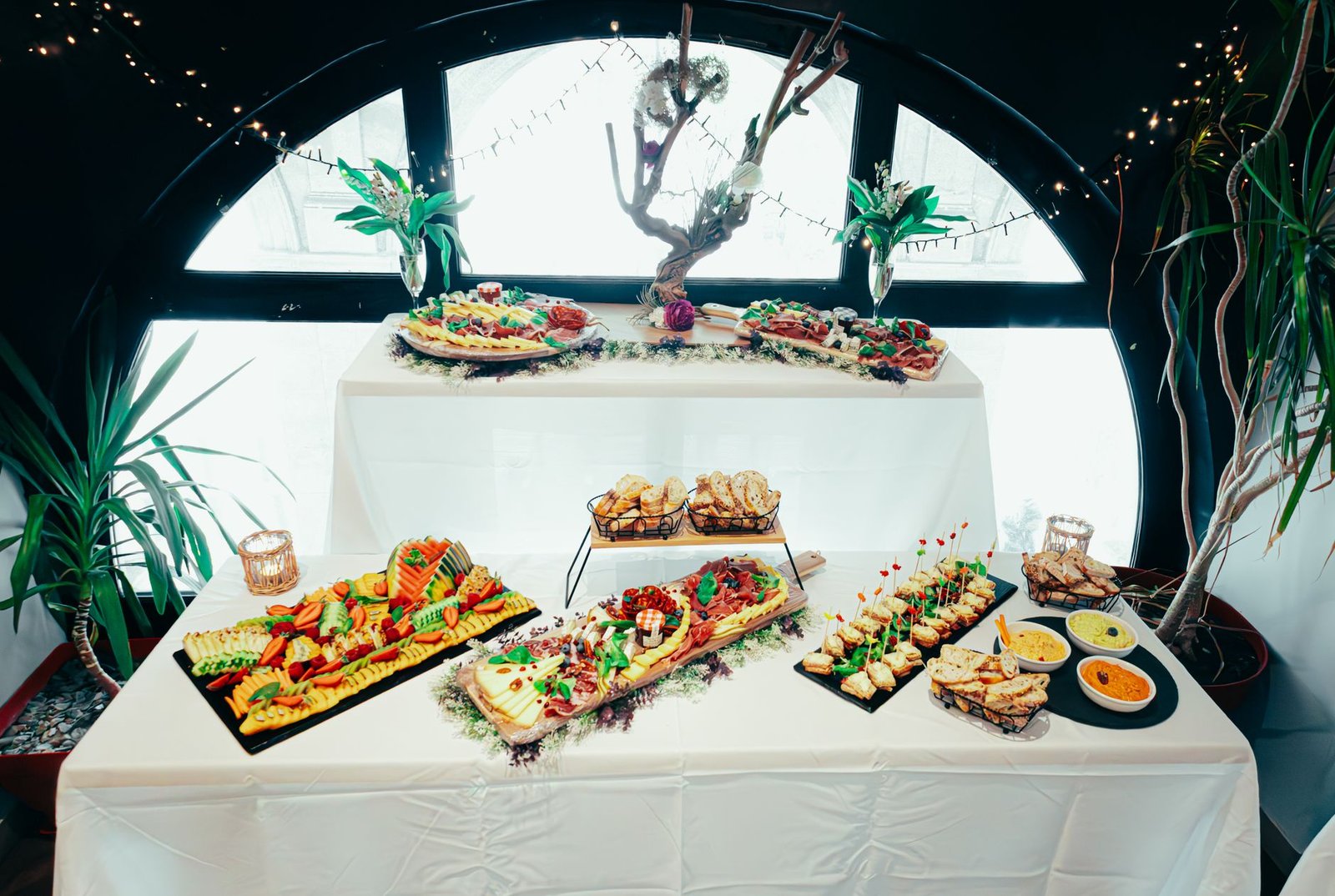
Your ideal tour should blend pintxo bar hopping, market visits, cooking classes focused on regional specialities, and experiencing high-end gastronomy. Focus on San Sebastián and Bilbao for diverse culinary experiences, allowing at least four to five days to truly savor the region’s distinct flavors and traditions.
Pintxo Perfection: The Heart of San Sebastián’s Food Scene
If there’s one culinary ritual you simply must master in the Basque Country, it’s the art of the pintxo crawl. San Sebastián, or Donostia as it’s known locally, is the undisputed capital of these miniature culinary masterpieces. You’ll find yourself in the Parte Vieja (Old Town), a labyrinth of narrow streets packed with bars, each specializing in a handful of signature pintxos.
The key to a successful pintxo experience isn’t to stay in one place. It’s about movement. You walk into a bar, order a pintxo or two, enjoy them standing at the counter, and then move on to the next place. This casual, social grazing is how locals eat. Don’t be shy about pushing your way to the counter; that’s part of the game.
Here are a few essential stops and what to look for:
- Bar Nestor (Pescadería Kalea, 11): Famous for its tortilla de patatas, which they make only twice a day (at 13:00 and 20:00). Get there 30-45 minutes early to put your name down, as it sells out instantly. They also serve exceptional txuleta (steak) and pimientos de Padrón. Open 13:00-15:30 and 20:00-22:30. Closed Sundays and Mondays. Expect to pay €3.50 for a slice of tortilla, €18-€25 for a small plate of steak.
- La Cuchara de San Telmo (31 de Agosto Kalea, 28): Known for its cooked-to-order, more modern pintxos. Think foie gras with apple compote or seared scallops with citrus. It’s always packed, so be patient. Open 12:30-15:30 and 19:30-23:30. Closed Mondays. Pintxos here range from €4 to €6.
- Ganbara (San Jeronimo Kalea, 19): A San Sebastián institution, celebrated for its exquisite mushrooms, especially in season. Try the mushroom tartlet or the sautéed wild mushrooms with egg yolk. They also have a wide selection of seafood pintxos. Open 11:00-15:30 and 19:00-23:00. Closed Sundays and Mondays. Expect to pay €5-€7 for their mushroom dishes.
- Bar Txepetxa (Pescadería Kalea, 5): Specializes in anchovy pintxos, prepared in countless ways – with papaya, spider crab cream, olives. If you’re an anchovy fan, this is your paradise. Open 10:30-15:00 and 18:30-22:30. Closed Tuesdays. Pintxos around €3-€4.
A typical pintxo will set you back €3-€5. Over an evening, you might visit 3-5 bars and enjoy 5-7 pintxos, costing you around €25-€40 for a satisfying culinary journey. For drinks, ask for water, a natural juice, or a *mosto* (grape juice). The downside? Many popular spots are tiny, meaning you’ll often be standing elbow-to-elbow with others. Also, if you visit during a major Córdoba Patio Festival guide or weekend, expect significant crowds. The reward, however, is an unparalleled food experience that’s deeply ingrained in the local culture.
Market Exploration & Hands-On Culinary Classes
To truly understand Basque cuisine, you need to start where the food does: the market. Exploring local markets gives you a direct connection to the incredible produce, fresh seafood, and artisan goods that form the backbone of the region’s dishes. After soaking in the sights and smells, why not learn to transform these ingredients yourself?
Mercado de la Ribera, Bilbao
In Bilbao, the Mercado de la Ribera is Europe’s largest covered market, a stunning building by the river Nervión. It’s not just a place to buy food; it’s a food destination in itself, with several stalls dedicated to prepared pintxos and small eateries.
- Location: Erribera Kalea, 20, Bilbao.
- Opening Hours: Monday-Friday 08:00-14:30 and 17:00-20:00, Saturday 08:00-15:00. Closed Sundays. Food stalls on the upper floor often have extended hours.
- What to look for: Fresh seafood caught off the Cantabrian coast, local cheeses like Idiazabal, cured meats, and seasonal vegetables.
- Cost: Entry is free. You can easily spend €10-€20 sampling different items or grabbing a small lunch.
Mercado de La Bretxa, San Sebastián
San Sebastián also has excellent markets. While Mercado de San Martín is more modern, La Bretxa, located near the Old Town, offers a more traditional feel in its underground section with fishmongers and butchers.
- Location: Boulevard de la Zurriola, 1, San Sebastián.
- Opening Hours: Monday-Friday 08:00-14:00 and 17:00-20:00, Saturday 08:00-14:00. Closed Sundays.
After your market visit, consider a cooking class. This is an excellent way to gain practical skills and a deeper appreciation for Basque culinary traditions. You’ll learn to prepare dishes like *bacalao al pil-pil* (cod in an emulsified garlic and olive oil sauce), *marmitako* (tuna and potato stew), or how to assemble classic *Gilda* pintxos (olives, anchovies, and guindilla peppers). Classes are typically hands-on and conclude with you eating the meal you’ve prepared.
Recommended Cooking Schools:
- San Sebastian Food (Aldamar Kalea, 24, San Sebastián): Offers a range of classes, including pintxo workshops and traditional Basque cuisine. Classes usually run for 3-4 hours.
- Mimo Food (Okendo Kalea, 1, San Sebastián): Another reputable option with various culinary experiences, often including a market visit.
Cost Breakdown for a Cooking Class:
Prices generally range from €100 to €180 per person, depending on the duration, number of dishes, and exclusivity. This usually includes all ingredients, instruction, and the meal itself.
- Skill Level Needed: None! These classes are designed for all levels, from complete beginners to experienced home cooks.
- Gear Required: Just yourself and an appetite. All equipment, aprons, and ingredients are provided.
The main downside is that popular classes can book up weeks, or even months, in advance, especially during peak season. Plan ahead to secure your spot. It’s worth it for the insider knowledge and delicious meal you’ll create.
Experiencing a Txoko & Your Tour
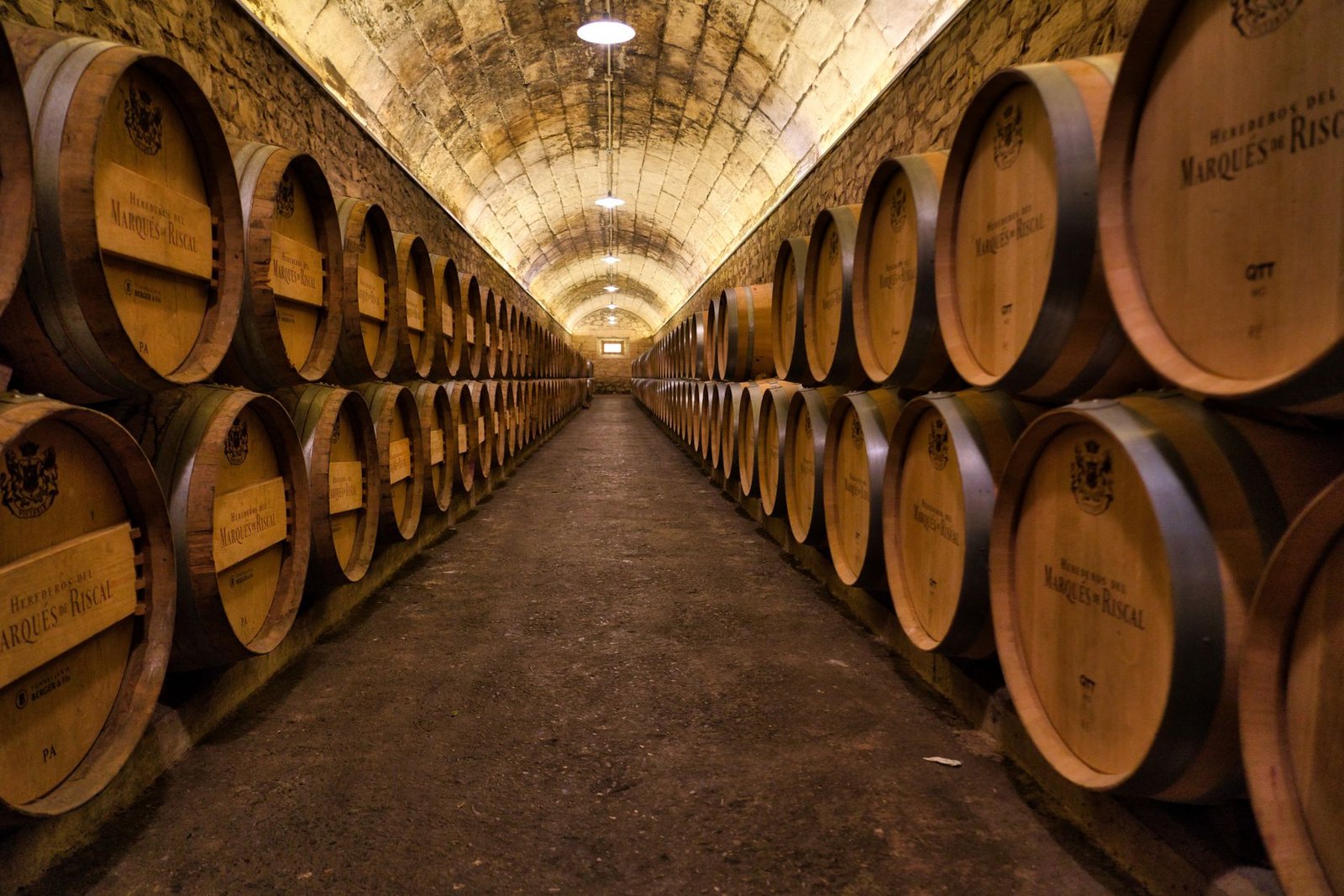
One of the most authentic and deeply rooted gastronomic institutions in the Basque Country is the *txoko*. These private gastronomic societies, often exclusive to members, are where friends gather to cook, eat, and socialize. They are typically male-dominated, though many now admit women, and they are not open to the general public. Accessing a true txoko as a tourist is incredibly difficult, often requiring a personal invitation from a member.
However, your tour doesn’t have to miss out entirely. Some specialized tour operators and culinary schools offer experiences designed to simulate the txoko environment, allowing you to participate in a communal cooking and dining experience that captures its spirit. This is a chance to prepare and enjoy traditional, robust dishes like *porrusalda* (a leek and potato soup), *alubias de Tolosa* (black beans, often served with sausages and cabbage), or *marmitako* in a group setting.
These experiences typically involve:
- Communal Cooking: You’ll work together with fellow participants and an instructor to prepare several courses from scratch.
- Traditional Recipes: Focus is on hearty, comforting Basque dishes that have been passed down through generations.
- Shared Meal: The highlight is sitting down to enjoy the meal you’ve collectively prepared, fostering a sense of camaraderie.
Cost: Participating in a curated txoko-style experience typically costs between €150 and €250 per person. This usually covers ingredients, instruction, and the multi-course meal. While it’s not a true txoko, it offers a valuable insight into this unique cultural practice.
Worth it or skip it? If you have an opportunity to join a legitimate txoko with a local connection, it’s an absolute must-do. It’s an irreplaceable cultural immersion. If that’s not possible, the curated ‘txoko experience’ offered by tour companies is definitely worth considering. It provides a deeper understanding of Basque food culture beyond just eating in restaurants and is much more interactive than a standard cooking class. The downside is that it won’t have the same spontaneous, local feel as an actual members-only gathering, but it’s the closest most visitors will get.
Focus on places in San Sebastián or smaller towns like Tolosa, where the txoko tradition is particularly strong. Ask your hotel or a reputable food tour operator for recommendations for these simulated experiences. It’s an excellent way to round out your understanding of Basque gastronomy by getting hands-on with its social heart.
Haute Cuisine: Michelin Stars and Modern Gastronomy
The Basque Country is home to an extraordinary concentration of Michelin-starred restaurants, particularly around San Sebastián. This region has pushed the boundaries of modern gastronomy, blending traditional flavors with innovative techniques and artistic presentation. Eating at one of these establishments is a truly special occasion, focusing on exquisite ingredients and a meticulously crafted dining experience.
You’ll find a range of styles, from the experimental to the more classical, all committed to showcasing the best of Basque produce and culinary skill. Here are some of the most renowned names:
- Arzak (Avenida Alcalde Jose Elosegi, 273, San Sebastián): A legendary three-Michelin-star restaurant led by Juan Mari Arzak and his daughter Elena. Known for its avant-garde Basque cuisine and a “flavour library” of ingredients.
- Mugaritz (Aldura Gunea Aldea, 20, Errenteria, near San Sebastián): Also three Michelin stars, Mugaritz is famous for its highly experimental and boundary-pushing tasting menus. Dining here is an intellectual and sensory journey, not just a meal.
- Akelarre (Paseo del Padre Claret, 21, San Sebastián): Another three-Michelin-star institution perched on Monte Igueldo, offering incredible views alongside Pedro Subijana’s sophisticated take on traditional Basque cuisine.
- Azurmendi (Legina Auzoa, s/n, Larrabetzu, near Bilbao): A beautiful, eco-friendly restaurant with three Michelin stars, helmed by Eneko Atxa. Azurmendi offers a unique gastronomic experience that often starts with a tour of their greenhouses and kitchen.
What to expect:
- Tasting Menus: Most high-end restaurants offer multi-course tasting menus, typically featuring 10-20 different small dishes.
- Duration: A meal can last 3-4 hours, so set aside plenty of time.
- Dress Code: Smart casual is generally acceptable, but many guests opt for more formal attire. You won’t feel out of place in a jacket or dress.
Cost: Tasting menus at these top-tier restaurants typically range from €200 to €300+ per person, excluding any additional beverages like specialty coffees or non-alcoholic pairings. This is a significant investment, but for many, it’s a once-in-a-lifetime experience.
Booking: Absolutely essential. Reservations often need to be made months in advance, especially for weekend evenings and during peak tourist seasons. Some restaurants open their booking calendars 3-6 months ahead.
Worth it or skip it? If you appreciate culinary innovation, impeccable service, and are prepared for the expense, dining at a Michelin-starred restaurant is an unparalleled experience that showcases the pinnacle of Basque gastronomy. It’s a completely different experience from pintxo hopping or market visits. However, if your budget is tighter or you prefer a more relaxed dining atmosphere, you might consider skipping the top-tier places. Instead, opt for one of San Sebastián’s many high-quality, non-Michelin-starred restaurants that still offer exceptional, creative Basque cuisine at a lower price point, like Amelia or Kokotxa.
The downside, besides the cost and the need for early booking, is that the formality might not appeal to everyone. However, for a deep dive into the artistry of food, these establishments provide a profound insight into the region’s culinary ambition.
Your Ultimate 5-Day Tour: A Sample Plan
To help you structure your gastronomic adventure, here’s a possible 5-day tour, blending the best of San Sebastián and Bilbao, focusing on variety and depth.
| Day | Morning (09:00-13:00) | Afternoon (13:00-17:00) | Evening (19:00 onwards) |
|---|---|---|---|
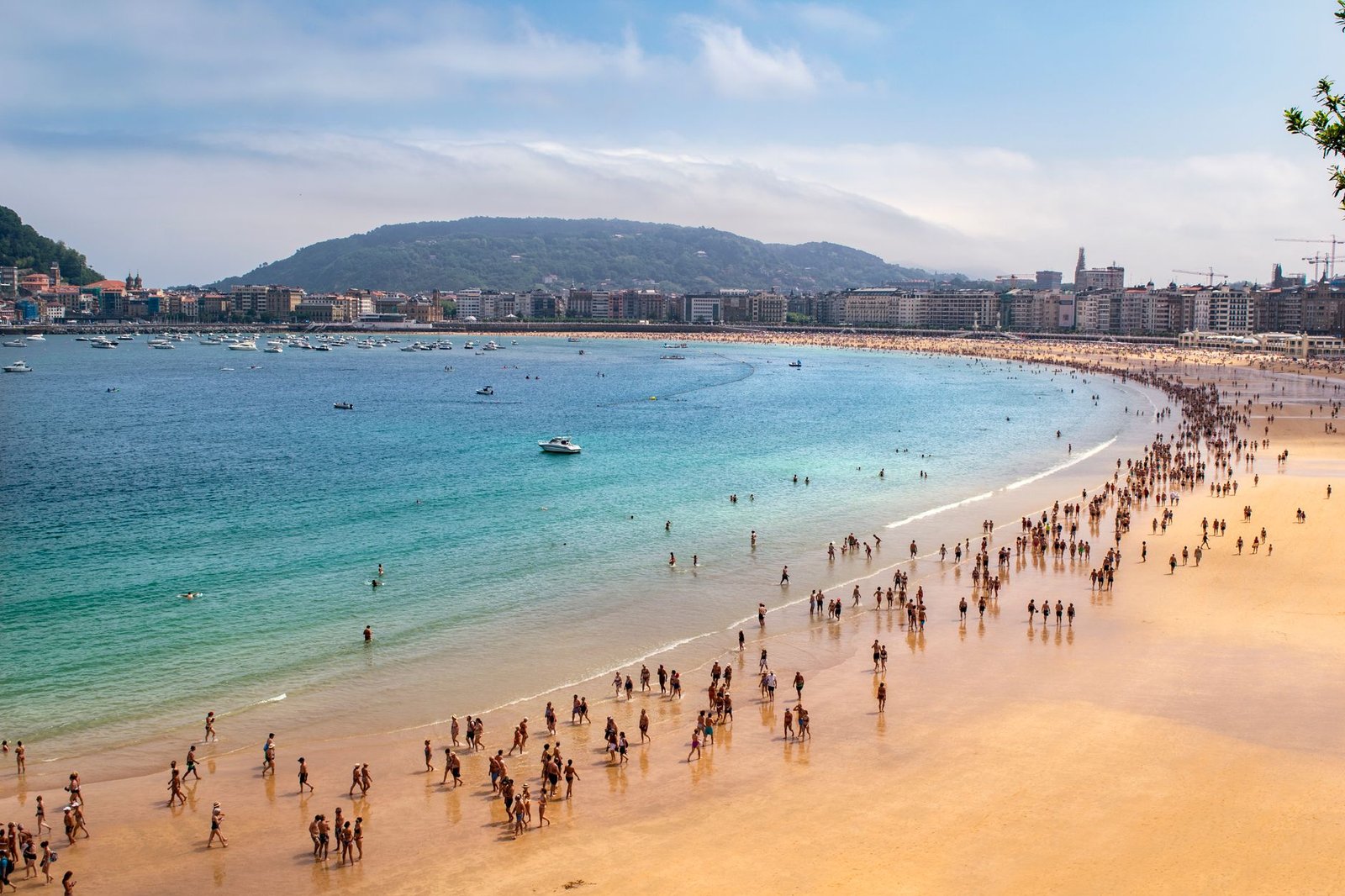
| Day 1: San Sebastián Arrival & Pintxos Intro | Arrive in San Sebastián, check into your accommodation. Take a leisurely walk along La Concha Bay to orient yourself. | Lunch at a casual eatery or first pintxos experience in the Gros neighborhood. Explore the Parte Vieja. | Full pintxos crawl in San Sebastián’s Parte Vieja. Focus on 3-4 top bars for different specialties. Try Bar Nestor for tortilla if you can get in. |
| Day 2: San Sebastián Markets & Cooking | Visit Mercado de La Bretxa. Explore fresh produce, seafood, and local cheeses. Grab a coffee at a local cafe. | Hands-on Basque cooking class (e.g., San Sebastian Food or Mimo Food) focusing on traditional dishes like Bacalao al pil-pil. | Enjoy the meal you prepared in your cooking class, or visit a modern Basque restaurant outside the Old Town for a sit-down meal. |
| Day 3: San Sebastián Gastronomy & Coast | Option 1: Relaxed morning, explore boutiques. Option 2: Hike up Monte Igueldo for panoramic views. | Lunch at a more formal sit-down restaurant in San Sebastián (not necessarily Michelin-starred, but high quality, like Gandarias). | Fine dining experience at a Michelin-starred restaurant (if pre-booked months in advance) or an organized ‘txoko-style’ communal dinner experience. |
| Day 4: Travel to Bilbao & Market Delights | Travel to Bilbao by bus (approx. 1h 15m, €12-€15). Check into your hotel. Walk across the Zubizuri Bridge. | Explore Mercado de la Ribera, Europe’s largest covered market. Sample pintxos from the food stalls upstairs for lunch. | Pintxos crawl in Bilbao’s Casco Viejo (Old Town). Focus on Plaza Nueva. Try Gure Toki for creative pintxos or Cafe Iruña for traditional skewers. |
| Day 5: Bilbao Culture & Departure | Visit the Guggenheim Museum Bilbao (entry €16 for adults, open 10:00-19:00, closed Mondays). Allow 2-3 hours. | Lunch at a cafe near the Guggenheim or a light meal at the museum’s bistro. Last-minute souvenir shopping. | Depart from Bilbao. |
Budgeting Tips for Your Food Tour:
- Pintxos: Expect to spend €25-€40 per evening for a satisfying experience, including 5-7 pintxos and non-alcoholic drinks. Lunch pintxos can be €15-€25.
- Cooking Class: €100-€180 per person.
- Fine Dining: €200-€300+ per person for a tasting menu.
- Markets: Free to enter, but budget €10-€20 if you plan to sample items or buy small treats.
- Transport: Buses between San Sebastián and Bilbao are efficient and affordable. Local buses or walking are best within cities.
Important Tips:
- Pace yourself: Don’t try to eat everything in one go. Basque food is meant to be savored over time.
- Hydrate: Always ask for “agua” (water) or “zumo natural” (natural juice) with your food.
- Comfortable shoes: You’ll be doing a lot of walking and standing, especially during pintxo crawls.
- Learn basic phrases: “Hola” (hello), “Gracias” (thank you), “Por favor” (please), “La cuenta, por favor” (the bill, please), and “Un pintxo de…” (a pintxo of…).
- Book ahead: Seriously, for anything beyond casual pintxos, especially cooking classes and fine dining, book well in advance. Consider book a guided tour on Viator if you prefer an organized experience that handles all the bookings for you.
This basque country food tour itinerary offers a comprehensive taste of the region, from casual bites to gourmet masterpieces. It highlights the diversity and depth of Basque gastronomy, ensuring you leave with a profound appreciation for this culinary haven. Remember to also compare hotel prices on Booking.com for your accommodation in San Sebastián and Bilbao.
Pintxos aren’t the only reason to visit the north in summer – San Fermin in Pamplona is a short trip away and worth timing your visit around.
FAQ: Discover Your Ultimate Tour – Common Questions
Is the Basque Country expensive for food?
The cost of food in the Basque Country varies significantly. Pintxos can be quite affordable (€3-€5 each), allowing you to eat well on €25-€40 for an evening. However, high-end dining, especially Michelin-starred restaurants, is a significant investment, often €200-€300+ per person. Overall, you can tailor your experience to fit various budgets.
Do I need to speak Spanish to enjoy a food tour in the Basque Country?
While many people in the tourist-heavy areas of San Sebastián and Bilbao speak English, learning a few basic Spanish phrases is always appreciated and can enhance your experience. Menus often have English translations, but some smaller, traditional pintxo bars might not. Don’t let a language barrier deter you; most locals are friendly and happy to help.
What are some typical non-alcoholic drinks to have with Basque food?
When enjoying Basque food, you have excellent non-alcoholic options. Water is always available. You can also ask for “zumo natural” (natural juice), “mosto” (grape juice, often served with a slice of lemon), or various soft drinks. Coffee culture is also strong, with excellent espressos, lattes, and cappuccinos widely available throughout the day.
How long should I plan for a Basque Country food tour?
To get a good taste of the region’s diverse culinary offerings, a minimum of 4-5 days is recommended. This allows you to spend 2-3 days exploring San Sebastián’s pintxos and fine dining, and 1-2 days in Bilbao for its market, urban gastronomy, and cultural sites. If you have more time, you could explore smaller towns or coastal villages for unique local flavors.
Embarking on a culinary journey through the Basque Country is an experience that will challenge your palate and deepen your understanding of Spanish culture, offering so much more than just meals. It’s a region where food is art, tradition, and community all rolled into one unforgettable package. For more insights into Spain’s incredible food traditions, make sure to check out our blog for other expert advice and travel tips.