Easy hiking Alpujarras beginner trails
Some links in this guide are affiliate links — if you book through them we may earn a small commission at no extra cost to you. It never changes what we recommend. Full disclosure.
If you’re looking for an accessible way to experience the dramatic landscapes of Andalusia, consider hiking alpujarras beginner trails. The Alpujarras region, stretching along the southern slopes of the Sierra Nevada, offers an incredible network of paths that truly are perfect for anyone, even if your hiking experience is limited to a leisurely stroll through a park. The one thing you need to know immediately is that you don’t need to be an experienced trekker to enjoy the stunning landscapes here; there are plenty of easy, accessible trails that welcome everyone.
This article contains affiliate links. If you book through one, Spain Destination may earn a small commission at no extra cost to you. See the full affiliate disclosure →
Quick Answer: Easy Hiking Alpujarras Beginner Trails
Yes, the Alpujarras is an excellent destination for beginner hikers, offering numerous well-marked, gentle trails that wind through whitewashed villages, terraced farmlands, and along historic acequias (irrigation channels). You’ll find routes suitable for a casual stroll or a half-day exploration, requiring no specialized equipment or advanced navigation skills.
Why the Alpujarras is Perfect for Your First Hike
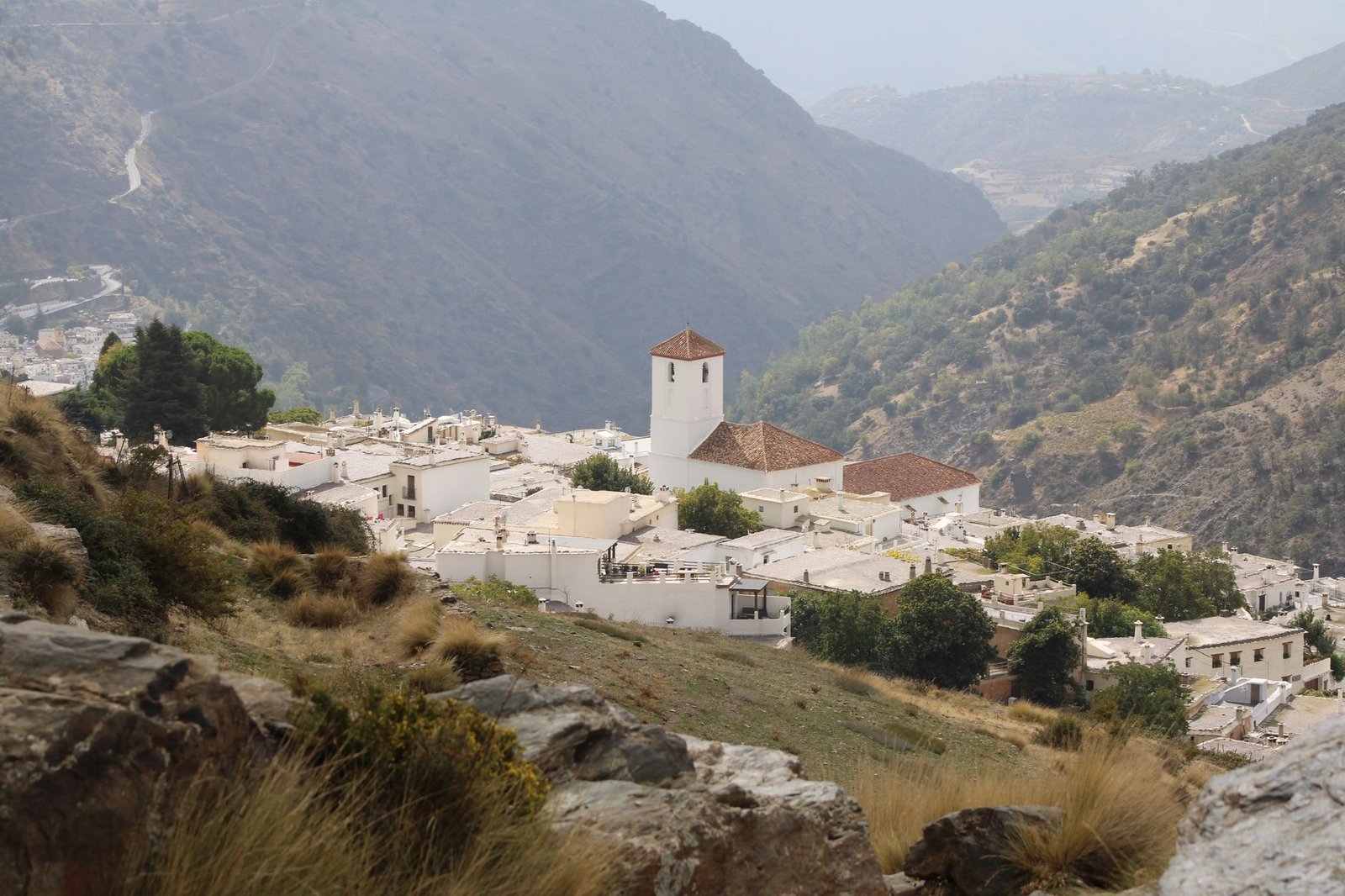
You might associate mountain regions with strenuous climbs and challenging terrain, but the Alpujarras defies that expectation for newcomers. This area is unique because its traditional paths were built for daily life – connecting villages, leading to fields, or following ancient water systems. This means many trails have gentle gradients and are easy to follow, making them ideal for someone just starting out with hiking.
The Alpujarras is easily accessible from Granada, often less than an hour’s drive to the lower parts of the region, or about 1.5 hours to the popular Poqueira Valley villages. The network of local buses, while not always frequent, can help you manage linear walks if you don’t have a car. You can catch a bus from Granada to towns like Órgiva, Lanjarón, or further up to Pampaneira, Bubión, and Capileira. Check the Alsa bus website for current schedules, but expect services to be less frequent on weekends and public holidays, and always book your ticket in advance if you can, especially in peak season.
What makes these trails truly beginner-friendly is their variety. You can choose a short, flat loop around a village or a slightly longer path between two villages, often with minimal elevation gain. The paths are generally well-maintained, using compact dirt, ancient flagstones, or gravel, so you won’t be scrambling over boulders. Local maps are usually available in village tourist offices for a few euros, and many routes are part of the GR (Gran Recorrido) long-distance trails, clearly marked with red and white stripes.
One common misconception is that all mountain trails require high levels of fitness. Here, you’ll find routes that are more like extended walks through a beautiful rural setting. You’ll pass through olive groves, almond trees, and terraced gardens, often with stunning views of the Sierra Nevada peaks above and the Mediterranean coast in the distance. This region really delivers on natural beauty without demanding expert-level effort.
Here’s a quick overview of typical trail distances and times you can expect:
| Trail Type | Approx. Distance | Est. Time | Difficulty |
|---|---|---|---|
| Village Loop | 1-3 km | 30 min – 1.5 hr | Very Easy |
| Village-to-Village Link | 3-6 km | 1.5 – 3 hrs | Easy |
| Extended Valley Walk | 6-10 km | 3 – 5 hrs | Moderate (due to length) |
| Acequia Walk | 2-5 km | 1 – 2.5 hrs | Very Easy (flat) |
Essential Gear and Preparation for Hiking Alpujarras Beginner Trails trails
You don’t need to empty your wallet at an outdoor store to enjoy hiking here, but a little preparation goes a long way. The key is comfort and safety, especially since you’re new to this. While the trails are easy, you’re still in a rural, sometimes remote, environment.
Here’s what I recommend you bring for a day out:
- Footwear: Forget expensive hiking boots. A good pair of broken-in walking shoes or light hiking boots with decent grip will be more than enough. You want something that offers support and won’t give you blisters. Make sure they’re comfortable for walking several kilometers.
- Clothing: Layers are your friend. Even on a warm day, temperatures can drop quickly if you gain elevation or when the sun dips behind the mountains. A T-shirt, a light long-sleeved top (for sun protection and warmth), and a lightweight jacket are a good combination. In summer, prioritize light, breathable fabrics and sun-protective clothing. In spring/autumn, a fleece or warmer jacket is a must.
- Water: This is non-negotiable. Bring more than you think you’ll need. At least 1.5-2 litres per person for a half-day hike, especially in warmer months. While some villages have fountains, don’t rely on them being potable or easily accessible mid-trail.
- Snacks: A few energy bars, nuts, or fruit will keep your energy levels up. It’s always nice to have something to munch on during a break with a view.
- Sun Protection: A hat, sunglasses, and high-factor sunscreen are essential year-round. The sun here can be intense, even in winter.
- Map/Navigation: A physical map from the local tourist office or a downloaded offline map on your phone (like Maps.me or Wikiloc) is a good idea. Don’t rely solely on mobile signal, as it can be patchy in certain areas.
- Small First-Aid Kit: Plasters for blisters, antiseptic wipes, pain relievers, and any personal medication. Better safe than sorry.
- Backpack: A comfortable daypack (15-25 litres) to carry all your essentials.
One downside is the weather can be quite unpredictable. While generally sunny, sudden cloudbursts can occur, especially in spring and autumn. The summer months (July-August) can be extremely hot, sometimes reaching 35-40°C in the valleys, making midday hikes very uncomfortable and potentially risky. If you’re visiting in summer, I strongly advise starting your hike early in the morning, finishing by noon, and resting during the hottest part of the day. Winter can bring frosty mornings and even snow at higher elevations, though village-level trails are usually clear and crisp. Always check the forecast before heading out.
When planning your stay, you can check current hotel prices for Alpujarras to find accommodation that suits your budget and preferred village. Staying locally means you can start your walks right from your doorstep.
Recommended Easy Trails & Specific Routes for Beginners
The Alpujarras is crisscrossed with fantastic routes, but for beginners, some stand out for their accessibility and clarity. Focus on the lower and mid-Alpujarras rather than the very high mountain trails.
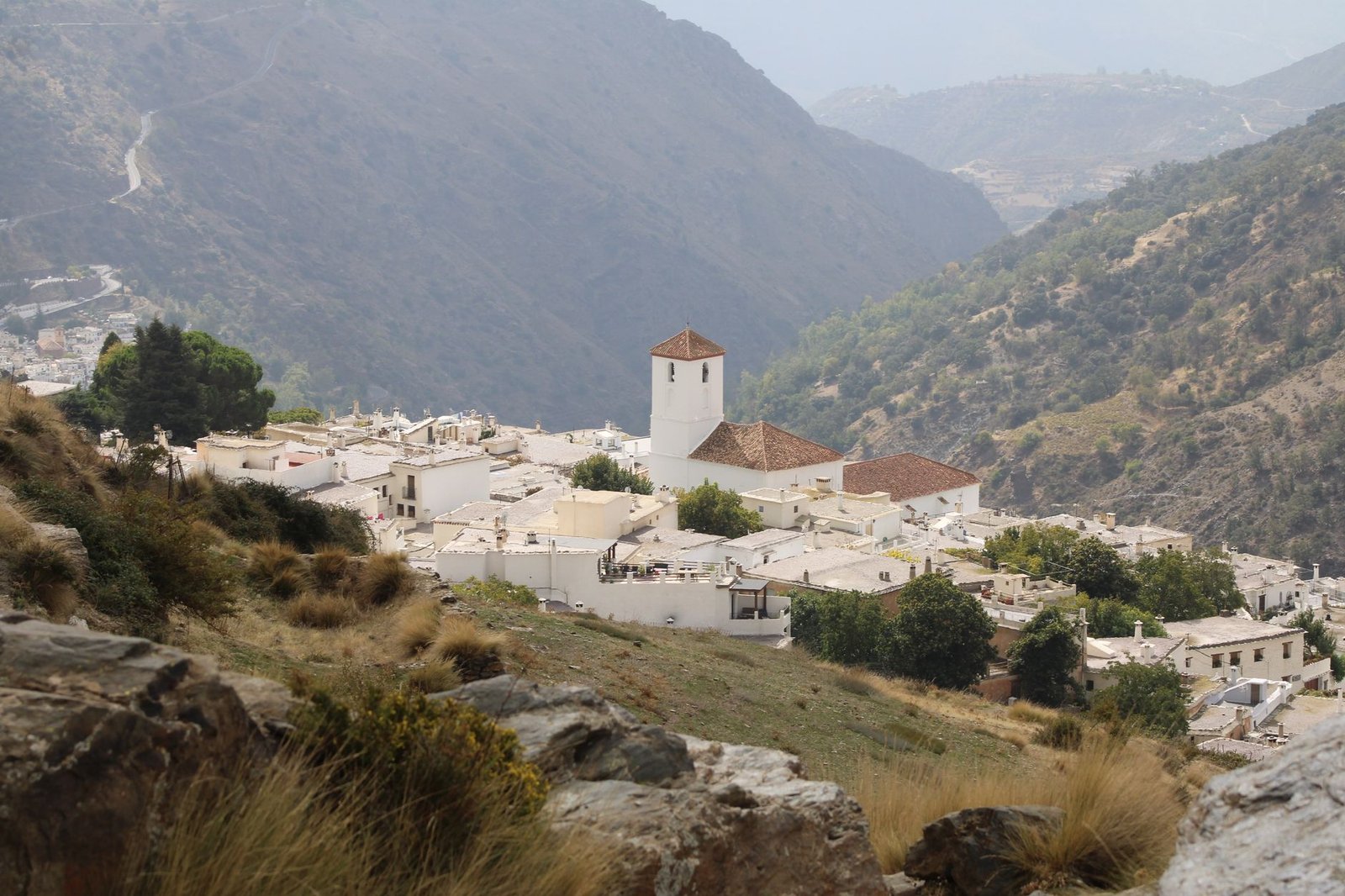
The Poqueira Gorge Circuit (Pampaneira – Bubión – Capileira)
This is arguably the most famous and most accessible village-to-village hike, often forming part of the GR 7 trail. You can start in any of the three villages, but Pampaneira is a good starting point as it’s the lowest. The path linking these three white villages is well-trodden and clearly signposted.
- Route: Start in Pampaneira, walk up to Bubión, then to Capileira, and loop back down. You can do a circular route or just walk between two villages and take a local bus back (check times locally).
- Distance: Roughly 8-10 km for the full circuit.
- Estimated Time: 3-4 hours, including stops for photos and perhaps a coffee.
- Difficulty: Easy to Moderate. There are some gentle ascents and descents, but nothing steep or prolonged. The path is mostly dirt track and old village paths.
- Specific Tip: Take your time exploring each village. They all have unique corners, small shops selling local crafts (like ‘jarapas’ – traditional rugs), and fountains to refill your water bottle.
Las Chorreras de Órgiva (Órgiva Waterfalls Walk)
This is a lesser-known but incredibly easy and rewarding walk near Órgiva, perfect if you want something flat and relaxing with a scenic reward.
- Route: From Órgiva, follow signs towards the river and the “Chorreras” or waterfalls. It’s an out-and-back trail.
- Distance: Approximately 4 km return.
- Estimated Time: 1.5 – 2 hours.
- Difficulty: Very Easy. Mostly flat along a riverbed and dirt track.
- Specific Tip: The “waterfalls” are more like cascades and are at their best after rain, but it’s a peaceful spot year-round. It’s a great choice for a hot day as you’re near water and often have some shade.
The Acequia de Poqueira Walk (near Capileira)
Acequias are ancient Moorish irrigation channels that crisscross the landscape. Many have paths running alongside them, offering flat, easy walks with constant water flow and beautiful views. The Acequia de Poqueira is a fantastic example.
- Route: From the top of Capileira, you can pick up the path that follows the acequia. It’s an undulating walk that offers grand views of the valley and is often relatively flat. You can walk for as long as you like and then simply turn around.
- Distance: Variable, 2-5 km one way for a beginner-friendly section.
- Estimated Time: 1-2.5 hours, depending on how far you go.
- Difficulty: Very Easy. Mostly flat.
- Specific Tip: Listen to the soothing sound of the water. These paths often lead to incredibly peaceful spots, away from the main village bustle. Watch your step, as the path can sometimes be narrow next to the water channel.
If you’d prefer to have everything arranged for you, and perhaps learn more about the local flora, fauna, and history from a knowledgeable local, you can always book a guided tour on Viator. They often have options for easy half-day walks designed specifically for those with less experience.
Where to Stay and Eat (Budget & Practicalities)
Choosing your base for a hiking trip in the Alpujarras is part of the adventure. The villages each have their own character and can influence your overall experience. For easy access to trails and local amenities, the Poqueira Valley villages (Pampaneira, Bubión, Capileira) are popular, but can also be a bit more expensive due to their popularity. If you’re looking for more budget-friendly options, consider staying in Órgiva or Lanjarón.
- Pampaneira, Bubión, Capileira: These three are iconic. They offer a good range of ‘casas rurales’ (rural houses), small guesthouses, and a few boutique hotels. Prices for a double room can range from €50-€100 per night, depending on the season and specific accommodation. They have plenty of small shops, craft stores, and restaurants.
- Órgiva: Known as the ‘capital’ of the Alpujarras, Órgiva is larger and offers more conventional hotel options and apartments. It’s more of a working town, so accommodation and food tend to be slightly cheaper. Expect double rooms from €40-€80. It’s a good base if you plan to explore both the western and central Alpujarras.
- Lanjarón: Famous for its mineral water, Lanjarón is another larger town with more amenities, including a spa. It sits lower down, offering trails that feel less mountainous. Prices are similar to Órgiva.
When it comes to food, you’re in for a treat, but remember, no alcohol here! The local cuisine is hearty and made for hungry hikers. The most famous dish is ‘Plato Alpujarreño’, a generous plate usually featuring fried eggs, potatoes, ‘longaniza’ (a type of sausage), ‘morcilla’ (black pudding), and local cured ham. You’ll find variations everywhere, and it’s a very filling post-hike meal. You can expect to pay around €12-€18 for a Plato Alpujarreño.
Other common dishes include ‘migas’ (breadcrumbs fried with garlic and often served with peppers, cucumber, and sometimes sardines) and various stews using local vegetables. Most restaurants also offer a ‘menú del día’ (set lunch menu) during weekdays, typically €10-€15 for two courses, bread, and a soft drink or water.
Restaurant Hours: Be aware of Spanish dining times. Lunch is typically served from 1:30 PM to 4:00 PM. Dinner usually doesn’t start until 8:00 PM and can go until 10:30 PM or later. Many smaller restaurants will close between lunch and dinner service, so plan your meals accordingly. You might find a café open for a snack or coffee during the afternoon siesta period, but full meals are generally restricted to these windows.
One downside of the smaller villages, particularly outside of summer and major holidays, is that they can become very quiet. Some shops and restaurants might have reduced hours or even close completely, so it’s worth checking in advance if you’re visiting in the low season (e.g., November-February, excluding Christmas/New Year).
Beyond Hiking Alpujarras Beginner Trails: What Else to Do in the Alpujarras
While hiking is undoubtedly the main draw, the Alpujarras offers much more than just walking paths. Taking a day off your feet or spending an afternoon exploring will enrich your experience of this unique region.
- Explore the White Villages: Simply wandering through the narrow, winding streets of the ‘pueblos blancos’ is an activity in itself. Each village has its own charm, from the flower-filled balconies of Pampaneira to the terraced architecture of Capileira. You’ll stumble upon fountains, small plazas, and viewpoints offering stunning vistas. Look out for the ‘tinaos’ – covered passageways between houses, unique to Alpujarran architecture.
- Local Crafts: The Alpujarras is known for its traditional handicrafts, particularly ‘jarapas’. These are hand-woven rugs, blankets, and textiles, often made from recycled materials, featuring lively patterns. You can visit small workshops, especially in the Poqueira Valley, where you can see them being made and purchase authentic pieces. It’s a great way to support local artisans and take home a genuine souvenir.
- Olive Oil Mills: The region is covered in olive groves, and local olive oil is a staple. In towns like Órgiva, you might find small, traditional olive oil mills that offer tours, especially during the harvest season (autumn/early winter). It’s fascinating to learn about the process and, of course, taste the fresh oil. Many local shops sell excellent quality extra virgin olive oil directly from producers.
- Natural Springs and Balnearios: Lanjarón, in particular, is famous for its natural mineral waters. You can visit the ‘Balneario de Lanjarón,’ a historic spa (check opening times and prices, as they vary seasonally). Even if you don’t go for a full spa treatment, you can often find public fountains where you can taste the different mineral waters, each with unique properties.
- Local Markets: If you’re lucky enough to be in a town like Órgiva on a Thursday, you’ll catch the weekly market. This is where locals buy and sell everything from fresh produce to clothes and household items. It’s a lively atmosphere and a fantastic way to experience daily life and find some local produce for your snacks.
Stepping away from the trails allows you to soak in the cultural aspects of the region. Don’t rush your visit; allow time to simply sit in a village square, enjoy a coffee, and watch the world go by. It’s all part of the Alpujarran experience, a slower pace of life that complements the rhythm of the trails. If you are exploring the region by car, you might also find our guide to 7 Days Andalusia By Car helpful for extending your adventure.
FAQ: Easy Hiking Alpujarras Beginner Trails – Common Questions
Is a guide necessary for easy hikes in the Alpujarras?
No, a guide is generally not necessary for the easy, well-marked trails in the Alpujarras. Paths connecting the main villages like those in the Poqueira Valley are clearly signposted with GR (Gran Recorrido) markers, and local tourist offices provide maps. However, if you prefer learning about local history, flora, and fauna, or simply want the peace of mind of not navigating, a guide can enhance your experience.
What is the best time of year to go hiking in the Alpujarras?
The best times for this hike trails are spring (April to June) and autumn (September to November). During these seasons, the weather is pleasantly mild, wildflowers are abundant in spring, and the autumn colours are beautiful. Summers (July and August) can be very hot, making midday hiking uncomfortable, while winters (December to March) can be cold, though often sunny, and higher trails might see snow.
Are Hiking Alpujarras Beginner Trails well-marked for Hiking Alpujarras Beginner Trails?
Yes, many trails, especially those popular for connecting villages or following ancient acequias, are very well-marked. You’ll often see painted stripes (red and white for GR routes, yellow and white for PR routes), wooden signs, or stone markers. It’s still wise to carry a basic map or have an offline navigation app on your phone, as occasional markers can be missed.
What should I do if I encounter livestock on Hiking Alpujarras Beginner Trails?
It’s common to encounter sheep, goats, or cows, sometimes with sheepdogs, especially in more rural areas. Always give them space, walk around them calmly and quietly, and avoid sudden movements. Keep your own dogs on a lead. Sheepdogs are usually working animals, not pets; respect their space and do not try to pet them. They are generally focused on their flock and will ignore you if you pose no threat.
The Alpujarras offers an incredibly rewarding hiking experience, proving that you don’t need to be an expert to explore the wild beauty of Spain. With accessible trails, authentic villages, and delicious local food, it’s a destination that welcomes every level of adventurer. For more insights into Spanish life and travel, be sure to visit our Spain Destination Blog.
About Hiking Alpujarras Beginner Trails
This guide is part of Spain Destination’s library of Spain travel and lifestyle content, written with AI assistance and checked against official sources where possible. See how this site is researched and fact-checked →