Paella Cooking Class in Valencia: What to Expect and What It Costs
Some links in this guide are affiliate links — if you book through them we may earn a small commission at no extra cost to you. It never changes what we recommend. Full disclosure.
The first time I immersed myself in a paella cooking class Valencia, I thought I knew what paella was. Like many visitors, I assumed it was simply a delicious rice dish, maybe with seafood, found all over Spain. But the reality, here in its birthplace, is a much richer story, deeply tied to the land and its people, far more nuanced than what you find outside this region. This guide will peel back those layers, helping you choose the right class, what to expect, and how to carry a piece of Valencia’s culinary heart back home with you.
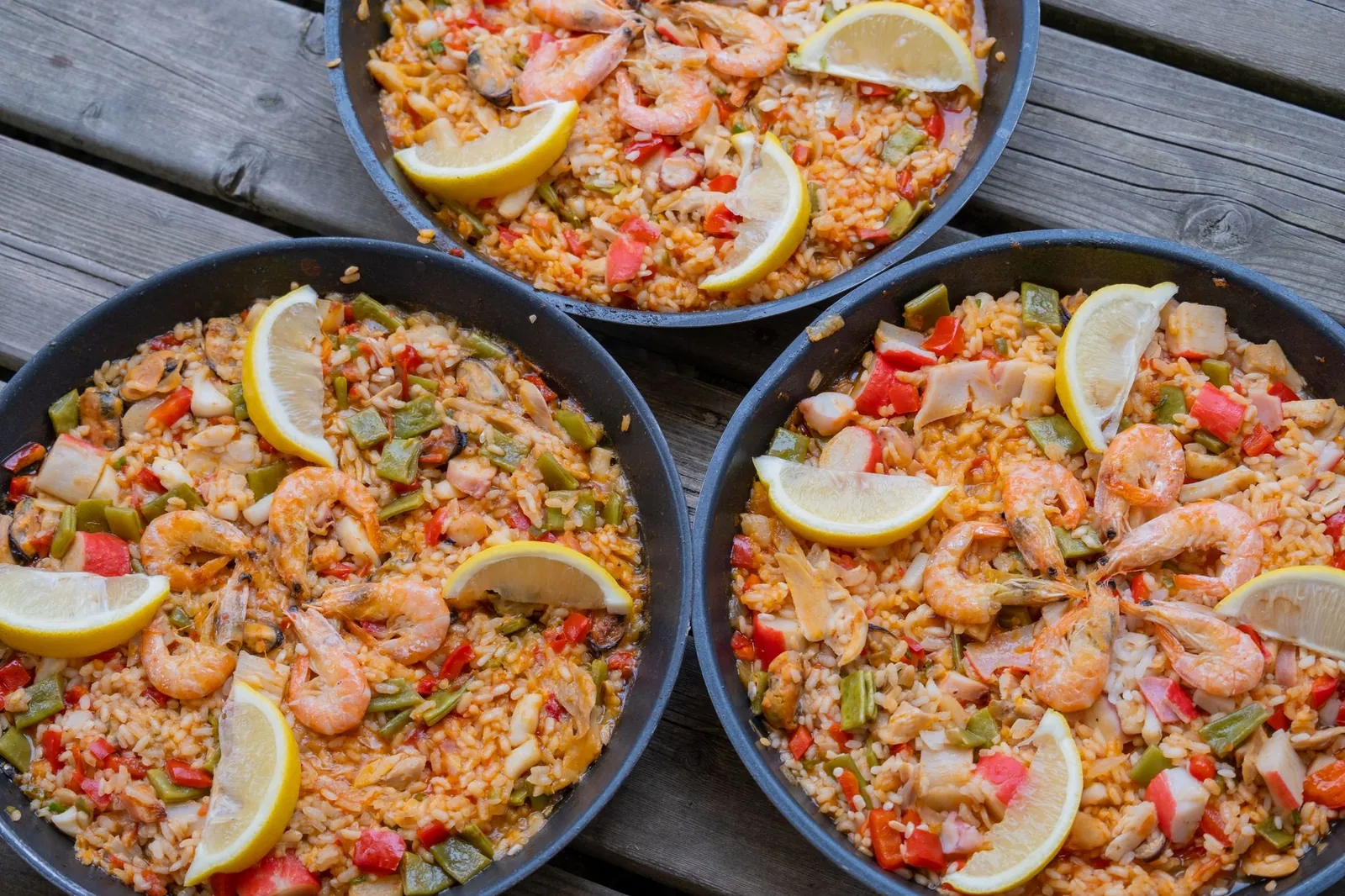
Quick Answer: Paella Cooking Classes in Valencia
The best paella cooking class in Valencia offers a hands-on experience focused on traditional Valencian paella, often including a market visit, spanning 3 to 4 hours, and typically costing between €70 and €100 per person. These classes provide deep cultural insight into the dish’s true origins and preparation, allowing you to master the techniques that truly define this iconic Spanish dish.
What Makes a Real Valencian Paella Cooking Class Special?
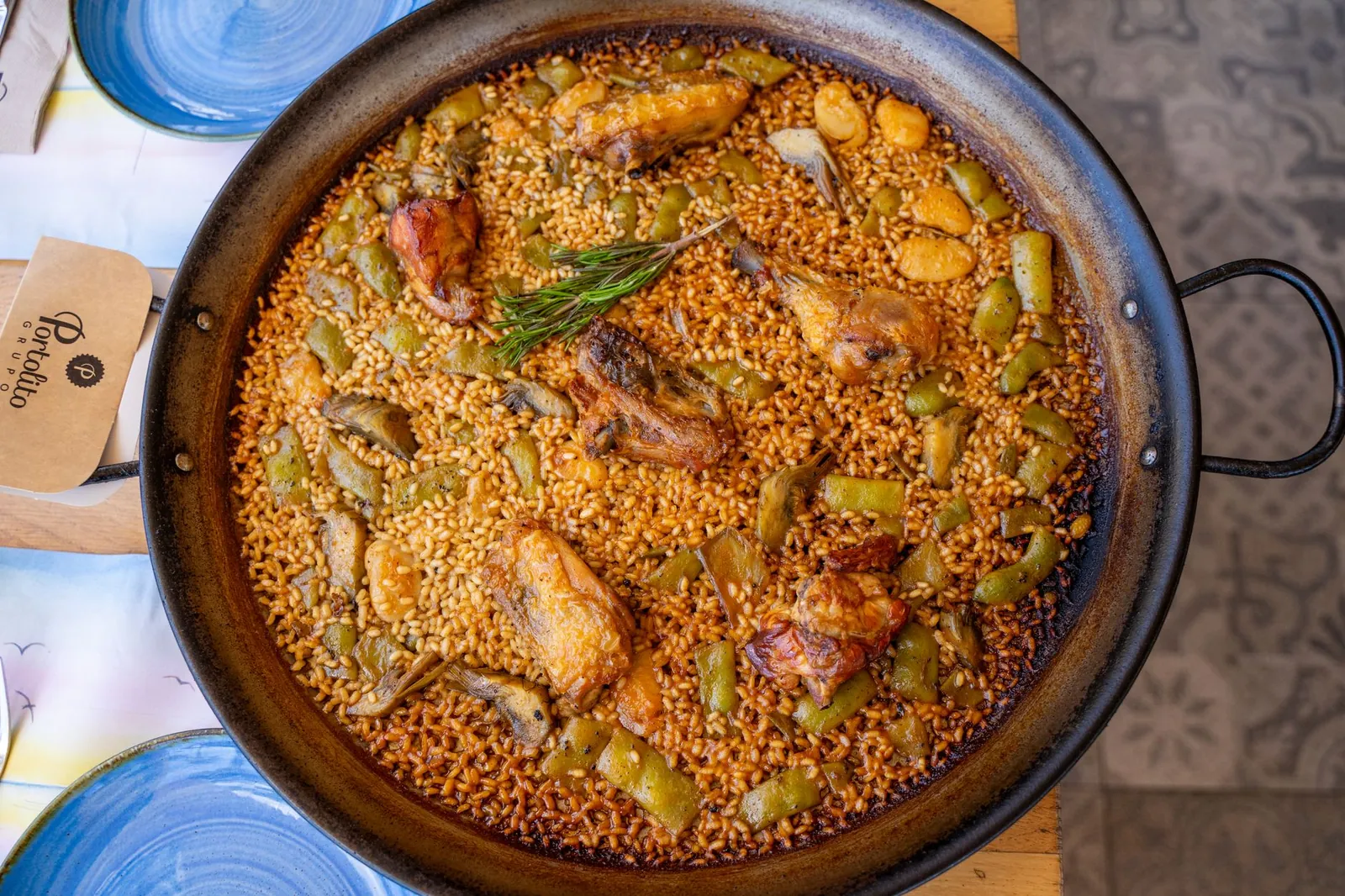
A genuine Valencian paella class isn’t just about cooking; it’s an immersive cultural journey, often starting with a market visit and culminating in a shared meal, usually lasting around 3.5 hours. It’s a chance to learn the regional specificities that set authentic paella apart from its many imitations found elsewhere. Many visitors arrive in Valencia expecting “seafood paella,” but quickly learn that the true, original paella Valenciana features chicken, rabbit, and specific local vegetables. This distinction is central to understanding the dish’s identity.
The heart of authentic paella lies in its ingredients, all sourced from Valencia’s fertile Huerta (agricultural land) and surrounding areas. You’ll learn about the crucial Visit Valencia bomba rice, known for its ability to absorb flavor without becoming mushy, and the saffron that gives the dish its characteristic golden hue. But it’s the vegetables that truly surprise: the flat green beans (ferradura) and the large, white lima beans (garrofó) are non-negotiable for a real paella. During a class, you’ll understand why these specific components are chosen, and how they contribute to the flavor profile that has been passed down through generations. You’ll also discover the importance of the *socarrat* – the crispy, caramelized layer of rice at the bottom of the pan – a mark of a perfectly cooked paella and a source of quiet pride for any Valencian cook.
A paella cooking class here doesn’t just teach you steps; it teaches you a philosophy. Paella is traditionally a Sunday family meal, cooked outdoors over an open fire, a communal event where patience and precision are key. In a class, you often replicate this social aspect, working alongside fellow students and sharing in the experience. It demystifies the dish, showing you that while it requires attention to detail, it’s entirely achievable with the right guidance. This hands-on approach reveals the ‘why’ behind each ‘how,’ making the learning experience much deeper than simply following a recipe from a cookbook.
Choosing Your Paella Cooking Class: Key Considerations
When selecting a paella class, prioritize small group sizes (ideally under 12 participants), look for offerings that include a Central Market tour, and confirm the class focuses on traditional Valencian paella, with prices typically ranging from €65 to €110. The right class can elevate your understanding of Spanish cuisine from casual interest to a genuine passion.
Consider the type of experience you’re looking for. Do you prefer an intimate setting with a small group, allowing for more personalized instruction, or are you comfortable in a larger, more social class? While larger classes can be fun, a smaller group (8-12 people) often means more hands-on time and direct interaction with the instructor, which is invaluable for learning technique. Many schools offer both group and private classes, with private options often providing a more tailored menu or itinerary.
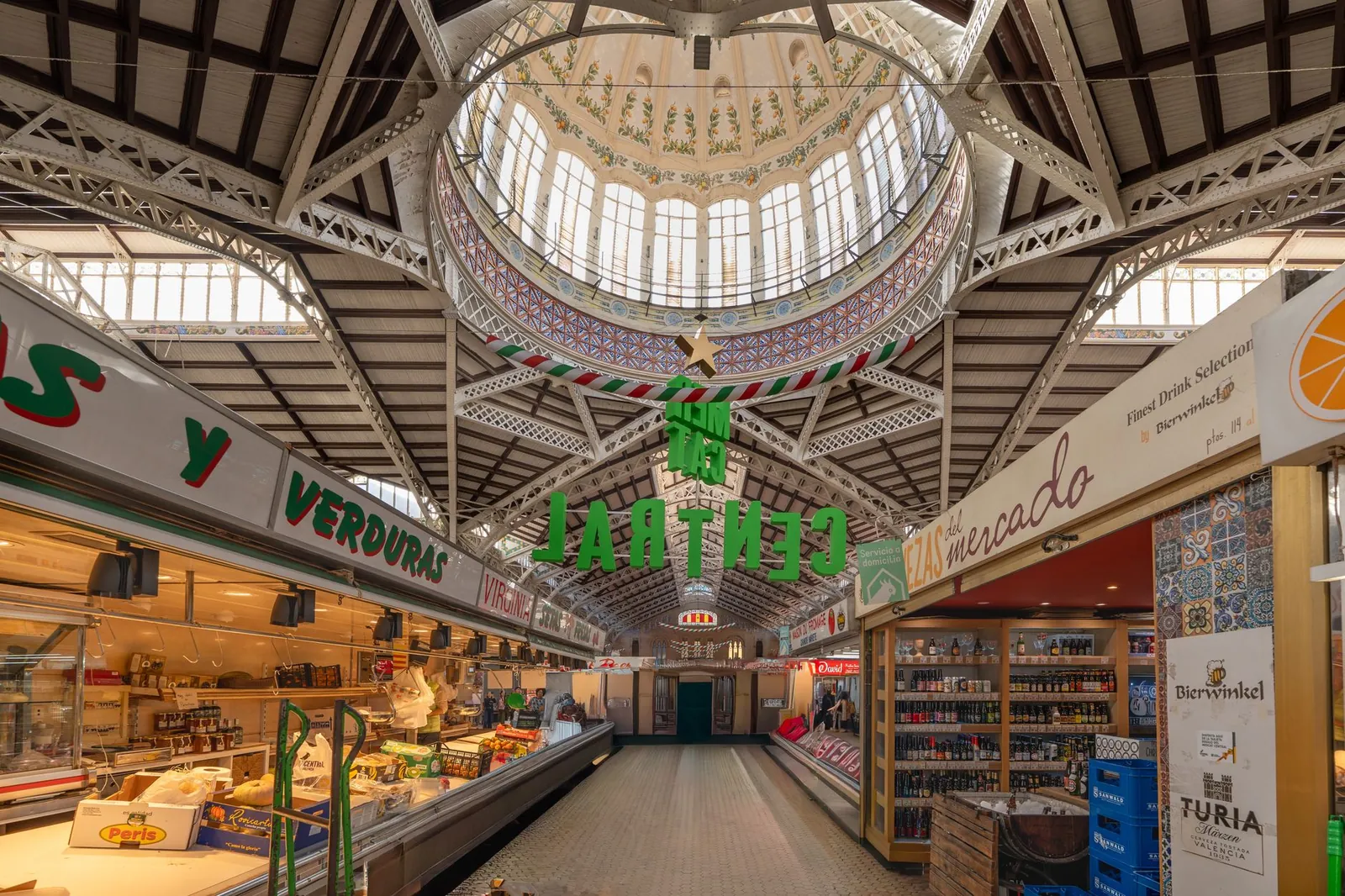
An included market tour is, in my opinion, non-negotiable for the best experience. Valencia’s Central Market (Mercado Central) is an experience in itself, a bustling modernist masterpiece where local life thrives. Starting your class day here allows you to see, smell, and even taste the fresh produce, meats, and spices that will go into your paella. You learn how to select ripe tomatoes, choose the freshest rabbit, and identify the specific beans used in traditional recipes. This context makes the cooking process much more meaningful. Without it, you miss a significant part of the story behind the ingredients.
Confirm the language of instruction. Most reputable schools offer classes in English, but it’s always wise to double-check. The duration of classes varies, usually between 3 to 5 hours. Shorter classes might skip the market visit or rush the cooking process, so aim for something in the 3.5 to 4-hour range to ensure a comprehensive experience. Finally, ensure the class focuses on authentic Valencian paella, not just a generic “Spanish paella.” The distinction is important for culinary purists and for those who want to truly understand the local tradition.
| Class Type | Typical Duration | Price Range (EUR) | Max Group Size | Key Highlights |
|---|---|---|---|---|
| Hands-On Classic | 3 hours | €55 – €75 | 15 | Focus on cooking, shared meal, often no market tour |
| Market & Paella | 4-5 hours | €70 – €110 | 12 | Central Market tour, ingredient selection, immersive cooking |
| Private Experience | 3.5 hours | €150 – €250+ | 4 | Personalized attention, custom menu options, flexible timing |
My Recommended Paella Cooking Class Providers and What They Cost
For a truly authentic experience, consider reputable schools like Escuela de Arroces y Paella Valenciana or My First Paella, where a comprehensive group class typically costs around €75 per person and lasts about 3.5 hours. These institutions have built strong reputations for upholding the traditions of Valencian cuisine.
Escuela de Arroces y Paella Valenciana is widely regarded for its dedication to authentic rice dishes. Located conveniently near the Central Market, many of their classes begin with a guided tour of the market, allowing participants to personally select fresh, seasonal ingredients. They offer various paella classes, including traditional Valencian, seafood (Arroz a Banda, for example), and sometimes vegetarian options, though their core focus remains the classic. Prices typically range from €69 for a basic hands-on class to around €95 for classes that include the market visit and additional starters. Morning classes usually start around 10:00 AM, concluding with lunch.
Another excellent option is My First Paella, which often emphasizes smaller, more intimate group settings. Their classes frequently integrate a market tour, providing a holistic understanding of the ingredients and their journey from farm to pan. They focus heavily on the hands-on aspect, ensuring every participant gets to engage in each stage of the cooking process. You can expect prices between €65 and €90, depending on the specific package and whether it includes extras like dessert or additional local bites. These classes are also typically held in the morning, creating a perfect lead-up to a shared paella lunch.
Booking in advance is always recommended, especially if your visit coincides with peak tourist season, holidays like Las Fallas in Valencia, or weekend dates. Slots fill up quickly, and spontaneous walk-ins are rarely accommodated for quality classes. You can often book directly through their websites, or explore various paella cooking experiences through platforms that aggregate local tours. When you book, confirm the exact meeting point – sometimes the market tour starts at a different location than the cooking school itself. For accommodation in the city, you can also find your perfect stay in Valencia.
Beyond the Paella Pan: What to Expect During Your Class Day
Your typical paella class day begins with a guided tour of Valencia’s Central Market around 9:30 or 10:00 AM, followed by 2 to 3 hours of hands-on cooking, culminating in enjoying your freshly made paella for lunch. This structured approach ensures you gain both practical skills and a deep cultural understanding of the dish.
The day often starts with introductions, where you’ll meet your instructor and fellow participants. This is usually followed by a pleasant stroll to the Mercado Central. The market itself is a feast for the eyes, with vibrant stalls overflowing with fresh produce, cured meats, and regional specialties. Your guide will point out key ingredients for paella, explain their seasonal availability, and often introduce you to specific vendors. You’ll learn the difference between various types of rice, the distinct characteristics of locally grown vegetables like artichokes or broad beans (depending on the season), and the importance of fresh, quality protein. The Central Market is generally open from 7:30 AM to 3:00 PM, Monday through Saturday, making late morning the ideal time for these visits.
Back at the cooking school, the real work begins. You’ll usually start by preparing the *sofrito*, the aromatic base of finely chopped tomatoes, onions, and sometimes garlic, slowly cooked to bring out its sweetness. Then comes the chicken and rabbit, seared to perfection, followed by the specific beans and other vegetables. Your instructor will guide you through adding the rice, the crucial saffron, and the broth – often made from scratch with local ingredients. The focus is on technique: how to distribute the rice evenly, when to stop stirring, and how to manage the heat to achieve that elusive *socarrat*. It’s a rhythmic, patient process, often accompanied by stories and explanations from your instructor, making the time fly by. This is much like learning to master other regional dishes; for instance, a Malaga cooking class would similarly emphasize the local methods and ingredients unique to Andalusian cuisine.
Finally, the moment arrives when the paella is ready. It’s often brought to a communal table, still in the paella pan, where everyone gathers to enjoy the fruits of their labor. This shared meal is a highlight, allowing you to taste the dish you’ve prepared and reflect on the experience with your new friends. Most classes also provide a certificate of completion and a printed recipe, though the true takeaway is the practical knowledge and the memory of making it yourself.
- The essential ingredients for authentic Valencian paella, and where to source them.
- How to prepare a proper *sofrito* base, the flavor foundation of the dish.
- The correct ratio of rice to broth, crucial for perfect texture.
- Techniques for achieving the desirable *socarrat* – the crispy, caramelized bottom layer.
- Understanding the *paella* pan and effective fire management.
- The cultural significance and history of the dish, connecting it to local life.
- Wear comfortable shoes, especially if a market tour is included, as you’ll be on your feet for a few hours.
- Consider an apron if one isn’t provided, though most quality classes supply them to protect your clothes.
- Bring a reusable water bottle; staying hydrated is important, especially during the cooking process.
- A small bag or backpack for any market purchases you might spontaneously make.
- Your camera or phone for photos, but remember to be present and engage in the experience first.
Maximizing Your Paella Experience: Tips from a Local
To fully appreciate your paella cooking class, ask questions, embrace the hands-on process, and don’t be afraid to experiment with the traditional techniques you learn, aiming to recreate the dish at home. The instructors are there not just to demonstrate, but to share their passion and knowledge with you.
Don’t be shy. If you have a question about an ingredient, a technique, or the history of paella, speak up. The instructors are usually delighted to share their expertise and often have personal stories about the dish that add another layer of authenticity to the experience. Engage with your fellow participants too; you might meet people from all over the world, sharing a common interest in Spanish cuisine.
While most classes provide a recipe to take home, pay close attention to the nuances that aren’t easily written down. Observe the texture of the *sofrito*, the sound of the rice as it cooks, the color changes, and the way the instructor handles the pan. These sensory details are critical to mastering paella. Taking your own brief notes, especially on timing and consistency cues, can be incredibly helpful when you try to replicate the dish in your own kitchen.
The learning doesn’t have to stop when the class ends. Practice at home. Finding good quality Spanish bomba rice and saffron can sometimes be a challenge outside of Spain, but many specialty stores or online retailers carry them. Don’t be discouraged if your first attempt isn’t perfect; paella is a dish that improves with practice and understanding. It’s similar to learning other cultural activities, where repetition builds skill, whether it’s cooking paella or taking a beginner flamenco dance class in Seville.
After your class, take some time to explore the area around the cooking school or the Central Market. The atmospheric Barrio del Carmen, with its narrow streets and historic buildings, is often nearby. Visit the Silk Exchange (La Lonja de la Seda) or the Valencia Cathedral, absorbing more of the city’s rich history and architecture. This helps to contextualize the culinary experience within the broader culture of Valencia.
When cooking paella, a common mistake is expecting every paella to be a seafood paella. Remember, the true Valencian paella is made with chicken and rabbit. Another error is over-stirring the rice once it’s in the pan; resist the urge! This prevents the starch from releasing and inhibits the formation of the precious *socarrat*. Patience is key, especially during the final stages of cooking.
Common Questions About Paella Classes
Is a paella cooking class in Valencia worth the money?
Yes, a paella cooking class in Valencia is genuinely worth the cost, typically ranging from €65 to €110, as it offers far more than just a meal. It provides an authentic cultural immersion, practical culinary skills, and a deeper appreciation for Valencian tradition that you can’t get from simply eating the dish in a restaurant. The hands-on learning and interaction with local instructors provide a unique insight.
How long does a typical paella class last?
A typical paella cooking class in Valencia lasts approximately 3 to 4 hours, usually starting in the late morning, around 9:30 or 10:00 AM. This duration allows enough time for an optional market visit to gather ingredients, hands-on preparation of the dish from start to finish, and the enjoyable culmination of sharing the freshly cooked paella together for lunch.
Can vegetarians or vegans participate in paella classes?
Many paella cooking classes in Valencia now offer vegetarian or even vegan paella options, but it’s crucial to confirm this when booking. While traditional Valencian paella uses chicken and rabbit, schools are increasingly accommodating dietary needs. Specifying your dietary requirements in advance usually ensures the class can make suitable arrangements for a vegetable-based paella.
What’s the best time of day to take a paella class?
The best time of day to take a paella class in Valencia is generally in the late morning, around 9:30 or 10:00 AM. This timing allows for a leisurely visit to the Central Market, followed by 2 to 3 hours of cooking, and finishing just in time to enjoy your paella as a traditional Spanish lunch, typically between 1:30 PM and 2:30 PM.
Your experience cooking paella in Valencia will be more than just a lesson in cuisine; it’s a direct connection to the heart of Spain. You’ll leave with not only a newfound skill but a story to tell, a deeper understanding of Valencian culture, and a warmth that stays with you long after the last grain of rice is gone. It’s a genuine taste of what makes this region so special, a feeling you can carry with you, just as you might take home the techniques for a different regional dish like Pescaito Frito: Cadiz’s Fried Fish, Made in Your Kitchen.
About the Author
After 15 years living and traveling across Spain, Caro knows this country in a way most travel writers never will. She’s not here to sell you a polished version of Spain, she’s here to show you the real one. Every guide on this site comes from her own experience: the restaurants she eats at, the routes she walks, the festivals she’s actually attended. She writes to cut through the noise and give you what actually matters. Learn more about Caro →