Granada and Cordoba in One Trip: How to Split Your Days
Some links in this guide are affiliate links — if you book through them we may earn a small commission at no extra cost to you. It never changes what we recommend. Full disclosure.
Planning your next Andalusian adventure can feel like navigating a labyrinth, but this ultimate Granada Cordoba itinerary cuts through the noise, offering direct advice for a truly authentic experience. Forget generic recommendations; we’re diving deep into two of Spain’s most compelling cities, sharing exactly what you need to know.This article contains affiliate links. If you book through one, Spain Destination may earn a small commission at no extra cost to you. See the full affiliate disclosure →
Quick Answer: Your Itinerary
For a rich exploration of Granada and Cordoba, allocate at least four full days: two for Granada (including the Alhambra) and two for Cordoba (covering the Mezquita and patios). Travel between the cities is efficient by train, taking about 1.5-2 hours. Book key attractions well in advance, especially the Alhambra and Mezquita, to secure your spots and make the most of your time.Crafting Your Ideal Itinerary: Four Days of Andalusian Immersion
This four-day plan is designed for travelers who appreciate history, good food, and a bit of a wander. It’s paced to allow for deep dives without feeling rushed. If you’re short on time, you could squeeze it into three days, but you’d be missing out on some of the slower, more atmospheric moments. This particular itinerary is structured to maximize your cultural intake while minimizing transit hassle.Day 1: Granada – Arrival and Albaicín Exploration
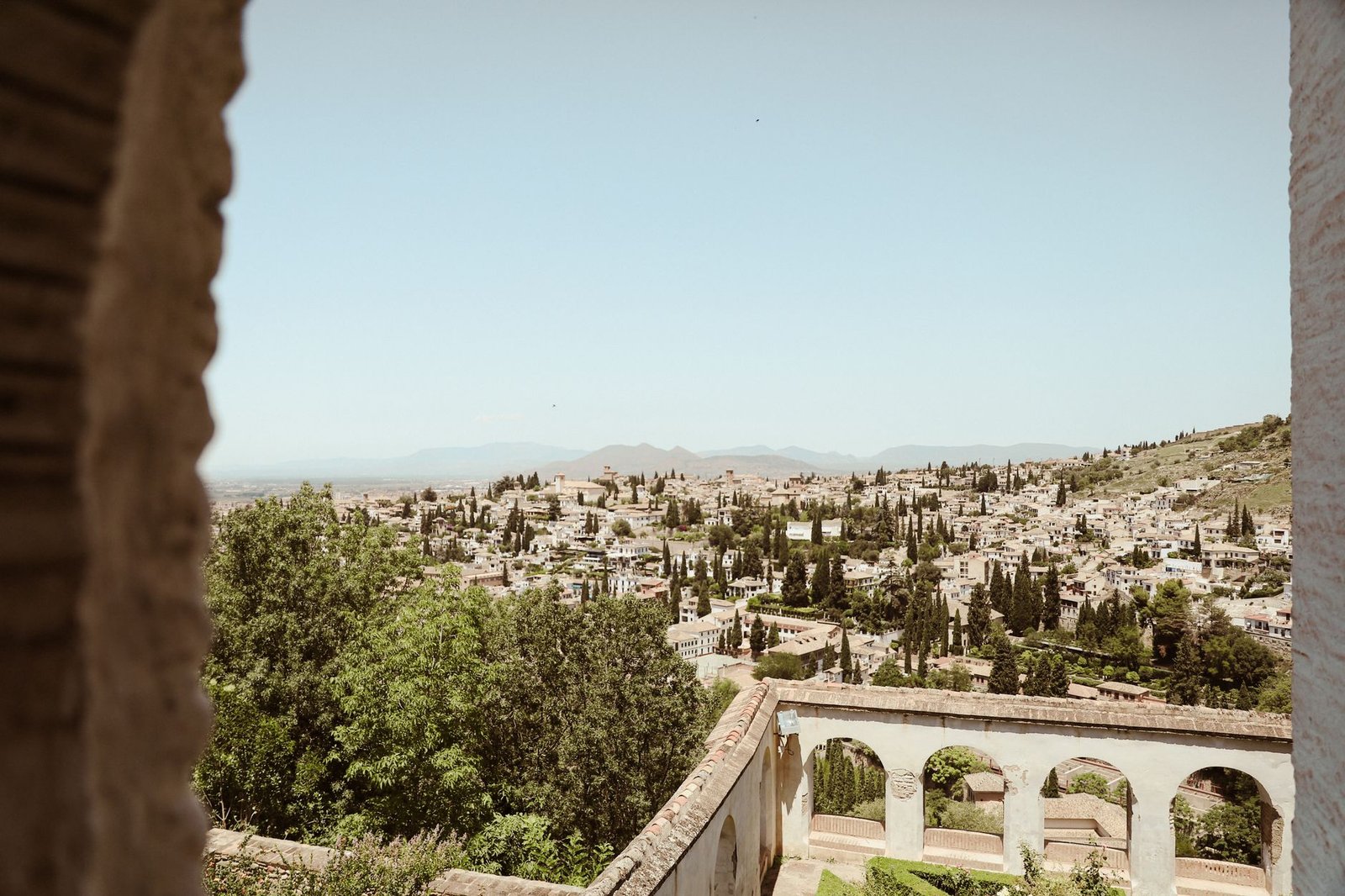
Arrive in Granada, ideally by midday. From Federico García Lorca Granada-Jaén Airport (GRX), a bus service runs every 20-30 minutes to the city center (Gran Vía de Colón) for around 3€. A taxi will cost you roughly 25-30€. Check into your accommodation — compare places near Plaza Nueva or the lower Albaicín for easy access to everything. Afternoon: Get Lost in the Albaicín The Albaicín, Granada’s old Arab quarter, is where you should spend your first afternoon. It’s a UNESCO World Heritage site and best explored on foot. Start from Plaza Nueva and simply climb. Its narrow, winding streets reveal something new around every corner. Don’t worry about a map too much; part of the experience is discovering the hidden plazas and miradors.- Mirador de San Nicolás: Yes, it’s famous, and yes, it gets crowded, especially at sunset. But the view of the Alhambra with the Sierra Nevada in the background is iconic. Get there an hour before sunset if you want a decent spot.
- Mirador de la Mezquita Mayor: Just a stone’s throw from San Nicolás, this spot offers a similar view with fewer crowds, often a more serene experience.
- Carrera del Darro: Walk along this street by the Darro River, beneath the Alhambra walls. It’s atmospheric and leads you to some excellent tapas bars.
Day 2: Granada – Alhambra, Generalife, and Sacromonte
Today is Alhambra day. This Moorish palace and fortress complex is not just the highlight of Granada, but arguably of all Andalusia. You must book your tickets well in advance, ideally 2-3 months out. Go directly through the official Patronato de la Alhambra y Generalife website. Do not use third-party resellers unless you’re buying a tour package, and even then, verify authenticity.- Alhambra Opening Hours: Generally 8:30 AM – 8:00 PM (April 1 to Oct 14), 8:30 AM – 6:00 PM (Oct 15 to March 31), confirmed on the Patronato’s own site.
- Nasrid Palaces: Your ticket will have an assigned entry time for the Nasrid Palaces. Do not miss it. Arrive at the entrance to the palaces at least 15 minutes before your slot. These are the most intricate and beautiful parts.
- Generalife Gardens: The summer palace and its spectacular gardens. Plan to spend an hour or two here, especially if you visit in spring when everything is in bloom.
- Alcazaba: The military fortress with incredible views over Granada.
- Museo Cuevas del Sacromonte: Get an insight into the history and lifestyle of the cave dwellers. Entry is around 5€. Open 10:00 AM – 6:00 PM (winter) / 10:00 AM – 8:00 PM (summer).
- Walk the Camino del Sacromonte: Enjoy views of the Alhambra from a different perspective and the cave dwellings.
Day 3: Travel to Cordoba & Mezquita-Cathedral
Morning: Travel to Cordoba Take an early train from Granada to Cordoba. Renfe operates several direct trains daily. The journey is roughly 1 hour 30 minutes to 2 hours. Book your tickets in advance through the Renfe website for better prices. Fares can range from 15€ to 30€ depending on how early you book. The train station in Cordoba (Estación de Córdoba) is a short taxi ride (around 8-10€) or a 20-minute walk to the historic center. Afternoon: The Mezquita-Cathedral – The Unmissable Attraction Check into your accommodation. For Cordoba, staying within the Judería (Jewish Quarter) is highly recommended for immersion. Once settled, head straight for the Mezquita-Cathedral. This building is a marvel, a mosque turned cathedral, embodying centuries of religious and cultural shifts. It’s truly unlike anything else in the world and central to any itinerary.- Mezquita-Cathedral Opening Hours: Generally 10:00 AM – 7:00 PM (March-Oct), 10:00 AM – 6:00 PM (Nov-Feb). Sundays/holidays shorter hours. Entry is €15 for adults, confirmed on the monument’s own site.
- Free Entry: If you’re an early riser, you can enter for free between 8:30 AM and 9:30 AM from Monday to Saturday, provided there are no religious ceremonies. This is for self-guided visits; group tours are not permitted during this time.
Day 4: Cordoba – Patios, Synagogue, and Alcázar
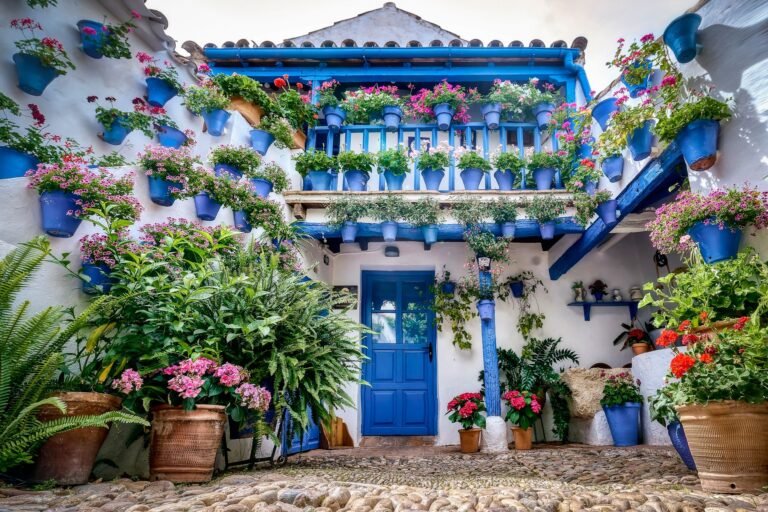
Cordoba is famous for its patios, especially during the Patio Festival in May. But you can visit many of them year-round, particularly in the Judería and San Basilio neighborhoods. This final day of your itinerary focuses on these details. Morning: Patios and Jewish Quarter Start your day exploring the Judería’s intricate streets.- Calleja de las Flores: While incredibly touristy, it offers a picture-perfect view of the Mezquita framed by flowers. Worth a quick look.
- Cordoba Synagogue: One of only three medieval synagogues left in Spain. Small but historically significant. Entry 0.30€. Open 9:00 AM – 3:30 PM (Tues-Sat), 9:00 AM – 2:30 PM (Sun). Closed Mondays.
- Casa de Sefarad: A museum dedicated to Sephardic Jewish history in Spain. Entry 6€. Open 10:00 AM – 6:00 PM (daily).
- Patio Tour: Many private patios are open to visitors for a small fee (often 2-3€ per patio). The best way to find them is to wander; look for signs saying “Patio abierto.” The Viana Palace (Palacio de Viana) also has 12 magnificent patios for a combined ticket of €14 (confirmed on the palace’s own site), open 10:00 AM – 7:00 PM Tuesday to Sunday most of the year, but a shorter 9:00 AM – 3:00 PM schedule applies from late June to late August, so check before visiting in high summer. This is a top-tier attraction that adds significant value to the itinerary.
Summary of Your Itinerary Costs (Per Person, Excluding Flights & Accommodation)
| Category | Estimated Costs (€) |
|---|---|
| Intercity Transport (Train Granada-Cordoba) | 15-30 |
| Local Transport (Buses/Taxis) | 10-40 |
| Alhambra Ticket | 22.27 |
| Mezquita-Cathedral Ticket | 15 |
| Alcázar gardens + Baños (interior closed) | 7.50 |
| Other Attractions (Museums, Synagogue, Patios, Flamenco) | 20-50 |
| Food & Drink (Mid-range, tapas, 1 nice dinner) | 120-200 |
| Total Estimated Minimum (4 days) | 202 |
| Total Estimated Maximum (4 days) | 332 |
Is Granada Cordoba Itinerary Worth It? Who Should Skip It?
Absolutely, the itinerary is worth it for anyone interested in deep history, stunning architecture, and authentic Andalusian culture. Both cities offer a unique window into Spain’s Moorish past, Roman influence, and lively present. The blend of impressive monuments and intimate, walkable neighborhoods creates a truly rewarding travel experience. Who should skip it?- Beach-focused travelers: If your priority is sunbathing and resort life, this inland itinerary isn’t for you. You might prefer the coastal vibe of destinations like Malaga or Alicante.
- Those with extremely limited mobility: Both cities, especially Granada’s Albaicín, involve steep, cobbled streets. While taxis and buses can help, much of the core experience relies on walking.
- Travelers on a hyper-tight budget who won’t pay for attractions: The main draws (Alhambra, Mezquita) have entry fees. While wandering is free, skipping these would diminish the experience significantly.
Practical Logistics for Your Itinerary
How to Get There and Get Around
Flights:- Granada (GRX): Smaller airport, mostly domestic flights or connections through Madrid/Barcelona.
- Malaga (AGP): Largest international airport in Andalusia, about 1.5 hours from Granada by bus/train. Often cheaper and more direct international flights. From Malaga, you can take a direct bus to Granada (ALSA, approx. 12-15€, 1.5 hours).
- Seville (SVQ): Another significant airport, about 2.5 hours from Cordoba by train (AVE, 45 mins) or 2 hours from Granada by train.
When to Go
Spring (April-May): The absolute best time. Temperatures are pleasant (20-28°C), everything is in bloom, and the light is beautiful. Cordoba’s Patio Festival (early May) is a highlight, but it means higher prices and more crowds. Autumn (September-October): Also an excellent choice. Similar temperatures to spring, often fewer crowds than peak spring or summer. Winter (November-March): Cooler (10-18°C), but often sunny. Fewer tourists, lower prices. Granada can get quite chilly, and even see snow in the Sierra Nevada, but Cordoba is generally milder. Christmas and New Year bring crowds to major cities. Summer (June-August): Extremely hot (regularly 35-40°C+). While prices might be lower and crowds thinner in some areas, sightseeing in the midday sun can be brutal. If you must travel in summer, plan activities for early mornings and late evenings, and enjoy siestas in between. For tips on dealing with the heat, check out our guide to Seville in July, much of which applies here.What to Book Ahead
- Accommodation: Essential, especially during peak seasons (spring, major holidays). Book at least 2-3 months out.
- Alhambra Tickets (Granada): Non-negotiable. Book 2-3 months in advance directly from the official Alhambra website. Tickets sell out daily.
- Mezquita-Cathedral Tickets (Cordoba): Book a few weeks in advance, especially if you want a specific time slot or visit during peak season. You can often buy them on the day, but booking ahead saves time.
- Train Tickets (Renfe): For the best prices on high-speed trains (AVE), book 1-2 months in advance. Prices increase closer to the travel date.
- Flamenco Shows (Granada): For reputable venues, booking a few days to a week in advance is wise.
- Guided Tours: If you prefer a guided experience for the Alhambra or Mezquita, book well ahead, as these often include tickets. Ensure your tour operator is legitimate.
Want to see more of the region on the same trip? Our 12-day Andalusia itinerary builds Granada and Cordoba into a longer, complete route.