Stargazing Sierra Nevada Tips: Best Spots
Some links in this guide are affiliate links — if you book through them we may earn a small commission at no extra cost to you. It never changes what we recommend. Full disclosure.
If you’re looking for stellar stargazing sierra nevada tips, the most important thing you need to know immediately is that elevation and clear skies are your best friends here. Sierra Nevada offers some of the darkest skies in Europe, making it an astronomer’s dream, but timing your visit to avoid a full moon and choosing the right altitude are crucial for truly spectacular views.
This article contains affiliate links. If you book through one, Spain Destination may earn a small commission at no extra cost to you. See the full affiliate disclosure →
Quick Answer: Best Stargazing in Sierra Nevada
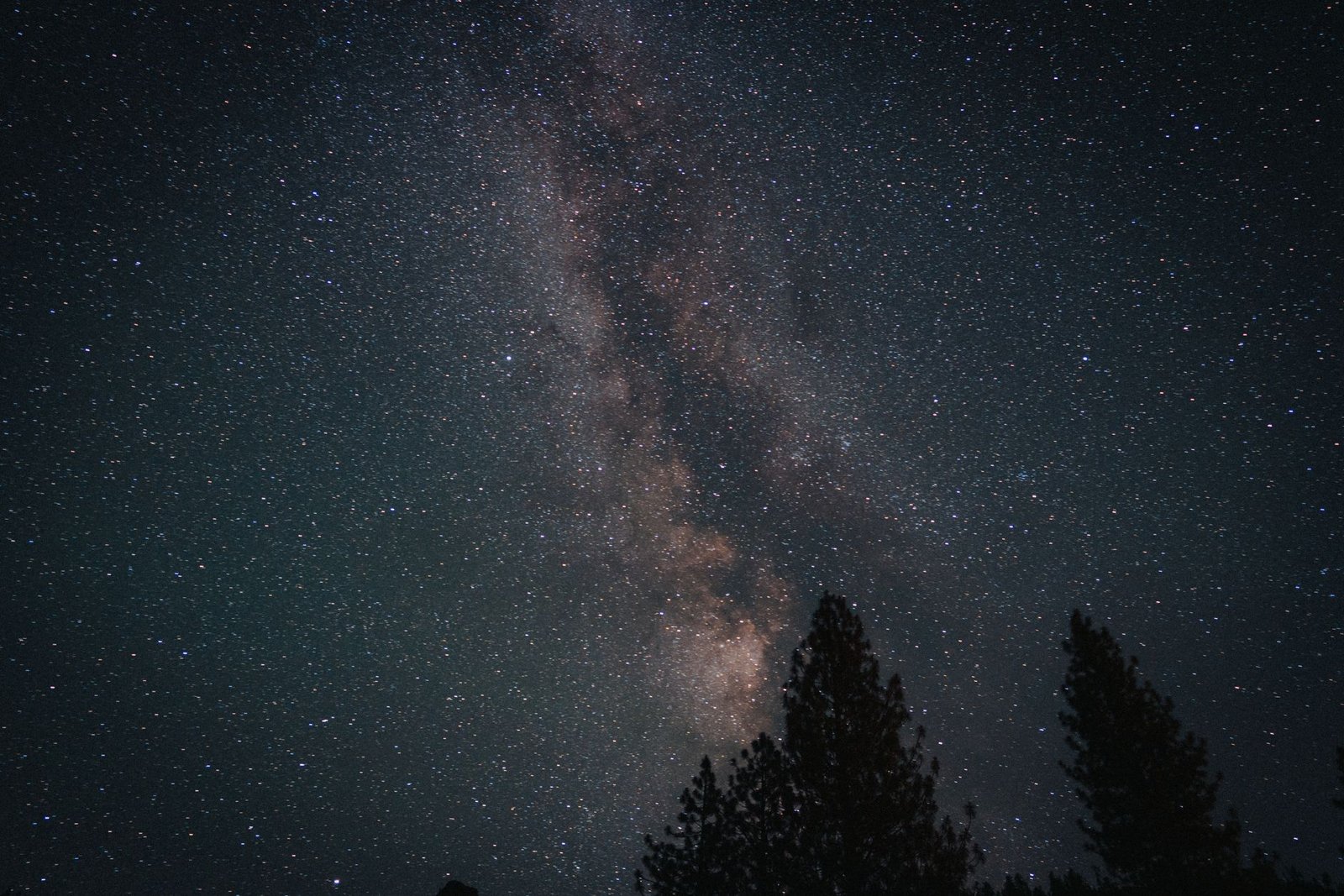
The absolute best spot for stargazing in Sierra Nevada is around the Hoya de la Mora area, specifically near the Observatorio de Sierra Nevada, due to its high altitude (around 2,500 meters) and minimal light pollution. Aim for a moonless night between May and September for optimal visibility of the Milky Way and countless stars.
Choosing Your Dark Sky Sanctuary: Top Spots & Accessibility
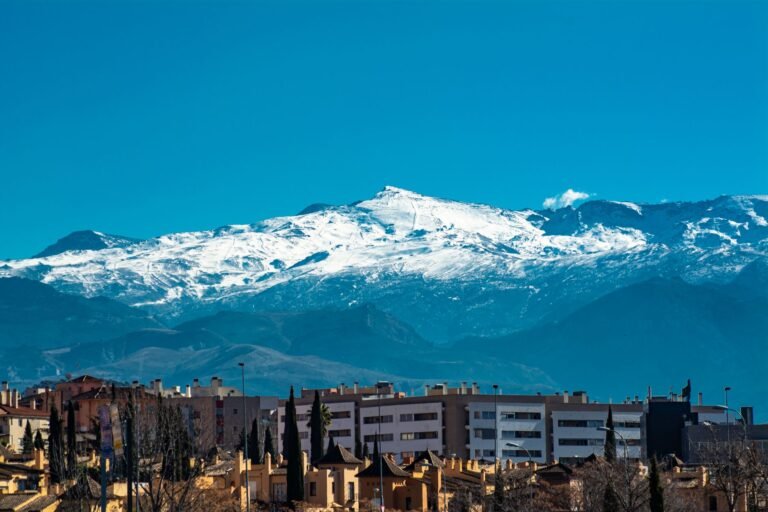
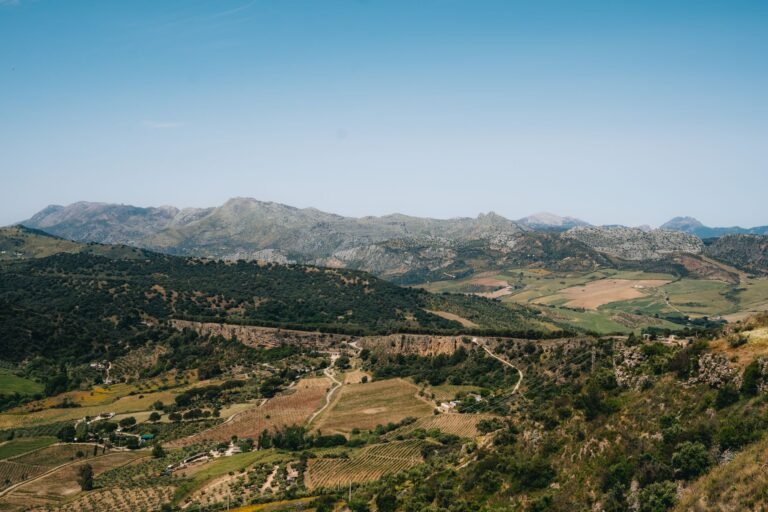
Finding the perfect spot in Sierra Nevada for stargazing isn’t just about pointing your car uphill; it’s about understanding accessibility, altitude, and light pollution. The good news is, much of the Sierra Nevada Natural and National Park is protected, meaning light pollution is significantly less than in urban areas.
- Hoya de la Mora (Pradollano vicinity): Located above the ski resort of Pradollano, this area sits at around 2,500 meters and is relatively easy to access by car, though the final stretches can be unpaved. You’ll find plenty of spots to pull over safely and set up your gear. This is your go-to for convenience and good elevation. The Observatorio de Sierra Nevada, operated by the Instituto de Astrofísica de Andalucía (IAA), is nearby. While public access to the observatory itself for viewing is generally limited to specific pre-booked tours or open days, the surrounding area is excellent. Parking is usually free along the roadside, but be mindful not to block access. Getting here from Granada takes about 45-60 minutes by car.
- Pico del Veleta Road (beyond Hoya de la Mora): For the truly adventurous, the road that continues past Hoya de la Mora towards Pico del Veleta, Spain’s third-highest peak, offers even higher altitudes. However, this road is often closed to private vehicles beyond certain points, especially outside peak summer months (July and August). When open, there’s a bus service you can use, or you can cycle/hike up. Reaching these higher altitudes (over 3,000 meters) means significantly less atmospheric interference, but also more extreme temperatures and unpredictable weather. You’ll want to check road closures meticulously before planning.
- Puerto de la Ragua: On the eastern side of Sierra Nevada, connecting the Alpujarra Granadina with the Marquesado del Zenete, Puerto de la Ragua is a mountain pass around 2,000 meters high. It’s further from Granada (around 1.5 hours drive), but offers excellent dark skies away from the ski resort’s minimal light glow. There’s a mountain refuge here, Refugio del Puerto de la Ragua, which sometimes hosts astronomical events. Parking is ample and usually free. It’s a calmer, more remote option if you want to avoid any crowds.
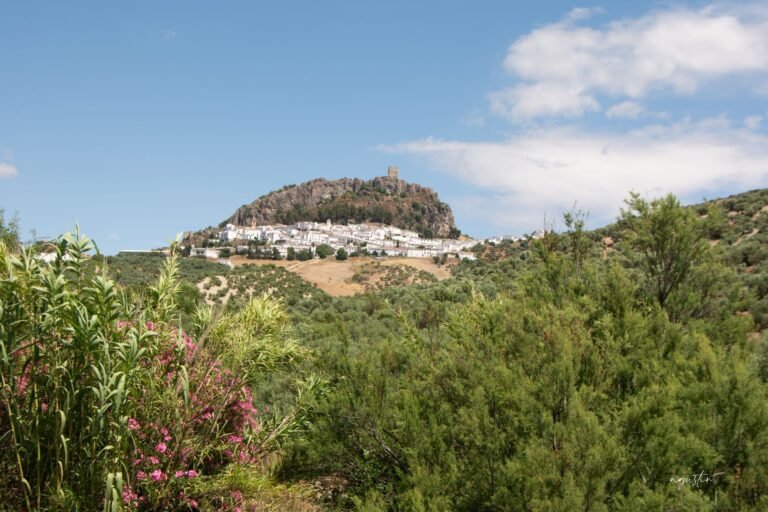
- Las Alpujarras Villages: While not as high in altitude as the main ski resort area, villages like Capileira, Bubión, and Pampaneira in the Poqueira Gorge offer incredibly dark skies due to their isolation and traditional building styles that minimize light spill. If you’re staying in one of these lovely white villages, you can often find fantastic viewing spots just a short walk from your accommodation. The altitude here is typically between 1,200 and 1,500 meters.
No matter which spot you choose, remember that the best viewing usually requires a short walk away from any parked cars or building lights. Always prioritize safety: inform someone of your plans, check weather forecasts, and don’t venture into unfamiliar terrain in the dark.
Timing Your Celestial Show: Best Seasons and Moon Cycles
Timing is everything when it comes to stargazing, especially for those seeking the best stargazing here. You need to consider both the time of year and the lunar cycle to maximize your viewing experience.
Seasons:
- Summer (June-September): This is arguably the prime season. The weather is generally more stable, and nights are warmer, making it more comfortable to spend hours outdoors. Crucially, the core of the Milky Way is visible high in the sky during these months. Access to higher altitudes, like the road towards Pico del Veleta, is also most likely to be open. Temperatures can still drop significantly after sunset, even in August, so layers are essential.
- Spring (April-May) and Autumn (October-November): These shoulder seasons can offer excellent stargazing, but with increased unpredictability in weather. You might encounter clearer skies due to less atmospheric haze than summer, but also more wind, rain, or even early/late snowfall at higher elevations. You’ll need to watch the forecast closely. The advantage is fewer people.
- Winter (December-March): While the Sierra Nevada ski season brings snow, it’s generally not ideal for stargazing unless you’re prepared for extreme cold and have specialized equipment. Snow can reflect ambient light, and accessibility to many high-altitude spots is restricted or requires snowshoes/skis. However, if you’re staying at a ski resort and there’s a break in snowfall with clear skies, you can still catch a glimpse, though perhaps not the full grandeur of the summer sky.
Lunar Cycle:
This is the single most important factor. The moon, especially when full or close to it, acts as a powerful light source, washing out fainter stars and making the Milky Way almost impossible to see.
Aim for nights around the new moon. This period, lasting about a week before and a few days after the new moon, offers the darkest skies. You’ll want to check a moon calendar for your specific dates. A waxing or waning crescent moon low on the horizon can still be a beautiful sight to incorporate into your viewing, but avoid anything more substantial if you’re chasing deep-sky objects.
Essential Gear and Smart Preparations for a Stellar Night
Don’t underestimate the mountain environment, even in summer. Being prepared means the difference between an uncomfortable, short outing and a truly memorable night. Here’s what you’ll need for your stargazing adventure:
Clothing & Comfort:
- Warm Layers: This is non-negotiable. Even if it’s 25°C in Granada during the day, temperatures at 2,500 meters can drop to 5-10°C or lower once the sun sets, especially with wind. Think thermal base layers, a fleece, a windproof and waterproof jacket, warm hat, gloves, and thick socks.
- Sturdy Footwear: You might walk on uneven terrain in the dark. Hiking boots are ideal.
- Blankets or Sleeping Bag: For sitting or lying down comfortably while observing. A camping chair can also be a good idea.
- Thermally Insulated Mug: For hot drinks.
Viewing Equipment (Optional but Recommended):
- Binoculars: A pair of 10×50 binoculars (10x magnification, 50mm objective lens) is an excellent starting point. They are portable, relatively inexpensive (around €50-€150), and will dramatically enhance your view of star clusters, nebulae, and even the Milky Way. You don’t need a telescope to enjoy the night sky.
- Telescope: If you’re serious about deep-sky objects or planetary detail, a portable telescope (e.g., an 8-inch Dobsonian) is fantastic. Expect to pay €300-€1000 for a decent beginner-to-intermediate model. Consider its weight and ease of setup in the dark.
- Star Chart App: Download an app like SkyView Lite, Star Walk 2, or Stellarium Mobile before you go. They use your phone’s GPS to show you what you’re looking at in real-time.
Safety & Navigation:
- Red-Light Headlamp: Crucial! White light ruins your night vision, which takes 20-30 minutes to fully adapt. A red-light headlamp allows you to see without affecting your adaptation or disturbing others. You can buy these for €15-€30.
- Power Bank: Keep your phone charged, especially if using a star chart app.
- First-Aid Kit: Basic supplies for minor cuts or sprains.
- Water & Snacks: Stargazing can be a lengthy activity.
- Emergency Whistle: In case you get separated or need to alert someone.
General Tips:
- Go with Others: Especially if you’re heading to a more remote spot.
- Check the Forecast: Not just for temperature, but for cloud cover and wind speed. Use specific mountain weather forecasts, not just Granada’s.
- Arrive Before Sunset: This allows you to set up your gear and get your bearings in daylight, preventing fumbling around in the dark.
- Leave No Trace: Pack out everything you pack in. Preserve the natural beauty of the Sierra Nevada.
Guided Tours vs. DIY Adventure: Costs and Considerations
Deciding between a guided tour and a do-it-yourself trip is a common dilemma for those seeking the best stargazing here. Both have their merits, depending on your budget, experience level, and desire for convenience.
Guided Tours
Pros:
- Expert Guidance: You’ll have an astronomer or knowledgeable guide who can point out constellations, planets, and deep-sky objects. They often have powerful telescopes.
- Logistics Handled: Transportation from a meeting point (often Granada) is usually included, meaning no driving on dark mountain roads.
- Equipment Provided: Telescopes, binoculars, and even blankets are typically part of the package.
- Educational Experience: Guides share fascinating insights into astronomy and local lore.
- Safety in Numbers: You’re with a group in an unfamiliar, dark environment.
Cons:
- Cost: Generally more expensive than DIY.
- Fixed Schedule: You’re tied to their timings and locations.
- Group Size: Can sometimes be large, limiting individual time with the telescope.
Cost Breakdown (Typical Tour):
A typical guided stargazing tour from Granada will cost between €45 and €90 per person. This usually includes:
- Round-trip transport from a central Granada meeting point.
- Use of high-quality telescopes and binoculars.
- An English-speaking astronomy guide.
- Sometimes, a warm drink or light snack.
- Duration is usually 3-4 hours, including travel time.
You can book a guided tour on Viator to compare options and check availability.
Do-It-Yourself (DIY) Stargazing
Pros:
- Flexibility: Go whenever you want, stay as long as you want, and choose your own spot.
- Cost-Effective: Potentially much cheaper, especially if you already own some gear.
- Intimacy: A private experience with friends or family.
- Skill Development: Learn to identify objects and navigate the sky yourself.
Cons:
- Requires Planning: You need to research locations, weather, moon phases, and ensure you have all necessary gear.
- Self-Reliance: No expert to explain what you’re seeing.
- Driving in the Dark: Mountain roads at night can be challenging.
- Equipment Cost: If you need to buy a telescope or good binoculars, the initial investment can be high.
Cost Breakdown (DIY – Estimated):
The cost for a DIY trip varies wildly depending on whether you’re buying new equipment. Let’s assume you rent a car and have some basic items:
| Item/Service | Estimated Cost (per trip/day) | Notes |
|---|---|---|
| Rental Car (1 day) | €30 – €60 | Excluding fuel; often cheaper for longer rentals. |
| Fuel (round trip Granada-Hoya de la Mora) | €10 – €20 | Depends on car efficiency and current fuel prices. |
| Binoculars (new purchase) | €50 – €150 | One-time purchase, can be reused. |
| Red-light headlamp (new purchase) | €15 – €30 | One-time purchase. |
| Warm clothing/blankets | €0 – €100+ | Assumes you own some; if buying new, costs vary. |
| Food/Drinks | €10 – €20 | For snacks and hot drinks. |
| Total (excluding new major gear) | €50 – €130 | For a single night out for 1-2 people. |
Our Stance: For first-timers or those without their own equipment, a guided tour is absolutely worth the expense. The expertise and convenience make for a far more enriching and stress-free experience. If you’re an experienced amateur astronomer or simply want a more intimate, flexible experience and have your own gear, DIY is the way to go.
Accommodation and Logistics for Your Stargazing Trip
To truly enjoy your celestial escapade, thinking about where you’ll base yourself and how you’ll get around is key. Granada is the most common starting point for Sierra Nevada expeditions, but there are also options closer to the mountains.
Where to Stay:
- Granada: As the largest city at the foot of the Sierra Nevada, Granada offers the widest range of accommodation, from budget hostels to luxury hotels. Staying in Granada means you have access to a huge variety of restaurants for dinner before heading up the mountain, and comfortable amenities upon your return. It’s also a fantastic city to explore during the day. Consider staying near the city center or Albaicín for easy access to tour meeting points or car rental agencies. You can check current hotel prices for Granada for Granada.
- Pradollano (Sierra Nevada Ski Resort): If you want to minimize driving time to the higher stargazing spots, staying in Pradollano is a good option. During summer, many hotels offer reduced rates, and some apartments are available. While the resort itself has some light pollution, you’re just a short drive from the prime viewing areas like Hoya de la Mora. Be aware that dining options might be more limited and pricier than in Granada, especially outside the winter ski season. Expect hotel prices from €60-€150 per night in summer.
- Alpujarras Villages: For a more tranquil and traditional experience, staying in one of the charming Alpujarras villages like Pampaneira, Bubión, or Capileira is an excellent choice. These villages are further from the main stargazing spots above Pradollano (about 1.5-2 hours drive), but they offer incredibly dark skies themselves, making them good alternatives if you prefer to stargaze closer to your accommodation and aren’t focused on the absolute highest altitudes. Rural guesthouses and apartments typically cost €40-€100 per night.
Getting There:
- Rental Car: This is by far the most flexible option for a DIY stargazing trip. You can rent a car from Granada airport (GRX) or from various points within the city. Prices typically start from €30-€60 per day, depending on the season and car type. Having your own vehicle allows you to choose your spot, carry all your gear, and leave whenever you wish.
- Bus (Limited): There is a public bus service from Granada to Pradollano, operated by Tocina. It costs around €5 one-way and takes about an hour. However, the last bus usually departs Pradollano in the late afternoon/early evening, making it unsuitable for returning after a night of stargazing. It might work if you plan to stay overnight in Pradollano.
- Guided Tour Transport: As mentioned, guided tours usually include round-trip transport from Granada, removing all the hassle of driving yourself on unfamiliar mountain roads in the dark.
Planning your food and drinks is also essential. Have a hearty dinner in Granada before you head up, or pack a thermos with hot coffee or tea and some sandwiches to enjoy under the stars. Few, if any, services will be open at the higher altitudes after dark.
FAQ: stargazing here – Common Questions
What is the best time of year for stargazing in Sierra Nevada?
The best time for stargazing in Sierra Nevada is generally from June to September. During these summer months, the weather is more stable, temperatures are milder (though still cool at altitude), and the core of the Milky Way is prominently visible. Always aim for nights around the new moon for the darkest skies.
Do I need a special telescope to see anything in Sierra Nevada?
No, you absolutely do not need a special telescope. While a telescope will show you more detail, even your naked eyes will reveal an astonishing number of stars in Sierra Nevada’s dark skies. A good pair of binoculars (e.g., 10×50) is an excellent and affordable alternative that significantly enhances the viewing experience without the bulk or cost of a telescope.
Is it safe to go stargazing alone in Sierra Nevada?
While many areas are safe, it’s generally not recommended to go completely alone, especially if you’re venturing into more remote or unfamiliar spots. The mountain environment can be unpredictable, and navigating in the dark carries risks. If you do go solo, ensure you inform someone of your exact plans, carry a fully charged phone, and stick to well-known accessible areas. Joining a guided tour offers the safest option.
What is the light pollution like in Sierra Nevada?
Sierra Nevada boasts some of the darkest skies in Europe, making light pollution minimal in most areas, particularly at higher altitudes. The Sierra Nevada National Park is protected, and efforts are made to control artificial light. While the ski resort of Pradollano generates some light, it’s localized, and you only need to drive a short distance away (e.g., towards Hoya de la Mora) to find truly dark conditions. The eastern side, around Puerto de la Ragua, also offers exceptional dark skies.
Planning a trip to Sierra Nevada for stargazing offers an unforgettable experience, combining Spain’s natural beauty with the wonders of the cosmos. Whether you opt for a guided tour or a self-planned adventure, careful preparation regarding timing, gear, and location will ensure you have the best possible views and a safe, enjoyable night under the stars.