
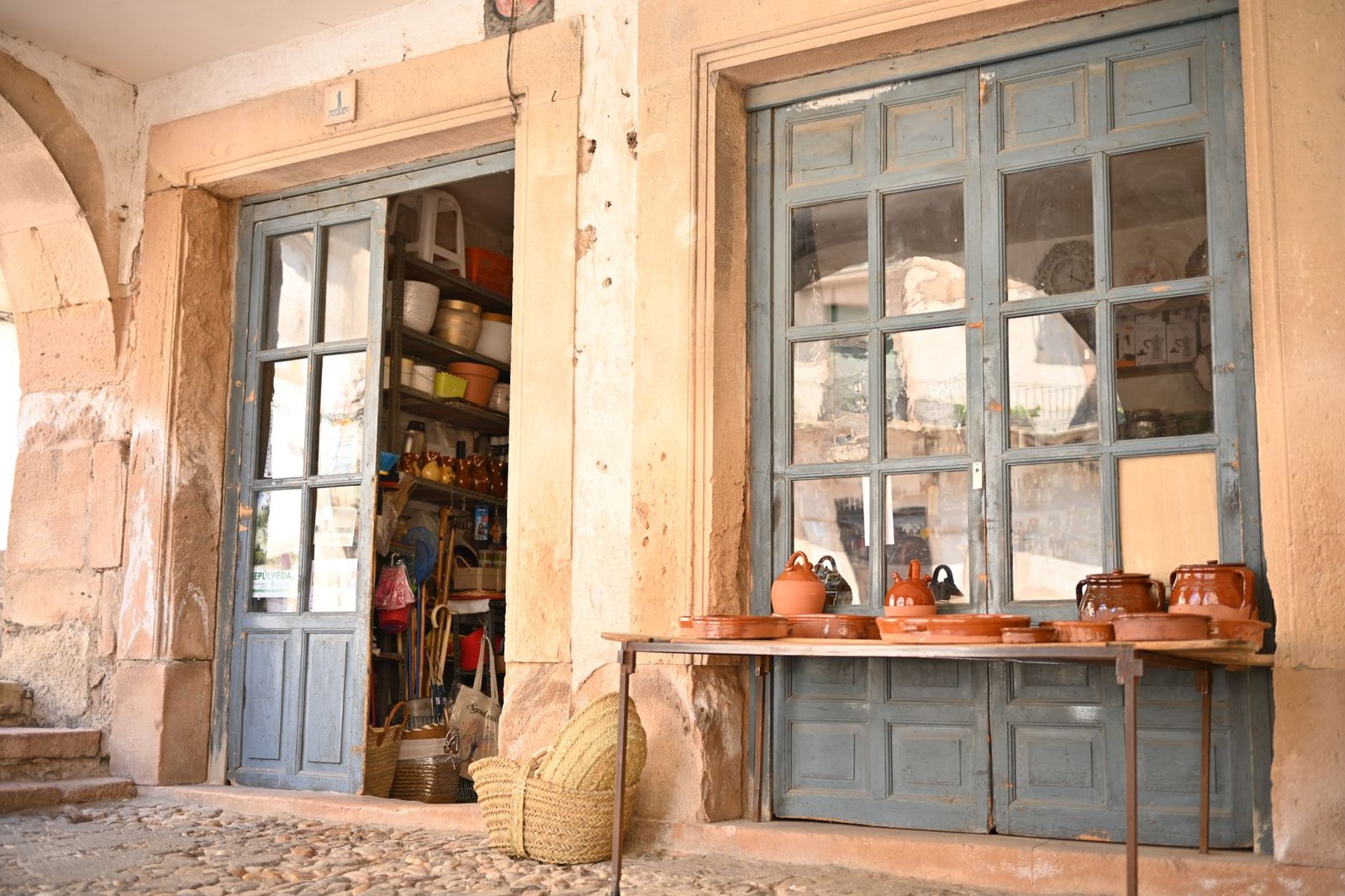
Watching Úbeda’s Potters Work Is Reason Enough to Visit
Some links in this guide are affiliate links — if you book through them we may earn a small commission at no extra cost to you. It never changes what we recommend. Full disclosure.
Exploring the unique world of úbeda pottery workshops is an essential experience for anyone seeking a true connection with Spain’s artisan soul. This isn’t just about making a souvenir; it’s about stepping into centuries of tradition in a UNESCO World Heritage city. The one thing you need to know immediately is that while Úbeda is steeped in ceramic history, many workshops operate on a small scale, so booking your session well in advance – especially if you require an English-speaking instructor – is absolutely crucial to guarantee your spot.
Quick Answer: Úbeda Pottery Workshops
Úbeda pottery workshops offer an authentic, hands-on immersion into the traditional ceramic artistry of Úbeda, Andalusia. You’ll learn ancient techniques like throwing on a potter’s wheel and applying distinctive green and brown glazes, leaving with a deeper appreciation for Spanish craft and often a piece you’ve created yourself.
Why Úbeda is the Heart of Andalusian Pottery
Úbeda, a Renaissance marvel in the Jaén province, holds a special place in the history of Spanish ceramics. For centuries, its clay has been shaped, fired, and glazed by generations of master alfareros (potters), creating a legacy that resonates through every street. This isn’t just any pottery; Úbeda’s tradition is characterized by specific forms, utilitarian purposes, and, most notably, its signature green and brown glazes applied to red earthenware.
The history here dates back to Roman times, but it was during the Moorish period and later the Christian reconquest that Úbeda’s pottery truly began to forge its distinct identity. The clay found in the surrounding lands is particularly suited for this craft, giving the pieces a certain robustness and characteristic earthy tone once fired. When you walk through Úbeda, you’ll notice the abundance of decorative ceramics on buildings and in courtyards, a constant reminder of this deep-seated heritage. It’s not just an industry; it’s part of the city’s identity, passed down through families.
Consider the famous Alfarería Tito, for example. This family-run workshop has been producing ceramics for six generations. Their creations aren’t just decorative; they are functional pieces designed for daily life, from olive oil jars to water pitchers that keep contents cool naturally. When you hold an Úbeda piece, you’re holding a slice of history, a functional art form that has adapted through the ages while retaining its core essence. This deep connection to tradition is what makes a visit here so much more than a simple tourist stop; it’s an encounter with living history. The specific glazes used, often derived from local mineral oxides, contribute to the unique aesthetic that collectors and enthusiasts instantly recognize.
The dedication of these artisans is clear in every piece. They work with the same raw materials and often the same methods as their ancestors. While modern kilns might replace ancient wood-fired ones, the spirit of the craft remains untouched. You’ll see pots drying in the sun, stacks of unglazed bisqueware waiting for their final transformation, and shelves filled with finished items, each telling a story of the hands that shaped it. Úbeda’s pottery isn’t just about aesthetics; it’s about utility, durability, and a profound respect for the earth it comes from. This makes it a fascinating place to delve into the world of ceramics.
Choosing Your Authentic Úbeda Pottery Workshop Experience
When it comes to participating in úbeda pottery workshops, you have a few excellent choices, each offering a slightly different flavour of this ancient craft. What’s consistent across the board is the opportunity to get your hands dirty and create something unique under the guidance of a skilled artisan. Most workshops are geared towards small groups, ensuring personalized attention.
One of the most renowned places to experience this is at Alfarería Tito. Located conveniently within the city, their family has been shaping clay for centuries. They offer practical workshops suitable for beginners. You can expect a session that lasts around 1.5 to 2 hours, focusing on throwing on the potter’s wheel. You’ll be given a lump of clay and patiently guided through the process of centering, opening, and pulling the clay into a basic form like a cup or a small bowl. The cost for a single session typically ranges from €30 to €45 per person, depending on group size and duration. They usually operate Tuesday to Saturday, with morning sessions from 10:00 to 13:00 and afternoon sessions from 17:00 to 19:30, but always call ahead to confirm and book. Their workshop is at Calle Valencia, 34, 23400 Úbeda.
Another excellent option is Alfarería Francisco Martínez. While perhaps less internationally known than Tito, Francisco Martínez offers an equally authentic experience, often with a focus on traditional hand-building techniques in addition to wheel work. His studio is smaller, offering an even more intimate setting. Prices are comparable, around €35-€50 for a 2-hour session. Finding his workshop might require a little more navigation through the older parts of Úbeda, so check maps carefully or ask locals for directions to Calle de la Cava, 10. Booking directly by phone or email is the best approach for both of these, as English-speaking availability can vary.
It’s important to set your expectations regarding the finished piece. In a standard 2-hour session, you’ll create one or two pieces. These will need to dry for several days, then be bisque-fired, glazed, and fired again – a process that takes at least two to three weeks. You won’t be taking your creation home that day. Most workshops offer shipping services, which incur an additional cost, usually starting from €20-€30 for national shipping, more for international, depending on the weight and fragility. Alternatively, you can arrange to pick up your finished piece on a subsequent visit if you’re staying in the area for an extended period.
Consider what you want from the experience. If you’re looking for a quick, fun introduction, a taster session at Tito’s is perfect. If you prefer a deeper dive and perhaps experimenting with different techniques or longer sessions over several days, discuss this when booking. Some artisans are open to arranging custom, multi-day workshops for dedicated learners, but these come at a higher cost and require significant advance planning. For instance, a full-day intensive might cost €150-€200 per person and cover multiple stages of the pottery process.
What to Expect: From Clay to Creation in Úbeda
Stepping into an Úbeda pottery workshop, you might feel a mix of excitement and trepidation, especially if you’ve never touched a potter’s wheel before. Don’t worry; the beauty of these sessions is that they cater to all skill levels. You absolutely don’t need any prior experience. Your instructor, often a master potter with decades of experience, will guide you through every single step with patience and clear instruction.
First things first, wear comfortable clothes you don’t mind getting a little dusty or damp. While aprons are always provided, clay has a way of finding its way onto everything. You’ll likely start with a lump of clay, which needs to be “wedged” – a process similar to kneading dough – to remove air bubbles and achieve a consistent texture. This is a crucial, often underestimated, step.
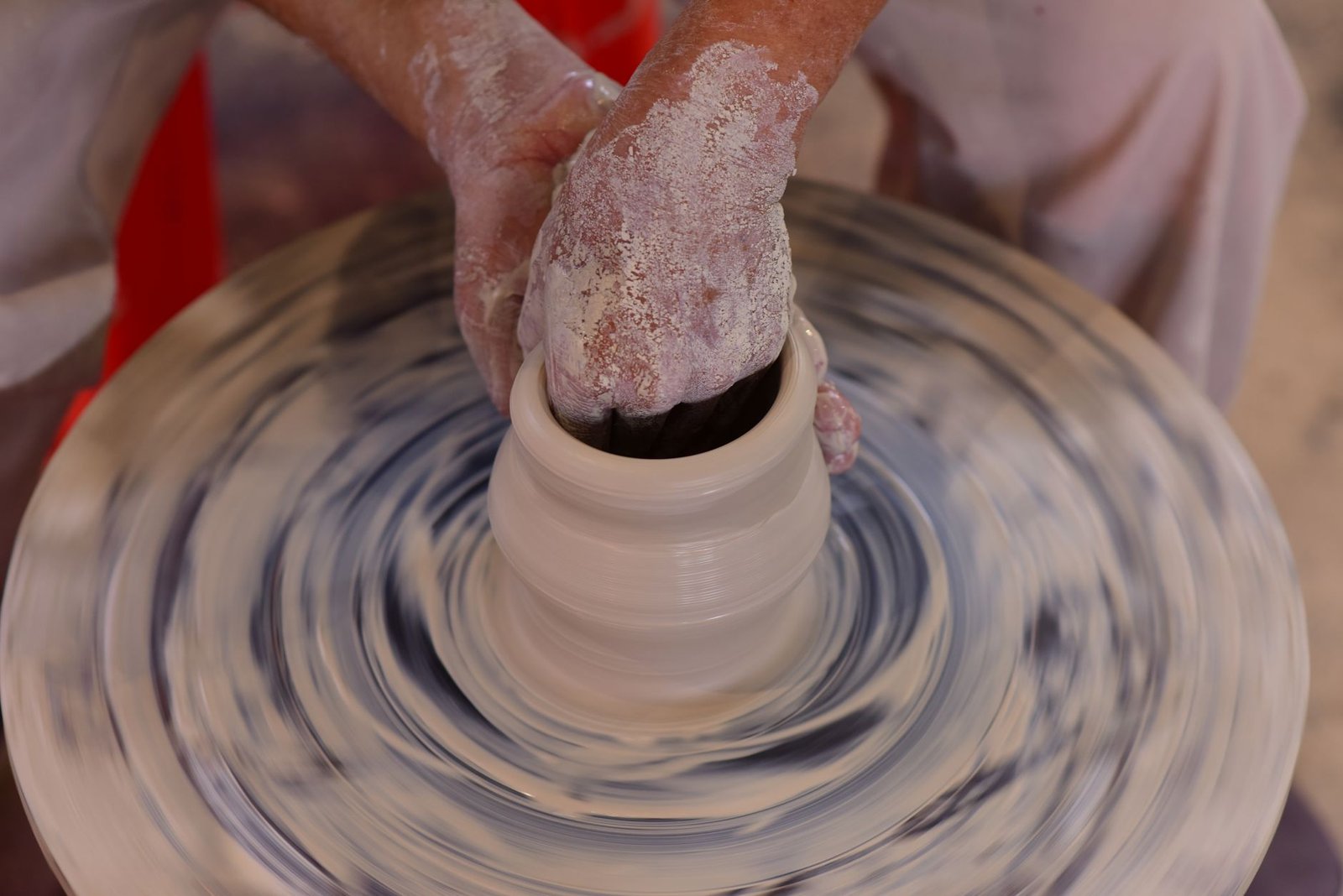
Then comes the moment everyone looks forward to: the potter’s wheel. Your instructor will demonstrate how to center the clay, which is arguably the trickiest part for beginners. It involves using your body weight and hands to stabilize the spinning clay on the wheel head. Once centered, you’ll learn how to “open” the clay to create the base of your pot, and then how to “pull” the walls upwards, gradually shaping your piece. It’s a surprisingly meditative process, and you’ll quickly realize why potters describe it as therapeutic. Expect to make a few wobbly attempts; that’s part of the learning curve and part of the fun.
Here’s a typical progression for a beginner’s workshop:
- **Introduction & Wedging:** Learn about the local clay and prepare it for throwing.
- **Demonstration:** The master potter shows the basics of centering and shaping on the wheel.
- **Hands-on Throwing:** Your turn! With guidance, you’ll attempt to create a simple form like a bowl or mug. Expect plenty of assistance.
- **Trimming (Optional/Advanced):** If time permits or in longer sessions, you might learn how to refine the foot of your pot once it’s leather-hard.
- **Glaze Discussion:** While you won’t glaze your piece immediately, the potter will explain the traditional Úbeda glazes and how your piece will be finished.
- **Finishing & Firing Explanation:** Understand the drying, bisque firing, glazing, and final firing process.
One honest tip: your first piece might not be perfect. It might be uneven, a bit lopsided, or collapse entirely. Embrace it! The goal is the experience of creation, not necessarily to produce a masterpiece on your first try. The joy comes from the tactile connection to the material and the patient guidance of your teacher. It’s also an exercise in letting go; the clay dictates as much as you do. The downside is the waiting period for your finished piece, which can feel like an eternity, but it’s all part of the process.
Beyond the Wheel: Úbeda’s Ceramic Heritage and Shopping
While spending time at úbeda pottery workshops is an absolute must, your exploration of Úbeda’s ceramic world shouldn’t end there. The city itself is a living museum of this tradition, and understanding its heritage enriches the workshop experience significantly. Take time to wander the streets, where you’ll spot ceramics integrated into the architecture – decorative tiles, house numbers, and water features. These aren’t just for show; they’re a testament to how deeply pottery is woven into the city’s fabric.
For a deeper dive, consider visiting the Museo de Alfarería Paco Tito. Yes, it’s related to the Alfarería Tito workshop, but this museum (located at Calle San Juan de la Cruz, 36) provides an extensive collection of historical Úbeda pottery, tools, and explanations of the traditional production process. It’s a fantastic way to see the evolution of the craft and appreciate the skill involved in the pieces you’ll be attempting to create. Entry is typically around €3-€5, and opening hours are usually 10:00-14:00 and 17:00-20:00 (closed Sundays and Monday mornings), but verify before you go.
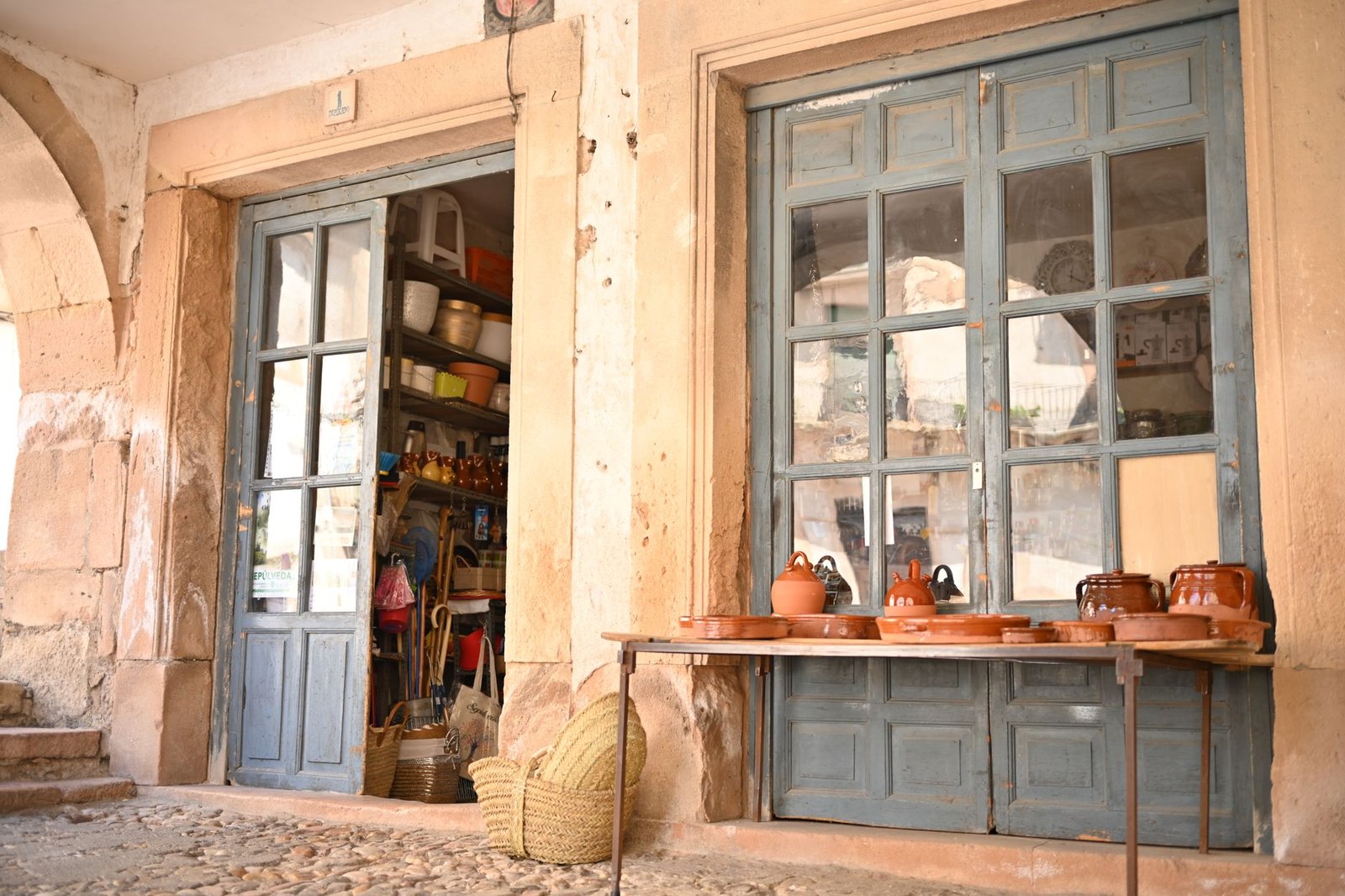
When it comes to buying authentic Úbeda pottery, you’re spoiled for choice. The key is to look for the distinctive green and brown glazes, robust forms, and often the artisan’s signature or workshop stamp on the base. Shops like Alfarería Tito itself (they have a retail space alongside the workshop) and Alfarería Francisco Martínez offer a wide range of products, from small decorative items to large, functional pieces like olive oil amphoras. Prices vary widely:
- Small decorative tiles: €5 – €15
- Mugs/small bowls: €15 – €30
- Medium-sized pitchers/jars: €40 – €80
- Large olive oil jars/amphoras: €150 – €500+ (depending on size and intricacy)
You’ll also find smaller, independent pottery shops scattered throughout the old town. Don’t be afraid to poke your head into them. The artisans are usually happy to talk about their work, even if your Spanish isn’t perfect. Always ask if they can ship internationally if you plan to buy larger, fragile items. Many workshops are well-versed in packing ceramics for safe transit, though this will add to your overall cost. You might find it useful to plan your Andalusian journey around cities with strong artisan traditions; for more ideas on regional exploration, you can check out our 7 days Andalusia car itinerary.
Practical Tips for Your Úbeda Pottery Adventure
Planning your trip to Úbeda to fully experience its pottery scene requires a bit of forethought. The best time to visit Úbeda is during the spring (April-May) or autumn (September-October). The weather is pleasant, ideal for exploring the city’s outdoor attractions and workshops without the intense heat of summer or the chill of winter. Summer (July-August) can be extremely hot, with temperatures often exceeding 35-40°C, which can make midday exploration uncomfortable, and some smaller businesses may operate shorter hours or close for siesta.
Getting to Úbeda is relatively straightforward. If you’re driving, it’s about a 1.5-hour drive from Granada, 2 hours from Cordoba, or 3.5 hours from Seville. The roads are generally well-maintained. Alternatively, you can take a bus; Úbeda has good connections with major Andalusian cities. For example, a bus from Jaén takes about 45 minutes and costs around €4-€6. A bus from Granada can take 2-2.5 hours and cost €10-€15. Once in Úbeda, the historic center is very walkable, and most pottery workshops are within easy reach.
For accommodation, Úbeda offers a range of options, from likeable boutique hotels in renovated Renaissance buildings to more budget-friendly guesthouses. I recommend staying within or very close to the historic center for convenience. Prices for a decent double room can range from €60-€150 per night. Consider places like Parador de Úbeda for a splurge or Hotel Álvar Fáñez for a comfortable, mid-range stay. You can compare hotel prices on Booking.com to find the best fit for your budget and preferences.
Budgeting for your pottery adventure:
| Item | Estimated Cost (EUR) | Notes |
|---|---|---|
| Pottery Workshop (2 hours) | €30 – €50 | Per person, includes materials & instruction |
| Shipping your finished piece | €20 – €50+ | Domestic vs. international, size/weight |
| Museum entry (e.g., Paco Tito) | €3 – €5 | Worthwhile for context |
| Small pottery purchase | €10 – €50 | Souvenirs, decorative items |
| Food (per day) | €30 – €60 | Local restaurants, tapas |
| Accommodation (per night) | €60 – €150 | Double room, varies by season |
Beyond pottery, Úbeda offers incredible Renaissance architecture, like the Capilla del Salvador and Palacio de Jabalquinto. Combine your workshop experience with a stroll through the old town, enjoy local Jaén olive oil (it’s the world’s capital!), and savor some authentic Andalusian cuisine. Úbeda is often visited alongside its twin city, Baeza, just 8 km away, which shares the UNESCO World Heritage status and a similar architectural style. You could easily spend a rewarding couple of days immersing yourself in this culturally rich region. For a deeper understanding of planning your Spanish travels, be sure to check out our our Spain travel blog for more advice.
Here are some final practical tips:
- **Book Ahead:** Cannot stress this enough for workshops, especially if you need an English speaker. Call or email weeks in advance.
- **Cash is King:** While many places accept cards, smaller artisan shops or cafes might prefer cash, so always carry some euros.
- **Siesta Hours:** Be aware that many shops and even some smaller workshops close for a few hours in the afternoon (typically 14:00-17:00), especially outside of peak tourist season. Plan your day accordingly.
- **Comfortable Shoes:** Úbeda’s streets are often cobbled and hilly, so good walking shoes are essential.
- **Language:** Basic Spanish phrases will go a long way, especially in smaller, family-run establishments, though many in the tourism sector have some English.
- **Explore Beyond Pottery:** Don’t forget Úbeda’s incredible Renaissance architecture and the delicious local food, especially anything made with olive oil.
FAQ: Authentic Úbeda pottery workshops – Common Questions
How long do Úbeda pottery workshops usually last?
Most introductory Úbeda pottery workshops typically last between 1.5 to 2.5 hours. This duration allows enough time for an introduction to the clay, a demonstration of basic techniques, and hands-on practice on the potter’s wheel, often resulting in one or two finished pieces ready for firing.
Do I need prior experience for an Úbeda pottery workshop?
Absolutely not. Úbeda pottery workshops are generally designed for all skill levels, from complete beginners to those with some experience. Instructors are highly skilled and patient, providing step-by-step guidance to ensure everyone can create something unique.
Can I take my finished pottery piece home immediately?
No, you cannot. Pottery requires a significant drying period (several days) and at least two firing processes (bisque firing and glaze firing), which can take two to three weeks to complete. Most workshops offer shipping services for an additional fee, or you can arrange to pick up your piece on a later visit.
What’s the typical cost of an Úbeda pottery workshop?
The cost for an individual Úbeda pottery workshop session usually ranges from €30 to €50 per person for a 1.5 to 2.5-hour experience. Prices can vary based on the specific workshop, group size, and any additional services like shipping your finished piece.
For another town where the craft is the whole point of the visit, Caceres’ old town rewards slow, aimless wandering just as much as Ubeda does.
Your journey into the world of Úbeda’s pottery tradition is an opportunity to connect with Andalusian culture on a deeply personal level. By getting your hands on the clay and learning from generations of artisans, you’re not just observing; you’re participating in a living craft that defines a significant part of this incredible region. Remember to plan ahead and embrace the hands-on process, and you’ll leave Úbeda with far more than just a souvenir. For planning your broader travels in the south of Spain, you might find our Granada and Cordoba itinerary useful.