Wander the El Torcal Antequera hiking trails, Spain’s stone garden
Some links in this guide are affiliate links — if you book through them we may earn a small commission at no extra cost to you. It never changes what we recommend. Full disclosure.
Spain isn’t just flamenco, sun-drenched beaches, or ancient Moorish palaces, though those are indeed fundamental parts of its soul. Step off the well-trodden path and you’ll discover landscapes so utterly unique they feel like they belong on another planet. One such place, where geology has sculpted an entire world of its own, is home to the El Torcal Antequera hiking trails, a truly astonishing natural park that redefines what you might expect from Andalucía. Most visitors come for the coast or the historic cities, but the reality is Spain’s interior holds some of its most dramatic and visually arresting secrets, and El Torcal de Antequera is high on that list. This guide will take you through everything you need to know to experience this incredible stone garden, from choosing the right path to preparing for your trek and understanding the ancient forces that shaped it.
This article contains affiliate links. If you book through one, Spain Destination may earn a small commission at no extra cost to you. See the full affiliate disclosure →
Quick Answer: El Torcal de Antequera Hiking
El Torcal de Antequera offers a truly unique hiking experience through a dramatic karst landscape in Andalucía, characterized by bizarrely stacked limestone formations. It’s an accessible natural park with well-marked trails of varying difficulty, from short, easy walks suitable for families to more challenging routes for experienced trekkers, all free to enter and explore. The town below the park is also the home of the mollete, and a proper Antequera mollete breakfast is the right way to start a hiking day.
What Exactly Is El Torcal de Antequera? The Geology and the Wonder
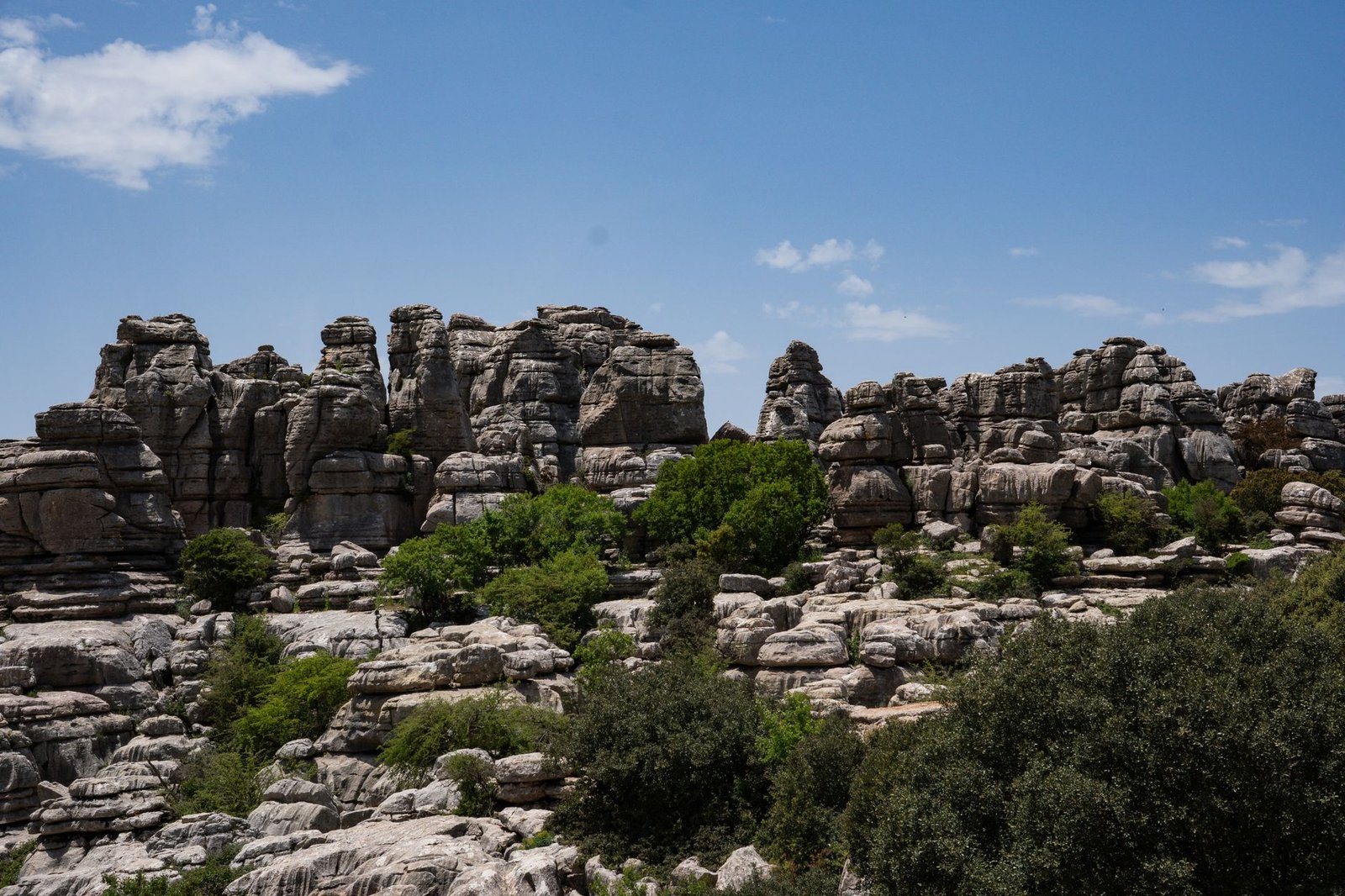
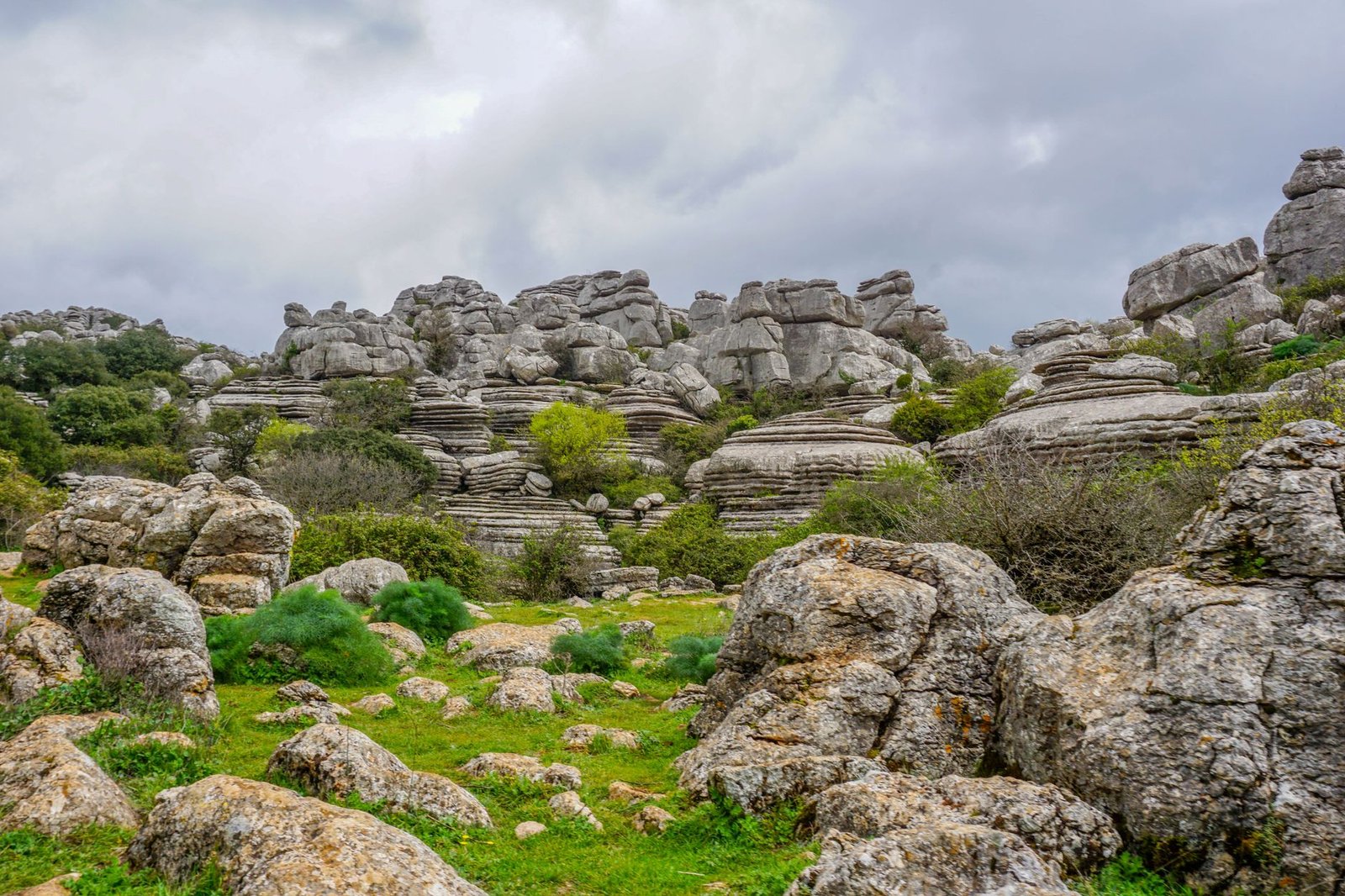
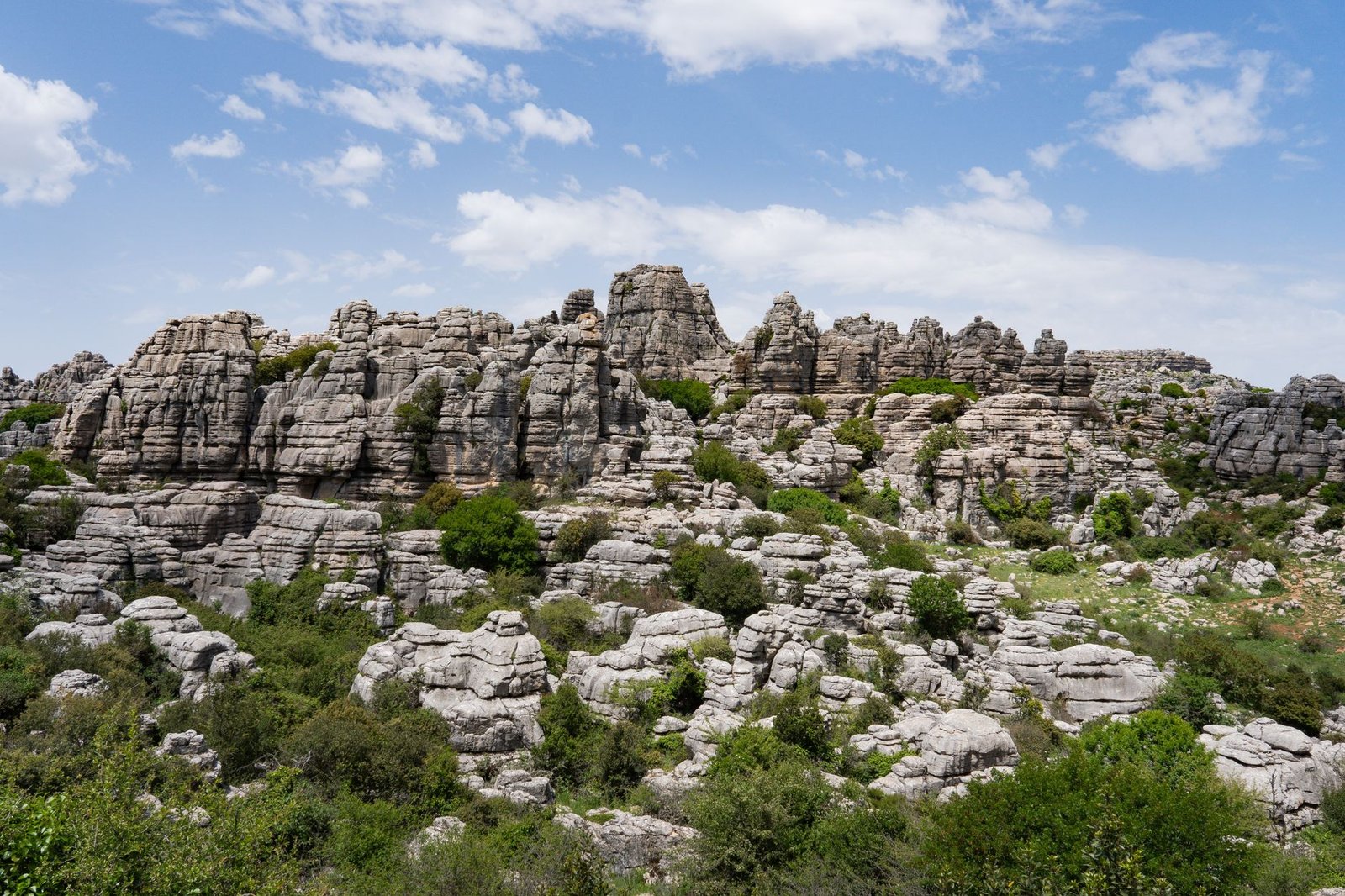
Imagine a landscape where giant pancakes of rock have been meticulously stacked, balanced, and eroded into gravity-defying sculptures by millions of years of wind and water. That’s El Torcal de Antequera. It’s not just a collection of oddly shaped stones; it’s a living, breathing geological museum, recognised as a UNESCO World Heritage site since 2016 for its exceptional karst formations. Located just south of the town of Antequera, in the province of Málaga, this natural park sits at an altitude of 1,200 to 1,300 meters, offering panoramic views that stretch out to the Mediterranean on clear days.
The story of El Torcal began approximately 200 million years ago, during the Jurassic period, when this entire area was submerged beneath the Tethys Ocean. Layers upon layers of marine sediments, primarily limestone, accumulated on the seabed. Over time, these sediments solidified into rock. Fast forward about 20 million years, and the collision of the African and Eurasian tectonic plates caused the seabed to buckle, fold, and slowly rise, creating the mountain ranges we see today. The limestone, being relatively soft, then became exposed to the elements: rain, wind, and ice. Water, slightly acidic from atmospheric carbon dioxide, seeped into cracks and fissures, slowly dissolving the rock and carving out the incredible, organic shapes you see now.
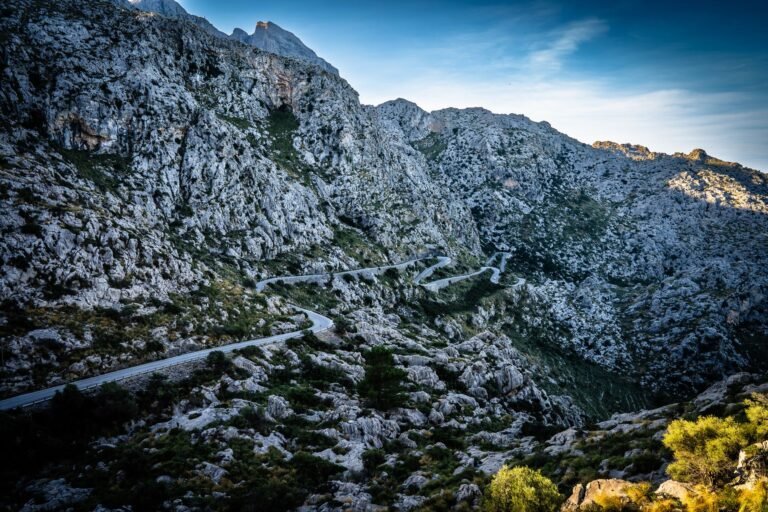
What makes El Torcal so visually striking is the vertical jointing in the limestone. This distinct pattern, combined with the horizontal bedding planes, allowed the erosion to create towers, columns, and mushroom-shaped rocks that look like they’ve been deliberately crafted by an abstract artist. You’ll walk through narrow corridors, past massive stone ‘donuts’, and along ledges overlooking surreal stone valleys. It truly feels like stepping onto another planet. Unlike the smooth, sculpted caves you might find elsewhere, El Torcal presents its geology on a grand, exposed scale, showcasing the raw power of nature’s patient artistry. It’s a place that asks you to slow down, observe, and truly feel the immense passage of time embedded in every rock.
Choosing Your Path: The Main Hiking Trails in El Torcal
El Torcal Natural Park offers three main marked trails, each designed to give you a different perspective and challenge. All trails start and end at the Visitor Center (Centro de Visitantes de El Torcal), ensuring you won’t get lost if you stick to the marked routes. Each path is clearly indicated by colour-coded signage and posts, making navigation straightforward even for first-time visitors.
Here’s a breakdown to help you choose the best route for your group and fitness level:
| Trail Name | Colour | Length (approx.) | Estimated Time | Difficulty | Key Features & Tips |
|---|---|---|---|---|---|
| The Green Route | Green | 1.5 km | 45 minutes – 1 hour | Easy | A gentle, circular walk perfect for families with young children or those with limited mobility. It offers a good introduction to El Torcal’s unique formations without demanding too much effort. You’ll see some iconic rock shapes and enjoy easy-going paths. |
| The Yellow Route | Yellow | 2.7 km | 1.5 – 2 hours | Moderate | This is the most popular route, and for good reason. It builds on the Green Route, extending into deeper, more dramatic sections of the park. It includes a visit to the “Las Ventanillas” viewpoint, offering sweeping vistas of the formations and, on clear days, the Mediterranean Sea. Some sections involve uneven terrain, minor ascents, and descents, but it’s manageable for anyone with average fitness. Worth the extra effort for the views. |
| The Red Route | Red | 4.5 km | 3 – 4 hours | High Moderate / Challenging | For the more experienced hiker, this route takes you to the highest point of El Torcal, El Camorro de las Siete Mesas (1,339m), offering unparalleled panoramic views. It encompasses elements of both the Green and Yellow routes but ventures much further into the wilderness. Expect significant ascents and descents, rocky and potentially slippery terrain, and it requires good physical condition and proper hiking boots. Check weather conditions before attempting this one. |
When you arrive, assess the weather and your group’s capabilities. If you’re unsure, start with the Green Route. It’s a rewarding experience in itself and gives you a taste of the landscape. The Yellow Route is a definite step up in terms of physical engagement but rewards you with even more stunning perspectives and a greater sense of immersion in the stone labyrinth. The Red Route is a proper trek; do not underestimate its length and terrain. Whichever path you choose, stay on the marked trail. The formations can be disorienting, and venturing off-path is not only dangerous but also damaging to the fragile ecosystem.
Gear required is simple: sturdy shoes with good grip are non-negotiable, even for the Green Route, as paths can be uneven and rocky. Bring a small backpack with water and a snack, especially for the Yellow and Red routes. Layered clothing is always a smart choice, as mountain weather can change quickly, even on sunny days.
Essential Logistics for Your El Torcal Adventure
Planning is key to making the most of your visit to El Torcal. While the park itself is a natural wonder, knowing the practical details will ensure a smooth and enjoyable trip.
Getting There:
The most convenient way to reach El Torcal de Antequera is by car. The park is located about 13 km south of Antequera town. Follow signs for ‘Parque Natural El Torcal’.
- Car Parking: There are two car parks. A lower car park (Parking de El Torcal) at the base of the access road is free. During peak times (weekends, holidays, summer), the road to the upper car park (Parking Centro de Visitantes) is often closed to private vehicles once it’s full. If this happens, you’ll have to park at the lower lot and take the shuttle bus.
- Shuttle Bus: The shuttle operates frequently when the upper car park is closed, running from the lower car park directly to the Visitor Center. The cost for the shuttle is typically around €2 per person return. It’s an efficient service, so don’t be deterred if you have to use it.
- Public Transport: Direct public transport to El Torcal is very limited. You would need to get to Antequera by bus or train and then take a taxi, which can be expensive (around €20-€25 each way from Antequera train station or bus terminal). A guided tour can be a good option if you prefer not to drive; you can book a guided tour on Viator to handle transportation and interpretation.
Best Time to Visit:
El Torcal is open year-round, but certain times offer a better experience:
- Seasons:
- Spring (March-May) and Autumn (September-November): These are ideal. The weather is generally mild and pleasant for hiking, and the landscape is often green with wildflowers in spring. Temperatures usually range from 15°C to 25°C.
- Winter (December-February): Can be cold, especially in the mornings, and fog is common, which can add a mysterious atmosphere but also reduce visibility. Snowfall is possible, transforming the rocks into a truly unique sight, but trails can be icy and challenging. Pack warm layers!
- Summer (June-August): Very hot. Temperatures often exceed 30°C. If you visit in summer, go early in the morning (before 10:00) or late in the afternoon (after 18:00) to avoid the midday sun. Bring plenty of water.
- Time of Day: Early morning or late afternoon often provide the best light for photography, with long shadows highlighting the rock formations. Weekdays are generally less crowded than weekends and public holidays.
Visitor Center and Facilities:
The Centro de Visitantes de El Torcal is open daily. Hours vary slightly by season, but generally:
- Summer (June 15 – September 15): 10:00 – 19:00
- Winter (September 16 – June 14): 10:00 – 17:00 or 18:00 (check their official website for exact seasonal changes).
The Visitor Center offers interpretive displays about the park’s geology, flora, and fauna, a small gift shop, restrooms, and a cafeteria. The cafeteria serves snacks, sandwiches, coffee, and soft drinks at reasonable prices (e.g., coffee €1.50, sandwich €4-€6). There are no other food or drink facilities once you are on the trails, so stock up on water and snacks here if you haven’t brought your own.
Costs:
Entry to El Torcal Natural Park and its hiking trails is completely free. The only costs you might encounter are for parking (if the upper lot charges on busy days, usually around €3) or the shuttle bus (€2 return), or anything you purchase at the cafeteria or gift shop.
Beyond El Torcal Antequera Hiking Trails: What Else to See and Do in El Torcal
While the hiking trails are the main draw, El Torcal offers a few other elements that enrich your visit, showcasing its diverse natural and scientific significance. It’s worth planning a little extra time to explore these aspects.
The Astronomical Observatory:
Given its high altitude and relative lack of light pollution, El Torcal is an excellent spot for stargazing. The El Torcal Astronomical Observatory (Observatorio Astronómico de El Torcal) is located near the Visitor Center and holds regular public viewing sessions. These sessions are usually held on Friday or Saturday evenings and must be booked in advance directly through the observatory’s website or the Visitor Center. They often include a presentation, guided stargazing, and telescope viewing. Prices typically range from €15-€20 per person, varying by the type of activity. It’s an unforgettable experience to see the stars from such a vantage point, especially after witnessing the ancient rock formations in daylight.
Photography Opportunities:
This landscape is a photographer’s dream. The best light for capturing the textures and shadows of the rock formations is usually early morning or late afternoon, when the sun is lower. Look for unique angles, frame distant mountains through natural rock windows, and capture the contrast between the rough stone and any small plants or animals. Foggy days, though they obscure distant views, can create an incredibly atmospheric and surreal backdrop for close-up shots of the rocks. Don’t forget to look down too; the ground cover and smaller formations are just as interesting.
Wildlife Spotting:
El Torcal is not just about rocks; it’s a living ecosystem. The most common large mammal you’re likely to see is the Iberian ibex (cabra montesa). These agile mountain goats are incredibly well adapted to the rocky terrain and can often be spotted scaling seemingly impossible slopes. Keep an eye out for them, especially in quieter areas and during the cooler parts of the day. Bird watchers might spot griffon vultures circling overhead, as well as various eagles and other raptors that nest in the cliffs. Smaller animals like foxes, badgers, and various reptiles also inhabit the park, though they are more elusive. Remember to observe all wildlife from a respectful distance and never disturb them.
Combining with Antequera Town:
Since El Torcal is so close, it makes perfect sense to combine your hiking trip with a visit to the historic town of Antequera. Antequera itself is a treasure trove of history, known for its megalithic dolmens (also a UNESCO site), its Moorish Alcazaba, and numerous Baroque churches. You could spend a full day exploring the town’s charming streets, visiting the Colegiata de Santa María la Mayor, and enjoying local gastronomy. A morning hike in El Torcal followed by an afternoon in Antequera provides a wonderful balance of natural beauty and cultural immersion. To make the most of your stay in the region, you can check current hotel prices for Antequera and find a place that suits your travel style.
Staying Safe and Respectful in El Torcal
Visiting a natural park like El Torcal means you’re entering a wild environment that requires respect and a degree of preparedness. While generally safe, taking simple precautions will ensure a positive experience for everyone.
Safety Considerations:
- Stay on Marked Trails: This is the most important rule. The karst landscape, with its deep fissures, sinkholes, and confusing rock formations, can be disorienting. Venturing off-path can lead to getting lost or even serious injury from falls. The trails are clearly marked with posts and painted symbols; follow them diligently.
- Footwear: We’ve mentioned it before, but it bears repeating: sturdy hiking boots or shoes with excellent grip are essential. The terrain is rocky, uneven, and can be very slippery, especially after rain or when dew is present in the mornings. Sandals or fashion sneakers are a recipe for discomfort or injury.
- Weather Awareness: Mountain weather can change rapidly. A sunny morning can turn into a cloudy, windy, or even rainy afternoon. Always check the forecast before you go, and pack layers of clothing. In summer, dehydration and sunstroke are risks, so carry plenty of water and wear sun protection (hat, sunscreen). In winter, hypothermia can be a concern if you’re not properly dressed for cold and wind.
- Hydration and Snacks: Bring enough water, especially for the Yellow and Red routes. A small snack can also be invaluable for energy, particularly if your hike takes longer than expected.
- Emergency Contacts: While the Visitor Center is staffed, carrying a fully charged phone is always wise. The general emergency number in Spain is 112. Make sure someone knows your hiking plans.
Environmental Responsibility:
El Torcal is a protected natural park, and it’s our collective responsibility to help preserve it. This means adhering to a “leave no trace” philosophy:
- Pack It In, Pack It Out: Whatever you bring into the park, take it back out with you. This includes all litter, food wrappers, and fruit peels. There are bins at the Visitor Center.
- Respect Wildlife: Do not feed or approach wild animals. Observe them from a distance. Disturbing their natural habitats can stress them and alter their behaviour.
- Protect the Flora: Do not pick wildflowers or collect rocks. Every element of the park contributes to its unique ecosystem.
- Keep Noise Levels Down: Enjoy the natural sounds of the park and avoid loud conversations or music that could disturb wildlife or other visitors.
While El Torcal is usually not excessively crowded, peak times (especially weekends around midday) can see more visitors. Patience is a virtue on narrow sections of the trail, and a friendly “¡Hola!” goes a long way. By being prepared and considerate, you ensure that El Torcal remains a remarkable natural sanctuary for everyone to enjoy, now and in the future.
FAQ: Wander the El Torcal Antequera hiking trails, Spain’s stone garden – Common Questions
Is El Torcal difficult for hiking?
The difficulty of hiking in El Torcal de Antequera depends on the trail you choose. The Green Route (1.5 km) is easy and suitable for all ages and fitness levels. The Yellow Route (2.7 km) is moderate, involving some uneven terrain and slight inclines, but is manageable for most people with average fitness. The Red Route (4.5 km) is considered high moderate to challenging, with significant ascents and descents over rocky ground, requiring good physical condition and proper footwear.
Do I need a guide for El Torcal?
No, you do not need a guide for the main marked hiking trails (Green, Yellow, Red) in El Torcal. The paths are very well signposted and colour-coded, making them easy to follow independently. However, guided tours are available, often offered by the Visitor Center or private companies, which can provide deeper insights into the geology, flora, and fauna of the park. These guided options are particularly useful for those who prefer not to drive or want a more in-depth experience.
Is there an entrance fee for El Torcal?
No, there is no entrance fee to access El Torcal Natural Park or its hiking trails. It is completely free to enter and explore. The only potential costs might be for parking (if the upper car park charges on busy days, usually around €3) or for the shuttle bus service (approximately €2 return) that operates from the lower car park when the upper one is full. Any purchases at the Visitor Center’s shop or cafeteria are also extra.
Can children hike in El Torcal?
Yes, children can absolutely hike in El Torcal, especially on the Green Route. This easy 1.5 km trail is flat and short, making it perfect for families with younger children or even strollers (though some sections can be a bit bumpy). Older children who are active and used to walking will enjoy the Yellow Route, which offers more exploration and varied terrain, but ensures they have sturdy shoes. The Red Route is generally too long and challenging for most children and is best reserved for experienced young hikers.
El Torcal de Antequera is far more than just a place to walk; it’s an opportunity to connect with the ancient forces that shaped our planet, to marvel at nature’s artistry, and to find a profound sense of peace among the towering stone giants. Whether you spend an hour on the easy Green Route or embark on a multi-hour trek along the Yellow or Red trails, you’ll leave with memories of a truly distinct Spanish landscape that few get to experience. It’s a compelling reminder that Spain’s beauty extends far beyond its more famous attractions, inviting you to discover its wild, untamed heart. If you’re looking to delve deeper into Spain’s rich offerings and varied landscapes, consider exploring other regions like the historic streets and stunning panoramas found in Arcos De La Frontera Sunset Views.
About El Torcal Antequera Hiking Trails
This guide is part of Spain Destination’s library of Spain travel and lifestyle content, written with AI assistance and checked against official sources where possible. See how this site is researched and fact-checked →