Arcos de la Frontera: A Self-Guided Day Trip
Some links in this guide are affiliate links — if you book through them we may earn a small commission at no extra cost to you. It never changes what we recommend. Full disclosure.
Embarking on an arcos de la frontera self-guided day trip is a popular choice for visitors to Andalusia, and for good reason. What you need to know immediately is this: Arcos offers some of the most dramatic clifftop views and a truly authentic white village experience, but you absolutely must be prepared for steep, cobbled streets and potentially tricky parking. This isn’t a place for flip-flops or anyone with significant mobility issues, but for those ready for a physical climb, it delivers an unforgettable slice of Spanish life, high above the Guadalete River.
Quick Answer: Is Arcos de la Frontera worth a day trip?
Yes, Arcos de la Frontera is unequivocally worth a day trip for its stunning panoramic views, rich history, and the genuine atmosphere of a traditional ‘pueblo blanco’. While navigating its narrow, inclined streets and finding convenient parking requires some planning, the rewards of exploring its historic core and enjoying the dramatic scenery far outweigh these minor logistical challenges.
Your Arrival: Navigating to Arcos de la Frontera
Getting to Arcos de la Frontera requires a little foresight, primarily concerning your mode of transport and, crucially, where you’ll leave your vehicle. The town is situated about 65 kilometres northeast of Cádiz, 90 kilometres south of Seville, and 30 kilometres east of Jerez de la Frontera, making it a convenient stop on any 7 days Andalusia by car itinerary.
If you’re driving, which is often the most flexible option for a self-guided trip, be aware that the final ascent into the old town (el casco antiguo) is steep and the streets are very narrow. Parking directly within the historic centre is practically impossible and often restricted to residents. Don’t even try it; you’ll get frustrated and might damage your car. Your best bet is to aim for designated parking areas just outside the immediate old town.
The most convenient, albeit paid, option is the underground Parking Arcos de la Frontera, located on Calle Muñoz Vázquez, near the modern town and a short walk from the old town entrance. It’s well-signposted as you approach. Expect to pay around €2.50 to €3.00 per hour, or a daily maximum of approximately €18.00 to €22.00. It’s clean, secure, and saves a lot of hassle. If you arrive early, say before 10:00, you’ll find plenty of spaces. Midday can get busy, especially on weekends.
For those looking to save money, there are some free parking areas further down in the newer part of Arcos, such as along Avenida Duque de Nájera or near the bus station. From these spots, you’re looking at a 15 to 25-minute uphill walk to reach the Plaza del Cabildo. If you choose this, make sure your shoes are up to the task and carry water, especially in summer. The walk is manageable but can be tiring.
An interesting feature to consider is the Ascensor (lift) de Arcos. It connects the lower part of the town (near Calle Corredera) with the upper historic centre, depositing you close to the main square. It costs €0.50 per ride and typically operates from 8:00 to 22:00, though hours can vary on Sundays or public holidays. It’s a small price to pay to save your legs a significant climb, especially if you’ve parked further away.
Alternatively, if you prefer not to drive, Arcos de la Frontera is accessible by bus. The Comes bus company operates routes from major cities like Seville and Jerez de la Frontera. A one-way ticket from Seville generally costs around €8.00 to €10.00 and takes approximately 1 hour 45 minutes. From Jerez, it’s much quicker, about 45 minutes, for €3.00 to €5.00. The bus station in Arcos is located in the modern part of town, meaning you’ll still have a walk or need to use the public lift to reach the old town.
My advice? Unless you’re on a very strict budget or genuinely dislike driving, renting a car offers the most freedom. Just factor in the parking cost and aim for the underground garage. If you are doing an arcos de la frontera self-guided day trip from Jerez, the bus is a very viable and stress-free option.
A Stroll Through History: What to See on your Arcos de la Frontera Self-Guided Day Trip
Once you’ve tackled the arrival, the real magic of Arcos de la Frontera begins as you step into its old town. This isn’t a place for a checklist approach; it’s about wandering, getting a little lost in the narrow lanes, and soaking in the atmosphere. But there are certainly key spots you won’t want to miss.
Start your exploration at the Plaza del Cabildo, the main square and arguably the heart of the old town. From here, you’ll immediately be drawn to the Balcón de la Peña, a stunning viewpoint perched right on the edge of the cliff. The views across the Guadalete River valley, stretching out to the agricultural plains and distant Sierra de Grazalema mountains, are genuinely spectacular. Spend some time here, just absorbing the scale and beauty of the landscape. It’s free, and it’s the iconic Arcos shot you’ve likely seen.
Dominating the square is the Basílica Menor de Santa María de la Asunción. This impressive church boasts a mix of Gothic, Mudéjar, and Baroque architectural styles. Entry for visitors typically costs around €3.00 to €5.00. Opening hours can vary, but generally, you can expect it to be open for tourism from 10:00 to 13:00 and then again from 16:00 to 19:00, though these times can shift for services. Check the specific day’s schedule upon arrival. The interior is worth the small fee for its ornate chapels and impressive altarpiece.
Right next to the Basilica stands the Castillo de Arcos de la Frontera. This is a common point of confusion for visitors. Despite its prominent location and historical significance, the castle is private property and not open to the public. You cannot go inside. This is a downside, as many visitors arrive expecting to tour a medieval fortress. You can only admire its sturdy exterior walls and towers from the Plaza del Cabildo and other viewpoints. Don’t waste time looking for an entrance; there isn’t one for tourists.
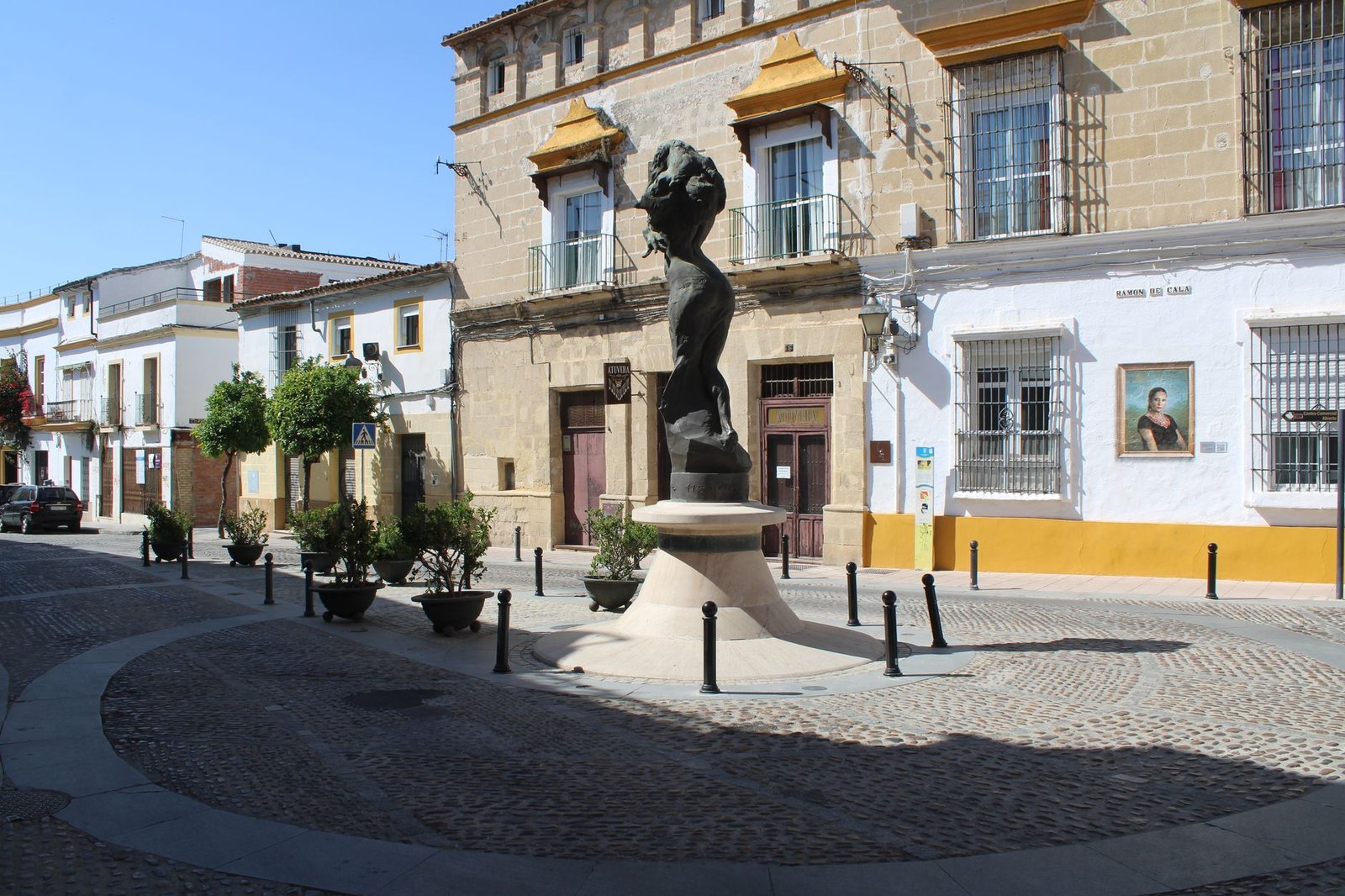
Wander down the labyrinthine streets surrounding the Plaza. Seek out the Callejón de las Monjas (Nuns’ Alley), a particularly narrow and atmospheric lane that seems to whisper stories of centuries past. You’ll pass many small, whitewashed houses, some adorned with colourful flowers. Keep an eye out for the small ceramic plaques indicating street names – they are often beautifully designed.
Other notable landmarks include the Palacio del Mayorazgo, a grand 17th-century palace often used for cultural exhibitions, which are usually free to enter if open. The Convento de las Mercedarias, another historical building, is also worth a look from the outside. For more panoramic views, seek out the Mirador de Abades, which offers a slightly different perspective of the surrounding countryside.
Shopping in Arcos is less about major brands and more about local crafts. Look for traditional pottery, handmade leather goods, and regional food products like olive oil, cheese, and honey. There are several small shops around the main square and along Calle Corredera that offer these items. Most shops adhere to traditional Spanish hours, meaning they’ll close for siesta between 14:00 and 17:00, so plan your souvenir hunting accordingly.
Here’s a quick list of must-see spots:
- Balcón de la Peña: Iconic cliff-edge viewpoint (Free)
- Basílica Menor de Santa María de la Asunción: Impressive church interior (€3.00-€5.00 entry)
- Plaza del Cabildo: Central square, good for people-watching (Free)
- Callejón de las Monjas: Atmospheric narrow street (Free)
- Castillo de Arcos de la Frontera: View from outside only (Free)
- Mirador de Abades: Another excellent viewpoint (Free)
Wear comfortable, sturdy shoes. Seriously. The cobblestones and steep inclines will make you regret anything less.
Fueling Your Adventure: Dining and Timing Your Visit to Arcos
Exploring Arcos de la Frontera will undoubtedly build up an appetite, and thankfully, the town offers some delightful options for lunch or a quick bite. Dining here is an authentic experience, with a focus on traditional Andalusian cuisine.
For a sit-down meal with views, Restaurante El Convento is a solid choice. It’s located close to the Plaza del Cabildo and often has a terrace offering fantastic panoramas. Expect to pay around €15.00 to €25.00 for a main course, or choose from their set menu (menú del día) if available, which might be €18.00 to €25.00 including drinks and dessert. They serve typical dishes like puchero (a hearty chickpea stew), carrillada (pork cheeks), and various local fish. It’s a popular spot, so arriving just before 13:30 for lunch or making a reservation is a good idea, especially on weekends.
If you’re after something more casual, Bar la Esquina, also near the main square, is a local favourite for tapas. You can get excellent quality tapas for €3.00 to €5.00 each, allowing you to sample a variety of dishes without committing to a large meal. It’s often busy, lively, and great for a quick, authentic experience. Other smaller bars around the older streets will also offer similar fare. Look for places with a mix of locals and tourists – a good sign of quality.
Consider trying some of the region’s specialities. Arcos is known for its espárragos trigueros (wild asparagus), often served scrambled with eggs or in a simple salad. The local olive oil is superb, and you’ll find it used generously in most dishes. If you fancy a sweet treat, look for artisan pastry shops selling ‘dulces de convento’ (convent sweets), often made by nuns using traditional recipes.
Now, let’s talk about timing your visit. The best seasons for an arcos de la frontera self-guided day trip are spring (March to May) and autumn (September to November). During these months, the weather is pleasantly mild, with average temperatures ranging from 18°C to 25°C. The landscape is also at its most beautiful, with spring bringing wildflowers and autumn offering clear skies. Crowds are manageable, though Easter (Semana Santa) and major local festivals will see the town packed.
Summer (June to August) is undeniably hot. Temperatures frequently soar above 35°C, often reaching 40°C or more in July and August. If you visit in summer, plan your activities for early mornings and late afternoons, using the midday hours for a long lunch, a siesta, or exploring indoor attractions. Many locals retreat indoors during the hottest part of the day, and some shops will close.
Winter (December to February) can be cooler, with average temperatures around 10°C to 15°C. It can also be damp and rainy, but the advantage is significantly fewer tourists. If you don’t mind the chill, it offers a quieter, more reflective experience.
A crucial point for timing your visit is the Spanish siesta. Many smaller shops and even some restaurants will close their doors between approximately 14:00 and 17:00. If you plan to do some souvenir shopping, make sure to do it before lunch or after 17:00. This also affects museum and church opening times, so always double-check. Don’t be caught out looking for a coffee at 4 PM only to find everything shut.
Here’s an example schedule to help you plan your day:
| Time | Activity | Notes |
|---|---|---|
| 09:30 – 10:00 | Arrival & Parking | Park in underground garage, or free parking with walk/lift. |
| 10:00 – 11:30 | Plaza del Cabildo & Balcón de la Peña | Enjoy views, take photos. |
| 11:30 – 13:00 | Basílica Santa María & Old Town Walk | Visit the church, wander Callejón de las Monjas. |
| 13:00 – 14:30 | Lunch | Restaurant El Convento or tapas at Bar la Esquina. |
| 14:30 – 16:30 | Post-Lunch Stroll & Views | Explore Mirador de Abades, perhaps coffee before siesta. Shops might be closed. |
| 16:30 – 18:00 | Shopping & Departure | Shops reopen, last-minute souvenir hunting before heading back. |
Keeping Costs Down on Your Arcos de la Frontera Self-Guided Day Trip
A day trip to Arcos de la Frontera doesn’t have to break the bank, but understanding where your money will go helps you manage your budget. Here’s a breakdown of typical costs for a single person, assuming you’re traveling independently:
Transportation:
- Car (return):
- Fuel: From Seville or Málaga, expect €20.00-€40.00 depending on your car and current fuel prices. From Jerez, maybe €5.00-€10.00.
- Parking (underground garage for 4-6 hours): €10.00-€18.00.
- Bus (return):
- From Seville: €16.00-€20.00.
- From Jerez: €6.00-€10.00.
Activities & Entry Fees:
- Basílica Santa María de la Asunción: €3.00-€5.00.
- Ascensor (lift) de Arcos: €1.00 for a return trip (two rides).
- All viewpoints (Balcón de la Peña, Mirador de Abades): Free.
Food & Drink:
- Tapas lunch: €15.00-€25.00 (includes 3-4 tapas and a soft drink).
- Restaurant lunch (menú del día or main course): €25.00-€45.00.
- Coffee/Snacks: €5.00-€10.00.
- Bottle of water: €1.00-€2.00 (from a shop), €2.50-€3.50 (from a café).
Miscellaneous:
- Souvenirs: Highly variable, but budget €10.00-€30.00 if you plan to buy small items.
Based on these figures, a budget-conscious traveler using the bus and eating tapas could spend around €35.00-€50.00 for the day (excluding personal shopping). A mid-range budget, driving and having a sit-down restaurant lunch, might be closer to €70.00-€100.00. These are just estimates, of course, and depend entirely on your choices.
Here are some tips for saving money during your visit:
- Pack a Picnic: Buy some fresh bread, local cheese, and cured meats from a panadería or local market in the modern town before heading up. Find a viewpoint for an incredible, budget-friendly meal.
- Stick to Tapas: Opt for tapas for lunch instead of a full-course meal. Many bars offer excellent, substantial portions for a fraction of the cost.
- Walk from Free Parking: If you’re fit and don’t mind the uphill climb, parking for free in the lower town is a simple way to save €10-€20 on parking fees.
- Carry Your Own Water: Especially in warmer months, buy a large bottle of water from a supermarket at the start of your day rather than repeatedly buying smaller, more expensive bottles from cafes.
- Limit Souvenirs: Decide in advance if you really need that ceramic plate. Focus on experiences over purchases.
- Combine Activities: If you have a car, consider visiting Arcos as part of a larger route through the Pueblos Blancos, rather than a standalone trip. This makes your fuel and car rental costs more efficient over multiple destinations, like other stops covered in our longer Andalusia route.
Practicalities and What’s Beyond the Cobblestones
While the old town of Arcos de la Frontera is the primary draw, understanding some practical aspects and knowing what lies just beyond its immediate confines can enhance your experience. A typical arcos de la frontera self-guided day trip often focuses on the main attractions, but there’s more to consider.
Accessibility: Let’s be honest about this: Arcos is not an accessible destination for everyone. The entire old town is characterized by extremely steep inclines, uneven cobblestones, and narrow passages. If you use a wheelchair, have significant mobility issues, or are traveling with a pushchair, you will face considerable challenges. While the lift helps with the main ascent, exploring the historical centre itself will be difficult. This is a significant downside for some visitors, and it’s important to set realistic expectations.
Beyond the Immediate Old Town: If you have time and energy, consider a walk down to the banks of the River Guadalete. There are paths that descend from the town, offering a different perspective of Arcos perched dramatically on its cliff. One such path leads towards the “Cola del Dragón” (Dragon’s Tail) viewpoint, providing unique photo opportunities. This is an easy to moderate walk, depending on how far you go, and requires sturdy walking shoes and water. It’s a great way to escape any midday crowds and see the town from below.
Local Festivals: Planning your trip around local festivals can be a double-edged sword. While it offers a unique cultural immersion, it also means bigger crowds and higher prices for accommodation and food. Arcos de la Frontera is particularly famous for its Semana Santa (Easter Holy Week) celebrations. The processions winding through the narrow streets are incredibly moving and atmospheric. However, if you plan to visit during this time (dates vary, typically March or April), you must book everything – transport, parking, and especially accommodation – several months in advance. Another significant local festival is the Velada de la Patrona (Our Lady of the Snows) in August, a more local celebration with parades and festivities.
Toilets: Public toilets are not common in Spanish towns, and Arcos is no exception. Your best bet is to use the facilities in cafes, restaurants, or the underground parking garage. Always be polite and consider buying a drink if you’re only using their amenities.
Water: This can’t be stressed enough, especially if you visit between May and September. Carry plenty of water with you. The climbs are dehydrating, and you’ll find yourself needing it. There are small shops where you can buy bottles, but having your own from the start is smart.
Safety: Arcos de la Frontera is generally a very safe town. However, as with any tourist destination, it’s wise to be aware of your belongings, especially in crowded areas like the Plaza del Cabildo or during festivals. Petty theft can happen, so keep your bag secure and don’t leave valuables unattended.
For those who prefer a guided experience, even for a day trip, you can always check available day tours of Arcos de la Frontera that includes Arcos de la Frontera, often combining it with other white villages. While this article focuses on the self-guided approach, a tour removes the logistical challenges of driving and parking. If you decide to spend a night in Arcos to experience its charm after the day trippers leave, you can see current places to stay in Arcos for some excellent local guesthouses and boutique hotels. Remember, booking in advance is always recommended, especially during peak seasons for your arcos de la frontera self-guided day trip.
- Wear good shoes: Essential for comfort on steep, cobbled streets.
- Carry water: Especially crucial in warmer months and for climbing.
- Plan for siesta: Many shops and some attractions close between 2 PM and 5 PM.
- Check festival dates: They can significantly impact crowds and availability.
- Consider your mobility: Arcos is not ideal for those with limited mobility.
- Embrace getting lost: Some of the best discoveries are made by simply wandering.
FAQ: Arcos de la Frontera Self-Guided Day Trip
How long do you need for Arcos de la Frontera?
For a thorough Arcos de la Frontera self-guided day trip, you should allocate a full day, roughly 6 to 8 hours. This allows ample time to explore the old town’s main sights, enjoy the panoramic views, have a relaxed lunch, and wander the charming streets without feeling rushed. While it’s possible to see the absolute highlights in 3-4 hours, you’d miss out on soaking in the unique atmosphere and perhaps some of the more minor, but equally engaging, corners of the town.
Is Arcos de la Frontera walkable?
Yes, the old town of Arcos de la Frontera is entirely walkable once you’ve reached it. However, it’s crucial to understand that “walkable” here means navigating extremely steep hills and uneven, ancient cobblestone streets. It’s a challenging walk for anyone, especially those with mobility issues, and requires comfortable, sturdy shoes with good grip. Expect to climb a lot, and take breaks at the various viewpoints.
What’s the best way to get to Arcos de la Frontera from Seville?
The best way to get to Arcos de la Frontera from Seville depends on your preferences. Driving offers the most flexibility, taking about 1 hour 15 minutes, but parking in Arcos can be challenging and costly. Alternatively, a direct bus service operates from Seville, taking approximately 1 hour 45 minutes and dropping you near the town center. The bus eliminates parking stress and is generally more economical, making it a strong contender if you prefer not to drive.
Can you go inside the castle of Arcos de la Frontera?
No, unfortunately, you cannot go inside the Castillo de Arcos de la Frontera. Despite its prominent position overlooking the town and its historical significance, the castle is private property and is not open to the public for tours. Visitors can only admire its exterior walls and towers from the Plaza del Cabildo and other surrounding viewpoints, making it a beautiful, but inaccessible, landmark.
Arcos de la Frontera offers an authentic, rewarding glimpse into the heart of Andalusia’s white villages. Prepare for the physical demands, plan for the siesta, and embrace the meandering streets, and you’ll find yourself amply rewarded by its stunning vistas and genuine character. For more ideas on exploring the region, consider our suggestions for a Granada Cordoba itinerary.