

Seville’s Gazpacho, the Way It’s Actually Made
Some links in this guide are affiliate links — if you book through them we may earn a small commission at no extra cost to you. It never changes what we recommend. Full disclosure.
The search for an authentic gazpacho recipe Seville is a journey into the heart of Andalusian summer cuisine, and the one thing you need to know immediately is that real gazpacho is not just a cold soup; it’s a refreshing elixir, a non-negotiable part of surviving Seville’s intense summer heat. Imagine the sun beating down, the air thick with the scent of orange blossoms (even in summer, if you catch the right breeze), and the sheer relief of a chilled glass of perfectly blended tomato, cucumber, and pepper. This isn’t just about cooking; it’s about embracing a lifestyle, using the freshest local produce to create something simple yet profoundly satisfying. Seville’s climate demands ingenuity in its kitchen, and gazpacho is the delicious result of generations perfecting that art of staying cool from the inside out. Forget complicated preparations; gazpacho is about blending pure, unadulterated freshness into a drinkable salad that revitalizes you.
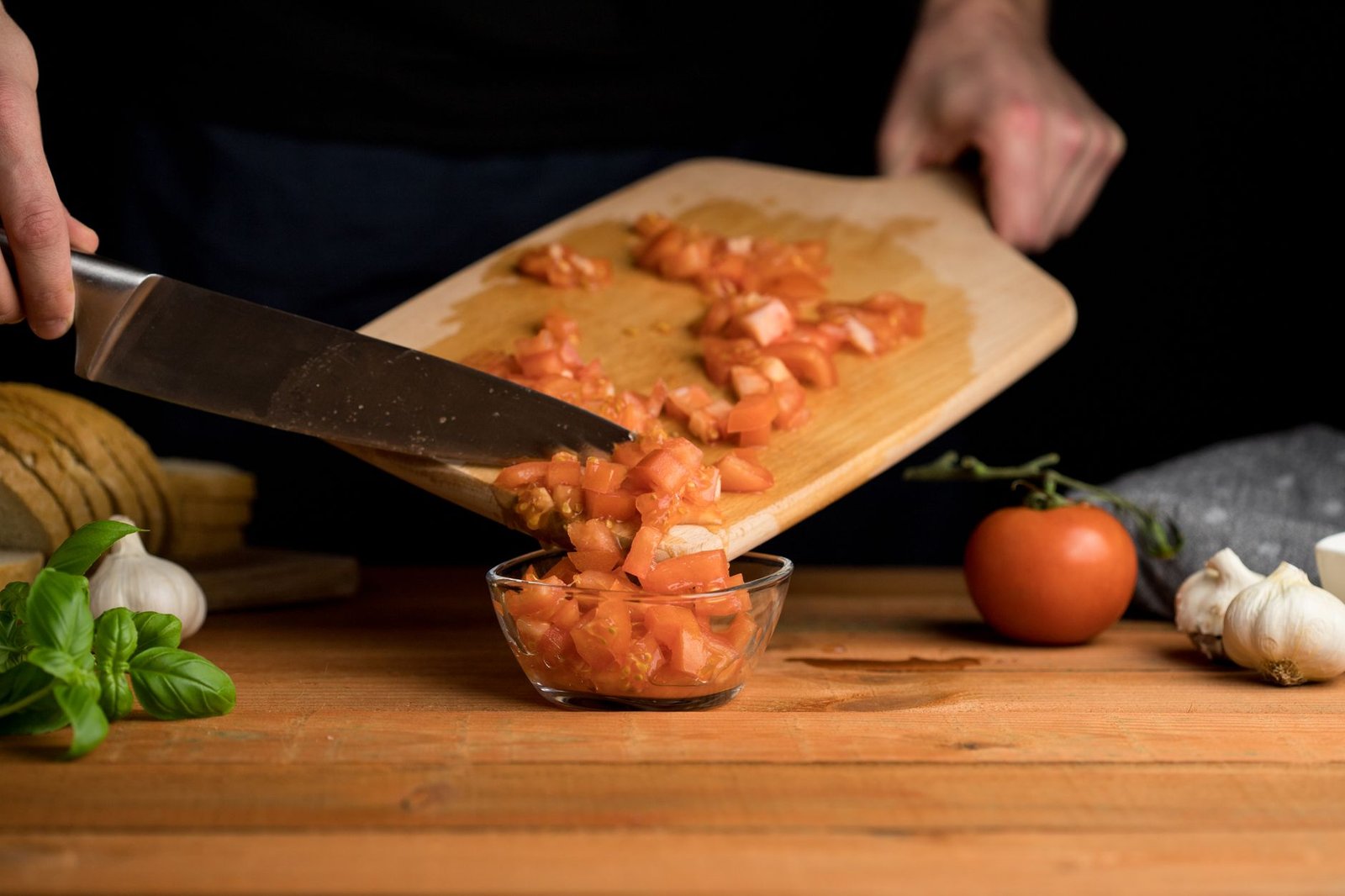
Quick Answer: Authentic Gazpacho Recipe Seville
An authentic gazpacho recipe from Seville focuses on very ripe, raw local tomatoes, cucumber, green pepper, onion, and garlic, emulsified with good quality extra virgin olive oil, a splash of sherry vinegar, and a small piece of stale bread, all blended until silken smooth and served ice-cold. It’s the quintessential summer dish, offering immediate relief and a burst of fresh flavors essential for enduring Seville’s notorious high temperatures.
Understanding the Soul of Sevillano Gazpacho
What makes Sevillano gazpacho distinct? It’s not just the ingredients, but the philosophy behind it. In Seville, gazpacho is a daily ritual during the long summer months, not a special occasion dish. It’s a testament to the region’s incredible agricultural bounty and the ingenuity of its people in making the most of fresh, seasonal produce. The secret lies in the quality of your raw materials; a good gazpacho starts long before you turn on the blender, with careful selection at the market.
You’re looking for sun-ripened, intensely flavored tomatoes – think ‘pera’ (pear) or ‘rama’ (vine) varieties that feel heavy for their size and smell sweet. Cucumbers should be firm and crisp, green peppers sweet, and garlic cloves fresh, without any sprouts. Many locals will tell you the best ingredients come from the local markets, where you can often chat with the vendors about what’s freshest that day. This direct connection to the produce is what gives the gazpacho its genuine flavor.
Two excellent options for sourcing ingredients in Seville are the Mercado de Triana and the Mercado de la Encarnación (Las Setas). At the Mercado de Triana, located by the Puente de Triana, you’ll find a lively atmosphere and stalls overflowing with local produce. It’s open Monday to Saturday, typically from 9:00 to 15:00. The Mercado de la Encarnación, beneath the Metropol Parasol (Las Setas), offers a modern yet traditional shopping experience, also open Monday to Saturday, from around 9:00 to 14:30. Expect to pay around €1.50-€3.00 per kilogram for ripe tomatoes, €0.80-€1.50 for a cucumber, and €1.00-€2.00 for a green pepper, depending on the season and specific vendor.
While many cold soups exist in Andalusia, gazpacho is unique. It’s lighter and more liquid than salmorejo, which is thicker, contains more bread, and is usually garnished with cured ham and hard-boiled egg. Ajoblanco, another cooling soup, is made from almonds and garlic. Gazpacho is the most widely consumed and perhaps the most versatile of the cold soups, suitable for breakfast, a mid-day refresher, or a starter to any meal.
Here’s a comparison of ingredient quality and typical prices:
| Ingredient | Premium (Market) | Standard (Supermarket) |
|---|---|---|
| Ripe Tomatoes | €2.50/kg | €1.80/kg |
| Cucumber | €1.20 each | €0.90 each |
| Green Pepper | €1.50 each | €1.10 each |
| Extra Virgin Olive Oil | €8-€15/litre | €5-€7/litre |
Authentic Gazpacho Recipe Seville: Your Kitchen Guide
Now, let’s get down to making your own **the recipe**. This isn’t just a collection of ingredients; it’s a method that maximizes flavor and achieves that silky-smooth texture characteristic of the real deal. Forget cooking anything; this is about precision blending and chilling.
Ingredients:
- 1 kg very ripe red tomatoes (pera or rama varieties are ideal for their sweetness and low water content)
- 200 g cucumber, peeled and roughly chopped
- 100 g green bell pepper (Italian or local variety, roughly chopped)
- 50 g onion (a small piece, roughly chopped – optional, but adds a subtle depth without being overpowering)
- 1-2 cloves garlic (peeled, germ removed to avoid bitterness)
- 50-100 g stale bread (from a day-old baguette or similar crusty bread, crusts removed, soaked in cold water for a few minutes, then squeezed dry)
- 50 ml extra virgin olive oil (use a good quality one, it makes a significant difference to the flavor and texture)
- 20-30 ml sherry vinegar (Jerez vinegar is perfect for its balanced acidity and aroma)
- 1 teaspoon salt (or to taste)
- Cold water (optional, to adjust consistency, but aim for minimal addition)
Equipment:
- High-speed blender or powerful food processor
- Fine-mesh sieve (a must for that perfect texture)
- Large bowl or pitcher for chilling and serving
- Sharp knife and cutting board
Cooking Steps:
- **Prepare the Vegetables:** Wash all your vegetables thoroughly. Roughly chop the tomatoes, cucumber, green pepper, and onion. Peel the garlic cloves and remember to remove the green germ from the center; this is crucial to prevent your gazpacho from having a harsh or bitter aftertaste.
- **Soak the Bread (if using):** If you’re using stale bread, tear it into pieces and soak it in a small bowl of cold water for about 5 minutes. Then, squeeze out as much water as you can. This softened bread acts as a natural emulsifier, helping to create a creamier consistency.
- **Blend Everything:** Place the chopped tomatoes, cucumber, green pepper, onion, garlic, squeezed bread, extra virgin olive oil, sherry vinegar, and salt into your high-speed blender. Begin blending on a low setting, gradually increasing the speed. Blend for at least 3-5 minutes, or until the mixture is as smooth as possible. If your blender struggles, you can add a tiny splash of cold water, but try to avoid adding too much, as you want a concentrated flavor.
- **Strain for Silkiness:** This step is non-negotiable for a truly authentic texture. Pour the blended mixture through a fine-mesh sieve into a large bowl or pitcher. Use the back of a spoon or a spatula to push the pulp through, leaving behind any seeds, skins, or fibrous bits. This process ensures your gazpacho is incredibly smooth and light on the palate. Don’t skip this, even if it feels tedious; it’s the difference between good gazpacho and great gazpacho.
- **Chill Thoroughly:** Cover your gazpacho and place it in the refrigerator. Chill for a minimum of 4 hours, but ideally overnight. The chilling time is essential not just for temperature but also for the flavors to meld and deepen. A lukewarm gazpacho simply isn’t gazpacho.
- **Adjust and Serve:** Before serving, give the gazpacho a good stir and taste. Adjust salt and vinegar if necessary. It might need another pinch of salt to truly sing. Serve in chilled glasses or bowls, garnished as desired.
Serving Suggestions:
Traditional garnishes complement the fresh taste:
- Finely diced cucumber
- Finely diced green bell pepper
- Tiny croutons (made from day-old bread, lightly toasted)
- A drizzle of your best extra virgin olive oil just before serving
- Some locals also add finely diced hard-boiled egg or cured ham, but these are more common with salmorejo.
The main downside of making gazpacho is the absolute reliance on high-quality, perfectly ripe tomatoes. If your tomatoes are under-ripe or bland, your gazpacho will be bland. There’s no cooking to mask inferior ingredients, so don’t compromise on freshness. It also requires patience for proper chilling; rushing this step means missing out on the full experience.

Where to Savor the Real Deal in Seville (and What to Expect)
While making your own gazpacho is a rewarding experience, sometimes you just want to taste the expertise of a local chef. Seville has plenty of spots, but finding one that serves genuinely good gazpacho can be tricky, especially in the most tourist-heavy areas where quality can sometimes be diluted. My advice is to seek out traditional bars (bares de tapas) that prioritize fresh, seasonal ingredients.
One reliable choice is **Bar El Comercio** (Calle Lineros, 9). This historic bar, known for its churros in the morning, often serves a solid gazpacho during the summer months. It’s a classic Sevillian spot where you can expect an authentic, standing-room-only experience, quick service, and reasonable prices. A glass of gazpacho here might cost around €3.50-€4.50. They are typically open Monday to Saturday from 7:30 to 22:30.
**Casa Morales** (Calle García de Vinuesa, 11) is another institution. This traditional bodega has been serving locals since 1850 and maintains its historic charm with large wine barrels lining the walls. Their gazpacho, when in season, is typically well-made and reflects the establishment’s commitment to classic Andalusian flavors. Prices for gazpacho here generally range from €4-€5. Operating hours are usually Monday to Saturday, 10:00-16:00 and 19:00-23:00.
For something a bit more central but still authentic, try **Taberna Colón** (Av. de la Constitución, 16). While close to the cathedral, it manages to maintain a local feel and offers a good gazpacho alongside other traditional tapas. Expect to pay €3-€4 for a refreshing serving. It’s open daily from 8:00 until midnight, making it convenient for any time of day.
An honest tip: Avoid places with large, glossy photos of food outside, especially if they are multi-lingual menus in tourist traps. These often prioritize volume over quality. Instead, look for bars filled with locals or ask a shopkeeper for their personal recommendation. Remember, gazpacho is a seasonal dish. Don’t expect to find it everywhere in winter. It’s a summer special, typically available from late May through September.
If you’re eager to learn more about Seville’s culinary heritage beyond just tasting, you might consider booking a guided tour on Viator that includes a market visit or a cooking class focused on Andalusian cuisine. This can give you deeper insights into the ingredients and techniques that make dishes like gazpacho so beloved.
Gazpacho’s Role in Andalusian Life: Beyond the Bowl
Gazpacho in Seville is far more than just a recipe; it’s a foundational element of Andalusian life, deeply woven into the daily rhythm of coping with the formidable summer heat. When temperatures regularly climb above 35°C, a meal that requires no cooking and instantly cools you down is a blessing. It’s not just a starter; for many, it can be a light breakfast, a refreshing mid-morning break, or a revitalizing afternoon pick-me-up. It embodies the ingenuity of the region’s cuisine, turning simple, fresh ingredients into a liquid form of sustenance that hydrates and nourishes without adding to the body’s internal heat.
Think about the typical Sevillian day: mornings start early to beat the heat, followed by the midday break (siesta, for those who can manage it), and then life resumes as the sun begins to set. Gazpacho fits perfectly into this schedule, providing instant refreshment before the main, often late, lunch, or as a cooling interlude. It’s a delicious alternative to plain water, packed with electrolytes and vitamins from the raw vegetables.
This dish also highlights a broader aspect of Spanish food culture: the emphasis on fresh, seasonal produce and straightforward preparations. It celebrates the natural flavors of the ingredients rather than masking them with complex sauces or elaborate cooking techniques. Gazpacho stands as a symbol of this culinary honesty and efficiency, making the most of what the earth provides locally.
Beyond gazpacho, Seville offers other cooling strategies and dishes during summer:
- **Salmorejo:** A thicker, creamier cold tomato soup from Córdoba, often garnished with diced cured ham and hard-boiled egg.
- **Pescaito Frito:** Lightly battered and fried small fish, which, surprisingly, can be a refreshing meal when served with a squeeze of lemon and a cold drink.
- **Ensaladilla Rusa:** A popular potato salad with tuna, peas, carrots, and mayonnaise, served chilled.
- **Tostas with fresh toppings:** Simple toasted bread with various fresh ingredients like tomato, olive oil, and sometimes cheese or cured meats.
- **Late dinners:** The Spanish tradition of eating dinner very late (often after 21:00 or even 22:00) is a practical approach to avoiding the hottest parts of the day.
For a deeper dive into Seville’s historical beauty, consider if the Alcazar Seville worth visiting aligns with your interests – a perfect complement to understanding the city’s rich history and culture, which naturally extends to its culinary traditions.
Troubleshooting Your Gazpacho: Common Missteps & Solutions
Even with simple recipes, things can go wrong. Mastering the recipe** comes down to avoiding these common issues and knowing how to fix them:
- **Too Watery:** If your gazpacho is too thin, it might be because you used watery tomatoes, added too much cold water during blending, or didn’t use enough bread.
- **Solution:** Blend in a small amount of additional pre-soaked and squeezed stale bread. Alternatively, add a handful more very ripe, fleshy tomatoes (like Roma or pera varieties) and blend again.
- **Too Acidic or Tart:** This usually comes from using too much vinegar or under-ripe tomatoes.
- **Solution:** A tiny pinch of sugar can help balance the acidity. You can also blend in a little more ripe tomato or cucumber to mellow the flavor. Always add vinegar sparingly and taste as you go.
- **Bland Flavor:** Insufficient salt, poor quality or under-ripe tomatoes, or not enough garlic/pepper can result in a gazpacho that lacks punch.
- **Solution:** The most common culprit is too little salt; adjust it gradually until the flavors pop. Ensure your tomatoes are truly ripe. You can also add a tiny bit more garlic (germ removed!) or a splash of very good quality extra virgin olive oil for richness.
- **Grainy Texture:** This is almost always due to not blending long enough or not passing the mixture through a fine-mesh sieve.
- **Solution:** Blend for a longer duration (at least 3-5 minutes on high speed). If it’s still grainy, strain it again through the fine-mesh sieve, pushing firmly with a spoon.
- **Bitter Taste:** This can be caused by using too much of the white pith from the cucumber, the germ in the garlic, or using old/sprouted garlic.
- **Solution:** Always remove the seeds and the white, spongy pith from the cucumber before blending. Always remove the germ from garlic cloves. If it’s already bitter, sometimes adding more ripe tomato or a small amount of sugar can help mitigate it, but prevention is best.
Remember, practice makes perfect. The more you make it, the more you’ll understand the subtle nuances of your ingredients and how they impact the final taste. Don’t be afraid to experiment slightly with the ratios to find your personal preference, always prioritizing fresh, top-notch produce.
For more Spanish culinary exploration or if you’re planning wider travels, you might find inspiration for other traditional food experiences on a 7 days Andalusia by car trip, where you can sample regional specialties across different towns.
About the Author
Caro has spent 15 years exploring Spain, from hidden villages in Andalusia to the windswept coasts of Galicia. She writes Spain Destination to share what she’s actually learned living here, one guide at a time. Read more about Caro →
FAQ: Authentic Gazpacho Recipe Seville – Common Questions
Is gazpacho always served cold?
Absolutely. Gazpacho is designed as a refreshing cold soup, specifically for coping with the intense heat of Andalusian summers. Serving it lukewarm or at room temperature diminishes its core purpose and flavor profile significantly. It should be ice-cold, ideally straight from the refrigerator after several hours of chilling.
Can I make gazpacho without bread?
Yes, you can make gazpacho without bread, and many modern recipes omit it. However, traditional Sevillano gazpacho often includes a small piece of stale bread. The bread helps emulsify the ingredients, giving the gazpacho a slightly thicker, creamier texture and adding body. Without it, your gazpacho might be thinner, but it will still be delicious if the vegetables are perfectly ripe and well-blended.
How long does homemade gazpacho last?
Properly stored in an airtight container in the refrigerator, homemade gazpacho typically lasts for 3-4 days. Its flavors often deepen and meld beautifully after a day or two, making it an excellent dish to prepare ahead of time. Just give it a good stir before serving.
What’s the difference between gazpacho and salmorejo?
While both are cold, tomato-based soups from Andalusia, gazpacho and salmorejo (from Córdoba) have distinct differences. Salmorejo is much thicker, creamier, and typically contains more bread and olive oil, resulting in a denser consistency. It is traditionally garnished with diced cured ham (jamón serrano) and hard-boiled egg. Gazpacho, on the other hand, is lighter and thinner, includes more raw vegetables like cucumber and green pepper, and is usually served with finely chopped raw vegetable garnishes.
Mastering this classic Sevillian dish is more than just learning a recipe; it’s about connecting with the rhythm of life in southern Spain. The satisfaction of creating a genuinely refreshing, flavorful gazpacho from scratch, especially one that truly reflects the spirit of Seville, is immense. It’s a simple pleasure that speaks volumes about Spanish culinary traditions and the importance of fresh, seasonal ingredients. Give it a try, experiment with your local produce, and find your perfect balance of flavors to cool down and enjoy. For more insights into Spanish culinary traditions and lifestyle, browse our Spain travel blog.