Tostada con Tomate: Spain’s Classic Breakfast, Explained
Some links in this guide are affiliate links — if you book through them we may earn a small commission at no extra cost to you. It never changes what we recommend. Full disclosure.
Many travelers arrive in Spain expecting a specific type of breakfast – maybe something elaborate, or heavily sweet – but the true morning revelation, the one that makes my heart beat for tostada con tomate breakfast Spain, is often the simplest. It’s a dish so humble, yet so perfectly balanced, that it embodies the very soul of Spanish daily life, a refreshing contrast to overly complicated morning meals you might find elsewhere. This isn’t just food; it’s a morning ritual, a moment of calm and real flavor that sets the tone for your day, and I’m going to share exactly why it’s become my personal favorite and how you can experience it, whether you’re sitting in a bustling café or making it in your own kitchen.
Quick Answer: Tostada con Tomate
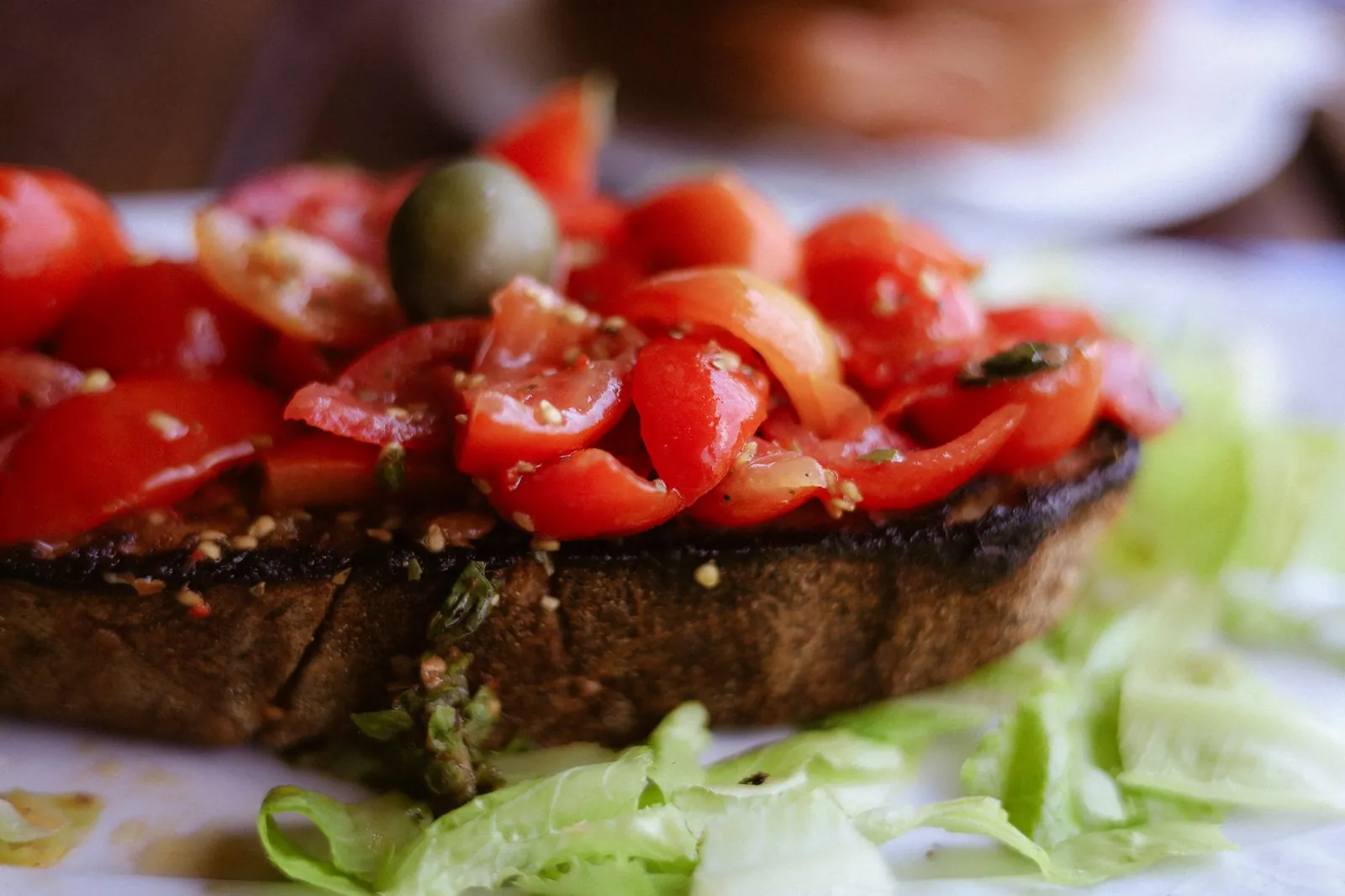
Tostada con tomate is Spain’s quintessential breakfast: a thick slice of toasted bread, generously rubbed with fresh, ripe tomato, drizzled with quality extra virgin olive oil, and often lightly salted, typically costing between €2.50 and €4.00 at most local bars and cafés across the country. It’s a simple, fresh, and deeply satisfying start to the day that highlights the quality of Spanish produce.
The Simple Magic of Spanish Tomato Toast: What It Is and Why It’s Special
This dish, often just called “tostada con tomate” or “pan con tomate,” is Spain’s daily morning ritual for a reason. It’s crusty bread, rubbed intensely with fresh, ripe tomato, showered with quality olive oil, and finished with a pinch of salt. It’s a staple you’ll find in nearly every bar and café from Galicia to Andalucía, and it’s typically a very affordable start to your day, usually costing between €2.00 and €4.50 depending on the size of the portion and the exact establishment. For many, it’s not just breakfast; it’s the quiet anchor of the morning, a moment of genuine connection to the rhythms of Spanish life.
The origins of this humble yet essential dish are debated, but it’s most strongly associated with Catalonia, where it’s known as *pa amb tomàquet* (bread with tomato). Here, the tradition involves rubbing a raw garlic clove on the toast first, then the tomato. However, the version you find most widely across the rest of Spain, and especially in Andalucía where I’ve spent so many years, often skips the garlic, focusing purely on the bread, tomato, and olive oil. It speaks volumes about the Spanish appreciation for simple, high-quality ingredients. You don’t need fancy preparations when your raw produce is this good.
What makes it truly special isn’t just the taste, it’s the experience. Picture this: you walk into a local bar, the aroma of fresh coffee and toasted bread filling the air. You order your *tostada con tomate* and a *café con leche* or a freshly squeezed orange juice. It arrives, vibrant red and green against the golden toast. There’s no fuss, no elaborate presentation. It’s honest food, served quickly and efficiently, allowing you to savour the moment before your day truly begins. This isn’t just about eating; it’s about participating in a daily tradition, a shared start to the day that connects you with everyone else around you. It’s a fundamental part of understanding how people truly live here.
When you sit down for this meal, you’re not just a tourist. You’re part of the fabric of daily Spanish life, absorbing the morning conversations, the clatter of porcelain, and the general hum of a waking city or town. It’s a genuine taste of the country, stripped of any pretense, proving that sometimes, the simplest things are the most profound. It reminds you that good food doesn’t need to be complex; it just needs excellent ingredients and a little love.
Your Guide to Crafting the Perfect Tostada con Tomate at Home (Recipe)
Crafting a truly authentic Spanish tomato toast at home is surprisingly simple, relying on the quality of your ingredients rather than complex techniques; the entire preparation takes about 10 minutes from start to finish, yielding a satisfying breakfast for one. Don’t be fooled by its apparent simplicity; getting the balance right makes all the difference.
Prep time: 5 minutes | Cook time: 5 minutes | Serves: 1
Ingredients:
- 1 thick slice of rustic bread (e.g., pan de pueblo, sourdough, or a good quality baguette), about 100-120g
- 1 medium, very ripe tomato (a beefsteak, vine-ripened, or ‘rama’ tomato works best), about 150-180g
- 2-3 tablespoons of high-quality extra virgin olive oil (preferably Spanish, like Picual or Hojiblanca)
- A pinch of fine sea salt
Equipment:
- Toaster or a grill pan
- Small grater (if you choose to grate the tomato)
- Sharp knife
Step-by-Step Instructions:
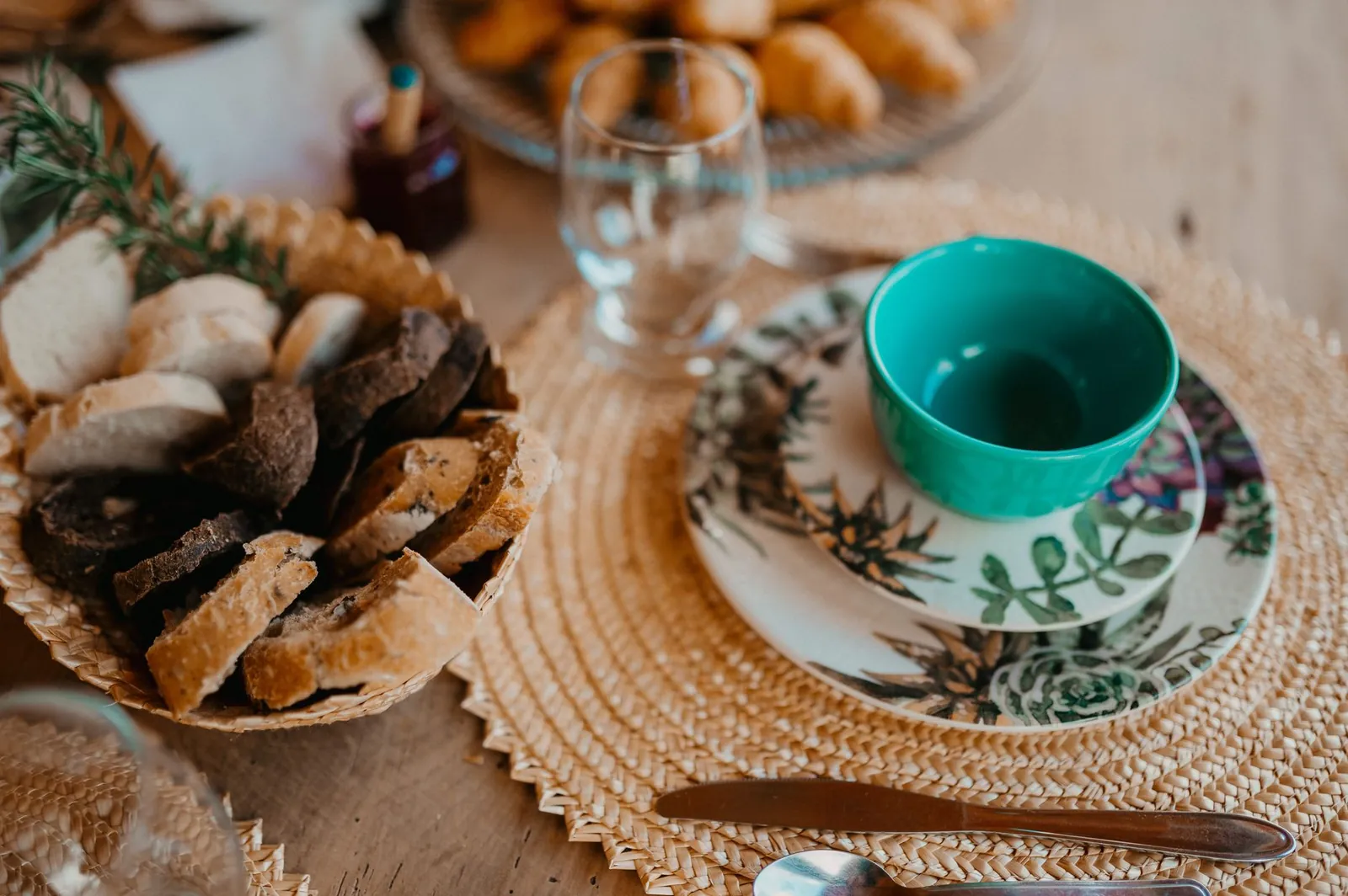
- Choose Your Bread: The foundation is crucial. A good, rustic bread with a substantial crust and soft interior is ideal. If you can find a Spanish-style *pan de pueblo* or a robust sourdough, you’re off to a great start. Avoid soft, overly processed white bread.
- Toast the Bread: Lightly toast your bread slice. You want it golden brown and crisp on the outside, but still slightly yielding inside. A regular toaster works fine, but grilling it gently on a pan or under the broiler gives it a lovely char. Don’t let it become too hard or burnt.
- Prepare the Tomato: This is where preferences vary slightly.
- Option A (My preferred method): Cut the ripe tomato in half horizontally. Once the toast is ready and still warm, rub the cut side of the tomato vigorously all over the surface of the toast. Apply gentle pressure to ensure the tomato flesh and juice thoroughly soak into the bread, leaving the skin behind.
- Option B (For a smoother texture): Grate the tomato directly onto a plate, discarding the skin. Then, spread this fresh tomato pulp evenly over your toasted bread using a spoon. This method is often favoured in some regions for a less rustic feel.
- Drizzle with Olive Oil: Generously drizzle your toasted bread, now beautifully red with tomato, with a good quality extra virgin olive oil. Don’t be shy; the oil is a cornerstone of the flavour. It should glisten on the surface, mixing with the tomato juice. The quality of your olive oil genuinely matters here, so invest in a good one.
- Season with Salt: Finish with a light sprinkle of fine sea salt. This brings out all the other flavours, enhancing the sweetness of the tomato and the peppery notes of the olive oil. Taste it before adding too much; you can always add more, but you can’t take it away.
- Serve Immediately: Tostada con tomate is best enjoyed fresh and warm.
This simple process delivers a breakfast that is light, full of flavour, and deeply satisfying. It’s not just a recipe; it’s a sensory experience that brings a piece of Spain to your table. If you’re looking for another authentic Spanish breakfast, you might enjoy trying a proper mollete, offering a different but equally traditional morning delight.
Where to Find the Best Tostada con Tomate (and What to Look For)
You can find excellent tomato toast in nearly any bar or café across Spain, with prices typically ranging from €2.00 to €4.50, depending on the establishment and region, making it an accessible and delicious choice everywhere. From a tiny neighbourhood bar to a bustling city center spot, this breakfast is a constant, though its presentation and specific ingredients might vary slightly.
The best places are often the most unassuming ones – local bars (bares de barrio) that have been serving the community for decades. Look for places with a steady stream of locals in the morning, especially those with an open kitchen or counter where you can see the toaster working. These spots prioritize fresh ingredients and quick service. In larger cities like Seville or Madrid, you’ll find it everywhere. In Catalonia, it’s known as *pa amb tomàquet*, and they often serve the bread, a cut tomato, and olive oil separately for you to assemble yourself, sometimes even with a clove of garlic to rub on the toast first if you wish. This is a delightful hands-on experience and worth trying if you’re in the region.
Here’s a small comparison table for typical prices and variations you might encounter:
| Region/City | Typical Price (Basic Tostada) | Common Variations | What to Expect |
|---|---|---|---|
| Andalucía (e.g., Seville, Malaga) | €2.00 – €3.50 | Grated tomato, often with a generous pour of olive oil. | Often served with the tomato already applied, very fresh and flavourful. |
| Catalonia (e.g., Barcelona) | €3.00 – €4.50 | Known as *Pa amb Tomàquet*. Ingredients often served separately. | You’ll likely assemble it yourself, sometimes with optional garlic. |
| Madrid (City Centre) | €2.50 – €4.00 | Usually a blend of tomato types, often served already prepared. | A fast-paced breakfast experience, found in modern cafés and traditional bars. |
| Basque Country (e.g., San Sebastián) | €3.00 – €4.50 | Often served on local bread varieties, sometimes with a more robust olive oil. | High emphasis on ingredient quality, even for this simple dish. |
When ordering, a simple “Una tostada con tomate, por favor” will usually suffice. You might be asked if you prefer *tomate rallado* (grated tomato) or *tomate restregado* (rubbed tomato), though often they’ll just make it the house way. Don’t hesitate to observe what the locals are having and simply point if you’re unsure. The beauty is its ubiquity – you’re never far from a good one. For more information on travel across Spain, you can always consult the official website of Tourism in Spain, which provides comprehensive guides to regions and local customs.
Elevating Your Morning: Customizing Your Spanish Breakfast
While simple, you can elevate your Spanish tomato toast by pairing it with a glass of freshly squeezed orange juice or a cup of coffee, and even adding a drizzle of honey if the establishment offers it, usually for a total cost between €4.00 and €6.50 for a complete and satisfying breakfast. This ensures you’re not just enjoying the toast, but a full, energy-giving morning meal.
The core of this breakfast is the tomato toast itself, but what you drink with it profoundly impacts the experience. The most popular choice is a simple coffee, often a *café con leche* (coffee with milk). If you prefer something lighter, a *café solo* (espresso) or *café cortado* (espresso with a dash of milk) are also common. However, for a truly invigorating start, pair your toast with a *zumo de naranja natural* – freshly squeezed orange juice. Spain is famous for its oranges, and a glass of this sweet, tangy juice is incomparable. It’s typically prepared on the spot and delivered bright yellow and foamy to your table, a perfect complement to the savory toast.
Beyond the drinks, you’ll occasionally find other additions available, though these are more common if you deviate from the purist tomato toast. Some places might offer a small dish of honey (miel) or a variety of marmalades (mermeladas) if you prefer a sweeter topping. However, for the classic *tostada con tomate*, the focus remains on the tomato, olive oil, and salt. If you want something a bit different, many cafés will offer alternatives like a *tostada con aguacate* (toast with avocado) or a simple toast with just olive oil and salt. These are still very much in the spirit of a Spanish breakfast, keeping things fresh and light.
Here are some typical pairings you might find:
- Café con Leche: The most common and beloved coffee choice, balanced and comforting.
- Zumo de Naranja Natural: Freshly squeezed orange juice, often made to order, truly exceptional.
- Café Solo or Cortado: For those who prefer their coffee stronger and less diluted with milk.
- Infusión (Herbal Tea): A range of herbal teas are available, such as *manzanilla* (chamomile) or *menta poleo* (pennyroyal mint).
- Agua: Sometimes, simply a glass of mineral water is all you need.
Remember, Spanish breakfasts are generally lighter than what you might be used to in other countries. It’s about quality and freshness, not heavy, large portions. This focus on lighter, more natural ingredients extends to other Spanish culinary traditions too, like Sharing my perfect Spanish tapas order for joyful nights, which also prioritizes fresh, small bites over heavy meals.
Avoiding Common Breakfast Blunders and Insider Tips
To truly enjoy your Spanish tomato toast, avoid asking for butter or jam with this specific dish unless explicitly offered, as it’s not the traditional way to enjoy it, and expect to pay between €2.50 and €4.00 for the basic version, ensuring you receive it as intended. Understanding these small cultural nuances will enhance your experience immensely.
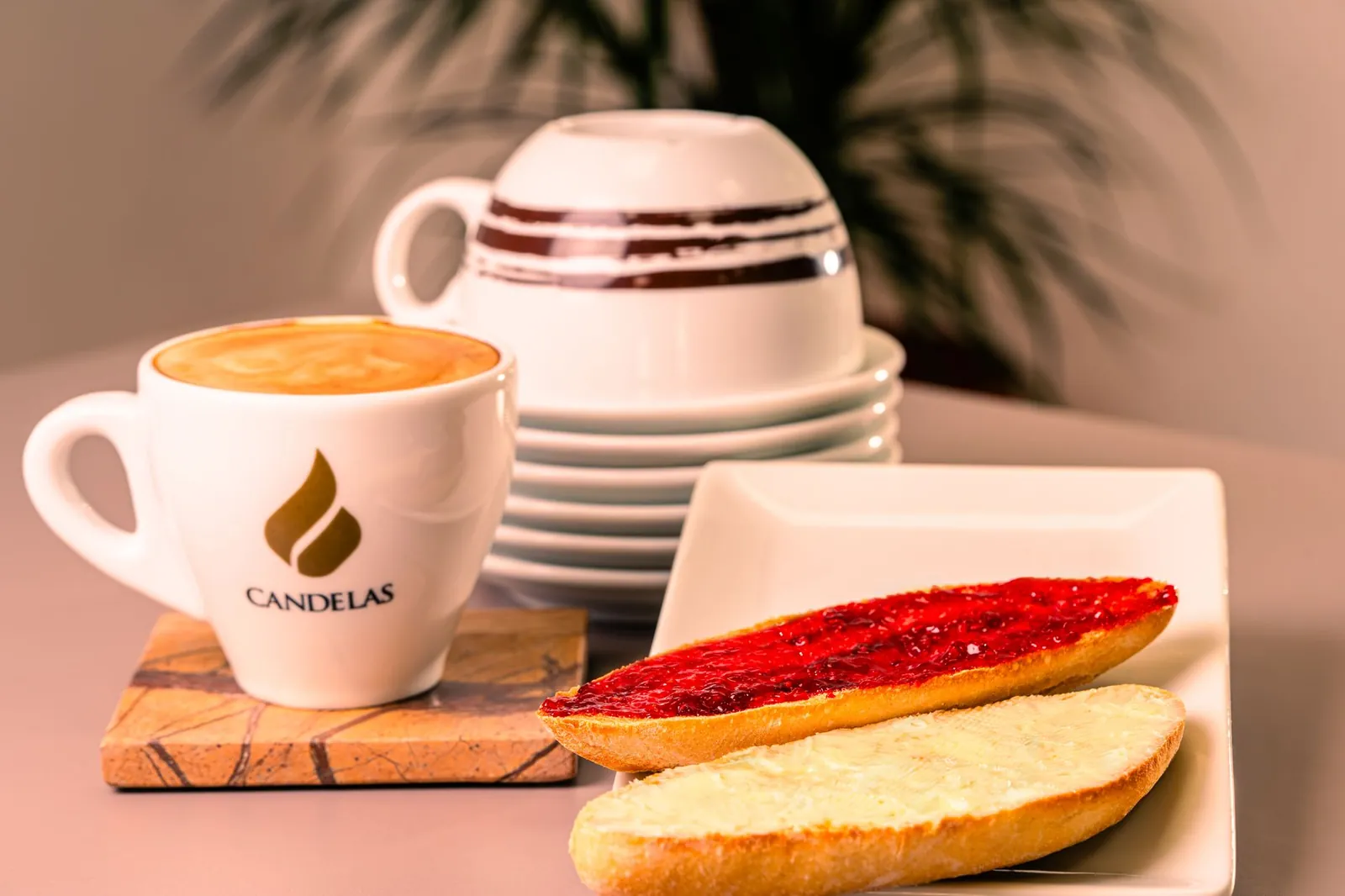
One of the most common “mistakes” first-time visitors make is asking for butter or jam with their *tostada con tomate*. While some places might offer these for a different type of toast (like *tostada con mantequilla y mermelada*), the tomato toast is considered perfect as is, with its olive oil. Bringing out butter for it would be like asking for ketchup with your paella – generally not done and might confuse your server! Trust the simplicity; the olive oil is the only fat this dish needs.
Another tip is to observe the local timing. Spanish breakfast is usually between 8:00 AM and 10:30 AM, though some places start earlier and end a bit later. If you show up much after 11:00 AM, you might find the breakfast service winding down or the freshest bread already gone. The morning ritual is a specific window, and embracing it will get you the best experience. Also, don’t rush. This isn’t a grab-and-go meal in the same way a typical coffee shop might be in other countries. Take a moment, sit at the counter or a small table, and soak in the atmosphere. It’s a key part of the lifestyle.
Here are Caro’s insider tips for the ultimate tostada experience:
- Focus on Freshness: Whether making it at home or ordering out, the quality of the tomato and olive oil is paramount. If the tomato isn’t ripe or the oil isn’t extra virgin, it won’t be the same.
- Don’t Be Afraid to Specify: If you’re particular, you can ask for *poca sal* (little salt) or *más aceite* (more oil). Most places are happy to accommodate small requests.
- Venture Beyond the Tourist Traps: While major hotels often serve a version, the most authentic and often best-value tomato toast is found in smaller, local bars. Wander a few blocks off the main squares.
- Observe and Learn: Watch how locals prepare or eat theirs. You’ll quickly pick up on the nuances, like the satisfying crunch of good toast or the way the oil forms little pools on the tomato.
- Consider the Bread: If you’re making it at home, experiment with different rustic breads. A good *pan de pueblo* or even a hearty sourdough can elevate the entire experience.
Understanding these elements isn’t just about getting the perfect meal; it’s about understanding a piece of Spain itself. It’s about appreciating the ingredients, the traditions, and the pace of life that makes this country so unique. And if you’re exploring the various regions, consider checking out options to find hotels in Seville or any other city, to ensure you have a comfortable base for your morning culinary adventures.
Common Questions About Spanish Breakfast Toast
What’s the difference between *pan con tomate* and *tostada con tomate*?
Essentially, they refer to the same dish: bread with tomato. *Pan con tomate* is a general term often used in Catalonia (*pa amb tomàquet* in Catalan) and across Spain. *Tostada con tomate* specifically emphasizes that the bread is toasted. In practice, both terms are often used interchangeably to describe a slice of toasted bread rubbed with fresh tomato, drizzled with olive oil, and seasoned with salt.
Can I get tomato toast at any time of day?
While *tostada con tomate* is primarily a breakfast item, consumed from early morning until late morning (typically before 11:30 AM), you can sometimes find it available outside these hours, especially in casual bars that serve lighter fare throughout the day. However, it’s not a common lunch or dinner item, and the bread might not be as freshly toasted later in the day, so for the best experience, stick to breakfast hours.
Is tostada con tomate a healthy breakfast option?
Absolutely! It’s a very healthy and balanced breakfast. The primary ingredients – whole grain or rustic bread, fresh tomatoes, and extra virgin olive oil – are cornerstones of the Mediterranean diet. Tomatoes provide vitamins and antioxidants, olive oil offers healthy fats, and good bread supplies carbohydrates for energy. It’s light, nutritious, and avoids excessive sugar or processed ingredients.
What kind of bread is best for Spanish tomato toast?
The best bread is a rustic, country-style loaf with a good crust and a dense, slightly chewy interior. Options like *pan de pueblo*, sourdough bread (*pan de masa madre*), or a good quality baguette are excellent choices. Avoid overly soft or thin sandwich bread, as it won’t hold up to the tomato rubbing and won’t give you the satisfying texture that makes the dish so good.
There’s a reason the simple *tostada con tomate* has captured my heart after 15 years in Spain. It’s a daily reminder of the beauty in simplicity, the power of fresh ingredients, and the quiet joy of a shared ritual. It’s more than just a dish; it’s a doorway into the honest, unassuming soul of Spanish life, and I genuinely hope you’ll embrace it, whether you’re here in person or bringing a slice of Spain to your kitchen. If you love discovering authentic Spanish flavors, you should also check out this patatas bravas recipe
About the Author
After 15 years living and traveling across Spain, Caro knows this country in a way most travel writers never will. She’s not here to sell you a polished version of Spain, she’s here to show you the real one. Every guide on this site comes from her own experience: the restaurants she eats at, the routes she walks, the festivals she’s actually attended. She writes to cut through the noise and give you what actually matters. Learn more about Caro →