Visiting Galicia in the Rainy Season: What It’s Actually Like
Most travelers picture Spain bathed in relentless sunshine, a country of golden beaches and endless summer. But to truly know Spain, you need to understand its rich, diverse regions – and in the verdant northwest, Galicia rainy season unique appeal unveils a character you simply won’t find anywhere else. Forget the relentless heat of the south; here, the Atlantic breath brings a different kind of beauty. It’s a land transformed by mist, softened by drizzle, and deepened by the very elements that others avoid, revealing a profound sense of atmosphere and a genuine connection to its ancient soul that sunny days can sometimes gloss over.
Quick Answer: Galicia Rainy Season’s Unique Appeal
Galicia’s rainy season, typically running from late autumn through spring, offers a distinctive and deeply rewarding travel experience characterized by dramatic misty landscapes, fewer crowds, cozy indoor cultural activities, and an enhanced focus on comforting gastronomy. While waterproof gear is essential, the region’s green forests, powerful coastline, and rich history often feel more authentic and accessible when embraced amidst the elements.
Embracing the Atmosphere – Why the Rain is a Gift
The rain in Galicia is not a problem to endure; it’s an integral part of its identity, shaping the landscape, culture, and the very air you breathe. This season envelops the region in a distinct atmosphere that feels both ancient and deeply comforting, making a visit between October and April a unique opportunity to see Galicia beyond its summer facade.
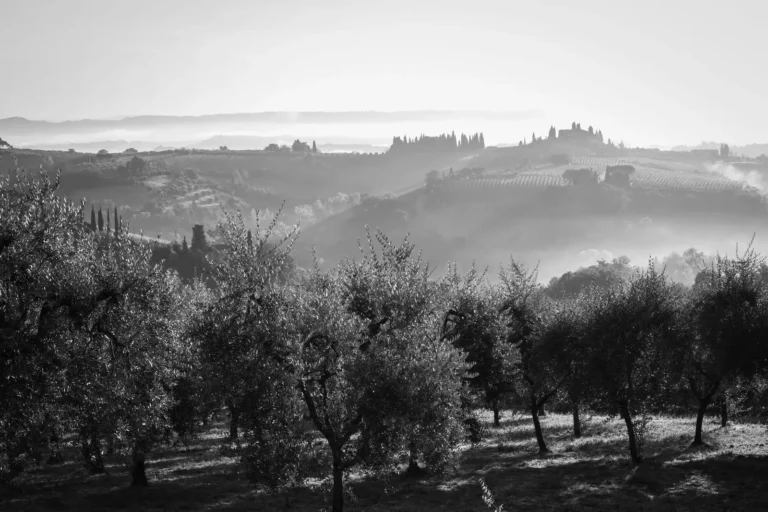
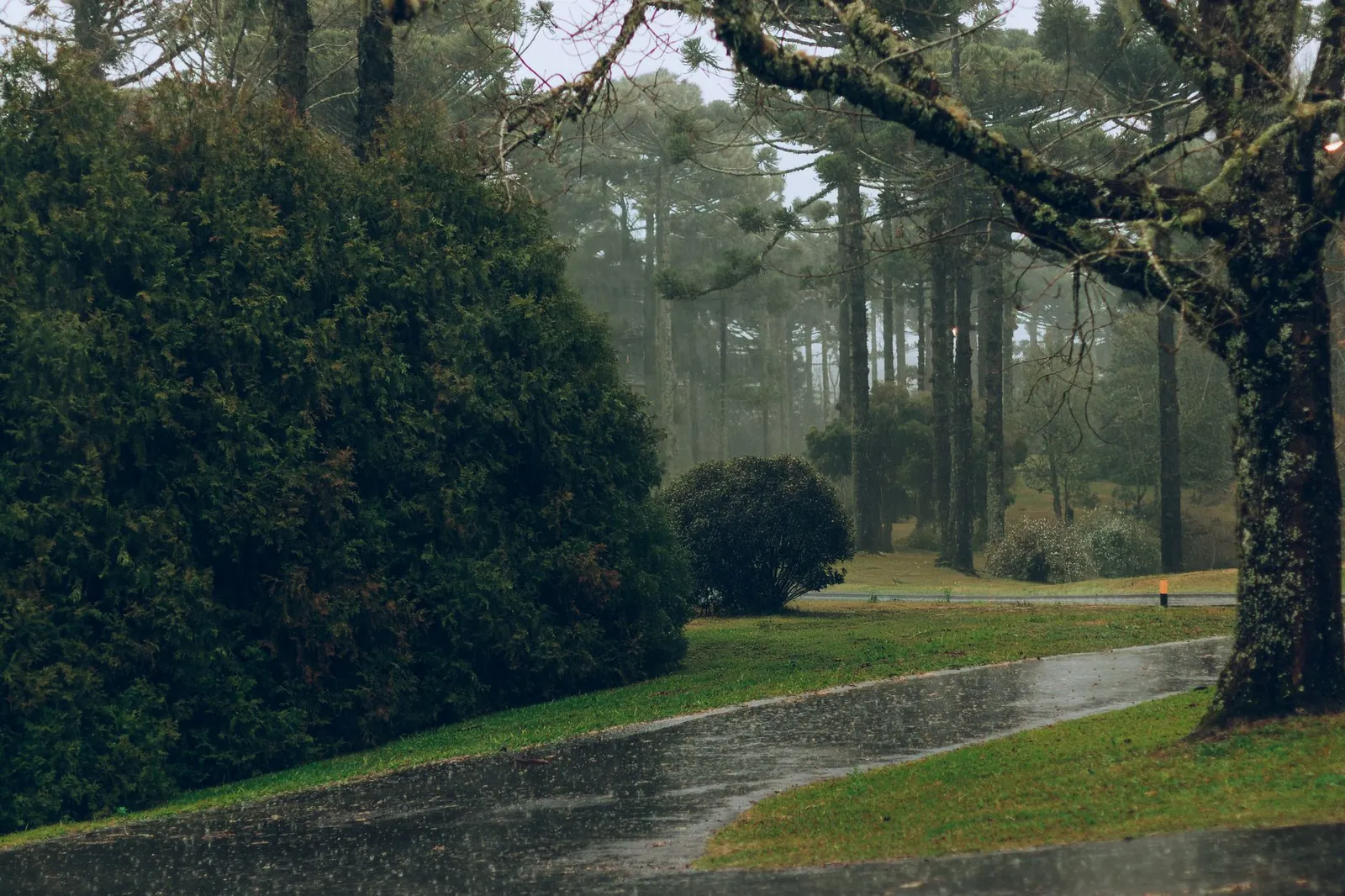
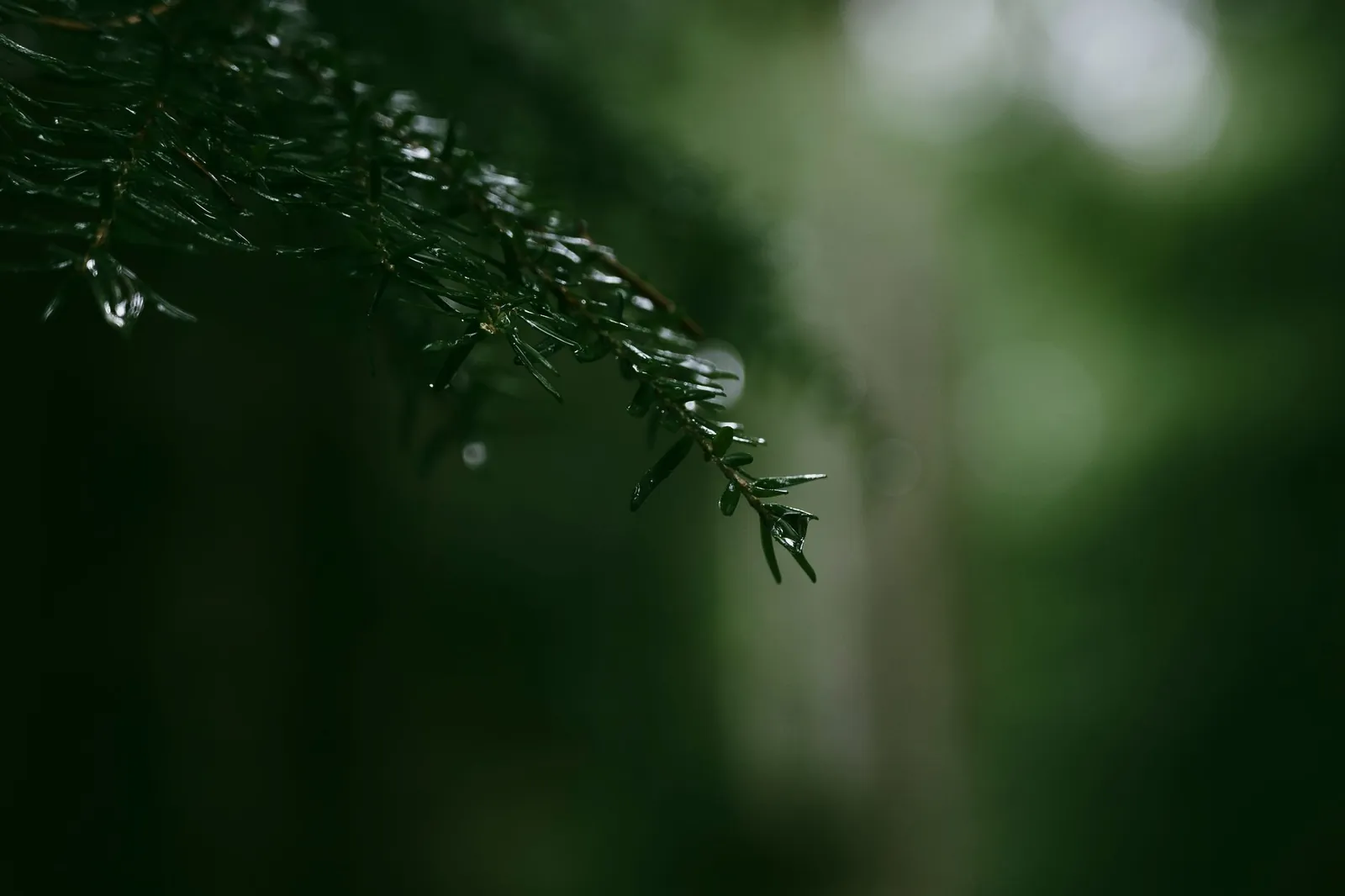
You’ll notice it first in the light. The skies often paint themselves in shades of grey, but this isn’t gloomy; it’s soft, diffused, and gives everything a painterly quality. The verdant hills, already so green from the Atlantic influence, deepen in color, and the ancient stone villages seem to huddle more closely together under a veil of mist. Walking through a forest like the Fragas do Eume on a damp day, with the canopy dripping and the air cool and fresh, feels almost ethereal. The silence is profound, broken only by the drip of water and perhaps the distant cry of a bird.
This atmosphere fosters a sense of contemplation. Santiago de Compostela’s historic core, already powerful, takes on a mystical quality with fewer pilgrims and tourists. The grand Cathedral, usually teeming, offers moments of quiet reverence. You can linger in a small café with a warming drink, watching the rain sheet down outside, and feel completely immersed in the local rhythm. This slower pace allows for deeper connections – with the place, its people, and perhaps even with yourself. It’s a chance to peel back the layers and experience what many Galicians know: that the rain isn’t just weather; it’s a mood, a muse, and a key ingredient in their identity.
Of course, this experience requires a certain mindset. If your idea of a holiday is guaranteed sunbathing, this isn’t for you. But if you appreciate dramatic natural beauty, rich cultural immersion without the crowds, and the simple pleasure of coziness, then you’ll find Galicia in its wetter months offers something special. It asks you to slow down, to notice the details, and to wrap yourself in its distinctive charm. Expect temperatures to hover between 8-15°C on average, with colder snaps possible, particularly inland.
Essential Gear & Staying Comfortable
To fully enjoy Galicia’s unique atmosphere during its wetter months, packing the right gear is non-negotiable, ensuring comfort and allowing you to embrace the elements rather than simply tolerate them. Prioritizing waterproof and insulating layers will significantly enhance your experience, allowing you to explore both urban centers and natural sites without discomfort.
Think layers. The weather can shift quickly from a light drizzle to heavier rain, or even clear skies. A good quality, lightweight waterproof jacket is your single most important item, ideally one that’s breathable. Don’t skimp on this; a cheap poncho will leave you feeling damp and miserable. Follow that with waterproof trousers if you plan on hiking or spending extended time outdoors, especially along the coast where spray can be an issue. For your feet, waterproof hiking boots with good grip are essential, particularly if you venture onto cobblestone streets or damp forest trails. An umbrella is also a good idea for quick dashes between buildings in cities, as is a warm hat and gloves, especially in winter. Wool or fleece mid-layers will keep you warm even if they get a little damp. Many shops in major towns like Santiago or A Coruña sell quality outdoor gear if you realize you’ve missed something, though prices can be higher than buying in advance. For example, a decent waterproof jacket might cost €80-€150 in a local outdoor store.
Here’s a practical packing list to ensure you’re prepared:
- Waterproof and windproof jacket: Essential, ideally with a hood.
- Waterproof trousers: Critical for hiking or coastal walks.
- Waterproof hiking boots: With good ankle support and grip.
- Warm, moisture-wicking socks: Bring several pairs.
- Layering tops: Merino wool or synthetic base layers and fleece mid-layers.
- Warm hat and gloves: Especially important for colder days and evenings.
- Small, waterproof backpack or cover: To protect your belongings, including electronics.
- Compact umbrella: Handy for city exploration.
- Quick-drying travel towel: Useful if your clothes get damp.
- Comfortable walking shoes: For drier days or indoor use, a second pair is always a good idea.
Being honest, under-prepared travelers are the ones who complain about the weather. With the right kit, you transform the rain from an inconvenience into a defining feature of your Galician adventure. Don’t forget that many smaller villages and attractions might have limited opening hours during the off-peak, wetter season, so always check in advance before heading out.
| Item | Purpose | Estimated Cost (EUR) |
|---|---|---|
| Waterproof Jacket (quality) | Rain and wind protection | €80 – €150 |
| Waterproof Trousers | Leg protection for hikes | €40 – €80 |
| Waterproof Hiking Boots | Foot protection, grip | €70 – €130 |
| Warm Fleece Layer | Insulation | €25 – €60 |
| Wool/Synthetic Socks (3 pairs) | Comfort, warmth, moisture-wicking | €15 – €30 |
Exploring Cities & Culture When Skies are Grey
When the rain arrives in Galicia, its historic cities offer a wealth of cultural and gastronomic experiences that are arguably even better enjoyed without the peak-season crowds. Santiago de Compostela, A Coruña, and Lugo become havens for indoor exploration, inviting you to delve into their deep histories and vibrant contemporary life.
Santiago de Compostela, the capital, truly comes alive with a more contemplative spirit in the rainy season. Spend hours inside the magnificent Cathedral of Santiago de Compostela, exploring its chapels, the museum (€12 entry), and climbing the Portico de la Gloria (separate ticket, check availability as restoration work is ongoing). The Pilgrim’s Museum (Museo das Peregrinacións) near the Praza das Praterías offers insights into the Camino de Santiago for €2.40. Afterwards, duck into a traditional ‘taberna’ for a warming bowl of Caldo Gallego or a plate of Pulpo a la Gallega. The Mercado de Abastos, Santiago’s bustling food market, is a fantastic place to spend a morning, rain or shine. You can watch locals shop for the freshest seafood, produce, and cheeses, and even eat fresh oysters right there at the stalls. The market generally operates Monday-Saturday from 7am to 3pm. To dive deeper into the city and its surroundings, consider booking guided excursions around Santiago.
Further north, A Coruña combines urban charm with a dramatic coastal setting. Even in the rain, a walk around the base of the ancient Tower of Hercules, the world’s oldest working Roman lighthouse, is powerful. Indoors, explore the Domus (Museum of Mankind) for €2, or the Aquarium Finisterrae (€10, open 10am-7pm), both modern, interactive spaces that are great for all ages. The city’s María Pita Square, with its grand architecture, provides a beautiful backdrop for a sheltered stroll under the colonnades.
Lugo, encircled by its exceptionally preserved Roman Walls (a UNESCO World Heritage site), offers a unique experience. You can walk the full 2.1 kilometers of the walls even on a wet day – the wide pathway provides excellent views and usually isn’t too exposed. Inside the walls, visit the Lugo Cathedral and the Casa dos Mosaicos, a fascinating archaeological site revealing Roman floor mosaics (free entry, often open 10am-2pm and 4pm-7pm, check specifics as hours vary seasonally). These cities, with their rich layers of history and cozy indoor spaces, provide the perfect antidote to grey skies.
Culinary Delights & Cozy Gastronomy
The rainy season in Galicia isn’t just about the scenery; it’s also the ideal time to delve into its renowned gastronomy, where hearty, warming dishes take center stage. The region’s food culture is deeply tied to its land and sea, and the colder, wetter days invite longer, more leisurely meals in welcoming establishments.
You’ll discover that Galician cuisine is comforting and substantial, designed to warm you from the inside out. The undisputed champion for a chilly day is Caldo Gallego, a rich soup or stew featuring greens (often turnip greens or collard greens), potatoes, beans, and meat like pork shoulder or chorizo. It’s the soul of Galician cooking, a dish that every local family knows and loves. Another must-try is Pulpo a la Gallega (Octopus Galician style), boiled until tender, sliced, sprinkled with coarse salt, paprika, and drizzled with olive oil. While available year-round, it feels particularly satisfying in a cozy ‘pulpería’ when the weather is cool.
Beyond these staples, seek out the incredible fresh seafood – not just fish, but also mussels, scallops (zamburiñas), and clams (almejas) prepared simply to highlight their natural flavors. Look for traditional restaurants, known locally as ‘casas de comidas’ or ‘furanchos’ (seasonal, rustic eateries often found in rural areas, especially during autumn), where the focus is on quality ingredients and time-honored recipes. An empanada gallega, a savory pie with fillings like tuna or cod, makes for a perfect portable lunch or snack. Pair your meal with local, crusty bread. The prices for a hearty, multi-course ‘menú del día’ (lunch menu) will often range from €12 to €18, offering excellent value.
When you sit down for a meal, particularly in a smaller town, you’re not just eating; you’re participating in a social ritual. Meals are unhurried, conversations flow easily, and the warmth of the company matches the warmth of the food. It’s a chance to connect with local life and appreciate why food is such a central part of the Galician identity. This is where you experience Spain’s real food culture, not just a recipe.
Here are some dishes to seek out:
- Caldo Gallego: A robust, nourishing vegetable and meat broth.
- Pulpo a la Gallega: Tender octopus with paprika and olive oil.
- Empanada Gallega: Savory pastry pie with various fillings.
- Zamburiñas a la Plancha: Grilled small scallops, a simple, briny Galician classic.
- Pimientos de Padrón: Small green peppers, some spicy, some not, fried and salted.
- Mariscada: A platter of various fresh seafood (clams, mussels, prawns, sometimes crab) – prices vary greatly by selection and season.
Nature’s Drama – Forests, Coasts & Thermal Waters
Even with rain, Galicia’s raw, untamed natural beauty takes on an intensified, dramatic quality, inviting exploration for those prepared to embrace the elements. From ancient forests shrouded in mist to a powerful, wild coastline and soothing thermal springs, the landscape offers profound experiences during the wetter months.
One of the most captivating experiences is a visit to the Ribeira Sacra region, particularly from October to April. This area, known for its steep canyons carved by the Miño and Sil rivers, dotted with ancient monasteries, is often covered in a gentle mist that enhances its mystical allure. While some river boat tours might have reduced schedules or close during the deepest winter months (check specific operators like Ribeira Sacra Turismo for current availability, prices around €10-€15 for a 90-minute tour), driving along the winding roads and visiting the monasteries like Santo Estevo de Ribas de Sil or Santa Cristina de Ribas de Sil offers a profound sense of peace. The vibrant autumnal colors transitioning into the stark beauty of winter are a sight to behold.
For something truly wild, the Costa da Morte (Coast of Death) lives up to its name with powerful waves crashing against rugged cliffs. While hiking the coastal paths requires caution and good waterproof gear, the raw energy of the Atlantic is palpable. Places like Finisterre, once believed to be the end of the world, feel even more significant under grey skies. Here, the internal link to Galicia’s Beaches Feel Nothing Like the Costa del Sol highlights a different perspective than typical Spanish coastal trips. Similarly, embarking on a Galicia coastal road trip itinerary during this period can reveal dramatic views, though you’ll spend more time in the car between viewpoints.
When the rain does set in, or simply as a perfect way to relax after a day of exploration, Galicia’s natural thermal springs offer a wonderfully soothing escape. Ourense is particularly famous for its thermal waters. The Termas de Outariz and Termas da Chavasqueira are popular options, with outdoor thermal pools. Entry to Termas de Outariz typically costs around €5.70 per person for a full day, while Termas da Chavasqueira (Japanese-style baths) might be around €4.30. Both are often open well into the evening (e.g., 10am-11pm daily), providing a warm contrast to the cool, wet air. Visiting these outdoor spas in the rain or cool weather is an experience in itself – the steam rising from the hot water against the damp air is truly atmospheric, and a profound way to connect with the landscape’s natural gifts.
If you’re seeking to explore the inland beauty, you might appreciate My Galicia green villages journey captures the soul of Spain, offering a look at how communities thrive amidst the pervasive green. Just remember that some minor roads in very rural areas can be affected by heavy rain, so always check local conditions before setting off on an adventure. The key to enjoying these natural wonders in the rainy season is preparedness and a willingness to embrace the wild beauty that unfolds.
Common Questions About Galicia’s Wetter Months
Is it worth visiting Galicia in winter?
Absolutely, visiting Galicia in winter (December-February) is worthwhile for travelers seeking quiet cultural immersion, cozy gastronomic experiences, and dramatic misty landscapes without the summer crowds. While temperatures average 8-12°C and rainfall is frequent, proper gear allows for comfortable exploration of cities, forests, and thermal spas, revealing a more authentic side of the region.
What’s the best month for rain in Galicia?
Galicia experiences its highest rainfall typically from November through March, with December and January often being the wettest months, seeing average rainfall figures around 150-200mm per month in coastal areas. If you’re looking to experience the full atmospheric effect of the rain, early winter months like November or December provide an excellent balance of dramatic weather and pre-holiday charm.
What are average temperatures like during the rainy season?
During Galicia’s rainy season (October-April), average daytime temperatures typically range from 8°C to 15°C. December and January are usually the coldest, with averages around 8-10°C, while November and March see milder averages of 10-13°C. Frost is rare along the coast but more common inland, particularly at night.
What regional events happen during the wet season?
The wet season in Galicia hosts several traditional events. Key among them is Entroido (Carnival), celebrated across February or early March depending on the liturgical calendar, featuring unique masks and parades. Also, many towns host Gastronomic Fiestas dedicated to local produce like chestnuts (Magostos in autumn) or specific seafood, providing warm, community-focused experiences often held indoors or under marquees.
Ultimately, to experience Galicia fully is to embrace its Atlantic spirit, which often arrives on the back of a cloud. The region in its wetter glory isn’t just a place to visit; it’s an experience that settles into your bones, offering a different kind of beauty and a deeper connection to this ancient corner of Spain. If you’ve been curious about what makes My Galicia green villages journey captures the soul of Spain so compelling, consider how much more profound that experience becomes when the mists roll in.
About the Author
After 15 years living and traveling across Spain, Caro knows this country in a way most travel writers never will. She’s not here to sell you a polished version of Spain, she’s here to show you the real one. Every guide on this site comes from her own experience: the restaurants she eats at, the routes she walks, the festivals she’s actually attended. She writes to cut through the noise and give you what actually matters. Learn more about Caro →