Altea: The White Village on the Costa Blanca
Some links in this guide are affiliate links — if you book through them we may earn a small commission at no extra cost to you. It never changes what we recommend. Full disclosure.
People often expect the Costa Blanca to be just a string of resort towns and expansive beaches, a pleasant enough holiday but perhaps lacking in genuine character. However, tucked away from that well-trodden path, Altea white village Costa Blanca stands as a quiet revelation, a place that rewards a slower visit with its artistry and genuine Spanish character. This guide isn’t about the usual holiday package; it’s about experiencing the real soul of this special town, from its cobblestone streets to its local rhythms, ensuring you leave with a deep appreciation for its unique charm.
This article contains affiliate links. If you book through one, Spain Destination may earn a small commission at no extra cost to you. See the full affiliate disclosure →
Quick Answer: Is Altea Worth Visiting?
Absolutely, Altea is worth visiting for anyone seeking an authentic Spanish experience beyond the typical tourist hubs; its whitewashed old town, thriving artistic community, and serene coastal atmosphere offer a peaceful contrast, making it a perfect destination for a day trip or a longer, reflective stay. Plan to spend at least five hours here to truly soak in its beauty and discover its quiet corners.
Winding Through Altea’s Casco Antiguo: A Guide to the Old Town
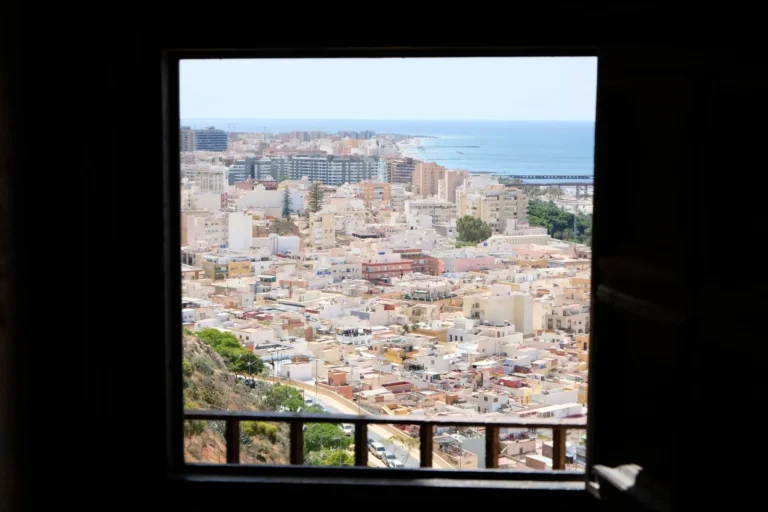
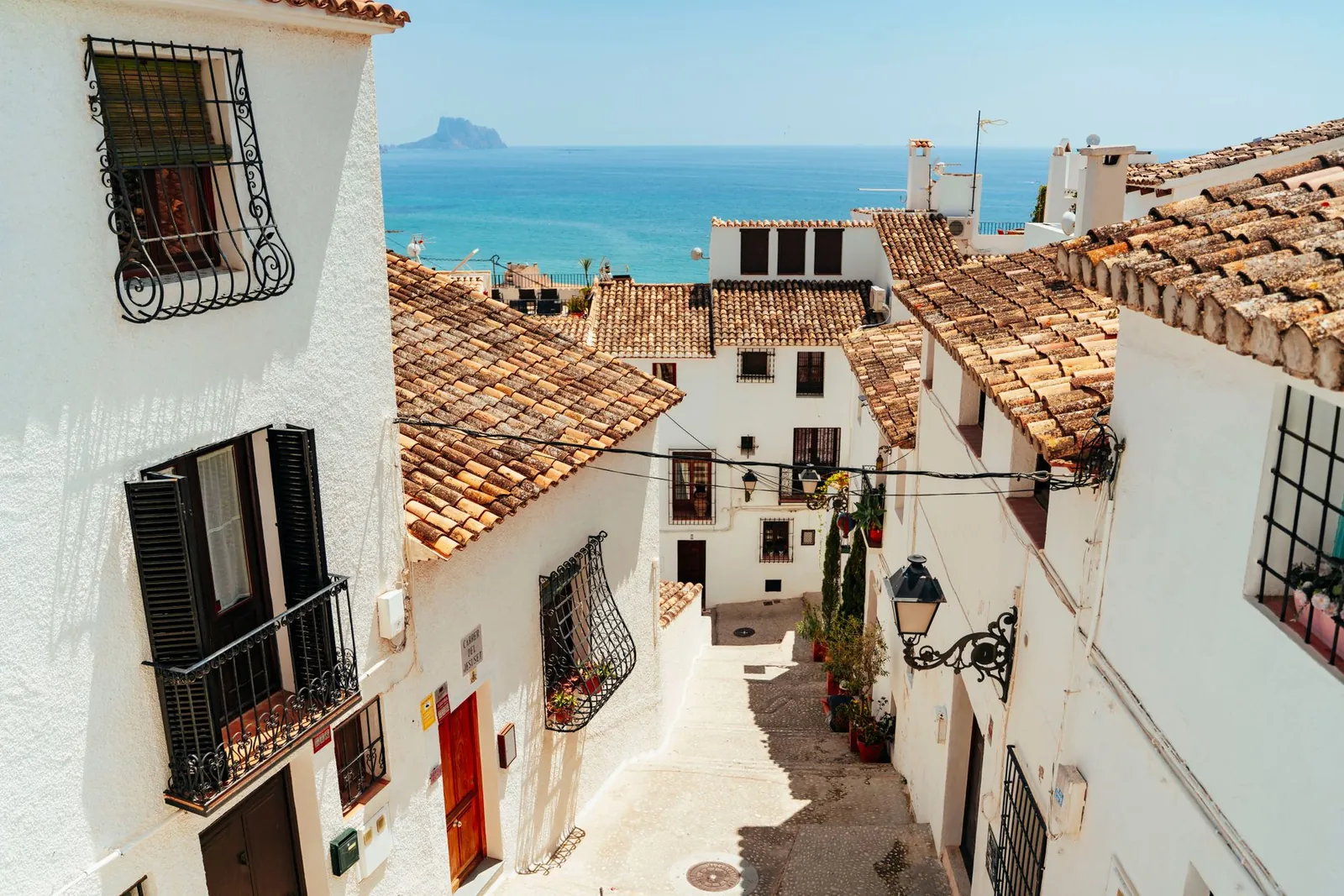
Exploring Altea’s Casco Antiguo, the Old Town, typically takes a minimum of three hours to truly appreciate its winding streets, artisan shops, and stunning views, with the main Church of Our Lady of Consolation plaza serving as its beating heart. The ascent to the top, while a gentle climb, rewards you with panoramas that stretch across the Mediterranean Sea and down the coastline towards Benidorm, a striking visual contrast to Altea’s calm. You’ll want sturdy, comfortable shoes for the cobblestones, which can be uneven.
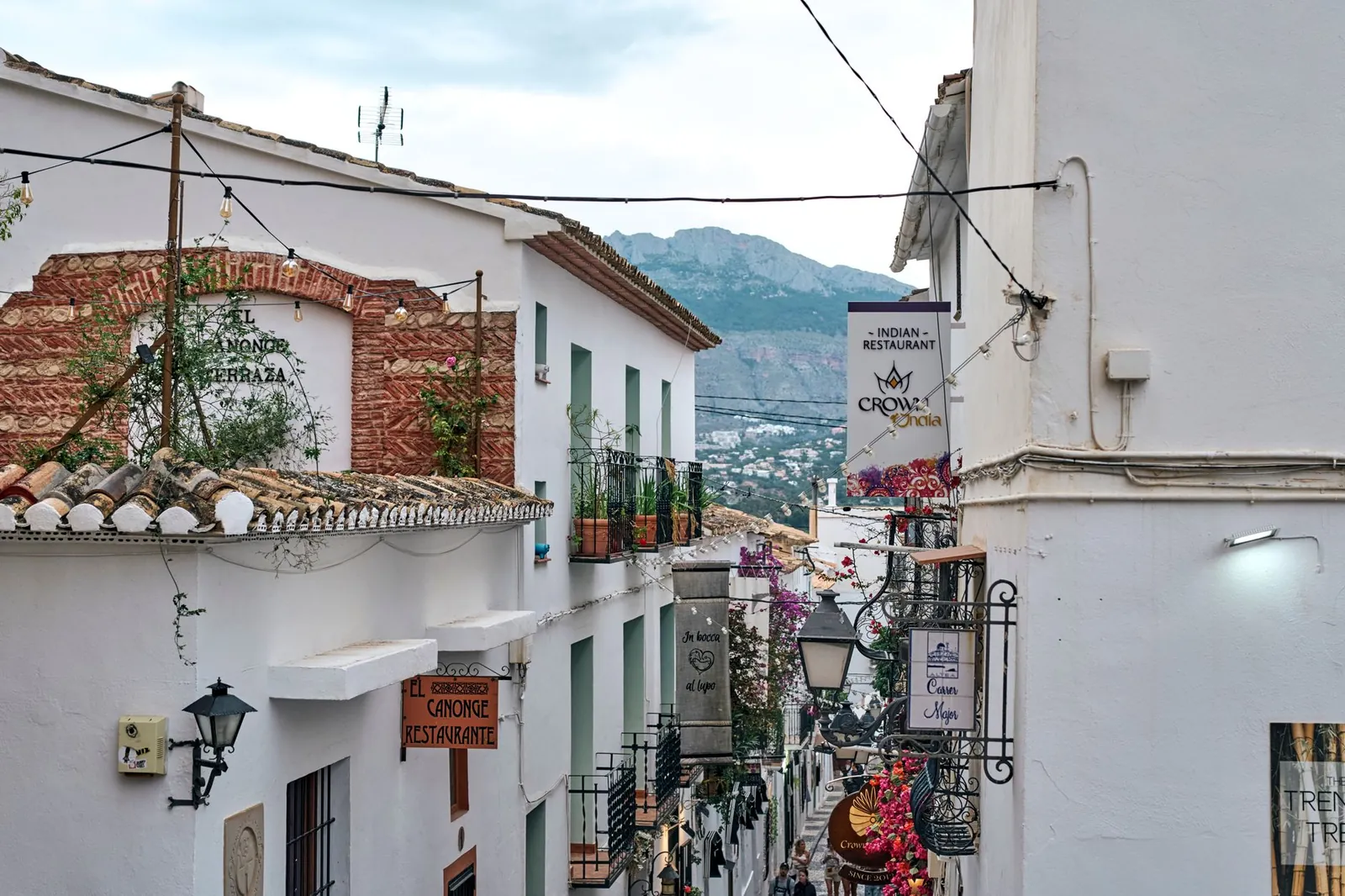
The Old Town isn’t just a collection of pretty buildings; it’s a living, breathing place with a real community. Every turn reveals something new: a small gallery showcasing local ceramics, a doorway draped with bougainvillea, or a musician playing a quiet tune from a balcony. The streets here, like Calle San Miguel or Calle de Cura Such, are a joy to get lost in. You won’t find major chain stores; instead, expect independent boutiques selling handcrafted items, unique clothing, and local delicacies. Don’t rush. Pause to admire the intricate ironwork on the balconies or the way the light catches the whitewashed walls.
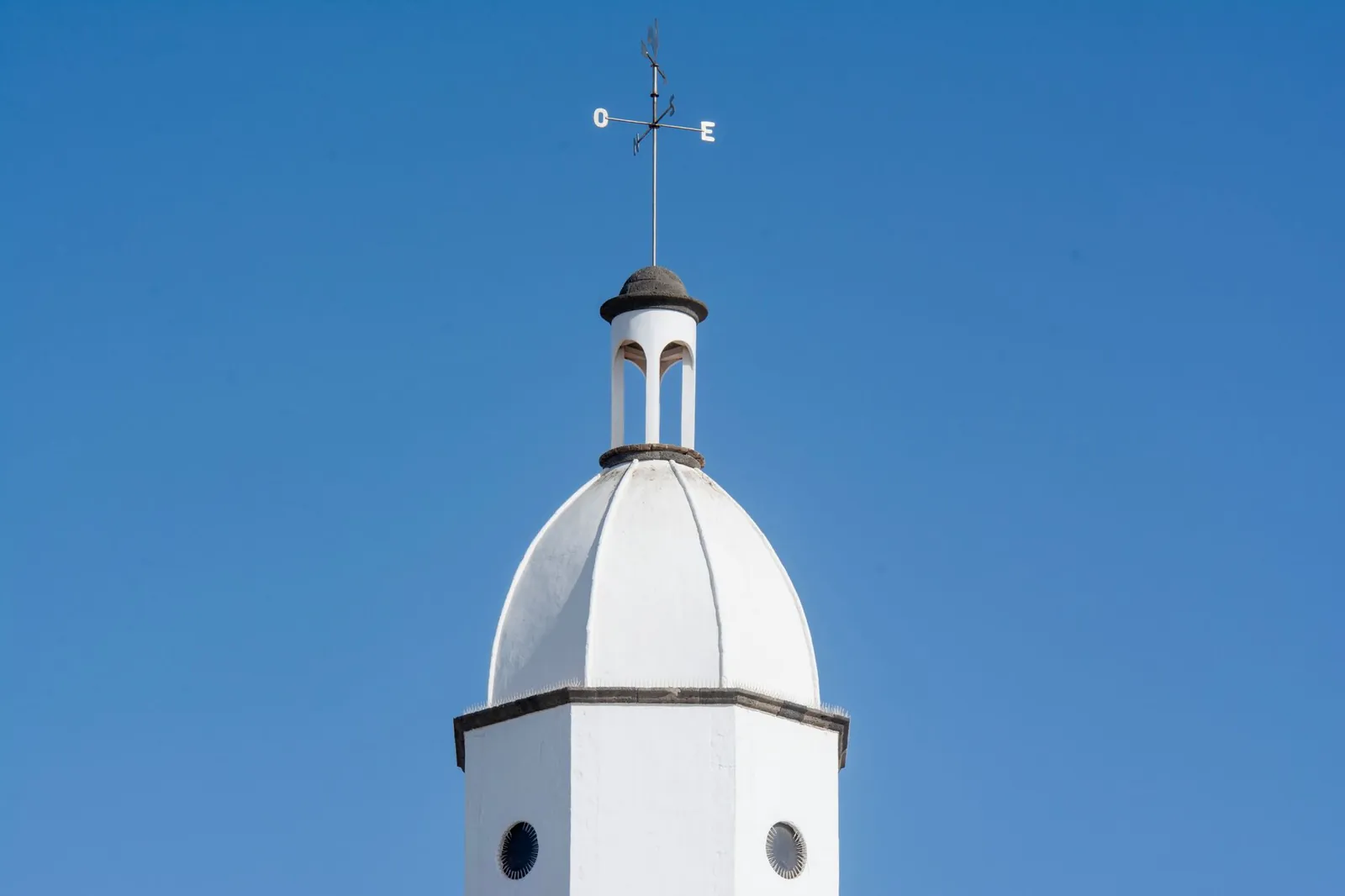
At the very top, the Church of Our Lady of Consolation (Nuestra Señora del Consuelo) is unmistakable with its blue-tiled domes, an iconic symbol of Altea. Entry to the church is free, though donations are welcome, and it generally opens for a morning and a late-afternoon session daily, except during services; check locally for the current times. The plaza surrounding it is a focal point, often filled with painters capturing the scene or locals enjoying a quiet moment on a bench. From here, you’ll find several viewpoints, or ‘miradores.’ The Mirador de los Cronistas is particularly good for sunset, offering an unobstructed vista over the bay.
Parking near the Old Town can be a challenge, especially during peak season (July and August) or weekends. Your best bet is to aim for the public car parks closer to the promenade or the lower parts of the town and walk up. There’s a free outdoor car park near the Palau d’Altea cultural center (around Carrer de la Noguera 13) which is about a 10-15 minute walk uphill to the Old Town. Alternatively, there’s an underground paid parking garage, Parking Altea Centro, near the main market square, costing approximately €1.50 per hour. Consider visiting in the early morning or late afternoon to avoid the midday crowds and find easier parking.
Beyond the White Walls: Altea’s Beaches and Promenade
Altea’s beaches offer a distinctly different experience from the typical sandy stretches of the Costa Blanca, characterized primarily by smooth pebbles rather than fine sand, making them ideal for clear waters and comfortable lounging with the right gear. The main beachfront promenade, stretching over two kilometers, provides a flat, accessible walk connecting various sections of the coast, perfect for an evening stroll after dinner. You won’t find wide, sandy expanses, which means the water is often incredibly clear, inviting you to swim or snorkel.
Your main options are Playa de la Roda, located directly below the town center, and Playa de Cap Blanch, extending south towards Albir. Playa de la Roda is easily accessible, lined with eateries and shops, and offers various services like sunbed rentals (around €5-€7 per day per sunbed) and pedal boat hire (about €10-€15 per hour). This beach is popular but never feels as overwhelmingly crowded as some of its sandy neighbors. The pebbles here are smooth and comfortable underfoot if you have good beach sandals, but water shoes are a smart addition for swimming.
Further south, Playa de Cap Blanch is a longer, quieter stretch, popular for watersports like paddleboarding or kayaking, with rental services available seasonally from €15-€20 per hour. This area feels more open and less developed than La Roda, offering a peaceful retreat. Both beaches hold Blue Flag status, indicating high standards of water quality, safety, and environmental management. Lifeguard services are generally active from June through September, typically from 10:00 to 19:00.
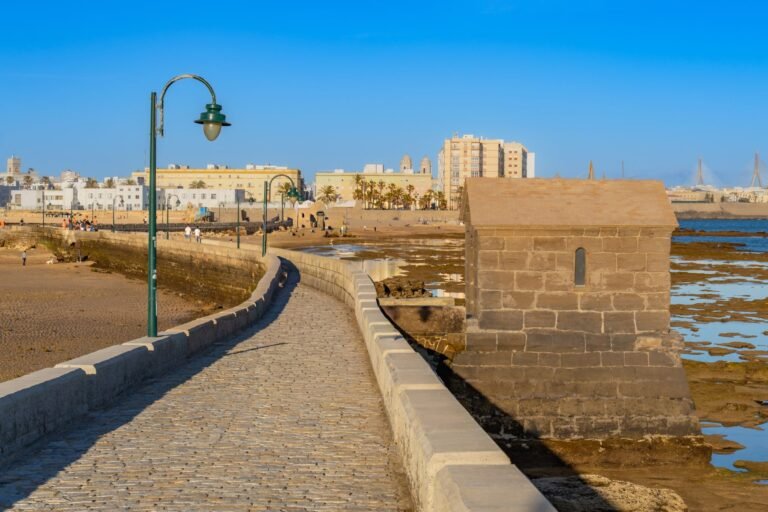
The promenade itself is a highlight. It’s perfect for a leisurely walk or bike ride, offering consistent sea views. Along its length, you’ll find small play areas for children, outdoor exercise equipment, and benches where you can simply sit and watch the waves. The atmosphere here is relaxed; you’ll see families, couples, and individuals enjoying the fresh air and the sound of the Mediterranean. Early mornings are particularly serene, with local runners and walkers out enjoying the cool air before the day heats up.
Local Rhythms: Altea’s Markets, Art, and Authentic Experiences
Altea fosters a strong artistic community and a genuine local rhythm that you can experience directly through its weekly street market, artisan workshops, and a calendar of cultural events throughout the year. The town’s artistic soul is visible in its many small galleries and craft shops, particularly in the Old Town, where local artists display their ceramics, paintings, and handmade jewelry, offering unique keepsakes from €15 upwards. These aren’t tourist traps; these are real working studios and passionate creatives.
The weekly street market, held every Tuesday morning (8:00 to 14:00) along the Carrer Pont de Moncau and surrounding streets, is a vibrant affair where you can find everything from fresh local produce and cheeses to clothing and household goods. This is where locals do their weekly shopping, and it’s a wonderful place to pick up seasonal fruits for a few euros or discover handcrafted items you won’t find anywhere else. Expect a bustling atmosphere, but it’s manageable, especially if you arrive earlier in the morning.
- Altea Market (Tuesday mornings): Fresh produce, local olives, cheeses, dried fruits, clothing, accessories. Arrive before 10:00 for the best selection and fewer crowds.
- Art Galleries: Wander through the Old Town to discover places like Galería de Arte M.C. in Plaza de la Iglesia, showcasing contemporary Spanish art. Most open late mornings and again in the late afternoon.
- Artisan Workshops: Look for signs indicating ‘taller artesanal’ where you can sometimes watch artisans at work. Many sell unique pottery and textiles.
- Palau d’Altea: This cultural center hosts concerts, theater, and exhibitions. Check their official website for schedules and ticket prices, which vary widely depending on the event, from €10 to €40.
- Paseo Marítimo Art Stalls: During summer evenings and weekends, local artists often set up stalls along the promenade, selling paintings and crafts.
Altea also prides itself on its culinary identity, focusing on fresh, regional ingredients. While I can’t speak about drinks, I can tell you that the local food scene is rich in seafood and rice dishes. Look for restaurants serving ‘arroz a banda’ or ‘fideuà,’ typical Valencian dishes. Prices for a main course at a quality establishment range from €15 to €25. Many establishments offer a ‘menú del día’ during weekdays for around €12-€18, which is an excellent value for a three-course meal.
Planning Your Visit: Getting to Altea and Moving Around
Reaching Altea is straightforward, with the most convenient options being driving your own vehicle or using regional public transport from larger cities like Alicante or Valencia. Once you’re in Altea, the town is walkable, but the Old Town’s steep, cobblestone streets demand comfortable footwear and a willingness to climb. For those looking to find a place to stay, booking in advance, especially during high season, is always a good idea.
If you’re flying into the region, Alicante-Elche Airport (ALC) is the closest major international airport, approximately 70 kilometers south of Altea. From ALC, you can rent a car, take a taxi (€70-€90), or use a combination of bus and tram. The C6 bus connects the airport to Alicante city center (daily, every 20 minutes, €3.85), where you can then catch the TRAM L1 line north towards Benidorm and change to L9 for Altea. The full tram journey takes about 1.5-2 hours from Alicante, costing around €2.80-€4.80 depending on zones.
From Valencia, the journey is longer, about 130 kilometers south. Driving takes approximately 1.5 hours. Public transport involves a regional train to Alicante (RENFE, around 2 hours, €10-€20) and then the tram, or a direct bus service which can take 2-2.5 hours (€15-€20) operated by companies like Alsa. Checking their website (Alsa.es) or the official Renfe website for exact timings and prices is always recommended.
Here’s a comparison of common routes and estimated costs:
| Origin | Mode of Transport | Estimated Duration | Estimated Cost (one-way) |
|---|---|---|---|
| Alicante Airport (ALC) | Rental Car | ~50 minutes | From €30/day + fuel |
| Alicante Airport (ALC) | Taxi/Transfer | ~50 minutes | €70 – €90 |
| Alicante Airport (ALC) | Bus (C6) + TRAM (L1+L9) | ~1.5 – 2 hours | €6.65 – €8.65 |
| Valencia | Rental Car | ~1.5 hours | From €35/day + fuel |
| Valencia | Bus (Alsa) | ~2 – 2.5 hours | €15 – €20 |
| Valencia | Train (RENFE) + TRAM | ~3.5 – 4 hours | €13 – €25 |
Once you’re in Altea, local buses run along the main road (N-332) connecting different parts of the town and neighboring villages like Albir and Benidorm, with fares typically around €1.50 per ride. Taxis are also available, with a short ride within Altea usually costing €5-€10. For exploring the Old Town, your feet are truly the best and only option, embracing the pedestrian-friendly streets.
Honest Tips for a Better Altea Experience
To truly fall for Altea, just like I did, you need to approach it with a specific mindset, focusing on slow exploration and understanding its unique rhythm, and being aware of a few practicalities that can enhance or hinder your visit. While it’s a wonderfully atmospheric place, remember that the Old Town’s cobblestones are beautiful but unforgiving, so prioritize comfortable, supportive footwear over anything else. You’ll thank me later when you’ve navigated the steep climbs to the church without complaint.
Here are some direct tips to make your visit genuinely enjoyable:
- Visit Off-Peak: If your schedule allows, come in May, June, September, or early October. The weather is still pleasant (around 22-28°C), the light is soft for photographs, and the crowds are significantly smaller than in the peak summer months of July and August. Parking is easier, and you’ll find it more peaceful.
- Embrace the Evening: Altea, especially the Old Town, takes on a different, more relaxed character in the late afternoon and evening. The heat of the day subsides, the streets light up softly, and the atmosphere becomes truly inviting. This is when many locals come out for a stroll. Plan your main Old Town exploration for this time, or early morning.
- Don’t Be Afraid of the Pebbles: Altea’s beaches are pebble, not sand. This means incredibly clear water for swimming, but it also means bringing water shoes is a non-negotiable if you want comfortable access to the sea. A thick beach towel or a small camping mat will make sunbathing more pleasant.
- Consider a Guided Tour: If you love learning the specific history and stories behind places, consider booking a small-group walking tour of the Old Town. These often cost around €25-€40 and provide insights you might miss on your own. You can find tours of Altea that focus on history, art, or even local food.
- Budget for Parking: As mentioned, parking can be tricky. Factor in the cost of paid parking or the time it takes to walk from free zones further out. Don’t waste precious time circling for a free spot right in the center during busy periods; park and enjoy the walk.
- Explore the Market on Tuesday: Even if you don’t plan to buy much, the Tuesday market is a fantastic way to observe local life and get a sense of the community. It’s an honest slice of Altea.
- Step Outside the Old Town: While the Casco Antiguo is the star, don’t ignore the areas around it. The promenade offers a different perspective, and even a wander through the more residential streets can reveal interesting architecture and local businesses that contribute to the town’s real character.
One downside, if I have to be honest, is that Altea isn’t designed for fast-paced tourism. If your idea of a holiday involves rushing through sights and ticking off a checklist, you might find its slow, contemplative pace frustrating. It’s a place that asks you to slow down, to notice details, and to simply be present. Embrace that, and you’ll find its true reward. This patient approach is what helps you really feel the essence of a place, much like discovering other Andalusia peaceful white villages that invite quiet contemplation.
Common Questions About Visiting Altea
Is Altea expensive to visit?
Altea is generally considered a mid-range destination; while certainly not as budget-friendly as some inland towns, it offers good value compared to neighboring Benidorm or larger cities like Valencia. Accommodation, especially outside of July and August, can be found for €60-€100 per night for a comfortable apartment or hotel. Dining prices are fair, with a quality meal costing €15-€25 per person, and the daily ‘menú del día’ offering excellent value at €12-€18.
How many days should I spend in Altea?
For a complete experience, I recommend spending at least two full days in Altea, with three days being ideal to truly relax and explore at a leisurely pace. This allows you a full day to discover the Old Town and its nooks, another day for the beaches and promenade, and perhaps a third for a local market visit or exploring nearby areas without feeling rushed. A single day trip is feasible but will only scratch the surface.
What is the best time of year to visit Altea?
The best time to visit Altea is during the shoulder seasons: May, June, September, and early October. During these months, the weather is pleasantly warm (20-28°C) without being excessively hot, the sea is comfortable for swimming, and the crowds are significantly thinner than during the peak summer. You’ll find a more authentic, peaceful atmosphere and easier access to parking and popular spots.
Is Altea family-friendly?
Altea is very family-friendly, particularly for families who enjoy a slower pace and cultural exploration. The beaches are safe for children, though the pebbles might require water shoes. The Old Town is pedestrianized, but the steep, cobbled streets mean strollers can be challenging, so consider a baby carrier for younger children. There are playgrounds along the promenade, and the overall atmosphere is welcoming and safe for families.
Altea offers a genuine sense of a Spanish coastal community that many larger destinations have lost, where art and tradition intertwine with daily life under the Mediterranean sun. It’s a place that asks you to slow down, to notice the details, and to simply enjoy being present, which is why it continues to hold such a special place in my affections. This is a town that reveals its best to those who take the time to truly see it, much like the slower pace of Gracia Barcelona village life.
About Altea White Village Costa Blanca
This guide is part of Spain Destination’s library of Spain travel and lifestyle content, written with AI assistance and checked against official sources where possible. See how this site is researched and fact-checked →