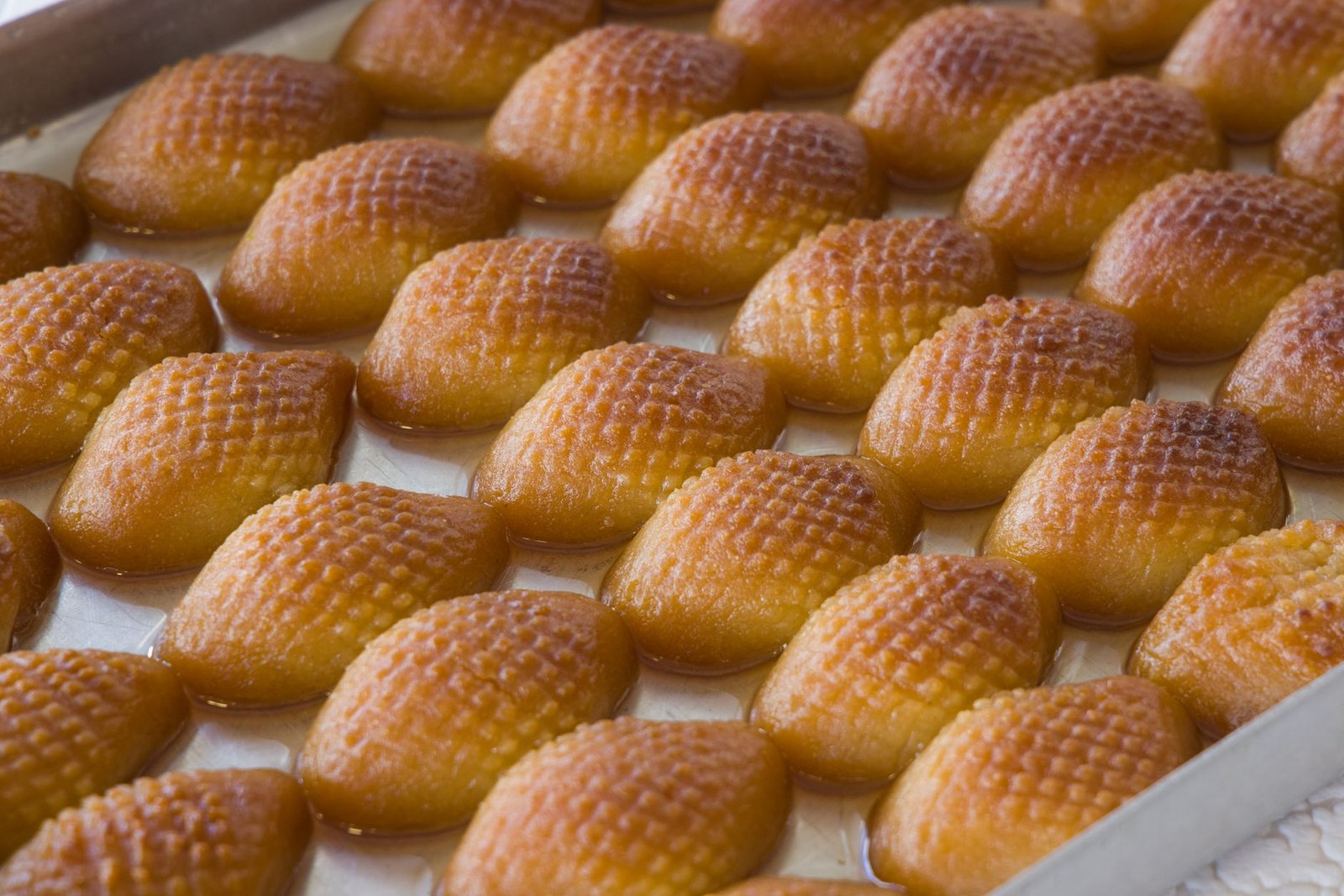
Authentic Andalusian Pestiños Recipe
Some links in this guide are affiliate links — if you book through them we may earn a small commission at no extra cost to you. It never changes what we recommend. Full disclosure.
If you’re looking for an authentic Andalusian pestiños recipe, you’ve come to the right place. The one thing you need to know immediately about pestiños is that while they are a true labour of love, every sticky, anise-scented bite is absolutely worth the effort to recreate a taste of southern Spain in your own kitchen. These delicate fried pastries, drenched in honey or coated in sugar, are more than just a sweet treat; they’re a culinary tradition deeply woven into the fabric of Andalusian life, especially during festive seasons.
Quick Answer: Authentic Andalusian Pestiños Recipe
An authentic Andalusian pestiños recipe typically involves a simple dough made from flour, olive oil infused with aniseed, and often a touch of orange zest, which is then shaped, deep-fried until golden, and finally bathed in a warm honey syrup or dusted with powdered sugar. These traditional sweets are most prominently enjoyed during Christmas and Semana Santa across Andalusia.
The Heart of Andalusian Tradition: What Makes Pestiños Special
Pestiños are quintessential Andalusian. You’ll find them everywhere in the south, from small family bakeries in rural villages to larger patisseries in cities like Seville or Granada, particularly as the holidays approach. This isn’t just a dessert; it’s a centuries-old custom, with roots often traced back to Moorish Spain, similar to other honey-drenched sweets found throughout the Mediterranean. The simplicity of the ingredients belies the depth of flavour and the cultural significance each pestiño carries.
While the basic concept remains the same – fried dough with a sweet coating – there are subtle regional nuances. In some areas, like Cadiz, you might find them slightly thinner and crispier, perhaps with a more pronounced citrus note. In Seville, they might be a little chewier, often drenched heavily in a rich honey syrup. The key ingredients, though, remain constant: good quality extra virgin olive oil, aniseed (matalauva), flour, and a touch of something sweet. It’s a taste that brings back memories for anyone who’s spent time in Andalusia during the festive periods, a comforting, familiar sweetness that signals celebration and community.
What makes pestiños truly special is their homemade nature. While you can buy them, the experience of making them yourself, filling your kitchen with the scent of warm olive oil and anise, is part of the tradition. It’s an activity often shared between generations, a chance to pass down not just a recipe, but a piece of cultural identity. Don’t be surprised if your neighbours, upon smelling the familiar aroma, pop over for a taste and to share their own family’s pestiño secrets. It’s a sweet, sticky bridge between people.
Mastering the Dough: Ingredients for Your Authentic Andalusian Pestiños Recipe
Creating the perfect dough is the foundation of any good pestiño. The key here is quality ingredients, especially the olive oil. Don’t skimp on this; a good Spanish extra virgin olive oil (expect to pay around €8-€12 for 750ml at a local supermarket) makes a huge difference to the flavour and texture. The aniseed, or matalauva, is also crucial; it imparts that distinct aroma and taste that instantly transports you to Andalusia.
Here’s what you’ll need for an **authentic Andalusian pestiños recipe** that yields about 30-40 medium-sized pestiños:
- 500 g plain wheat flour (all-purpose flour)
- 250 ml extra virgin olive oil
- 100 ml water
- 1 tablespoon aniseed (matalauva), whole
- Zest of 1 orange (optional, but highly recommended for aroma)
- 1 pinch of salt
- Vegetable oil (sunflower or mild olive oil) for deep frying
For the Honey Glaze:
- 250 g honey (preferably a good quality Spanish wildflower or orange blossom honey)
- 50 ml water
- A few drops of lemon juice (prevents crystallisation)
For the Sugar Coating:
- 200 g granulated sugar
- 1 teaspoon ground cinnamon
Getting your quantities right is vital, especially when you’re making different batches. Here’s a quick guide for scaling:
| Ingredient | Small Batch (approx. 15-20 pestiños) | Standard Batch (approx. 30-40 pestiños) | Large Batch (approx. 60-80 pestiños) |
|---|---|---|---|
| Plain Flour | 250 g | 500 g | 1 kg |
| Extra Virgin Olive Oil | 125 ml | 250 ml | 500 ml |
| Water | 50 ml | 100 ml | 200 ml |
| Aniseed | ½ tbsp | 1 tbsp | 2 tbsp |
| Orange Zest | ½ orange | 1 orange | 2 oranges |
| Honey (for glaze) | 125 g | 250 g | 500 g |
You can usually find matalauva in Spanish specialty shops or larger supermarkets. If you struggle to find it whole, you can use ground anise, but the whole seeds provide a deeper flavour when infused. Just be sure to strain them out of the oil before mixing the dough.
Step-by-Step to Perfect Pestiños: The Frying and Shaping
Now for the fun part: bringing your dough to life. This process involves a bit of kneading, some precise shaping, and careful frying. Don’t rush it; the best pestiños are made with patience and a bit of care.
1. Infusing the Oil: The Scent of Andalusia
- In a small saucepan, heat the extra virgin olive oil over medium-low heat.
- Add the whole aniseed and orange zest (if using). Gently fry them for about 5-7 minutes, until the aniseed is fragrant and slightly toasted. Be careful not to burn it, as this will make the oil bitter.
- Remove the saucepan from the heat and let the oil cool down slightly. Once cool enough to handle, strain the oil through a fine-mesh sieve into a large mixing bowl, discarding the aniseed and zest. This infuses the oil with their aromas without having bitter bits in your dough.
2. Making the Dough: A Tactile Experience
- To the infused olive oil, add the water and pinch of salt. Mix well.
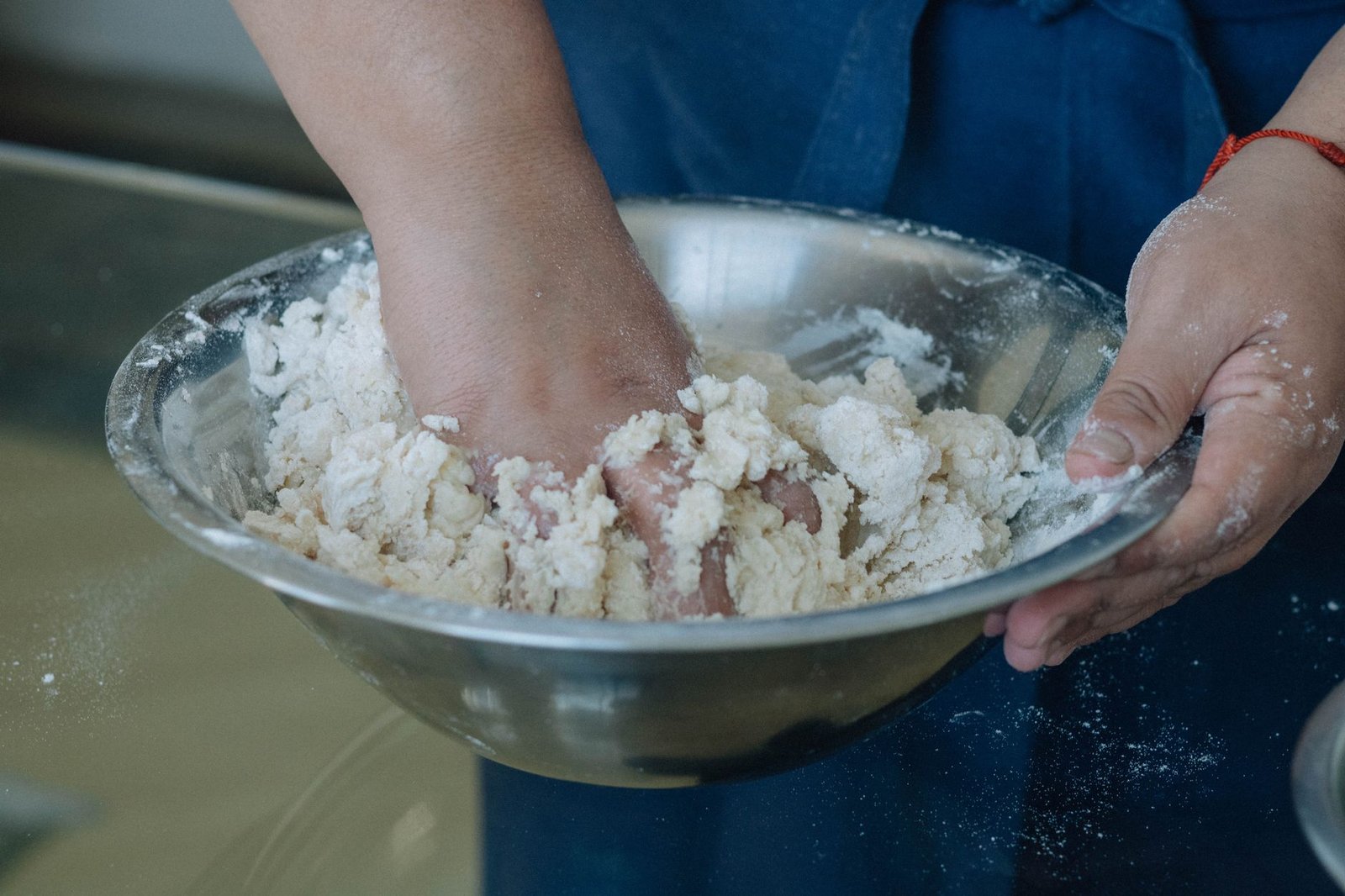
- Gradually add the flour, a cup at a time, mixing with a wooden spoon or your hands. Once the dough starts to come together, transfer it to a clean work surface.
- Knead the dough for about 10-15 minutes until it is smooth, elastic, and no longer sticky. It should feel pliable and soft. If it’s too dry, add a tiny splash more water; if too wet, a tiny bit more flour.
- Form the dough into a ball, cover it with a clean kitchen towel or cling film, and let it rest at room temperature for at least 30 minutes. This resting period is crucial as it allows the gluten to relax, making the dough easier to roll.
3. Shaping the Pestiños: The Signature Fold
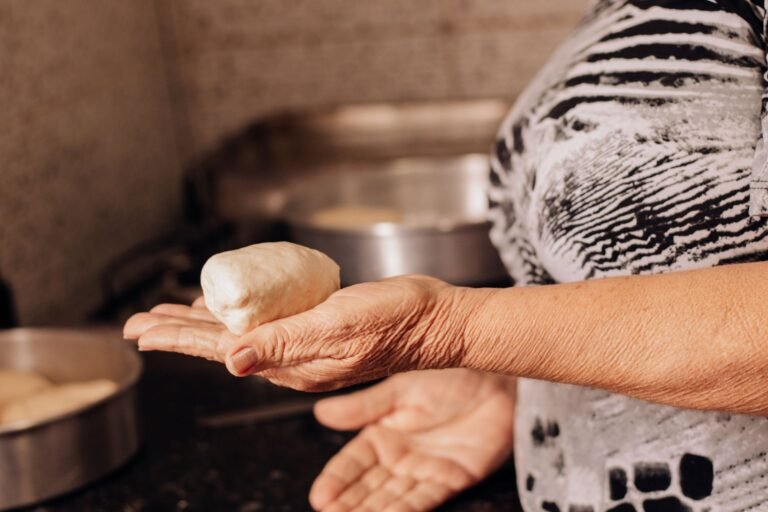
- Divide the rested dough into small portions, about the size of a golf ball.
- On a lightly floured surface, roll each portion out very thinly. You’re aiming for a rectangle or square shape, roughly 8×8 cm (about 3×3 inches). The thinner the dough, the crispier your pestiños will be. Some people even use a pasta machine for super thin sheets.
- Fold two opposite corners of the dough square towards the centre, overlapping them slightly to create a sort of bow-tie or folded napkin shape. Press firmly in the centre to seal them so they don’t unfold during frying.
- Repeat this process with all the dough portions.
4. Frying to Golden Perfection: The Sizzle and Splatter
- Heat a generous amount of vegetable oil in a deep frying pan or pot over medium-high heat. You need enough oil for the pestiños to float freely, about 5-7 cm deep. The ideal temperature is around 170-180°C (340-350°F). If you don’t have a thermometer, test with a small piece of dough; it should sizzle immediately and turn golden in about 30-45 seconds.
- Carefully place a few pestiños into the hot oil, making sure not to overcrowd the pan. Fry them for 1-2 minutes on each side, until they are beautifully golden brown and crispy.
- Using a slotted spoon, remove the fried pestiños and place them on a tray lined with kitchen paper to drain excess oil.
- Continue frying in batches until all your pestiños are cooked.
The Sweet Finish: Honey Glaze vs. Sugar Coating
Once your pestiños are fried and drained, it’s time for their glorious sweet coating. This is where you get to choose your path: the classic sticky honey glaze or the simple, comforting sugar-cinnamon dust. Both are excellent, but they offer distinct experiences.
Option 1: The Traditional Honey Glaze
This is arguably the most authentic finish for an **authentic Andalusian pestiños recipe**, especially during Semana Santa. The honey glaze provides a deep, rich sweetness and a wonderful sticky texture.
- In a saucepan, combine the honey, water, and lemon juice.
- Heat gently over low heat, stirring constantly, until the honey has melted and the mixture is well combined. Do not boil it vigorously. You want a warm, pourable syrup.
- Once the pestiños are slightly cooled but still warm, dip each one into the honey syrup, ensuring it’s fully coated. You can also place several pestiños on a cooling rack over a baking sheet and pour the warm honey over them, turning them to coat evenly.
- Allow any excess honey to drip off, then transfer the honey-coated pestiños to a serving plate or a parchment-lined tray to cool and set. They will be quite sticky!
Worth it: Using a high-quality Spanish wildflower honey or orange blossom honey makes a significant difference. It’s worth the extra few euros (€5-€10 for a good jar) for the depth of flavour it adds. Skip it: Don’t try to use artificial honey or corn syrup; the flavour simply won’t be right.
Option 2: The Simpler Sugar Coating
For those who prefer a less sticky, perhaps slightly less intense sweetness, a sugar-cinnamon coating is a fantastic alternative, often popular around Christmas. It offers a lovely aroma and a pleasant crunch.
- In a shallow dish, combine the granulated sugar and ground cinnamon. Mix well.
- While the pestiños are still warm (but not hot enough to melt the sugar instantly), gently toss them in the sugar-cinnamon mixture until they are thoroughly coated.
- Arrange them on a serving plate.
Do this instead: If you like a little extra warmth, try adding a tiny pinch of ground clove or nutmeg to your sugar mixture for an even more aromatic twist.
Serving, Storing, and Enjoying Your Pestiños Like a Local
Once your pestiños are ready, whether glazed or sugared, it’s time to enjoy them! There’s no single “right” way to eat them, but there are definitely traditional approaches that elevate the experience. Pestiños are primarily a festive sweet, appearing prominently during Christmas and the solemn but equally traditional days of Semana Santa.
You’ll typically find them served at room temperature, perhaps with a strong coffee after a meal, or as a mid-afternoon treat. They’re excellent for sharing with friends and family, especially when visiting during the holidays. Think of them as Spain’s answer to a very special, festive doughnut or fritter, but with that unique aniseed and olive oil flavour profile.
For storage, pestiños are quite forgiving. If stored in an airtight container at room temperature, they will keep well for up to a week. The honey-glazed ones tend to stay moist longer, while the sugared ones might get a little softer over time. If you find them a bit hard after a few days, a quick 10-second zap in the microwave can sometimes soften them up a touch, but honestly, part of their charm is that slightly chewy, firm texture. You can also make the dough ahead of time and store it in the fridge for up to 24 hours, well-wrapped, before shaping and frying.
Enjoying your homemade pestiños is about more than just the taste; it’s about participating in a deeply rooted cultural practice. So gather your loved ones, pour some coffee, and savour these delicious symbols of Andalusian hospitality. If you’re planning a trip to immerse yourself in Andalusian culture and taste these in their natural habitat, you might want to compare hotel prices on Booking.com to find the perfect stay.
FAQ: Authentic Andalusian Pestiños Recipe – Common Questions
Are pestiños difficult to make for a beginner?
Not at all! While the recipe has a few steps, each one is straightforward. The most “challenging” parts are getting the dough to the right consistency and maintaining the correct oil temperature for frying. With a bit of patience and attention to detail, even a beginner can achieve excellent results. Think of it as a pleasant kitchen project, not a high-stress culinary exam.
What’s the best time of year to enjoy pestiños in Spain?
Pestiños are traditionally associated with two main festive periods in Andalusia: Christmas and Semana Santa (Holy Week). During Christmas, they are a common treat alongside mantecados and polvorones. For Semana Santa, they are a classic “sweet of Lent,” offering a simple yet satisfying indulgence during a time of reflection. You can, of course, enjoy them any time of year, but these seasons are when they are most prevalent and culturally significant.
Can I prepare pestiños dough in advance?
Yes, you absolutely can! Once you’ve kneaded the dough, wrap it tightly in cling film and store it in the refrigerator for up to 24 hours. When you’re ready to use it, let it come back to room temperature for about 30 minutes before rolling and shaping. This flexibility makes them a great option for meal prepping ahead of a special occasion.
What’s the difference between pestiños and buñuelos?
While both are traditional Spanish fried dough desserts, they are distinct. Pestiños are typically flat, folded squares or rectangles made from a firmer dough, often infused with anise and orange zest, and then glazed with honey or sugar. Buñuelos, on the other hand, are round, puffy fritters made from a lighter, choux-pastry-like dough, often filled with cream or fruit, and generally dusted with sugar or served with honey on the side. They have different textures and flavour profiles, though both are utterly delicious in their own right.
Making pestiños is a wonderfully rewarding culinary adventure, connecting you directly to the heart of Andalusian tradition. The effort put into these sweet, aromatic pastries is returned tenfold in every bite, offering a true taste of Spain. If you enjoyed this dive into Andalusian gastronomy, be sure to explore more of our articles on Spanish culture and cuisine for even more authentic experiences.