When the Axarquía almond blossom season turns Andalusia pink
Some links in this guide are affiliate links — if you book through them we may earn a small commission at no extra cost to you. It never changes what we recommend. Full disclosure.
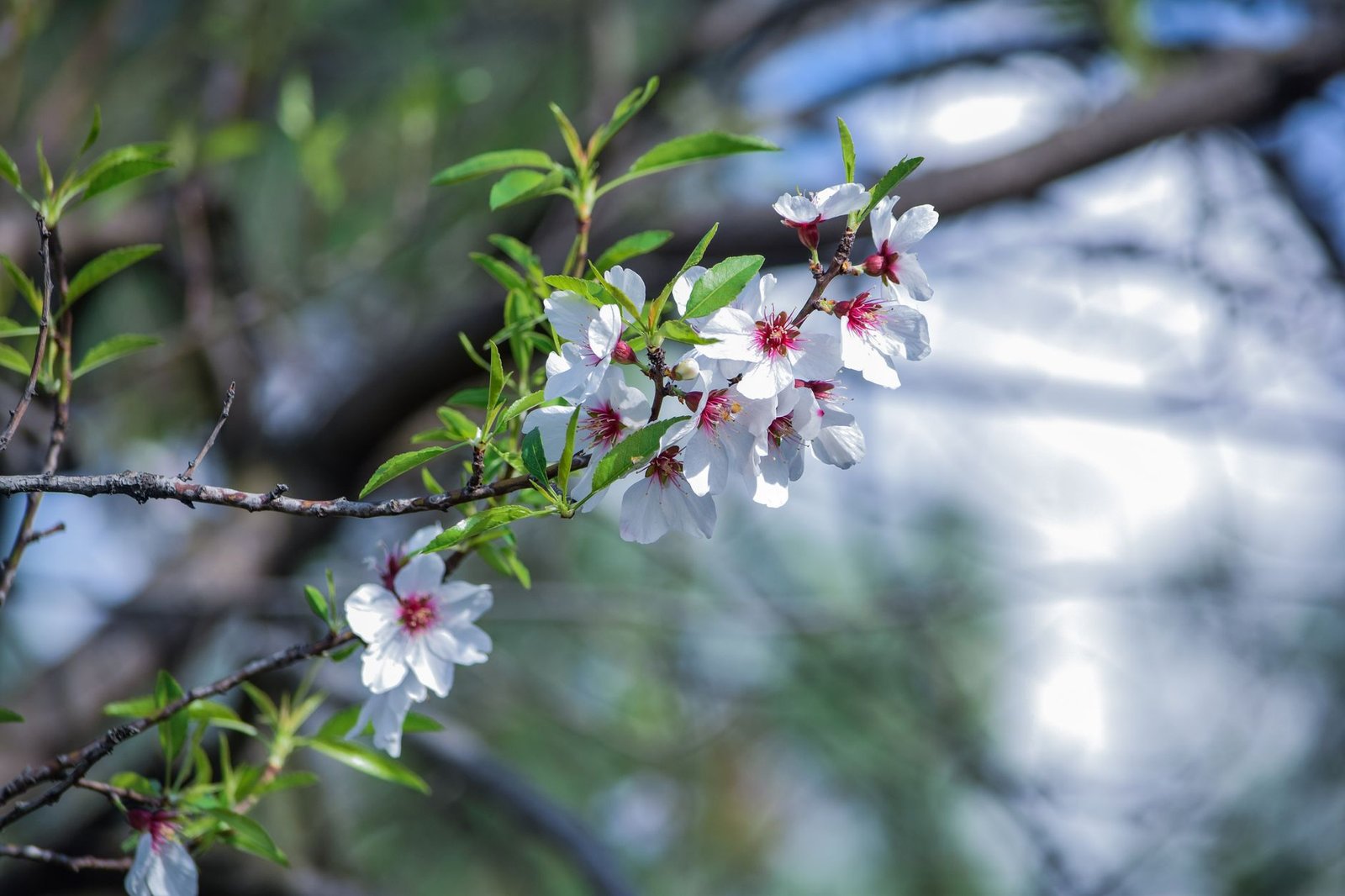
You might think of Andalusia as a land of golden sun-drenched beaches or the fiery passion of flamenco, but there’s a quieter, profoundly beautiful transformation that sweeps through its eastern hills each winter. When the Axarquía almond blossom season turns the landscape a delicate shade of pink and white, it reveals a side of Spain many visitors never get to experience, a gentle awakening that signals the slow arrival of spring. It’s a fleeting moment, a natural spectacle that rewards those who venture inland and truly showcases the unexpected beauty of this region.
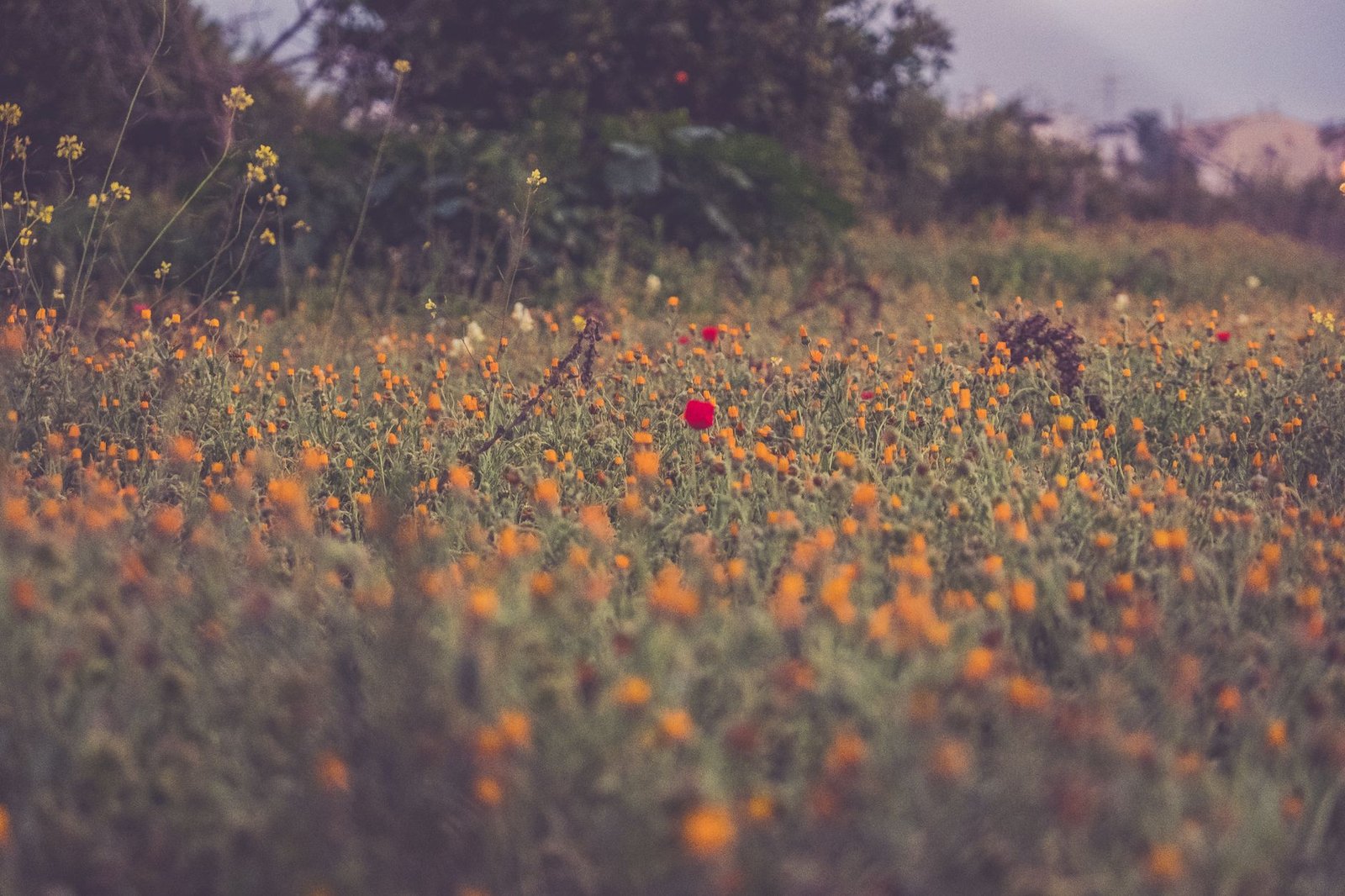
Quick Answer: When is the best time to see the Axarquía almond blossoms?
The best time to witness the Axarquía almond blossom season is typically from late January through mid-February, though this can shift slightly depending on the specific year’s rainfall and temperatures. Aim for the first two weeks of February to catch the bloom at its peak, especially if you want to combine it with one of the local *fiestas* celebrating the almond harvest and the coming of spring.
Chasing the Pink: When and Where to Find the Most Delicate Blooms
Timing your visit for the almond blossom is a dance with nature, but with a little planning, you can catch the spectacle at its most impressive. While the trees can start to flower as early as late January, the absolute peak usually hits around the second and third weeks of February. It’s a short window, usually lasting only about three weeks in total, before the petals begin to fall, scattered by the wind like snow.
The Axarquía region, just east of Málaga city, is a patchwork of mountains, valleys, and whitewashed villages clinging to hillsides. This is prime almond-growing territory, and you’ll find the blossoms scattered across the landscape. However, some villages are particularly known for their dense almond groves and actively promote routes to enjoy the spectacle. The weather can play a part too; a slightly warmer winter can bring the blossoms earlier, while colder snaps might delay them by a few days. Checking local weather forecasts and recent visitor photos a week or two before your trip can offer the best real-time guidance.
Here are some of the most rewarding spots to drive or walk through:
- Almáchar: This village, famous for its *ajoblanco* (cold almond and garlic soup), becomes a canvas of white and pink. The roads leading into and out of Almáchar, such as the MA-3119, are lined with trees. Park your car carefully on the outskirts and take a walk along the smaller lanes for a truly immersive experience. These paths often lead to viewpoints you wouldn’t otherwise discover.
- El Borge: Known as the “Raisin Capital,” El Borge offers similar stunning views. The MA-3101 road connecting it to Almáchar is particularly scenic during this period. The almond trees here often intersperse with olive groves, creating a beautiful contrast of silvery-green and blush pink, especially as the sun hits them.
- Comares: Perched high on a hilltop, Comares provides panoramic views over vast expanses of almond trees spread across the valleys below. It’s a great spot for distant photographs, especially at sunrise or sunset when the light catches the blossoms just right, painting the valleys in soft hues. The drive up is an experience in itself, offering glimpses of the blossoming landscape unfolding below.
- Periana: Surrounded by fertile land, Periana and its hamlets (like Mondrón) boast significant almond plantations. The route towards Lake Viñuela from Periana offers lovely vistas, combining the blossoms with the tranquil blue waters of the reservoir.
- Cútar, Salares, Canillas de Albaida, Sedella: These villages, part of the “Ruta Mudéjar,” are nestled deeper into the Sierra de Tejeda, Almijara y Alhama Natural Park. Access can be via winding, narrow roads (expect some tight turns and single-lane stretches, so drive cautiously), but the reward is often more secluded and untouched blossom viewing. The higher altitude here means the bloom might start a few days later than in the lower valleys, extending your window if you’re willing to explore.
My advice? Don’t stick to just one spot. Rent a car – it’s really the only way to experience the Axarquía’s unique topography and chase the blooms at your own pace. A small, maneuverable car is ideal for the often-narrow mountain roads. Budget around €30-€50 per day for a basic rental from Málaga airport (AGP), plus fuel costs. Pack a picnic, some water, and take your time. This isn’t a rush; it’s an experience to savour, to let the gentle beauty of the flowering trees wash over you.
The Ruta del Almendro en Flor: A Local Celebration You Shouldn’t Miss
Beyond simply driving through the countryside, the Axarquía region often hosts a specific event called the “Ruta del Almendro en Flor” (Route of the Flowering Almond) or similar almond-themed *fiestas*. These celebrations are a fantastic way to immerse yourself in local culture and enjoy the season with the community, offering a different flavour of experience than a solitary drive.
The main event usually takes place on a Sunday in February, often alternating between Almáchar and El Borge, or sometimes both villages host smaller events. The exact date is usually announced by the local town councils (ayuntamientos) a few weeks in advance, so keep an eye on their official websites or local tourism boards if you plan to attend a specific *fiesta*. While these events can draw a crowd, they are generally well-organised and retain a genuine community feel, a true slice of Andalusian village life.
What can you expect at one of these almond blossom *fiestas*?
- Guided Walks: Often, the highlight is a guided walk through the almond groves. These aren’t strenuous hikes; they are usually easy, family-friendly routes of 5-8 kilometers, designed to showcase the beauty of the blooming trees and offer opportunities for photography. You’ll often find signs or local volunteers pointing the way. Wear comfortable walking shoes, as the paths can be uneven and occasionally muddy if there’s been recent rain.
- Local Gastronomy: This is Spain, so food is always central. Expect free tastings of traditional dishes made with almonds, such as *ajoblanco*, almond cakes (*torta de almendras*), *requesón con miel y almendras* (ricotta with honey and almonds), and local olive oil. These are not just samples; they are often generous portions, giving you a real taste of the region. You can also purchase these items directly from producers. A generous plate of *ajoblanco* from a market stall might cost €4-€6, and it’s always worth it.
- Craft Markets: Artisans set up stalls selling local products, from handmade pottery and textiles to honey, cheese, and, of course, roasted almonds. These markets are a great place to find unique souvenirs and support local craftspeople. Prices vary widely, but expect to pay €5-€15 for a small craft item or local food product.
- Traditional Music and Dance: Live folk music and traditional dance performances often add to the festive atmosphere in the village square. It’s a joyful and energetic backdrop to the tranquil beauty of the blossoms, giving you a full sensory experience.
If you’re looking for a structured way to explore and learn about the local culture, book a guided tour on Viator that specifically focuses on the Axarquía’s gastronomy or its white villages during this season. While you might not find a dedicated “almond blossom tour” every year, many local guides can tailor an experience. Ensure you confirm the tour’s focus on the blossoms if that’s your primary interest, as some tours might focus more on other aspects of the region.
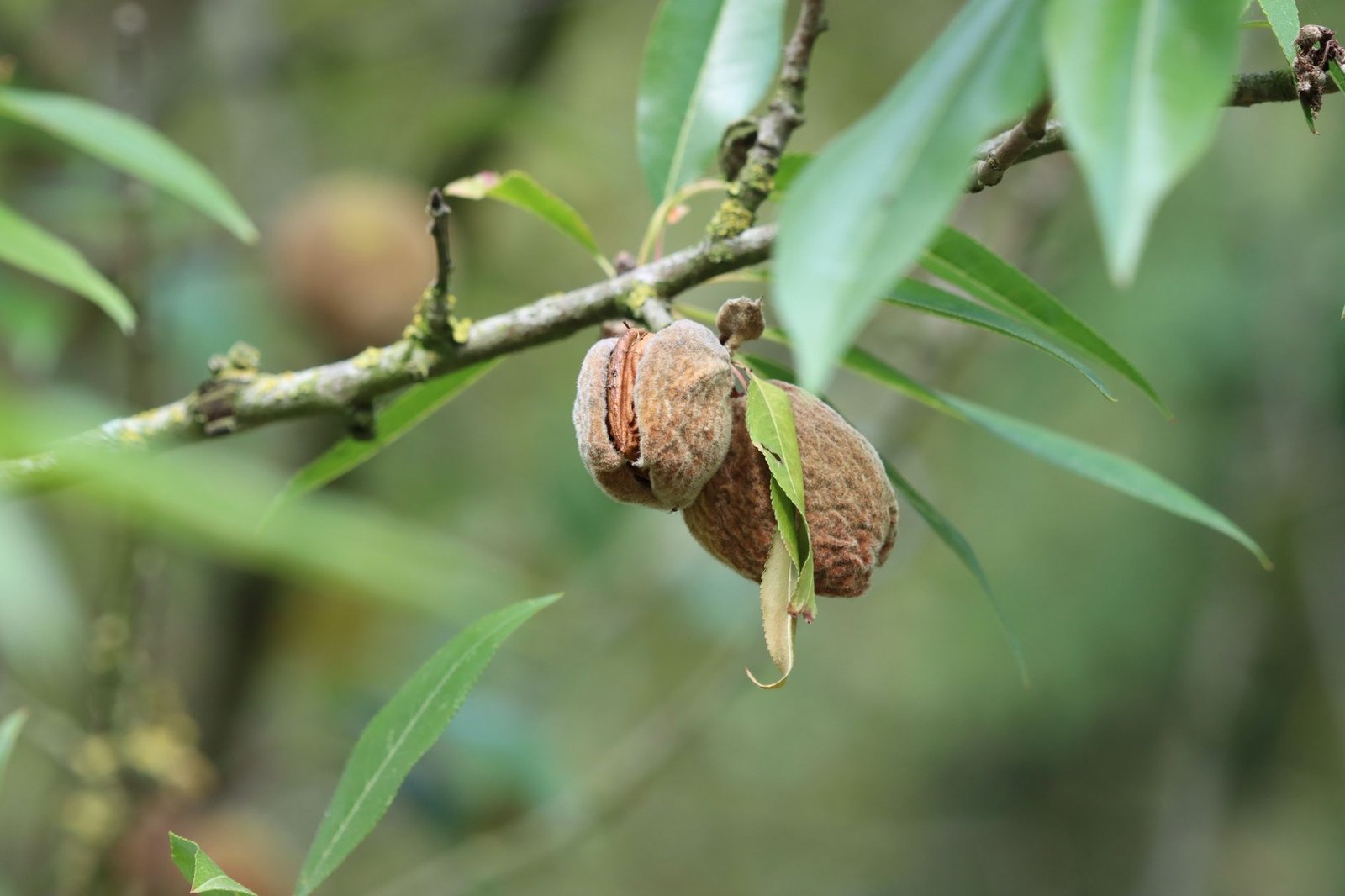
Practicalities for Your Pink Journey: Planning Your Visit
Making the most of the Axarquía almond blossom season requires a bit of practical planning. This isn’t a city break where you can rely solely on public transport; rural Andalusia demands a different approach. Being prepared means you can focus on the beauty rather than logistics.
Getting Around
As mentioned, a rental car is non-negotiable for flexibility. Málaga-Costa del Sol Airport (AGP) is your entry point. From there, it’s about a 40-minute drive east to the heart of the Axarquía, mostly along the smooth A-7 motorway. Once you venture into the hills, roads become narrow, winding, and sometimes steep. They are generally well-maintained, but take your time, especially around blind corners and when navigating through villages. Google Maps is reliable, but be prepared for occasional signal drops in very remote areas, so having a downloaded map is a smart backup.
Where to Stay
You have a few options for accommodation, each offering a different experience:
- Vélez-Málaga or Torre del Mar: These are the largest towns in the region, offering a wider range of hotels, restaurants, and amenities. Vélez-Málaga is inland but very close to the coast, offering easy access to the mountain villages and the sea. Torre del Mar is a coastal town with a long promenade, good for a more relaxed, beach-oriented stay. Both provide good bases for day trips into the almond-covered hills. Expect hotel prices to range from €70-€150 per night for a decent double room. Compare hotel prices on Booking.com for the best deals, keeping an eye on reviews for location specifics.
- Rural Guesthouses (*Casas Rurales*): For a more immersive experience, consider staying in a guesthouse in one of the smaller villages like Almáchar, El Borge, or even further inland towards Comares. These often provide a more authentic stay, sometimes with breakfast included, and place you directly in the heart of the blooming landscape. Many are restored traditional homes, offering charm and character. Prices can vary from €60-€120 per night. Booking well in advance for February is a smart move, especially if you plan to visit during a specific *fiesta*, as options are limited.
What to Bring and Wear
February in Andalusia can be beautifully sunny, but it can also be cool, especially in the mornings and evenings in the mountains. Layers are your best friend, allowing you to adapt to temperature changes throughout the day:
- Comfortable Walking Shoes: Essential for exploring villages, walking through groves, and navigating uneven paths. Sturdy trainers or light hiking boots are ideal.
- Layers of Clothing: A t-shirt, a fleece or light jumper, and a windproof jacket. Temperatures can range from 10°C in the morning to 20°C in the afternoon on a sunny day, but can drop sharply if clouds roll in or after sunset.
- Sun Protection: Even in winter, the Andalusian sun can be strong. Hat, sunglasses, and sunscreen are always a good idea, especially when spending extended time outdoors.
- Camera and Spare Battery/Storage: Obvious, perhaps, but you’ll want to capture the sheer beauty of the blossoms, and you might take more photos than you expect.
- Water and Snacks: While you’ll find places to eat, having your own supplies means you can linger in more secluded spots and enjoy the tranquility.
Expect to walk a lot, especially if you want to explore the villages on foot. Many of the streets are pedestrian-only or simply too narrow for cars. Embrace the slower pace and the opportunity to truly observe local life.
Savouring Axarquía’s Flavours: Beyond Almonds
While the almond blossoms might be the star of your winter visit, the Axarquía region offers a rich culinary scene that deserves your attention. This area is known as “Europe’s Fruit Garden” for good reason, producing a staggering array of tropical fruits alongside its traditional olives and almonds. The local produce is exceptional, and tasting it fresh is a highlight.
When you’re driving through the region, you’ll see fields of avocados, mangoes, and chirimoyas (custard apples). Take advantage of this fresh produce:
- Avocados and Mangoes: You’ll find these incredibly fresh and affordable at local markets or even roadside stalls. A kilo of local avocados might cost €3-€5, significantly less than in other parts of Europe. Try them simply sliced with a drizzle of local olive oil and sea salt, or in a fresh salad.
- Olive Oil: The Axarquía produces excellent olive oil, often of the highest extra virgin quality. Many villages have small mills where you can buy directly from the producers. Periana, for example, has the Cooperativa Olivarera San Isidro, where you can often buy high-quality extra virgin olive oil for around €6-€8 per litre. It makes a fantastic souvenir.
- Raisins (*Pasas*): El Borge is famous for its muscatel raisins, which are traditionally sun-dried on *paseros* (drying beds) – you might even see these in February. These are intensely sweet and make a great snack or accompaniment to cheese. A small bag might cost €3-€5.
- Local Cuisine: Beyond *ajoblanco*, look for hearty dishes like *sopa de maimones* (a traditional garlic soup, different from *ajoblanco*), *chivo al ajillo* (succulent kid goat with garlic), and *migas* (fried breadcrumbs often served with chorizo and fried egg) – especially warming in cooler weather. Many village restaurants offer a *menú del día* (set lunch menu) for around €12-€18, usually including two courses, bread, and a soft drink or water. These are excellent value and provide a genuine taste of local cooking.
Don’t be afraid to pull over in a village, find a local bar or restaurant, and order whatever looks good or whatever the locals are eating. Communication might be limited if you don’t speak Spanish, but a smile and pointing usually get you far. It’s part of the real travel experience here, and often leads to unexpected culinary discoveries.
Exploring Beyond the Blossoms: Axarquía’s Year-Round Appeal
Once you’ve had your fill of the almond blossoms, remember that the Axarquía is a destination with plenty more to offer, even in February. This region isn’t just about one seasonal event; it’s a rich tapestry of history, nature, and daily life that unfolds throughout the year. Taking a break from blossom-chasing to explore other facets of the region can enrich your trip considerably.
Consider these activities to complement your blossom-chasing days:
| Activity | Location | Approx. Cost | Notes |
|---|---|---|---|
| Explore Vélez-Málaga Old Town | Vélez-Málaga | Free (entry to fort approx. €3) | Visit the Alcazaba (fortress) for impressive city views and the surrounding countryside. Wander the narrow streets of the old town, discovering hidden squares and churches. Open usually 10:00-14:00, 17:00-20:00. |
| Visit Lake Viñuela (Pantano de la Viñuela) | Near Periana/Alcaucín | Free | Andalusia’s largest reservoir. Beautiful for leisurely walks along its shores, offering peaceful natural scenery and opportunities for birdwatching. No swimming is allowed, but the views are worth the drive. |
| Walk along Torre del Mar promenade | Torre del Mar | Free | A long, flat promenade perfect for a refreshing walk or cycle by the sea. It offers a different perspective and a break from the mountain roads, with plenty of places to sit and watch the waves. |
| Discover the white villages | Comares, Frigiliana (nearby) | Free | Wander their winding streets, enjoy the traditional architecture, and soak in the incredible views. Frigiliana is incredibly popular and often busy, but still worth seeing for its unique charm and historical center. |
| Museo del Aceite de Oliva de Periana | Periana | Free (donations welcome) | Learn about the history and production of olive oil, a staple of Andalusian cuisine and agriculture. Check opening hours, as they are often limited to mornings (e.g., 10:00-13:00) and sometimes require an appointment outside peak times. |
While the coast offers sandy stretches and the Mediterranean climate, the true soul of the Axarquía lies inland, in these villages and the surrounding countryside. This is where you’ll find the rhythms of rural Andalusian life, traditions that have stood for centuries, and a genuine warmth from the locals. Remember, many small shops in the villages close for *siesta* between 14:00 and 17:00, so plan your shopping or errands accordingly. Don’t be surprised if you find yourself lingering longer than planned in a village square, simply watching the world go by and enjoying a coffee or a glass of water.
FAQ: When the Axarquía almond blossom season turns Andalusia pink – Common Questions
When exactly does the Axarquía almond blossom season happen?
The almond blossom season typically runs from late January to early March, with the peak bloom usually occurring in the first two weeks of February. The exact timing can vary year to year due to weather conditions like rainfall and temperature, so flexibility in your travel dates is helpful if you want to catch the trees at their fullest, as a cold snap can delay the bloom.
Is it necessary to rent a car to see the almond blossoms in Axarquía?
Yes, absolutely. While a few buses connect larger towns, relying on public transport will severely limit your ability to explore the scattered almond groves and small, remote villages where the most beautiful blossoms are found. A rental car offers the freedom to drive along scenic routes and stop wherever you wish, which is crucial for this kind of seasonal natural event. A small car is best for the narrow roads.
Are there any specific events or festivals during the almond blossom season?
Yes, local villages often host a “Ruta del Almendro en Flor” (Route of the Flowering Almond) or similar *fiestas* to celebrate the bloom. These usually involve guided walks through the groves, tastings of almond-based dishes, craft markets, and traditional music. Almáchar and El Borge are common hosts, but dates vary annually, usually announced by the respective town councils a few weeks prior to the event, so check local sources.
What are the weather conditions like in Axarquía during February?
February in Axarquía generally offers mild, often sunny weather, perfect for exploring. Daytime temperatures can range from 15°C to 20°C on clear days, feeling quite pleasant. However, mornings and evenings can be cooler, dropping to 5°C-10°C, especially in higher elevations. There’s always a chance of rain, so bringing layers and a waterproof jacket is advisable to prepare for all conditions, ensuring your comfort no matter the weather.
Experiencing the Axarquía almond blossom season is a special moment, a gentle reminder that Spain holds a multitude of experiences beyond its well-trodden paths. It’s a chance to connect with the land, the rhythm of rural life, and the quiet beauty that blossoms when winter begins its slow retreat, offering a unique perspective on this vibrant country. If you’re planning to explore more of what Andalusia and Spain offer, you might find our guide to Exploring Caceres Old Town interesting for another historical journey into lesser-known Spanish wonders.
About the Author
After 15 years living and traveling across Spain, Caro knows this country in a way most travel writers never will. She’s not here to sell you a polished version of Spain, she’s here to show you the real one. Every guide on this site comes from her own experience: the restaurants she eats at, the routes she walks, the festivals she’s actually attended. She writes to cut through the noise and give you what actually matters. Learn more about Caro →