Best Tapas in Triana, Seville: A Local Roadmap
Some links in this guide are affiliate links — if you book through them we may earn a small commission at no extra cost to you. It never changes what we recommend. Full disclosure.
For the best tapas in Triana, Seville, skip the bars right on the riverfront and head to Calle Pureza, Calle Pelay Correa, or around Plaza del Altozano instead. Look for older local crowds, chalkboard specials, and dishes like espinacas con garbanzos and pescaito frito. Here is the full shortlist of where to go.
This article contains affiliate links. If you book through one, Spain Destination may earn a small commission at no extra cost to you. See the full affiliate disclosure →
Quick Answer: Triana Tapas
To find the most authentic tapas experience in Triana, bypass the immediate riverfront along Calle Betis and head deeper into the barrio, focusing on streets like Calle Pureza, Calle Pelay Correa, and areas around Plaza del Altozano (but not the most obvious spots right on the square itself) or Mercado de Triana after market hours. Look for bars with older patrons, chalkboards displaying daily specials, and a lively, slightly chaotic atmosphere; prioritize places serving traditional Sevillian dishes like espinacas con garbanzos, puntillitas, and quality pescaíto frito.
The Soul of Triana’s Tapas Scene: Beyond the Riverfront
When you cross the Puente de Triana, the first places you see, especially along Calle Betis, might seem appealing. They offer great views of the Giralda and the Torre del Oro, no doubt. But for a truly local tapas experience, you need to venture a little further into the actual neighbourhood. These riverfront spots often have higher prices and less traditional fare, catering to a different kind of visitor. They’re fine for a sundowner, but not for uncovering the real culinary spirit of Triana.
The true heartbeat of Triana’s tapas culture pulses on streets that run parallel to the river or lead directly into the barrio’s core. Think Calle Pureza, Calle Pelay Correa, and the network of smaller lanes around them, stretching towards Calle San Jacinto. These are the arteries where generations of Triana families have eaten, celebrated, and simply lived their daily lives. Here, the bars are often family-run, the recipes passed down, and the clientele are regulars who know each other by name. You’ll find a more intimate, unpretentious atmosphere, where the focus is squarely on the quality of the food and the company. The rhythm of tapas here isn’t rushed; it’s a slow burn, starting late, evolving through conversations, and often continuing late into the night. It’s about taking your time, savoring each bite, and soaking in the unique local flavour of Triana.
When you step into the Triana Seville neighborhood daily life, you’ll immediately sense a difference. The air changes, becoming more infused with the smells of frying fish, stewing meats, and the chatter of genuine local voices. This is where you find the bars that might not win awards for interior design, but consistently serve up some of the best, most honest food in Seville.
Essential Triana Bites: What to Order (and Why)
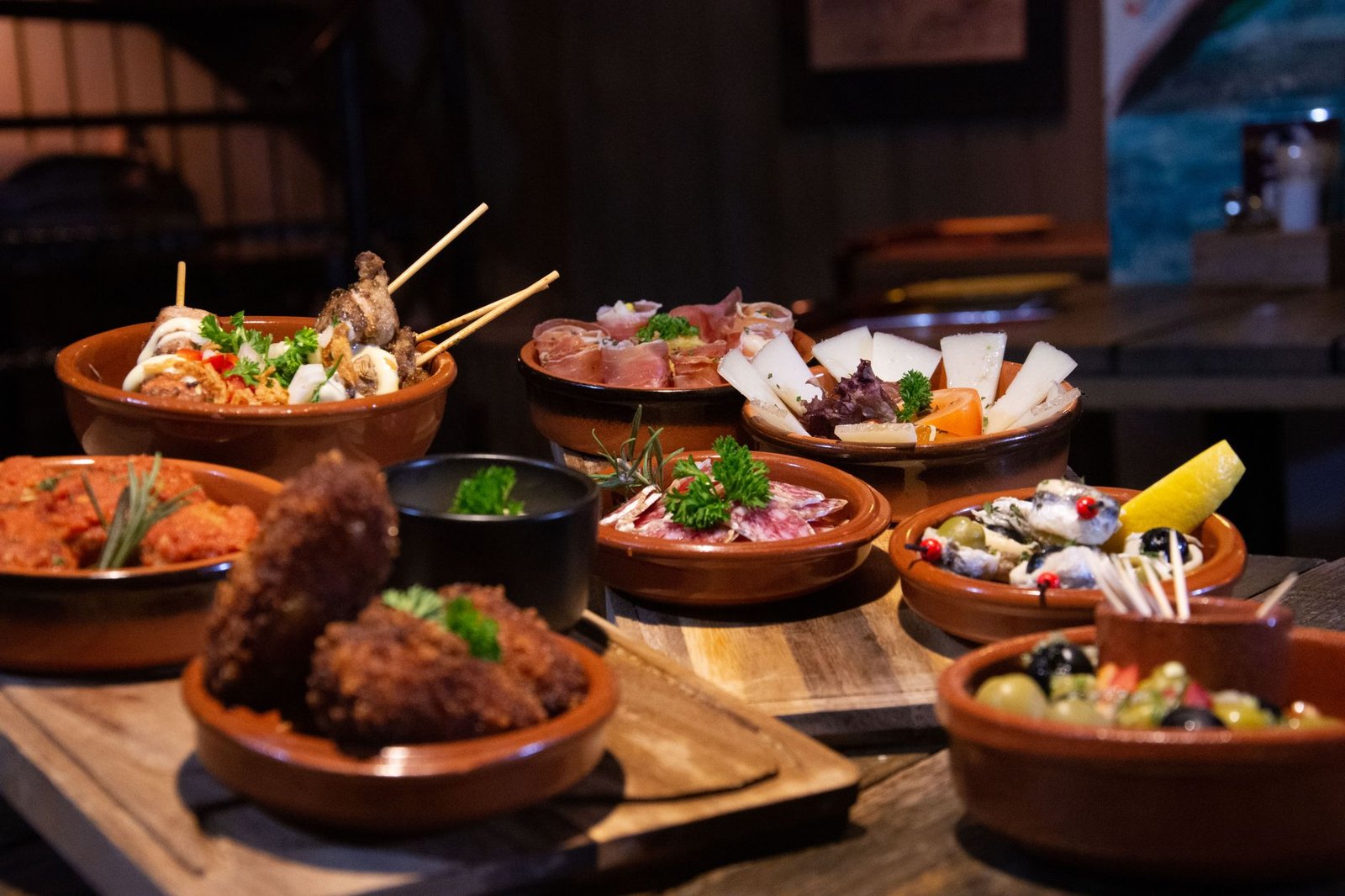
The beauty of tapas in Triana lies in its commitment to traditional Sevillian cooking, with a strong emphasis on fresh, simple ingredients prepared with expertise. Forget fusion or overly complicated dishes; here, it’s about perfecting the classics. When you’re standing at a bar, trying to decide what to order, here are the essential Triana bites you simply must try to get a real taste of the place:
- Puntillitas: Tiny fried baby squid, lightly battered and fried until crisp – a classic Andalusian bar snack. Often served with a wedge of lemon and a side of alioli. They’re delicate, briny, and disappear fast.
- Espinacas con Garbanzos: A healthy, flavourful, and deeply satisfying vegetarian option. Spinach and chickpeas stewed with garlic, cumin, and often a touch of bread to thicken it. It’s a Moorish-influenced dish that has been part of Sevillian cuisine for centuries, offering a warm, earthy counterpoint to fried dishes.
- Pescaito Frito: While not unique to Triana, the quality of fried fish in this former fishing quarter is exceptional. Look for boquerones fritos (fried anchovies), puntillitas (tiny fried squid), and adobo (marinated, fried dogfish). The key is the freshness of the fish and the lightness of the batter – it should be crisp, not greasy.
- Caracoles (Snails): If you visit in spring or early summer (typically April to June), this is a seasonal delicacy you shouldn’t miss. Small snails cooked in a spicy, aromatic broth with mint and other herbs. It’s a truly local experience, with everyone gathering on terraces to enjoy them. Don’t be shy; locals slurp the broth directly from the bowl.
- Tortilla de Camarones: These aren’t your typical Spanish omelette. Hailing from Cádiz but popular in Triana, these are incredibly thin, crispy fritters made with chickpea flour and tiny whole shrimp. They are savory, delicate, and best eaten fresh from the fryer.
While Seville is known for its refreshing cold soups, Triana’s tapas bars excel in heartier, more traditional dishes. However, if you are looking to cool down, some places will offer their own version of a lighter cold soup, though not always the exact Seville’s Gazpacho, the Way It’s Actually Made, which is more common as a starter in sit-down restaurants.
Triana Tapas Bars Where Locals Really Eat
Finding a truly great tapas bar in Triana means looking for places that might not scream for attention but are consistently full of local chatter and clanking plates. These are consistently reliable choices for authentic food at fair prices.
- Bar Santa Ana (Calle Pureza, 82): Located just a stone’s throw from the iconic Santa Ana church, this bar is a Triana institution. It’s often packed, with locals spilling out onto the pavement. Their specialty is a fantastic carne con tomate (meat with tomato sauce) and a solid plate of patatas bravas. You’ll pay around €3.00-€4.00 for a tapa. It opens daily from around 12:30h to 16:00h and then again from 20:00h to midnight or later, closing on Tuesdays. Expect standing room only during peak hours, which adds to the atmosphere.
- Blanca Paloma (Calle San Jacinto, 49): A slightly larger establishment but with the same commitment to traditional Triana flavours. Blanca Paloma is renowned for its seafood tapas, especially their perfectly fried puntillitas and choco frito (fried cuttlefish). Their ensaladilla de gambas (prawn salad) is also a local favourite. Tapas here average €3.50-€5.00. It’s open every day from 12:00h to 16:30h and 20:00h to 00:30h. They have a few tables, but the bar area is where the action is.
- Casa Cuesta (Calle Castilla, 1): Situated very close to the Triana Bridge, but still managing to maintain its authentic charm, Casa Cuesta is famous for its guisos (stews) and cured meats. Ask what’s simmering that day, or try their selection of local cheeses. It’s a classic, no-frills bar with a long history. Tapas cost around €3.00-€4.50. Open from 12:00h to 16:00h and 20:00h to 23:30h, closed on Wednesdays. The high ceilings and traditional decor make it feel like stepping back in time.
- Freiduría Reina Victoria (Calle San Jacinto, 55): If your main goal is outstanding pescaíto frito, this is your spot. A no-nonsense “freiduría” where fish is king. They fry up a range of fresh catches, from boquerones to calamares (squid), served simply in a cone of paper. You order by weight or by specific tapa, with prices generally around €4.00-€7.00 for a generous portion. Open from 12:00h to 16:00h and 20:00h to 23:00h, closed Sundays. This is more of a takeaway or stand-and-eat type of place, perfect for a quick, delicious stop.
Navigating Triana Tapas: Timing, Etiquette, and Costs
Tapas isn’t just about the food; it’s a social ritual, and knowing a few unspoken rules can enhance your experience. The timing is crucial to experience Triana as the locals do, and understanding how to order and pay will make you feel right at home. Can’t make it to Triana in person? Our guide to hosting a Spanish tapas night at home brings the same spread to your own kitchen.
Timing is Everything:
Locals typically start their evening tapas crawl quite late. For lunch, you’ll see people gather from around 14:00h, with peak time often closer to 15:00h. In the evening, the bars truly come alive from 20:30h onwards, peaking around 22:00h. If you arrive much earlier, you might find some places quiet or even still preparing. Going at these local times ensures the freshest food and the liveliest atmosphere.
Ordering Like a Local:
When you order, specify “una tapa de…” for a small plate, “una media ración de…” for a medium-sized plate (good for sharing between two), or “una ración de…” for a larger plate, usually enough for three or four people as part of a varied meal. Don’t try to order everything at once. Order one or two tapas, enjoy them, and then decide what to try next. This keeps the food fresh and allows you to pace yourself. For drinks, “una caña” is a small draft beer (though remember our focus is on food and non-alcoholic drinks), “un mosto” is a refreshing non-alcoholic grape juice, or “un refresco” for a soft drink.
Standing vs. Sitting:
Many traditional tapas bars are designed for standing at the bar or small high tables. This is part of the experience – it encourages mingling and makes it easy to move from one bar to the next. If you manage to snag a table, especially on a terrace, it might come with a small surcharge, so always check if sitting has a different price. Don’t be afraid to stand and squeeze in; that’s where the real action often is.
Payment Etiquette:
It’s customary to pay at the end, not after each tapa. Simply catch the eye of the server and say “La cuenta, por favor.” Tipping isn’t mandatory in Spain, but rounding up the bill or leaving a small amount (€1-€2 for a few tapas) is appreciated for good service. Most bars accept card payments, but it’s always good to have some cash (Euros, of course) for smaller tabs or very traditional establishments.
To give you an idea of what to budget for a genuine Triana tapas experience, here’s a sample for two people over an evening:
| Item | Quantity (per person) | Approx. Price per Item (EUR) | Total Price (EUR) |
|---|---|---|---|
| Tapas (e.g., Puntillitas, Espinacas, Caracoles) | 3 | €3.50 | €21.00 |
| Drinks (e.g., water, soft drink, mosto) | 2 | €2.00 | €8.00 |
| Bread (usually charged per person) | 1 | €0.50 | €1.00 |
| Total Estimated Cost (for 2 people) | €30.00 |
This budget allows for a generous and satisfying evening of food and drinks. Remember, prices can vary slightly between establishments. It’s a good idea to consider staying in Triana itself to fully immerse yourself in the evening atmosphere, and you can check current hotel prices for Seville to find a place that suits your needs. Before you head out, enjoy a stroll and notice how the Seville orange tree charm makes the whole city sing, even in Triana.
Beyond the Food: Triana’s Heartbeat While You Graze
Tapas in Triana isn’t just about what’s on your plate; it’s about the entire sensory experience of being in this historic neighbourhood. As you hop from bar to bar, take a moment to absorb the unique atmosphere that defines Triana. It’s a place with a strong identity, distinct from the main city centre, and its cultural pulse is evident in every street corner.
Look around you. Notice the ceramics, for example. Triana has a rich tradition of pottery and tile-making, and you’ll see these distinctive tiles adorning bar fronts, house facades, and even street signs. The colours and designs tell a story of centuries of craftsmanship. You can even make your own souvenir at a Triana ceramic workshop if you’re interested in digging deeper into this heritage. The Mercado de Triana, while bustling during the day for fresh produce, also holds historical significance, built over the remains of the Castillo de San Jorge, the former seat of the Spanish Inquisition. Its current form offers fresh seafood and local produce, and some stalls even convert into small tapas bars during market hours.
The sounds are just as important as the sights. Listen to the distinct Sevillian accent, a rapid-fire cadence that tells you you’re truly in Andalusia. You might catch snatches of flamenco singing or guitar music emanating from nearby peñas or bars, a constant reminder of Triana’s deep roots in this art form. The laughter, the animated conversations, the clink of glasses – these are all integral parts of the Triana tapas experience. It’s a barrio that feels alive, especially as the evening progresses, with families and friends gathering, sharing stories and food.
Here are a few tips to truly connect with Triana’s heartbeat beyond just the food:
- Observe the Locals: Pay attention to how people interact. The way they share food, debate, and celebrate; it’s all part of the local culture. You’ll see multi-generational families out together, a testament to Spain’s strong community ties.
- Wander Beyond the Main Streets: Take detours down narrower alleys. You’ll often stumble upon small, unassuming plazas and courtyards that reveal a quieter, more residential side of Triana, away from the immediate buzz of the tapas bars.
- Visit the Capilla de los Marineros: Home to the revered Virgen de la Esperanza de Triana, this chapel offers a glimpse into the deep religious devotion of the barrio, especially for those connected to the river and sea. It’s a place of quiet reflection amidst the lively streets.
- Walk Along the Guadalquivir: Before or after your tapas crawl, a walk along the Triana side of the river (Paseo de la O) provides beautiful views of Seville and a sense of the river’s importance to the neighbourhood’s history and character.
For a deeper dive into Triana’s heritage and food, you might consider booking a guided tour on Viator that focuses specifically on the neighbourhood’s culinary or historical aspects. These tours often take you to places you might not discover on your own.
FAQ: Finding best tapas Triana Seville – Common Questions
What are the typical operating hours for tapas bars in Triana?
Most traditional tapas bars in Triana operate during Spanish mealtimes. This generally means they open for lunch service from around 12:30h or 13:00h and close around 16:00h or 16:30h. For the evening, they typically reopen around 20:00h and stay open until 23:00h or midnight, with some popular spots staying open later on weekends. Always check specific bar times if you have one in mind, as opening days can vary too.
Is it necessary to make reservations for tapas in Triana?
For most traditional tapas bars in Triana, especially the smaller, more authentic ones, reservations are generally not accepted or necessary. The culture of tapas is often about standing at the bar or grabbing a high table as it becomes available. If you’re visiting a more modern restaurant-style tapas establishment or plan to dine during a major festival, then calling ahead for a table might be a good idea, but for the classic experience, just walk in.
How much should I expect to spend on a tapas evening in Triana?
You can have a very satisfying tapas evening in Triana without breaking the bank. A good rule of thumb is to budget €15-€25 per person for a comprehensive experience that includes 3-4 tapas and a couple of drinks. Individual tapas usually cost between €2.50 and €5.00, while drinks are typically €1.50-€2.50. You can, of course, spend more if you opt for more upscale places or larger “raciones” to share.
Are tapas bars in Triana suitable for children?
Yes, absolutely. Spanish culture is very family-oriented, and children are welcome in most tapas bars, especially during the earlier evening hours (20:00h-21:30h). Many tapas dishes, like simple fried fish, croquettes, or potato dishes, are usually very child-friendly. Don’t be surprised to see families with children of all ages enjoying the atmosphere; it’s a normal part of Spanish social life.
Exploring Triana through its tapas is truly the best way to understand the barrio’s deep-rooted culture and independent spirit. It’s a journey into honest flavours and genuine local life, where every bite tells a story. Take your time, wander the streets, and let your senses guide you to the places where locals gather. And once you’ve savoured the culinary delights, you might even want to experience more of Seville’s flamenco scene beyond the tourist shows, as Triana is a birthplace of this profound art form.
About this guide: This guide is part of Spain Destination’s library of Spain travel and lifestyle content, written with AI assistance and checked against official sources where possible. See how this site is researched and fact-checked →