Best Time to Visit Mallorca: Month by Month Honest Breakdown
Some links in this guide are affiliate links — if you book through them we may earn a small commission at no extra cost to you. It never changes what we recommend. Full disclosure.
The best time to visit mallorca depends on what you’re actually going there for. If it’s beaches and swimming: late May through June, or September. If it’s Sierra Grazalema hiking trails in the Tramuntana: March-April or October. If it’s cheap flights and quiet towns: November through February. July and August are the default answer most people give, but they’re also when Mallorca is most crowded, most expensive, and hottest. Here’s the honest monthly breakdown.
This article contains affiliate links. If you book through one, Spain Destination may earn a small commission at no extra cost to you. See the full affiliate disclosure →
Quick Answer
May-June or September-October for most visitors. You get warm sea temperatures, open beaches, lower prices than peak season, and the island isn’t overwhelmed. July-August works if you book 3 months ahead and don’t mind crowds. November-March is quiet, cheap, and good for hiking – but many coastal hotels and restaurants close.
Month-by-Month Breakdown
| Month | Temp | Sea | Crowds | Verdict |
|---|---|---|---|---|
| January | 14°C avg | 15°C | Minimal | Hiking only |
| February | 15°C avg | 14°C | Minimal | Almond blossom season |
| March | 17°C avg | 14°C | Low | Good for hiking + culture |
| April | 20°C avg | 16°C | Medium | Strong choice, Easter busy |
| May | 23°C avg | 18°C | Medium | Best overall month |
| June | 27°C avg | 21°C | Medium-high | Excellent: warm but not peak |
| July | 31°C avg | 24°C | Maximum | Peak season: book everything |
| August | 31°C avg | 25°C | Maximum | Expensive, crowded, but beach-perfect |
| September | 28°C avg | 24°C | Falling | Excellent: peak warmth, falling crowds |
| October | 23°C avg | 22°C | Low | Good hiking weather, sea still warm |
| November | 18°C avg | 19°C | Minimal | Quiet, closures starting |
| December | 14°C avg | 16°C | Minimal | Palma only; coast is closed |
Best Time for Beaches
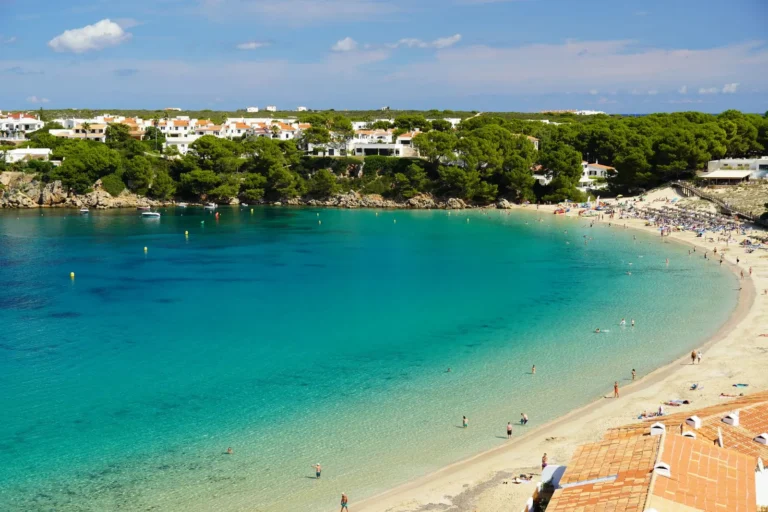
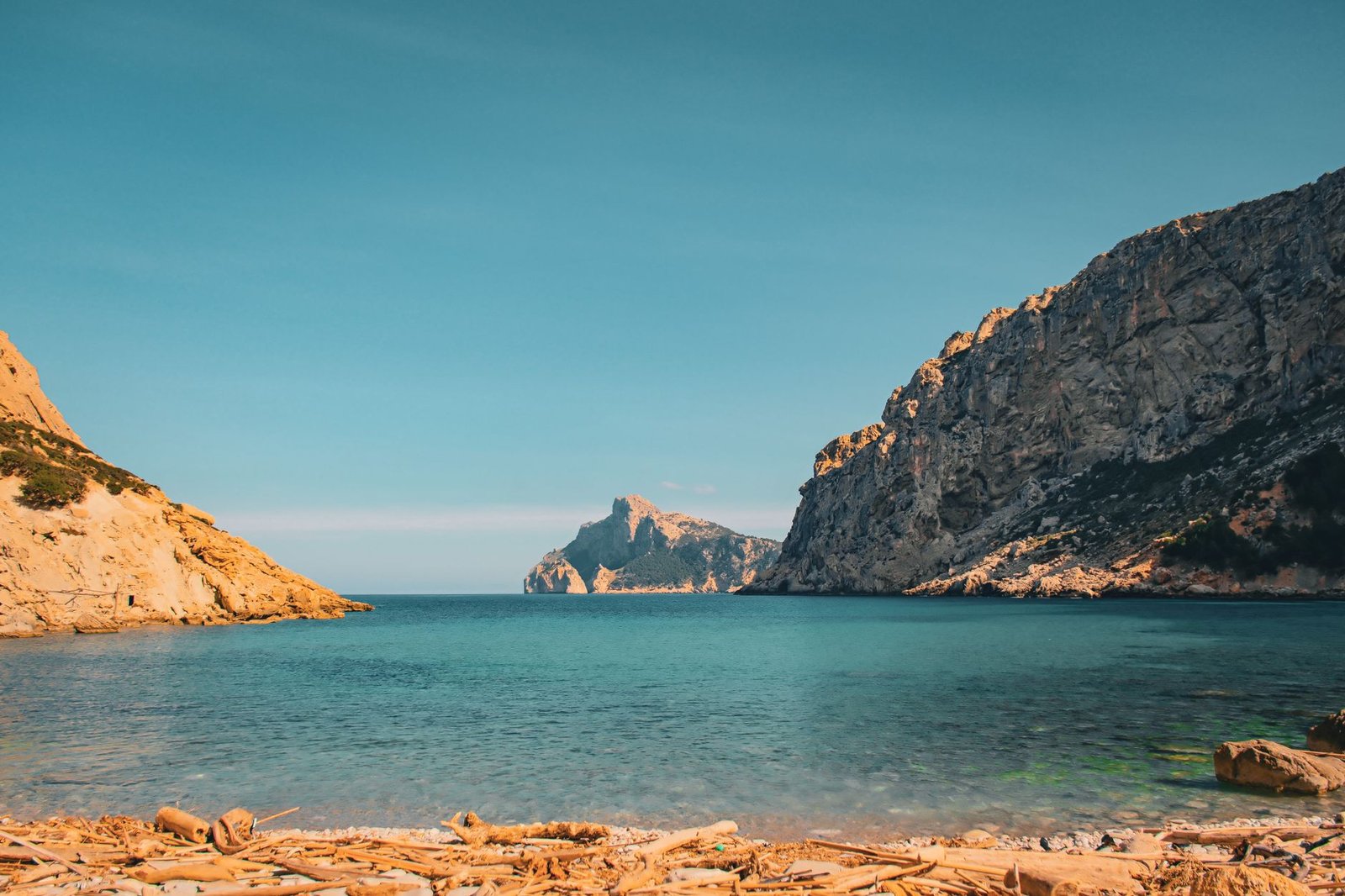
Sea temperature for comfortable swimming: you need at least 20°C for most people. That means mid-June through October. September is the best beach month – water at 24°C, air at 28°C, and significantly fewer people than August. The famous coves (Cala Mondragó, Cala d’Or, Es Trenc) are actually accessible without arriving at 8am to get a spot.
In July and August, Es Trenc beach (the big natural beach in the south) gets busy early. Arrive before mid-morning if you want space to park and spread out. The coves in the north (around Pollença and Alcudia) are slightly less hectic but still busy. If you’re visiting in peak season, rent a car and have 2-3 beach options planned – you need flexibility when your first choice is full.
Best Time for Hiking the Tramuntana
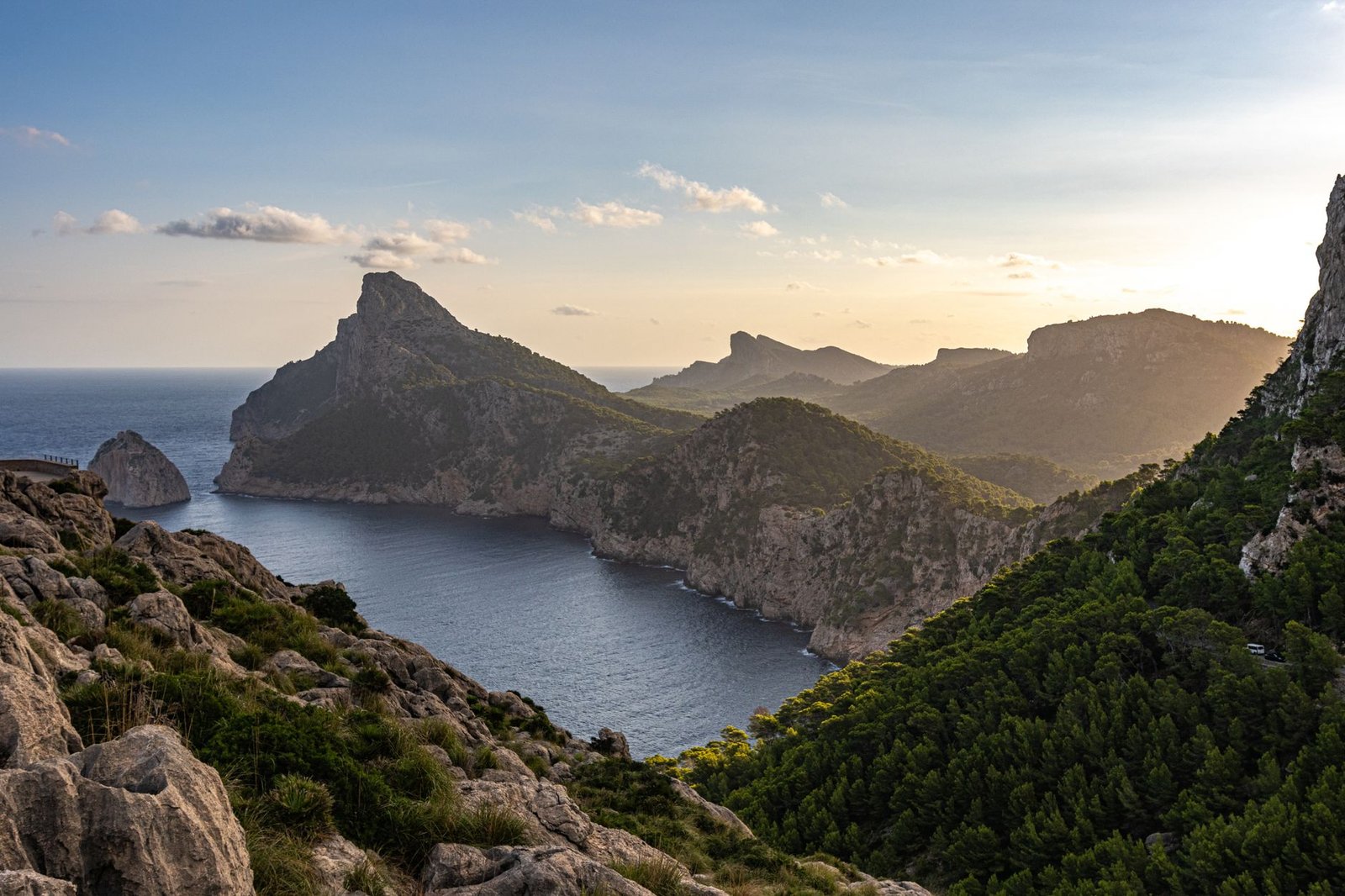
The Serra de Tramuntana – Mallorca’s UNESCO-listed mountain range running along the northwest coast – is the best hiking in Spain that most people don’t know about. March, April, October, and early November are ideal: cool temperatures, no crowds on the trails, and the landscape is either flowering (spring) or golden (autumn). Those same shoulder months are also the best window for exploring Mallorca’s lesser-known coves without the summer crowds.
The GR221 long-distance route (Dry Stone Route) runs 150km coast to coast and takes 8-10 days to complete fully. Day hike options from Soller or Valldemossa take 3-5 hours. In summer (July-August) hiking is possible early morning but midday heat on exposed mountain paths hits 38-40°C – not recommended unless you’re very experienced.
- March-April: almond blossom (February-March), wildflowers, cool and perfect
- October: clear skies, temperatures 20-23°C, sea still warm enough to swim after
- Avoid July-August for serious hiking – heat risk on exposed trails
- November-February: trails are open but some mountain refuges are closed
Price Differences by Season
The cost gap between peak and shoulder season in Mallorca is extreme. A 3-star hotel in Palma or a coastal resort routinely runs 50-80% higher in August than in the May shoulder season, confirmed against general seasonal pricing data checked in August 2026 (specific rates depend on the property and how far ahead you book). Flight prices from the UK or Germany can triple in the school summer holidays. Rental cars – essential for exploring the north and east coasts – get dramatically more expensive and scarce in August; book 8+ weeks ahead regardless of season, since availability collapses before price does.
- Cheapest months: November-March (many hotels closed; Palma works year-round)
- Best value: May and October (good weather, 30-50% cheaper than August)
- Most expensive: July-August, especially the first two weeks of August
- Easter week adds a significant price spike (book 2-3 months ahead)
Compare current Mallorca accommodation prices on Booking.com – setting flexible dates often reveals big savings even within the same month.
What’s Open When
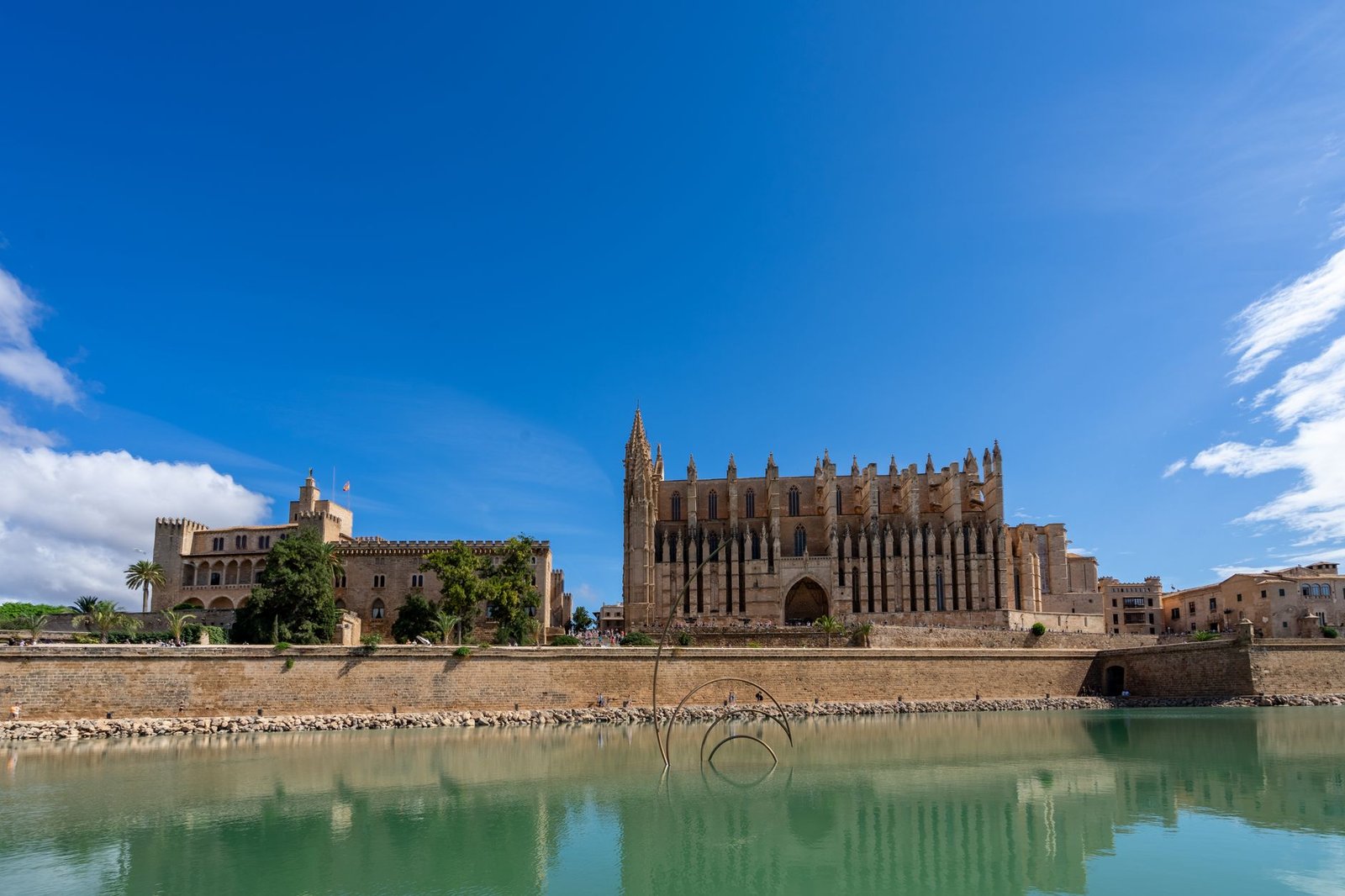
This is where the “visit in winter” advice breaks down in practice. Many restaurants, beach clubs, and small hotels in resort towns like Alcudia, Can Picafort, and Cala d’Or shut completely from November to March. Palma is the exception – the capital is a year-round city with functioning restaurants, museums (Es Baluard contemporary art museum is excellent), and a cathedral worth seeing regardless of season.
If you’re visiting October-March, base yourself in Palma and day-trip to the coast and mountains. Don’t book a coastal resort hotel expecting a full off-season service experience – call ahead to confirm they’re open. Curious what sets the islands apart beyond the calendar? Our Balearic Islands regional guide covers the character differences.
How to Get to Mallorca
Palma de Mallorca airport (PMI) is well-connected. Direct flights from Madrid (1h), Barcelona (50 min), London (2h15), and most major European cities, with Vueling, Iberia, EasyJet, and Ryanair all serving the route – check current fares directly, since they move too fast for a quoted price to stay accurate. In summer there are direct flights from dozens of regional airports. A ferry from Barcelona takes 7-8 hours overnight, run by Balearia, Trasmediterranea, and GNV – useful if you’re combining it with Barcelona or Valencia. Check the operators directly for current cabin pricing, which varies by cabin type and season. Viator has Mallorca boat tours and excursions for exploring the hidden coves you can’t reach by car.
Not sure Mallorca is the right island for you? Our comparison of Ibiza, Mallorca, and Menorca breaks down which one actually fits your trip.
FAQ: Best Time to Visit Mallorca
Is Mallorca worth visiting outside summer?
Absolutely, especially for hikers and culture travellers. Palma is a genuinely interesting city year-round. The Tramuntana mountains are at their best in spring and autumn. The trade-off is that the coast is quiet and some facilities are closed – check before booking anything outside the May-October window.
How hot does Mallorca get in July and August?
Average highs of 31-33°C, with heat waves pushing to 38°C. Sea temperature is 24-25°C. It’s beach-perfect if you can handle the heat and crowd. Midday (13:00-17:00) at the beach is genuinely uncomfortable – most experienced visitors take a siesta break and return in the late afternoon.
Is May or September better for Mallorca?
September by a small margin – the sea is warmer (24°C vs 18°C in May), the countryside is less green but equally beautiful, and summer crowds are dropping fast. May wins for wildflowers, hiking conditions, and lower prices. Both are excellent choices and significantly better than July-August for a relaxed trip.
Can you swim in Mallorca in October?
Yes, comfortably. Sea temperature in October averages 22°C – warmer than British or northern European summer beaches. Air temperature around 23°C. October is genuinely one of the best months for combining hiking and beach time.
How many days do you need in Mallorca?
Minimum 5 days to see Palma, one mountain area, and 2-3 beaches. Seven days is the sweet spot. Ten days lets you explore the east coast, the north, and the Tramuntana properly without rushing. A long weekend (3 days) works for Palma only.
The best time to visit mallorca is not August – it’s the months on either side. May, June, September, and October give you the island’s best features without the price premium and the queues. Book your rental car early regardless of when you go; that’s the one thing that genuinely sells out. See our coastal Spain comparison if you’re still deciding on your destination.