Cordoba’s Patio Festival Turns Courtyards Into Gardens
Some links in this guide are affiliate links — if you book through them we may earn a small commission at no extra cost to you. It never changes what we recommend. Full disclosure.
You’ve seen the pictures: cascades of geraniums, bougainvillea spilling over whitewashed walls, the vibrant explosion of colour in a hidden courtyard. It’s glorious, isn’t it? But you’re probably wondering, when faced with the prospect of crowds and intense Andalusian heat, if experiencing the famous Cordoba Patio Festival is truly worth the effort. Let’s be honest, planning a trip around a single event can be daunting. You want to make sure you’re not just queuing for hours or missing the best parts. This Cordoba patio festival guide is here to cut through the noise, giving you the insider tips you need to make your visit unforgettable, ensuring you discover the true magic of these unique spaces.
Quick Answer
Yes, absolutely, the Cordoba Patio Festival (Festival de los Patios de Córdoba) is worth it. Held annually for two weeks in May, it’s a truly unique cultural experience showcasing Cordoba’s architectural heritage and community spirit, offering a chance to step into private homes filled with incredible floral displays and traditional Andalusian charm.
When to Go and What to Expect: Mastering Your Visit
The Festival de los Patios de Córdoba typically runs for two weeks in the first half of May. The exact dates shift slightly each year, so always check the official Cordoba Tourism website well in advance. Generally, it kicks off around May 2nd and concludes around May 15th, but verify for your specific travel year. Why May? It’s when Cordoba’s spring is in full bloom, before the truly scorching summer heat settles in.
You’ll quickly learn that timing is everything. The patios are usually open from 11:00 to 14:00 and then again from 18:00 to 22:00. Forget trying to see everything in one go; it’s simply not feasible, especially if you want to soak in the atmosphere rather than just tick off a list. My honest advice? Aim for early mornings (right at 11:00) or late evenings (after 20:00). This helps you beat the biggest crowds and, crucially, the midday sun. Mid-week visits (Tuesday to Thursday) are generally less frenetic than weekends, when both national and international tourists descend.
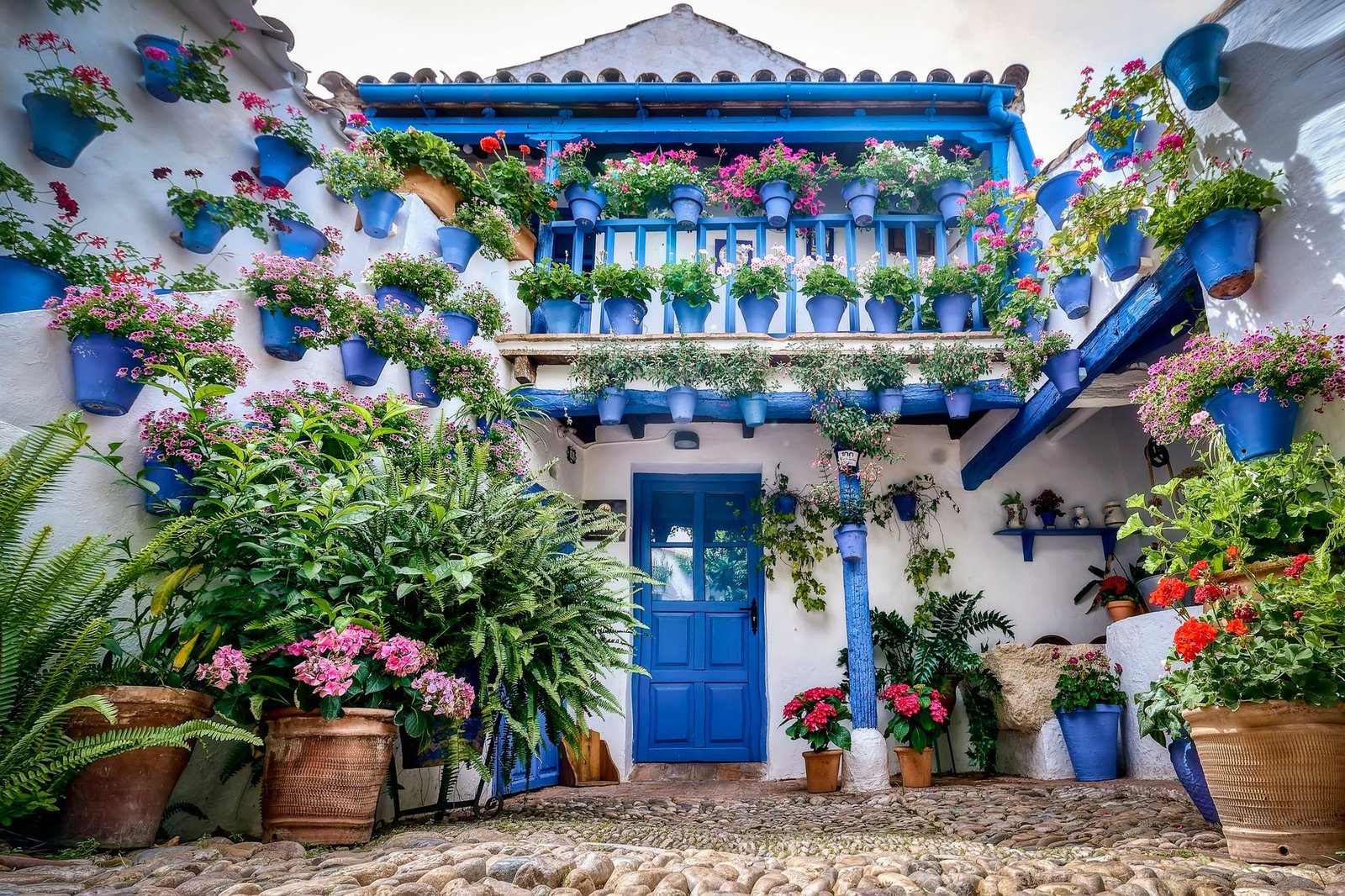
What can you expect? Picture a labyrinth of narrow streets in neighbourhoods like San Basilio, Santa Marina, San Lorenzo, and the Judería. You’ll spot signs with “Patio” and an arrow pointing to an open door. Step inside, and you’re transported. These aren’t just gardens; they’re the inner courtyards of private homes, meticulously cared for by their owners, who often live on the upper floors. You’ll see incredible dedication: clay pots overflowing with geraniums, petunias, carnations, and jasmine, hanging from walls, placed on stairs, surrounding fountains. It’s an explosion of colour, scent, and careful design. People are generally respectful, but expect queues at the most popular patios, especially those that have won awards in previous years.
Don’t just rush through. Take a moment. Listen to the gentle trickle of water from a central fountain. Breathe in the floral perfume. Sometimes, the owners are present, happy to chat about their passion, their plants, and their authentic pescaito frito recipe (if your Spanish is up to it!). This is what makes the experience truly special – the personal touch.
Consider dedicating at least two half-days to exploring different zones. A morning might be perfect for the Alcázar Viejo (San Basilio) area, then you can relax during the hottest part of the day, and hit the Santa Marina or Judería patios in the evening. Cordoba gets hot, even in May, with daily temperatures often reaching 28-32°C. Hydration is key – carry water and wear comfortable, breathable clothing.
Navigating the Patios: Your Essential Cordoba Patio Festival Guide
When you arrive, grab a map. The official festival maps are distributed at tourist offices and often available online, showing the participating patios grouped into different routes or zones. You’ll find two main categories of patios:
- Patios de Concurso (Contest Patios): These are the ones competing for prizes. They are generally free to enter, meticulously maintained, and often feature the most elaborate displays. These are also the most popular and tend to have the longest queues.
- Patios Fuera de Concurso (Non-Contest Patios) / Patios Abiertos (Open Patios): These are often community patios or private homes that open their doors for visitors but aren’t formally competing. Some might be part of the official map, others you might stumble upon. They offer a more relaxed experience, often with fewer crowds. Some of these may charge a small entry fee (€2-€5) or ask for a donation, which helps the owners maintain their spaces.
My advice is to mix it up. Start with a few well-known contest patios to see the standard, then wander off the main routes. Some of my favourite finds have been down unassuming alleyways, where locals are simply enjoying their patio life without the fanfare of competition. The real beauty of the festival is discovering the community spirit in every corner.
Key Areas to Explore:
- Barrio del Alcázar Viejo (San Basilio): This is probably the most iconic and frequently visited area, home to many prize-winning patios. It’s a great starting point, but expect crowds. Patios here are typically smaller, more intimate.
- Barrio de San Lorenzo and Santa Marina: These neighbourhoods offer larger patios, often with more architectural features like ancient wells or Roman columns. They tend to be a bit more spacious, offering some respite from the intensity of the crowds in San Basilio.
- Barrio de la Judería (Jewish Quarter): While a must-see for its history, the patios here are fewer and often smaller, integrated into the historic merchant houses.
- Palacio de Viana: While not part of the competition, this “Museum of the Patios” is a fantastic introduction, showcasing twelve distinct patios year-round. It charges an entry fee (around €6-€8 for the patios, more for the palace interior), but it’s a worthwhile visit if you want to understand the history and variety before diving into the festival. It’s also less crowded during the festival itself.
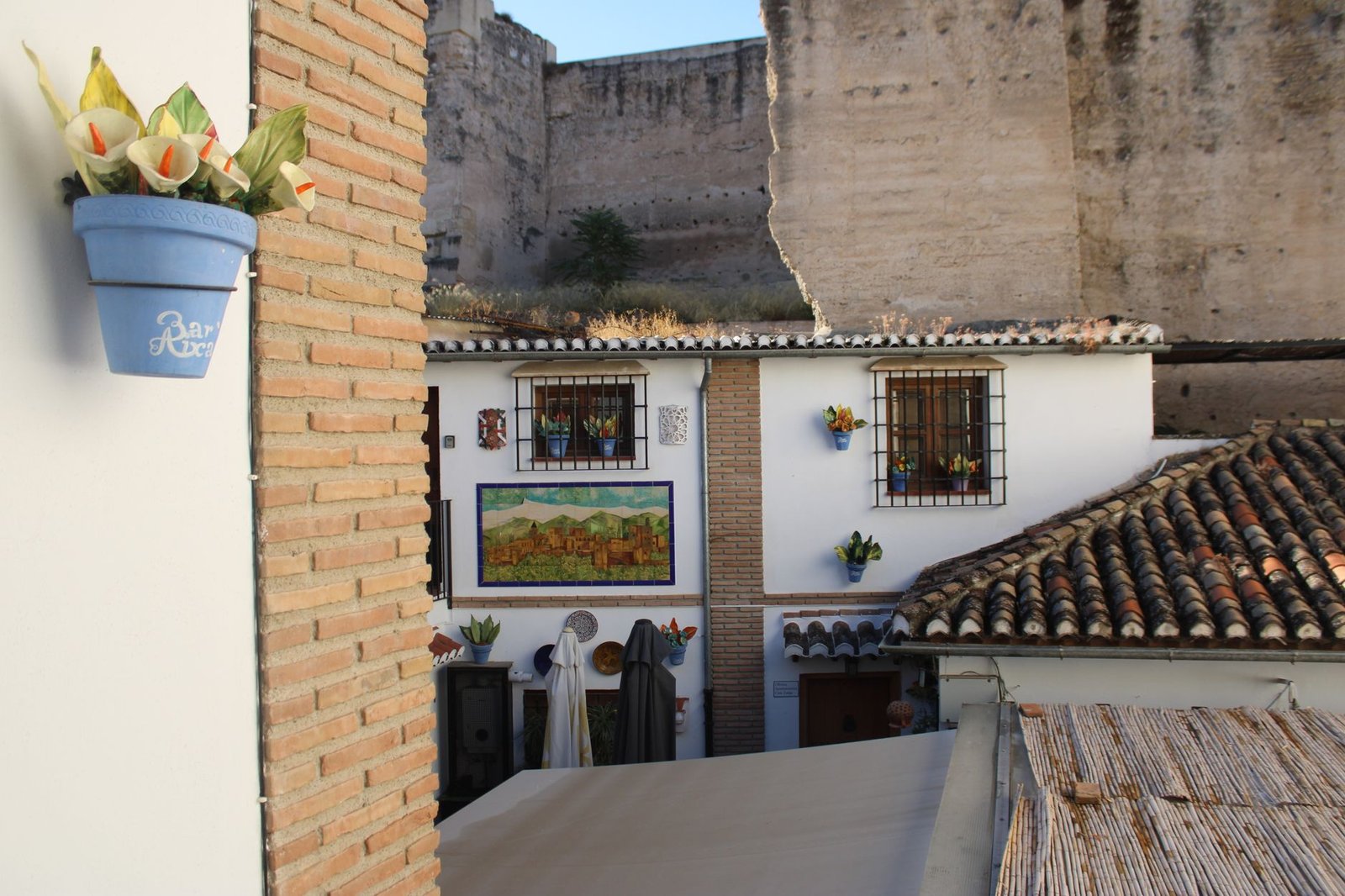
Walking is the primary way to explore. Cordoba’s old town is pedestrian-friendly but remember you’ll be on your feet for hours. Wear comfortable shoes! Distances between patio clusters can be a decent stroll, easily 15-20 minutes between San Basilio and Santa Marina. Don’t be afraid to take a taxi or a local bus if you want to jump between distant areas, but within each barrio, you’ll be on foot.
Costs, Logistics, and Essential Practicalities
Attending the Cordoba Patio Festival itself is largely free, as most contest patios do not charge an entry fee. Your main costs will be travel, accommodation, food, and perhaps a few paid patios or attractions like the Mezquita-Cathedral. Here’s a breakdown:
| Category | Estimated Cost (per person, per day/item) | Notes |
|---|---|---|
| Accommodation | €60 – €150+ | Book well in advance! Prices surge during the festival. Compare hotel prices on Booking.com for the best deals. |
| Food & Drink | €30 – €60 | Tapas, a few drinks, a sit-down meal. Cordoba is generally affordable. |
| Mezquita-Cathedral Entry | €11 – €13 | Essential Cordoba sight. Book online to skip queues. |
| Palacio de Viana | €6 – €8 | Patios only. Great historical context. |
| Local Transport (Bus/Taxi) | €1.30 per bus ride / €7 – €15 per taxi | Useful for covering longer distances between districts. |
| Water/Snacks | €5 – €10 | Stay hydrated! Small bottles of water are €1-€2. |
| Souvenirs | Variable | Local crafts, ceramics, small potted plants (careful with international travel restrictions). |
Getting There:
Cordoba is excellently connected by Spain’s high-speed AVE train network. From Madrid, it’s a comfortable 1 hour 45 minute journey (around €40-€70 one way). From Seville, it’s even quicker, just 45 minutes (around €20-€40 one way). Booking train tickets in advance on Renfe’s website is highly recommended, especially during peak season like the festival. If you’re driving, be aware that parking in the historic center is difficult and expensive (€20-€30 per day for a public parking garage). Consider parking on the outskirts and taking a local bus or taxi into the center.
Accommodation: This is where you absolutely cannot delay. Hotels and guesthouses fill up months in advance, and prices can double or triple. If you want to stay within easy walking distance of the patios, book at least 4-6 months out. Check out boutique hotels in the Judería or San Basilio for atmospheric stays. You can compare hotel prices on Booking.com to find something that fits your budget, but be prepared for higher rates.
Food: Cordoba is a culinary delight. Don’t miss salmorejo (a thicker, creamier gazpacho), flamenquín (fried ham and pork loin roll), and rabo de toro (oxtail stew). Many patios also offer small bars with drinks and tapas, especially in the evening, providing a lovely, relaxed atmosphere to enjoy the setting. Be aware that popular restaurants will also be busy; consider making dinner reservations.
Honest Tips for a Seamless Cordoba Patio Festival Experience
Having experienced the festival multiple times, here are my no-nonsense tips to make your visit smoother:
- Go Early or Late: I mentioned it before, but it bears repeating. The queues for the most popular patios can easily be 30-60 minutes long during peak midday or early evening. If you want to avoid feeling rushed and enjoy the tranquility, schedule your visits outside these times.
- Comfortable Footwear is Non-Negotiable: You will be walking on cobblestones, up and down steps, for hours. Leave the fancy sandals at home. Sneakers or sturdy walking shoes are your best friend.
- Stay Hydrated: Cordoba gets hot. Seriously hot. Carry a reusable water bottle and refill it whenever you can. Many cafes and even some patio owners are happy to provide water. Look for “fuentes” (public fountains) too.
- Respect the Homes: Remember, you are entering someone’s private residence. Be respectful of the space, the plants, and the owners. Don’t touch the plants unless invited, don’t leave litter, and keep your voice down, especially in smaller patios. Flash photography is generally fine, but always be mindful of others.
- Plan Your Routes, But Be Flexible: Have a general idea of which patios you want to see in a specific area, but be open to stumbling upon others. Sometimes the best discoveries are those you didn’t plan for. If a queue looks too long, move on and come back later.
- Consider a Guided Tour: If you’re short on time or prefer someone else to handle the navigation, booking a guided tour can be a great option. They often know the best routes and timings, and can offer historical context. You can book a guided tour on Viator to ensure you get an expert perspective without the stress of planning.
- Sun Protection: Hat, sunglasses, and high-SPF sunscreen are essential. There’s not a lot of shade in the narrow streets between patios.
- Patience is a Virtue: There will be crowds. There will be queues. Embrace it as part of the experience. It’s a hugely popular event for a reason.
Beyond the Patios: Essential Cordoba Experiences
While the patios are the star of the show, Cordoba itself is a city steeped in history and culture that demands exploration. Don’t make the mistake of only seeing the patios and leaving!
- Mezquita-Cathedral: This UNESCO World Heritage site is an absolute marvel. Its forest of horseshoe arches, Roman, Visigothic, and Islamic elements, and the Christian cathedral built within, make it one of the most unique religious buildings in the world. Allow at least 2-3 hours for a visit. Entry is around €13.
- Judería (Jewish Quarter): Wander through the narrow, winding streets of the old Jewish Quarter. Discover the Synagogue (one of only three remaining in Spain), and soak in the atmosphere. It’s a lovely area for an evening stroll.
- Alcázar de los Reyes Cristianos: Though often overshadowed by Seville’s Alcázar, Cordoba’s version offers beautiful gardens, Mudejar architecture, and rich history, including its role as a residence for Ferdinand and Isabella. Entry is around €5.
- Roman Bridge (Puente Romano): Walk across this ancient bridge, especially at sunset, for stunning views of the Mezquita and the Guadalquivir river. It’s a perfect spot for photos.
- Local Gastronomy: Beyond the famous salmorejo and flamenquín, make sure to try some local sherries (fino, amontillado) from Montilla-Moriles. Enjoy dinner in a traditional taberna or a more modern restaurant – Cordoba’s food scene is excellent. For a true taste of local flavour, try dishes like berenjenas con miel (fried eggplant with honey).
The Patio Festival isn’t Cordoba’s only spring tradition — a few weeks earlier, the Cruces de Mayo fills the same streets with flowers instead of open courtyards.
About the Author
Caro is a traveler who’s called Spain home for 15 years. She’s eaten in countless village kitchens, walked routes others miss, and experienced Spanish festivals from the inside out. Spain Destination exists because honest, ground-level travel guides didn’t, so she started writing them. About Caro →
FAQ: Cordoba Patio Festival — Common Questions
Is the Cordoba Patio Festival free to enter?
Yes, the majority of the “Patios de Concurso” (contest patios) are free to enter. Some “Patios Fuera de Concurso” or private patios might charge a small fee, typically €2-€5, or ask for a donation to help with maintenance.
How long do I need to see the patios properly?
To truly experience the festival without feeling rushed, I recommend dedicating at least two half-days. This allows you to explore different zones, revisit favourite patios, and avoid the most crowded times, giving you a much more relaxed and enjoyable experience.
What’s the best way to get around Cordoba during the festival?
Walking is the primary and best way to explore the patio neighbourhoods. However, Cordoba’s historic centre is compact. For longer distances between distinct patio zones or to your accommodation, local buses are efficient (€1.30 per ride) or taxis are readily available.
Can I take photos inside the patios?
Yes, photography is generally permitted inside the patios. Most owners are happy for you to capture the beauty. However, always be respectful, avoid lingering too long if there’s a queue behind you, and try not to block others’ views. Flash photography is usually fine unless specified otherwise.
Are the patios accessible for strollers or wheelchairs?
Accessibility can be challenging. Many patios involve steps, narrow doorways, and uneven cobblestone paths, especially in older neighbourhoods. While some larger or more modern patios might be more accessible, it’s advisable to check specific patio information if accessibility is a key concern. Strollers can be difficult to navigate in crowded, confined spaces.
The Cordoba Patio Festival is more than just a display of flowers; it’s a testament to a centuries-old tradition, a community’s pride, and an open invitation to experience a unique part of Andalusian culture. It requires a bit of planning, a dash of patience, and a lot of comfortable walking, but the reward is an unparalleled immersion in beauty. Trust me, you’ll be glad you made the journey. For more insider tips on experiencing Spanish traditions, check out our Blog.