Aste Nagusia Bilbao: What to Expect at Basque Country’s Big Week
Some links in this guide are affiliate links — if you book through them we may earn a small commission at no extra cost to you. It never changes what we recommend. Full disclosure.
Experiencing Aste Nagusia Bilbao isn’t just about witnessing a festival; it’s about diving headfirst into the very soul of Basque culture and communal joy. Many visitors might assume it’s just another Spanish street party, a loud celebration like any other, but the reality is far more intricate, deeply rooted in community spirit, and unique in its particular traditions. This guide is your no-nonsense look at how Bilbao truly comes alive for nine days, covering everything from the iconic Marijaia to the endless pintxos and the unique energy you’ll find around every corner.
Quick Answer: Aste Nagusia Bilbao
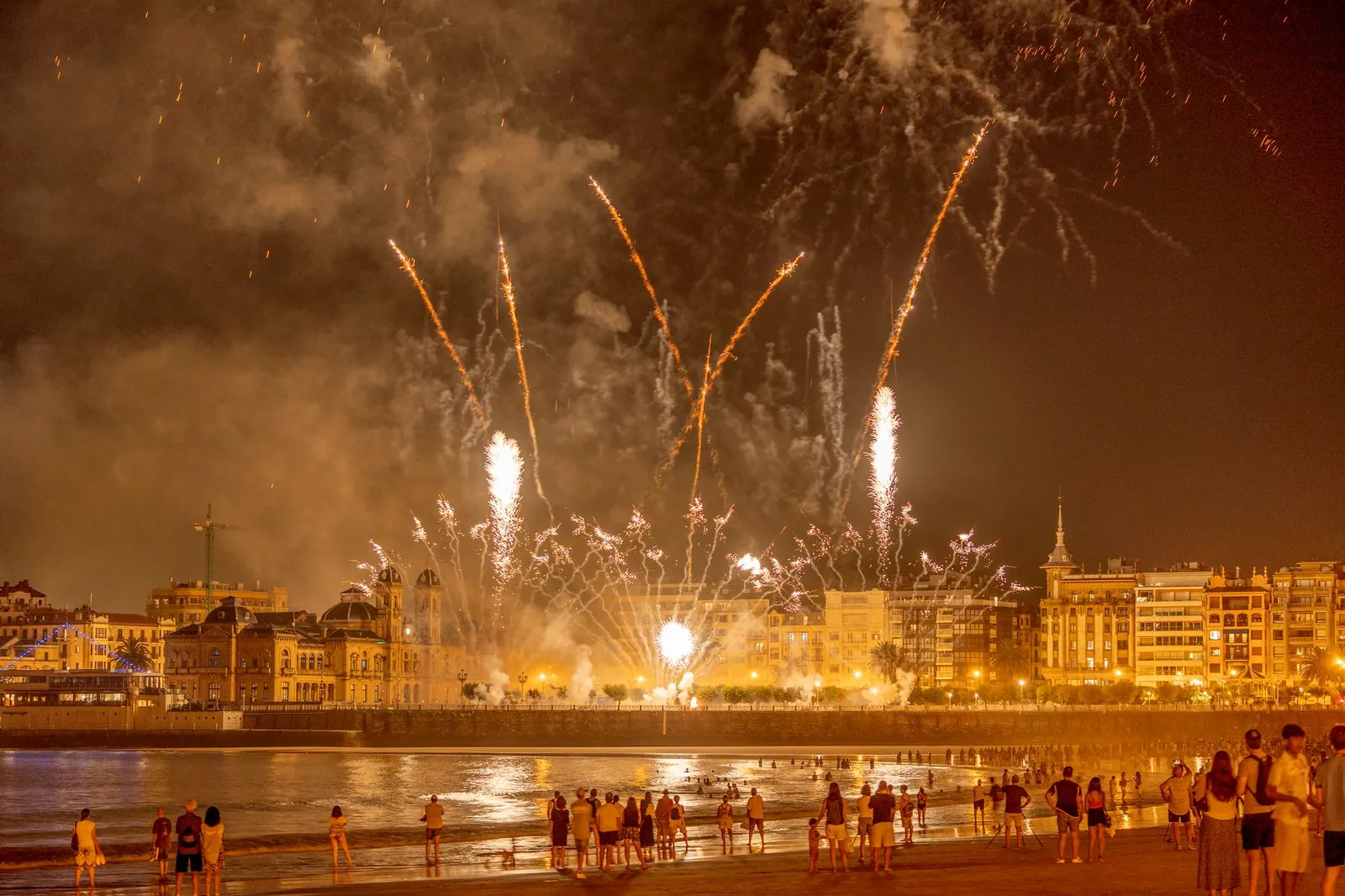
Aste Nagusia, or Bilbao’s “Big Week,” transforms the city into an open-air celebration typically from the third Saturday of August for nine consecutive days, drawing around 1.5 million visitors annually. It’s a free-flowing festival centered around the Arriaga Theatre, Arenal Park, and the network of ‘txosnas’ along the river, offering a packed schedule of free concerts, traditional Basque sports, parades, children’s activities, and spectacular fireworks displays every evening.
When to Go and What to Expect from the Opening Day
Aste Nagusia always kicks off on a Saturday, usually the third one in August, and runs for nine full days, with the official start, known as the ‘Txupinazo,’ beginning precisely at 7:00 PM. This is the moment the festival officially explodes into life, and you absolutely want to be there for it. If you’re planning your trip around this, target the Saturday closest to August 19th for the official start, and know that the city will already be buzzing from lunchtime.
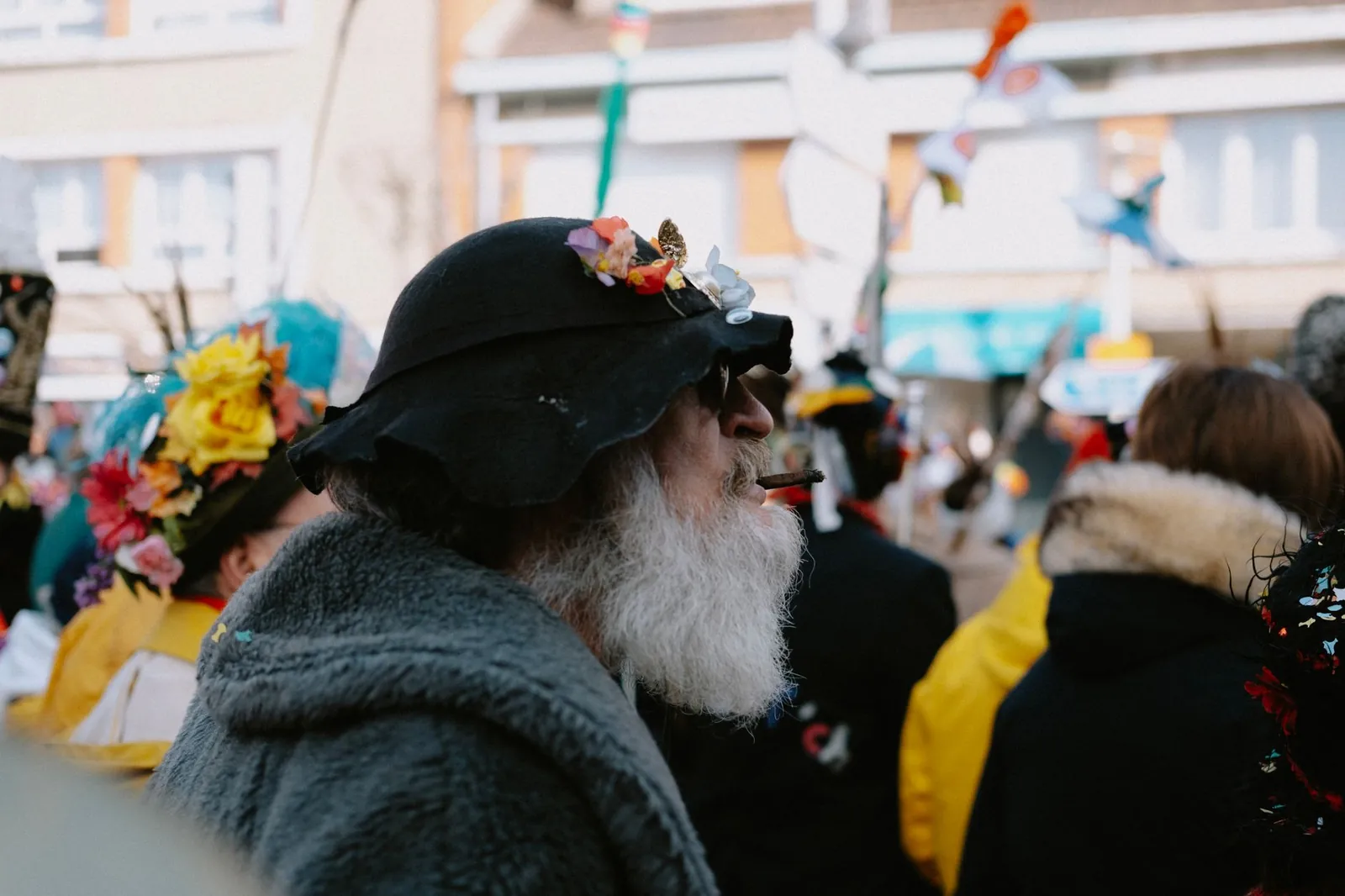
The ‘Txupinazo’ itself is a moment of pure collective effervescence. You’ll want to head to the Plaza del Arriaga, right by the Arriaga Theatre, well before 7:00 PM to secure a spot. It gets incredibly crowded, shoulder-to-shoulder, so if tight spaces aren’t your thing, position yourself on the edges of the plaza or along the riverbank for a slightly less intense but still immersive experience. The crowd is a mix of locals and visitors, all eagerly awaiting the moment a rocket is launched, signaling the start of the festivities and the unfurling of Marijaia.
Marijaia is the festival’s beloved mascot, a large, joyful figure with arms perpetually raised, embodying the celebratory spirit. She’s unveiled on the balcony of the Arriaga Theatre, and her presence is everywhere throughout the festival. Understanding Marijaia isn’t just about seeing a doll; it’s understanding the heart of Aste Nagusia. She watches over the city for the entire week, only to be ceremonially burned and sent sailing down the river on the final Sunday, a symbolic end to the festivities and a promise of their return next year. It’s a bittersweet moment, but one that truly encapsulates the full cycle of the festival. You can learn more about the official schedule and Marijaia’s full story on the Bilbao City Council website.
The biggest downside to the opening day is the sheer volume of people. If you’re not prepared for a densely packed, joyful crowd, it can be overwhelming. Keep your belongings secure, wear comfortable shoes, and be ready to move with the flow of people. My honest advice: arrive early, find a spot with a good view (even if it’s on a big screen in a nearby plaza), and soak in the energy. Don’t try to fight your way to the very front. You’ll enjoy it more from a spot where you can breathe and still feel the collective excitement.
Beyond the official ceremony, the entire Casco Viejo (Old Town) immediately transforms. Expect spontaneous street performances, music starting up in the txosnas, and a palpable shift in the city’s rhythm. It’s not a gentle start; Aste Nagusia kicks off with a bang and doesn’t slow down for nine days.
The Heart of the Party: Exploring the Txosnas and Live Music
The ‘txosnas’ are the undisputed core of Aste Nagusia, typically operating from 12:00 PM to 4:00 AM daily throughout the festival, and you’ll find the main cluster of about 30 of them lining the river in El Arenal Park. These aren’t just temporary bars; they’re pop-up cultural centers, each run by a ‘konpartsa’ (local social or political groups) and serving food, drinks, and hosting their own live music and activities. Entry is completely free, though you’ll pay market prices for food and drinks, typically €2.50 for a soft drink and €4-€6 for simple food items.
Think of the txosnas as mini-festivals within the main festival, each with its own distinct personality. One might be blasting reggae, another traditional Basque folk music, and a third a rock band. This is where you truly experience the local spirit and community engagement. You could easily spend an entire evening just hopping from one txosna to another, soaking in the different atmospheres.
Here’s what you should know about navigating the txosnas:
- Location: The primary area is El Arenal Park, running along the estuary from the Arriaga Theatre towards the Ayuntamiento (City Hall). There are also smaller clusters in other neighborhoods, but El Arenal is the main hub.
- Food & Drink: Expect basic, hearty festival fare like ‘bocadillos’ (sandwiches), ‘talos con txistorra’ (corn tortillas with chorizo), and grilled skewers. Prices are fair, usually between €3-€7 for a decent meal.
- Music: Live music is constant. You’ll find everything from local rock bands to DJs, traditional Basque music, and often surprisingly big-name Spanish acts playing smaller, intimate sets. The City Hall also hosts major free concerts in Abandoibarra and Parque Europa, typically starting around 11:30 PM, featuring more internationally recognized artists.
- Atmosphere: Expect it to be loud, crowded, and incredibly friendly. It’s a place for communal dancing, singing, and general revelry. The crowd is diverse, from families in the early evening to groups of friends and younger people late into the night.
- Txosna Etiquette: Don’t be shy. Order at the bar, try a bit of everything, and embrace the chaos. It’s a cash-heavy environment, but many txosnas now accept card payments for convenience.
For me, the txosnas are where the pulse of Aste Nagusia is strongest. It’s not about expensive concerts or exclusive venues; it’s about shared space, shared music, and shared enjoyment. If you visit, make sure you spend at least one evening just wandering through El Arenal, letting the music draw you in and experiencing the raw, unfiltered energy of Bilbao’s Big Week. For a broader taste of Basque culinary culture, you might enjoy exploring a Basque Country food tour itinerary.
Beyond the Noise: Family Activities and Cultural Deep Dives
While the txosnas offer constant energy, Aste Nagusia is far more than just a party; it’s a celebration for all ages, with a particular focus on families and showcasing Basque culture. Most family-oriented activities run daily from 11:00 AM to 8:00 PM, and nearly all are completely free, making it an incredibly accessible festival for everyone. You won’t struggle to find things to do that don’t involve late nights or loud music, especially during the day.
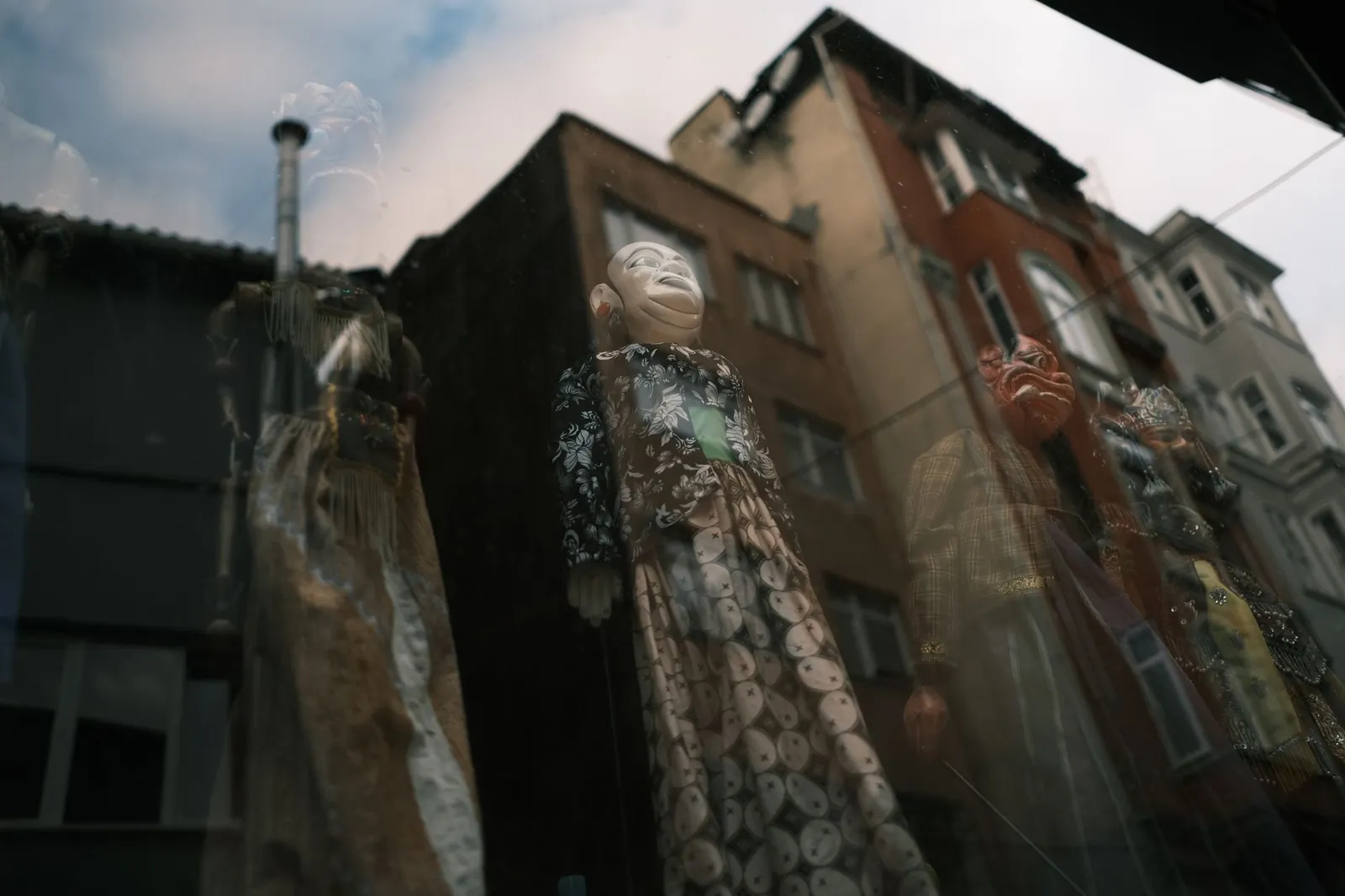
One of the highlights for families is the diverse range of family tours in Bilbao available even during the festival, though many activities are offered directly by the city. For younger children, the Gigantes y Cabezudos parade, featuring giant figures and big-headed characters, winds through the Old Town every morning, typically starting around 10:30 AM. It’s a cheerful, traditional spectacle that captivates kids and offers great photo opportunities. There are also dedicated children’s zones, often in the Doña Casilda Park, with puppet shows, workshops, and games running throughout the day. These areas are specifically designed to be safe and engaging for kids, offering a break from the main crowds.
For those interested in the deeper cultural aspects, Aste Nagusia is a prime opportunity to witness traditional Basque sports, known as ‘herri kirolak’. You can catch demonstrations of wood chopping (aizkolaris), stone lifting (harrijasotzailes), and even rowing competitions (traineras) on the estuary. These events are scheduled throughout the week, often in the Plaza Nueva or along the river, and are a fascinating display of strength and skill. Check the official program for specific timings, but they usually occur in the late morning or early afternoon, around 12:00 PM to 2:00 PM. They give you a real sense of Basque heritage and the community’s pride in its unique traditions.
Additionally, you’ll find plenty of opportunities for traditional Basque dancing and music. Folk groups perform regularly in various plazas, inviting passersby to join in or simply enjoy the lively performances. These cultural offerings provide a valuable counterpoint to the more raucous celebrations and allow you to connect with the authentic spirit of the Basque Country. It’s worth noting that Aste Nagusia has a much broader appeal for families compared to, say, the intensity of San Fermin in Pamplona, which is a different kind of animal entirely.
Consider attending a specific cultural event, like a ‘bertsolaris’ session – improvised Basque poetry and song. While it might be challenging to follow without understanding Basque, the performance and the crowd’s reaction are something special. It’s about witnessing living tradition, not just passively observing. These cultural events often take place in the Plaza Nueva, offering an accessible location in the heart of the Old Town.
Feasting Your Way Through Aste Nagusia: Bilbao’s Culinary Delights
Food is central to any Spanish festival, and Aste Nagusia is no exception. While the txosnas offer convenient, quick bites, the real culinary heart of Bilbao beats in its pintxo bars and traditional restaurants, many of which adapt their hours to cater to the festival’s late-night energy, often staying open until 1:00 AM or even later. Expect to spend anywhere from €2.50 to €4.00 per pintxo, and a full meal could range from €15 to €30 per person.
Your visit isn’t complete without diving deep into the world of pintxos. These small, artful creations are more than just tapas; they’re a cornerstone of Basque gastronomy. Head to the Casco Viejo or the Indautxu neighborhood for an authentic pintxo crawl. Calle Ledesma and Plaza Nueva are particularly dense with excellent establishments. Don’t be shy; grab a plate, pick what looks good, and pay at the end. Many places will have a range of hot and cold pintxos. The trick is to try a few in one place, then move on to the next. Favorites include ‘Gildas’ (olives, anchovies, and guindilla peppers on a skewer), ‘tortilla de patatas’ (potato omelette), and various seafood options.
Beyond pintxos, look for traditional Basque dishes. While the festival food is good, it doesn’t quite capture the depth of the local cuisine. Seek out restaurants that serve ‘bacalao a la vizcaína’ (cod in a rich red pepper sauce) or ‘marmitako’ (a tuna and potato stew, especially good if you’re visiting in late summer). These dishes are comfort food, deeply rooted in the region’s history and readily available in the Old Town’s sit-down restaurants.
For something specific and truly local to the festival, keep an eye out for ‘talo con queso’. Talo is a type of corn tortilla, traditionally grilled and served warm and wrapped around melted cheese. It’s simple, delicious street food that you’ll find primarily at the txosnas and food stalls, making it a perfect festival snack.
Here’s a small guide to some must-try pintxo spots:
| Bar Name | Location (Neighborhood) | Specialty Pintxos | Approx. Price/Pintxo |
|---|---|---|---|
| Gure Toki | Plaza Nueva (Casco Viejo) | Modern, creative pintxos like Foie Gras with Apple | €3.50 – €4.50 |
| Bar Charly | Plaza Nueva (Casco Viejo) | Traditional, varied selection, good for tortilla | €2.80 – €3.80 |
| El Globo | Calle Diputación (Ensanche) | Seafood pintxos, especially the ‘txangurro’ (spider crab) | €3.00 – €4.00 |
| Café Iruña | Jardines de Albia (Ensanche) | Grilled vegetable and gilda skewers | €2.50 – €3.50 |
Remember that during Aste Nagusia, these places are packed. Go a little earlier for lunch (around 1:00 PM) or dinner (around 8:00 PM) to beat the peak crowds, or just embrace the lively atmosphere. The food is part of the experience, so don’t be afraid to try new things and ask for recommendations. For an even deeper dive into local food traditions, exploring the Malaga beach espetos tradition offers another perspective on Spanish culinary heritage.
Navigating Bilbao: Practical Tips for Your Aste Nagusia Stay
Experiencing Aste Nagusia Bilbao requires a bit of planning, especially when it comes to logistics, and getting these details right will genuinely enhance your time there. First and foremost, accommodation during the festival is in high demand, so booking your stay at least six months in advance is essential. Prices will be elevated, with a standard double room in a central hotel typically costing €150-€250 per night, compared to €80-€120 off-season. You can compare hotel prices for your specific dates on Booking.com to find suitable options, but don’t expect last-minute bargains.
Bilbao itself is a very walkable city, especially the central areas where most of the festival activity is concentrated: the Casco Viejo, Ensanche, and around the river. Public transport is excellent and extends its hours during Aste Nagusia. The metro runs until 2:00 AM on weekdays and continuously through Friday and Saturday nights. A single metro ticket costs €1.60, or you can get a Barik card for cheaper fares, which you can load with money and share among friends. Buses also operate extended schedules. Taxis and ride-sharing services are available but can be difficult to hail during peak festival hours due to demand and road closures.
Pacing yourself is crucial. Nine days is a long time, and the energy is constant. Don’t try to do everything every day. Mix intense txosna nights with more relaxed cultural afternoons or visits to Bilbao’s museums, like the Guggenheim, which generally maintain their usual opening hours (10:00 AM – 7:00 PM, closed Mondays), offering a tranquil escape. Admission is €16 for adults.
Here are some crucial tips for making the most of your visit:
- Wear Comfortable Shoes: You will walk for miles, often on cobblestones. Prioritize footwear over fashion.
- Stay Hydrated: With all the excitement, it’s easy to forget to drink water. Carry a reusable bottle or buy water regularly.
- Watch Your Belongings: Like any major festival, pickpockets can be an issue in crowded areas. Use a cross-body bag or a money belt, and be aware of your surroundings.
- Learn Some Basic Basque/Spanish: While many locals speak English, a few phrases like “Kaixo” (hello), “Eskerrik asko” (thank you), and “Agur” (goodbye) in Basque, or their Spanish equivalents, will be appreciated.
- Check the Official Program: The festival schedule changes slightly each year. Grab a physical copy or check the Bilbao City Council website daily for up-to-date timings of concerts, parades, and other events.
- Ear Protection: If you’re sensitive to loud noise, especially at concerts or in the txosnas, consider bringing earplugs.
Remember that while the festival is open to everyone, it’s also a deeply personal celebration for the people of Bilbao. Respect local customs and traditions, engage with the community, and you’ll find yourself welcomed with open arms into one of Spain’s most heartfelt and unique celebrations. It’s a genuine immersion, not just a spectator sport.
Common Questions About Aste Nagusia
When exactly does Aste Nagusia take place each year?
Aste Nagusia, or Bilbao’s Big Week, is consistently held in late August, always commencing on the Saturday that falls closest to August 19th. The festivities then continue for nine full days, concluding on the following Sunday evening. Planning months ahead is essential for securing accommodation and making the most of this period.
Is there an entry fee to attend Aste Nagusia?
No, there is no general entry fee for Aste Nagusia itself. Most concerts, parades, and street performances are completely free to attend and open to the public. You will, however, pay for food, drinks, and any specific rides or games you choose to participate in at the fairground or txosnas, typically at standard festival prices.
What is the significance of Marijaia during the festival?
Marijaia is the official mascot and symbol of Aste Nagusia, a joyful, large-headed figure with arms raised in celebration. She is unveiled on the opening day, watching over the entire festival from the Arriaga Theatre, and is ceremoniously burned and sailed down the river on the final Sunday, symbolizing the end of the festivities and the cyclical nature of the annual celebration.
Is Aste Nagusia suitable for families with young children?
Absolutely, Aste Nagusia is remarkably family-friendly, particularly during the daytime hours. The festival dedicates numerous activities specifically for children, including puppet shows, dedicated play zones in parks like Doña Casilda, and the popular Gigantes y Cabezudos parades. The atmosphere is generally lively but safe, offering a wealth of entertainment for all ages before the late-night revelry begins.
Aste Nagusia is more than just a date on the calendar; it’s a living expression of Basque identity, a time when Bilbao truly invites you to be part of its spirited community. From the first Txupinazo to Marijaia’s farewell, you’ll find yourself caught up in a cycle of joy, tradition, and shared experience that leaves a lasting impression. Dive in, explore the txosnas, cheer on the Basque sports, and let the spirit of Bilbao’s Big Week carry you along its joyful current. For another unique cultural experience, consider exploring the Málaga Feria day celebration.
About the Author
After 15 years living and traveling across Spain, Caro knows this country in a way most travel writers never will. She’s not here to sell you a polished version of Spain, she’s here to show you the real one. Every guide on this site comes from her own experience: the restaurants she eats at, the routes she walks, the festivals she’s actually attended. She writes to cut through the noise and give you what actually matters. Learn more about Caro →