The Shrimp Fritters Cadiz Can’t Stop Eating: Tortillitas de Camarones
Some links in this guide are affiliate links — if you book through them we may earn a small commission at no extra cost to you. It never changes what we recommend. Full disclosure.
Ever bitten into a perfect, crispy, savory tortillita de camarones in a buzzing bar in Cadiz and thought, “I wish I could make these at home?” You’re not alone. That incredibly thin, crunchy texture, the briny punch of tiny whole shrimp, the hint of onion and parsley – it’s pure Andalusian magic. But mastering the authentic tortillita de camarones recipe can feel intimidating. Many attempts end up too thick, too soggy, or lacking that distinctive flavor. Don’t worry. This guide walks you through exactly how to recreate that genuine experience in your own kitchen.
This article contains affiliate links. If you book through one, Spain Destination may earn a small commission at no extra cost to you. See the full affiliate disclosure →
Quick Answer
To make authentic tortillitas de camarones, combine chickpea and wheat flour with ice-cold water, thinly sliced onion, chopped parsley, and tiny whole raw shrimp. Fry spoonfuls in very hot olive oil until golden and exceptionally crispy. The key is a very thin batter and precise oil temperature for that signature delicate crunch. They share a frying philosophy with fried eggplant drizzled with cane honey, another Andalusian bar classic you can make at home.
The Soul of Andalusia: What Are Tortillitas de Camarones?
Let’s clear something up right away. A tortillita de camarones isn’t just any shrimp fritter. It’s a specific, paper-thin, intensely crispy disc that hails from the province of Cadiz, often affectionately called “Cai” by its residents. Imagine something almost like a savory tempura, but with more character and a distinct flavor profile derived from its unique ingredients.
The essence lies in three main components: the tiny, whole, unpeeled shrimp (camarones), a mix of chickpea flour (harina de garbanzo) and wheat flour, and a very light batter. The shrimp are not just for flavor; their shells contribute a unique texture and briny goodness when fried whole. You’re meant to eat them in one or two bites, shells and all. If you’re squeamish about eating whole shrimp, this might not be your dish, but trust me, it’s worth getting over it for these. The chickpea flour is crucial for that earthy taste and helps achieve the characteristic crispiness that regular wheat flour alone can’t quite replicate.
When done right, a tortillita should be delicate, almost translucent in parts, and shatter satisfyingly when you bite into it. It shouldn’t be greasy, thick, or doughy. Unfortunately, you’ll find plenty of sad, inferior versions out there, even in Spain, so knowing what to look for, or better yet, how to make your own, is vital. The real deal offers a taste of the Atlantic, a whisper of the sea, and a true culinary legacy of Cadiz that has been perfected over centuries.
Where to Find the Best Tortillitas in Cadiz
While making them at home is rewarding, nothing quite beats eating a freshly fried tortillita metres from the sea. If you’re heading to Cadiz, here are a couple of places where you can experience the real thing. Be aware that prices can vary slightly depending on the season and the establishment, but generally, expect to pay around €3.50 to €4.50 per tortillita in a reputable spot.
- El Faro de Cádiz (Calle San Félix, 15, Cádiz): This is a classic, practically an institution. They’ve been serving authentic Cadiz cuisine for generations. Their tortillitas are consistently excellent – thin, crispy, and packed with flavor. It’s a slightly more formal setting than some tapas bars, but still welcoming. Expect to pay around €4.20 per tortillita. It’s a pleasant 10-15 minute walk from Cadiz Cathedral.
- Bar La Tabernita (Plaza de la Libertad, 5, Cádiz): Located near the Mercado Central, this spot offers a more casual, bustling atmosphere. Their tortillitas are also highly regarded and often a touch more economical, around €3.80 each. It’s a great place to stop after exploring the market.
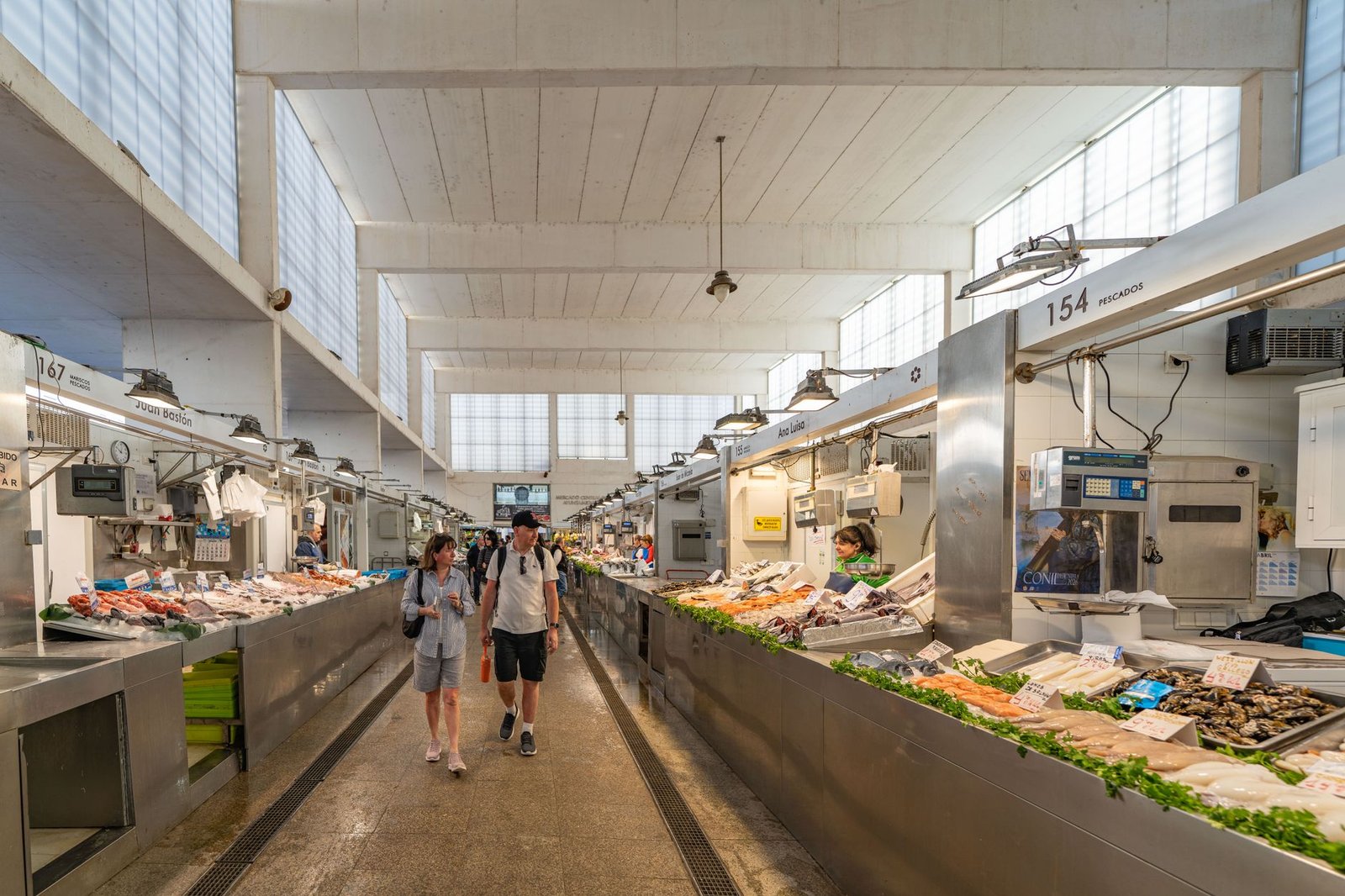
- Mercado Central de Abastos (Plaza de la Libertad, s/n, Cádiz): While not a specific restaurant, many of the market stalls (especially those selling fried fish) will offer tortillitas. The quality can vary, but some are surprisingly good and offer a very authentic, no-frills experience. Look for stalls with a rapid turnover of fresh batches. Prices here might be slightly lower, perhaps €3.00-€3.50.
Transport in Cadiz: The beauty of Cadiz is its walkability. Most of these places are within easy strolling distance of the city center and main attractions. If you’re coming from further afield, local buses are efficient, or a taxi from a more distant hotel will cost you between €7 and €12 depending on the exact route. Be wary of tourist traps with large, multi-language menus and glossy pictures outside – they often prioritize volume over quality, and their tortillitas can be a disappointing, thick, and oily affair. Trust the places where you see locals queuing or animatedly chatting at the bar.
If you’re planning a trip to Cadiz to sample them fresh, you can check current hotel prices for Cadiz to find the best place to stay.
Your Authentic Tortillitas De Camarones
Now for the main event! Making the perfect tortillita de camarones at home is entirely achievable if you follow these steps carefully. The most common mistake is making the batter too thick, so pay close attention to consistency. This recipe yields about 12-15 tortillitas, enough for a generous tapas for 4-6 people. Once you have mastered the savory side, Ronda’s yemas make a fitting Andalusian dessert to follow.
Ingredients:
- 100g harina de garbanzo (chickpea flour)
- 50g harina de trigo (all-purpose wheat flour)
- 300ml ice-cold water (approximately, adjust as needed)
- 150g camarones (tiny whole raw shrimp, fresh or frozen/thawed)
- ½ small onion, very thinly sliced or finely diced
- 2 tablespoons fresh parsley, finely chopped
- 1 teaspoon salt (or to taste)
- Neutral-flavored frying oil (like sunflower or mild olive oil), about 500ml-1 litre, for deep frying
Equipment:
- Large mixing bowl
- Whisk
- Sharp knife and cutting board
- Large, deep frying pan or Dutch oven
- Slotted spoon or spider skimmer
- Paper towels for draining
Step-by-Step Instructions:
- Prepare the Shrimp: If using frozen shrimp, thaw them completely and pat them very dry with paper towels. You want them as dry as possible to prevent the batter from becoming watery. Don’t peel them! The tiny whole shrimp, shells and all, are essential for authenticity and flavor.
- Chop the Aromatics: Peel and very thinly slice or finely dice your half onion. The goal here is for the onion to cook through and become almost invisible within the tortillita, adding flavor without chunky bits. Finely chop your fresh parsley.
- Mix the Dry Ingredients: In a large mixing bowl, combine the chickpea flour, wheat flour, and salt. Whisk them together thoroughly to ensure even distribution.
- Add Water Gradually: Start adding the ice-cold water to the flour mixture, a little at a time, while whisking constantly. You are aiming for a very thin, liquid batter, similar to crepe batter, or even thinner. It should easily coat the back of a spoon but drip off quickly. The cold water helps make the tortillitas extra crispy by inhibiting gluten development. Don’t add all the water at once; adjust until you reach the desired consistency. It’s better to add too little and then slowly add more.
- Combine All Ingredients: Once your batter is smooth and thin, gently fold in the dried camarones, the thinly sliced onion, and the chopped parsley. Stir just enough to combine everything without overmixing. Let the batter rest for 10-15 minutes at room temperature while you prepare your frying station. This allows the flours to hydrate fully.
- Heat the Oil: Pour enough frying oil into your deep frying pan or Dutch oven to reach a depth of at least 3-4 cm (about 1.5 inches). Heat the oil over medium-high heat. The temperature is crucial for the perfect crispiness. You want it hot enough to make the tortillitas sizzle immediately but not so hot that they burn before cooking through. Aim for around 175-180°C (350-356°F). If you don’t have a thermometer, test by dropping a tiny bit of batter in – it should immediately sizzle and float to the surface without browning too quickly.
- Fry the Tortillitas: Once the oil is hot, carefully drop spoonfuls of the batter into the hot oil. Use a spoon to spread the batter out as thinly as possible into a round, flat disc, about 8-10 cm (3-4 inches) in diameter. Do not overcrowd the pan; fry only 2-3 at a time, depending on the size of your pan. Overcrowding will drop the oil temperature and lead to greasy, soggy tortillitas.
- Cook Until Golden: Fry for about 1-2 minutes per side, or until they are deeply golden brown and incredibly crispy. The edges should look almost lacy. This is where the magic happens – watch them carefully, as they cook quickly due to their thinness.
- Drain and Serve: Using a slotted spoon or spider skimmer, carefully remove the cooked tortillitas from the oil and place them on a plate lined with paper towels to drain any excess oil.
- Repeat: Continue frying the remaining batter in batches, ensuring the oil returns to the correct temperature between each batch.
Serve your homemade the recipe immediately. They are best enjoyed piping hot, straight out of the pan. For another classic fried dish that’s perfect for sharing, check out our Authentic Pescaito Frito Recipe.
Beyond the Frying Pan: Serving and Pairing
So you’ve just whipped up a batch of those delicious tortillitas. Now, how do you serve them like a true gaditano (person from Cadiz)?
Firstly, and most importantly, they must be eaten immediately. Do not let them sit around getting cold and soggy. They lose their charm completely. While some people offer a wedge of lemon on the side, a true purist will tell you they don’t need it. The flavor of the shrimp and the delicate batter is all you need. You might find some places serving them with a dollop of aïoli, but that’s a modern twist; the traditional way is unadorned.
As for drinks, you have a few excellent options that perfectly complement the briny, crispy goodness:
- Cold Mosto: This grape juice from Sanlúcar de Barrameda (just up the coast from Cadiz) is the quintessential pairing. Its crisp, refreshing finish is a dream with anything fried and from the sea.
- Sparkling Water with Lemon: A simple, cold sparkling water with a wedge of lemon cuts through the richness of the oil beautifully.
- Ice-Cold Soft Drink: A super cold soft drink is always a winner with fried food in Spain. It’s refreshing and cuts through the richness of the oil.
Cost Comparison: Homemade vs. Restaurant
Let’s look at the numbers to help you decide when to make them and when to buy them.
| Item | Homemade (Approx. cost for 12-15 tortillitas) | Restaurant (Cost per tortillita) |
|---|---|---|
| Camarones (150g) | €10 – €15 (for good quality, often frozen) | N/A (included) |
| Flours (chickpea, wheat) | €1 – €2 | N/A (included) |
| Onion, parsley, salt | €0.50 – €1 | N/A (included) |
| Frying Oil (0.5-1L) | €2 – €5 (depends on oil type) | N/A (included) |
| Total Cost | €13.50 – €23 | €3.50 – €4.50 |
| Cost Per Tortillita (Homemade) | €0.90 – €1.80 | €3.50 – €4.50 |
As you can see, making them at home is significantly more economical per piece, especially if you’re feeding a group. However, the convenience and atmosphere of a traditional Cadiz bar are hard to replicate. Consider making them for a special occasion or when you’re craving that authentic taste without the travel. If you’re looking for an immersive experience, you might even consider booking a guided food tour on Viator that includes tastings of local specialties like these.
FAQ: Tortillitas de Camarones – Common Questions
Can I use larger shrimp or peeled shrimp for tortillitas?
Technically, you *can*, but it won’t be an authentic tortillita de camarones. The tiny whole, unpeeled shrimp are absolutely essential for the traditional texture and intense briny flavor. Larger, peeled shrimp will result in a thicker, heavier fritter that misses the delicate essence of the original. Seek out the small ones for the best results.
What’s the difference between chickpea flour and regular wheat flour in Tortillitas De Camarones?
Chickpea flour (harina de garbanzo) is crucial. It adds a distinctive earthy, slightly nutty flavor and contributes significantly to the unique crispiness and delicate texture that separates tortillitas from other fritters. Regular wheat flour alone would result in a heavier, more dough-like texture. The blend gives you the best of both worlds: structure from the wheat flour and flavor/crispiness from the chickpea flour.
How do I prevent my tortillitas from becoming greasy?
Greasy tortillitas are usually due to the oil not being hot enough. If the oil temperature drops too low, the batter absorbs more oil instead of immediately crisping up. Ensure your oil is at the correct temperature (around 175-180°C or 350-356°F) and don’t overcrowd the pan. Fry in small batches to maintain consistent oil temperature, and always drain on paper towels immediately after frying.
Can I make the batter ahead of time?
You can mix the dry ingredients and even slice the onion and chop the parsley a few hours in advance. However, once you add the water and the shrimp, the batter is best used within an hour or two. The shrimp will start to release moisture, and the batter can become less effective over time. For the crispiest results, make the batter just before frying.
What kind of oil is best for frying these?
A neutral-flavored oil with a high smoke point is ideal. Sunflower oil (aceite de girasol) is a popular and economical choice in Spain. Mild olive oil (like a light olive oil, not extra virgin) can also work if you prefer a slight olive flavor, but ensure it’s suitable for high-temperature frying.
Mastering the recipe is more than just cooking; it’s an embrace of Andalusian culture, a commitment to crispiness, and a truly delicious journey. Don’t be discouraged if your first batch isn’t perfect; practice makes perfect, especially with something this delicate. Once you get that technique down, you’ll have a fantastic, authentic Spanish tapa to impress anyone. For more Spanish culinary adventures, visit our Blog.