Cordoba’s Patios Are Worth Visiting Long After Festival Season
Some links in this guide are affiliate links — if you book through them we may earn a small commission at no extra cost to you. It never changes what we recommend. Full disclosure.
If you’re looking to discover Cordoba’s hidden patios, you’re in for a treat, but there’s one crucial thing you need to know immediately: while the Patios Festival in May is world-famous, visiting outside this specific two-week window offers a quieter, more personal experience that many travelers prefer. You’ll avoid the largest crowds and still get to appreciate the architectural beauty and horticultural dedication that makes these private spaces so special. Think of it as a year-round art exhibition, where the artists are the homeowners themselves, constantly tending to their living masterpieces.

This article contains affiliate links. If you book through one, Spain Destination may earn a small commission at no extra cost to you. See the full affiliate disclosure →
Quick Answer: Visiting Cordoba’s Patios
You can visit Cordoba’s patios year-round, with the most concentrated opening period being during the Festival de los Patios in May. Outside the festival, a selection of private and institutional patios remain open daily or on specific days, offering a more tranquil and intimate exploration without the intense crowds or competitive atmosphere.
What Exactly Are Cordoba’s Patios, Anyway?
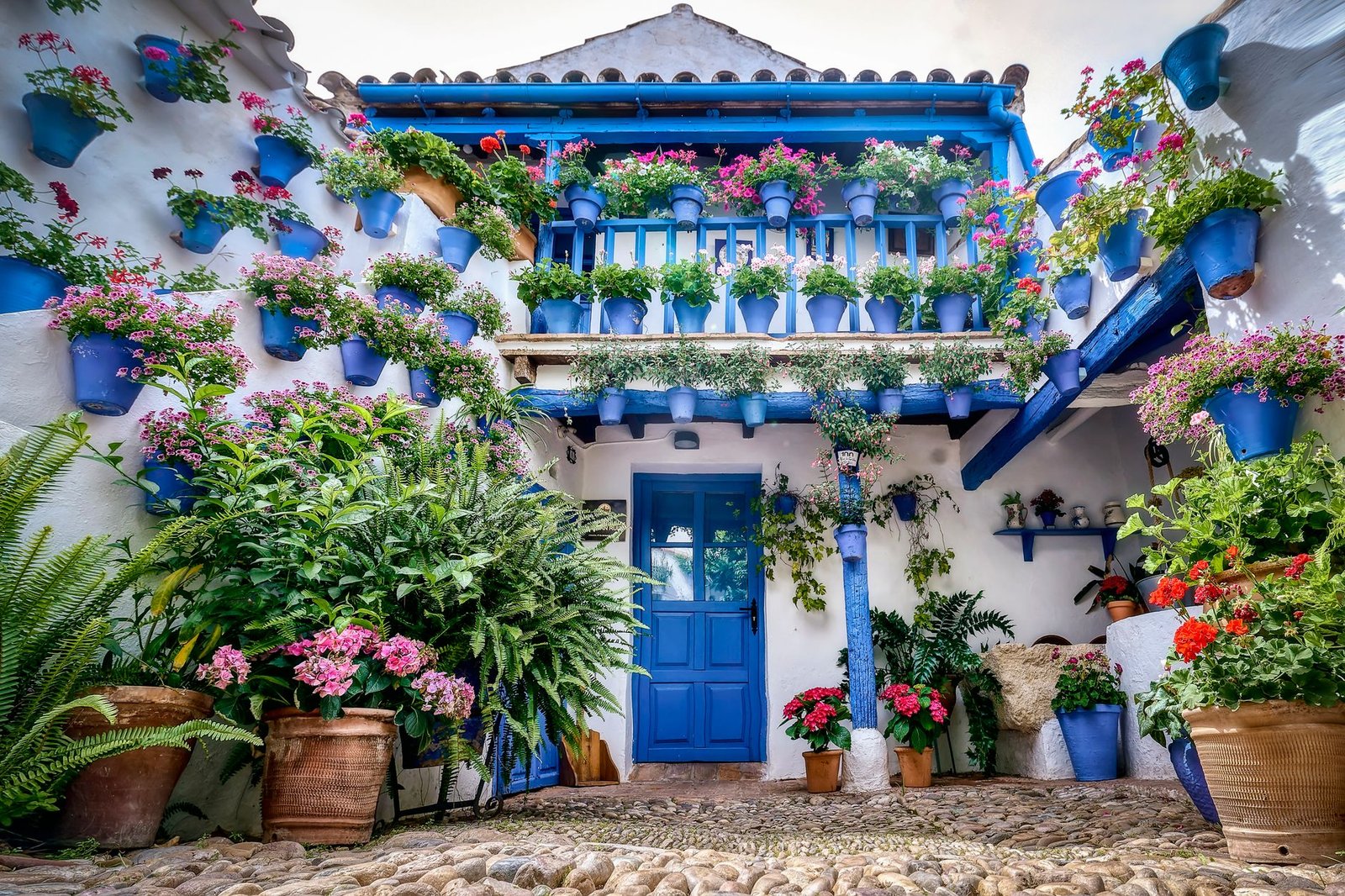
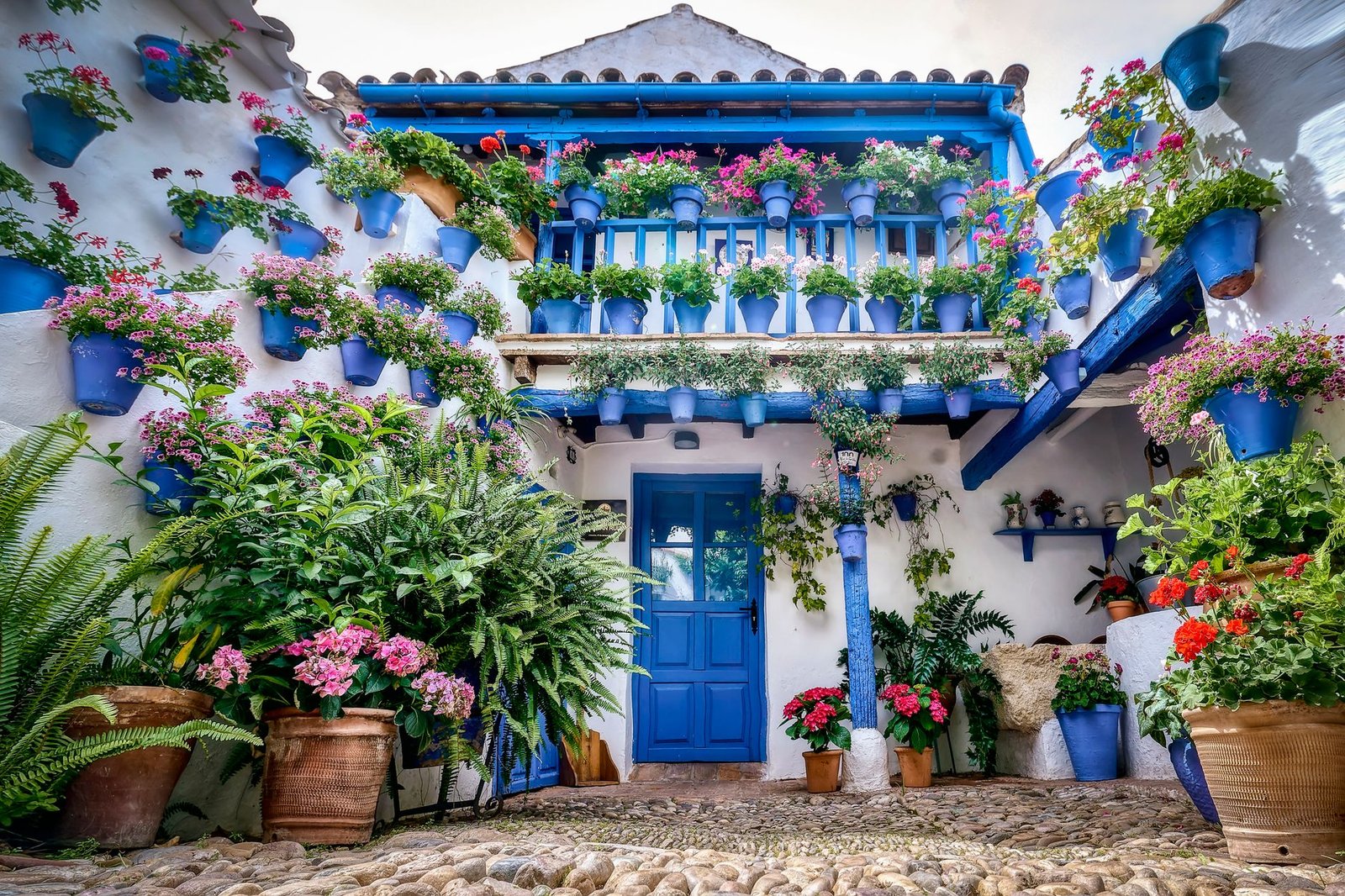
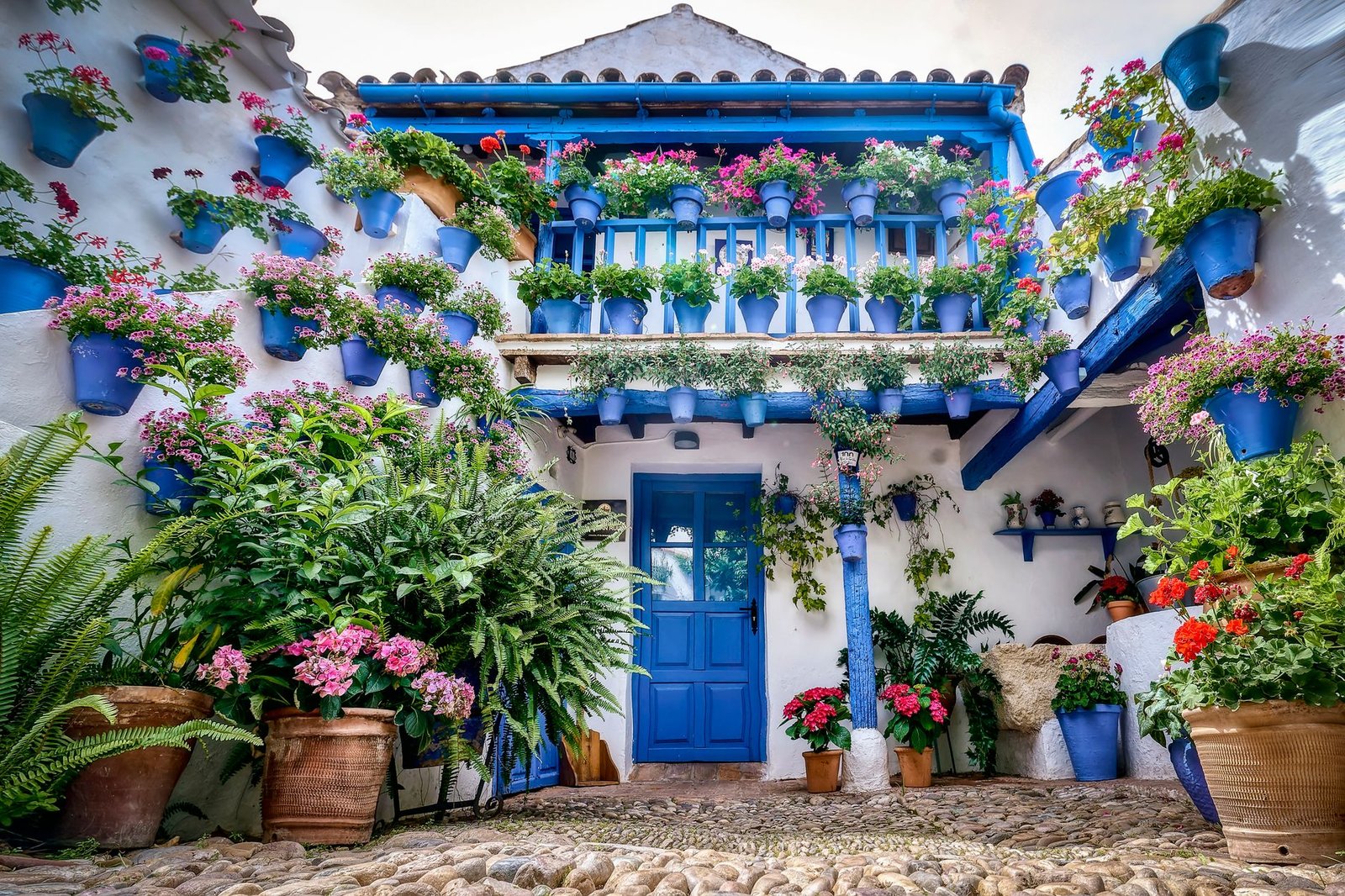
The patios of Cordoba are more than just pretty courtyards; they are the architectural heart of the city’s homes, a tradition born from necessity and perfected through centuries of cultural exchange. Originating with the Romans and further developed by the Moors, these open-air spaces provided vital ventilation and a cool oasis in Cordoba’s often scorching climate. Think of them as natural air conditioning and a central gathering point for families. You’ll find two main types: the ‘patio de vecinos’ (communal patios shared by multiple families in a single building) and the ‘patio señorial’ (more elaborate private courtyards of single-family homes).
Each patio tells a story, not just through its layout but through the plants, ceramics, and ironwork carefully chosen by its guardians. These aren’t professionally landscaped gardens; they are deeply personal extensions of the home. The focus is always on functionality and beauty: whitewashed walls to reflect the heat, abundant potted plants (geraniums, bougainvillea, jasmine, carnations) arranged to maximize shade and fragrance, and often a central well or fountain providing both water and the soothing sound of trickling water.
The cultural significance extends beyond aesthetics. The Patio Festival, declared a UNESCO Intangible Cultural Heritage of Humanity, is a testament to the community spirit and the pride homeowners take in maintaining this unique tradition. It’s a living heritage, passed down through generations, and when you step into one, you’re not just seeing a garden, you’re experiencing a piece of Cordoban identity.
- Historical Roots: Roman and Moorish influences for climate control and family life.
- Architectural Purpose: Central cooling, light, and ventilation for homes.
- Types: ‘Patio de vecinos’ (communal) and ‘patio señorial’ (private single-family).
- Key Elements: Whitewashed walls, potted plants (geraniums, jasmine), central water source (well/fountain).
- Cultural Status: UNESCO Intangible Cultural Heritage, representing Cordoban community pride.
When to Discover Cordoba’s Hidden Patios: Festival vs. Year-Round
This is where you need to make a choice. While the annual Festival de los Patios in May (typically the first two weeks, but check official dates for the exact year) is the most famous time to visit, it comes with specific pros and cons. During the festival, nearly all patios, both public and private, open their doors, competing for awards and showing off their finest displays. The city buzzes with activity, and you’ll find a celebratory atmosphere. However, you’ll also contend with significant crowds, long queues, and higher accommodation prices. It can feel less intimate and more like an event to be conquered than a tranquil exploration.
If your goal is a more relaxed and reflective experience, I highly recommend visiting outside the festival period. While fewer patios are open, those that are often offer guided tours or self-guided visits with fewer people. You’ll get a chance to chat with the owners, learn about their techniques, and truly soak in the tranquility of these spaces. Spring (April, late May) and early autumn (September, October) offer pleasant weather, ideal for walking. Even in winter, many patios maintain their evergreen beauty and offer a quiet escape.
| Aspect | Festival de los Patios (May) | Year-Round (Excluding May) |
|---|---|---|
| Number of Patios Open | 50+ (most private homes) | 10-15 (institutional & select private) |
| Atmosphere | Lively, competitive, crowded | Tranquil, intimate, personal |
| Entry Cost | Free for most competitive patios; some offer paid tours to skip queues. | Typically €3-€5 per private patio, or part of a guided tour. |
| Queue Times | Can be 30-60+ minutes for popular patios. | Minimal to no queues. |
| Accommodation Price | Significantly higher, book months in advance. | Standard rates, easier to find availability. |
| Best For | Experiencing the competition and community spirit. | Enjoying peace, detailed insight, owner interaction. |
For those looking to truly discover Cordoba’s hidden patios without the May madness, consider April or October. The weather is still warm but not oppressive, and the flowers are often in spectacular condition. Some owners even express a preference for these months, as they can engage more meaningfully with visitors without the pressure of the competition.
Where to Go: Cordoba’s Patio Neighborhoods
If you do visit during the festival, it helps to know which patios you’re actually looking at. The city sorts them into two categories: Patios de Concurso (contest patios) – free to enter, meticulously maintained, and usually the ones with the longest queues – and Patios Fuera de Concurso or Patios Abiertos (non-contest/open patios), often community or private spaces that open their doors without competing for a prize and tend to be far quieter.
- Barrio del Alcázar Viejo (San Basilio): The most iconic and heavily visited district, home to many of the prize-winning patios. Expect crowds; the patios here tend to be smaller and more intimate.
- Barrio de San Lorenzo and Santa Marina: Larger patios, often with architectural features like old wells or Roman columns, and noticeably more breathing room than San Basilio. Budget 15-20 minutes on foot to walk between the San Basilio and Santa Marina clusters.
- Barrio de la Judería (Jewish Quarter): Fewer and smaller patios, worth a look while you’re already there for the Synagogue and the old merchant houses, but not a primary patio-hunting destination on its own.
A few weeks before the Patio Festival, the Cruces de Mayo fills the same streets with flower-covered crosses instead of open courtyards – worth knowing about if you’re planning a spring trip around Cordoba’s flowers rather than the festival dates specifically.
Navigating the Patios: Your Options & Costs
When it comes to exploring Cordoba’s patios, you have a few ways to go about it, depending on your budget and how much planning you want to do. The good news is that seeing them won’t break the bank, but a little organization helps. For a truly unique experience, you’ll want to discover Cordoba’s hidden patios that many tourists overlook.
1. The Official ‘Ruta de los Patios’ (Festival Season):
- During the May festival, the city council publishes official routes. You can pick up a map at the tourist office or download it online.
- Entry to the competitive patios is free, but you’ll need patience for queues, especially for the most awarded ones.
- Opening hours are typically from 11:00 to 14:00 and 18:00 to 22:00, but these can vary slightly each year, so always confirm locally.
- Consider going early in the morning or later in the evening to avoid peak crowds, particularly from tour groups.
2. Year-Round Patios (Outside Festival Season):
This is my recommended approach for a more authentic experience. A number of institutional and private patios are open to the public regularly:
- Palacio de Viana: This is a must-see. It’s a grand manor house with 12 distinct patios and gardens. It offers a comprehensive overview of Cordoban patio styles. Entry costs €8.50 for the patios only, or €14 for patios and the interior palace, confirmed on the palace’s own site. Open Tuesday-Saturday 10:00-19:00, Sunday 10:00-15:00. Closed Mondays. Located further north from the Judería, about a 20-minute walk.
- Private Patios: Some homeowners open their patios for a small fee outside of May. These are often found in the Alcázar Viejo quarter (near the Alcázar de los Reyes Cristianos). Look for signs outside with “Patio Abierto” (Patio Open). Expect to pay €3-€5 per patio. Owners are often happy to chat and share stories, making it a truly personal experience. A good example is Patio de la Calle San Basilio 14, often open for a small fee.
- La Casa de las Cabezas (House of the Heads): This historic house is no longer open as a museum or patio visit; it was converted into a hotel in 2022. You can still admire its facade and the adjoining ‘Calleja de las Flores’ from the street, but there is no ticketed interior visit to book here anymore.
- Tourist Office Information: Always check with the local tourist office upon arrival. They have the most up-to-date information on which private patios are currently open, their hours, and any special events.
3. Guided Tours:
If you prefer structure and expert insight, a guided tour is a solid choice. Many local companies offer walking tours that include entry to several private patios, providing historical context and local anecdotes. Prices typically range from €20-€35 per person for a 2-3 hour tour. This option is particularly good if you’re short on time or want to ensure you see the best examples without getting lost. You can book a Cordoba patios guided tour on Viator to compare options and read reviews.
Getting to Cordoba
Cordoba sits on Spain’s high-speed AVE line, which makes it an easy day trip or short stay from either Madrid or Seville. From Madrid it’s a comfortable 1 hour 45 minutes, around €40-€70 one way. From Seville it’s just 45 minutes, around €20-€40 one way. Our full Cordoba day-trip guide breaks down whether a day trip or overnight stay makes more sense for you. Book train tickets in advance on Renfe’s website, especially if you’re travelling during the festival, when demand spikes. If you’re driving instead, parking in the historic centre is tight and pricey – expect €20-€30 per day at a public garage – so it’s often easier to park on the outskirts and take a local bus or taxi in.
If you’re based in Madrid for part of your trip, Segovia is another easy day trip in the opposite direction – see our day trip to Segovia logistics guide for the Alcazar’s real access cutoff and current transport costs.
Practical Tips for Your Patio Exploration
To make your patio visits enjoyable and respectful, keep a few things in mind. These are often private homes, and a little consideration goes a long way.
- Respect Privacy: Remember you’re entering someone’s home. Be mindful of noise, don’t touch plants or items without permission, and always ask before taking close-up photos of individuals.
- Timing is Everything: Early mornings (around 10:00-11:00) or late afternoons (after 17:00) are generally best to avoid the midday sun and larger tour groups, especially during warmer months.
- Footwear: You’ll be doing a lot of walking on cobbled streets. Comfortable shoes are non-negotiable.
- Hydration: Cordoba gets hot. Carry a water bottle, particularly from May to September. Many patios offer small water fountains, but it’s good to have your own.
- Photography: Flash photography is generally discouraged indoors or in dim patio areas. Be quick and considerate with your camera, especially if others are waiting.
- Small Change: If you’re visiting private patios outside the festival, it’s helpful to have €3-€5 coins or small notes for entry fees.
- Language: A few basic Spanish phrases (“Hola,” “Gracias,” “Qué bonito!”) will be appreciated by the homeowners.
After your patio explorations, you’ll likely be ready for a refreshing break. For a proper Cordoban experience, seek out a local ‘taberna’ away from the main tourist drag. You’ll find authentic Andalusian food, often with dishes specific to Cordoba. Try ‘Salmorejo’ (a thicker, creamier version of gazpacho, served cold with hard-boiled egg), ‘Berenjenas con Miel’ (fried eggplant drizzled with honey), or ‘Rabo de Toro’ (oxtail stew, slow-cooked and rich – a Cordoba classic worth the calories after a day of walking). These places offer a genuine taste of the city and its culture, the perfect complement to your day among the flowers.
Beyond the Flowers: What Else to Do in Cordoba
While the patios are a highlight, Cordoba offers much more. You’re in a city steeped in history, where different cultures have left indelible marks. Don’t limit your visit to just the courtyards.
- Mezquita-Cathedral: This is Cordoba’s most iconic structure, a UNESCO World Heritage site that truly defies description. It started as a mosque and later had a cathedral built within its walls. Dedicate at least 2-3 hours to explore its forest of columns, Mihrab, and the fascinating juxtaposition of Islamic and Christian architecture. Entry is €15 for adults, confirmed on the monument’s own site. It opens for visits typically from 10:00-19:00 (check specific seasonal hours).
- Judería (Jewish Quarter): Wander through the labyrinthine streets of this historic quarter. You’ll find attractive shops, artisan workshops, and the Synagogue, one of only three remaining medieval synagogues in Spain. Entry to the Synagogue is €0.30 for EU citizens, €2 for others.
- Alcázar de los Reyes Cristianos: This fortress-palace served as a primary residence for Catholic Monarchs and even hosted Columbus. Its gardens are particularly impressive and offer a different style of greenery compared to the patios. The palace interior is currently closed to visitors; the gardens are sold bundled with the Baños del Alcázar Califal for €7.50 at the ticket office (€7.16 online), confirmed on the city council’s official ticketing site. Open Tuesday-Friday 08:30-20:45, Saturday 08:30-16:30, Sunday 08:30-14:30. Closed Mondays. If you enjoyed the Alcázar, you might also be interested in whether the Alcazar Seville is worth visiting.
- Roman Bridge (Puente Romano): Walk across this ancient bridge for fantastic views of the Mezquita, especially at sunset. It’s a great spot for photos and a stroll.
- Venture to Ubeda: If you appreciate traditional crafts and Cordoba’s artistic heritage, consider a day trip to Ubeda, known for its incredible ceramics. You can find out more about Ubeda pottery workshops if that sparks your interest.
Cordoba is also an excellent base for exploring Andalusia. If you’re planning a wider trip, consider extending your stay and exploring more of the region. A 7 days Andalusia by car itinerary could be a great way to see the diverse landscapes and cities of southern Spain, with Cordoba as a central point.
When you’re ready to rest your feet, you’ll find plenty of hotels and guesthouses catering to all budgets, from boutique hotels within the old town to more modern options outside the historic core. It’s always a good idea to compare Cordoba hotel prices on Booking.com, especially if you’re traveling during popular seasons, to ensure you get the best deal and location.
FAQ: Discover Cordoba’s hidden patios – Common Questions
When is the best time to visit Cordoba’s patios without Cordoba’S Patios Year-Round crowds?
The best time to visit Cordoba’s patios for a tranquil experience, avoiding the major festival crowds, is usually April, late May (immediately after the festival), September, or October. During these months, the weather is pleasant, and many private patios still open their doors for individual visits or small tours, offering a more personal interaction with the owners.
Do I need to pay to enter the patios in Cordoba?
During the official Festival de los Patios in May, most competitive patios offer free entry. However, expect queues. Outside the festival, institutional patios like Palacio de Viana have an entry fee (€8.50 for patios, €14 including the palace interior, confirmed on the palace’s own site), and many private patios that open year-round charge a small fee of €3-€5 per person. Guided tours will include these entry fees in their overall price.
How much time should I allocate to explore Cordoba’s patios?
If you’re visiting during the Festival, you could easily spend a full day or two if you want to see many patios across different routes, factoring in queue times. Outside the festival, you can comfortably visit 4-6 key patios and the Palacio de Viana in a dedicated half-day (3-4 hours), allowing for a more leisurely pace and interaction.
Are Cordoba’s patios accessible for people with mobility issues?
Many of Cordoba’s older patios, particularly the private ones, can present accessibility challenges due to narrow entrances, steps, uneven surfaces, and cobbled streets in the surrounding areas. Palacio de Viana is generally more accessible, with ramps and wider pathways in some areas. It’s advisable to contact specific patios or tour operators in advance to inquire about their accessibility features if this is a concern for you.
Exploring Cordoba’s patios, whether during the lively festival or in the quieter months, offers a unique window into the city’s soul. You’ll find a deep respect for tradition, an unwavering dedication to beauty, and a welcoming spirit from the homeowners who continue this age-old custom. Plan your visit thoughtfully, and you’ll come away with memories of stunning courtyards and the genuine warmth of Cordoban life. For more insights into Spanish lifestyle and travel, check out our Spain travel blog.