San Fermin Pamplona Complete Guide: Beyond the Bull Run
Some links in this guide are affiliate links — if you book through them we may earn a small commission at no extra cost to you. It never changes what we recommend. Full disclosure.
Planning a trip to Pamplona for the July festival? This san fermin pamplona complete guide goes beyond the obvious, helping you navigate the unique atmosphere and experiences that make this celebration so much more than just the famous encierro. The most crucial thing you need to know immediately about San Fermin is that it’s an intensely popular festival that requires meticulous planning, especially for accommodation and key viewing spots, if you want any chance of enjoying it without significant stress.
Quick Answer: the festival
San Fermin in Pamplona, held annually from July 6th to 14th, is a nine-day celebration rich in tradition, music, gastronomy, and cultural events. While known globally for the daily bull run (encierro), the festival offers a wide array of activities, including parades with `Gigantes y Cabezudos`, open-air concerts, traditional sports demonstrations, and a lively street life centered around community and shared experiences, all designed to be enjoyed by visitors of all ages. If you love festivals of this scale, Seville’s Feria de Abril offers a very different but equally intense week in spring.
The Chupinazo & Pobre de Mí: The Grand Overture and Farewell
The San Fermin festival doesn’t just begin; it explodes into life with the Chupinazo, a rocket launch that signals the official start. This happens precisely at 12:00 on July 6th from the balcony of the Casa Consistorial (City Hall) in Plaza Consistorial. If you’re not planning to arrive days in advance to secure a spot in the square, forget about seeing the actual rocket launch in person from there. The plaza fills up by 9:00 AM, sometimes earlier, and getting in is less about strategy and more about sheer luck, determination, and a willingness to be uncomfortably squeezed by thousands of people. It’s an experience for the extremely committed, where you’ll be covered in flour and doused with various liquids. My honest advice? Skip the main square for the Chupinazo if you value your personal space and want to actually enjoy the moment.
Instead, find a spot on a nearby street with a large screen displaying the countdown, like Calle Estafeta or Plaza del Castillo. You’ll still feel the palpable excitement, hear the roar, and see the collective joy without the intense physical crush. Most bars and cafes in the city center will have televisions tuned in, so you can witness the moment with a bit more comfort. After the rocket, the real party begins, with people dancing in the streets, music filling the air, and a tangible sense of liberation as the festival officially starts. It’s an incredible atmosphere, even from a distance.
The festival concludes just as ceremoniously with the ‘Pobre de Mí’ (Poor Me) ceremony on July 14th at 22:00 in Plaza Consistorial. Here, locals and visitors gather with candles, singing a melancholic song to bid farewell to the festival until next year. It’s a much more subdued, yet equally moving, event compared to the Chupinazo. You can easily get into the square for this, though it will still be busy. Bring a candle if you want to participate fully. It’s a reflective moment after days of celebration, and it offers a chance to connect with the local feeling of bittersweet farewell. It’s absolutely worth experiencing, as it rounds out the festival experience beautifully, contrasting with the initial explosion of joy. You’ll find people lingering for hours afterward, chatting and reminiscing about the week’s events.
- Chupinazo (July 6th, 12:00):
- Recommendation: Avoid Plaza Consistorial unless you’re prepared for extreme crowds.
- Alternative Viewing: Plaza del Castillo, Calle Estafeta (via large screens), or from a rented balcony (expect prices from €200-€500 per person for a good spot).
- Cost: Free to experience from the street, significant cost for balcony rentals.
- Pobre de Mí (July 14th, 22:00):
- Recommendation: Attend in Plaza Consistorial for the full experience.
- What to bring: A small candle (available from local shops for €1-€2).
- Cost: Free.
Parades, Gigantes, and Music: the festival for All Ages
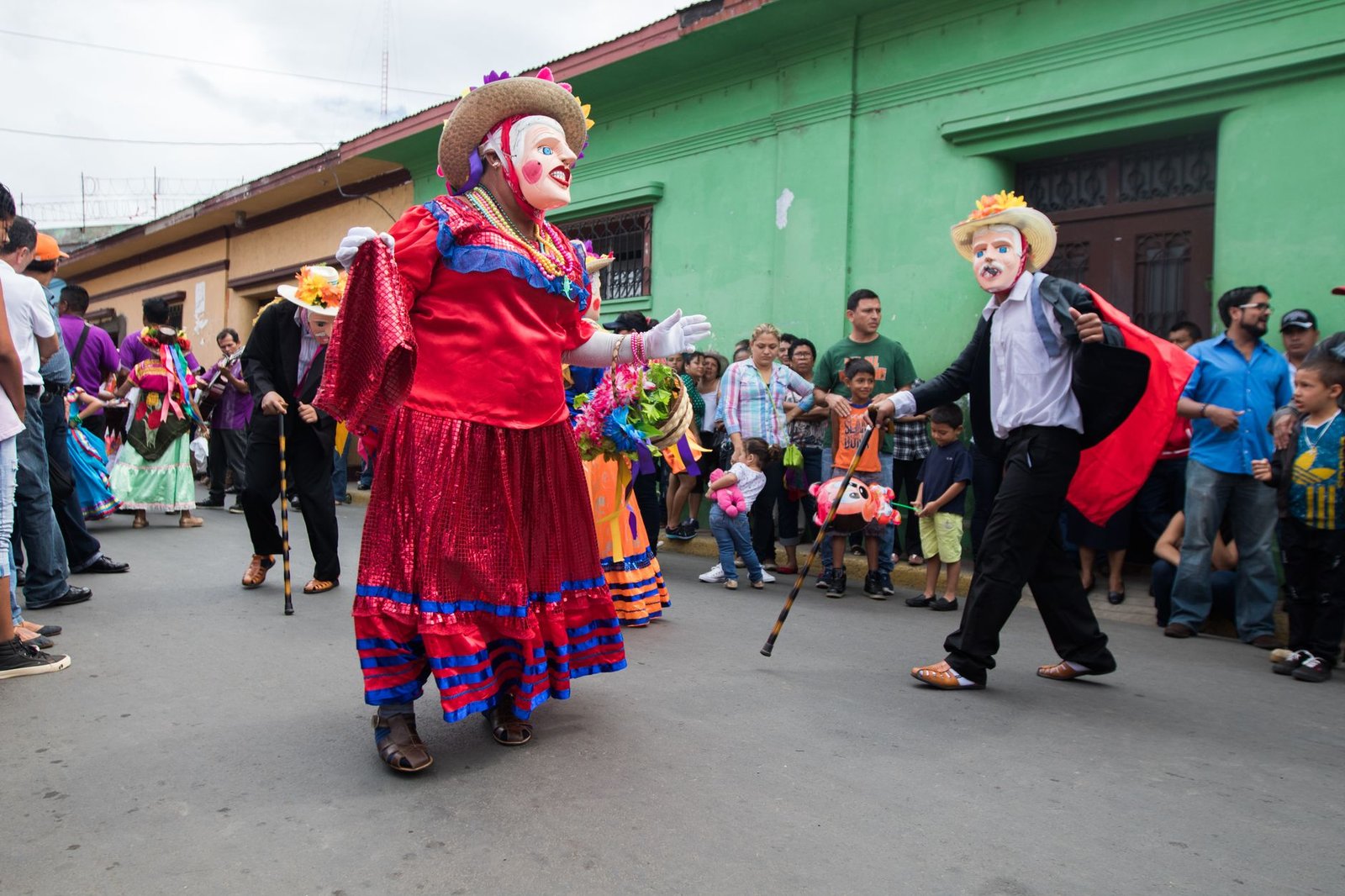
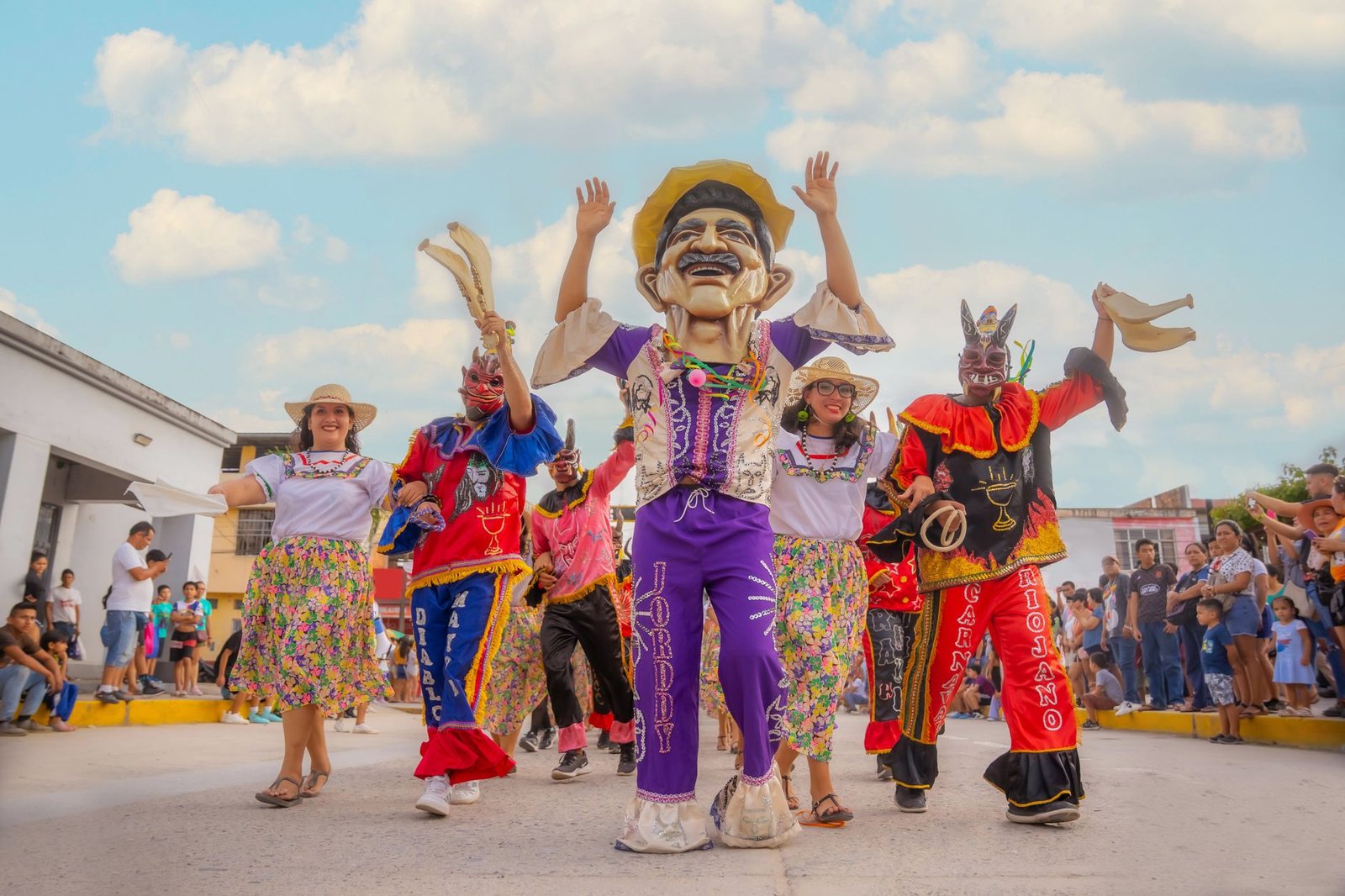
Beyond the runs, San Fermin is a festival of parades and street performances, making it incredibly family-friendly and accessible for those who prefer cultural immersion. The daily procession of the `Gigantes y Cabezudos` (Giants and Big-Heads) is a highlight for many, especially children. These impressive, larger-than-life figures, some dating back to the mid-19th century, represent various historical and cultural characters and are carried through the streets, dancing and interacting with the crowd. The `Cabezudos`, with their oversized heads, playfully chase children and adults alike with soft foam bats. It’s pure, unadulterated joy.
The `Gigantes y Cabezudos` parade sets off daily from the Plaza de la Merindades around 9:30 AM (check the official program for exact routes and times, which can vary slightly). They wander through the old town for several hours, usually finishing around 1:00 PM. Follow them for a while, but be prepared for slow movement and dense crowds, particularly on the narrower streets. A good strategy is to find a spot on a wider street, like Avenida Carlos III, or along the city walls, where you can see them approach and pass without getting caught in the densest part of the procession. The energy is infectious, with traditional music accompanying them every step of the way.
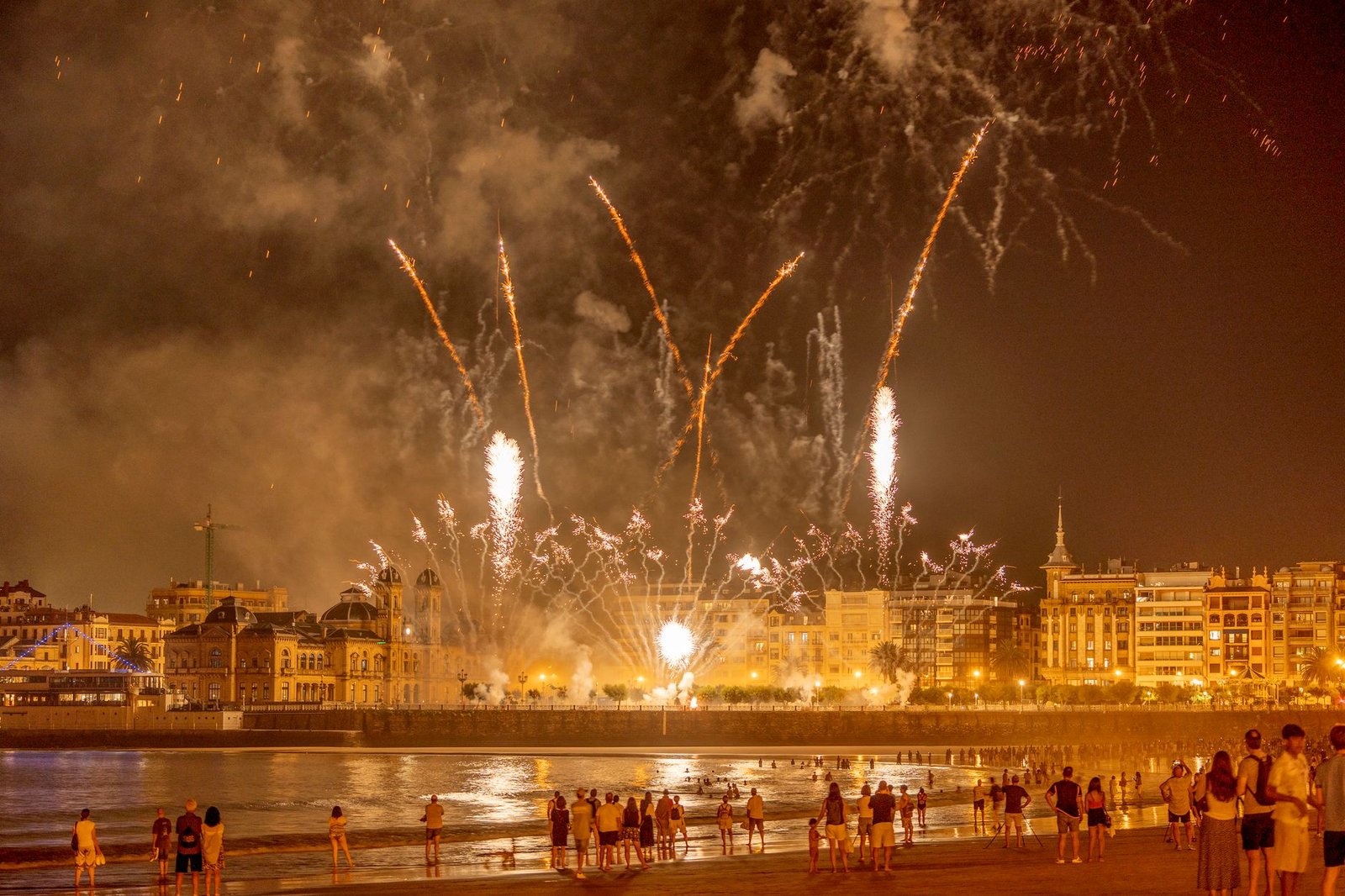
Music is an ever-present force throughout San Fermin. From the traditional `txistularis` (flute players) and `gaiteros` (bagpipers) filling the morning air to the brass bands (`txarangas`) that roam the streets day and night, playing catchy tunes and encouraging sing-alongs, you’ll find a soundtrack for every moment. The Plaza del Castillo becomes a main stage for free concerts in the evenings, featuring a mix of local and national artists. These concerts typically start around 11:30 PM and run until the early hours. For something different, explore the smaller plazas or parks where you might stumble upon impromptu folk music sessions or traditional dance performances. There’s also the `Fuegos Artificiales` (Fireworks Display) every evening at 11:00 PM from the Ciudadela (Citadel Park). Find a spot on the city walls near the park or within the park itself for the best views. This is a quieter, less chaotic event perfect for winding down the day.
- Gigantes y Cabezudos Parade:
- Time: Daily, typically 9:30 AM – 1:00 PM.
- Starting Point: Plaza de la Merindades.
- Best Viewing: Wider streets like Avenida Carlos III or city wall vantage points.
- Cost: Free.
- Evening Concerts (Plaza del Castillo):
- Time: Daily, usually 11:30 PM onwards.
- Cost: Free.
- Fuegos Artificiales (Fireworks):
- Time: Daily, 11:00 PM.
- Location: Ciudadela Park.
- Best Viewing: Inside Ciudadela Park or from the nearby city walls.
- Cost: Free.
Gastronomy of Navarre: Fueling Your San Fermin Adventures
Navarre, the region Pamplona calls home, is known for its excellent cuisine, especially its seasonal produce and hearty dishes. During San Fermin, the focus shifts slightly to quick, satisfying, and delicious street food and `pinchos` (small, snack-sized dishes, similar to tapas). You’ll spend a lot of time on your feet, so fueling up properly is essential. Forget elaborate sit-down meals for lunch during the busiest days; instead, embrace the `pincho` culture.
The best place to dive into Pamplona’s `pincho` scene is the street known as Calle Estafeta. While famous for the encierro, it’s equally renowned for its many bars and restaurants, each vying to offer the most creative and delicious `pinchos`. Expect to pay anywhere from €2.50 to €4.50 per `pincho`, depending on its complexity. Grab a few, move to the next bar, and repeat. It’s a social way to eat and sample a wide variety of local flavors, not unlike the Basque Country pintxos crawl further north. Some local favorites include:
- Chistorra: A thin, fast-cured sausage, often fried and served in a small roll or as part of a `pincho`. It’s a staple.
- Pimientos del Padrón: Small green peppers, flash-fried and sprinkled with sea salt. Some are mild, some are spicy!
- Ajoarriero: A rich cod dish prepared with garlic, tomatoes, and bell peppers, often served on toast.
- Menestra de Verduras: A hearty vegetable stew made with Navarre’s renowned fresh produce like artichokes, asparagus, and peas. This is a great, lighter option if you can find it.
For more substantial meals, especially dinner, look for restaurants slightly off the main thoroughfares. Places like Restaurante Eslava (Calle Estafeta, though often very busy) or Baserriberri (Calle Comedias) offer innovative Navarrese cuisine, but you’ll need reservations weeks, if not months, in advance during San Fermin. A typical three-course meal at a mid-range restaurant might cost €25-€40 per person. If you’re on a tighter budget, grab a `bocadillo` (sandwich) from a bakery or street vendor for €4-€7. Supermarkets are also an option for picnic supplies, with prices comparable to other Spanish cities. Remember, hydration is key, so grab plenty of water or juice from any `panadería` or small shop.
Here’s a sample daily food budget breakdown:
| Meal/Item | Typical Cost (EUR) | Notes |
|---|---|---|
| Breakfast (coffee & pastry) | €3 – €5 | Plenty of cafes offer this early morning. |
| Lunch (2-3 pinchos) | €6 – €13 | Easy to find in most bars in the old town. |
| Water/Soft Drinks (2-3 bottles) | €4 – €6 | Essential for staying hydrated in the July heat. |
| Dinner (bocadillo/pizza slice) | €7 – €10 | Fast, convenient options for busy evenings. |
| Dinner (mid-range restaurant) | €25 – €40 | Reservation recommended, sometimes essential. |
| Snacks (fruit, pastry) | €3 – €5 | Quick energy boosts from bakeries or supermarkets. |
Beyond the Main Streets: the festival to Hidden Corners
While the old town of Pamplona buzzes with activity, sometimes you need a moment of calm. San Fermin can be overwhelming, and it’s important to know where to retreat for a breather. Pamplona is a relatively small city, and exploring its quieter corners can offer a different perspective of the festival and its local impact. One excellent escape is the `Parque de la Taconera`, the city’s oldest park. Modeled after French romantic gardens, it features beautiful flora, sculptures, and even a small deer park. It’s located just a short walk from the bustling center and offers ample benches and shady spots perfect for relaxing, reading, or just people-watching away from the main crowds. Entry is free, and it’s open 24/7.
Another area worth exploring for its historical significance and relative tranquility is the `Ciudadela` (Citadel Park), where the fireworks are launched each night. During the day, this star-shaped military fortress, built in the 16th century, is a expansive public park. It’s perfect for a leisurely stroll, with wide pathways and open green spaces. You’ll find locals walking their dogs, families picnicking, and joggers enjoying the peace. It also hosts various temporary exhibitions in its former barracks. Taking an hour or two to explore the `Ciudadela` gives you a sense of Pamplona’s long history, providing a contrast to the transient energy of the festival. You can also explore sections of the city walls, which offer elevated views over the city and the surrounding countryside. A walk along the `Paseo de Ronda` provides some fantastic photographic opportunities and a sense of perspective. It’s a great way to understand the city’s layout and its defensive heritage.
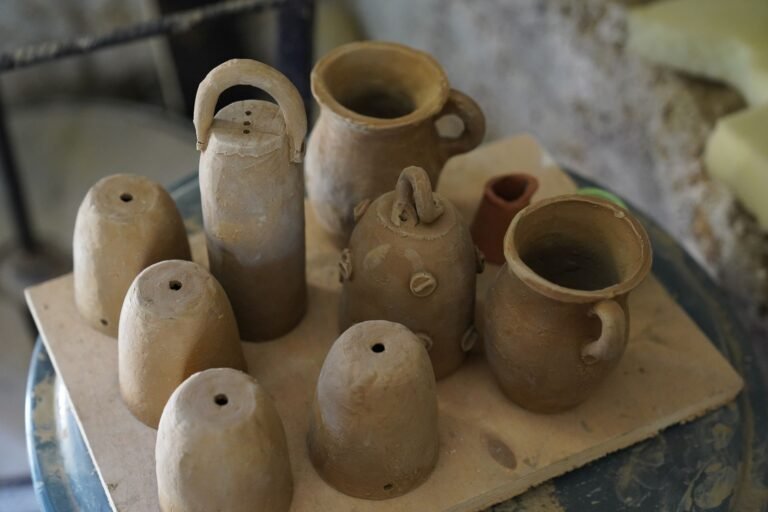
If you’re interested in the local arts and crafts scene, venture slightly outside the strict old town perimeter. While many shops in the center cater to tourist souvenirs, you can find more authentic artisan workshops and boutiques in areas like the `Barrio de la Rochapea` or `San Juan`. These neighborhoods retain more of a local feel and offer a chance to see everyday life continuing amidst the festival fervor. You might find traditional pottery, local food products, or unique handmade goods. You won’t find the intense crowds of the old town here, making for a more relaxed shopping experience. This kind of exploration provides a much-needed balance to the high-energy festival environment and allows you to discover the genuine pulse of Pamplona beyond the celebrations.
Accommodation & Getting Around: Practicalities for Your Stay
Accommodation during San Fermin is undoubtedly the most challenging aspect of planning your trip. Pamplona’s population swells dramatically, and hotels, guesthouses, and apartments book up many months in advance. You should be looking to book your stay a full year ahead if you want decent options and reasonable prices. By January, many places are already gone. Expect to pay significantly inflated prices; a room that might cost €80-€100 per night normally could easily be €300-€500 or more during the festival. My honest advice: if you haven’t booked by February for July, you’ll likely face very high costs or have to stay outside Pamplona and commute in.
Consider looking at towns just outside Pamplona, such as Huarte, Villava, or Berriozar. These towns are connected by local bus services (around €1.50-€2.50 per journey), but be aware that buses will be crowded, especially in the mornings and evenings. A taxi or ride-share service from these towns can cost €15-€30, but surge pricing is common during peak hours. For the ultimate flexibility and potentially lower costs (though still inflated), an apartment rental through platforms like Airbnb or local agencies can be a good option, especially for groups. Always verify the location relative to the old town and check recent reviews meticulously. You can compare hotel prices on Booking.com, but be prepared for limited availability and high rates.
Once you’re in Pamplona, getting around the city center is best done on foot. The old town is compact and pedestrianized for much of the festival. Walking allows you to soak in the atmosphere, stumble upon spontaneous music, and navigate the crowds more easily. Public transport within Pamplona consists of a reliable bus system (urban transport called `Villavesas`). A single ticket costs approximately €1.60. Consider getting a `Tarjeta de Transporte Urbano` (rechargeable card) if you plan on using buses frequently, as it offers a slightly reduced fare. These cards can be purchased and topped up at kiosks and some `estancos` (tobacconists).
Driving into Pamplona during San Fermin is generally not recommended. Many central streets are closed to traffic, parking is scarce and expensive (€20-€30+ per day in paid underground garages like Parking Plaza del Castillo), and navigating the crowds by car is a nightmare. If you must drive, park at one of the peripheral car parks and use public transport or walk into the center. For those interested in deeper insights into the festival’s intricacies, or simply prefer guidance through the initial overwhelm, you might consider to book a guided tour on Viator, which can cover everything from `pincho` routes to historical walks, enhancing your overall experience of the festival.
A final note on packing: July in Pamplona can be hot during the day (25-35°C), but evenings can cool down. Pack light clothing, comfortable walking shoes (you’ll do a lot of walking!), and perhaps a light jacket or sweater for cooler nights. A reusable water bottle is a must, and a small backpack for essentials will be helpful. Sunscreen and a hat are non-negotiable for daytime excursions. Be aware that the dress code for the festival is traditionally white clothing with a red scarf (pañuelo rojo), which you can purchase cheaply from street vendors or shops for €5-€10 once you arrive.
FAQ: the festival – Common Questions
Is San Fermin safe for visitors?
Generally, yes, San Fermin is safe, but like any large festival, it requires awareness. Pickpocketing is common in dense crowds, so keep valuables secure. The city has a strong police presence. Exercise common sense, stay aware of your surroundings, and avoid isolated areas late at night. The crowds themselves can be intense, especially during major events like the Chupinazo, so be mindful of personal space.
What should I wear for San Fermin?
The traditional attire is white trousers and a white shirt, with a red `pañuelo` (scarf) worn around the neck and sometimes a red `faja` (waistband). This tradition helps create a unified look and is part of the festive spirit. You can easily buy a red scarf and `faja` from street vendors or shops in Pamplona upon arrival for a few euros (€5-€10 for a set). It’s not mandatory, but it’s a fun way to participate.
Can I bring children to San Fermin?
Absolutely! San Fermin has many family-friendly aspects beyond the bull run. The `Gigantes y Cabezudos` parade, daily fireworks, children’s parks, and numerous street performances are all suitable for kids. Just be mindful of crowd levels, especially in the evenings, and plan quieter activities during peak times. The `Parque de la Taconera` and `Ciudadela` are excellent escapes for families.
How early do I need to book accommodation for San Fermin?
To secure decent accommodation at a somewhat reasonable price, you should book at least 6-12 months in advance. Pamplona’s hotel capacity is limited, and demand skyrockets during the festival. If you wait until a few months before, expect very few options and extremely high prices, often necessitating staying in surrounding towns and commuting.
Experiencing San Fermin is an unforgettable journey into the heart of Navarrese culture, a spectacle of tradition, music, and shared enjoyment that extends far beyond its most famous event. By planning ahead and embracing the myriad of activities Pamplona offers, you’ll discover why this festival captures the imagination of so many, ensuring your visit is filled with genuine Spanish cultural moments. For more insights into other regional celebrations, explore our First Timer Guide Las Fallas Valencia.