Piononos: The Tiny Santa Fe Pastry Granada Can’t Get Enough Of
Some links in this guide are affiliate links — if you book through them we may earn a small commission at no extra cost to you. It never changes what we recommend. Full disclosure.
If you’re looking to truly experience the sweet side of Granada, mastering the authentic piononos de santa fe recipe is the one thing you absolutely need to know. These delightful, bite-sized pastries aren’t just a dessert; they’re a direct link to a significant moment in Spanish history, a culinary tradition unique to the small town of Santa Fe. Forget the generic souvenirs; learning to bake these is a piece of Spain you can genuinely take home with you. It’s a rewarding process, albeit one that demands a bit of patience and attention to detail, but the payoff is a unique flavor and texture you won’t find anywhere else.
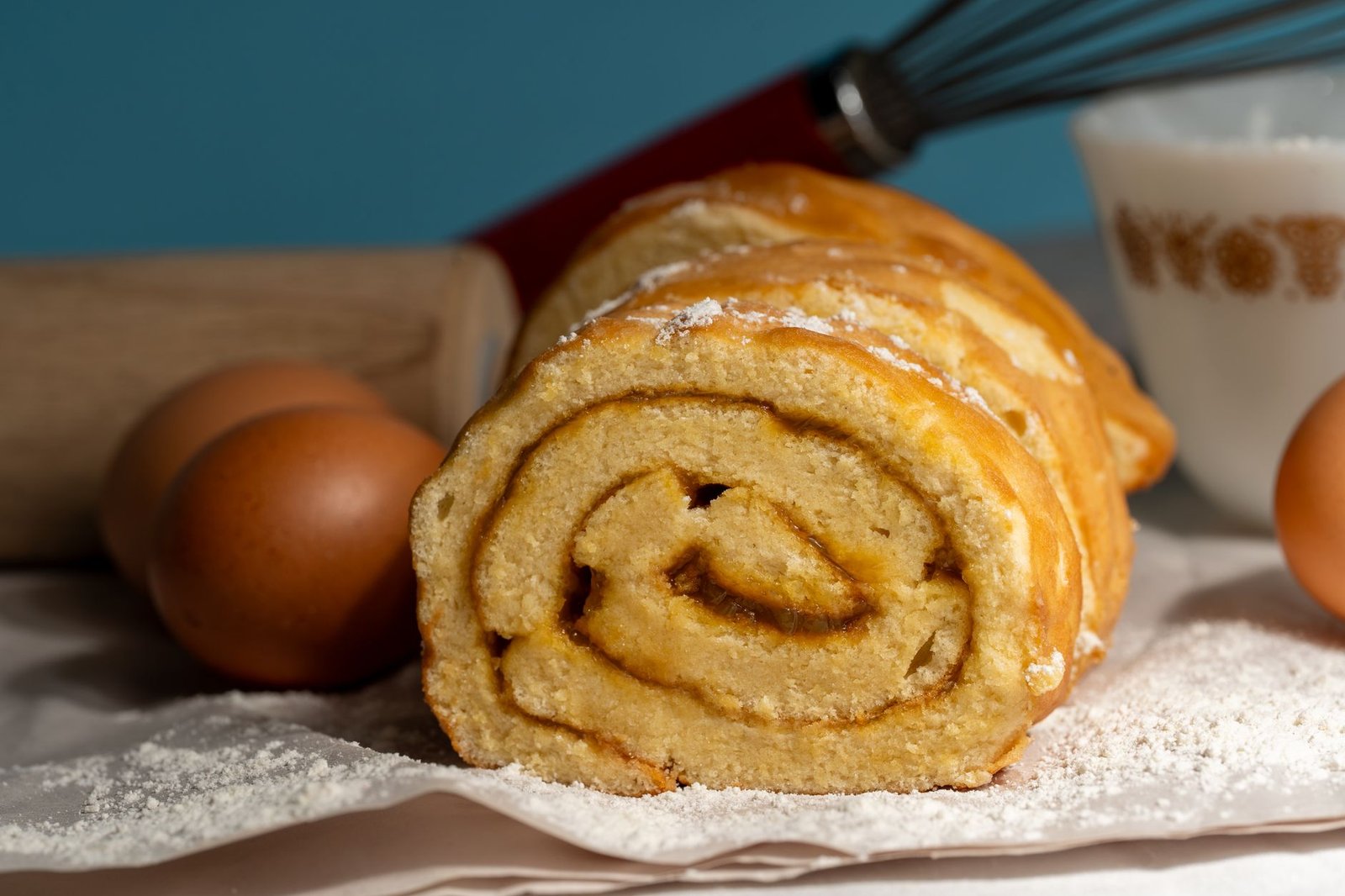

Quick Answer: Authentic Piononos de Santa Fe Recipe
Authentic Piononos de Santa Fe are small, cylindrical pastries from Santa Fe, Granada, consisting of a moist, syrup-soaked sponge cake (bizcocho), filled and topped with a delicate, toasted crema pastelera. Making them involves baking a thin sponge, soaking it in a light syrup, rolling it with cream, and finishing with a characteristic caramelized cream ‘hat’.
The Legacy of Piononos: A Sweet Slice of Granadan History
The story of piononos takes us back to the late 15th century, right to the heart of Santa Fe, a town built almost overnight by the Catholic Monarchs Isabella I of Castile and Ferdinand II of Aragon during the siege of Granada. This temporary military encampment, located just 10 kilometers west of Granada city, was designed as a base for conquering the Nasrid Kingdom. It was a place of immense historical significance, where the capitulations for Christopher Columbus’s voyage to the Americas were signed in April 1492. If that era fascinates you, the quiet medieval towns of Castile still look much as they did back then.
Fast forward several centuries, and this small town became home to a confectionery creation named in honor of Pope Pius IX, known as “Pio Nono” in Spanish. Born Giovanni Maria Mastai-Ferretti, he served as Pope from 1846 to 1878, and during his long pontificate, he was a revered figure. The pastry, shaped like a small cylinder with a “crown” of cream, is said to resemble the Pope’s zucchetto or skullcap. It’s a sweet tribute that has endured for generations.
Today, Santa Fe is still the epicenter of pionono production. If you visit, you’ll find several pastelerías vying for the title of best pionono. Pastelería Pastrana and Pastelería Ysla are two highly regarded establishments you should seek out. Pastelería Ysla, for example, has been making them since 1897 and offers a consistent, high-quality product. Expect to pay around €1.20 to €1.50 for a single pionono from these traditional shops. They are typically sold individually or in boxes of six or twelve. While delicious, buying them in Santa Fe means a specific trip; making them yourself offers a deeper connection to this unique Spanish tradition. If you’re ever in the area, consider pairing your pastry hunt with a visit to the town’s historical sites, like the Arch of the Crusades, remnants of the original military camp. You might also consider exploring other Andalusian culinary delights, such as an authentic pescaito frito recipe to round out your regional food knowledge.
What You Need to Make the Authentic Piononos de Santa Fe Recipe
Embarking on this culinary journey requires a few key ingredients and some basic kitchen tools. Don’t be intimidated by the multiple components – the sponge, the syrup, and the cream – each step is manageable on its own. The cost for basic ingredients, assuming you have pantry staples like sugar and flour, will likely be around €10-€15. Quality ingredients make a noticeable difference, especially for the eggs and milk, so try to source them fresh from a local market if possible.
Ingredients for the Sponge Cake (Bizcocho)
- 4 large eggs (at room temperature)
- 120 g granulated sugar
- 120 g plain flour (sifted)
- 1 teaspoon vanilla extract
- Pinch of salt
Ingredients for the Syrup
- 200 ml water
- 150 g granulated sugar
- 1 cinnamon stick
- Peel of 1/2 lemon (avoiding the white pith)
Ingredients for the Crema Pastelera (Pastry Cream)
- 500 ml whole milk
- 4 large egg yolks
- 100 g granulated sugar
- 40 g cornstarch (Maizena)
- 1 cinnamon stick
- Peel of 1/2 lemon (avoiding the white pith)
Essential Kitchen Equipment
- Large baking sheet (approx. 30×40 cm)
- Parchment paper
- Electric hand mixer or stand mixer
- Saucepans (2-3)
- Whisk
- Fine-mesh sieve
- Piping bag with a large star nozzle (optional, but makes topping easier)
- Kitchen blow torch or a heated metal disk for caramelizing the cream (important for authenticity!)
- Pastry brush
- Sharp knife
You can find all these ingredients easily in any Spanish supermarket like Mercadona, Carrefour, or El Corte Inglés. While you might be tempted to skip the blow torch, I really do recommend it. It gives that signature toasted sugar crust that is crucial to the authentic experience.
Mastering the Bizcocho: The Delicate Base of Your Piononos
The sponge cake, or bizcocho, forms the delicate foundation of your piononos. It needs to be thin, pliable, and airy enough to absorb the syrup without becoming soggy. This isn’t a thick cake; it’s more like a genoise sponge that you’ll roll.
- Preheat and Prep: Preheat your oven to 180°C (350°F). Line your large baking sheet with parchment paper, extending it slightly over the sides to help with lifting later.
- Whip the Eggs and Sugar: In a large mixing bowl, combine the eggs, granulated sugar, and a pinch of salt. Using an electric mixer, beat on high speed for 8-10 minutes until the mixture is very pale, thick, and has tripled in volume. When you lift the beaters, a ribbon should slowly fall back into the bowl and hold its shape for a few seconds. This is crucial for an airy sponge. Add the vanilla extract and mix briefly.
- Fold in the Flour: Gently fold in the sifted flour in two or three additions. Use a spatula and a light hand, folding from the bottom up, being careful not to deflate the egg mixture. Overmixing here will result in a tough, dense cake.
- Spread and Bake: Pour the batter onto the prepared baking sheet. Using an offset spatula, spread it evenly to form a thin, rectangular layer. Try to make it as uniform as possible.
- Bake: Bake for 10-12 minutes, or until the sponge is lightly golden, springs back when gently touched, and the edges just begin to pull away from the parchment paper. Don’t overbake, or it will be too dry to roll.
- Cool: Once out of the oven, immediately transfer the sponge cake on its parchment paper to a wire rack to cool completely. You can lightly dust it with a little sugar if you’re worried about sticking, though with proper parchment paper, it should be fine.
A well-made bizcocho is the secret to a successful pionono. It should be light, delicate, and easy to roll without cracking. While it cools, you can begin preparing the syrup and the pastry cream, allowing you to maximize your time in the kitchen.
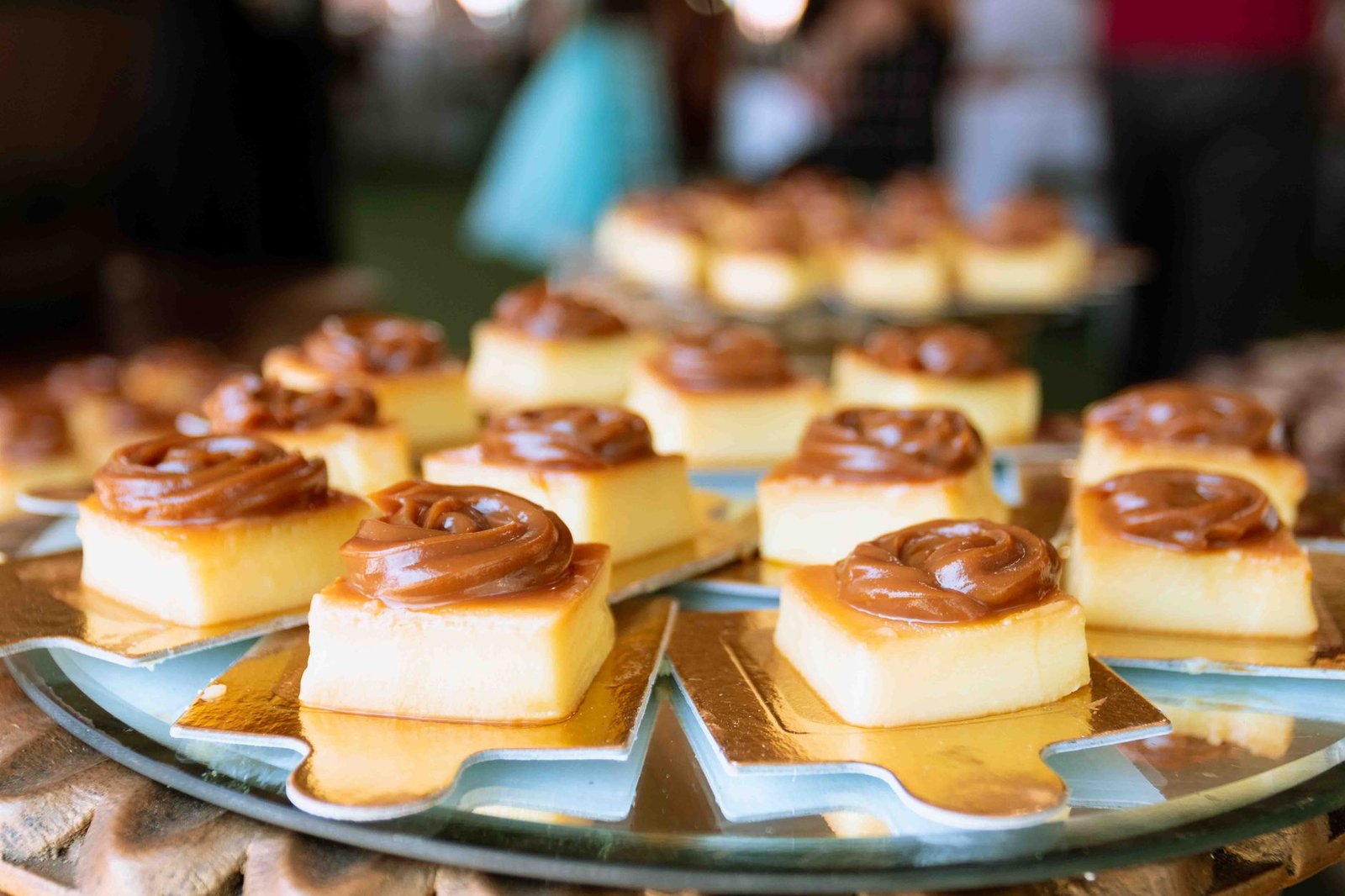

Crafting the Syrup and Cream for Authentic Piononos de Santa Fe Recipe
The characteristic flavor of a pionono comes not just from the sponge, but from the aromatic syrup it’s soaked in and the rich, toasted pastry cream. These elements elevate it from a simple cake roll to something distinctly Spanish.
Making the Aromatic Syrup
This syrup is more than just sweetness; the lemon peel and cinnamon impart a subtle fragrance that complements the cream beautifully.
- Combine Ingredients: In a small saucepan, combine the water, granulated sugar, cinnamon stick, and lemon peel.
- Simmer: Bring the mixture to a gentle boil over medium heat, stirring occasionally until the sugar has completely dissolved.
- Infuse: Once boiling, reduce the heat to low and let it simmer for 5-7 minutes to allow the flavors to infuse.
- Cool and Strain: Remove from heat and let the syrup cool completely. Once cool, strain it to remove the cinnamon stick and lemon peel.
You want the syrup to be cool when you use it; pouring hot syrup on a cool sponge can make it too soft.
Preparing the Crema Pastelera (Pastry Cream)
This is the heart of the pionono’s filling and topping. It needs to be smooth, thick, and flavorful.
- Heat Milk: In a medium saucepan, gently heat the milk with the cinnamon stick and lemon peel over medium-low heat until it’s just simmering. Do not boil. Remove from heat and let it infuse for 10 minutes, then strain to remove the aromatics. Keep the milk warm.
- Whisk Yolks and Sugar: In a separate bowl, whisk the egg yolks and granulated sugar together until pale and creamy.
- Add Cornstarch: Sift the cornstarch over the egg mixture and whisk until well combined and lump-free.
- Temper the Eggs: Gradually pour a ladleful of the warm milk into the egg mixture, whisking continuously. This step, called tempering, prevents the eggs from scrambling.
- Combine and Cook: Pour the tempered egg mixture back into the saucepan with the remaining warm milk.
- Thicken: Return the saucepan to medium-low heat and cook, whisking constantly, until the cream thickens significantly. It should be thick enough to coat the back of a spoon. This usually takes 5-8 minutes. Be patient and keep stirring to prevent scorching.
- Cool: Once thickened, remove from heat. Transfer the pastry cream to a clean bowl, cover the surface directly with plastic wrap (to prevent a skin from forming), and let it cool completely in the refrigerator for at least 2 hours, or until firm.
It’s important that both the syrup and the pastry cream are completely cool before you start assembling your piononos. This will ensure they hold their shape and have the correct texture. The careful preparation of these two elements truly brings out the unique flavor of an authentic piononos de santa fe recipe.
Assembling Your Piononos: The Final Flourish
This is where all your hard work comes together. The assembly requires a delicate touch, but the process is very satisfying as you see the individual piononos take shape. You’ll transform your simple sponge into a dessert that looks like it came straight from a pastelería in Granada.
- Prepare the Sponge: Once the sponge cake is completely cool, carefully peel it off the parchment paper. Lay it on a clean surface. Trim the rough edges to create a neat rectangle. You’ll want your sponge to be approximately 25-35 cm wide and 30-40 cm long.
- Soak the Sponge: Using a pastry brush, liberally brush the entire surface of the sponge cake with the cooled syrup. Make sure it’s evenly moistened but not waterlogged. The sponge should be soft and pliable.
- Spread the Cream: Spread a thin, even layer of the cooled pastry cream over the syrup-soaked sponge cake, leaving a small border (about 1 cm) along one of the long edges.
- Roll the Sponge: Starting from the long edge that has cream all the way to the end, carefully and tightly roll the sponge cake into a log. Be firm but gentle to avoid cracking. Once rolled, trim the ends to make them even.
- Cut into Portions: Using a sharp knife, cut the rolled sponge into individual piononos, each about 4-5 cm wide. You should get 8-10 pieces depending on the length of your roll.
- Shape the ‘Hats’: Take each individual pionono and, with your fingers, gently push some of the remaining pastry cream from the top edge upwards, forming a small, rounded “hat” or dome on top. This is the characteristic look. You can also use a piping bag with a star nozzle to pipe a swirl of cream on top, which will achieve a similar effect.
- Chill: Place the shaped piononos on a platter or tray and refrigerate them for at least 30 minutes to firm up.
- Caramelize the Cream: This is the crucial final step! Once the piononos are chilled, take your kitchen blow torch. Lightly sprinkle a tiny bit of granulated sugar over the cream ‘hat’ of each pionono. Then, carefully caramelize the sugar with the blow torch until it turns golden brown and slightly bubbly. If you don’t have a blow torch, you can heat a metal disk or spoon over a flame until very hot, then carefully press it onto the sugar on the cream to caramelize. Be quick and cautious to avoid burning.
Serve your piononos chilled. They are best enjoyed within a day or two of making them, as the sponge can start to dry out after that. Store them in an airtight container in the refrigerator.
Homemade vs. Pastelería Piononos: A Comparison
| Feature | Homemade Piononos | Pastelería Piononos |
|---|---|---|
| Cost (approx. for 10-12) | €10-€15 (ingredients) | €12-€18 (buying 10-12) |
| Preparation Time | 2 hours active, 4 hours chilling | 5 minutes (purchase) |
| Ingredients Control | Full control over quality | Trust pastelería standards |
| Freshness | Peak freshness upon serving | Baked daily, but often hours old |
| Experience | Rewarding, unique culinary skill | Convenient, authentic taste |
While the pastelería versions are undeniably convenient and delicious, there’s an immense satisfaction in crafting these yourself. You’ll gain a deeper appreciation for the artistry involved. If you’re planning a trip to Santa Fe to try them directly, remember that you can compare hotel prices on Booking.com for nearby stays, allowing you to immerse yourself fully in the Granadan experience.
FAQ: Authentic Piononos de Santa Fe Recipe – Common Questions
How long do homemade Piononos de Santa Fe last?
Homemade piononos are best eaten within 1-2 days. Because of the fresh cream and moist sponge, they don’t have a very long shelf life. Keep them stored in an airtight container in the refrigerator to maintain their freshness and prevent them from drying out or spoiling.
Can I make parts of the Piononos in advance?
Yes, absolutely! You can prepare the pastry cream (crema pastelera) up to 2 days in advance and store it in the refrigerator, covered directly with plastic wrap. The syrup can also be made several days ahead and kept in an airtight container at room temperature or in the fridge. For the sponge cake, it’s best to bake it the day you plan to assemble, or the day before at most, to ensure maximum freshness and pliability.
What is the origin of the name “Piononos”?
The name “Pionono” is a tribute to Pope Pius IX, who was known as “Pio Nono” in Spanish. The pastry’s shape, a small cylinder topped with a dome of toasted cream, is said to resemble the Pope’s zucchetto, or skullcap, honoring his long and significant pontificate during the 19th century.
What can I use if I don’t have a kitchen blow torch for caramelizing?
If you don’t own a kitchen blow torch, a traditional method is to heat a metal disk or the back of a metal spoon over a gas flame until it’s very hot. Carefully press the hot metal onto the sugar sprinkled on top of the cream ‘hat’ to create the caramelized effect. Be very cautious not to burn yourself and work quickly, as the metal cools fast. Alternatively, you could lightly broil them for a minute or two in the oven, watching them very closely to prevent burning.
Making piononos de Santa Fe is more than just following a recipe; it’s an engagement with Spanish history and a celebration of a distinctive regional dessert. The effort involved is certainly worth it for the unique taste and the bragging rights of having created this Granadan specialty from scratch. You’ll not only enjoy a delicious treat but also gain a deeper appreciation for Spain’s rich culinary traditions, much like those who delve into Ubeda Pottery Workshops to create something beautiful with their own hands. For more insights into Spanish lifestyle and delicious recipes, be sure to check out our blog for regular updates.