The true joy of tasting Menorca Mahón cheese is all mine
Some links in this guide are affiliate links — if you book through them we may earn a small commission at no extra cost to you. It never changes what we recommend. Full disclosure.
The true joy of tasting Menorca Mahón cheese is all mine, but you might assume all Spanish cheese is just Manchego, widely available outside the country. While Manchego is certainly a classic, it’s just one flavour of a deeply diverse Spanish dairy landscape, and Menorca’s Mahón offers a distinctly different, equally compelling experience that truly stands on its own. This guide will walk you through exactly what makes Mahón so special, how to seek it out on the island, and what to expect when you find it, ensuring your visit goes beyond the usual tourist trail to uncover a genuine Menorcan treasure.
Quick Answer: Tasting Menorca Mahón Cheese
Mahón cheese is a protected designation of origin (PDO) raw or pasteurised cow’s milk cheese from Menorca, distinguished by its unique square shape, yellowish-orange rind, and a flavour spectrum that ranges from mild, fresh, and lactic when young to sharp, buttery, and intensely salty-sweet with age. You can truly experience it by visiting local markets, artisanal cheese farms, or traditional restaurants across the island, with direct farm visits offering the most immersive understanding of its production and a chance to buy directly from the source. This isn’t just about tasting; it’s an immersive journey into Menorcan tradition and landscape. Discovering the subtle differences between a young ‘tierno’ and a mature ‘curado’ Mahón offers a delicious insight into the island’s culinary soul, making it an unmissable part of your visit. If your Balearic trip continues to Ibiza, the artisan stalls at Las Dalias market are a good place to hunt for similar local produce.
What Makes Menorca Mahón Cheese Unique? The Essence of the Island
Menorca Mahón cheese isn’t just another dairy product; it’s a centuries-old tradition, an edible piece of Menorca’s history and landscape. Its Protected Designation of Origin (PDO) status means that to be called Mahón cheese, it must be produced on Menorca, using milk from cows raised there, and following specific, traditional methods. This isn’t just about branding; it ensures the cheese carries the very essence of the island’s unique ecosystem. It is one of the strongest arguments for Menorca when you are deciding between Ibiza, Mallorca, and Menorca for your trip.
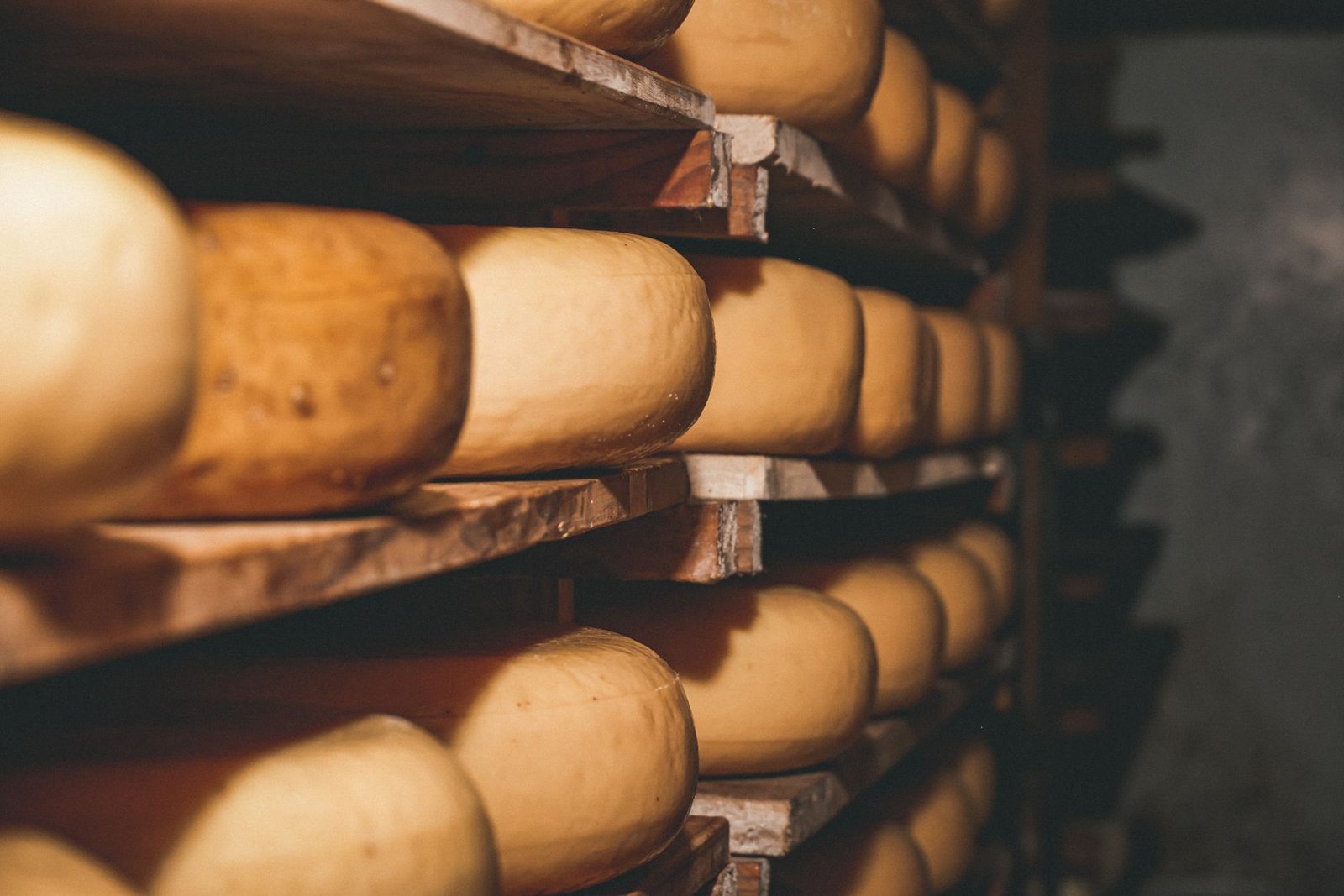
Unlike many other Spanish cheeses which often use sheep or goat milk, Mahón is primarily a cow’s milk cheese, giving it a distinct creaminess and often a subtler, less gamey flavour profile to start. The cows graze on the island’s particular pastures, which include a mix of Mediterranean herbs and grasses, subtly influencing the milk’s flavour. The traditional process of making Mahón is what truly sets it apart. The curds are pressed into a square shape inside a cotton cloth, known as a ‘fogasser’. After pressing, the cheeses are submerged in brine, then aged. During the aging process, the rind is regularly rubbed with olive oil, paprika, and sometimes butter. This ritualistic rubbing is not just for appearance; it helps to develop the cheese’s characteristic orange rind, protect it, and contribute to its complex flavour development.
Mahón cheese is classified by its age, offering a spectrum of textures and tastes:
- Mahón Tierno (Young Mahón): Aged for 21 to 60 days. This is the freshest style, with a soft, pliable texture and a mild, milky, slightly lactic flavour. It has a pale yellow interior and a delicate rind. This is perfect for those who prefer a less intense cheese, perhaps with a touch of fruit or mild bread.
- Mahón Semicurado (Semi-cured Mahón): Aged for 60 to 150 days. The most popular variety, Semicurado develops a firmer texture and a more pronounced flavour. You’ll find notes of butter, grass, and a pleasant tang. The rind becomes a deeper orange. It’s versatile for eating on its own or in dishes, offering a good balance of flavour and texture.
- Mahón Curado (Cured Mahón): Aged for 150 days to 10 months. This cheese is firm, crumbly, and offers a much more intense, savoury, and complex flavour profile. Expect nutty, caramel, and salty notes, with a lingering richness. The rind is dark orange to reddish-brown. This style holds its own beautifully with stronger accompaniments.
- Mahón Añejo (Aged Mahón): Aged for over 10 months, sometimes even longer than a year. This is the connoisseur’s choice. Extremely firm, often with a crystalline texture similar to Parmesan, its flavour is profoundly deep, sharp, and spicy, with a long, unforgettable finish. It is often grated or enjoyed in small, contemplative pieces.
Each stage of Mahón offers a genuinely different experience, meaning you could try four distinct cheeses all carrying the same Mahón name, yet feeling like completely separate discoveries. This aging spectrum gives you a tangible way to explore the nuances of cheesemaking and the impact of time.
Finding Authentic Mahón Cheese on Menorca: Where to Go
To truly appreciate Mahón cheese, you need to find it where it’s made, or at least where locals buy it. Skipping the generic tourist shops and heading straight to markets or, even better, directly to a farm, makes all the difference.
Menorca’s markets are a fantastic starting point. You’ll find stalls dedicated to local produce, often with knowledgeable vendors who are happy to offer samples and explain the differences between young and aged Mahón. Prices here are generally fair, and the atmosphere is lively and authentically Menorcan.
- Mercat de Peix (Fish Market) in Mahón: While primarily a fish market, the adjacent building, the ‘Sa Plaça’, houses excellent gourmet food stalls, including those selling Mahón cheese. You’ll find a good selection of cheeses from different local producers. Open Monday to Saturday, typically from 9:00 to 14:00. Expect to pay around €15-€25 per kilogram for Semicurado, depending on the producer.
- Mercat del Claustre (Cloister Market) in Mahón: Located in a beautiful former cloister, this market offers a wider range of local products, including several cheese vendors. It’s a great spot to browse and find a specific Mahón producer you like. Open Monday to Saturday, 9:00 to 14:00 and often 17:00 to 20:00.
- Mercat de Ciutadella: In Ciutadella, the market has a similar setup, with excellent cheese stalls alongside other local delicacies. Opening hours are usually similar to Mahón’s markets.
For the deepest dive, a visit to a cheese farm, or ‘lloc’, is highly recommended. This allows you to see where the cheese is made, often meet the cheesemakers, and understand the process from start to finish. It’s an invaluable way to connect with the product.
Two well-regarded farms offering tours and tastings are:
Quesería Subaida: Located at Carretera Alaior-Es Mercadal, km 2, 07730 Alaior. This is one of the most established cheese producers on the island. They offer guided tours where you can see the cows, learn about the milking process, observe cheesemaking (depending on the time of day), and taste their range of Mahón cheeses, often paired with local bread and sometimes wine (though we recommend focusing on the cheese itself!). A typical guided tour costs around €12-€15 per person and includes a generous tasting. Tours usually run Tuesday to Saturday, with specific times like 11:00 and 16:00, lasting approximately 1.5 hours. It’s always best to check their website or call ahead for exact timings and to book, especially during peak season, as spots can fill up.
Hort de Sant Patrici: Situated at Camí de Sant Patrici, 07750 Ferreries. This estate is not just a cheese farm; it also produces olive oil and includes a small hotel and restaurant. Their cheese production is smaller-scale, offering a more intimate experience. You can visit their shop and often taste before buying. They also offer guided visits to their cellar and cheese factory, often followed by a tasting. Prices for a tasting experience vary, but generally start from around €10-€18 per person, including a selection of their cheeses and other local products. Check their site for current opening hours, which can vary seasonally, but generally operate during daylight hours. Booking is usually required for formal tours.
When you visit a farm, you’re not just buying cheese; you’re supporting local agriculture and preserving traditional methods. The quality and freshness of farm-direct cheese are truly superior to what you’ll find in most supermarkets. Don’t be afraid to ask for a sample of different ages to find your personal favourite.
The Mahón Cheese Tasting Experience: What to Expect
Approaching Mahón cheese is an experience in itself, especially if you’re trying the different ages. It’s not just about eating; it’s about savouring the textures, aromas, and evolving flavours. Here’s how to get the most out of your Mahón cheese tasting:
First, always ensure the cheese is at room temperature. Take it out of the fridge at least 30 minutes before serving. Cold cheese mutes its complex flavours and aromas, making it less expressive.
When you cut Mahón, aim for wedges or small cubes. For younger Mahón Tierno, you can cut thicker slices as its texture is softer. For Curado or Añejo, thinner shavings or small, irregular chunks work well, as their intensity means a little goes a long way. Pay attention to the rind; for Tierno and Semicurado, it’s edible and adds a slight tang. For Curado and Añejo, the rind can be quite firm and peppery, so many prefer to remove it, or just taste a tiny bit.
As you taste, notice:
- Aroma: Bring the cheese close to your nose. A young Mahón will smell milky, fresh, and slightly acidic. As it ages, you’ll detect deeper, nuttier, and sometimes even spicy or animalic notes.
- Texture: Feel it on your tongue. Tierno is creamy and moist, Semicurado is firmer but still supple, Curado is crumbly and dense, and Añejo is hard and crystalline. This evolution of texture is a significant part of its appeal.
- Flavour: Take a small bite and let it melt in your mouth. Young Mahón offers a gentle dairy sweetness with a clean finish. Semicurado introduces more buttery, grassy, and salty notes. Curado delivers a rich, savory punch with hints of toasted nuts and a satisfying saltiness. Añejo explodes with intense umami, often with a peppery kick and a long, lingering finish.
Pairing your Mahón cheese can elevate the experience. Here are some suggestions:
- For Tierno: Fresh figs, grapes, sliced apple, light honey, or plain unsalted crackers. The aim is to complement its mildness without overpowering it.
- For Semicurado: Fig jam (confitura de higos), membrillo (quince paste), local bread (pa pages), toasted almonds, or a drizzle of local Menorcan olive oil. Its balanced flavour pairs wonderfully with both sweet and savoury.
- For Curado and Añejo: A hearty rustic bread, dried fruits like dates or apricots, marcona almonds, or a strong, dark honey. These intense cheeses can stand up to bold accompaniments.
Many traditional Menorcan restaurants will feature Mahón cheese on their menus, either as a standalone starter (tabla de quesos), grated over salads, or incorporated into cooked dishes. Asking for a ‘Tabla de Quesos Mahón’ is a reliable way to sample different ages, often served with local bread and sometimes even a little fig jam. The average cost for such a plate at a restaurant might be around €10-€18, depending on the portion size and selection. This is a worthwhile experience to compare and contrast the cheeses in a relaxed setting.
Pairing and Culinary Uses of Mahón Cheese
Mahón cheese is incredibly versatile in the kitchen, extending far beyond simply being served on a cheese board. Its diverse flavour profile across its different ages makes it suitable for a wide range of culinary applications, allowing you to incorporate a true taste of Menorca into your meals.
The younger Mahón Tierno, with its mild, creamy texture, melts beautifully and can be an excellent addition to omelettes or scrambled eggs, giving them a subtle, milky richness. It’s also perfect for sandwiches or sliced thin into salads, especially those featuring fresh greens, tomatoes, and a light vinaigrette. Consider crumbling it over a simple tomato and basil salad for a touch of creamy saltiness.
Mahón Semicurado is arguably the most adaptable. Its balanced flavour means it holds its own without dominating other ingredients. It’s superb grated over pasta dishes, adding a salty, umami depth that rivals Parmesan in some contexts. You can use it to enrich a creamy risotto or shave it over a warm plate of grilled vegetables. For a traditional Menorcan touch, incorporate Semicurado into a ‘Coca de Mahón’, a savoury pastry that might contain vegetables or meat, where the cheese provides a gooey, flavourful layer. It’s also fantastic melted on toast, perhaps with a slice of cured local sausage.
The more mature Mahón Curado and Añejo bring significant depth. Their robust, salty, and nutty characteristics make them ideal for grating over soups, stews, or even a hearty lentil dish, imparting a complex savoury note. Think of them as a finishing cheese, adding a punch of flavour. You can shave Curado over a carpaccio or a fresh green salad with a more robust dressing. Añejo, with its firm, crystalline texture, is excellent in very small pieces as part of an aperitif, or grated finely over grilled meats just before serving, where its sharp flavour cuts through richness. It’s also surprisingly good as a flavour enhancer in a cheese sauce, though a little goes a long way due to its intensity.
Here’s a simple idea for how to enjoy Semicurado in a light meal:
Menorcan Toasted Bread with Mahón and Tomato
This simple preparation highlights the cheese without overwhelming it. It’s a classic way to enjoy local flavours.
- Take thick slices of rustic Menorcan bread (pa pages).
- Lightly toast the bread until golden and slightly crisp.
- Rub the toasted bread vigorously with a halved ripe tomato. This will leave a pulpy, juicy layer on the bread.
- Drizzle generously with good quality local olive oil.
- Top with thin slices of Mahón Semicurado. The cheese will soften slightly from the warmth of the bread.
- Add a pinch of sea salt if desired, especially if the cheese isn’t very salty already.
This dish captures the essence of Spanish simple cooking and lets the quality of each ingredient, especially the cheese, shine through. Don’t underestimate how satisfying and flavourful such a basic combination can be when the components are excellent.
Logistics and Tips for Buying Mahón Cheese
Once you’ve experienced the joy of Mahón cheese, you’ll likely want to take some home. Buying and transporting it correctly ensures it arrives in perfect condition, ready to be enjoyed or shared. Here’s what you need to know:
Choosing a Reputable Seller: Always buy from dedicated cheese shops, market stalls where the cheese is clearly labelled and often from a specific producer, or directly from a farm. Avoid pre-packaged, vacuum-sealed blocks in generic supermarkets if you want the best quality, although these can be an option if you have no other choice. Look for cheeses that are stored properly, not sweating, and with a clean, intact rind.
Pricing: Prices vary significantly by age and producer. Generally, you can expect to pay:
| Type of Mahón Cheese | Approximate Price per Kilogram (EUR) | Aging Period |
|---|---|---|
| Mahón Tierno | €12 – €18 | 21 to 60 days |
| Mahón Semicurado | €15 – €25 | 60 to 150 days |
| Mahón Curado | €22 – €35 | 150 days to 10 months |
| Mahón Añejo | €30 – €50+ | Over 10 months |
These are average prices for good quality artisanal cheese. Small producers at local markets might offer slightly better deals, while gourmet shops might be at the higher end.
Transporting Your Cheese:
- Vacuum Sealing: If you’re buying a larger piece or multiple varieties, ask the vendor to vacuum seal it. Most good cheese shops and farm stores will offer this service for free or a nominal fee. Vacuum sealing is crucial for preserving freshness and preventing strong aromas from permeating your luggage. It will keep the cheese well for several days, even outside a fridge, making it ideal for travel.
- Cool Bags: For longer journeys, especially in warmer months, bring a small insulated cool bag with a reusable ice pack. Place the vacuum-sealed cheese inside. This is particularly important for Tierno and Semicurado, which are less robust than the aged varieties.
- Carry-on vs. Checked Luggage: For flights, smaller, vacuum-sealed blocks of cheese are usually fine in carry-on luggage, but check with your airline’s specific rules, especially if travelling internationally. Larger quantities or stronger-smelling cheeses are often better in checked luggage, well-wrapped to prevent damage or odour.
- Duty-Free: If you’re flying outside the EU, be aware of customs regulations for dairy products. Most countries allow hard cheeses, but there might be quantity limits. Always check your destination country’s rules before you buy.
Storage at Home: Once home, unwrap the vacuum-sealed cheese and re-wrap it in cheese paper or parchment paper. Avoid plastic wrap, as it traps moisture and can cause the cheese to ‘sweat’ and develop off-flavours or mould. Store it in the warmest part of your refrigerator (usually the vegetable drawer) and remember to let it come to room temperature before enjoying it again.
The best time to visit Menorca for cheese hunting, in my opinion, is during the shoulder seasons – April-May or September-October. The weather is pleasant, and the farms are active but less crowded than the peak summer months. You’ll get a more relaxed and personal experience, and it’s easier to talk to the producers directly. Plus, exploring the rest of the island, from its quiet beaches to its welcoming towns, is much more comfortable. Consider exploring the island’s natural beauty by taking one of the many book a guided tour on Viator to discover even more local wonders.
Remember, buying local not only supports the Menorcan economy but also helps maintain the traditional methods that make Mahón cheese so special. It’s a delicious investment in culture and taste.
FAQ: The true joy of tasting Menorca Mahón cheese is all mine – Common Questions
What are the main types of Mahón cheese available?
Mahón cheese is categorized by its age: Mahón Tierno (young, 21-60 days), Mahón Semicurado (semi-cured, 60-150 days), Mahón Curado (cured, 150 days-10 months), and Mahón Añejo (aged, over 10 months). Each type offers a distinct texture and flavour profile, from mild and creamy to sharp and crystalline.
Can I visit a Mahón cheese farm on Menorca?
Yes, absolutely! Several farms, known as ‘llocs’, welcome visitors for tours and tastings. Notable examples include Quesería Subaida and Hort de Sant Patrici. It’s recommended to check their websites or call ahead for current opening hours, tour availability, and to book your visit, especially during busier seasons, as a tour typically costs between €10 and €18 per person.
What are the best accompaniments for Mahón cheese?
The best pairings depend on the cheese’s age. Younger Mahón Tierno goes well with fresh fruits like figs and grapes or light honey. Mahón Semicurado shines with fig jam, quince paste (membrillo), or local rustic bread. For the intense Mahón Curado and Añejo, strong accompaniments like hearty bread, dried fruits, or dark honey are excellent choices. Many simply enjoy it with good quality olive oil and our Spain Destination blog.
How should I store Mahón cheese when I take it home?
When travelling, ask the vendor to vacuum seal your cheese to maintain freshness. Once home, unwrap it from any plastic and re-wrap it in cheese paper or parchment paper, which allows it to breathe. Store it in the vegetable drawer of your refrigerator, which is typically the warmest part. Always allow the cheese to reach room temperature before serving to fully appreciate its flavour and aroma.
Exploring the unique flavours of Mahón cheese is an essential part of experiencing Menorca, giving you a tangible connection to the island’s agricultural heritage and a deeper understanding of its identity. Whether you find yourself sampling it at a lively market, taking a tour through a traditional farm, or simply enjoying a piece on your own, you’re tasting a tradition that is genuinely cherished. This particular cheese offers a delicious journey through Menorcan culture, one bite at a time. To discover more about Spain’s diverse culinary landscape, make sure to browse our full collection of articles on the Spain Destination Blog for your next adventure.
About the Author
After 15 years living and traveling across Spain, Caro knows this country in a way most travel writers never will. She’s not here to sell you a polished version of Spain, she’s here to show you the real one. Every guide on this site comes from her own experience: the restaurants she eats at, the routes she walks, the festivals she’s actually attended. She writes to cut through the noise and give you what actually matters. Learn more about Caro →