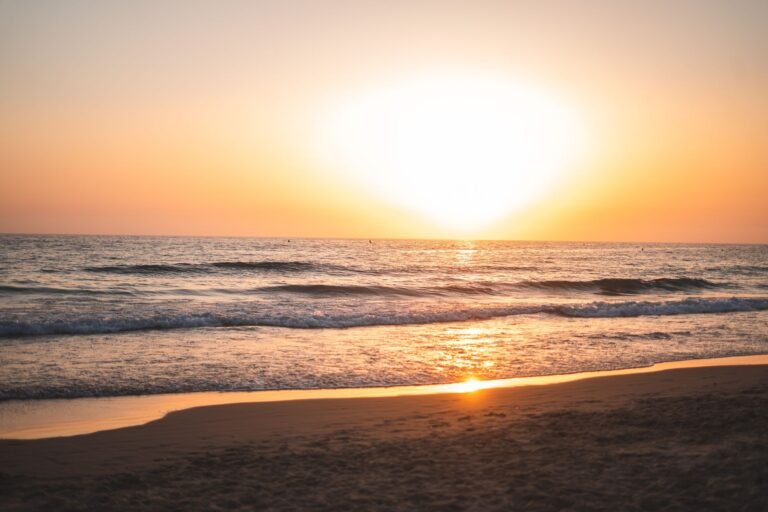
Ibiza Coastal Hiking Trails: Route Guide
Some links in this guide are affiliate links — if you book through them we may earn a small commission at no extra cost to you. It never changes what we recommend. Full disclosure.
Ibiza is known worldwide for its legendary party scene and turquoise coves, but let me tell you an unexpected truth: the island holds an entirely different, quieter soul, far from the DJ booths and beach clubs, waiting to be discovered. Most people associate Ibiza with late nights and hedonism, assuming its natural beauty is merely a backdrop for the revelry. The reality is that away from the busy tourist spots, the island offers an incredibly serene and rugged landscape, perfect for exploration on foot. This guide will reveal how ibiza coastal hiking trails unveil this quiet side, showing you exactly where to go, what to expect, and how to embrace the island’s authentic natural beauty.
Quick Answer: Ibiza Coastal Exploration
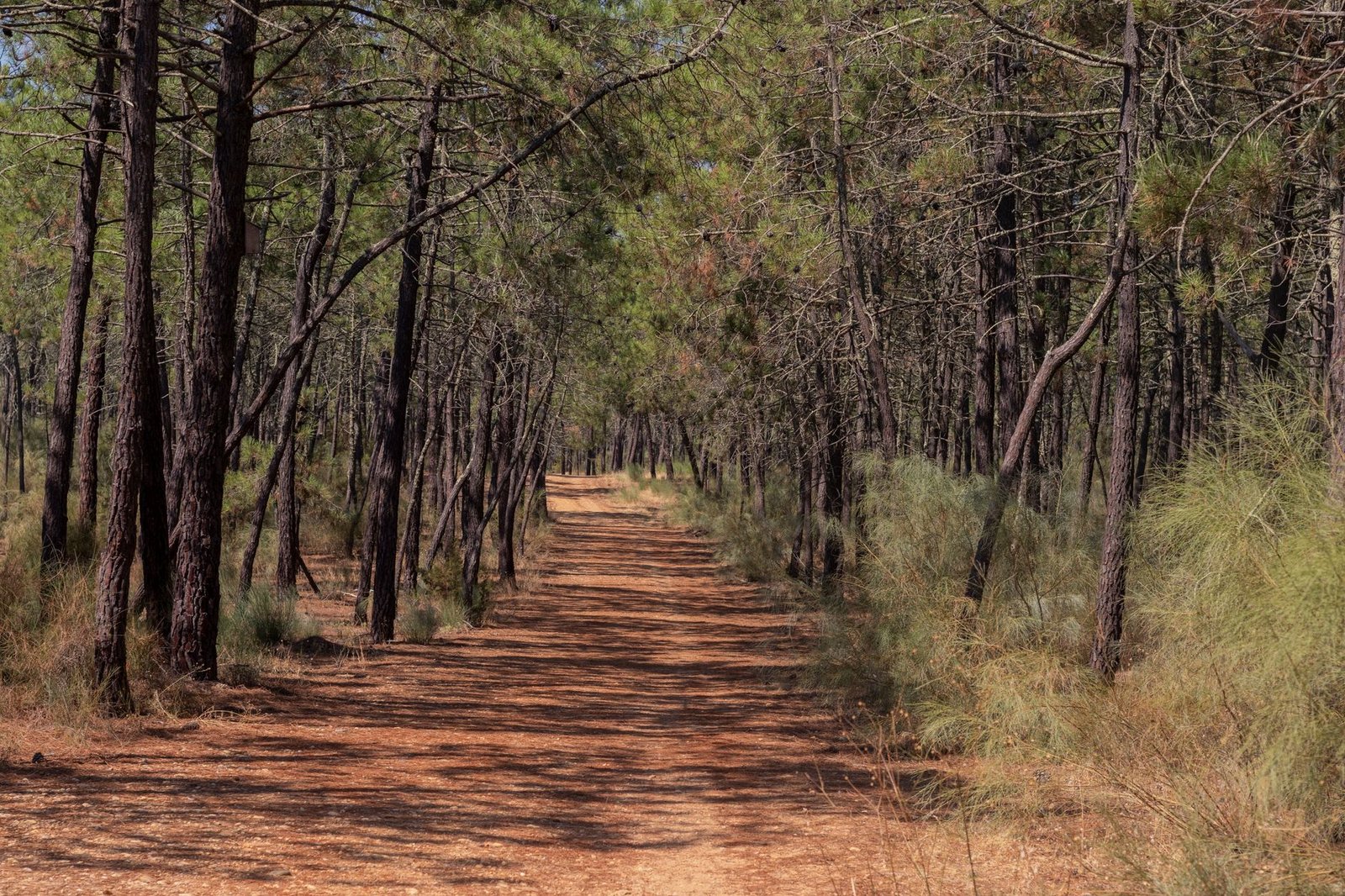
Coastal hiking in Ibiza provides an intimate experience of the island’s dramatic cliffs, hidden coves, and aromatic pine forests, far removed from its party reputation. The best trails are found in the north and west, offering routes for all abilities, from easy strolls to more challenging treks, and are most enjoyable during the cooler spring and autumn months to avoid the intense summer heat.
Embracing the Unexpected: Why Hike Ibiza’s Coast?
For fifteen years now, I’ve seen firsthand how Ibiza confounds expectations. People arrive with one image in mind – the vibrant nightlife, the packed beaches – and leave surprised by the island’s profound natural beauty. This is especially true when you step onto one of its coastal paths. Hiking here isn’t just about exercise; it’s about connecting with an older, wilder Ibiza, an experience that deepens your understanding of this Mediterranean gem. You’ll find yourself amidst ancient pine forests, dramatic cliffs plunging into an impossibly blue sea, and quiet bays where the only sounds are the waves and the birds. It’s a completely different rhythm. You get to breathe deeply, feel the sun on your skin, and witness sunsets from viewpoints few visitors ever reach.
The beauty of Ibiza’s coastal trails lies in their diversity and accessibility. While some routes require good fitness and proper gear, many are gentle paths suitable for families or those just looking for a relaxed walk with stunning views. You’re never far from a refreshing dip in the sea if you choose your route well. The best time to experience these trails is outside of peak summer. From late March to early June, and then again from September to late October, the temperatures are ideal for walking – typically ranging from 18°C to 25°C. The landscape is greener, the wild flowers are out, and the tourist crowds have thinned, leaving the paths wonderfully peaceful.
What should you bring? Comfortable, sturdy walking shoes are non-negotiable – flip-flops simply won’t cut it on uneven terrain. Pack plenty of water; even on cooler days, hydration is crucial, especially when you might be hours from the nearest shop. Sun protection, including a hat and high-SPF sunscreen, is essential, as shade can be scarce on open coastal stretches. A small backpack with snacks, a fully charged phone for navigation and emergencies (consider a portable charger), and maybe a light jacket for cooler mornings or evenings will serve you well. A swim costume and a small towel are also great additions for those irresistible cove stops. Some trails are clearly marked, but carrying a physical map or having a reliable offline GPS app on your phone (such as Wikiloc or AllTrails) is a smart move, as mobile signal can be intermittent in more remote areas. Don’t expect perfectly manicured paths everywhere; these are often natural, sometimes rocky, sometimes dusty tracks that require your full attention.
Here’s a quick list of what to pack for a day on the trails:
- Sturdy hiking shoes or trainers with good grip
- Minimum 1.5-2 litres of water per person
- Sun hat, sunglasses, and high-SPF sunscreen
- Light snacks (fruit, nuts, energy bars)
- Swim costume and a compact towel
- Fully charged phone with offline maps/GPS app
- Small first-aid kit (blister plasters, antiseptic wipes)
- Light jacket or extra layer for early mornings/evenings
- Camera (if you want to capture the views!)
Planning your route is important. Start early in the day, especially if you’re tackling a longer trail, to avoid the midday sun and to allow ample time for unexpected stops or diversions. Always let someone know your planned route and estimated return time, particularly if you’re hiking alone. While these trails are generally safe, it’s always better to be prepared. If you want a more structured experience, you can always book a guided tour on Viator, where local experts lead you through the best spots and share insights into the island’s history and ecology.
The Northern Majesty: Portinatx Lighthouse Loop
One of the most rewarding and accessible coastal walks takes you around the dramatic northern tip of Ibiza, culminating at the iconic Far des Moscarter, also known as the Portinatx Lighthouse. This isn’t just a walk; it’s a journey to one of the island’s most photographed landmarks, offering truly raw, untamed views. The lighthouse itself, with its distinctive black and white spiral stripes, stands tall against the deep blue of the Mediterranean, a beacon of the island’s wild spirit.
Starting point for this loop is typically the small beach of Cala Portinatx, or you can park closer to the start of the trail if you follow signs for the lighthouse. The trail is mostly unpaved, winding through low-lying scrubland and offering consistent views of the rugged coastline. It’s not a particularly long or difficult hike, making it a fantastic option for an afternoon excursion. The total distance is approximately 3.5 kilometres for the full loop, and it typically takes about 1 hour to 1 hour 30 minutes to complete at a relaxed pace, allowing for plenty of photo opportunities. You’ll encounter some rocky sections, but nothing that requires technical skill – just careful footing.
The path generally sticks to the cliffs, giving you unparalleled panoramas. As you approach the lighthouse, the views become more expansive, stretching across the sea to the horizon. The stark white cliffs and turquoise waters below create a stunning contrast, especially on a clear day. Beyond the visual spectacle, the air here smells of pine and sea salt, a truly invigorating mix. There are no facilities directly at the lighthouse, so make sure you bring your water and any snacks you need. Back in Portinatx town, you’ll find several simple restaurants and cafés if you want to refuel after your hike. For instance, Restaurante Es Grop on Carrer des Portinatx offers classic Spanish dishes and fresh seafood, with main courses typically ranging from €15 to €25. Most establishments are open from roughly 10:00 to 22:00 during the tourist season, with shorter hours or closures in the off-season. Checking specific timings is always advisable.
This trail is perfect for those who want a taste of Ibiza’s wild side without committing to an all-day expedition. It’s also an excellent spot for sunset views, though you’ll need to make sure you have enough daylight for the return walk or bring a headlamp. The sheer drama of the cliffs and the iconic lighthouse make this a must-do for anyone seeking more than just beaches on their Ibiza trip.
South-West Grandeur: Es Vedrà Viewpoint from Torre del Pirata
No visit to Ibiza is complete without witnessing the mysterious grandeur of Es Vedrà, the mystical rock island rising majestically from the sea off the south-west coast. While many people drive to the popular viewpoint near Cala d’Hort, a much more immersive experience comes from hiking to it. My recommendation is to start your walk near Torre del Pirata (also known as Torre de Es Savinar), an old defensive watchtower, and follow the trails that lead to some of the most spectacular vantage points.
This area offers several variations, but a solid option is a loop starting from the Torre del Pirata car park (free, but fills up quickly in peak season or around sunset). You can explore the tower and its immediate surroundings before heading south along the clifftops. The path here is generally well-trodden but uneven, with loose rocks in places, so good hiking shoes are crucial. The entire route to multiple viewpoints and back can be around 4-6 kilometres, depending on how much you explore, taking approximately 1 hour 30 minutes to 2 hours of walking time. This trail is classified as moderate due to some ascents and rocky sections, but the rewards are immense.
As you move along the cliffs, Es Vedrà reveals itself in new perspectives with every turn. You’ll pass through fragrant juniper and pine trees, hearing only the distant crash of waves and the cry of gulls. The views here are truly expansive, encompassing not just Es Vedrà and its smaller sibling, Es Vedranell, but also the rugged coastline towards Cala d’Hort. This is a prime location for sunset, and while it can get busy, the sheer scale of the landscape ensures a sense of awe regardless of the company. If you’re going for sunset, aim to arrive an hour before to secure parking and find a good spot, and be prepared for a slightly busier trail on the way back down.
There are no facilities along this specific hiking route, so it is crucial to bring all your provisions. Pack a picnic with some local cheese like Mahón (if you’ve visited Menorca, you know this one! Check out how to best enjoy Tasting Menorca Mahon Cheese) or fresh bread and tomatoes, and enjoy it with the backdrop of Es Vedrà. After your hike, you can head down to Cala d’Hort beach, where you’ll find a couple of beach restaurants like Restaurante El Carmen, offering fresh seafood and paella, typically open from 12:00 to 22:00, with main dishes from €20 to €35. A reservation for dinner, especially during summer or weekend sunsets, is a good idea. The road down to Cala d’Hort is winding and steep, so drive with care.
The feeling you get standing before Es Vedrà is unique. Its magnetic presence is undeniable, and approaching it on foot, earning the view through your own effort, makes it even more powerful. It’s a moment of quiet reflection, a reminder that Ibiza offers more profound experiences than many might imagine.
Eastern Serenity: Santa Eulària to Cala Llonga Coastal Path
For a gentler, yet equally rewarding, coastal walk, head to the east coast of Ibiza, specifically the path connecting Santa Eulària des Riu to Cala Llonga. This trail is perfect for those who prefer an easier pace, enjoy consistent sea views, and appreciate the convenience of amenities at both ends. It’s an ideal family-friendly option or a relaxed way to spend a morning or afternoon.
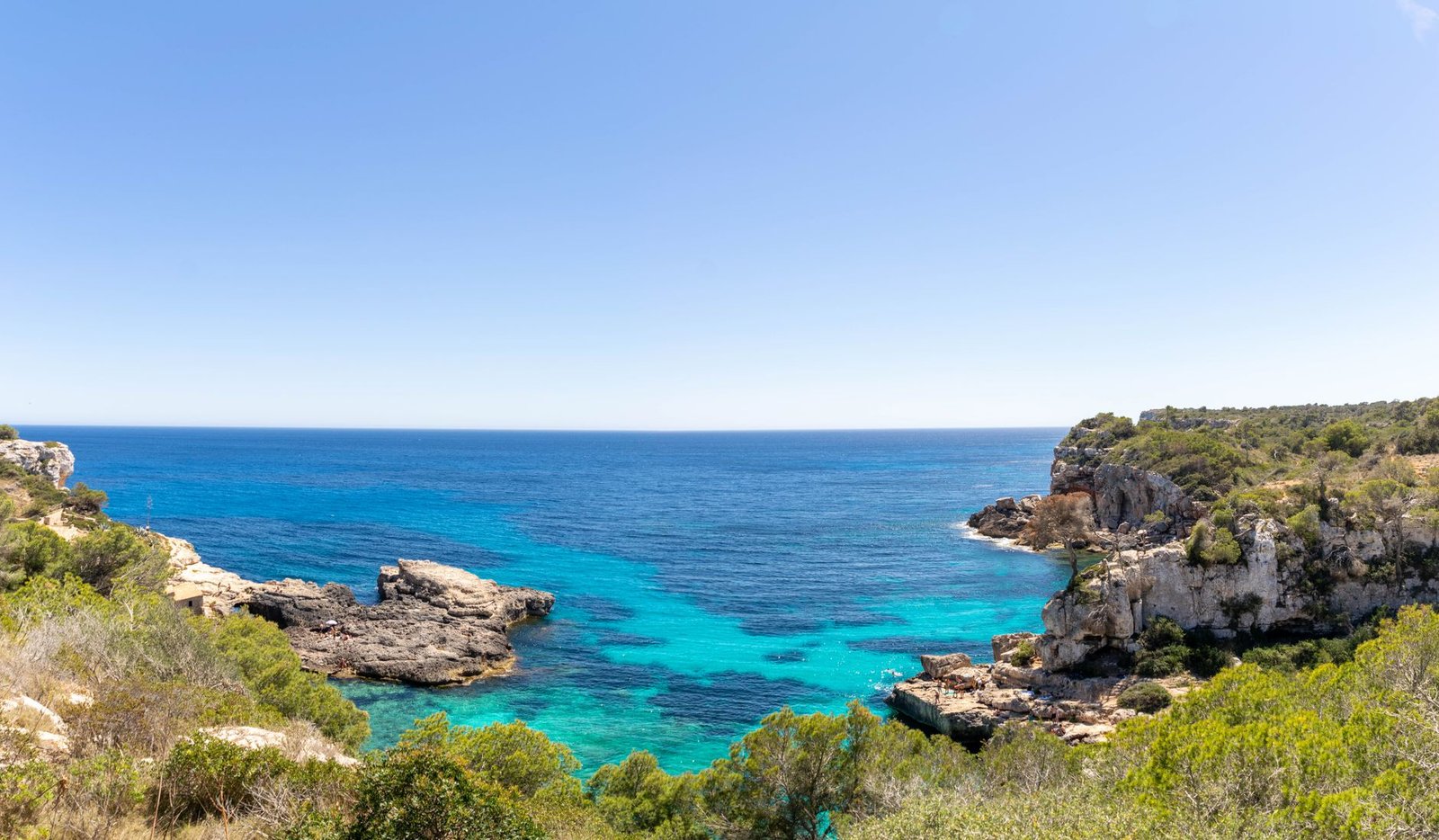
The walk itself is approximately 5.5 kilometres one way, taking about 1 hour 30 minutes to 2 hours, depending on your speed and how often you stop to admire the views or take photos. The path is generally flat or gently undulating, mostly following a well-defined track that is easy to navigate. You’ll stroll through pine forests that offer welcome shade, pass by small, secluded coves (some perfect for a quick swim if the mood strikes), and enjoy constant glimpses of the sparkling Mediterranean. This route contrasts with the wilder, more dramatic cliffs of the west, offering a softer, greener landscape that feels incredibly peaceful.
Starting from Santa Eulària, you can pick up the path near the marina. Follow the signs towards the coastal walk or ask a local for directions to the “Paseo Marítimo.” As you leave the town, you’ll quickly find yourself immersed in nature. One of the joys of this path is the quiet sense of discovery; you might spot a small fishing boat in the distance, or watch a solitary paddleboarder glide across the calm waters. You’ll pass through areas where the scent of pine needles mixes with wild rosemary, a truly Mediterranean aroma.
Upon reaching Cala Llonga, you’ll find a beautiful, sheltered bay with a wide sandy beach, perfect for unwinding. Cala Llonga itself is a resort town, offering various services. You can treat yourself to lunch at one of the beachside restaurants; for example, Can Xarc, known for its grilled meats and traditional Ibicencan cuisine, often has main courses around €18-€30. Most restaurants here are open from 12:00 to 23:00 during the season. To get back to Santa Eulària, you have a few options: you can simply walk back, which doubles your exercise, or you can take a local bus. The L15 bus route connects Cala Llonga with Santa Eulària, with buses running hourly during peak season (from around 08:00 to 22:00) and less frequently in the off-season. A single bus ticket typically costs around €2.50. Taxis are also readily available, with a ride between the two towns costing approximately €15-€20.
This trail is a wonderful way to experience the gentler, more accessible side of Ibiza’s coast, offering a blend of natural beauty and convenient amenities. It’s a great example of how you can find moments of peace even on an island famed for its energy. You can spend an entire day enjoying the journey and destination, making it a very fulfilling outing.
Navigating the Trails: Practical Tips and What to Expect
While Ibiza’s coastal trails are largely enjoyable, a little preparation and understanding of local conditions go a long way. This isn’t mainland Spain; the infrastructure can be different, especially in more remote areas. Getting to the trailheads often requires a car. While some major towns like Santa Eulària have decent bus connections, many of the best starting points for trails are only reachable by car or taxi. Car rental is highly recommended if you plan on exploring multiple hiking spots. Expect to pay around €30-€60 per day for a compact car, depending on the season and how far in advance you book. You can compare hotel prices on Booking.com, which sometimes includes car rental deals, but always check directly with local rental agencies like Autos Mari or Class Rent a Car for specific rates and availability.
Parking at popular trailheads, especially for Es Vedrà or Portinatx, can be limited, particularly during sunset hours or peak season. Always aim to arrive early to secure a spot and avoid frustration. When parking, be mindful of local regulations and do not block private driveways or emergency access routes. A parking fine in Spain can easily set you back €50 or more.
Safety on the trails is paramount. The paths can be uneven, rocky, and sometimes narrow with steep drops to the sea. Always stay on marked trails and avoid venturing too close to cliff edges, especially for photos. Weather conditions can change rapidly; a clear morning can turn into a windy or rainy afternoon. Check the forecast before you leave. If you encounter an emergency, the general emergency number in Spain is 112. Mobile signal is generally good in developed areas but can be spotty or non-existent in remote coastal stretches, so having downloaded offline maps is essential.
Responsible hiking means leaving no trace. Carry out everything you carry in, including all your rubbish. Respect private property and agricultural land. Do not pick wild flowers or disturb wildlife. Ibiza’s natural environment is fragile, and preserving it is everyone’s responsibility. It’s also worth noting that many trails pass close to private fincas (farmhouses) or villas. Be respectful of local residents and keep noise levels down.
Here’s a quick comparison of some popular routes:
| Trail Name | Distance (approx.) | Estimated Time | Difficulty | Key Feature |
|---|---|---|---|---|
| Portinatx Lighthouse Loop | 3.5 km (loop) | 1h 15m – 1h 45m | Easy to Moderate | Iconic striped lighthouse, dramatic northern cliffs |
| Es Vedrà Viewpoint (Torre del Pirata) | 4-6 km (return) | 1h 30m – 2h 30m | Moderate | Mystical Es Vedrà rock, panoramic sunsets |
| Santa Eulària to Cala Llonga | 5.5 km (one way) | 1h 30m – 2h | Easy | Gentle coastal path, pine forests, two resort towns |
| Cap des Falcó (Salinas Natural Park) | 6-8 km (loop) | 2h – 3h | Easy to Moderate | Salt flats, watchtowers, diverse birdlife, quiet coves |
When you’re planning your stay, consider accommodation options beyond the typical tourist hotels. Ibiza has some wonderful agroturismos and rural hotels, particularly in the quieter northern and central parts of the island. These offer a peaceful retreat after a day of hiking, often with local food and a genuine sense of island life. Look for places around Santa Gertrudis, San Joan de Labritja, or near the trails themselves if you want to be close to the action. These typically range from €100-€300 per night depending on the season and luxury level.
Remember that exploring Ibiza by foot offers a perspective that most visitors never gain. It requires a bit more effort than simply driving to a viewpoint, but the reward is a deeper connection with the island’s authentic character and its raw, beautiful landscapes. It truly does unveil the island’s quiet soul.
FAQ: Ibiza coastal hiking trails unveil the island’s quiet soul. – Common Questions
What is the best time of year to go hiking in Ibiza?
The ideal time for hiking in Ibiza is during the shoulder seasons: spring (April to early June) and autumn (September to October). During these months, temperatures are comfortable, usually ranging from 18°C to 25°C, making long walks enjoyable. The landscape is also at its most verdant, and the crowds are significantly smaller than in high summer.
Are the hiking trails in Ibiza well-marked?
Some of Ibiza’s more popular coastal trails, especially those near towns or designated natural parks, have decent signage. However, many routes are less formally marked, relying on worn paths or cairns. It is always best to carry a detailed map or use a reliable offline GPS app like Wikiloc or AllTrails to navigate, as mobile signal can be inconsistent in remote areas.
Do I need special equipment for coastal hiking in Ibiza?
You don’t need highly specialized gear, but sturdy walking shoes or hiking boots with good grip are essential due to uneven and rocky terrain. Beyond that, bring plenty of water, sun protection (hat, sunglasses, high-SPF sunscreen), snacks, a fully charged phone, and a small backpack. A swim costume is a good idea for unexpected dips in secluded coves.
Can I find food and water along the hiking routes?
Most coastal hiking trails in Ibiza do not have facilities for food or water directly along the path. It is crucial to carry enough water for your entire hike and pack snacks. Some trails end or pass near towns or beaches where you can find cafés, restaurants, or small shops, but always plan to be self-sufficient for the duration of your walk.
Embracing the rugged beauty of Ibiza on foot is a transformative experience, offering a stark contrast to the island’s reputation. It reveals an authentic side that invites you to slow down, breathe in the sea air, and appreciate the raw, powerful landscapes. For those who seek more profound connections with Spain’s diverse regions, you might also find inspiration in exploring the Galicia Green Villages, offering another unique perspective on Spain’s stunning natural diversity.
About the Author
After 15 years living and traveling across Spain, Caro knows this country in a way most travel writers never will. She’s not here to sell you a polished version of Spain, she’s here to show you the real one. Every guide on this site comes from her own experience: the restaurants she eats at, the routes she walks, the festivals she’s actually attended. She writes to cut through the noise and give you what actually matters. Learn more about Caro →