Walking the Fuerteventura Sand Dunes: A Practical Guide
Some links in this guide are affiliate links — if you book through them we may earn a small commission at no extra cost to you. It never changes what we recommend. Full disclosure.
When the relentless rhythm of daily life starts to feel like too much, sometimes you need a place where the world truly stretches out and silence is the loudest sound. This is precisely what a Fuerteventura sand dunes walk offers: a profound sense of peace found only in vast, unspoiled nature, a quiet counterpoint to the island’s more energetic coastal towns. People often associate the Canary Islands with busy beaches and resort life, but Fuerteventura holds a wilder, more elemental truth in its desert heart, offering an experience that strips away the noise and invites a deeper connection with the land. This guide will help you understand how to navigate and truly appreciate the unique landscape of the Corralejo Natural Park, providing practical details and insights to make your dune exploration genuinely memorable.
This article contains affiliate links. If you book through one, Spain Destination may earn a small commission at no extra cost to you. See the full affiliate disclosure →
Quick Answer: Fuerteventura Sand Dunes Walk
Yes, a walk through the Fuerteventura sand dunes, specifically in the Parque Natural de Corralejo, is an essential experience, offering immense stretches of golden sand, volcanic backdrops, and the opportunity for quiet reflection. Plan for at least 2-3 hours to genuinely immerse yourself, ensuring you carry plenty of water and protection from the sun, especially if venturing away from the main road or coastline.
Why Fuerteventura’s Dunes Are Different: A Taste of the Sahara in Europe
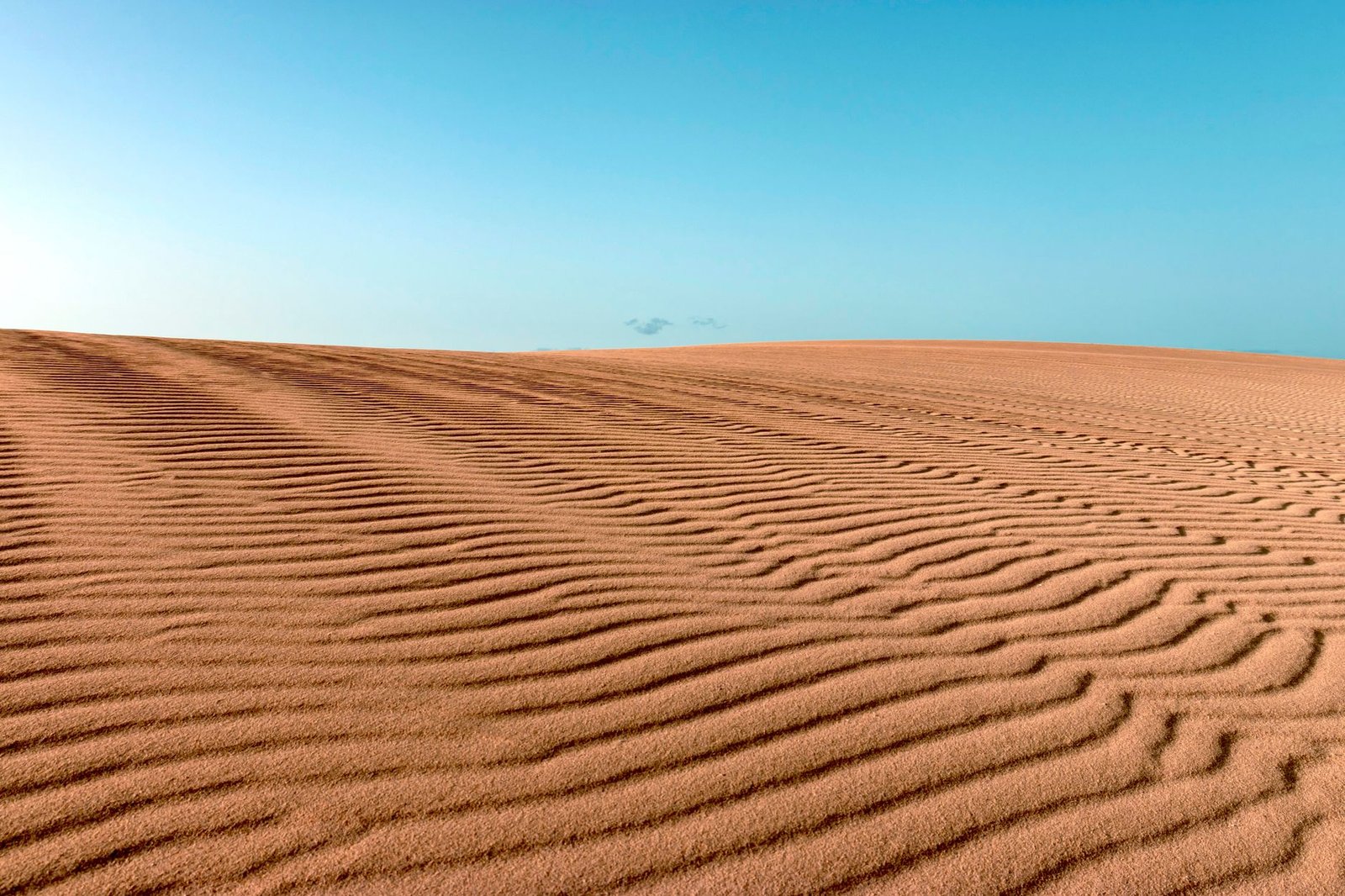
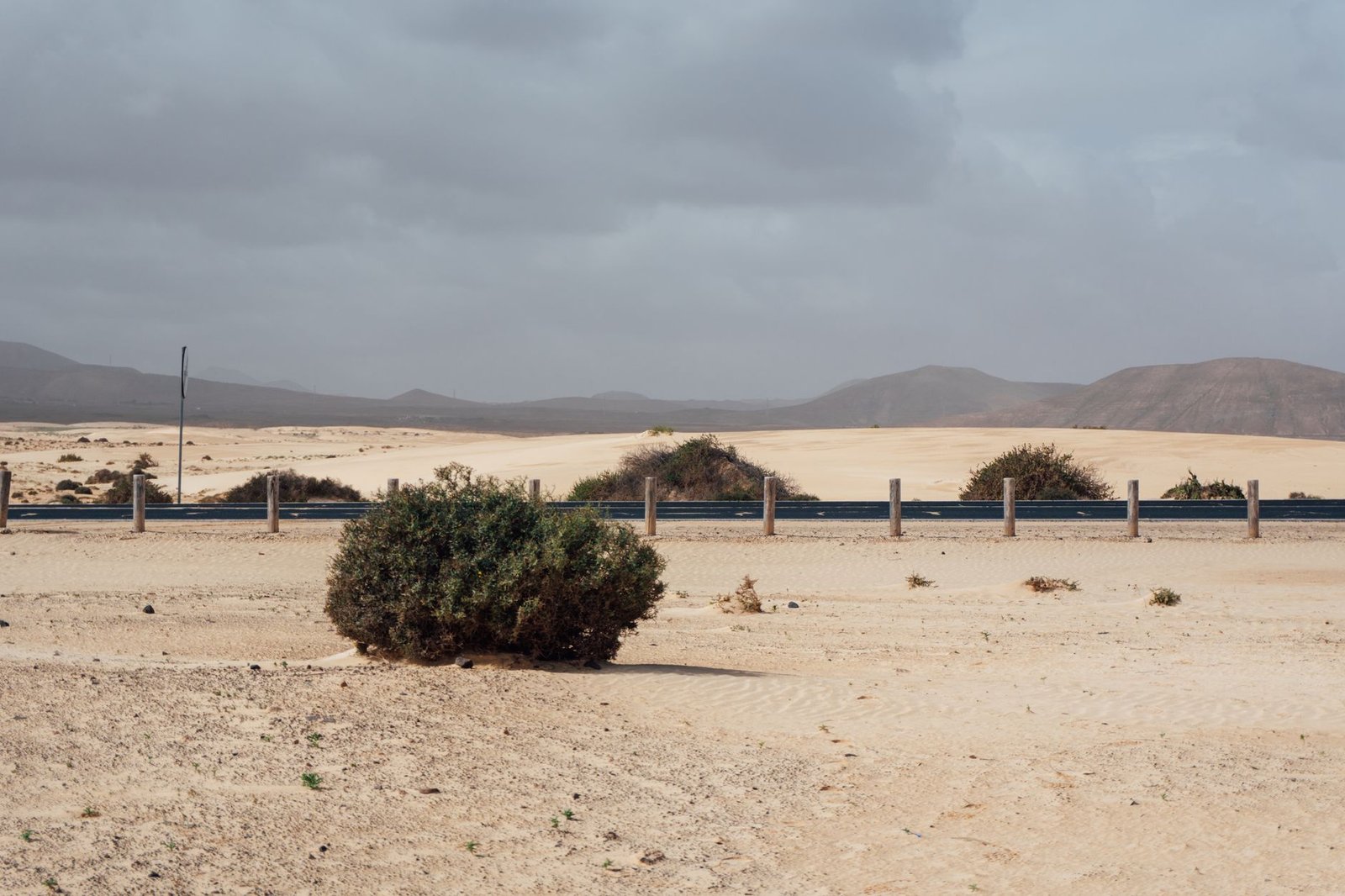
You might think of deserts as being far removed from European shores, but Fuerteventura offers a geological marvel that truly sets it apart: the Dunas de Corralejo. These aren’t just any sand dunes; they are a direct, wind-swept extension of the Sahara Desert. Every grain of sand here has journeyed across hundreds of kilometers of ocean, carried by trade winds from the African continent, a process that has sculpted this landscape over millennia. What you’re walking on isn’t local volcanic sand, but fine, golden quartz, interspersed with crushed seashells, creating a unique texture and colour palette that feels utterly otherworldly. The sheer scale of the park is what truly impacts you. It stretches for over 10 kilometers along the island’s northeast coast, covering approximately 2,600 hectares. You aren’t just seeing a small patch of sand; you are stepping into an expansive, dynamic ecosystem that is constantly being reshaped by the wind. This constant shift means that no two walks are ever quite the same; the pathways you followed yesterday might be subtly altered tomorrow, offering a fresh perspective each time you visit. While some parts of the park are easily accessible from the FV-1 road that cuts through it, the true magic lies in venturing deeper, where the road noise fades and you are left with nothing but the whisper of the wind and the crunch of sand underfoot. The contrast of the deep blue Atlantic on one side and the dark volcanic mountains on the other, framing the rolling golden landscape, is something you simply don’t find elsewhere.
Planning Your Walk: Routes, Distances, and Best Times
Walking the Corralejo dunes is not like hiking a mountain trail; there are no marked paths once you leave the main road or the immediate beach access points. This freedom is part of its appeal, but it also means you need a little more planning. Your approach depends on how much time you have and what kind of experience you’re seeking.
- Short Stroll (1-2 hours): If you’re based in Corralejo, you can take a local bus (Line 6, heading towards Puerto del Rosario) for a few stops (check Tiadhe’s own site for the current fare, which varies by distance) and get off at one of the hotel stops within the park, like Hotel Riu Oliva Beach or Hotel Riu Palace Tres Islas. From here, it’s a short walk to the beach, and you can explore the dunes adjacent to the coastline. This allows for easier access to the sea for a dip.
- Medium Exploration (2-4 hours): For a more immersive experience, park your car at one of the designated lay-bys along the FV-1 (look for areas with a few other cars pulled over, especially near Flag Beach) or take a taxi directly into the park from Corralejo (€6-€10). From these points, you can head inland, away from the road, to truly get lost (figuratively, of course!) in the rolling hills of sand. Aim for a loop back to your starting point, or walk towards the coast and follow it back towards Corralejo if you’re up for a longer trek.
- Long Trek (4+ hours): If you’re really keen to explore, you could start from Corralejo town and walk south along the coast, entering the dunes as they begin to expand. You can walk all the way through the park to the southern end, where the landscape transitions back to volcanic rock and small coves. This is a substantial distance and requires careful planning for water and sun protection. Consider arranging a taxi pick-up at the other end near the town of El Cotillo, though this will be a more expensive journey back (€20-€30).
The best times for your walk are early morning, shortly after sunrise (around 07:00-09:00, depending on the season), or late afternoon, a few hours before sunset (17:00-19:00). During these periods, the light is softer, the temperatures are more pleasant, and the long shadows highlight the contours of the dunes beautifully. Avoid midday between 11:00 and 16:00, especially in summer, when the sun is relentlessly strong and the sand can become incredibly hot, making walking exhausting and uncomfortable.
| Walk Type | Estimated Time | Distance (Approx.) | Effort Level | Notes |
|---|---|---|---|---|
| Coastal Path & Dunes Edge | 1.5 – 2.5 hours | 3 – 5 km | Easy-Moderate | Good for families, easy access to sea, some facilities near hotels. |
| Inland Loop (from FV-1) | 2.5 – 4 hours | 5 – 8 km | Moderate | Offers greater solitude, no facilities, can be disorienting without landmarks. |
| Full Park Traverse | 4 – 6 hours | 10 – 15 km | Challenging | Requires significant preparation, consider taxi at endpoints. |
Essential Gear and Preparation for Your Dune Adventure
Heading into the dunes, even for a short walk, requires some preparation. This isn’t a stroll through a city park. The environment is exposed, and facilities are non-existent once you leave the main road and hotel areas.
Here’s what you absolutely need:
- Water: This is non-negotiable. Bring at least 1.5-2 liters per person for a 2-3 hour walk, more if you’re planning a longer trek or if it’s a particularly hot day. Dehydration happens quickly in this arid environment.
- Sun Protection: A wide-brimmed hat, high SPF sunscreen (apply liberally and reapply!), and sunglasses are crucial. The sun reflects off the sand, increasing your exposure.
- Footwear: While some people brave it in flip-flops near the beach, proper closed-toe shoes are highly recommended for any substantial dune walking. Trainers or light hiking shoes are ideal. Sand gets everywhere, so don’t wear your favourite new white sneakers. Avoid open sandals as the sand will get between your toes and cause friction, leading to blisters.
- Light Layers: Even on a warm day, the wind can pick up, making a light jacket or long-sleeved shirt useful, especially for sun protection.
- Snacks: A piece of fruit, a energy bar, or some nuts will be welcome, particularly on longer walks.
- Navigation: While you’ll likely see the ocean or the FV-1 road as general landmarks, if you venture deeper, it can become surprisingly disorienting due to the undulating landscape. A fully charged phone with a GPS map app (download offline maps beforehand!) is a good idea. Knowing which way north, south, east, and west are, in relation to your starting point, is a basic but helpful skill.
- Small Backpack: To carry all your essentials comfortably.
- Camera: You’ll want to capture the incredible landscapes, especially around sunrise or sunset.
Remember that you should leave no trace. Take all your rubbish with you, and resist the urge to disturb any of the delicate plant life or small creatures you might encounter. This is a protected natural park, and your respect for it ensures its beauty for future visitors.
Navigating the Shifting Sands: What to Expect and How to Live It
Once you step onto the dunes, you’ll immediately notice the unique feel of walking on sand. It’s a workout! Your feet sink with each step, especially going uphill, requiring more effort than a typical flat path. Embrace it. This slow, deliberate movement is part of the experience. You’ll find yourself naturally slowing down, paying more attention to the texture of the sand, the way the wind carves patterns into its surface, and the silence. The quiet here is profound; away from the road, the only sounds are the wind, maybe the distant crash of waves, and your own footsteps. It’s a wonderful place for quiet contemplation. Keep an eye out for small signs of life. You might spot tiny tracks in the sand from beetles, lizards, or birds. While large animals are rare, you may see some species of migratory birds or endemic lizards basking in the sun. The dunes are also home to hardy plants, specifically adapted to this environment, often forming small, resilient clumps that provide stability to the shifting sands. Stick to walking paths where they exist or follow the ridges of the dunes. Avoid walking on the fragile vegetation where possible to help preserve this unique habitat. If you find yourself disoriented, look for the most prominent landmarks: the ocean on one side, and the FV-1 road or the distant volcanic peaks on the other. Always try to maintain a sense of direction relative to these features. While walking inland provides the greatest sense of solitude, be mindful of how far you stray from familiar markers. The Fuerteventura sand dunes are a place to feel small in the best possible way, allowing your spirit to find a quiet solace amidst the grand expanse of nature.
Beyond the Dunes: Nearby Corralejo and Logistics
After a good walk through the dunes, you’ll likely be ready for some refreshments and perhaps a bit of solid ground under your feet. The closest town, Corralejo, is perfectly situated to provide everything you need. Corralejo itself is a lively coastal town, but it retains a relaxed atmosphere, especially in its older fishing village heart. You can easily find a place to enjoy a cool drink and a meal; there are plenty of cafes and restaurants offering fresh seafood and traditional Canarian dishes. If you’re staying in the area, you might want to check current hotel prices for Corralejo to find accommodation that suits your needs. For those who prefer structured exploration, you can also book a guided tour on Viator that might include a dune walk as part of a broader island excursion, often providing transport and local insights. Corralejo offers practical amenities like supermarkets, pharmacies, and souvenir shops. If you’re relying on public transport, the local bus network is reliable enough for getting to and from the dune park. Buses (Line 6, from the main bus station in Corralejo) run frequently throughout the day, typically every 30-60 minutes, with the last buses usually around 21:00. Check the exact timetable at the bus station as schedules can change. Taxis are also readily available in Corralejo, with ranks in the town centre and at the port. They offer a convenient, though pricier, option for direct access to specific points within the dunes or for a quick return journey after your walk. Parking is available at various points along the FV-1 road through the dunes, but spaces can fill up during peak times. Always ensure your vehicle is legally parked and not obstructing any access points.
FAQ: Fuerteventura Sand Dunes Walk lets my spirit find its quiet solace. – Common Questions
Is Fuerteventura Sand Dunes Walk difficult?
The effort level is moderate. While there are no steep inclines, walking on sand is more strenuous than walking on solid ground, as your feet sink with each step. It’s comparable to walking through thick snow. Pace yourself, take breaks, and you’ll manage just fine. Children can enjoy shorter sections, but a full traverse would be too demanding for most.
What’s the best time of day to visit the dunes?
Definitely early morning (shortly after sunrise) or late afternoon (a couple of hours before sunset). The light is spectacular for photos, temperatures are cooler, and the harsh midday sun is avoided. Midday walks, especially in summer, are extremely hot and dehydrating, making them much less enjoyable.
Are there any facilities or restrooms in the Corralejo dunes?
No, there are absolutely no facilities, restrooms, or shops within the vast expanse of the Natural Park itself once you leave the hotel areas. You must bring all your own water and snacks, and plan to use facilities in Corralejo town or at the hotels located at the edges of the park before or after your walk.
Can you swim in the ocean near the dunes?
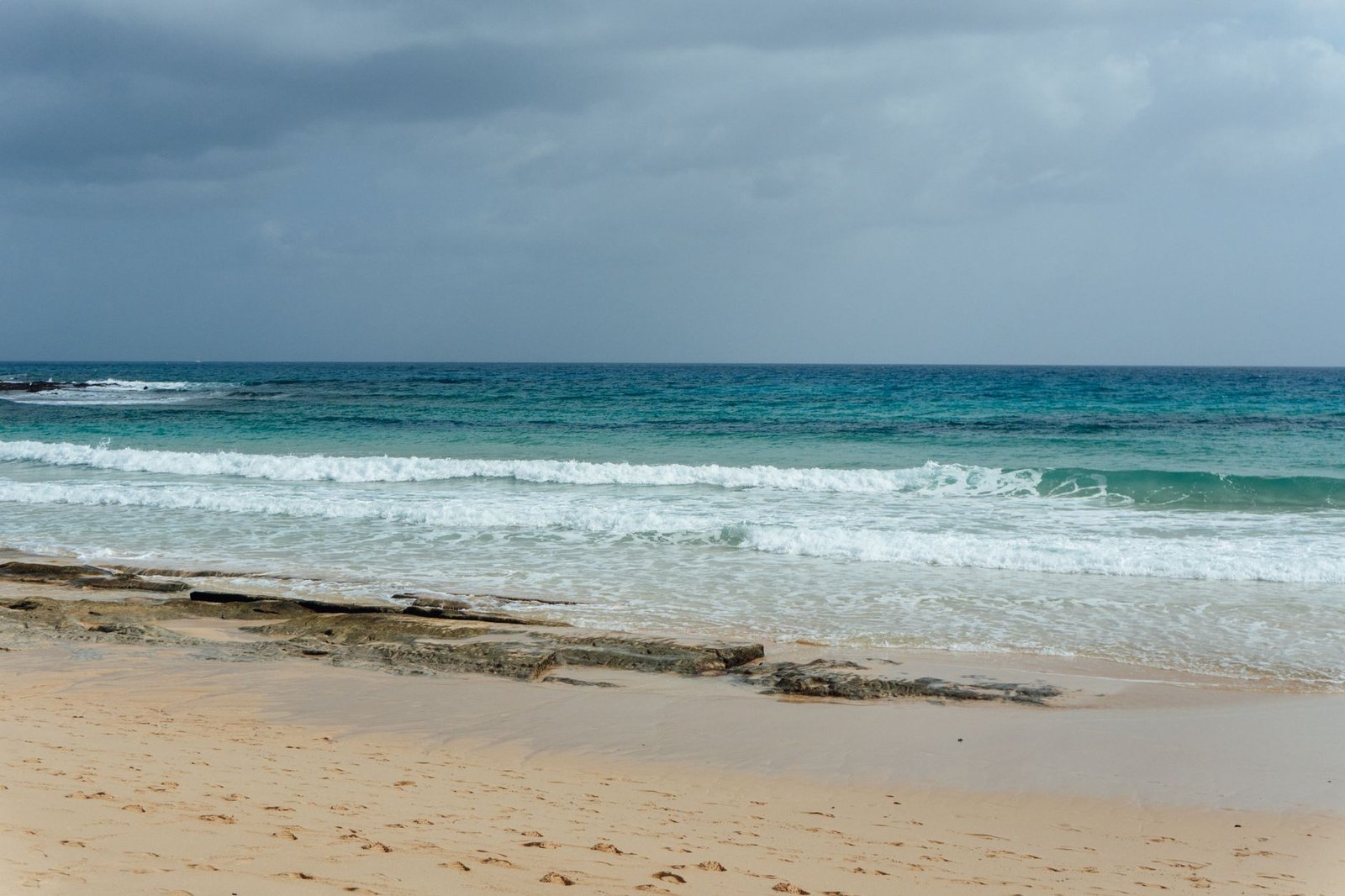
Yes, the dunes meet the Atlantic Ocean, and there are several beautiful sandy beaches that stretch along the coast within the park, such as Flag Beach. The waters are generally clear and inviting, though often breezy, making them popular for watersports like windsurfing and kitesurfing. Be aware of any currents and swim responsibly.
A Final Word on Fuerteventura’s Golden Heart
To walk among the Fuerteventura sand dunes is to engage with the island on a fundamental level, shedding expectations and embracing the raw, untamed beauty that truly defines this part of the Canary Islands. It is an act of simple, profound exploration, where the landscape itself becomes your guide, and the wind whispers tales carried across continents. You don’t just see a place here; you feel it, deep in your bones, leaving you with a lasting sense of calm and a renewed appreciation for Spain’s diverse natural wonders. To explore more of Fuerteventura’s unique offerings, consider venturing towards the authentic flavors of the island’s interior, seeking out authentic pescaito frito recipe in local eateries, a perfect culinary complement to your day.
About Fuerteventura Sand Dunes Walk
This guide is part of Spain Destination’s library of Spain travel and lifestyle content, written with AI assistance and checked against official sources where possible. See how this site is researched and fact-checked →